Loading video…


 19 Concepts
 15.5K views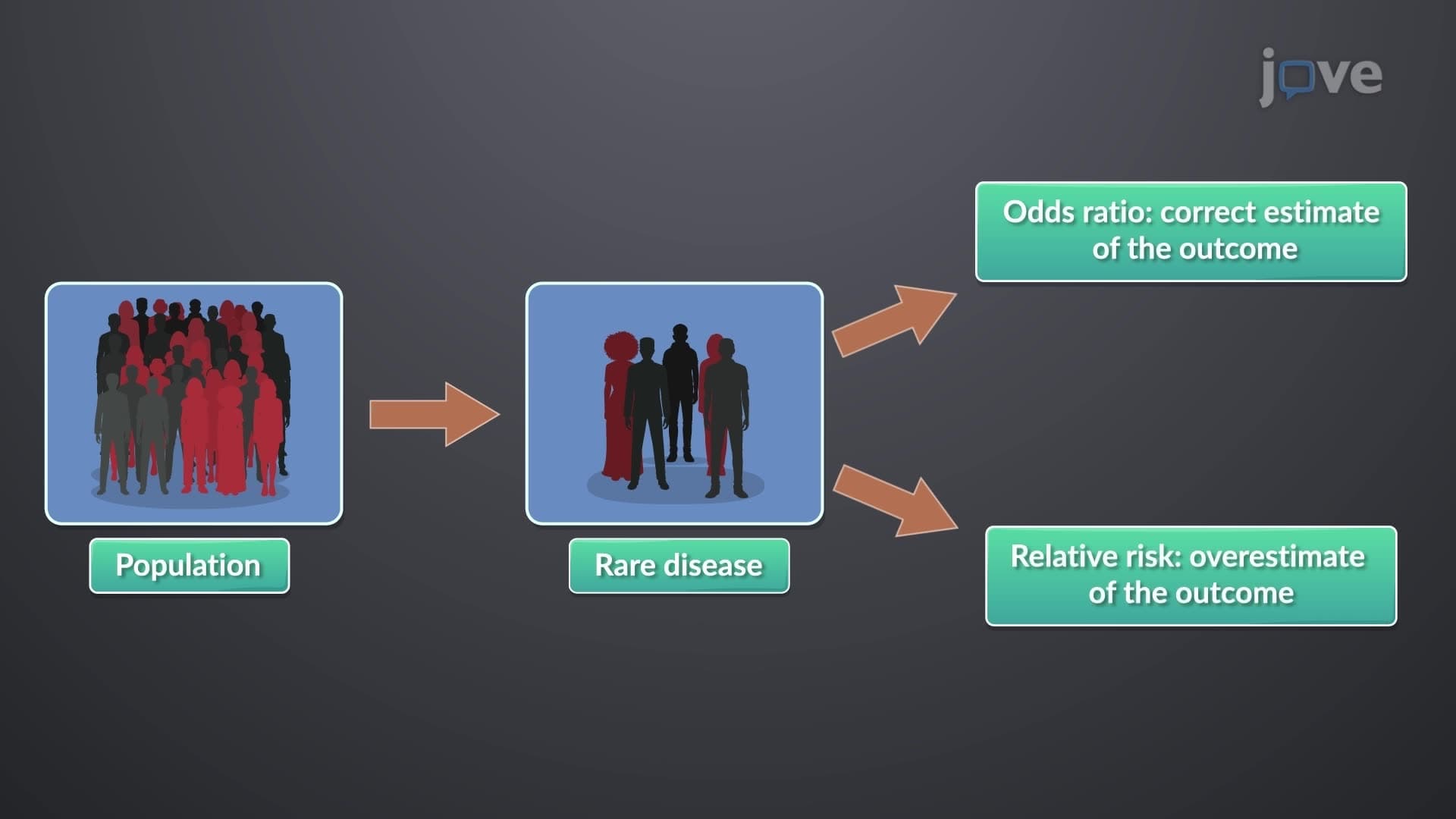

Video Summary: What Is Odds Ratio
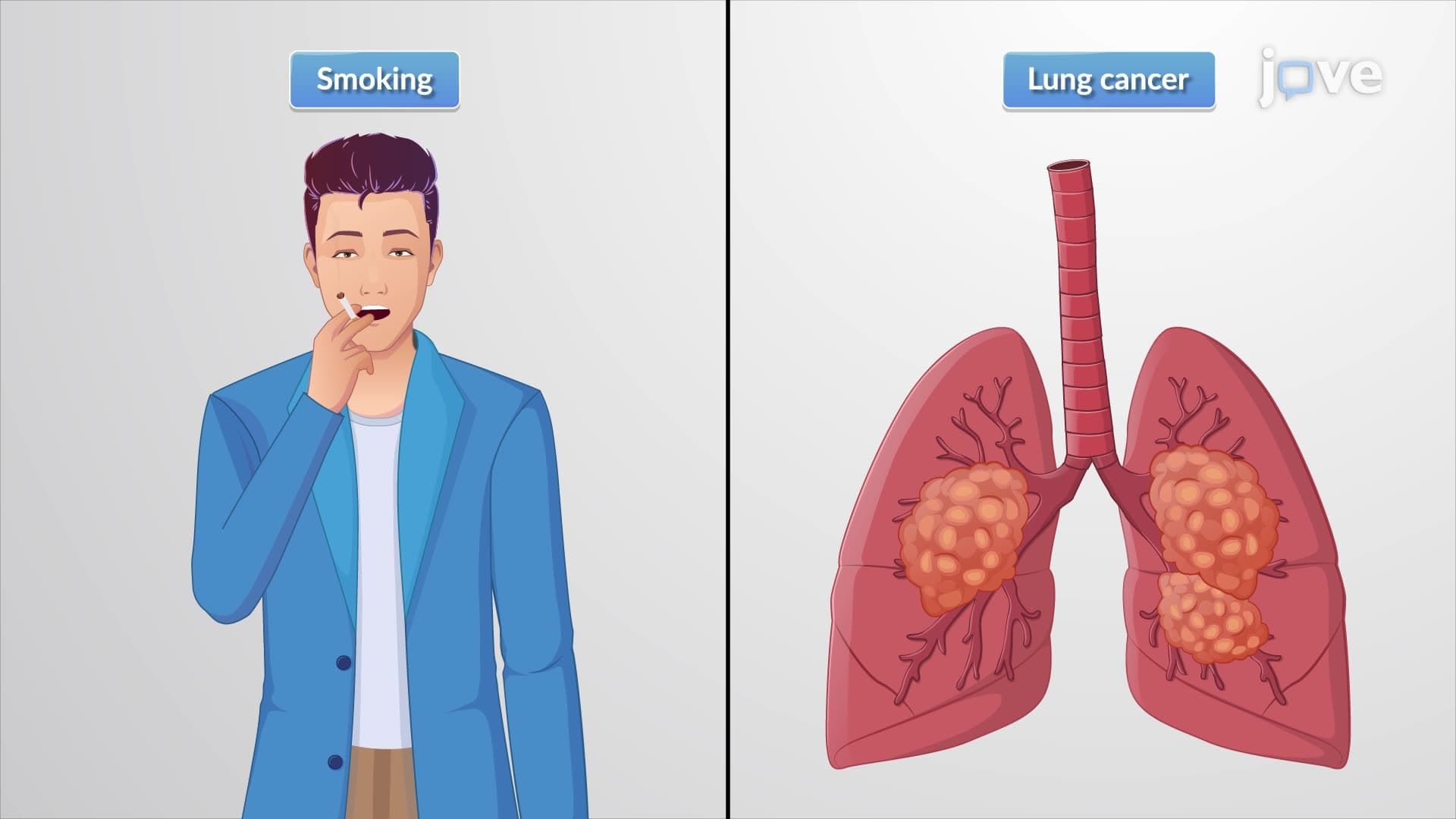
Did you know that smokers are nearly 5 times more likely to develop lung cancer than non-smokers? The odds ratio is the statistical measure that quantifies this relationship, comparing the odds of disease occurrence between exposed and unexposed groups. For example, the CDC uses odds ratios to assess how lifestyle factors like diet and exercise impact diabetes risk in American populations. What is odds ratio and how does it help researchers identify health risks? Watch the full video on JoVE Coach to master this concept with expert-led visuals and step-by-step explanations.
The odds ratio serves as a fundamental measure in epidemiology and biostatistics, quantifying how strongly the presence or absence of a risk factor influences the likelihood of developing a particular outcome. Unlike simple probability comparisons, the odds ratio provides a standardized way to compare two groups by examining the ratio of odds rather than direct probabilities.
Mathematically, the odds ratio equals: (Odds of disease in exposed group) / (Odds of disease in unexposed group). When calculated from a 2x2 table, this becomes: OR = (a×d)/(b×c), where 'a' represents exposed cases, 'b' represents exposed controls, 'c' represents unexposed cases, and 'd' represents unexposed controls.
Understanding odds ratio definition requires mastering interpretation guidelines. An odds ratio of 1.0 indicates no association between the exposure and outcome-the odds are identical in both groups. Values greater than 1.0 suggest increased odds of the outcome with exposure, while values less than 1.0 indicate decreased odds, suggesting a protective effect.
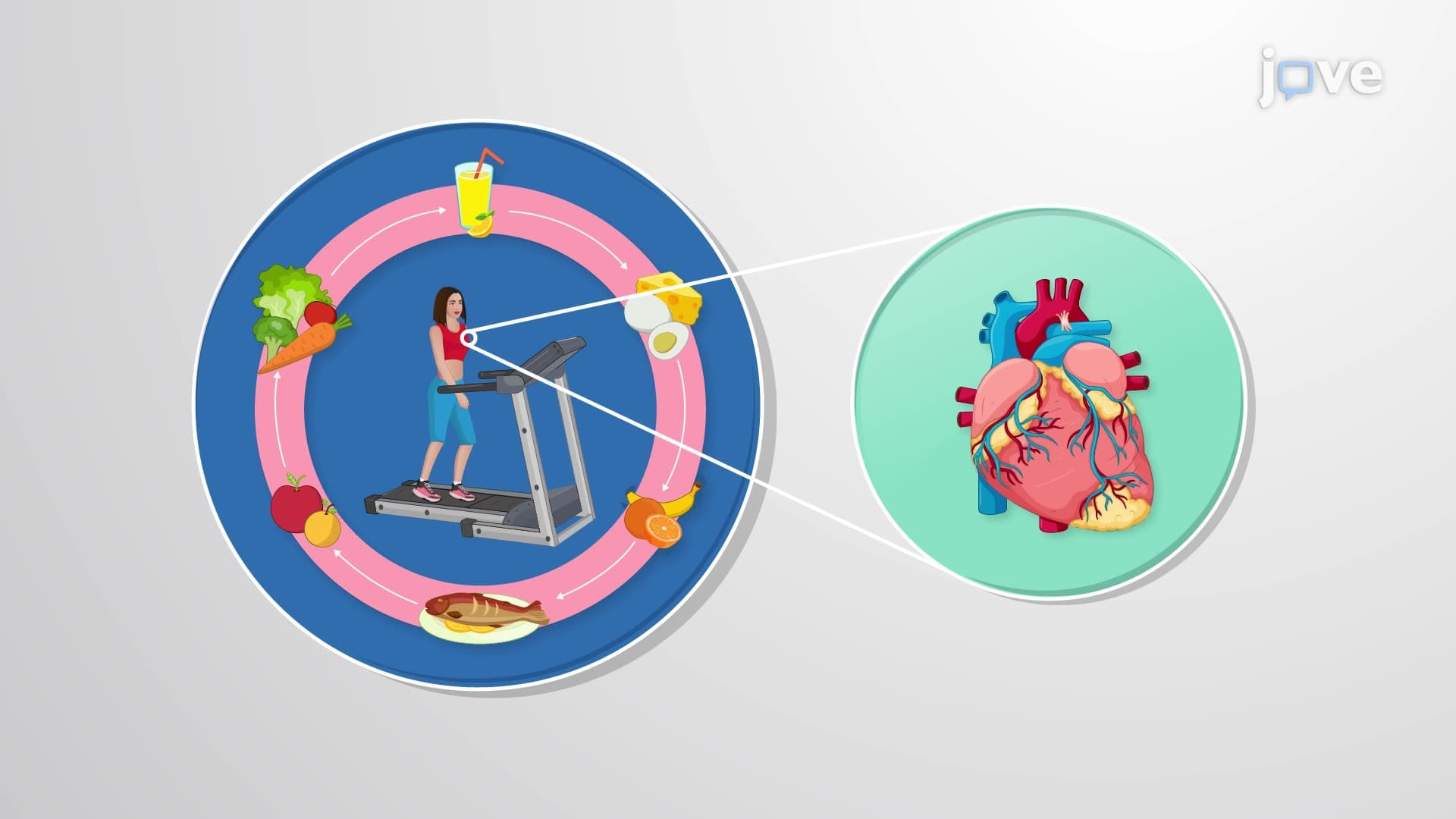
Consider cardiovascular disease research: if physical exercise yields an odds ratio of 0.6 for heart disease, this means physically active individuals have 40% lower odds of developing heart disease compared to sedentary individuals. The American Heart Association frequently uses such odds ratios to communicate research findings to healthcare providers and patients.
Healthcare researchers across major US institutions like Johns Hopkins and Mayo Clinic routinely employ odds ratios in case-control studies. These studies prove particularly valuable when investigating rare diseases where traditional cohort studies would require impractically large sample sizes or extended follow-up periods.
The FDA relies on odds ratio calculations when evaluating medication side effects during clinical trials. For instance, if a new diabetes medication shows an odds ratio of 2.3 for gastrointestinal side effects compared to placebo, this indicates patients taking the medication have 2.3 times higher odds of experiencing these effects.
Students preparing for the MCAT, AP Statistics, or undergraduate biostatistics courses must master odds ratio basics for success. The MCAT frequently presents research scenarios requiring odds ratio calculations and interpretations. Similarly, AP Statistics students encounter odds ratios when studying experimental design and data analysis.
College-level epidemiology and public health courses extensively cover odds ratio applications, often using real CDC data from studies on smoking, obesity, and infectious diseases. Understanding these concepts prepares students for advanced coursework in medicine, public health, and biomedical research careers.
Related Micro-courses