Loading video…


 19 Concepts
 15.5K views

Video Summary: What Is Relative Risk
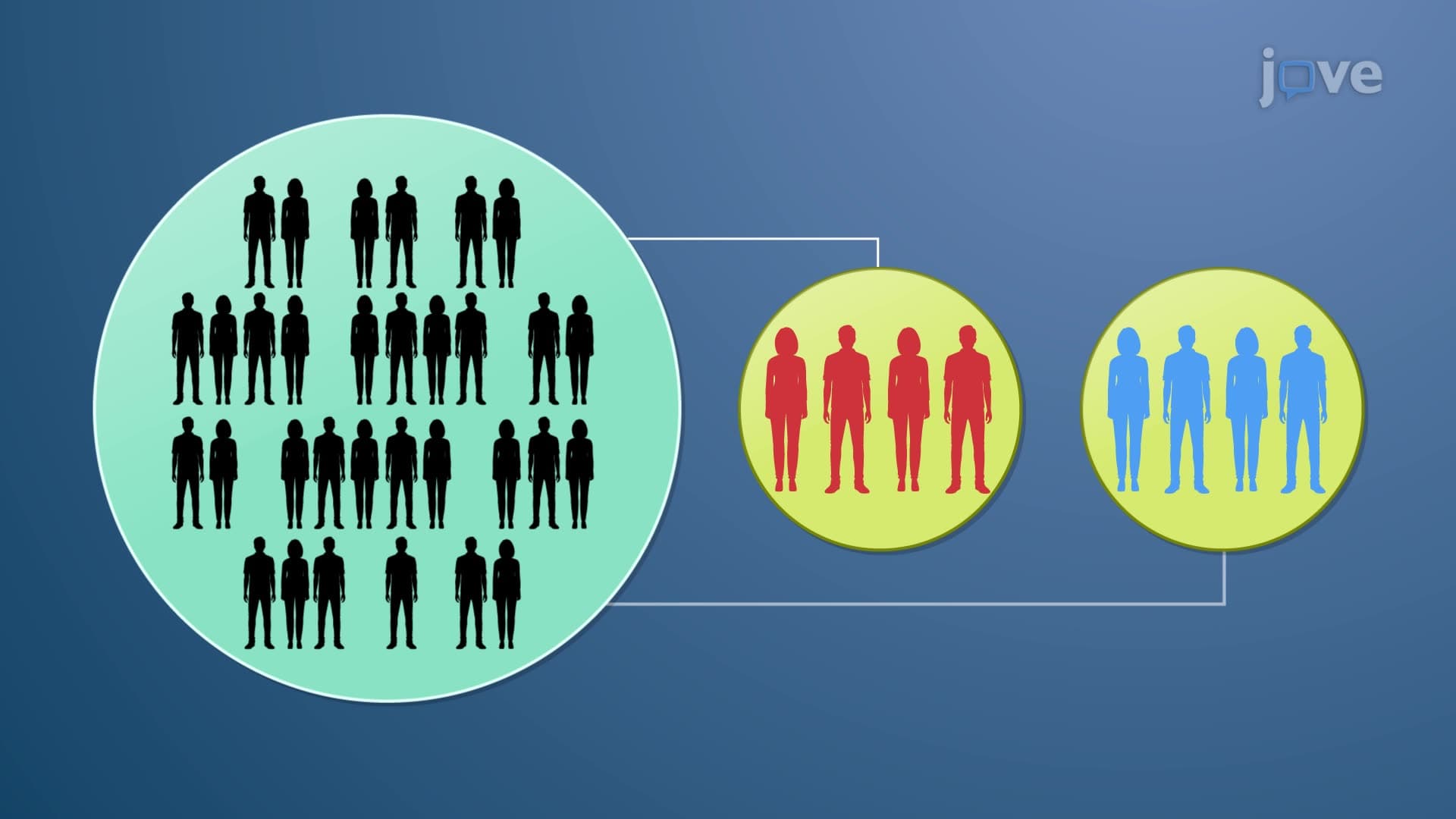
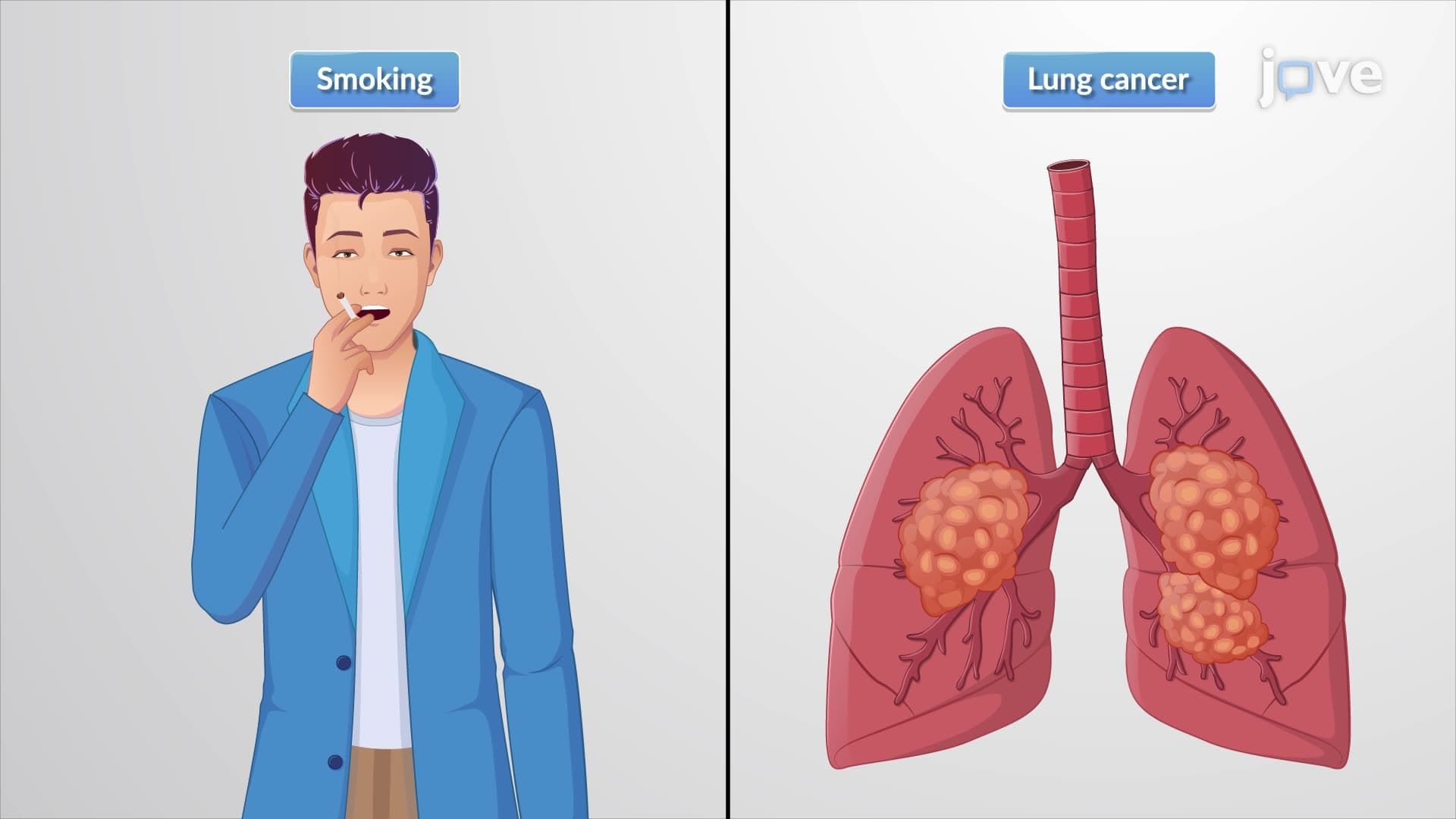
Did you know that understanding relative risk could help you interpret why the CDC warns about certain lifestyle choices? Relative risk measures how much more likely an exposed group is to develop a disease compared to an unexposed group. For instance, when researchers found that smokers have a relative risk of 4.0 for lung cancer, it means smokers are four times more likely to develop the disease than non-smokers. Watch the full video on JoVE Coach to master this concept with expert-led visuals and step-by-step explanations.
What is relative risk forms the cornerstone of epidemiological analysis, serving as a fundamental measure that quantifies how exposure to specific factors affects disease probability. This statistical concept enables researchers to compare disease rates between different populations, making it essential for public health decision-making and clinical practice guidelines.
The relative risk definition centers on a straightforward ratio calculation: dividing the probability of disease occurrence in the exposed group by the probability in the unexposed group. When expressed as RR = P(disease|exposed) / P(disease|unexposed), this formula provides immediate insight into exposure effects. For students preparing for the MCAT or AP Biology exams, mastering this calculation proves crucial since epidemiology questions frequently appear on standardized tests.
Consider the landmark Framingham Heart Study, which revolutionized cardiovascular disease understanding. Researchers found that individuals with high cholesterol had a relative risk of 2.4 for coronary heart disease compared to those with normal cholesterol levels. This means high-cholesterol patients were 2.4 times more likely to develop heart disease, providing concrete evidence for dietary and medication interventions.
Understanding relative risk requires recognizing three critical value ranges. Values greater than 1.0 indicate increased risk-the higher the number, the stronger the association. The smoking-lung cancer example demonstrates this powerfully: a relative risk of 4.0 means smokers face four times the lung cancer risk of non-smokers. Values less than 1.0 suggest protective effects; for instance, regular exercise might yield a relative risk of 0.6 for diabetes, indicating 40% risk reduction. A relative risk of exactly 1.0 indicates no association between exposure and outcome.
Healthcare professionals rely on relative risk basics when counseling patients and developing treatment protocols. The Women's Health Initiative study revealed that hormone replacement therapy carried a relative risk of 1.26 for breast cancer, influencing clinical guidelines nationwide. However, what is relative risk in detail extends beyond simple calculations-it requires understanding study design limitations, sample sizes, and confidence intervals that affect result reliability.
Related Micro-courses