Loading video…


 19 Concepts
 15.5K views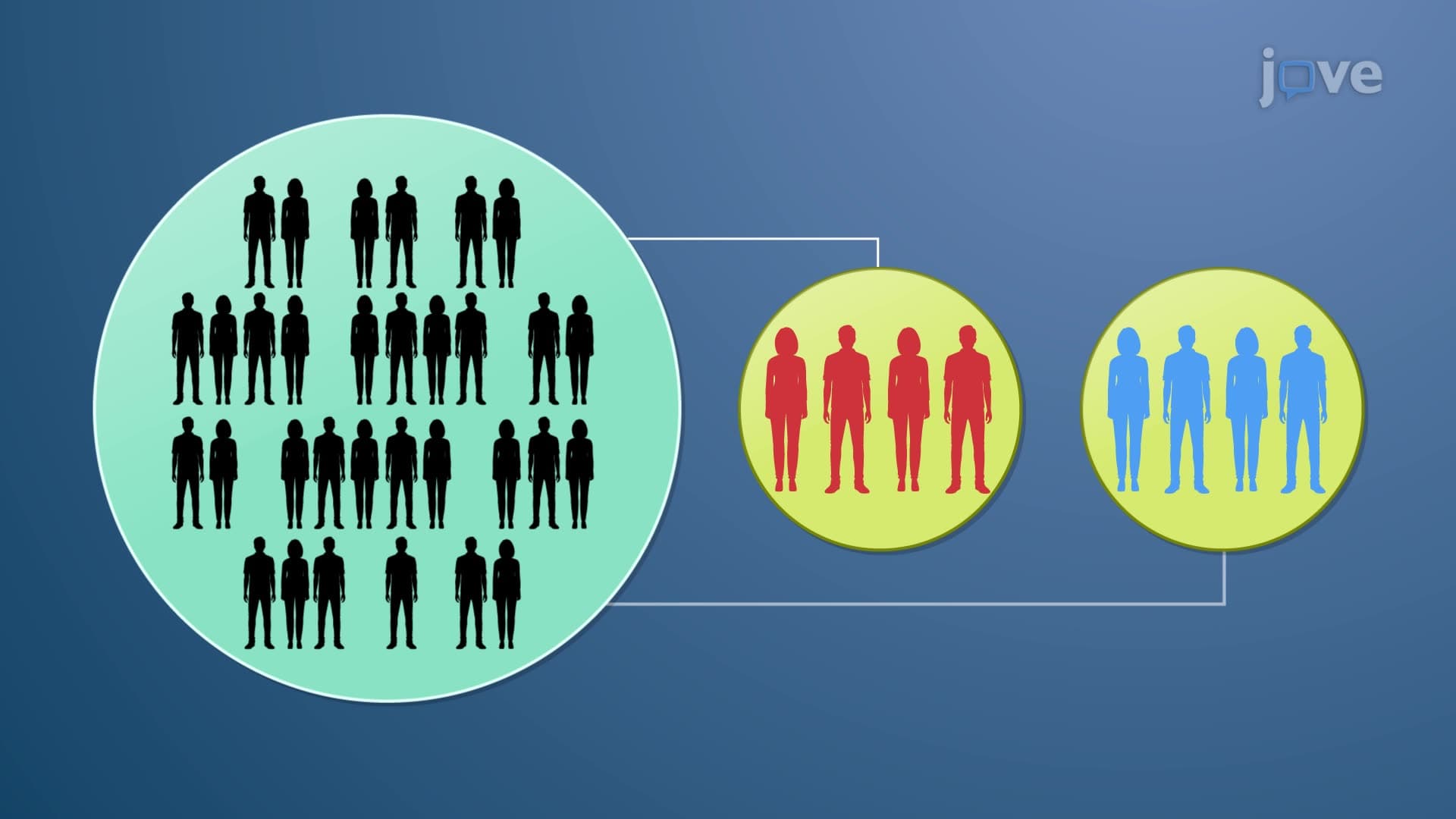

Video Summary: What Is Study Designs in Epidemiology
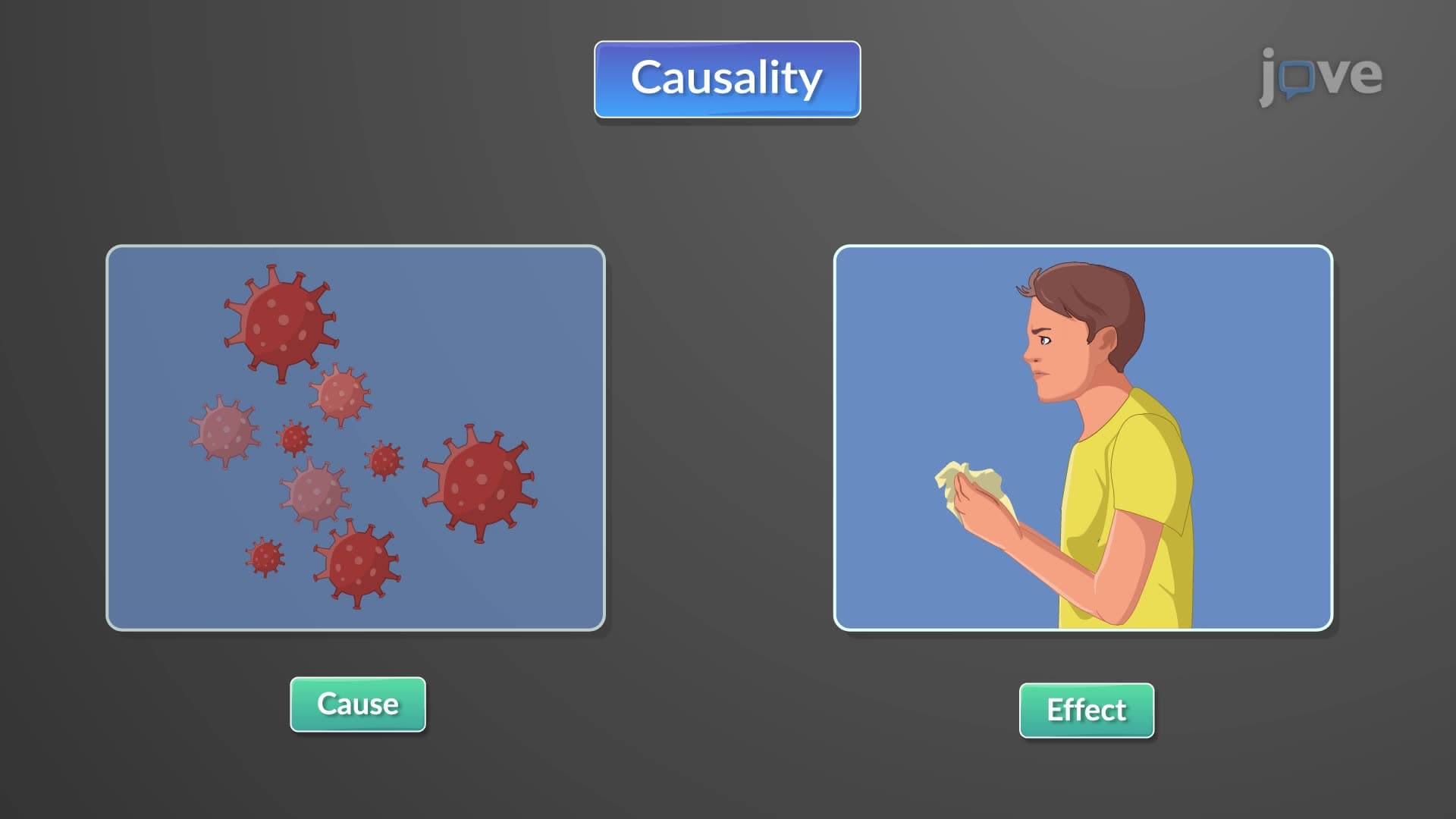
Why do some people get sick while others stay healthy? Study designs in epidemiology provide the scientific framework to answer these critical health questions by establishing causal relationships between exposures and outcomes. Consider how researchers determined that smoking causes lung cancer-they couldn't ethically expose people to cigarettes, so they used observational study designs to compare smokers and non-smokers over time. Understanding what study designs in epidemiology means is essential for interpreting health research and making evidence-based medical decisions. Watch the full video on JoVE Coach to master this concept with expert-led visuals and step-by-step explanations.
Study designs in epidemiology represent the systematic approaches researchers use to investigate relationships between exposures (like diet, exercise, or environmental factors) and health outcomes (like disease, recovery, or mortality). These designs serve as the architectural blueprints for medical research, determining how data is collected, analyzed, and interpreted to establish whether one factor truly causes another.
The significance extends far beyond academic research. Every health recommendation you encounter-from the CDC's vaccination schedules to the American Heart Association's dietary guidelines-stems from carefully designed epidemiological studies. For students preparing for the MCAT or AP Biology exams, understanding these concepts is crucial for interpreting data analysis questions and research scenarios.
The theoretical foundation rests on counterfactual thinking-imagining what would happen if the same person could experience both exposed and unexposed conditions simultaneously. The calcium supplementation example illustrates this perfectly: ideally, the same woman would exist in parallel universes, one taking calcium and one not, with everything else identical.
This counterfactual model eliminates confounding variables-factors that might influence the outcome independently of the exposure being studied. Age represents a classic confounder because older women naturally have lower bone density regardless of calcium intake. By theoretically holding age constant, researchers can isolate calcium's true effect.
Since true counterfactual studies are impossible, epidemiologists develop approximations using comparable groups. The famous Framingham Heart Study, ongoing since 1948 in Massachusetts, exemplifies this approach. Researchers followed thousands of residents over decades, comparing those with different risk factors while controlling for confounding variables through statistical methods.
Modern pharmaceutical trials use randomized controlled designs to approximate counterfactual conditions. When testing new treatments, researchers randomly assign participants to treatment or placebo groups, making the groups as similar as possible except for the intervention.
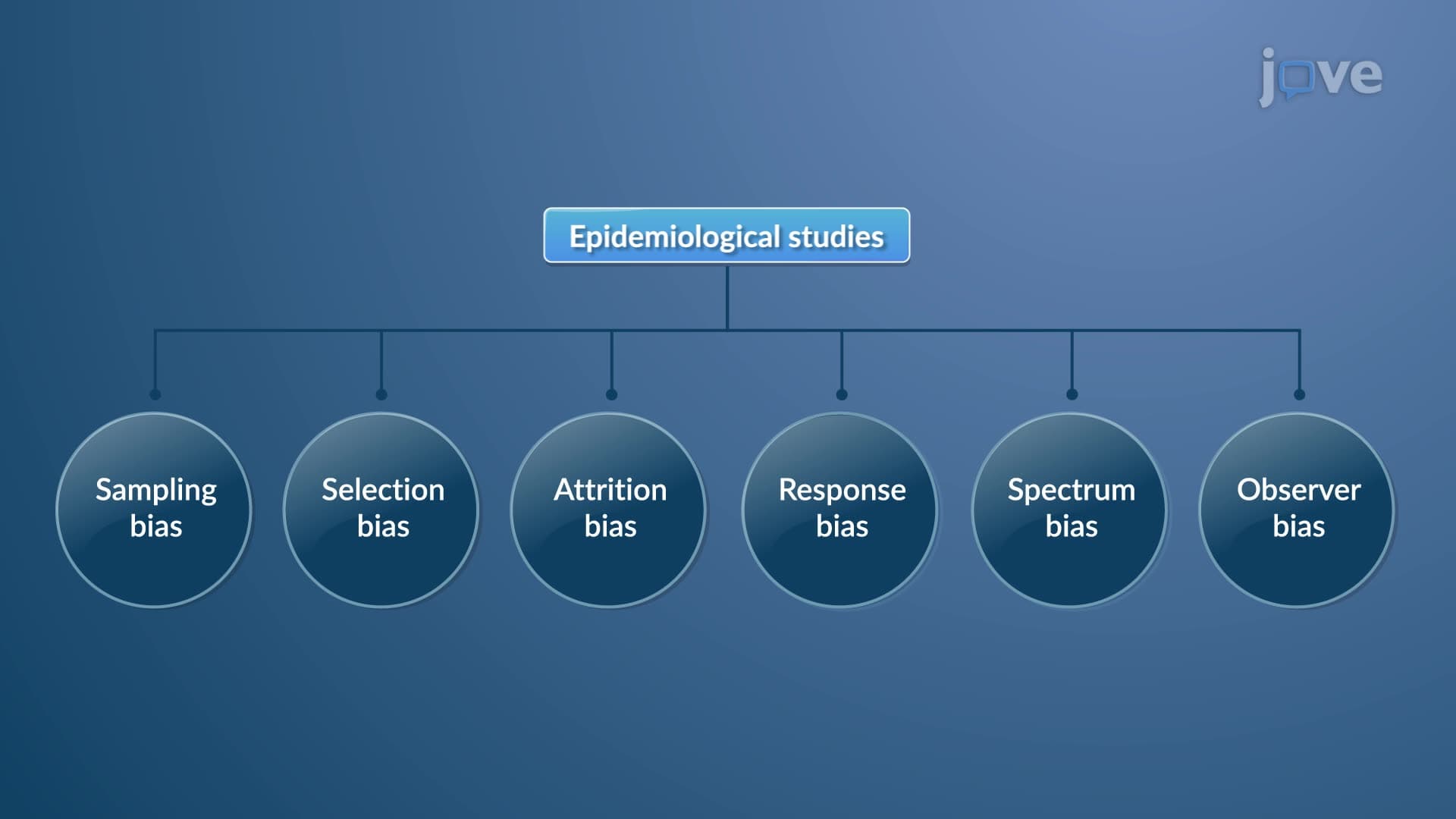
For college students in pre-med, nursing, or public health programs, mastering study design concepts is essential. The MCAT frequently includes passages requiring students to identify study limitations, evaluate confounding factors, and assess causal claims. Similarly, AP Statistics and AP Biology exams test students' ability to analyze experimental designs and interpret results appropriately.
Understanding these principles also develops critical thinking skills for evaluating health claims in media and research literature, preparing students to become informed healthcare professionals and consumers.
Related Micro-courses