Loading subject page…


15,502 views

Video Summary: What Is Overview of Biostatistics
Did you know that biostatisticians at the CDC helped identify the link between vaping and lung injuries in 2019? An overview of biostatistics reveals how statistical methods transform health data into life-saving insights. This field combines mathematics with medicine, enabling researchers to design clinical trials, track disease outbreaks, and evaluate treatment effectiveness. From analyzing COVID-19 vaccine trials to studying heart disease patterns across different US populations, biostatistics drives evidence-based healthcare decisions. Watch the full video on JoVE Coach to master this concept with expert-led visuals and step-by-step explanations.
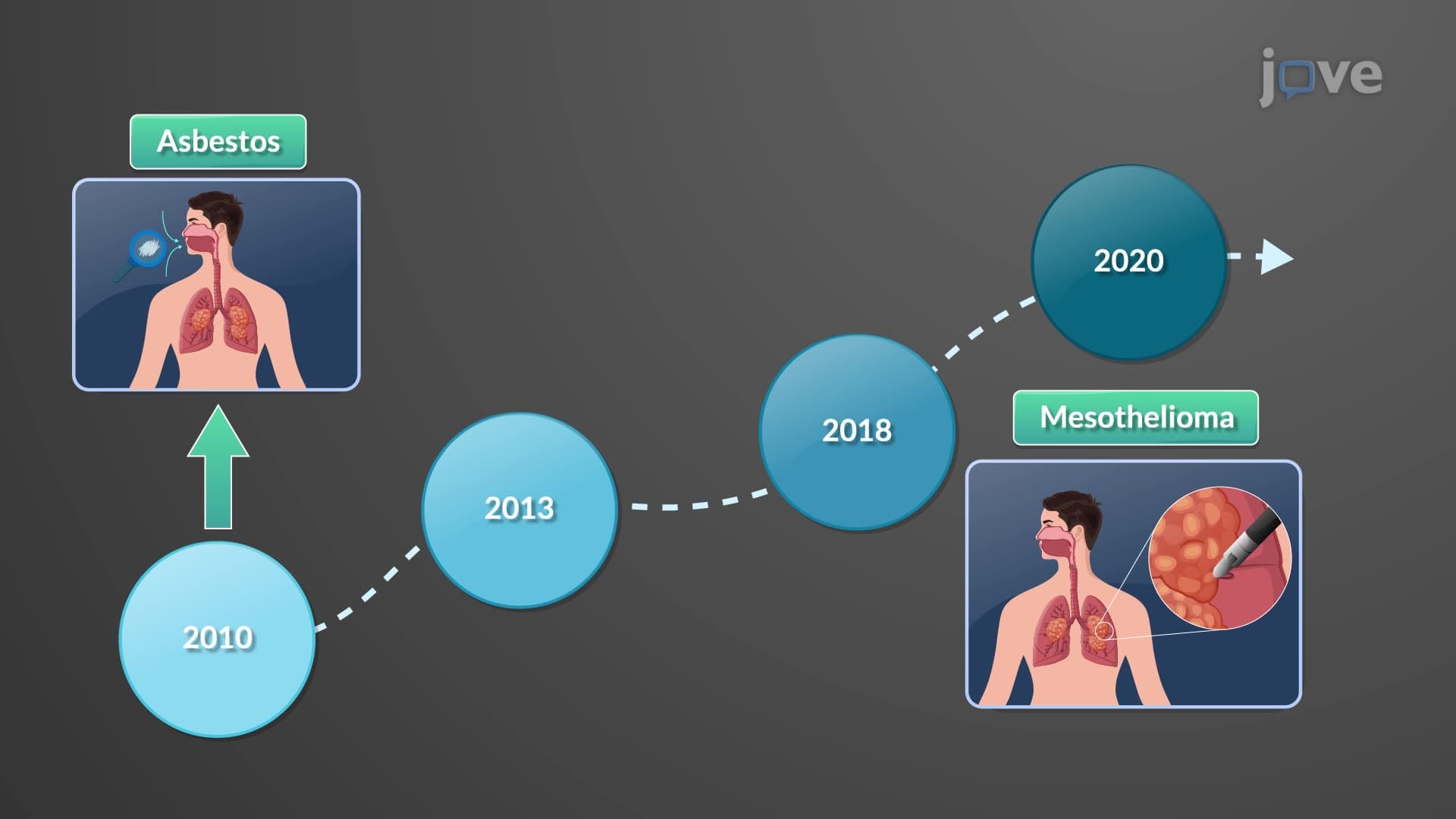
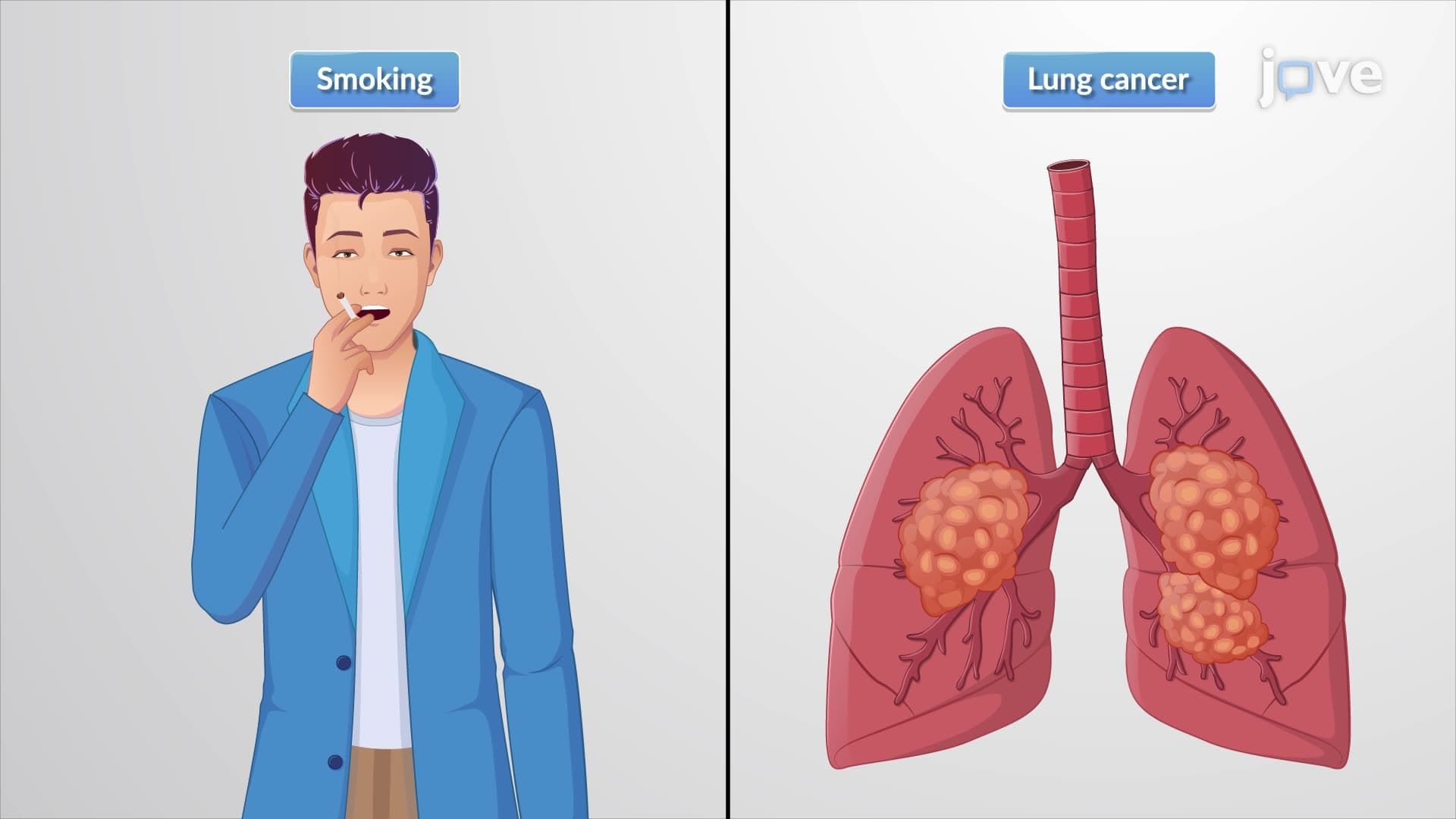
An overview of biostatistics begins with recognizing this discipline as the bridge between mathematical statistics and health sciences. Unlike pure mathematics, biostatistics specifically addresses the unique challenges of health data-from small clinical trial samples to massive population studies. The field emerged during the 20th century when researchers like Austin Bradford Hill developed statistical methods for medical research, including the famous studies linking smoking to lung cancer.
Biostatisticians work across diverse settings: pharmaceutical companies designing drug trials, government agencies like the NIH and CDC tracking public health trends, and academic medical centers evaluating treatment outcomes. This versatility makes biostatistics essential for pre-med students and anyone pursuing health-related careers.
The overview of biostatistics basics encompasses several critical applications. Clinical trials represent the gold standard-biostatisticians determine sample sizes, randomization protocols, and statistical tests to evaluate new treatments. For instance, the COVID-19 vaccine trials required sophisticated statistical models to demonstrate safety and efficacy across diverse populations.
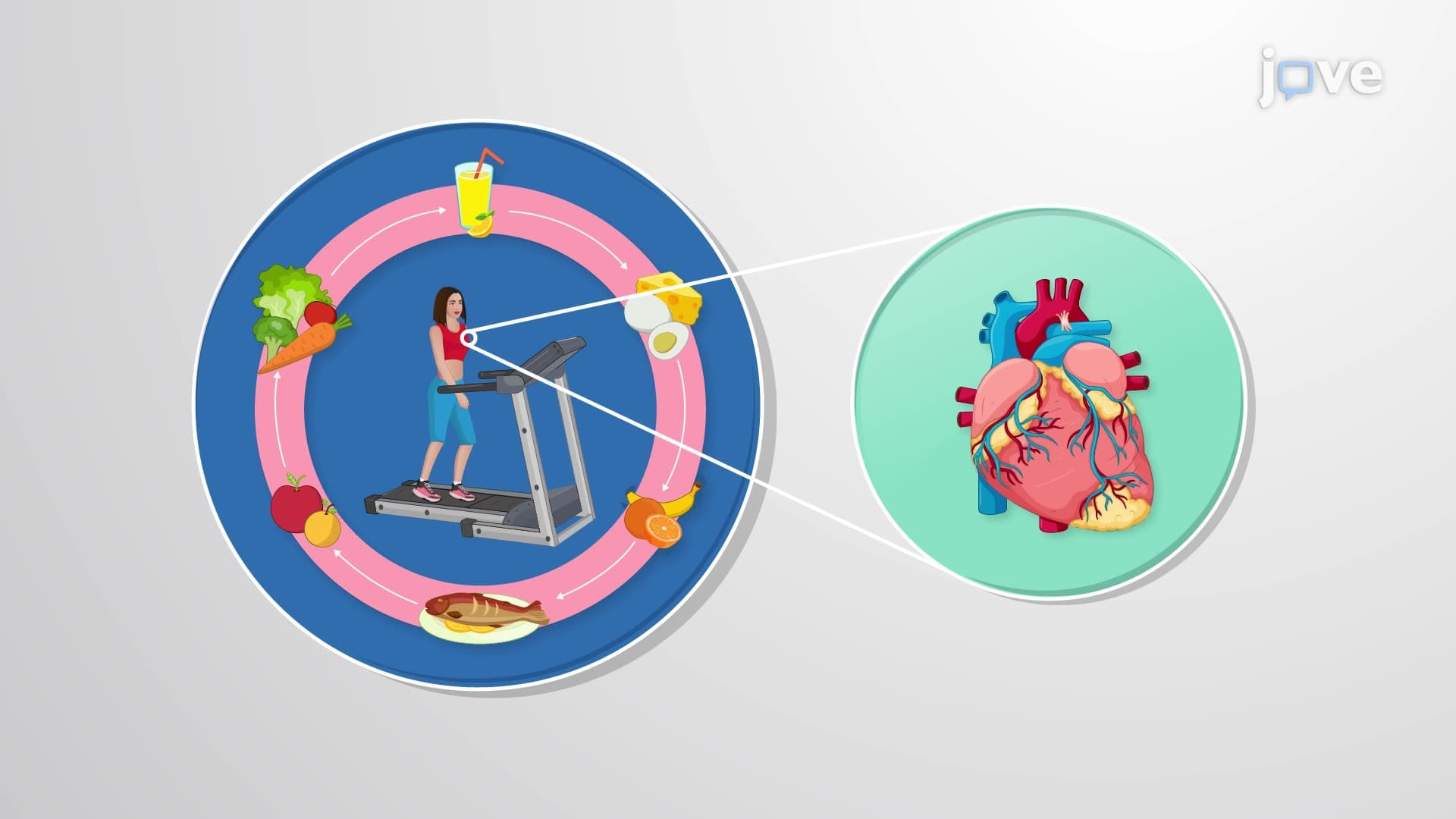
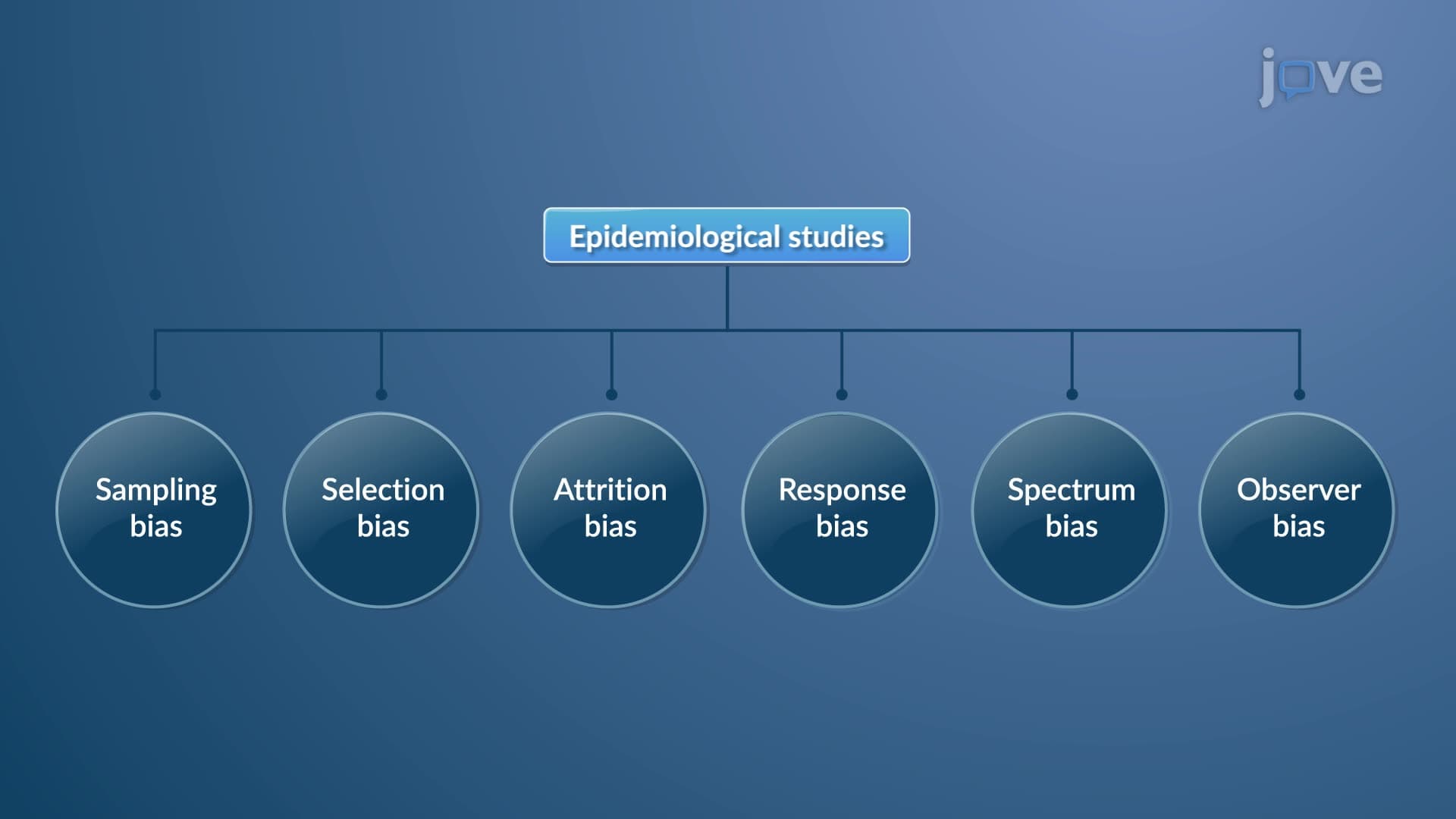
Epidemiological studies form another cornerstone, where biostatisticians track disease patterns, identify risk factors, and evaluate public health interventions. The Framingham Heart Study, ongoing since 1948, exemplifies how longitudinal biostatistical analysis has revolutionized our understanding of cardiovascular disease risk factors.
An overview of biostatistics concept includes mastering specific statistical approaches tailored for health data. Survival analysis examines time-to-event outcomes like patient mortality or treatment failure. Regression models identify relationships between variables-for example, how smoking duration correlates with cancer risk. Chi-square tests compare categorical outcomes between treatment groups.
These methods address unique challenges in health data: missing values when patients drop out of studies, confounding variables that influence results, and ethical constraints that limit experimental design. Students preparing for the MCAT or AP Statistics should understand how these biostatistical concepts differ from general statistical applications.
Understanding overview of biostatistics opens numerous career opportunities. Entry-level positions often require a bachelor's degree in statistics, mathematics, or biology, while advanced roles demand master's or doctoral degrees. The Bureau of Labor Statistics projects 35% growth in statistician jobs through 2031, with healthcare applications driving much of this demand.
Students can prepare through coursework in calculus, statistics, and biology. Many colleges offer specialized biostatistics programs, and summer research opportunities at institutions like the National Cancer Institute provide valuable experience. Professional certifications from organizations like the American Statistical Association enhance career prospects in this rapidly expanding field.
Related Micro-courses