Loading subject page…

- Statistics
- Biostatistics
- Criteria for Causality: Bradford Hill Criteria - I
Micro-course: Biostatistics
15,502 views
Learn key concepts and earn your certificate.












Criteria for Causality: Bradford Hill Criteria - I

00:00
01:30
Video Summary: Bradford Hill Criteria for Causality Principles and Application I
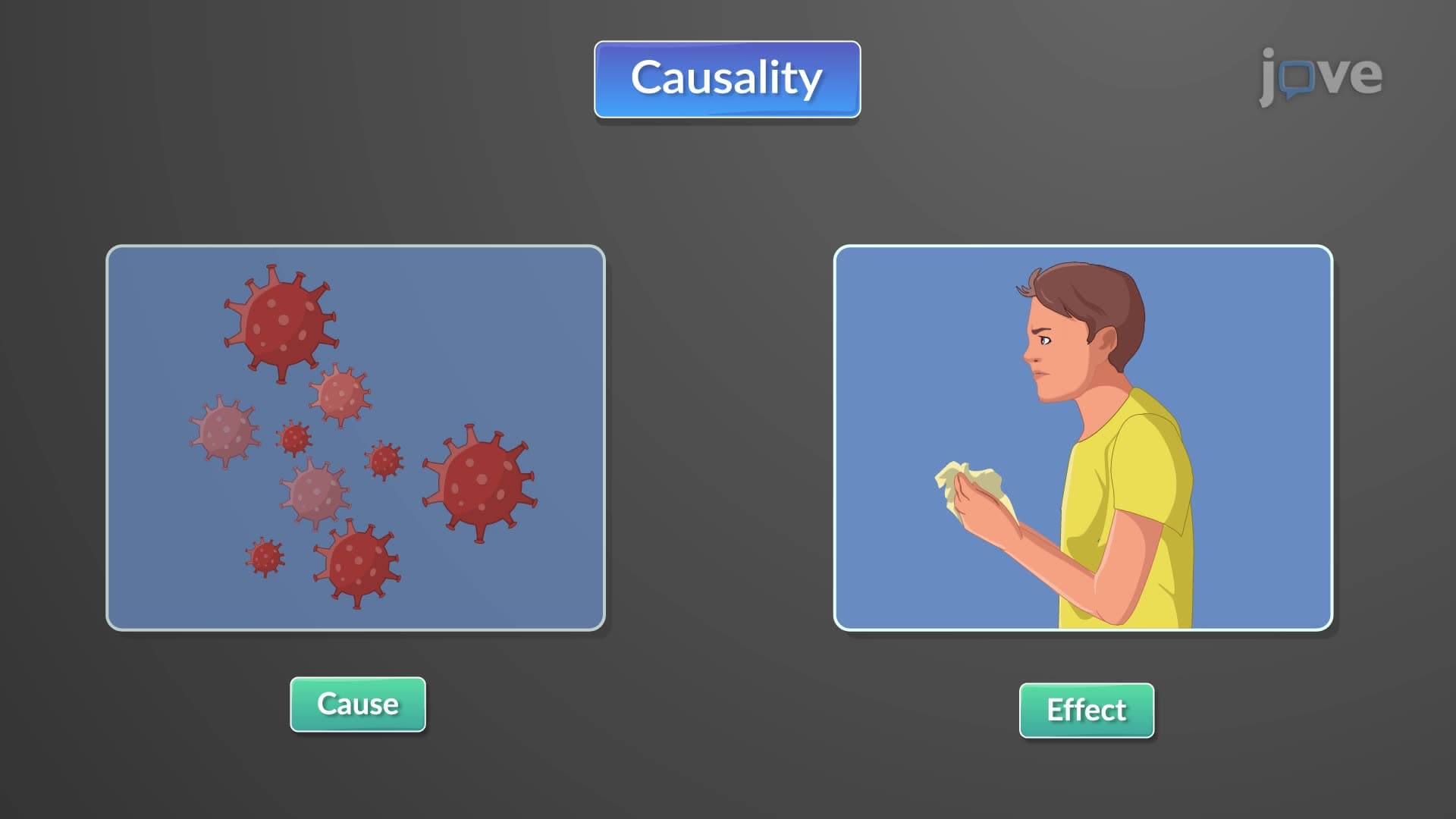
Did you know that proving smoking causes lung cancer required nine specific scientific criteria? The Bradford Hill Criteria for Causality: Principles and Application I establishes the foundational framework epidemiologists use to determine if relationships between exposures and diseases represent true causation rather than mere correlation. Four key criteria-strength, consistency, specificity, and temporality-form the backbone of causal inference in public health research, exemplified by landmark studies linking asbestos exposure to mesothelioma in American industrial workers. Watch the full video on JoVE Coach to master this concept with expert-led visuals and step-by-step explanations.
- Understand the Bradford Hill Criteria for Causality: Principles and Application I as the gold standard for establishing causal relationships in epidemiological research
- Identify the four foundational criteria: strength of association, consistency across studies, specificity of cause-effect relationships, and temporal sequence
- Analyze real-world examples like smoking-lung cancer associations using strength and consistency criteria
- Evaluate how specificity applies to infectious diseases, particularly single pathogen-disease relationships like *Bacillus anthracis* and anthrax
- Apply temporality principles to occupational health scenarios, ensuring exposure precedes disease onset
- Compare different types of epidemiological evidence and their relative strength in supporting causation
- Recognize when correlational data meets the threshold for causal inference in public health policy
- Explore how these criteria influence regulatory decisions by agencies like the CDC and EPA
Understanding the Bradford Hill Criteria for Causality: Principles and Application I
The Bradford Hill Criteria for Causality represent a systematic approach to evaluating whether observed associations between exposures and health outcomes reflect genuine causal relationships. Developed by Sir Austin Bradford Hill in 1965, these nine criteria emerged from the need to establish scientific rigor in epidemiological research, particularly following controversies surrounding tobacco industry claims about smoking and lung cancer.
Strength of Association: Measuring Effect Size
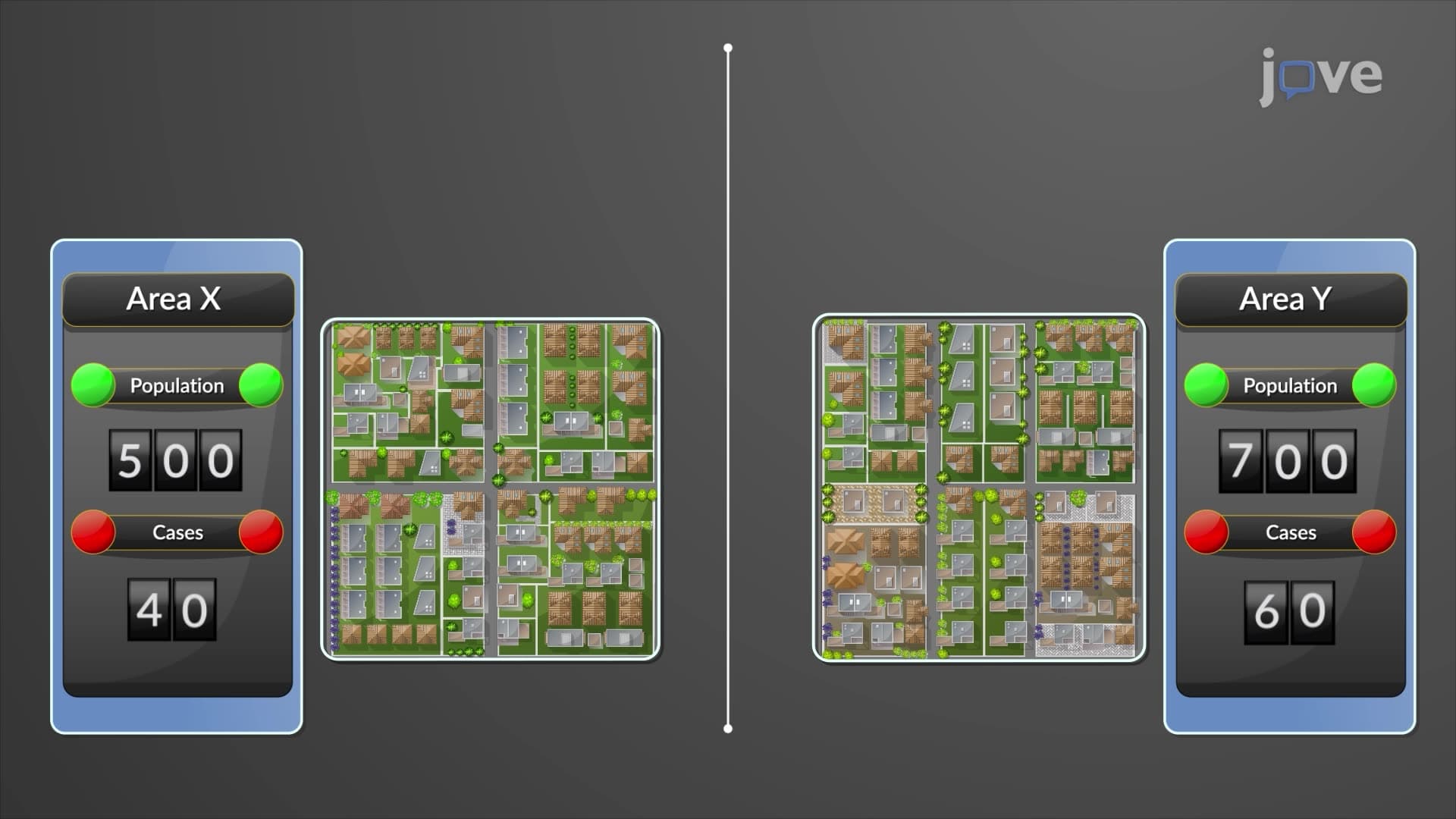
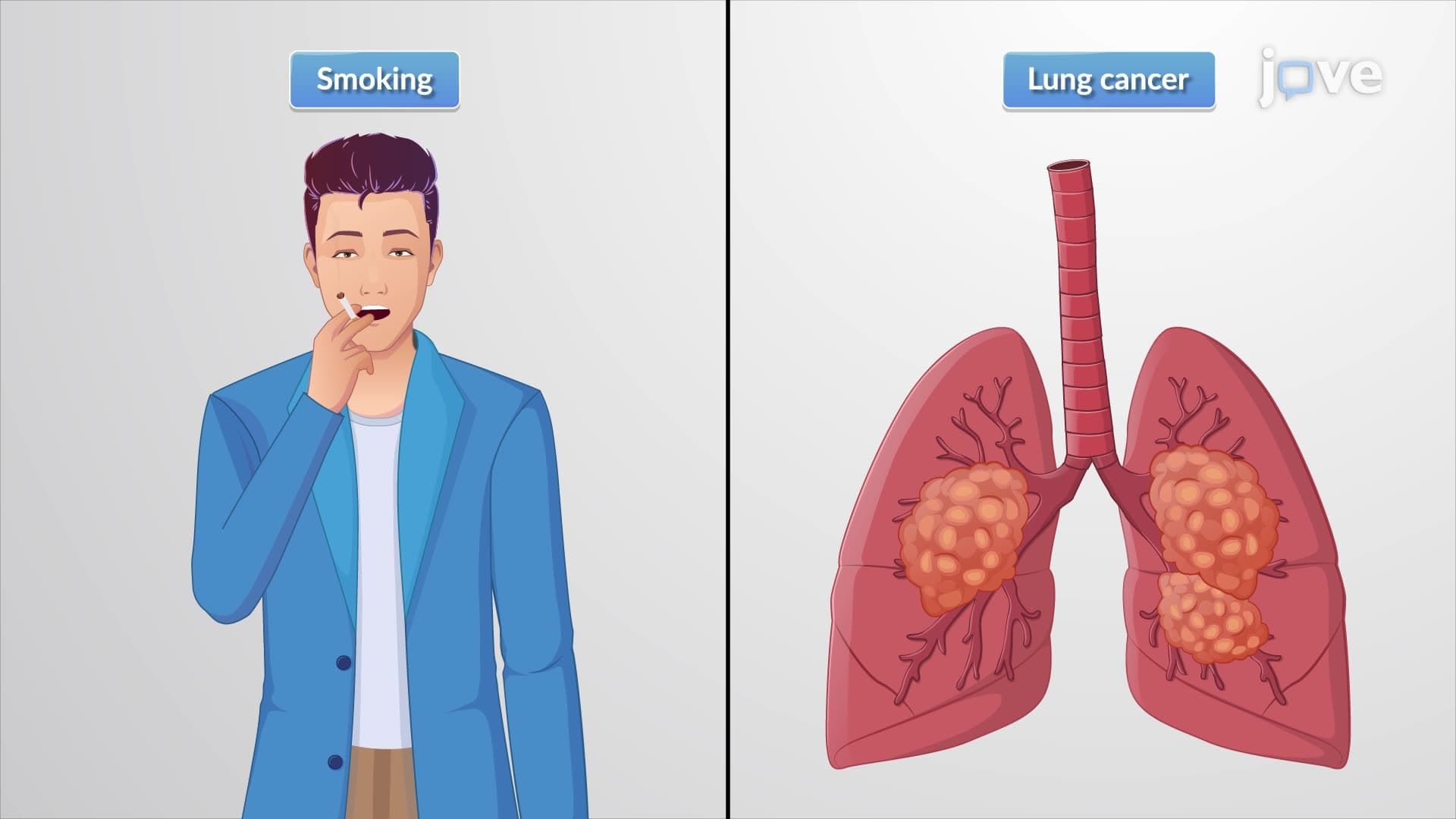
The strength criterion examines the magnitude of association between exposure and outcome. Stronger associations provide more compelling evidence for causation because they're less likely to result from confounding variables or bias. In the landmark Framingham Heart Study, researchers documented that heavy smokers face a 20-fold increased risk of lung cancer compared to non-smokers-a remarkably strong association that helped establish causation. This criterion proves especially valuable in AP Biology courses and MCAT preparation, where students must distinguish between weak correlations and robust causal relationships.
Consistency Across Populations and Settings
Consistency requires that multiple independent studies demonstrate similar associations across diverse populations, geographic regions, and time periods. The smoking-lung cancer relationship exemplifies this criterion perfectly: studies from American Cancer Society researchers, Harvard School of Public Health investigators, and international collaborations consistently demonstrate increased lung cancer rates among smokers. This reproducibility strengthens causal arguments because it suggests the association isn't due to unique characteristics of specific study populations or methodological quirks.
Specificity and Temporality: Precision and Sequence
Specificity addresses whether a particular cause produces a specific effect, though Hill acknowledged this criterion's limitations in complex diseases with multiple causes. Infectious diseases often demonstrate clear specificity-*Bacillus anthracis* specifically causes anthrax, providing straightforward causal evidence. However, chronic diseases like heart disease involve multiple risk factors, making specificity less applicable.
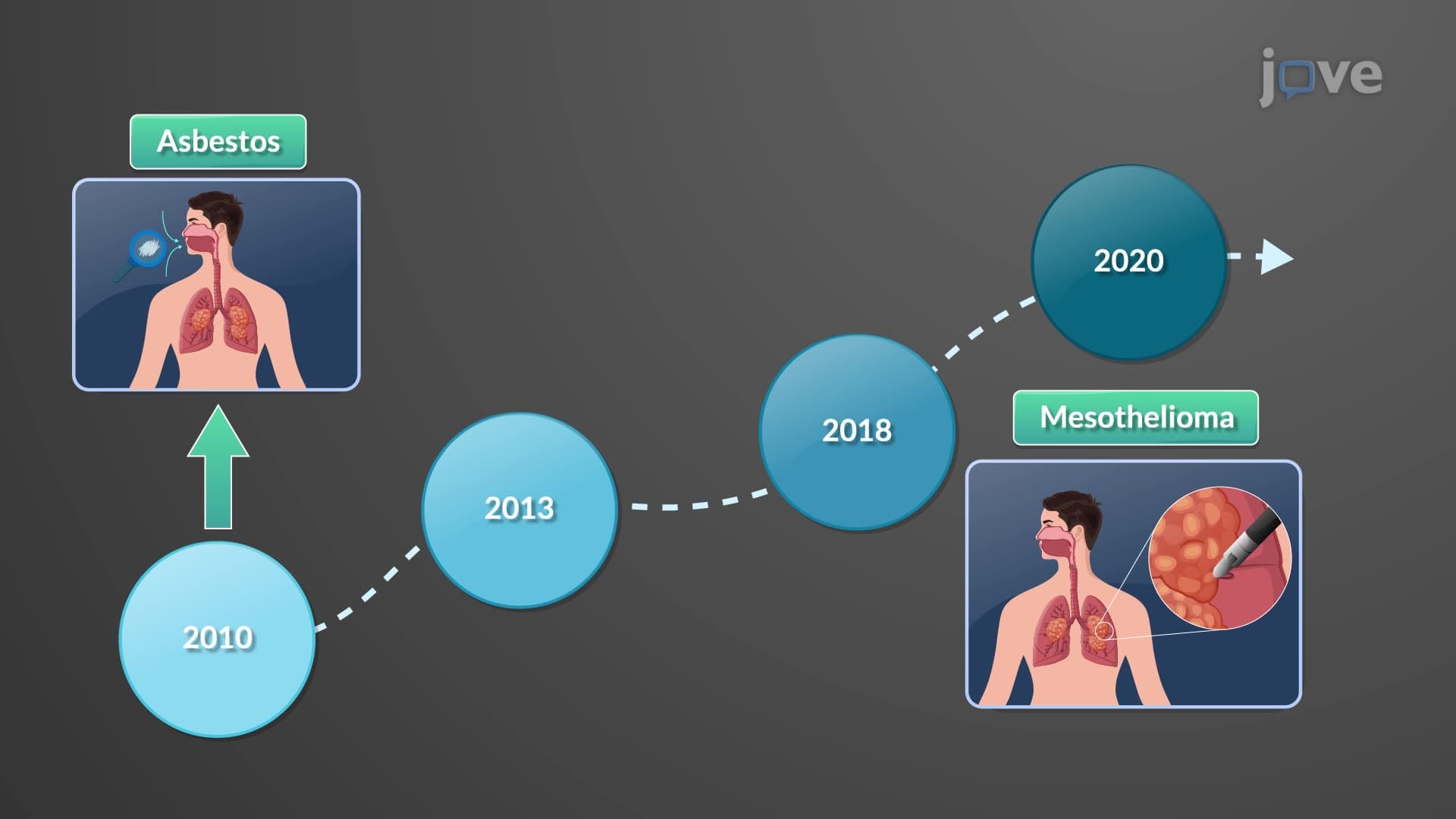
Temporality represents the most fundamental criterion: causes must precede effects. This seems obvious but requires careful consideration in study design. The latency period between asbestos exposure and mesothelioma development can span 20-40 years, necessitating long-term prospective studies or detailed occupational histories. Students preparing for USMLE Step 1 frequently encounter questions testing temporal relationships, particularly regarding occupational exposures and cancer development.
These criteria continue influencing modern epidemiological practice and regulatory decision-making. The EPA's classification of environmental carcinogens, CDC's disease outbreak investigations, and FDA's drug safety assessments all incorporate Bradford Hill principles. Understanding these concepts proves essential for students pursuing careers in public health, medicine, or biomedical research.
Frequently Asked Questions
The Bradford Hill Criteria are nine scientific principles used to determine whether observed associations between exposures and diseases represent true causal relationships rather than coincidental correlations. The first four criteria-strength, consistency, specificity, and temporality-provide the foundational framework for evaluating causation in epidemiological research. These criteria help distinguish between statistical associations and genuine cause-and-effect relationships in public health studies.
MCAT passages frequently test your ability to evaluate study designs using Bradford Hill principles, particularly strength of association and temporality. You'll encounter questions asking whether correlational data supports causal conclusions or identifying which criteria specific studies satisfy. AP Biology exam questions often focus on experimental design and data interpretation, requiring you to apply these criteria when evaluating scientific claims about environmental health risks.
Medical education prioritizes Bradford Hill criteria because physicians must critically evaluate research evidence when making clinical decisions and public health recommendations. Understanding these principles helps future doctors distinguish between reliable causal evidence and preliminary correlational findings. This knowledge proves essential for evidence-based medicine and interpreting medical literature throughout your career.
CDC epidemiologists applied Bradford Hill criteria during investigations linking vaping products to lung injuries (EVALI) in 2019-2020, evaluating temporal relationships and consistency across multiple states. Similarly, researchers studying the opioid crisis use these criteria to establish causal links between prescription practices and addiction rates. Environmental health scientists apply these principles when investigating cancer clusters near industrial sites.
No advanced statistical background is required to grasp these fundamental concepts. While calculating precise effect sizes involves statistics, understanding the basic principles-that causes precede effects, stronger associations suggest causation, and consistent findings across studies strengthen evidence-requires only logical thinking. High school algebra provides sufficient mathematical foundation for comprehending these epidemiological concepts.
Focus first on mastering the four core criteria covered here: strength, consistency, specificity, and temporality. Create memorable associations-strength relates to effect size magnitude, consistency means reproducible results, specificity involves one cause-one effect relationships, and temporality requires proper time sequence. Use real examples like smoking-cancer relationships to anchor each concept in concrete scenarios rather than memorizing abstract definitions.
Students frequently struggle with specificity because many diseases have multiple causes, making one-to-one cause-effect relationships uncommon. Temporality also presents challenges when dealing with diseases having long latency periods, like occupational cancers. Practice with infectious disease examples first (which often show clear specificity) before tackling complex chronic disease scenarios with multiple risk factors.
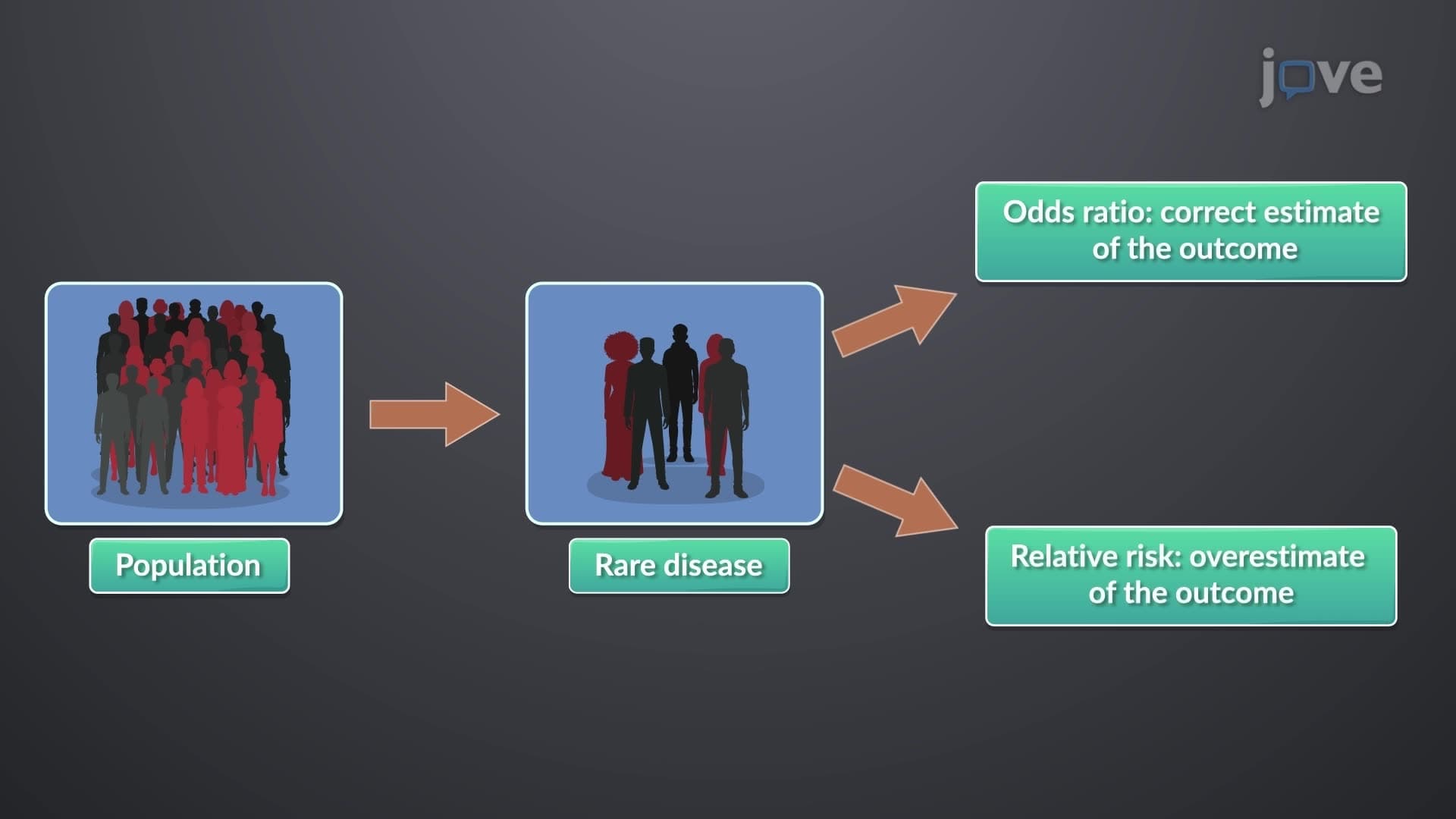
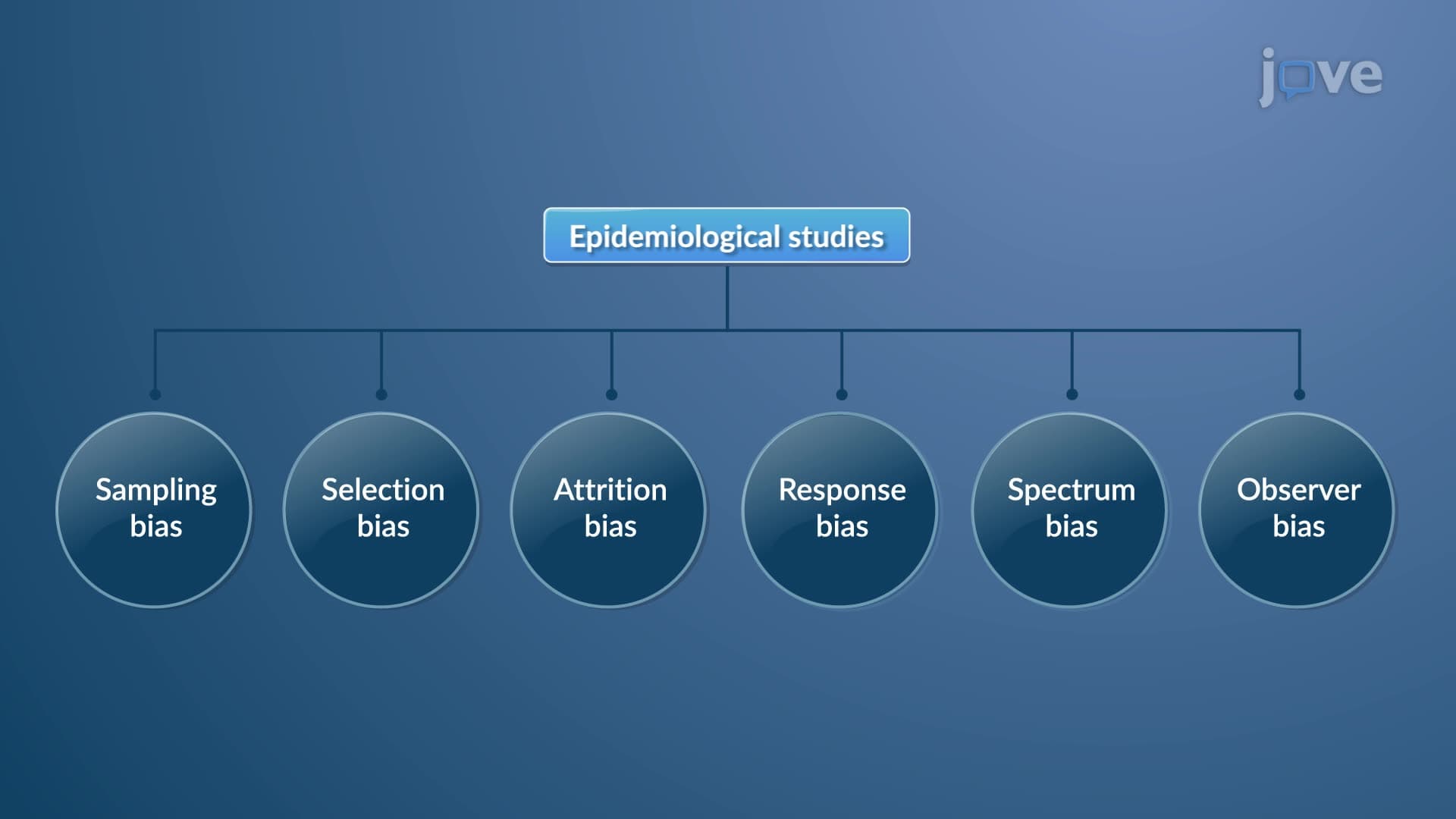
Build upon this foundation by exploring study design types (cohort, case-control, cross-sectional studies) and their relative strengths for establishing causation. Learn about confounding variables, bias types, and statistical measures like relative risk and odds ratios. Understanding these concepts will deepen your ability to critically evaluate epidemiological research and prepare you for advanced coursework in biostatistics or public health.
Related Micro-courses


