Loading subject page…


42,815 views

Video Summary: Fundamentals of Nursing Process I Explained
Did you know that nursing errors affect nearly 1 in 4 patients in US hospitals? The fundamentals nursing process serves as a critical thinking framework that prevents these mistakes by providing nurses with a systematic, evidence-based approach to patient care. This structured method helps nursing students at institutions like Johns Hopkins University learn to identify patient needs, develop care plans, and evaluate outcomes effectively. The Fundamentals of Nursing Process I Explained breaks down this essential competency into five manageable steps that form the foundation of safe, quality nursing practice. Watch the full video on JoVE Coach to master this concept with expert-led visuals and step-by-step explanations.
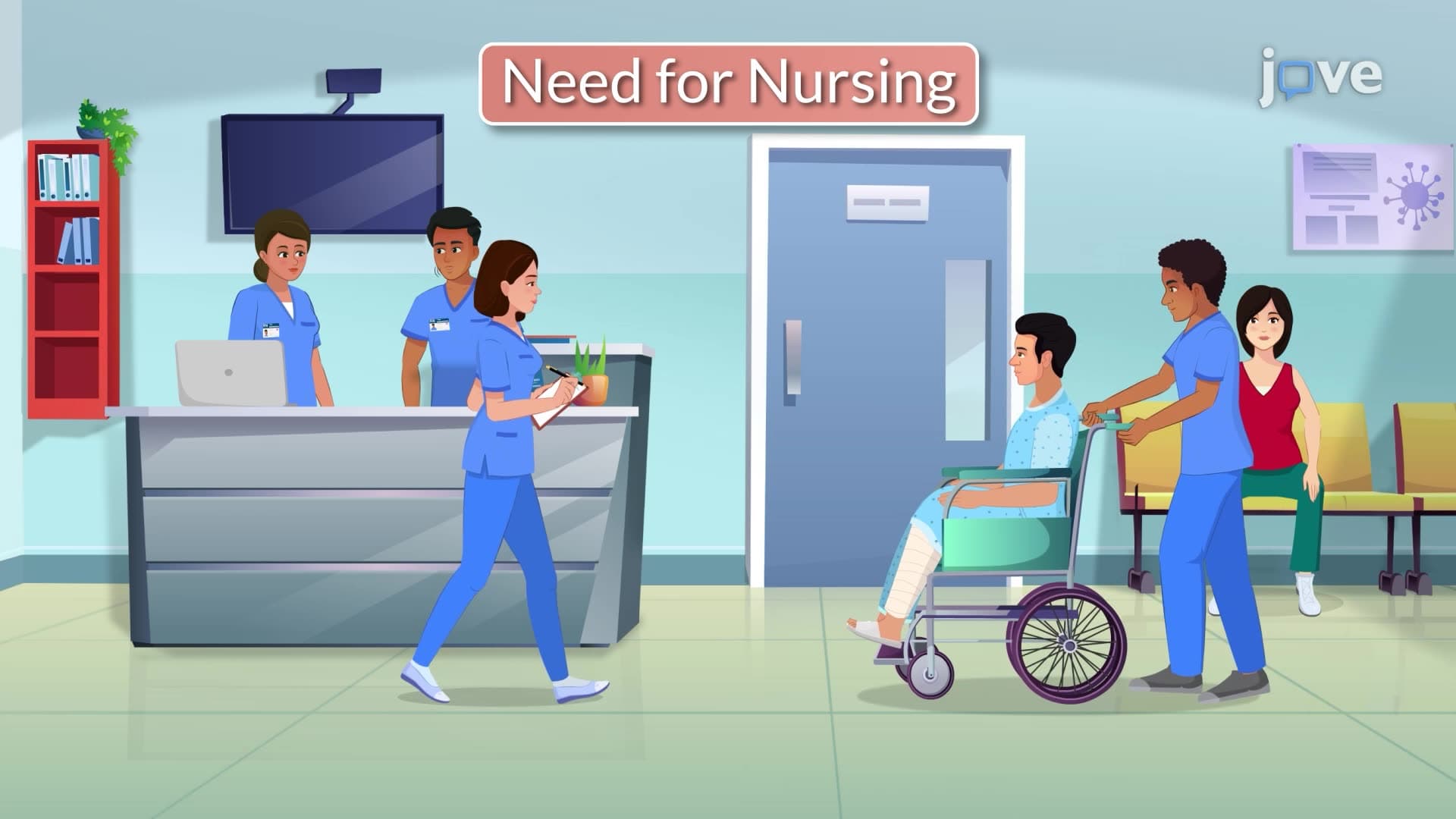
The nursing process represents far more than a simple checklist-it's a dynamic, cyclical framework that transforms how healthcare professionals approach patient care. This systematic methodology serves as the backbone of nursing education across US institutions, from community colleges to prestigious universities like Duke and UCLA. Students preparing for the NCLEX-RN examination will find that approximately 25% of test questions directly relate to nursing process applications.
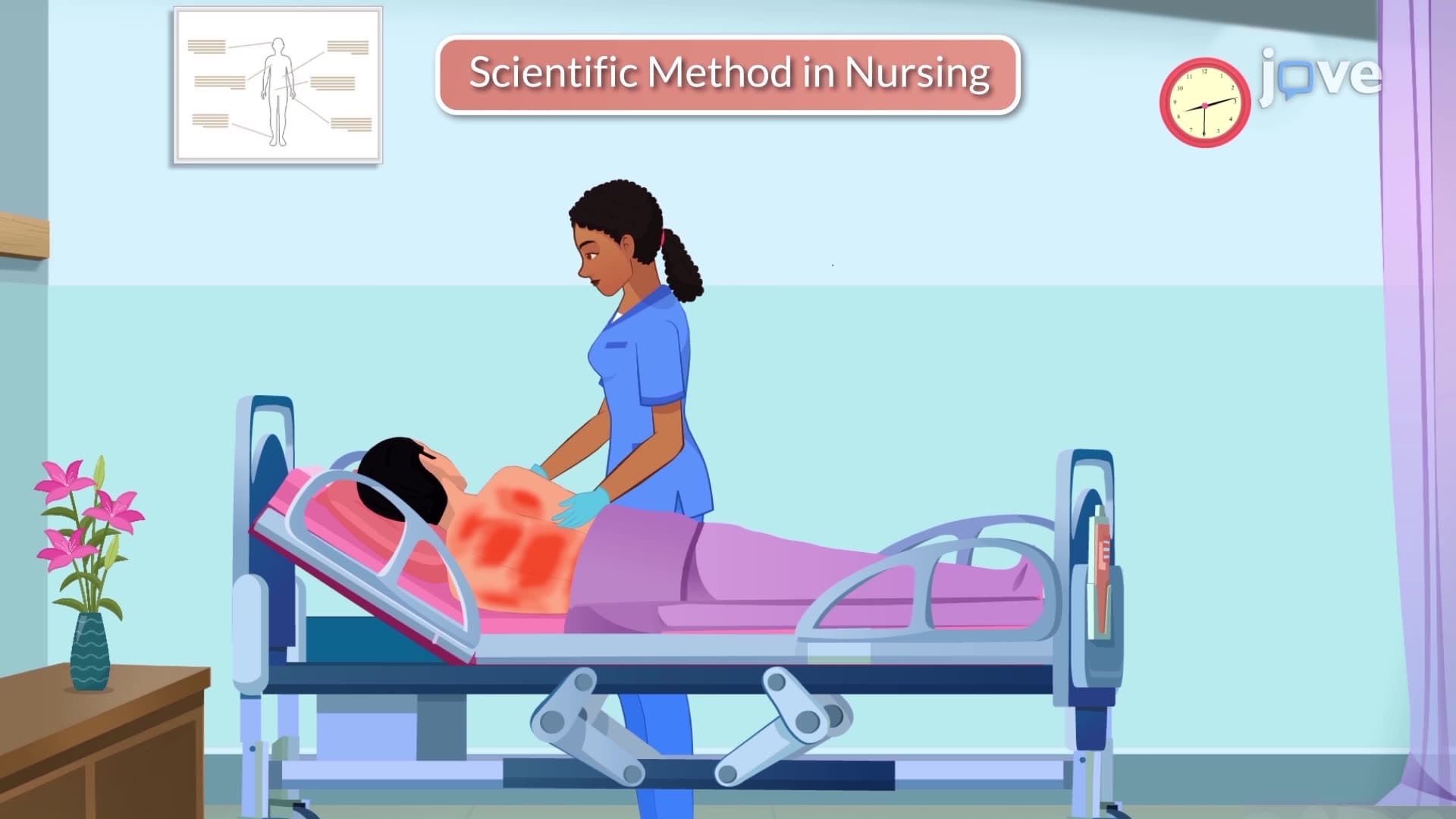
The assessment phase requires nurses to gather comprehensive patient data through interviews, physical examinations, and medical record reviews. At Houston Methodist Hospital, nurses collect over 200 data points during initial patient assessments, including vital signs, pain levels, medication histories, and psychosocial factors. This systematic data collection prevents the critical oversights that contribute to medical errors.
Nursing diagnosis differs fundamentally from medical diagnosis-while physicians focus on disease pathology, nurses identify patient responses to health problems. For example, a patient with diabetes might receive a medical diagnosis of "Type 2 Diabetes Mellitus," but nursing diagnoses could include "Risk for Unstable Blood Glucose" or "Deficient Knowledge regarding medication administration." These diagnoses guide targeted nursing interventions.
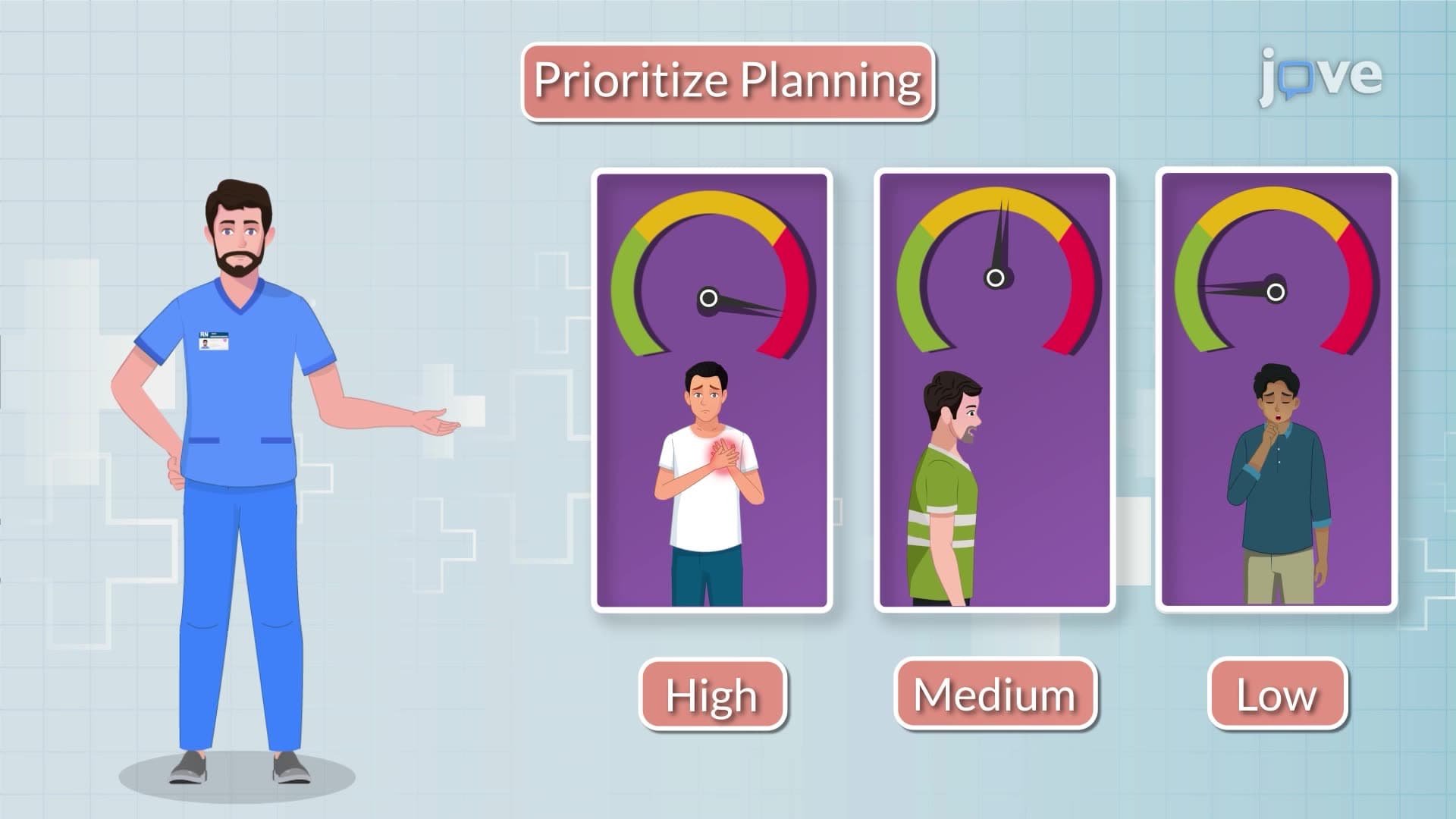
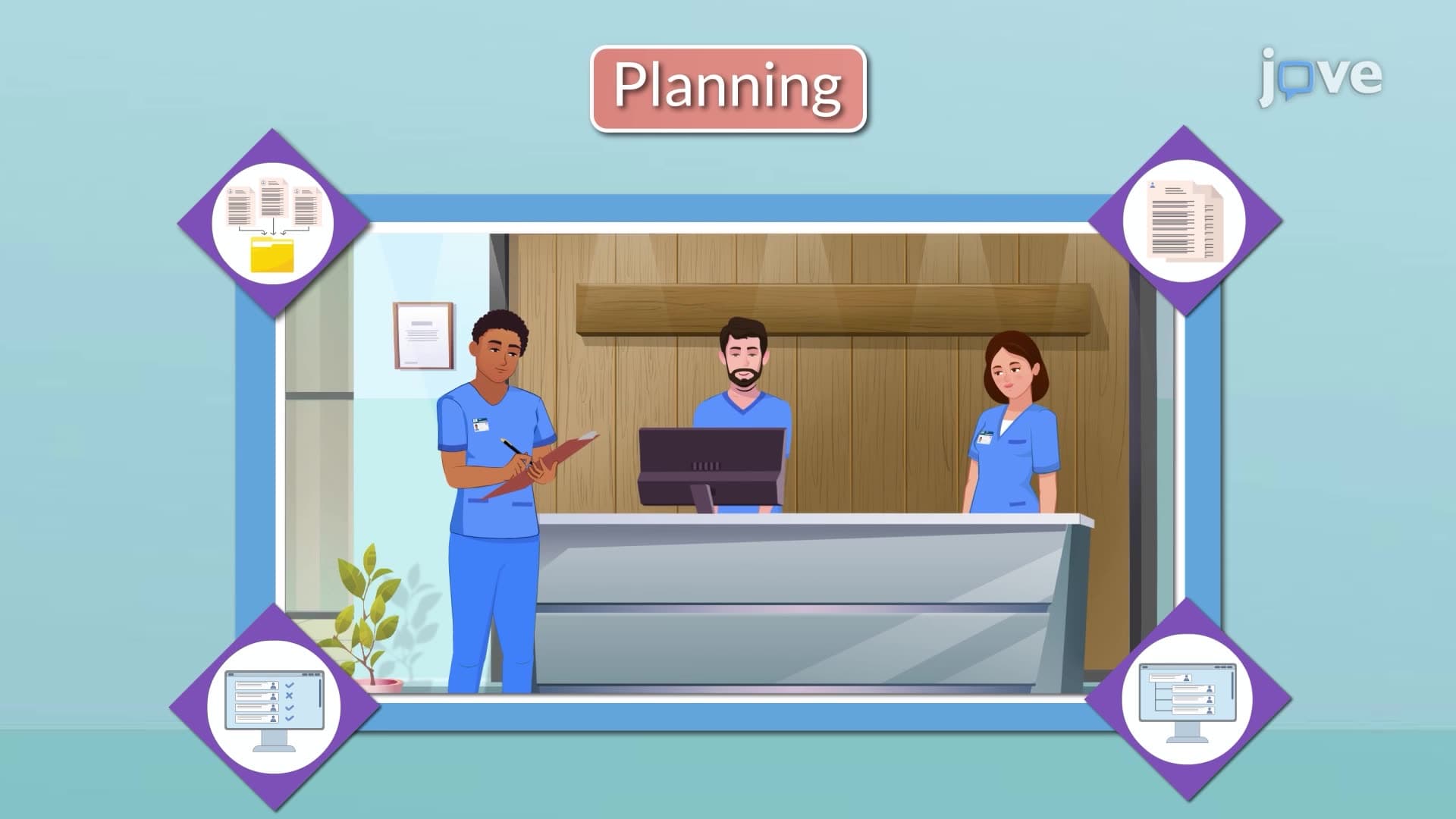
The planning phase transforms nursing diagnoses into actionable care plans with SMART goals (Specific, Measurable, Achievable, Relevant, Time-bound). Students at nursing programs like those at University of Pennsylvania learn to prioritize interventions using frameworks like Maslow's hierarchy of needs, addressing life-threatening issues before comfort measures.
Implementation involves executing planned interventions while maintaining detailed documentation. Modern electronic health records (EHRs) used in facilities like Mayo Clinic require nurses to document every intervention, medication administration, and patient response in real-time, creating legal protection and continuity of care.
Evaluation completes the nursing process cycle by measuring patient outcomes against established goals. This phase determines whether interventions were effective, partially effective, or ineffective, guiding care plan modifications. Students preparing for HESI A2 exams should understand that evaluation is ongoing-not a one-time event-and drives evidence-based practice improvements across healthcare systems.
Related Micro-courses