Loading subject page…


42,815 views

Video Summary: What Is the Professional Nurse
Did you know that registered nurses represent the largest healthcare profession in the United States, with over 3.1 million licensed practitioners? A professional nurse combines specialized knowledge, clinical skills, and ethical standards to deliver patient care that can literally save lives. For example, during the COVID-19 pandemic, professional nurses at hospitals like Johns Hopkins and Mayo Clinic became frontline heroes, demonstrating the critical attributes that define what is the professional nurse in modern healthcare. Watch the full video on JoVE Coach to master this concept with expert-led visuals and step-by-step explanations.
The professional nurse represents the cornerstone of healthcare delivery in the United States, combining advanced education, clinical expertise, and ethical practice to provide comprehensive patient care. Unlike healthcare assistants or unlicensed personnel, professional nurses possess a distinct body of knowledge that guides their decision-making and clinical interventions. This knowledge-based approach enables them to assess complex patient situations, anticipate complications, and implement evidence-based interventions that improve patient outcomes.
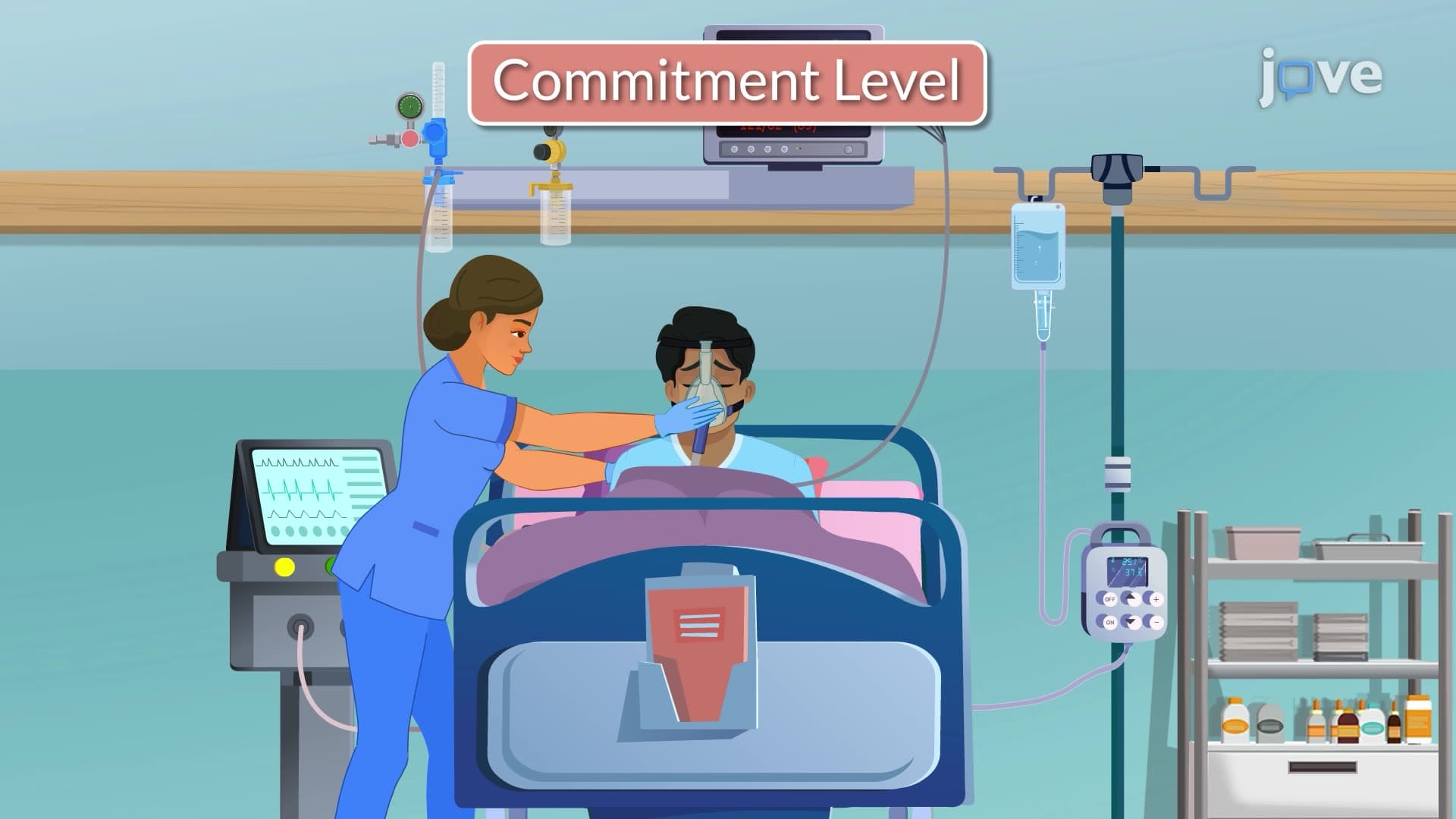
Professional nurses must demonstrate a comprehensive skill set that extends far beyond basic medical knowledge. Communication skills form the foundation of effective nursing practice, as nurses must clearly convey critical information to patients, families, physicians, and interdisciplinary teams. For instance, a professional nurse in the intensive care unit at Cleveland Clinic must accurately report subtle changes in a patient's neurological status to the attending physician, potentially preventing serious complications.
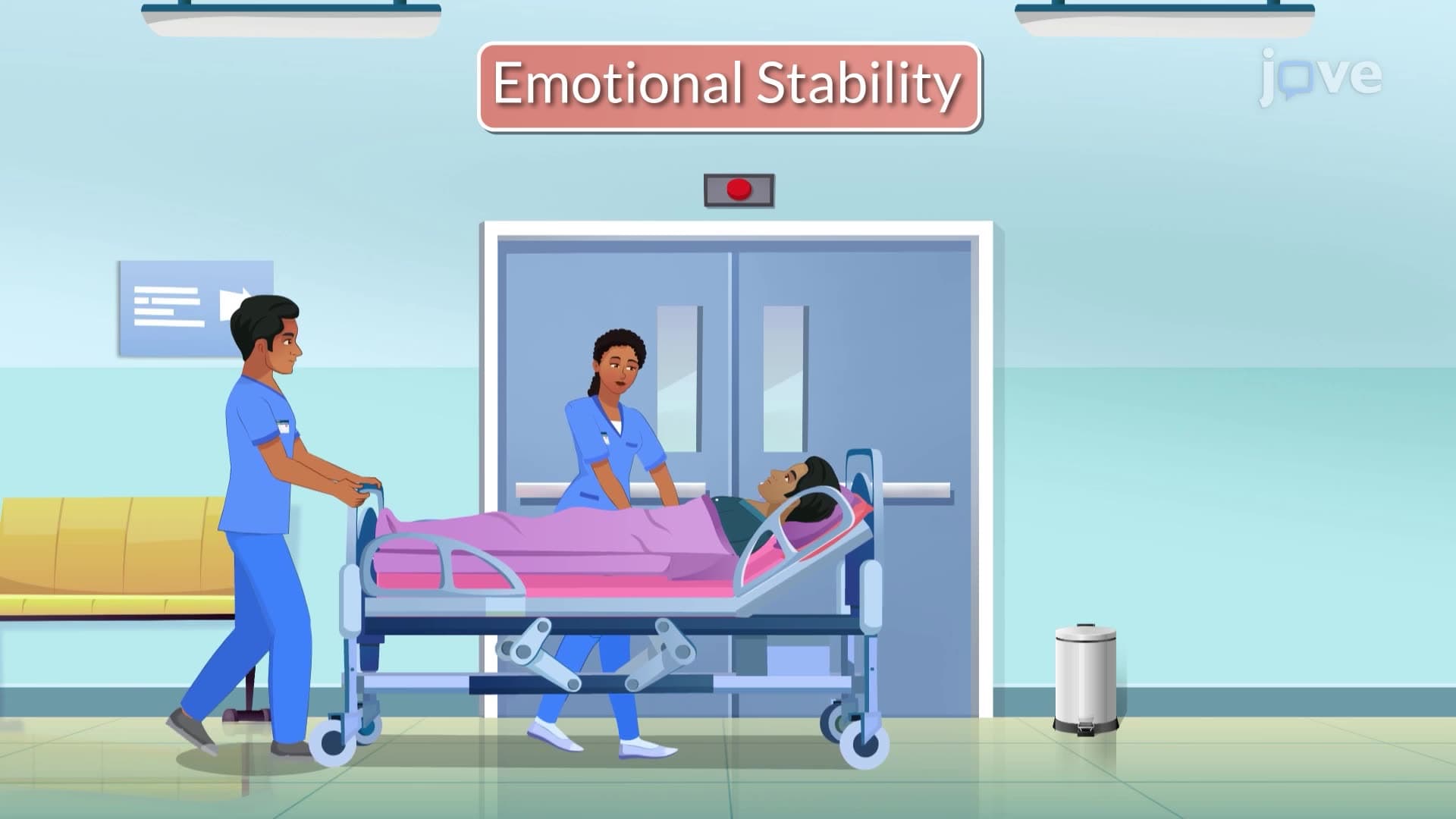
Emotional stability and empathy work together to create the psychological resilience necessary for professional nursing. Nurses witness human suffering daily while maintaining the composure needed to provide effective care. This balance requires significant emotional intelligence and stress management skills, particularly in high-acuity settings like emergency departments or oncology units.
The physical demands of professional nursing cannot be understated. Nurses routinely work 12-hour shifts, often standing for extended periods while performing physically demanding tasks such as patient transfers, chest compressions during cardiac arrest, or emergency interventions. The Bureau of Labor Statistics reports that nursing consistently ranks among the most physically demanding healthcare professions, requiring both stamina and proper body mechanics to prevent injury.
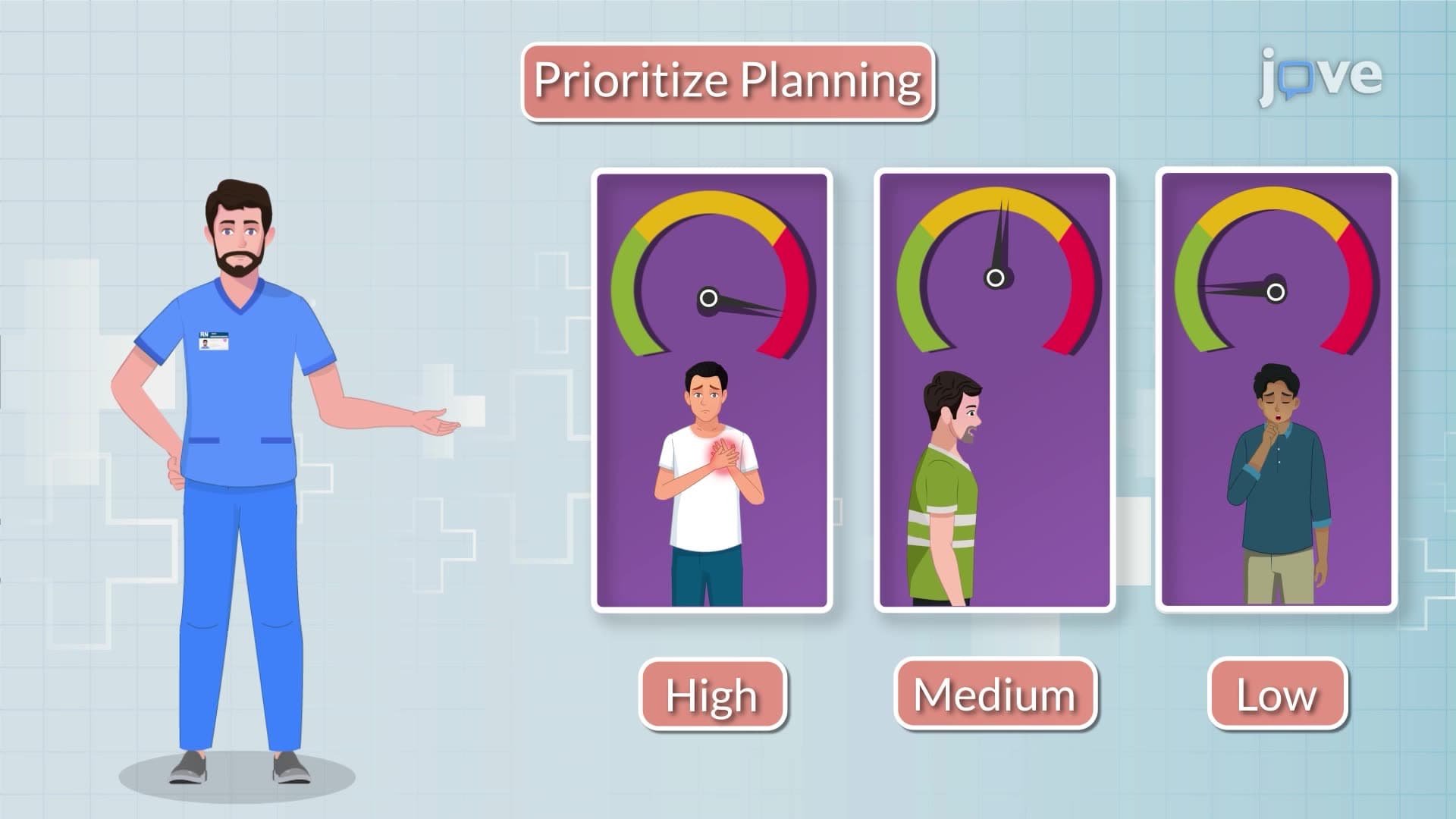
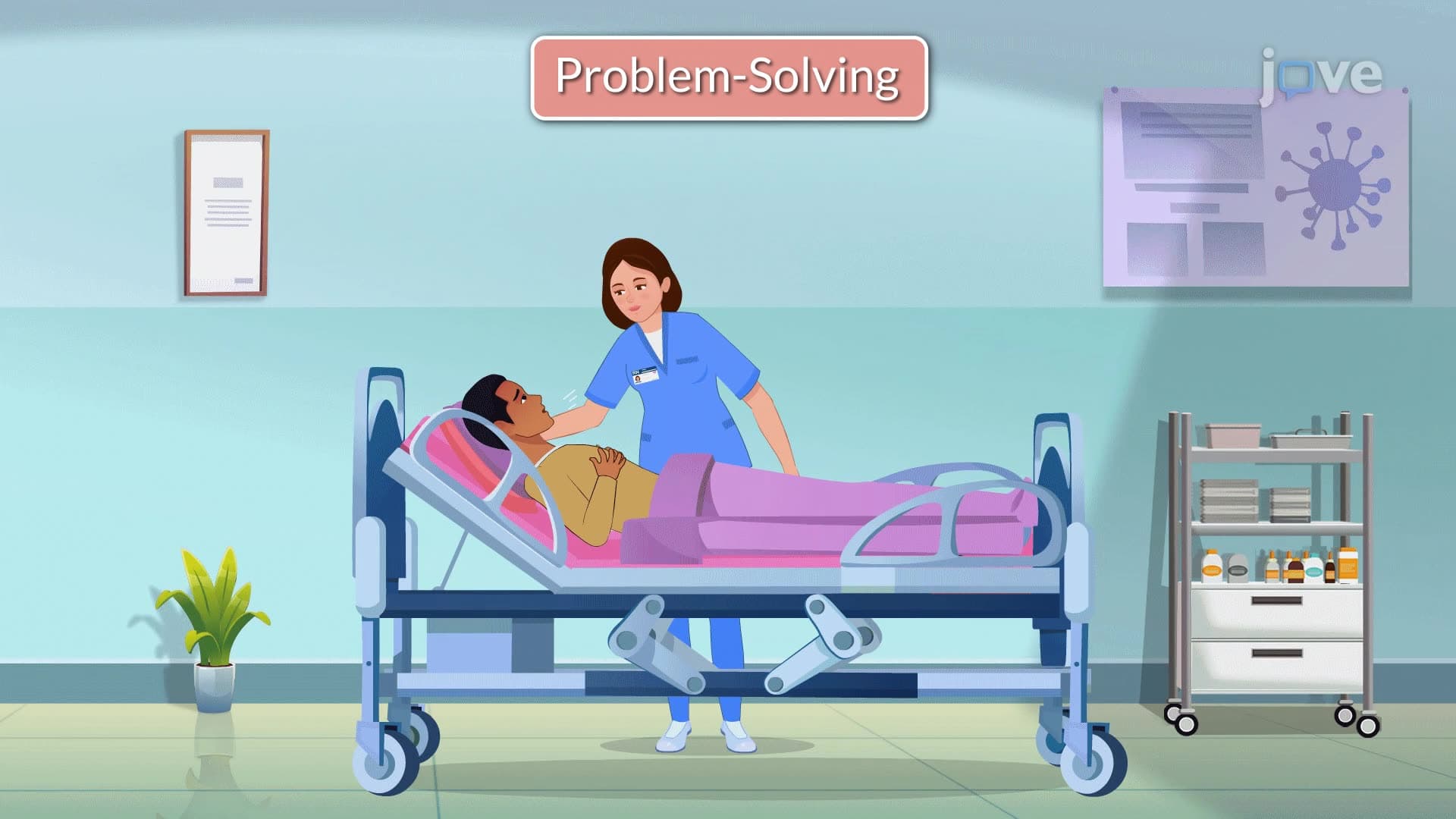
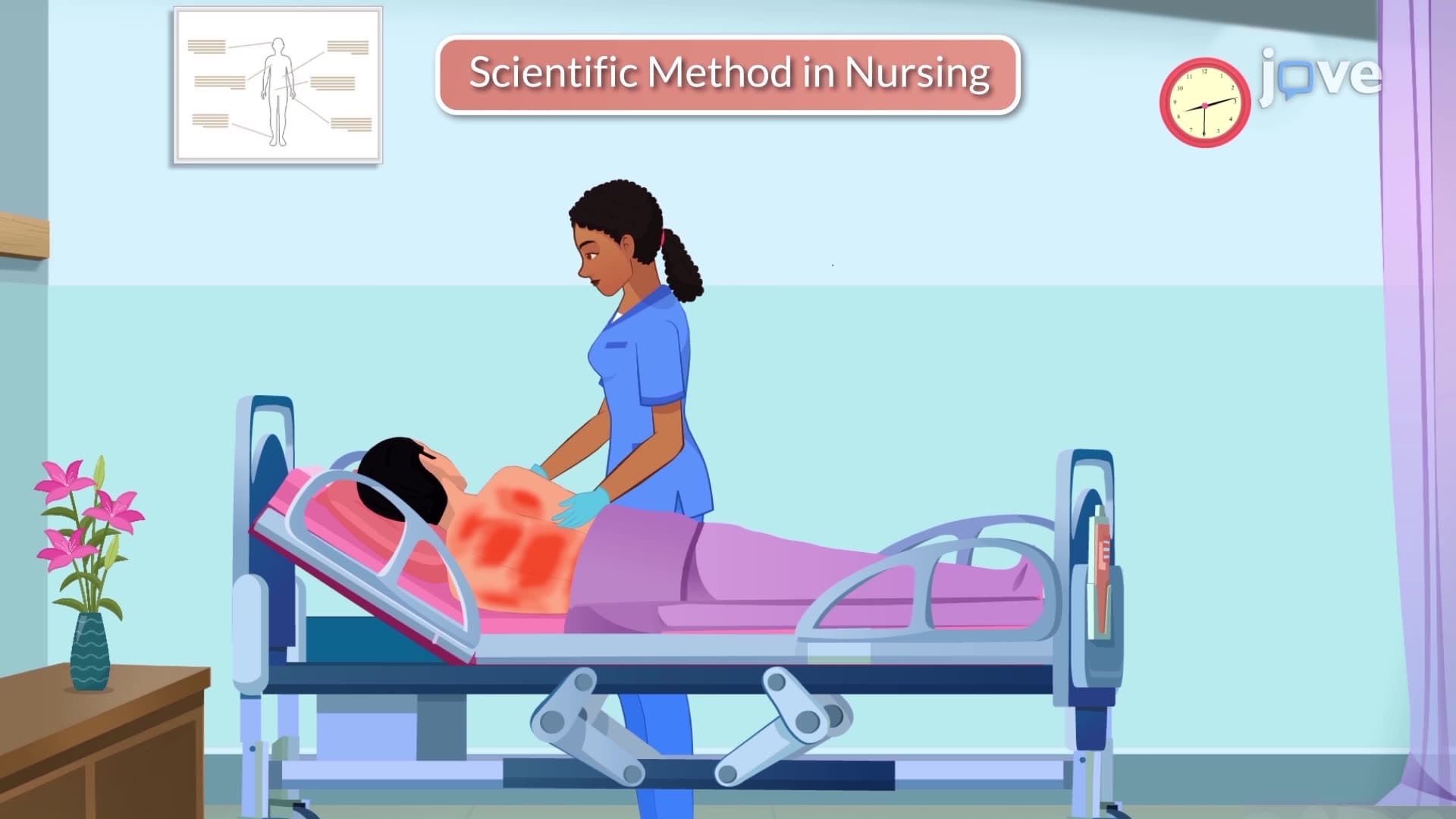
Cognitive flexibility and rapid problem-solving abilities distinguish professional nurses from other healthcare workers. During medical emergencies, nurses must quickly assess situations, prioritize interventions, and adapt to rapidly changing patient conditions. For example, when a post-surgical patient at Massachusetts General Hospital develops unexpected complications, the professional nurse must immediately recognize warning signs, implement appropriate interventions, and coordinate with the surgical team to prevent adverse outcomes.
Professional nurses operate within a strict ethical and legal framework that governs their practice. The American Nurses Association's Code of Ethics provides the foundation for professional behavior, emphasizing patient advocacy, confidentiality, and respect for human dignity. This ethical framework becomes particularly important when dealing with vulnerable populations or making decisions about end-of-life care. Professional nurses must also maintain current licensure through continuing education and demonstrate competency in their chosen specialty areas, ensuring they provide safe, effective care based on the latest evidence and best practices.
Related Micro-courses