Loading video…


 7 Concepts
 42.8K views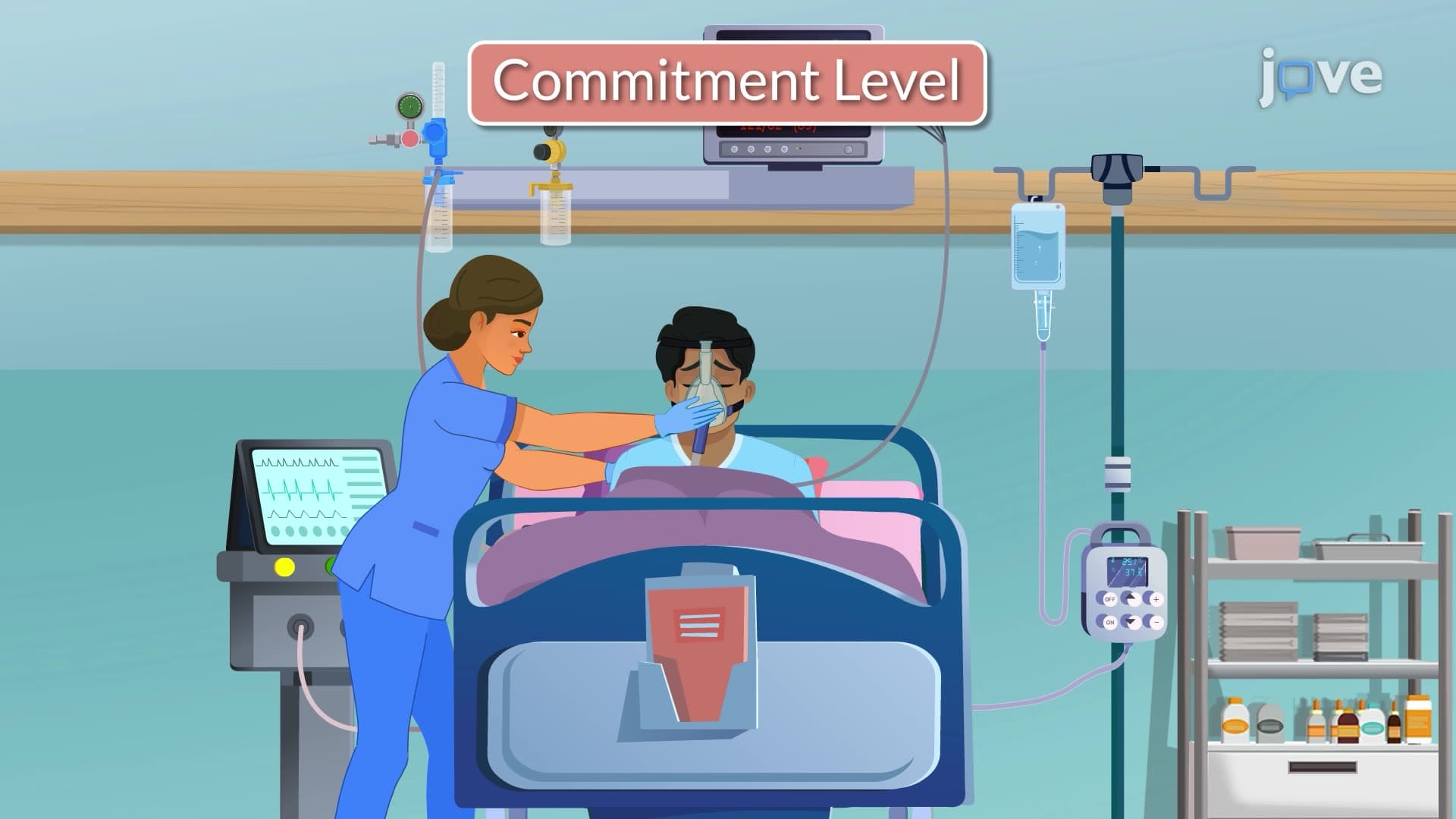

Video Summary: What Is Critical Thinking I
Did you know that critical thinking skills can literally save lives? When nurses at Johns Hopkins Hospital identify subtle changes in patient symptoms, they're using critical thinking to prevent medical emergencies before they happen. What is Critical Thinking I introduces the systematic reasoning process that healthcare professionals use to make life-or-death decisions through logical analysis, evidence evaluation, and self-reflection. This foundational skill transforms raw data into actionable insights across nursing, medicine, and beyond. Watch the full video on JoVE Coach to master this concept with expert-led visuals and step-by-step explanations.
Critical thinking represents a disciplined approach to reasoning that combines systematic logic with intellectual humility and continuous self-reflection. Unlike casual thinking or gut reactions, this cognitive process demands rigorous evaluation of evidence, careful consideration of alternatives, and willingness to revise conclusions when new information emerges.
In healthcare settings, critical thinking becomes a life-saving skill. Consider emergency department nurses at Massachusetts General Hospital who must rapidly assess incoming patients. They don't simply follow checklists-they integrate multiple data sources, recognize patterns, and make split-second decisions that can determine patient survival rates.
The critical thinking definition explained encompasses six interconnected cognitive skills that work together like instruments in an orchestra. Interpretation involves systematically collecting and organizing information-imagine a cardiac nurse monitoring multiple vital signs and recognizing which patterns signal impending complications. Analysis goes deeper, helping professionals identify root causes rather than superficial symptoms.
Inference bridges observation and meaning, allowing practitioners to understand relationships between seemingly unrelated findings. For instance, a slight change in patient behavior combined with subtle vital sign shifts might indicate early sepsis-a connection only trained critical thinkers would recognize. Evaluation objectively measures intervention effectiveness, while explanation ensures that conclusions rest on solid evidence-based foundations.
Self-regulation closes the loop by promoting honest self-assessment and continuous improvement. This skill separates good professionals from exceptional ones, fostering lifelong learning and adaptability in rapidly changing fields.
Critical thinking development follows a predictable progression that mirrors cognitive maturity. At the basic level, learners rely heavily on authority figures and established protocols. Nursing students, for example, might strictly follow textbook procedures without questioning underlying rationale. This phase provides necessary foundation but limits creative problem-solving.
The complex level marks growing intellectual independence. Here, practitioners begin questioning expert opinions, comparing alternative approaches, and developing personal judgment. They still seek guidance but increasingly trust their analytical abilities. Advanced nursing students exemplify this stage when they suggest modifications to standard care plans based on patient-specific factors.
The commitment level represents professional maturity, where practitioners confidently make independent decisions and accept full responsibility for outcomes. Critical care nurses operating at this level can rapidly adapt protocols to unique situations, knowing that their decisions directly impact patient welfare. This progression appears in standardized tests like the NCLEX-RN, which evaluates candidates' ability to think critically across all practice levels.
Related Micro-courses