Loading subject page…


42,815 views

Video Summary: Fundamentals of Nursing Process Ii Explained
Did you know that 70% of medical errors stem from poor communication and fragmented care? The fundamentals nursing process provides a systematic framework that transforms how nurses deliver patient care across all healthcare settings. For instance, at Johns Hopkins Hospital, implementing structured nursing process protocols reduced patient readmission rates by 23%. The Fundamentals of Nursing Process II Explained reveals five critical characteristics that make this process interpersonal, systematic, dynamic, outcome-oriented, and collaborative. Watch the full video on JoVE Coach to master this concept with expert-led visuals and step-by-step explanations.
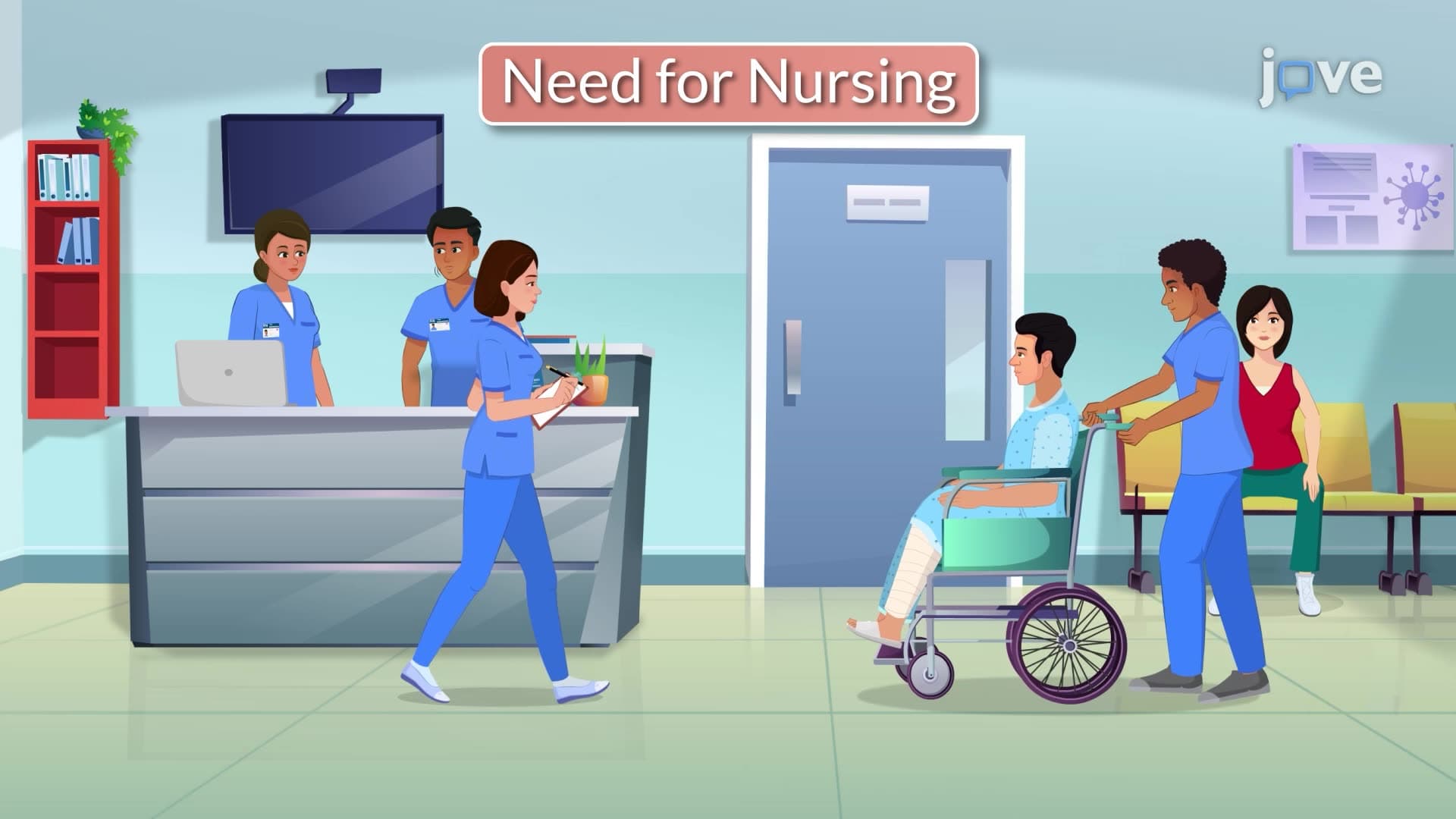
The nursing process represents one of healthcare's most critical frameworks for delivering quality patient care. Unlike task-oriented approaches that focus on completing procedures, the nursing process emphasizes holistic, patient-centered care that considers individual needs, preferences, and outcomes. This systematic approach has become the gold standard in US nursing education and practice, forming the foundation for NCLEX-RN examinations and nursing school curricula nationwide.
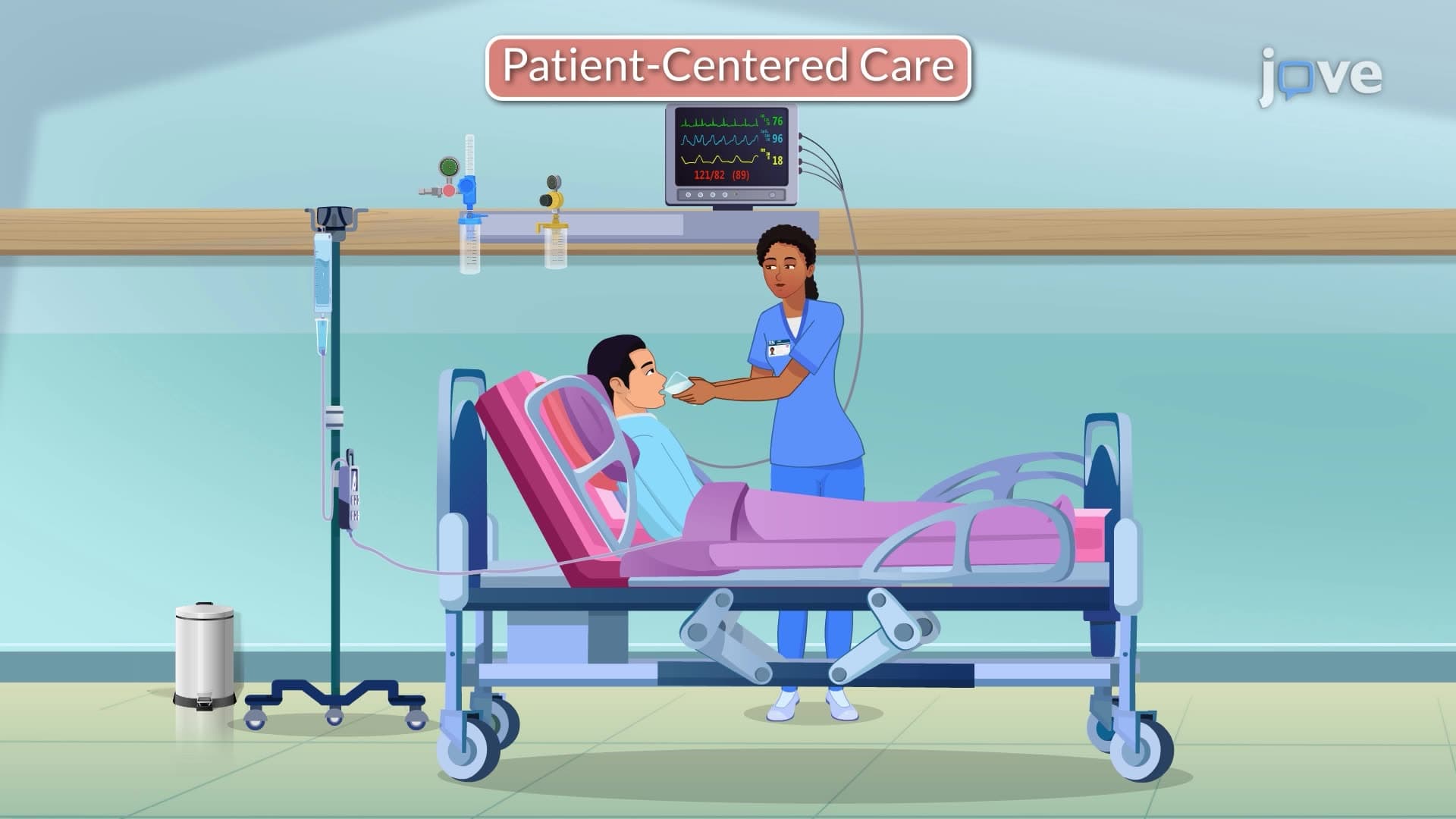
The interpersonal characteristic ensures that nurses maintain therapeutic relationships with patients rather than viewing them as medical conditions to treat. For example, at Cleveland Clinic, nurses using interpersonal nursing process approaches report 40% higher patient satisfaction scores. This characteristic emphasizes respect, empathy, and individualized care planning.
The systematic nature means each step builds upon previous assessments and interventions. Nursing students preparing for NCLEX examinations must understand how assessment data directly influences nursing diagnoses, which then guide care planning and implementation. This sequential dependency prevents care gaps and ensures comprehensive patient evaluation.
Dynamic characteristics allow all five nursing process steps-assessment, diagnosis, planning, implementation, and evaluation-to occur simultaneously. In emergency departments across major US hospitals like Massachusetts General, nurses continuously assess patients while implementing interventions and evaluating outcomes, demonstrating the fluid nature of professional nursing practice.
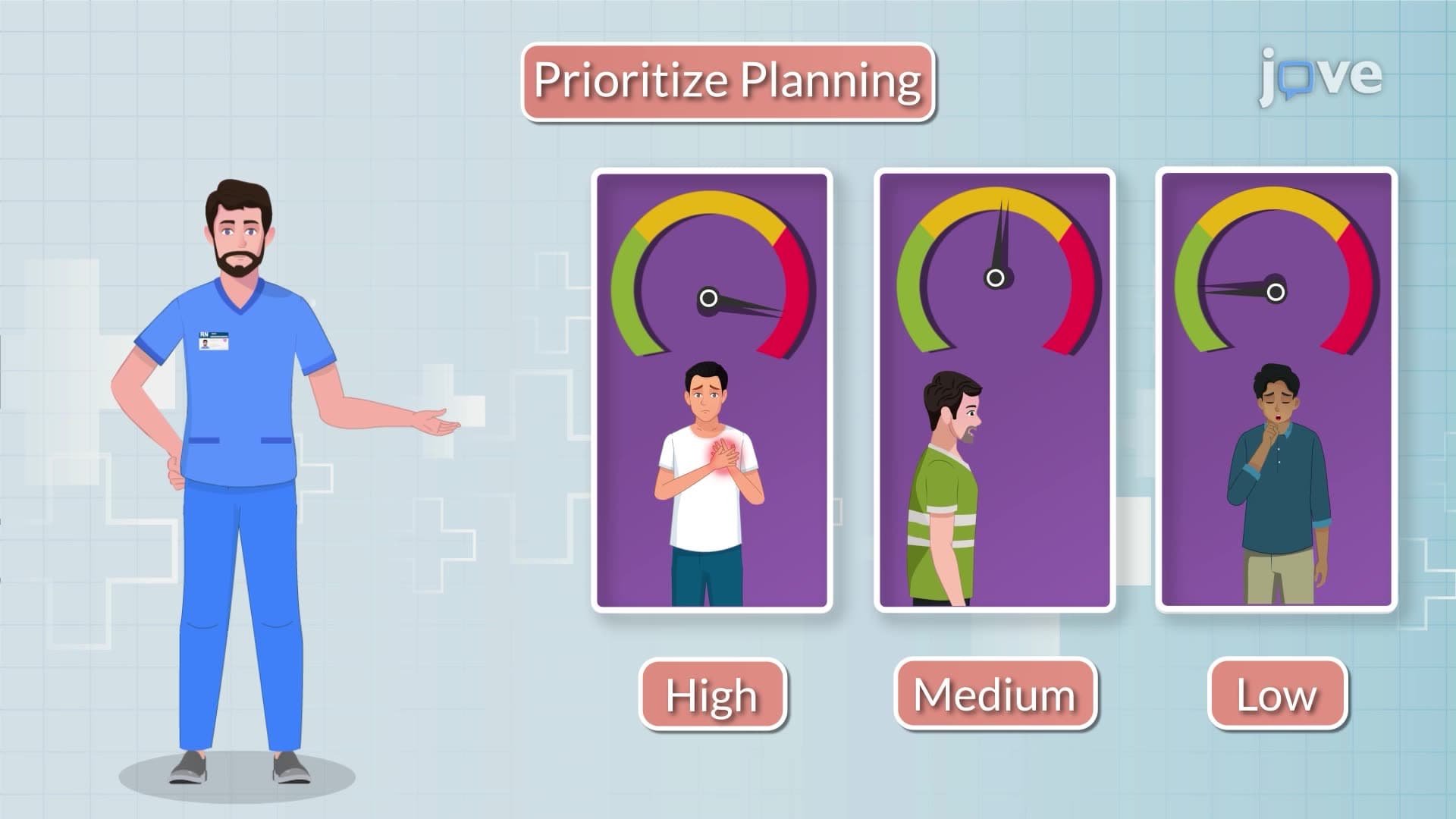
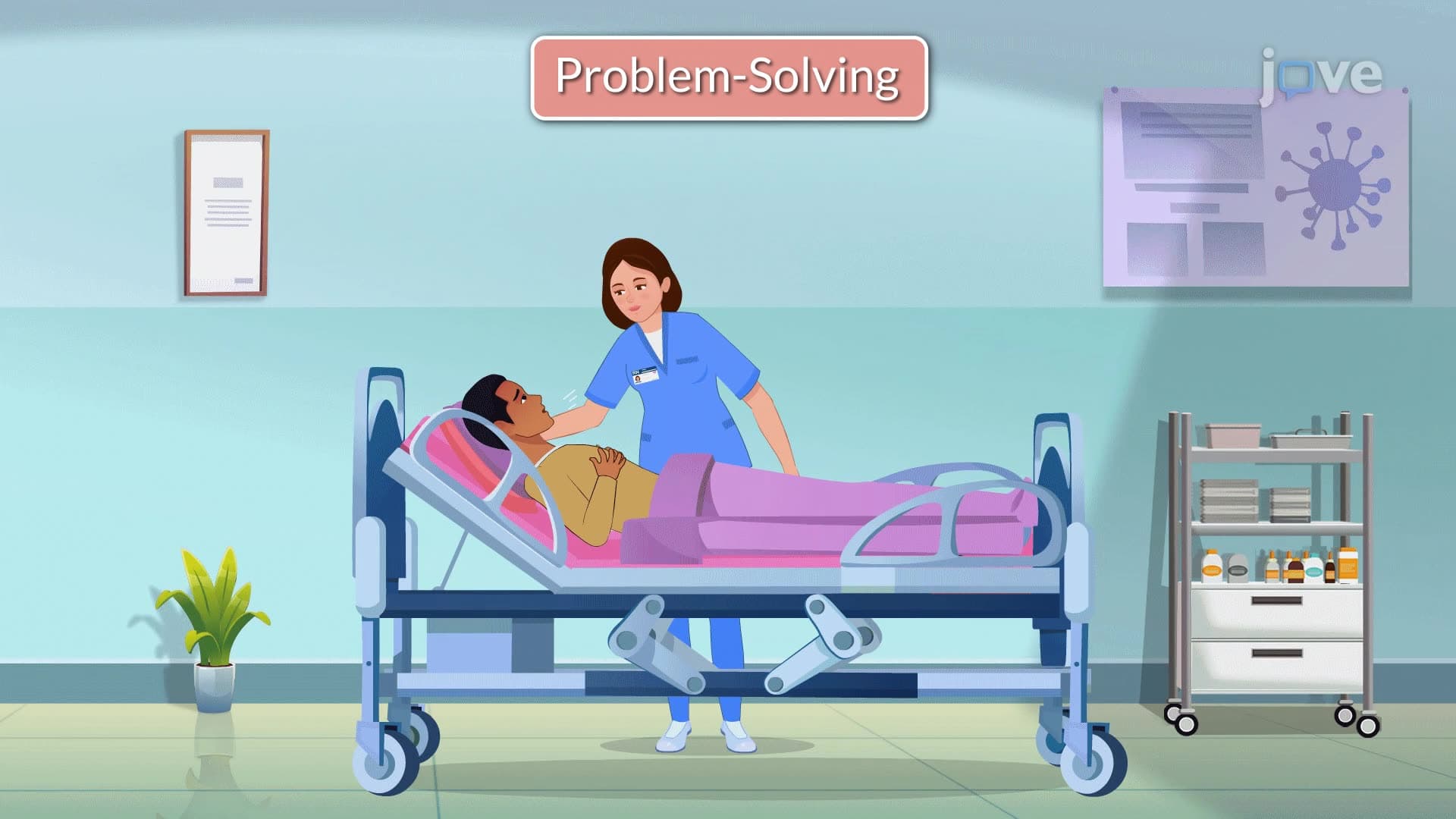
Outcome-oriented focus helps nurses establish measurable goals and track patient progress systematically. This approach aligns with current US healthcare emphasis on value-based care and quality metrics. Hospitals using structured nursing process protocols report improved Joint Commission scores and reduced liability exposure.
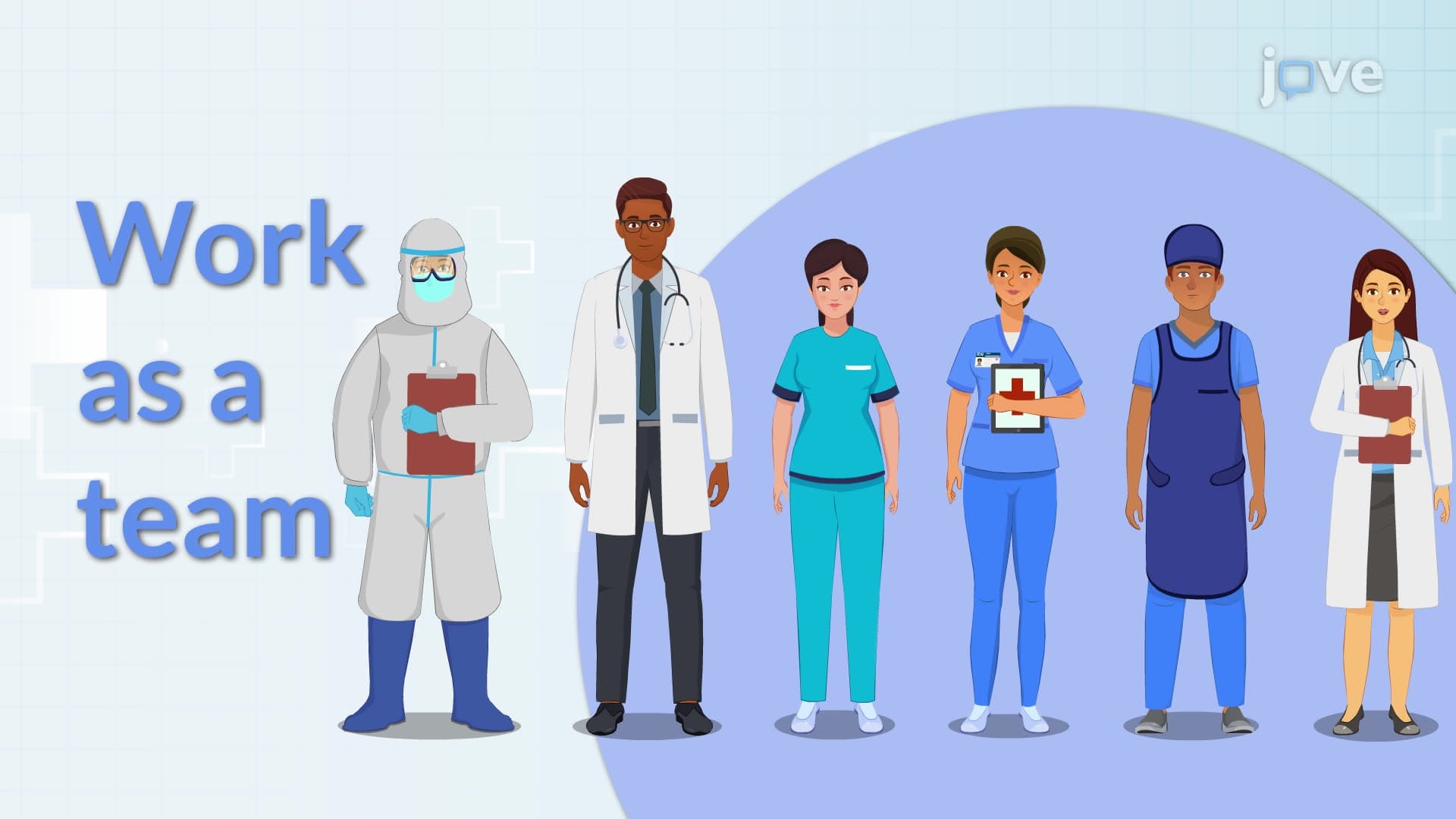
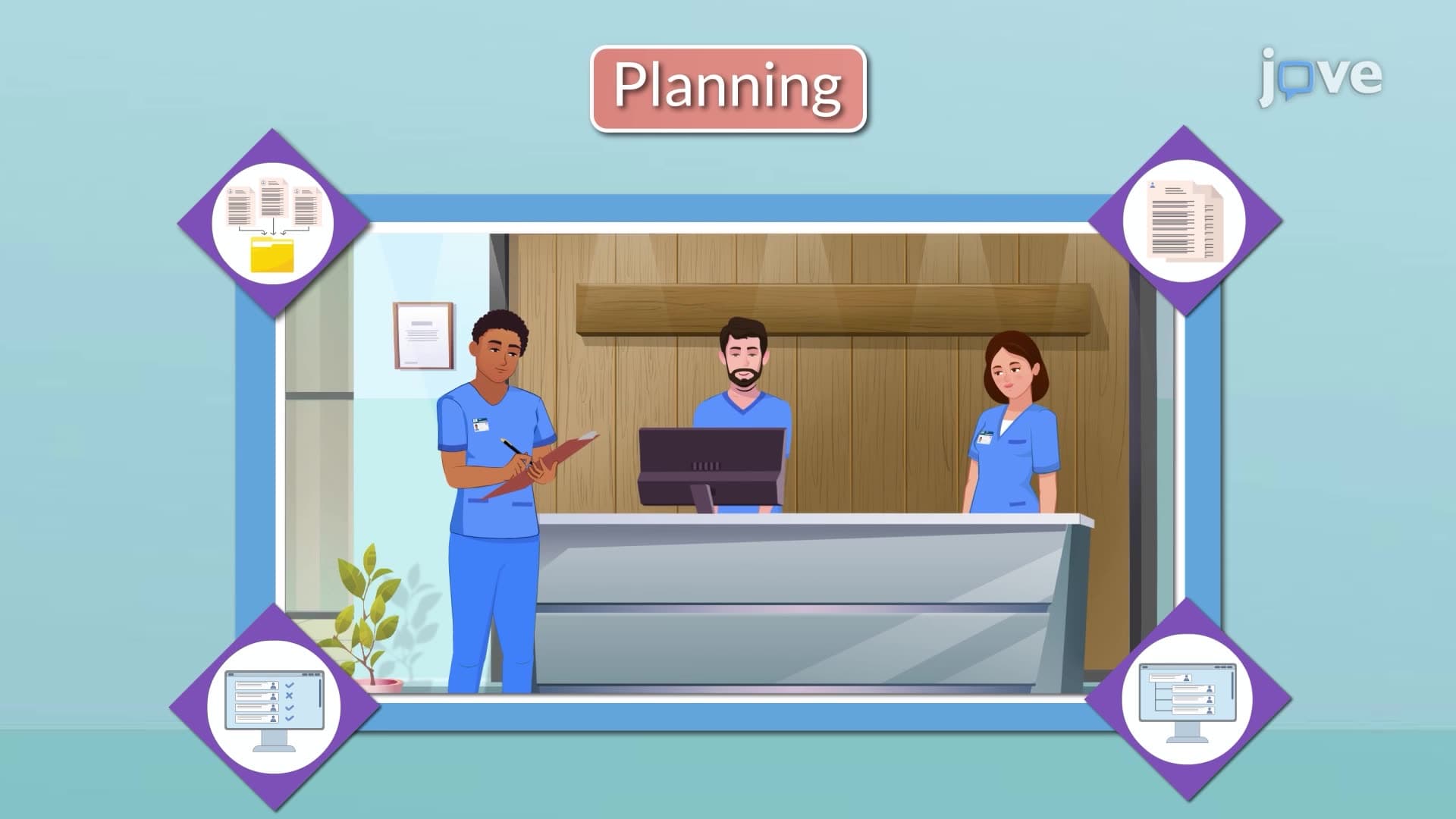
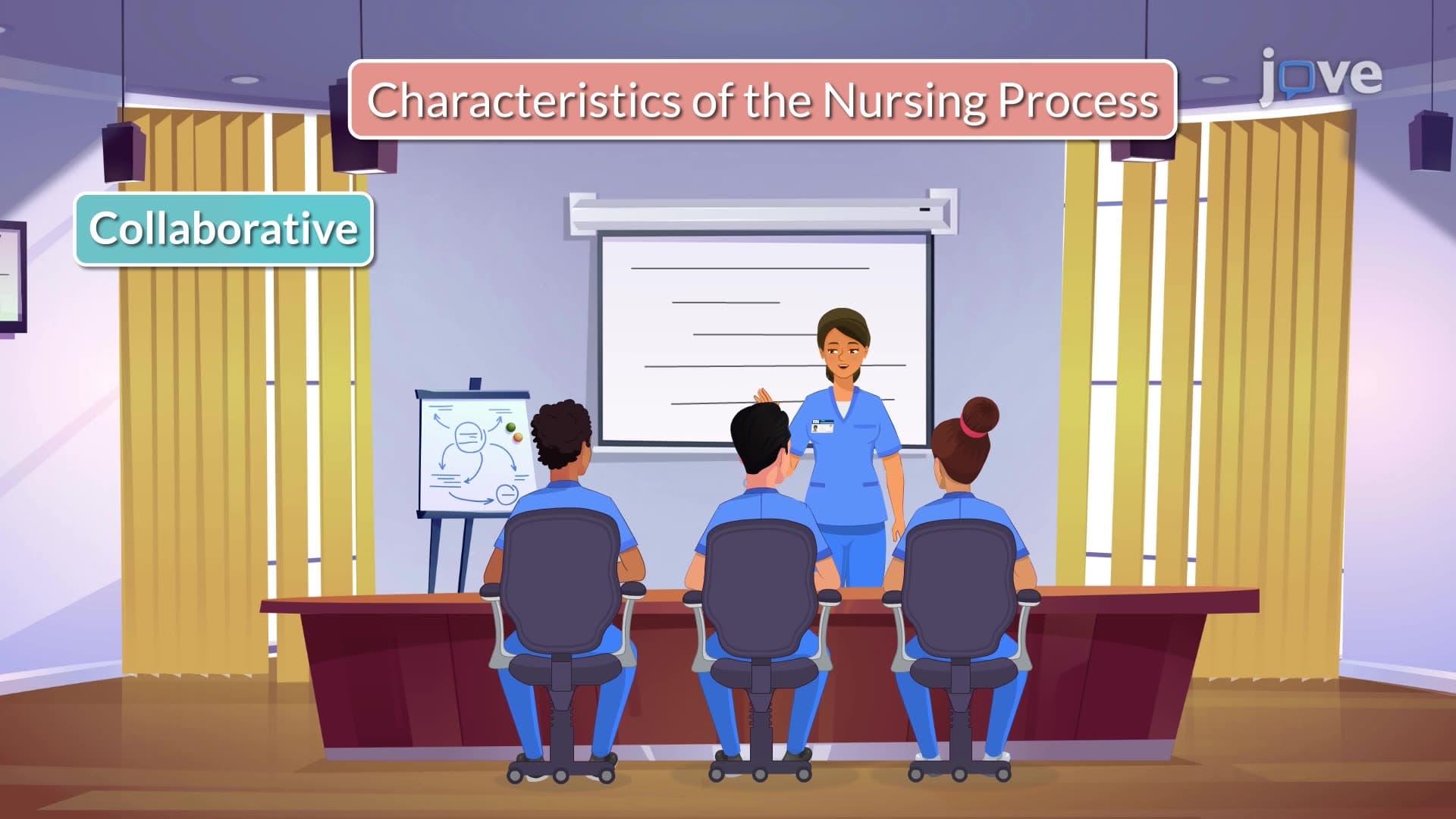
The collaborative characteristic promotes interdisciplinary teamwork essential in modern healthcare delivery. At Mayo Clinic, nursing process frameworks facilitate communication between physicians, pharmacists, social workers, and other healthcare professionals, resulting in coordinated care plans and improved patient outcomes.
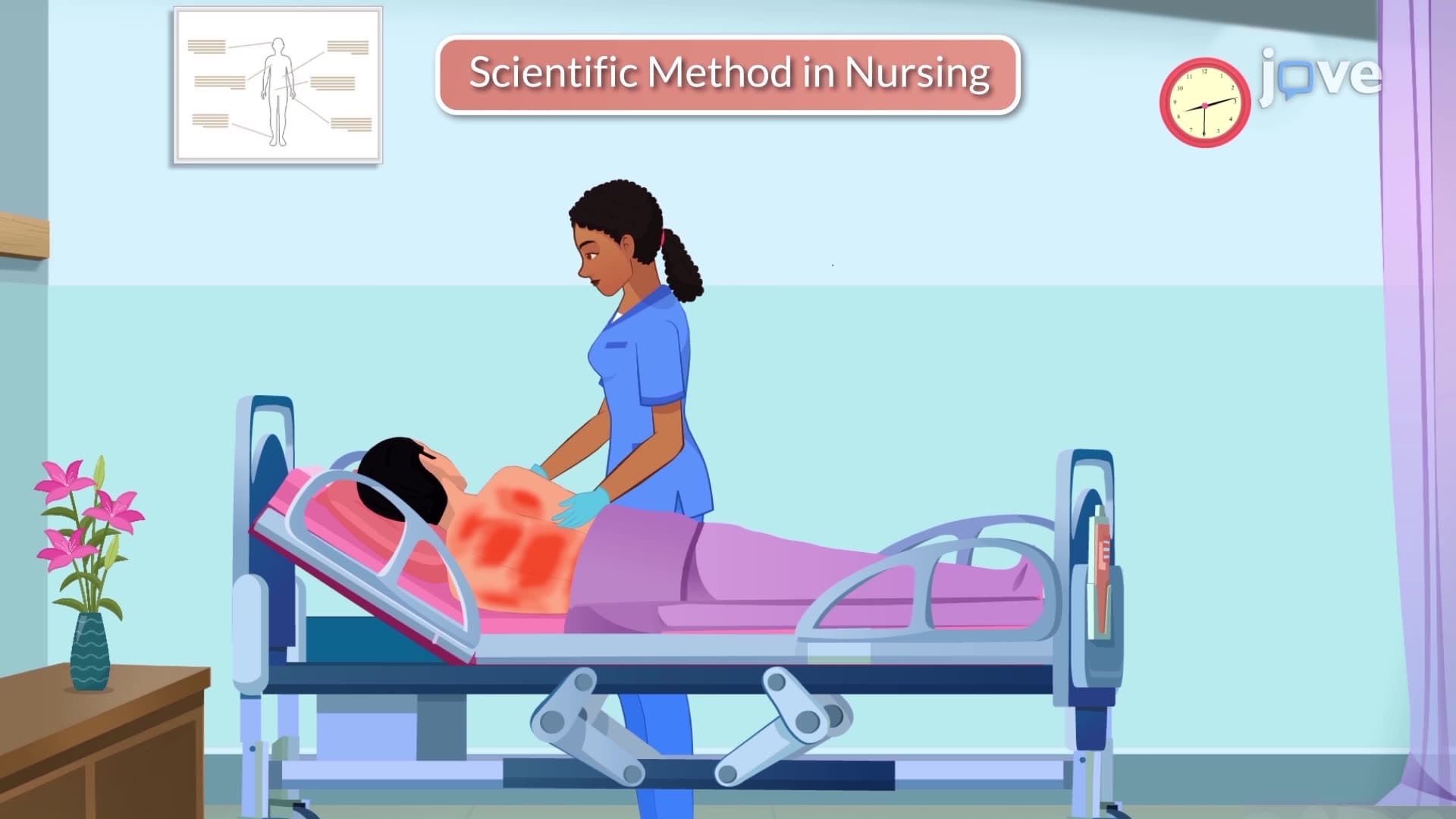
Students studying for AP Biology or preparing for pre-nursing requirements should understand how nursing process principles apply scientific method concepts to healthcare delivery, making this knowledge valuable across multiple academic disciplines and standardized examinations.
Related Micro-courses