Loading video…


 7 Concepts
 42.8K views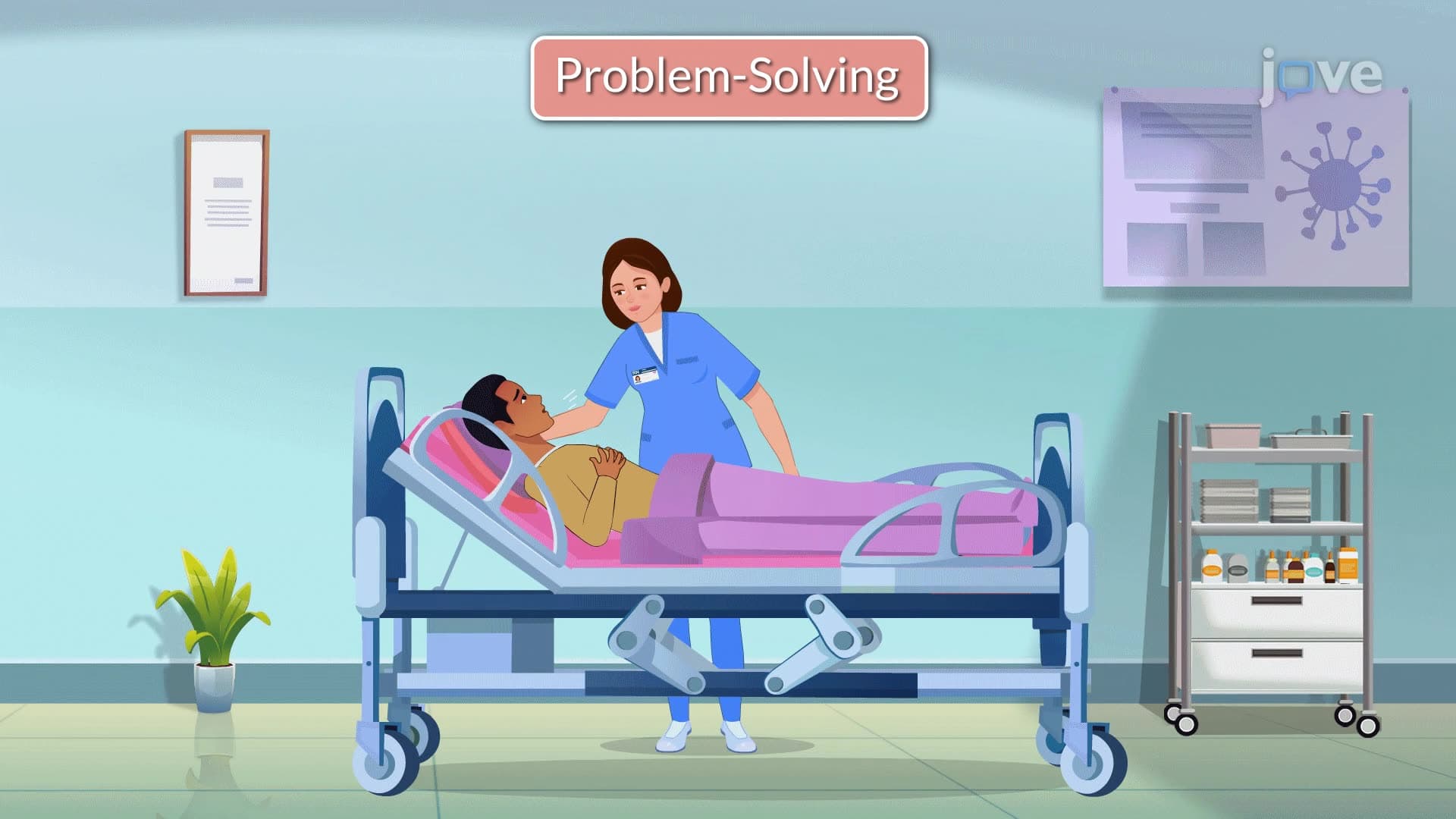

Video Summary: What Is Critical Thinking Ii
Did you know that nurses make over 200 critical decisions per shift that directly impact patient outcomes? Critical thinking forms the backbone of effective healthcare decision-making, combining systematic reasoning with clinical expertise. When a nurse at Johns Hopkins Hospital quickly identifies respiratory distress patterns and initiates appropriate interventions, they're demonstrating What is Critical Thinking II, the advanced cognitive processes that transform raw observations into life-saving actions. Watch the full video on JoVE Coach to master this concept with expert-led visuals and step-by-step explanations.
What is Critical Thinking II represents the sophisticated cognitive framework that healthcare professionals use to navigate complex clinical scenarios. Unlike basic critical thinking, this advanced level integrates multiple reasoning processes simultaneously, enabling practitioners to make rapid, accurate decisions under pressure. This concept is fundamental for students preparing for healthcare careers and appears frequently on the NCLEX-RN, HESI A2, and TEAS examinations.
The foundation of advanced critical thinking rests on three core processes. Problem-solving involves systematic approaches to challenging situations, such as when emergency room staff at Massachusetts General Hospital develop protocols for managing multiple trauma patients simultaneously. This process requires rapid assessment, resource allocation, and coordinated intervention strategies.
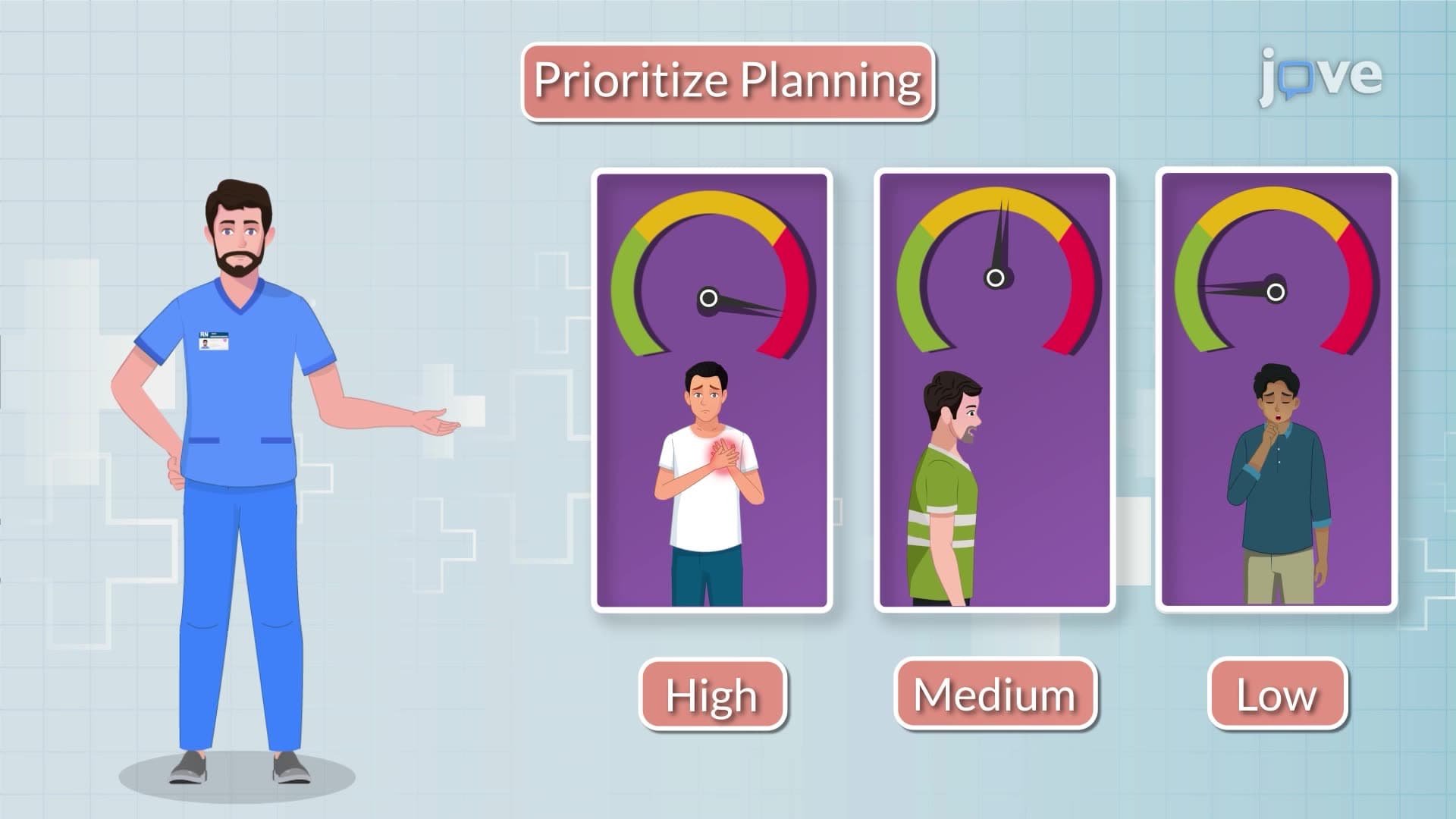
Decision-making represents intentional, focused attempts to select optimal solutions from available alternatives. Consider a scenario where an ICU nurse must prioritize interventions for a post-surgical patient experiencing both pain and respiratory complications. The decision-making process weighs risks, benefits, and available resources to determine the most appropriate sequence of care.
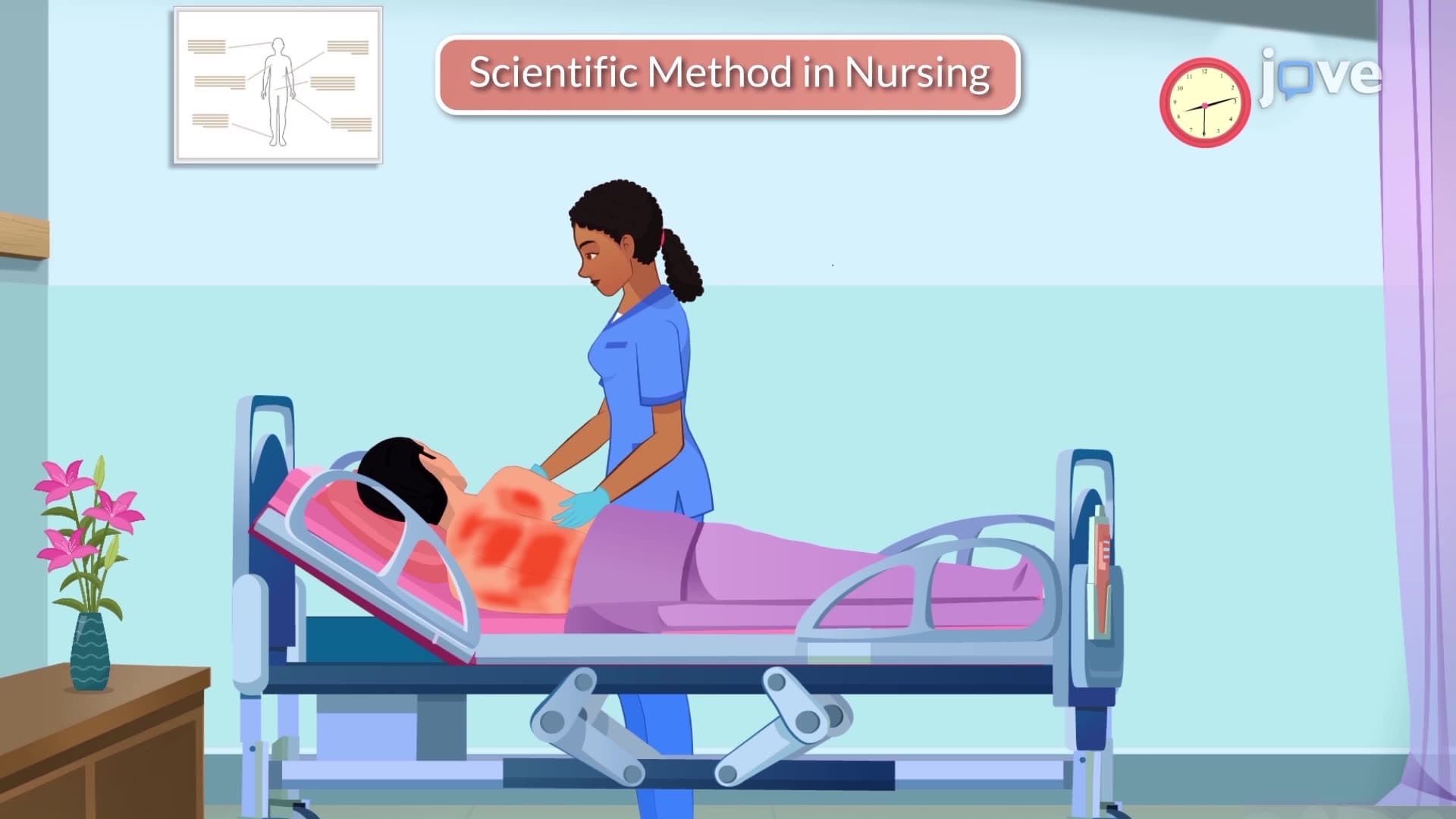
The scientific method provides a structured framework for gathering evidence and testing hypotheses in clinical settings. When investigating unexplained patient symptoms, healthcare teams formulate hypotheses, collect data through assessments and diagnostic tests, and systematically evaluate results to reach evidence-based conclusions.
Diagnostic reasoning represents the dynamic cognitive process healthcare professionals use to interpret clinical evidence and determine patient health status. This involves pattern recognition, data synthesis, and hypothesis testing. For example, when assessing a patient presenting with chest pain, practitioners consider multiple variables including vital signs, patient history, physical examination findings, and diagnostic test results to differentiate between cardiac, respiratory, or musculoskeletal causes.
Clinical inferences are the logical conclusions drawn from available evidence. These mental connections bridge observable data with underlying physiological processes. A nurse observing decreased urine output, elevated blood pressure, and peripheral edema might infer fluid retention, leading to specific monitoring and intervention strategies.
Clinical decision-making integrates all these processes into actionable care plans. This involves recognizing patient problems, prioritizing interventions, and continuously evaluating outcomes. Students studying for AP Biology or college-level anatomy and physiology courses will encounter these concepts as foundational elements of healthcare reasoning.
Related Micro-courses