Loading video…


 7 Concepts
 42.8K views

Video Summary: What Is Patient Centered Care
Patient centered care transforms how healthcare providers approach treatment by prioritizing individual patient needs, values, and preferences above one-size-fits-all protocols. This evidence-based approach has revolutionized outcomes at leading US healthcare systems like Mayo Clinic, where personalized care plans reduce readmission rates by up to 30%. Understanding what is patient centered care requires examining how critical thinking skills enable nurses and healthcare teams to systematically analyze patient data, make informed clinical decisions, and continuously evaluate their interventions for optimal results. Watch the full video on JoVE Coach to master this concept with expert-led visuals and step-by-step explanations.
Patient centered care represents a fundamental shift in healthcare delivery that places the individual patient-rather than the disease or medical condition-at the center of all clinical decisions. This approach recognizes that effective healthcare must address not only medical symptoms but also patient values, cultural backgrounds, personal preferences, and life circumstances. The Institute of Medicine defines patient centered care as healthcare that is "respectful of and responsive to individual patient preferences, needs, and values."
The implementation of patient centered care relies heavily on healthcare providers' critical thinking abilities. These cognitive skills enable nurses and other healthcare professionals to move beyond routine protocols and develop individualized care strategies. The six core components of critical thinking work together systematically: interpretation helps identify patient problems through careful data collection, analysis reveals potential causes, and inference examines the significance of findings and their relationships.
Evaluation allows healthcare providers to objectively assess intervention effectiveness, while explanation ensures that clinical conclusions are grounded in evidence-based practice. Self-regulation completes the cycle by encouraging continuous performance evaluation and method refinement. This systematic approach is particularly relevant for students preparing for healthcare entrance exams like the MCAT, TEAS, or HESI A2, where critical thinking scenarios frequently appear.
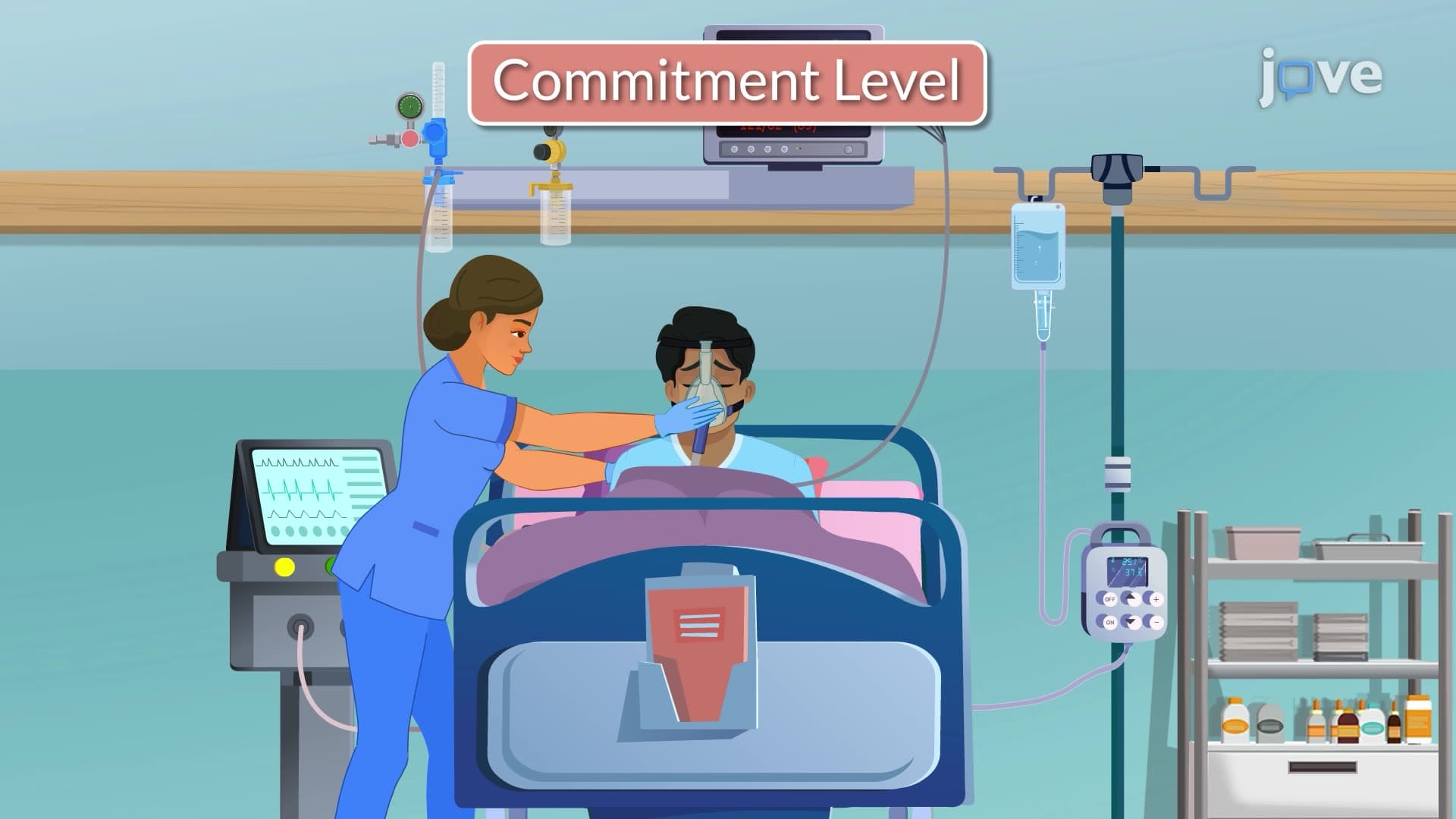
Healthcare professionals develop critical thinking skills at three distinct levels. At the basic level, practitioners rely heavily on expert opinions and established protocols, which while important for safety, may limit personalized care options. The complex level involves independent analysis and creative problem-solving, allowing providers to adapt standard approaches to individual patient needs. The commitment level represents the highest form of critical thinking, where healthcare professionals take full accountability for their clinical reasoning and continuously seek to improve their practice through reflection and learning.
Leading US healthcare institutions demonstrate patient centered care through various innovative approaches. For example, Cleveland Clinic's patient experience initiatives include bedside manner training that emphasizes active listening and shared decision-making. Similarly, Kaiser Permanente's integrated care model uses electronic health records to ensure all providers understand individual patient preferences and care goals. These real-world applications illustrate concepts frequently tested in nursing school exams like the NCLEX-RN and appear in AP Psychology courses covering healthcare psychology.
Related Micro-courses