Loading video…


 29 Concepts
 135.5K views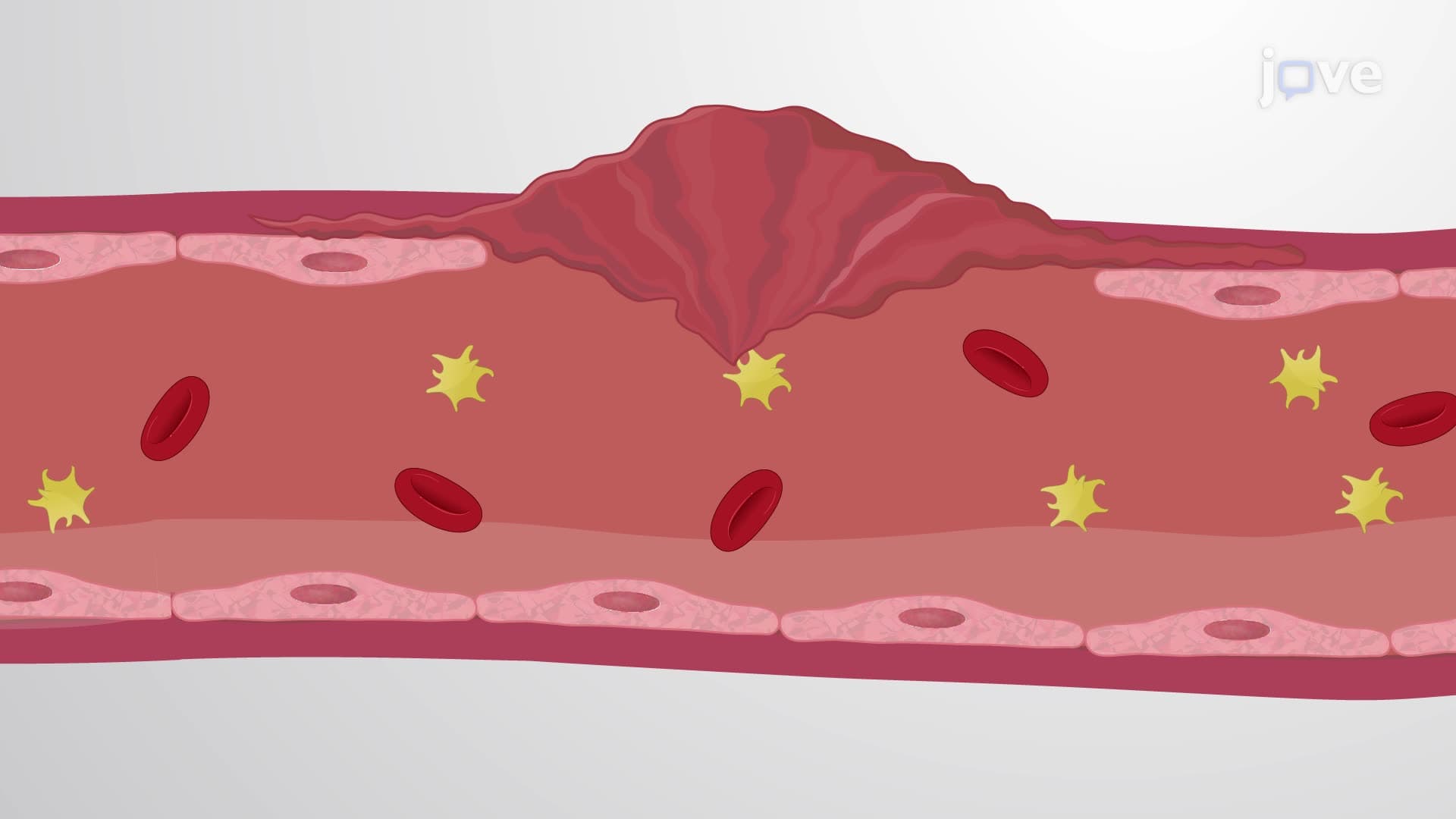

Video Summary: What Is Coagulation
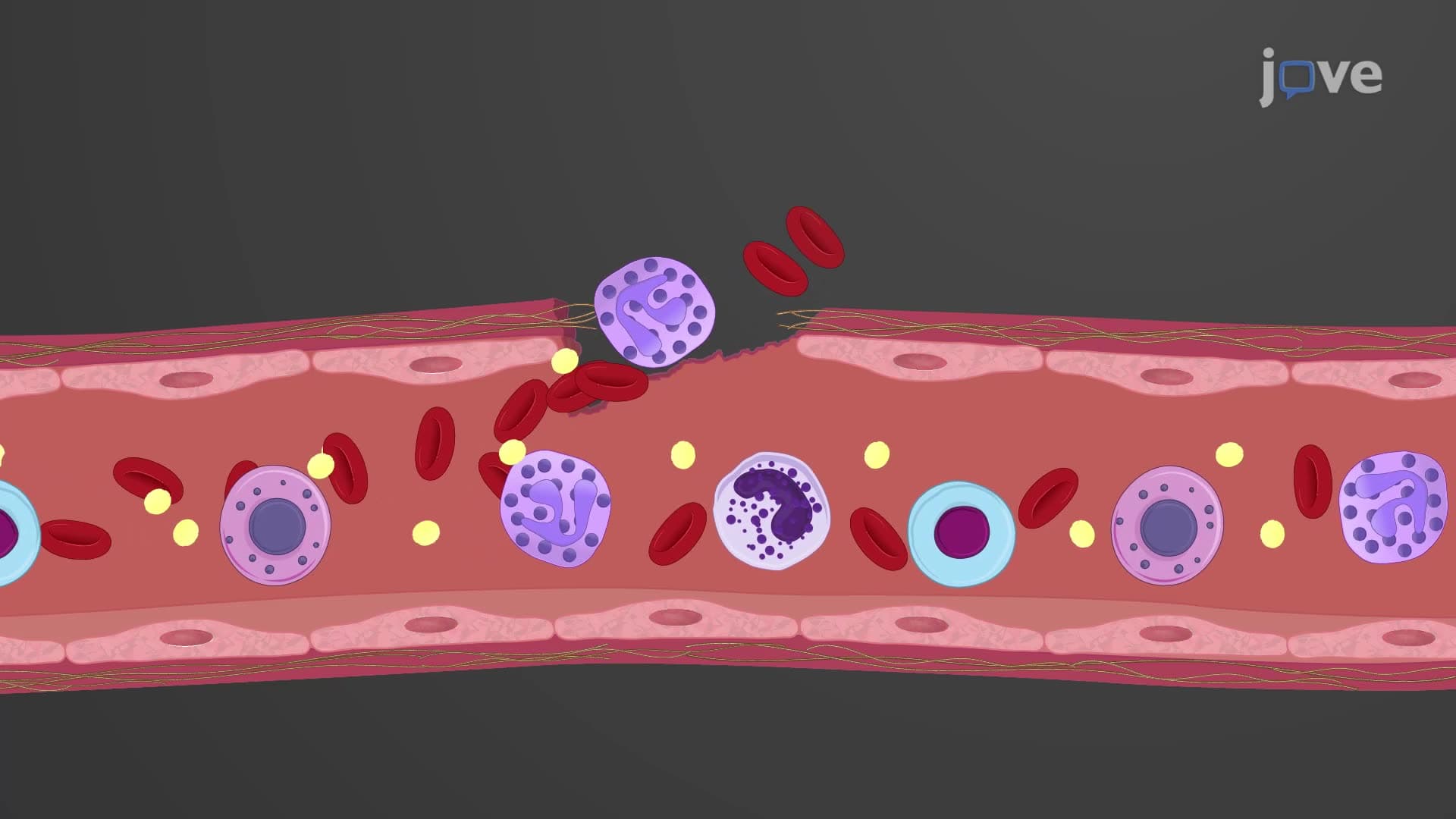
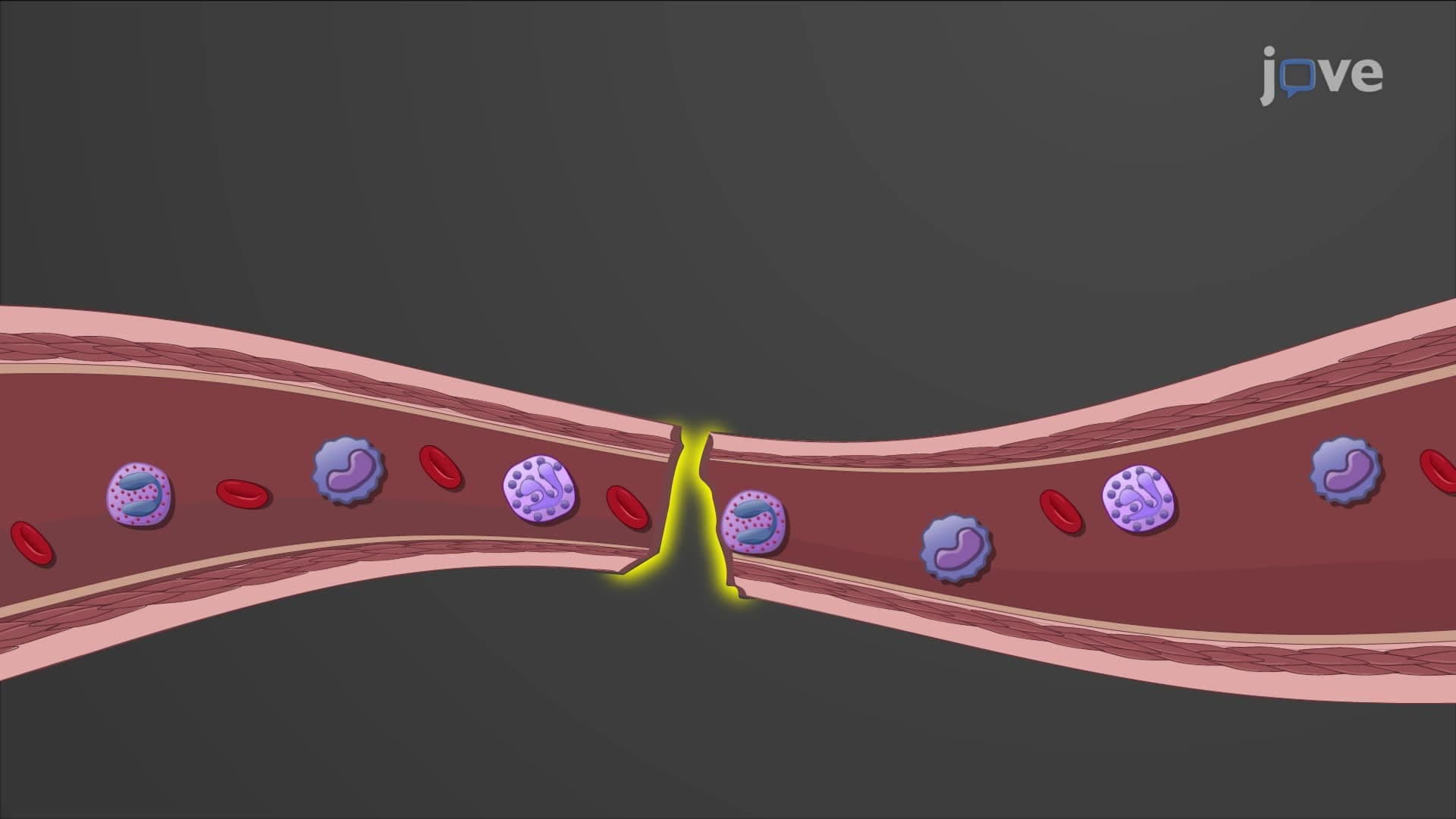
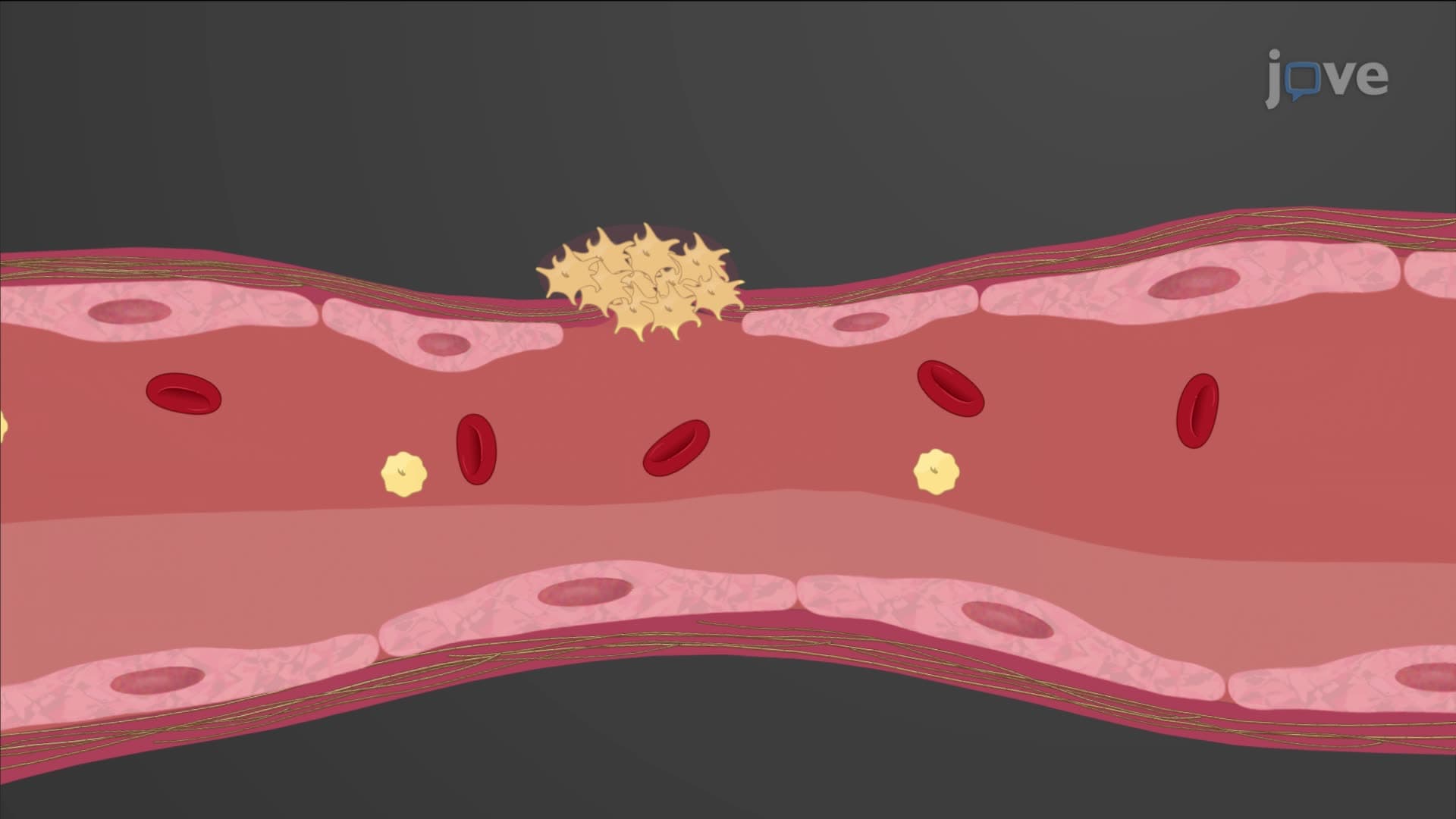
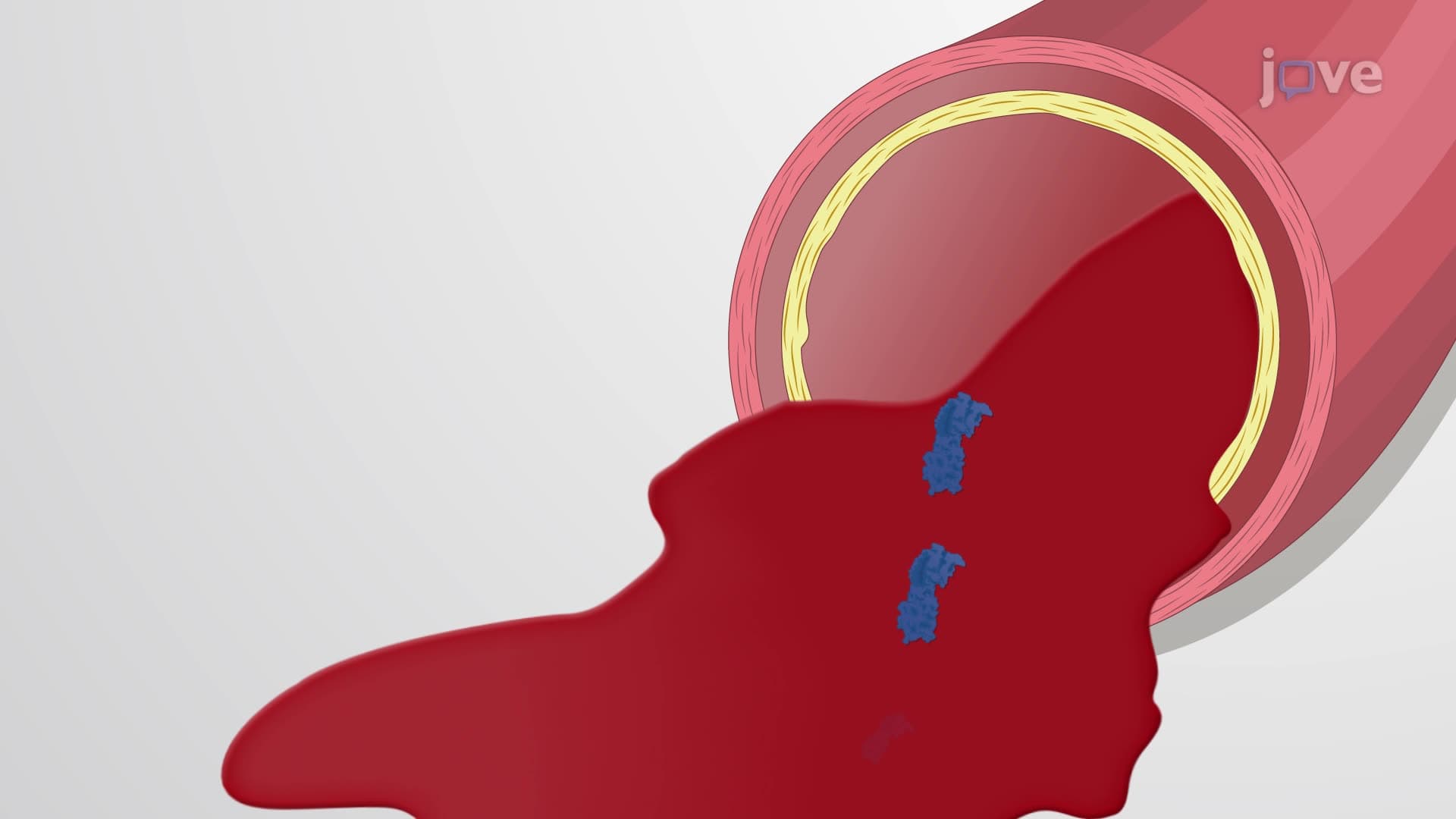
Did you know that every time you get a paper cut, your body performs chemistry that would make any lab technician jealous? Coagulation chemistry basics reveal how blood transforms from liquid to solid in just 3-6 minutes through a precise cascade of molecular reactions. When a patient arrives at Johns Hopkins Emergency Department with a bleeding wound, medical teams rely on understanding what is coagulation to assess clotting time and prevent dangerous blood loss. This complex process involves three distinct pathways-extrinsic, intrinsic, and common-that work together like a perfectly choreographed chemical symphony. Watch the full video on JoVE Coach to master this concept with expert-led visuals and step-by-step explanations.
Coagulation chemistry basics extend far beyond simple blood clotting, representing one of nature's most elegant biochemical cascades. This process transforms the liquid phase of blood into a solid, gel-like structure through a series of precisely controlled enzymatic reactions. Unlike the coagulation of colloidal particles in industrial chemistry, biological coagulation involves specific protein factors that activate in sequence, each serving as both product and catalyst.
How coagulation works in chemistry involves three interconnected pathways that converge at a critical molecular junction. The extrinsic pathway initiates when tissue factor (Factor III) is exposed during vascular injury, such as in trauma patients at Cleveland Clinic. The intrinsic pathway activates through contact with damaged vessel surfaces, involving Factors VIII, IX, and XI. Both pathways culminate in prothrombin activator formation, which converts prothrombin (Factor II) to thrombin-the master enzyme of coagulation.
For AP Biology and college biochemistry students, understanding this cascade is crucial. The MCAT frequently tests the sequential nature of these reactions, particularly the role of calcium ions and vitamin K-dependent factors (II, VII, IX, X).
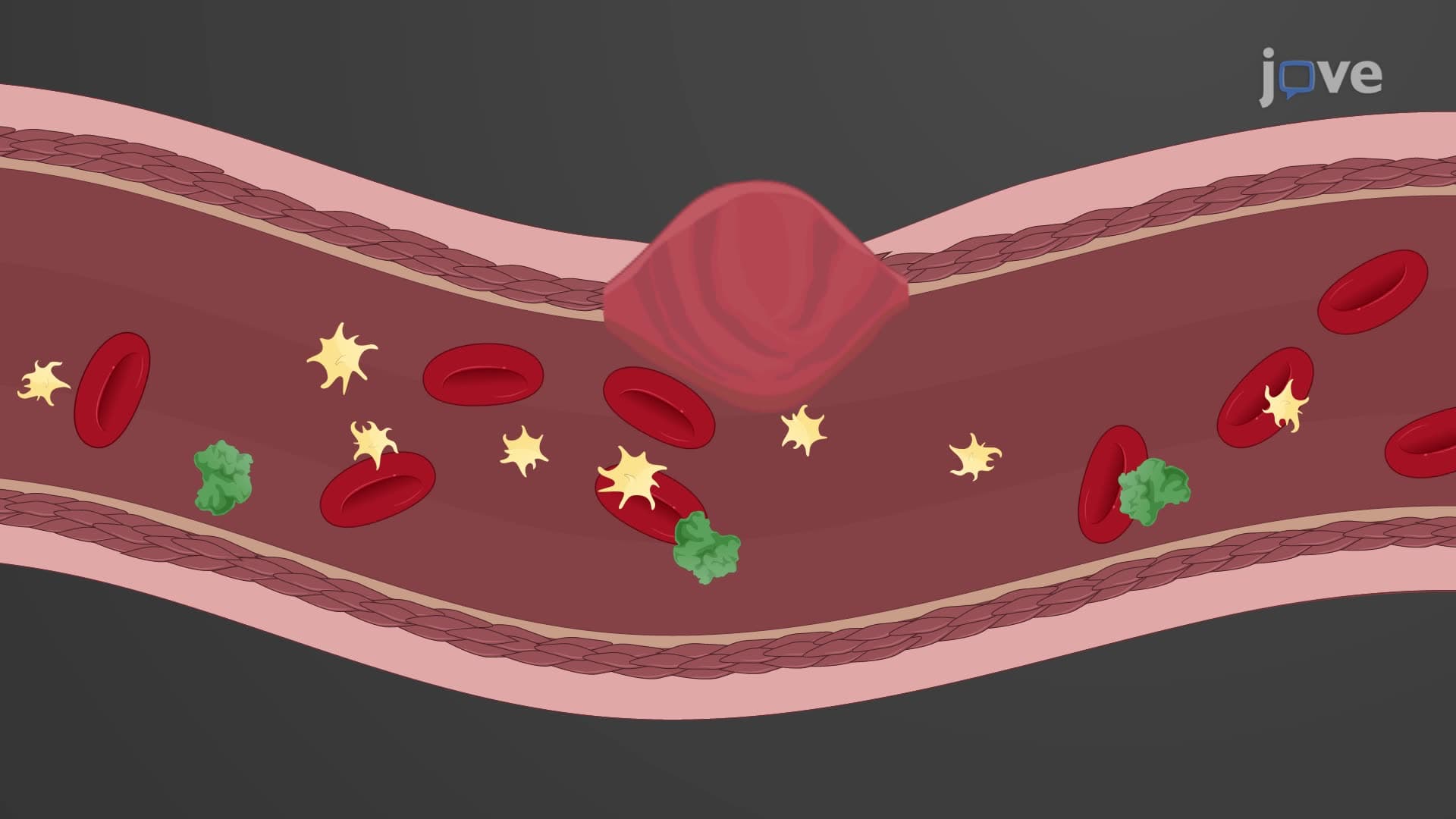
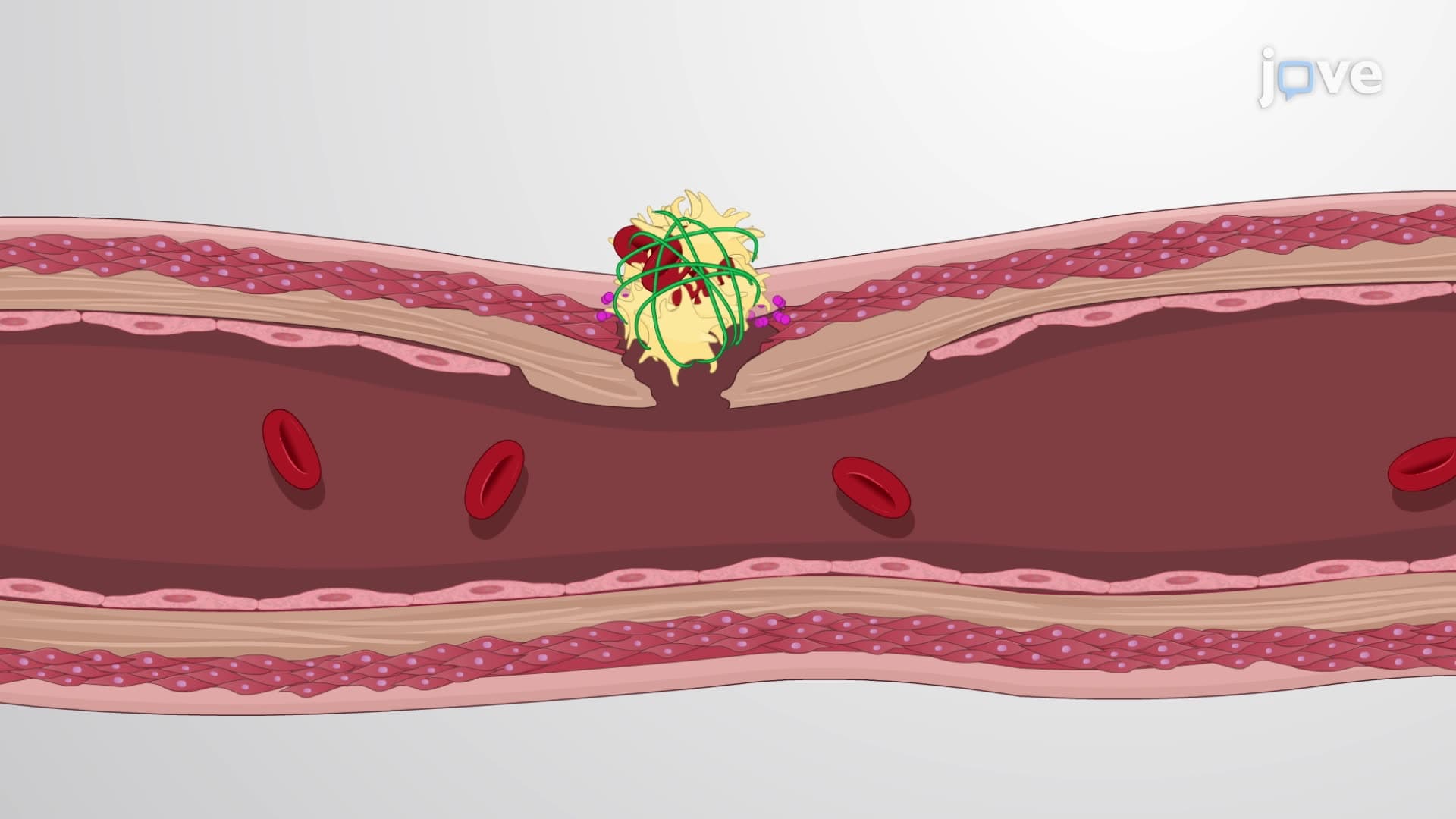
The conversion of fibrinogen to fibrin represents the climactic moment in coagulation chemistry. Thrombin cleaves fibrinogen, releasing fibrinopeptides and creating fibrin monomers that spontaneously polymerize. These fibrin fibers form a three-dimensional mesh that entraps red blood cells, platelets, and plasma proteins, creating the characteristic appearance of a blood clot observed in clinical settings at institutions like Mayo Clinic.
Understanding coagulation chemistry proves essential for pre-med students preparing for the MCAT and medical professionals taking the USMLE. Anticoagulant medications like warfarin target vitamin K-dependent factors, while heparin enhances antithrombin III activity. Laboratory tests including PT (prothrombin time) and PTT (partial thromboplastin time) measure pathway functionality, helping physicians at top medical centers diagnose bleeding disorders and monitor treatment effectiveness.
Related Micro-courses