Loading video…


 29 Concepts
 135.5K views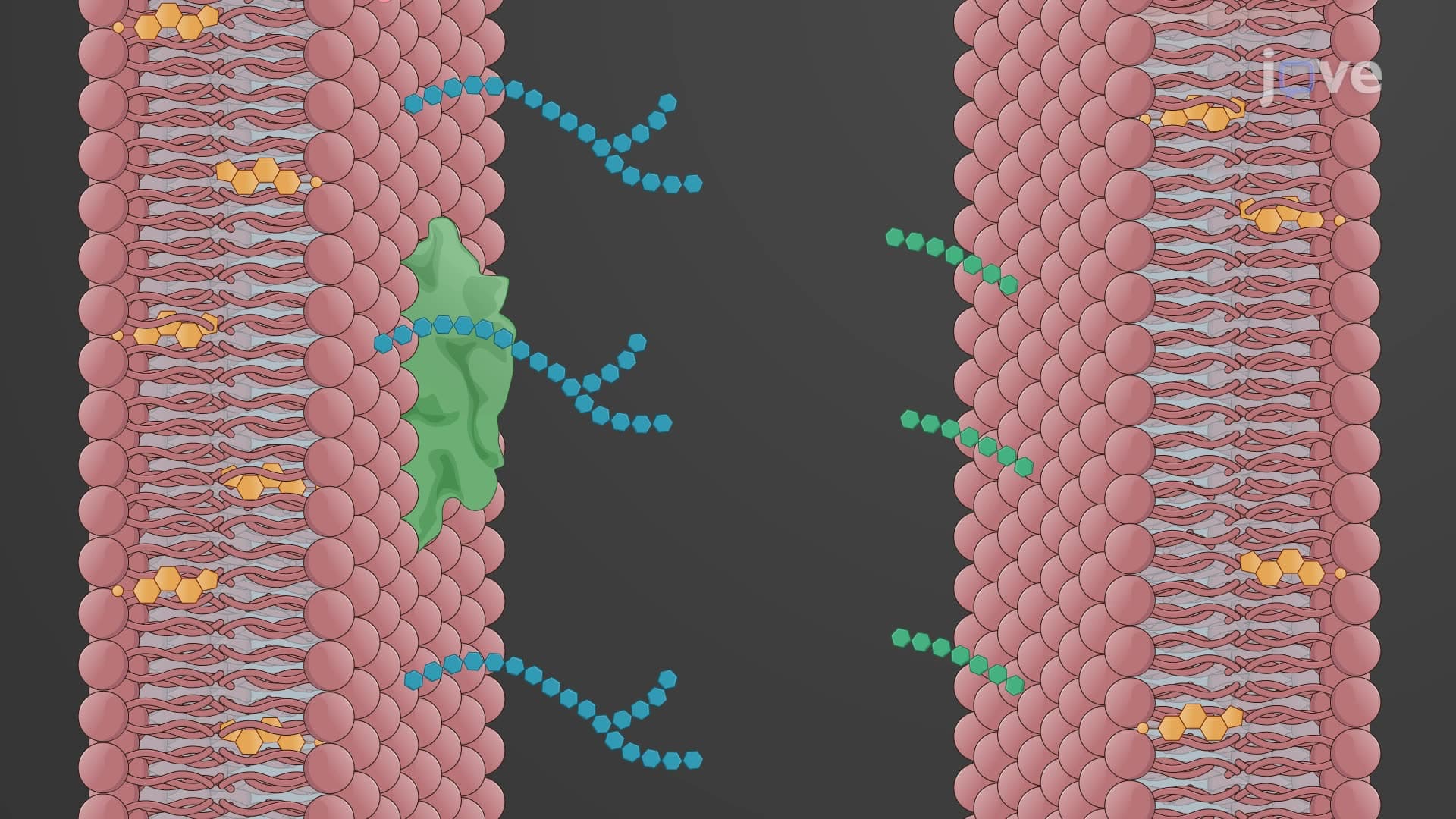

Video Summary: What Is the Abo Blood Group
Did you know that receiving the wrong blood type during transfusion can be fatal within minutes? The ABO blood group biology determines compatibility between donors and recipients, making it crucial for emergency medicine. When a patient arrives at Johns Hopkins Hospital needing urgent surgery, doctors must quickly identify their ABO blood type to ensure safe transfusion. What is The ABO Blood Group system involves specific antigens on red blood cells that create four distinct blood types: A, B, AB, and O. Watch the full video on JoVE Coach to master this concept with expert-led visuals and step-by-step explanations.
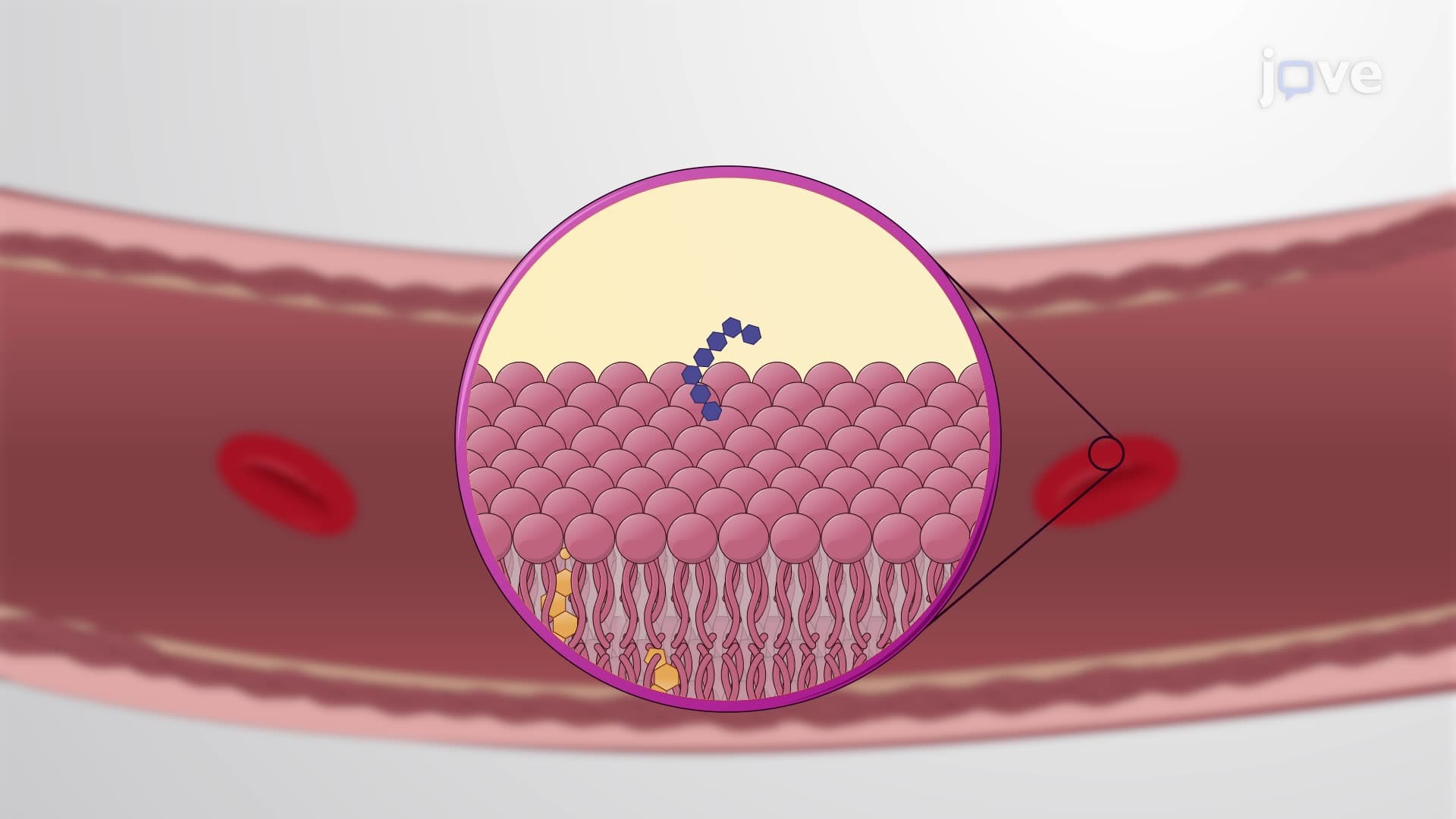
The ABO blood group system represents one of medicine's most critical discoveries, directly impacting patient safety in hospitals across America. This classification system divides human blood into four primary types based on the presence or absence of specific glycolipid antigens embedded in red blood cell membranes. These antigens, designated A and B, are genetically inherited carbohydrate structures that serve as molecular identification tags.
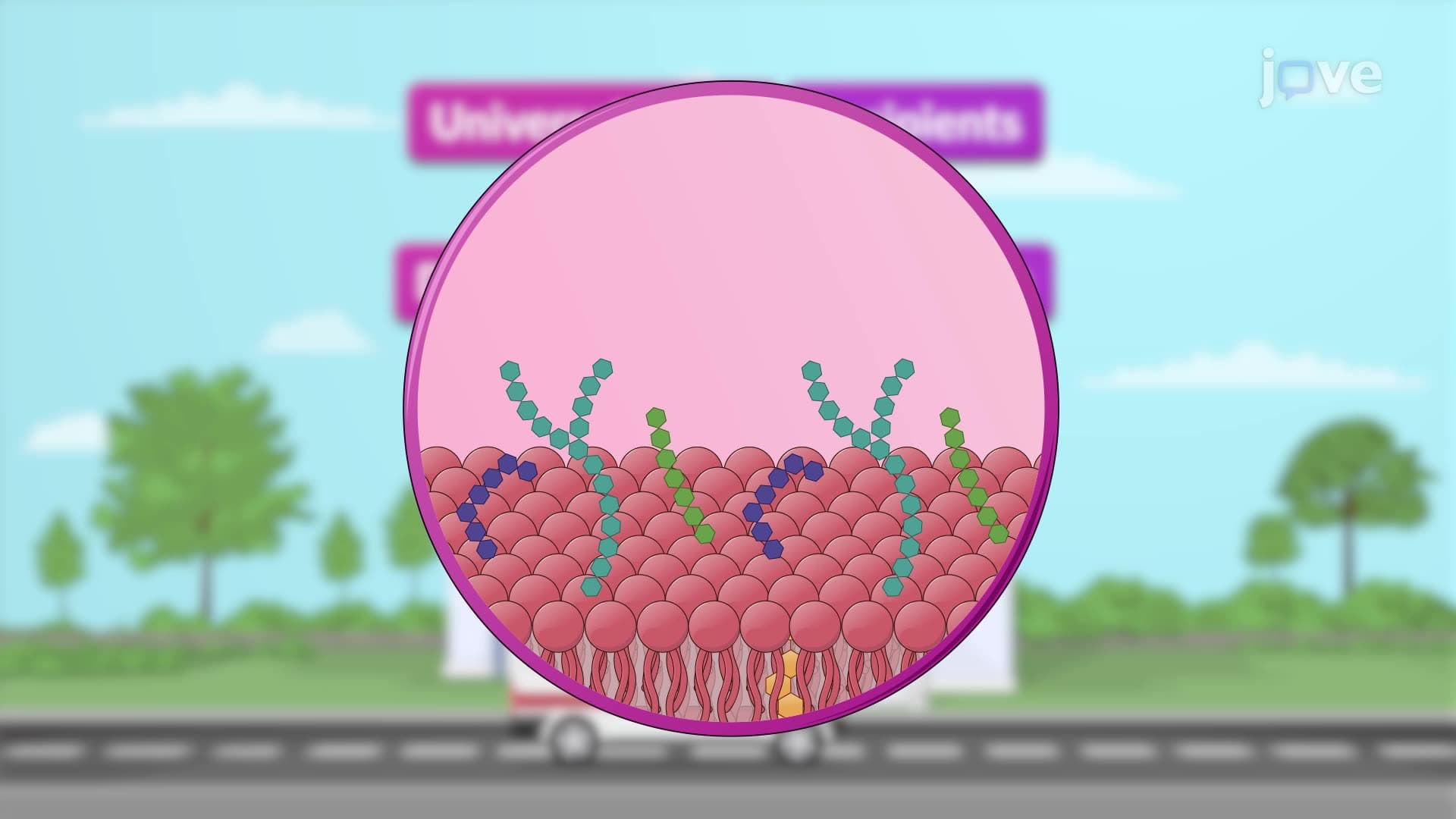
At the cellular level, these antigens consist of complex sugar chains attached to lipid molecules within the red blood cell membrane. The A antigen contains N-acetylgalactosamine as its terminal sugar, while the B antigen terminates with galactose. Individuals inherit genes that code for enzymes responsible for synthesizing these specific sugar sequences, determining their blood type from birth.
The four ABO blood types emerge from different combinations of antigen presence. Type A individuals possess only A antigens on their red blood cells, while their plasma contains anti-B antibodies that would attack any B antigens encountered. Conversely, Type B individuals carry B antigens and produce anti-A antibodies in their plasma.
Type AB individuals represent the universal recipients because they possess both A and B antigens, making their immune system tolerant to both antigen types. Remarkably, their plasma lacks both anti-A and anti-B antibodies, preventing rejection of either antigen. Type O individuals lack both antigens entirely but produce both anti-A and anti-B antibodies, making them universal donors since their blood contains no antigens to trigger recipient immune responses.
Understanding ABO compatibility proves essential for medical professionals throughout American healthcare systems. Emergency departments at hospitals like Mayo Clinic and Cleveland Clinic rely on rapid ABO typing to save lives during trauma situations. Incompatible transfusions can trigger severe hemolytic reactions, causing recipient antibodies to destroy donor red blood cells, potentially leading to kidney failure, shock, or death.
Blood banks across the United States maintain strict protocols for ABO typing and cross-matching before any transfusion. The American Red Cross processes millions of blood donations annually, carefully categorizing each unit by ABO type to ensure optimal distribution and patient safety.
This concept appears prominently in Advanced Placement Biology exams, MCAT questions, and college-level genetics courses. Students preparing for healthcare careers encounter ABO genetics in nursing school entrance exams like HESI A2 and TEAS. Medical school curricula emphasize ABO typing as fundamental knowledge for future physicians, while nursing programs stress its importance for safe patient care practices.
Related Micro-courses