Loading video…


 29 Concepts
 135.5K views

Video Summary: What Is Hemoglobin
Did you know that without hemoglobin biology structure, your brain would shut down in minutes from oxygen starvation? Hemoglobin explained simply reveals how this remarkable protein in your red blood cells carries life-sustaining oxygen from your lungs to every tissue in your body. When patients at Johns Hopkins Hospital receive blood transfusions, doctors monitor hemoglobin levels to ensure proper oxygen delivery throughout the body. What is hemoglobin transforms from a simple question into understanding one of biology's most elegant molecular machines. Watch the full video on JoVE Coach to master this concept with expert-led visuals and step-by-step explanations.
Hemoglobin stands as one of the most studied proteins in biochemistry, and for good reason. This complex molecule consists of four polypeptide chains-two alpha and two beta chains-each folded around an iron-containing heme group. The hemoglobin alpha beta chain arrangement creates a quaternary structure that enables sophisticated oxygen transport mechanisms essential for human survival.
The genius of hemoglobin lies in its cooperative binding mechanism. When the first oxygen molecule attaches to one heme group, it triggers conformational changes throughout the entire protein structure. This shape change increases the oxygen affinity of the remaining three heme groups, making subsequent oxygen binding progressively easier. This cooperative effect, illustrated by the sigmoid hemoglobin dissociation curve, ensures efficient oxygen loading in the high-oxygen environment of the lungs.
At Cleveland Clinic, medical students learn that understanding this curve is crucial for interpreting blood gas analyses. The steep portion of the curve occurs at tissue oxygen levels, allowing rapid oxygen release where it's needed most. This explains why hemoglobin oxygen transport is so efficient-nearly complete saturation in lungs, yet ready release in metabolically active tissues.
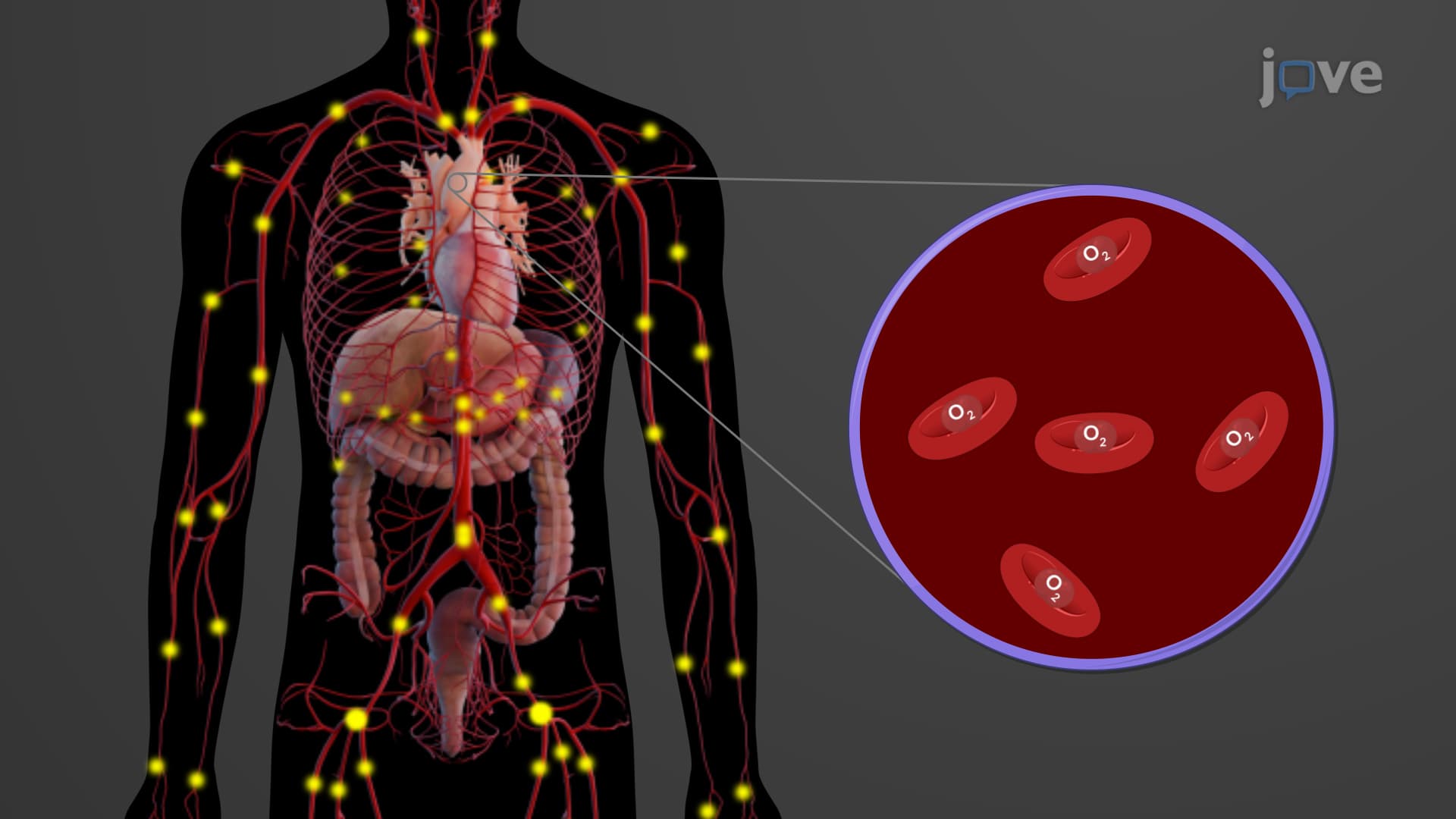
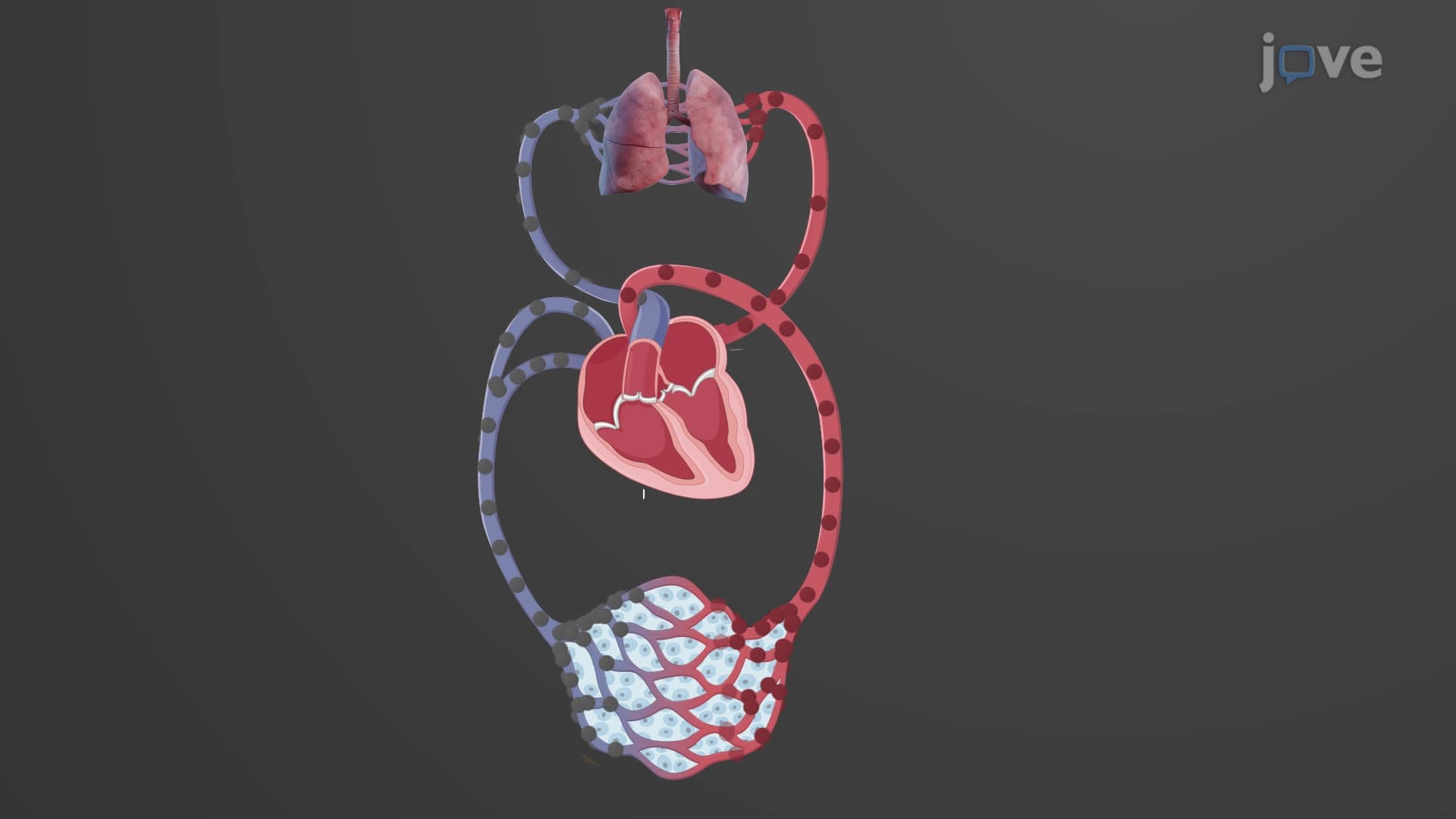
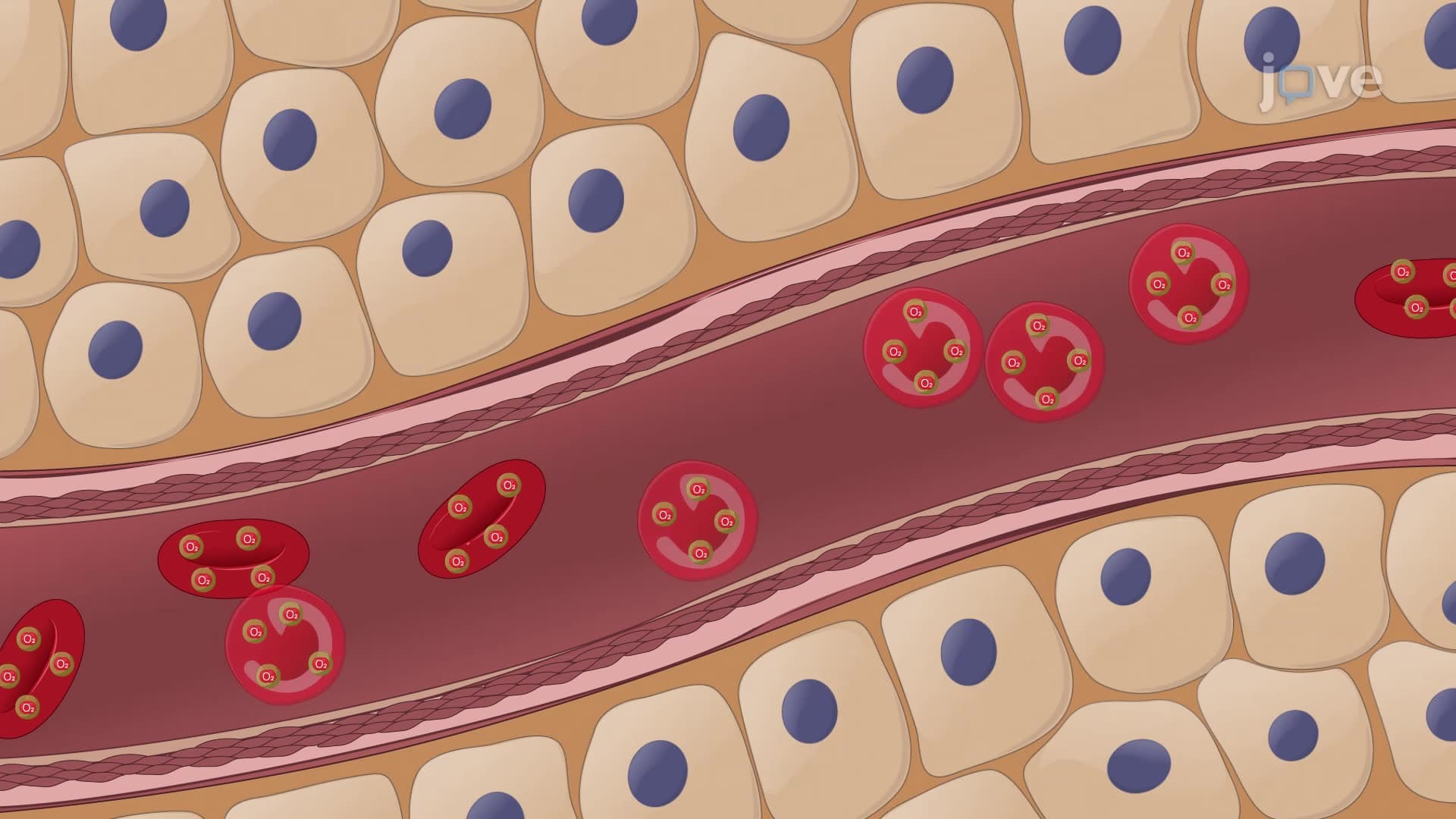
The transformation between oxyhemoglobin deoxyhemoglobin states creates the visible difference between arterial and venous blood. Oxyhemoglobin, fully saturated with oxygen, gives arterial blood its bright red appearance. As blood circulates through tissue capillaries, oxygen dissociates from heme iron oxygen binding sites, forming deoxyhemoglobin and creating the darker red color of venous blood.
Hemoglobin's versatility extends beyond oxygen transport. Approximately 20% of carbon dioxide transport occurs through carbaminohemoglobin formation, where CO2 binds directly to amino groups on the globin chains. Additionally, deoxyhemoglobin's interaction with nitric oxide promotes vasodilation, demonstrating hemoglobin's role in cardiovascular regulation.
For AP Biology and college-level courses, students must understand these multiple functions when analyzing respiratory and circulatory system integration. MCAT test-takers frequently encounter questions linking hemoglobin structure to pathological conditions like carbon monoxide poisoning, where CO's higher affinity for heme iron disrupts normal oxygen transport.
Related Micro-courses