Loading video…


 29 Concepts
 135.5K views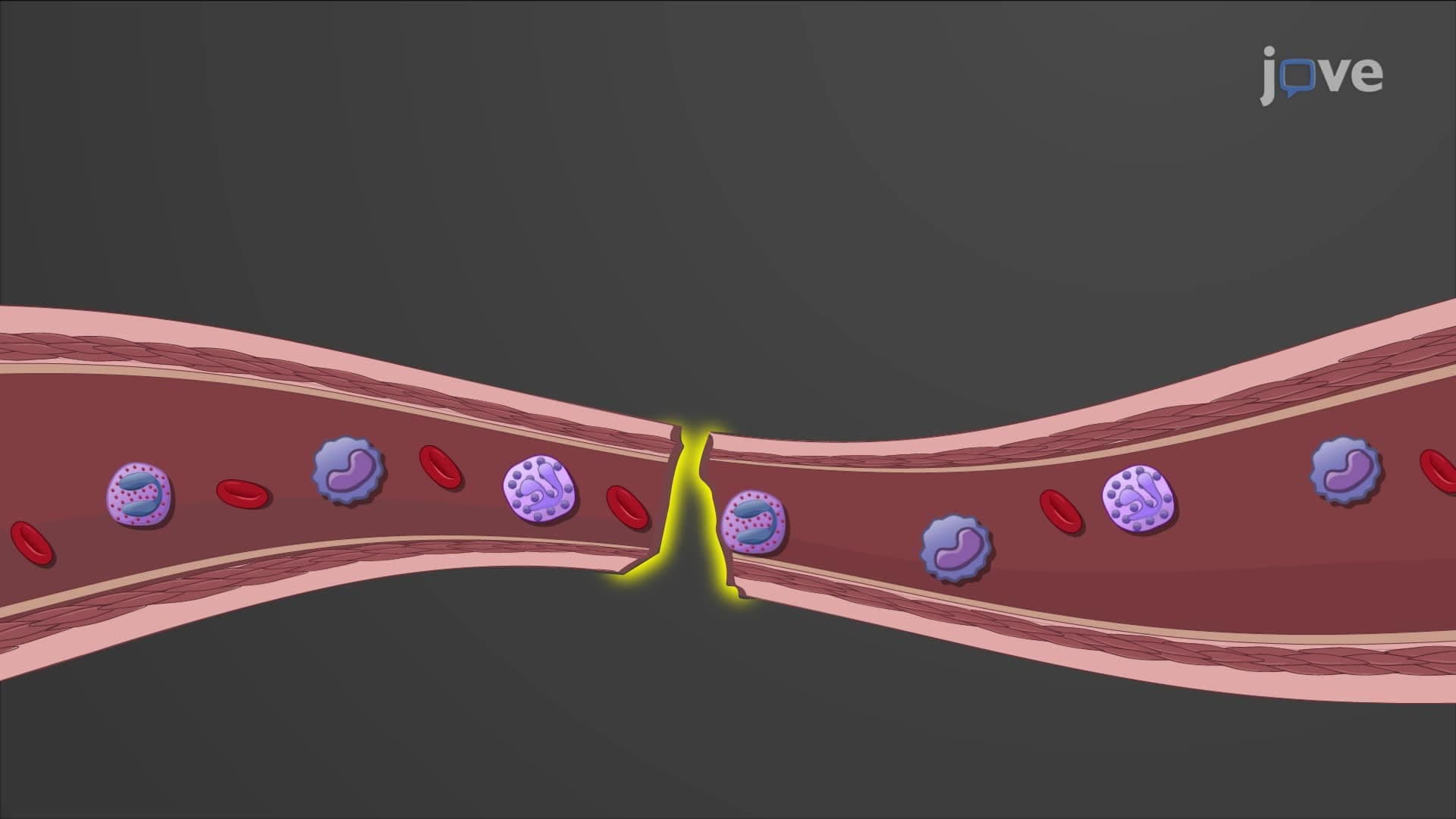

Video Summary: What Is Vascular Spasm
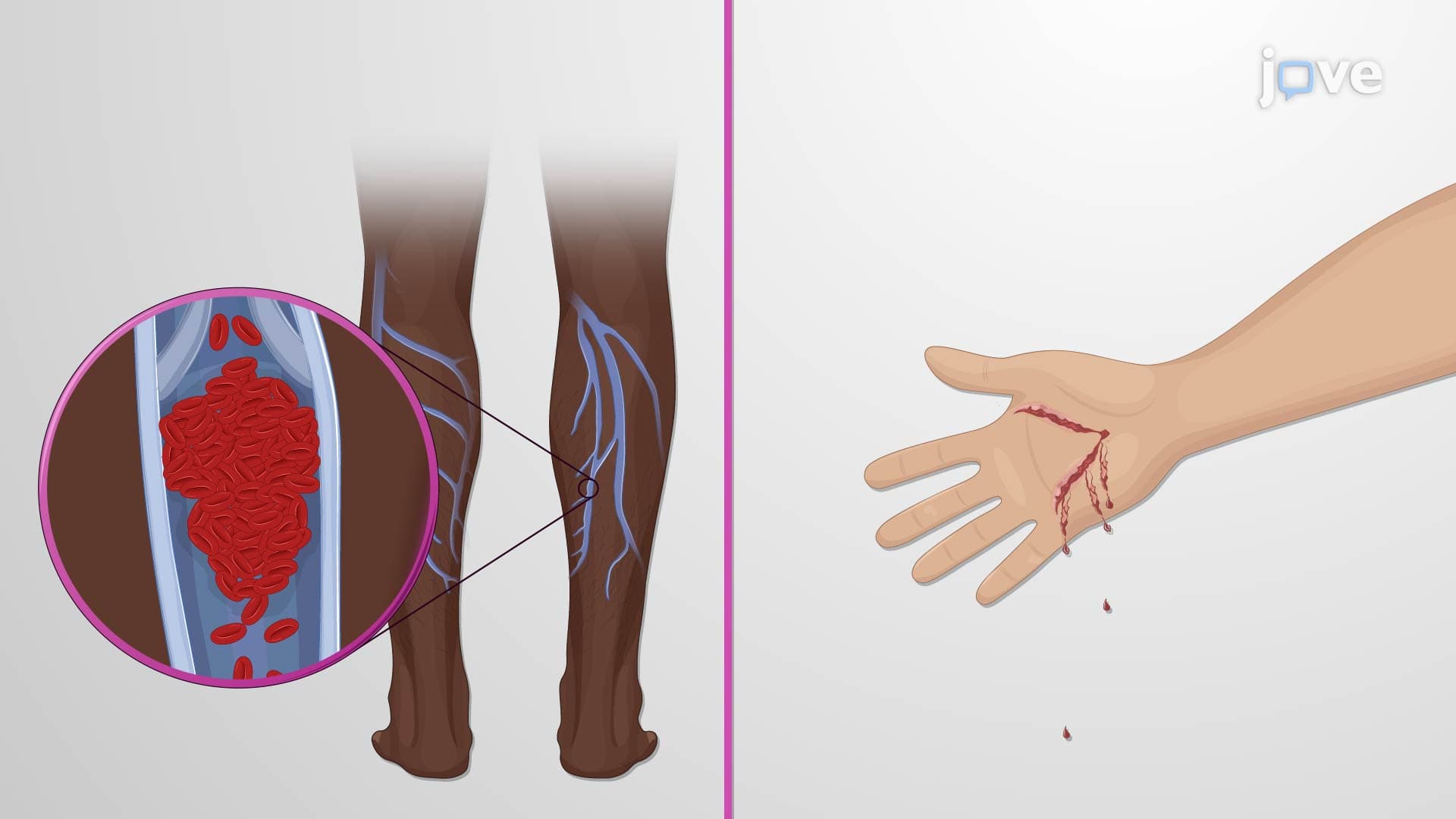
Ever wonder why paper cuts stop bleeding within minutes? The answer lies in vascular spasm hemostasis, your body's lightning-fast emergency response system. When a surgeon at Johns Hopkins makes an incision, blood vessels instantly contract through what is vascular spasm, reducing their diameter by up to 50% to prevent dangerous blood loss. This remarkable mechanism combines smooth muscle contractions with chemical signals to create an immediate biological tourniquet. Watch the full video on JoVE Coach to master this concept with expert-led visuals and step-by-step explanations.
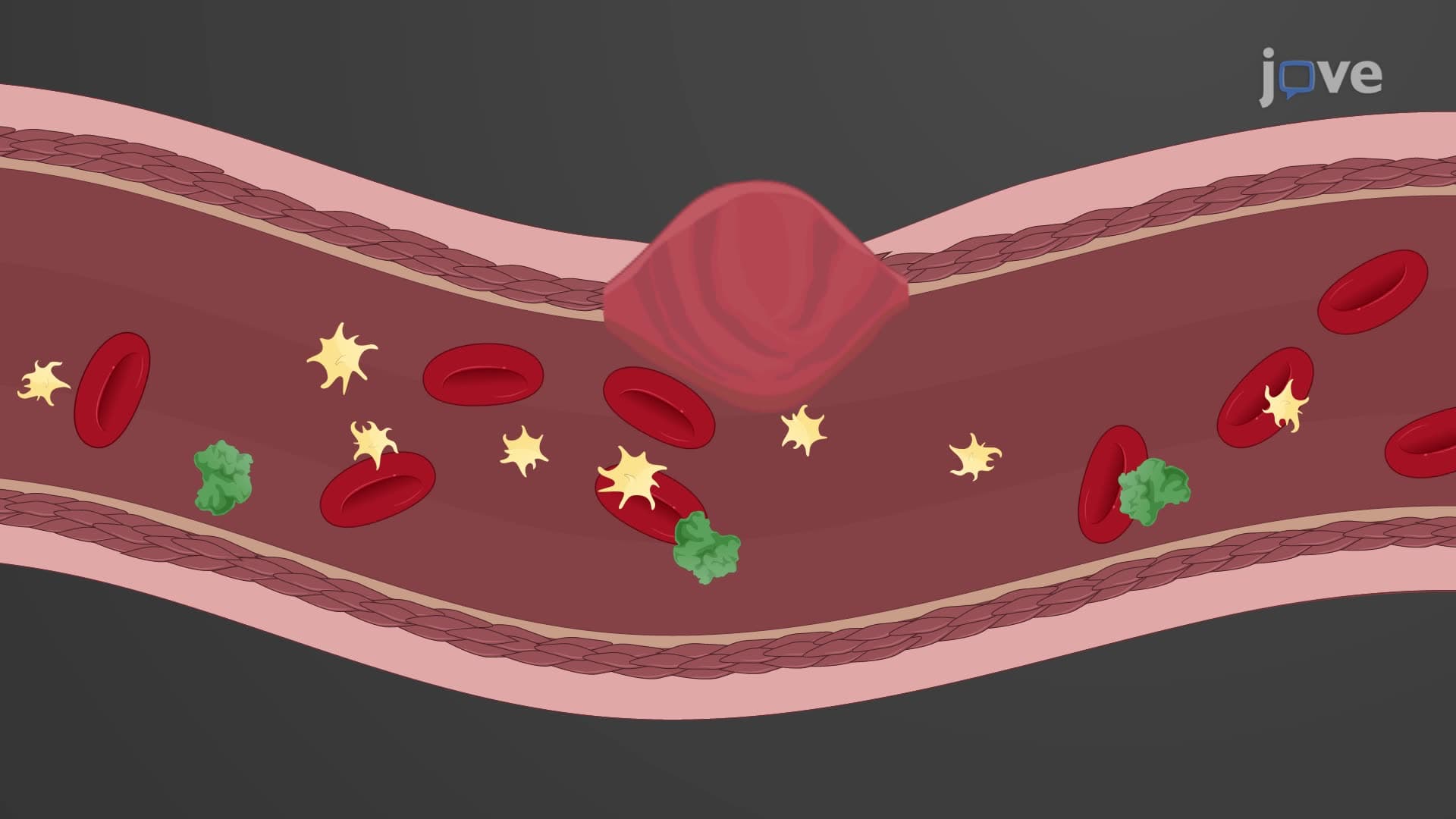
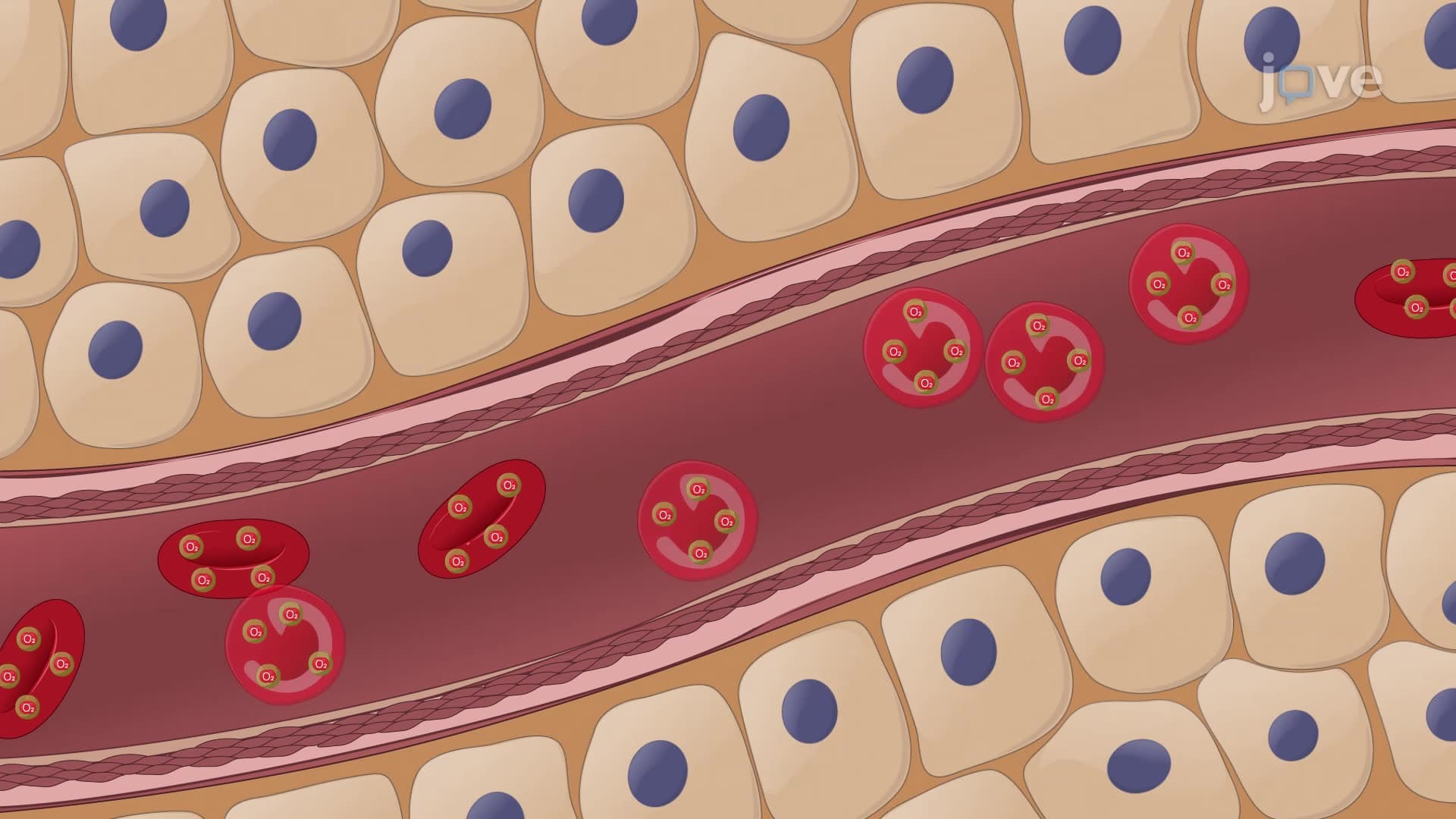
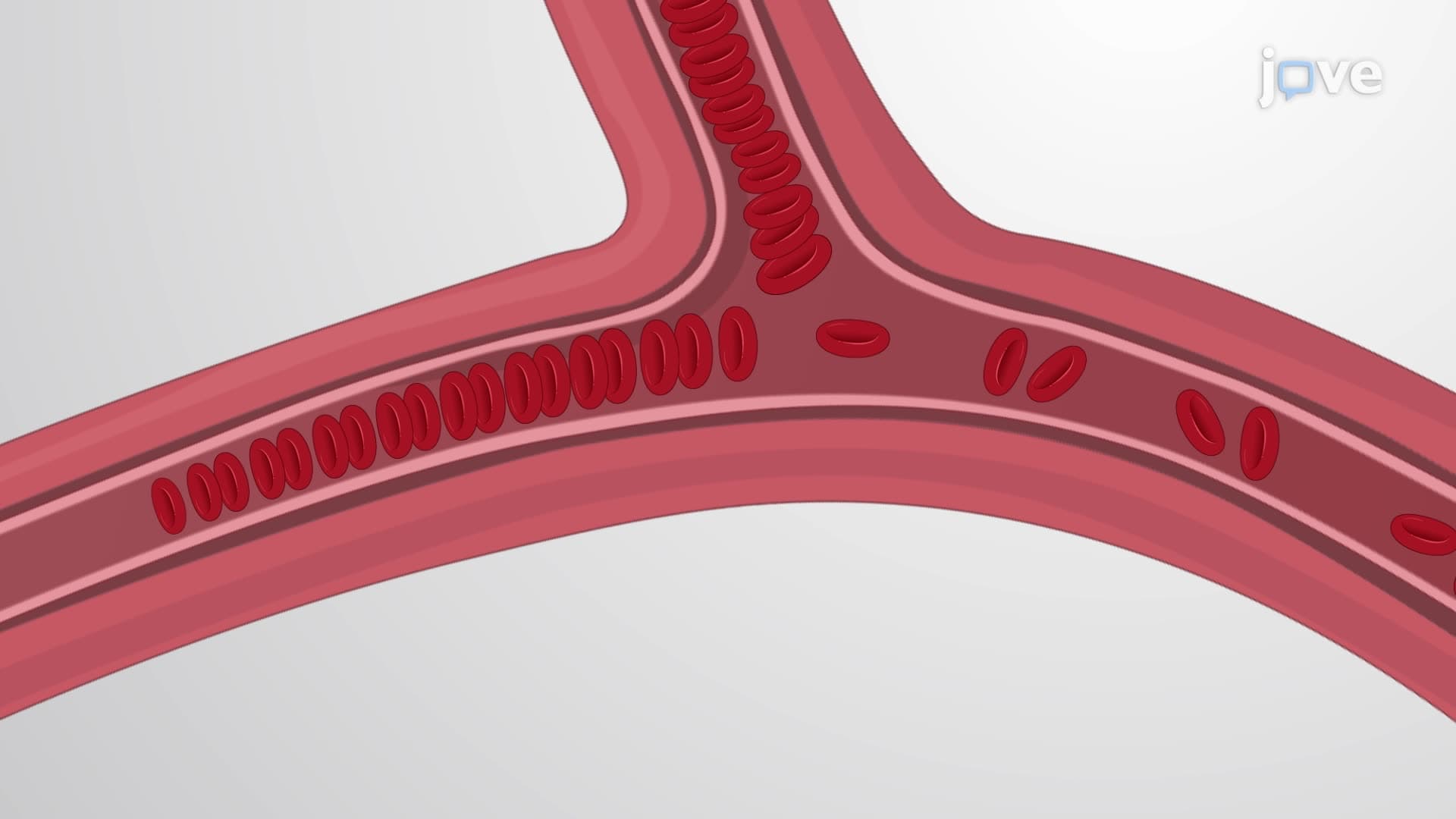
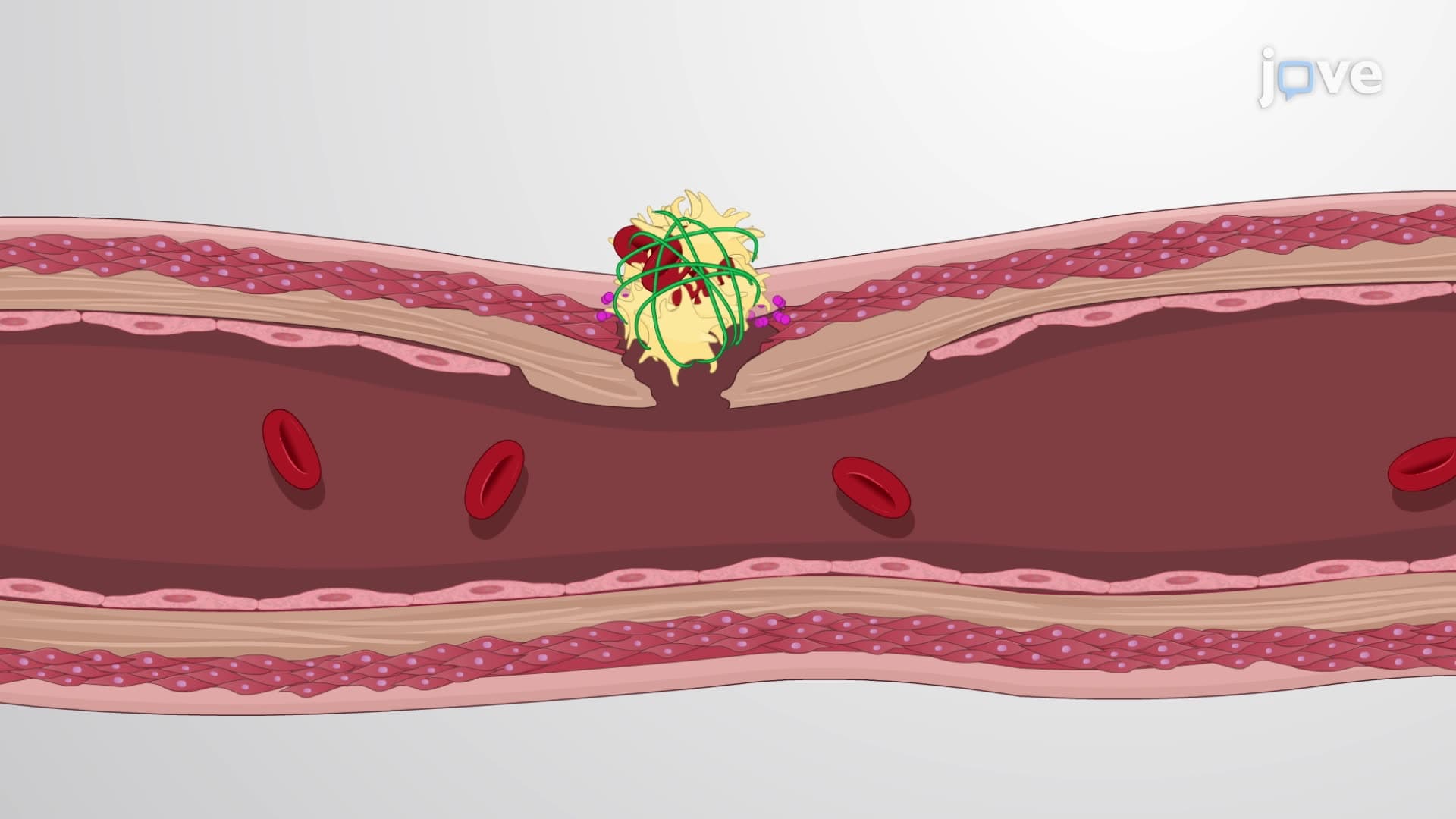
Vascular spasm represents the body's first line of defense against blood loss, acting like an emergency brake system that activates within seconds of injury. This immediate hemostasis response involves the rapid contraction of smooth muscle cells within blood vessel walls, dramatically reducing the vessel's internal diameter to minimize bleeding. Unlike the voluntary muscle contractions you control when lifting weights, this smooth muscle spasm vessel response occurs automatically through your autonomic nervous system.
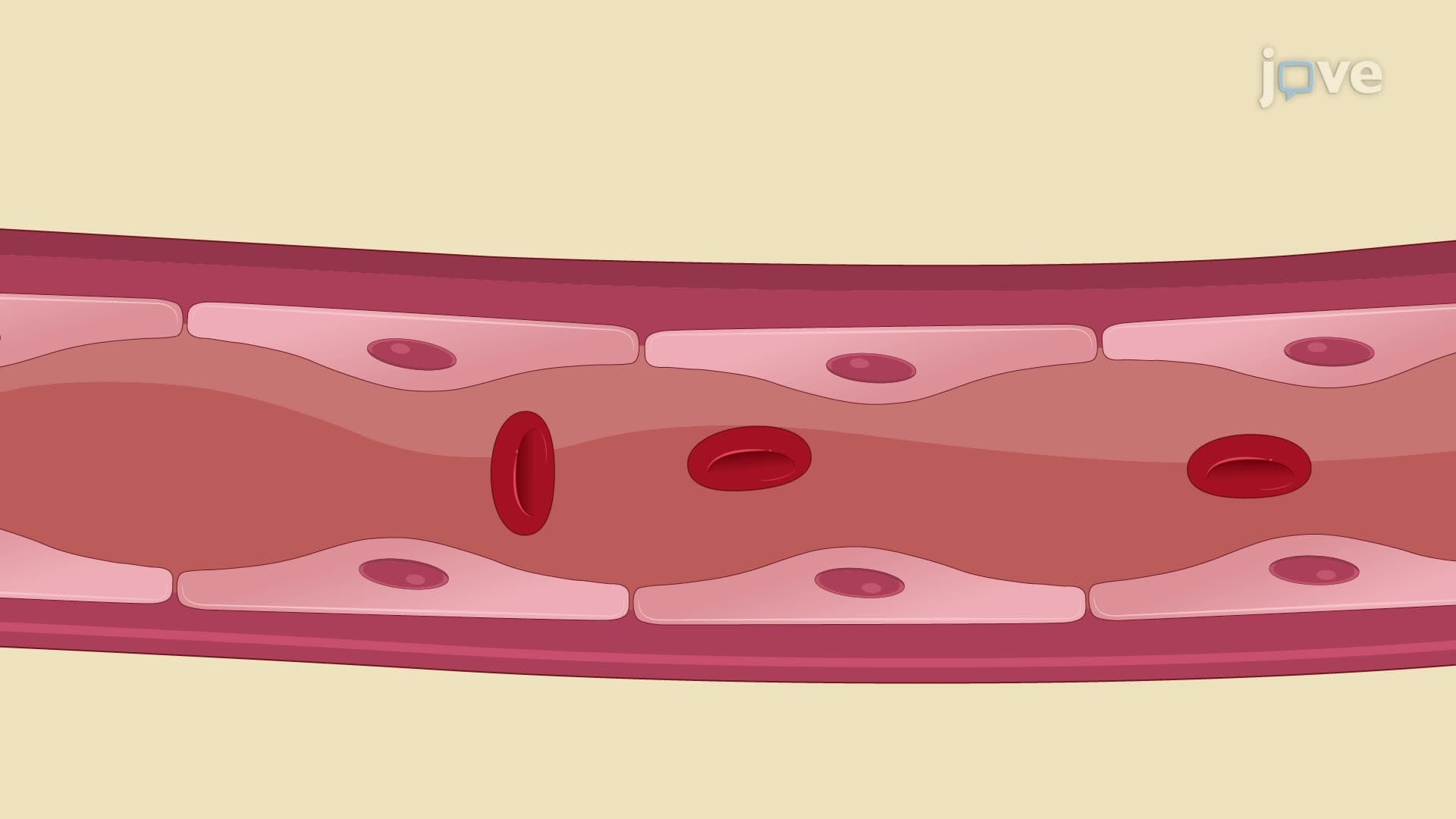
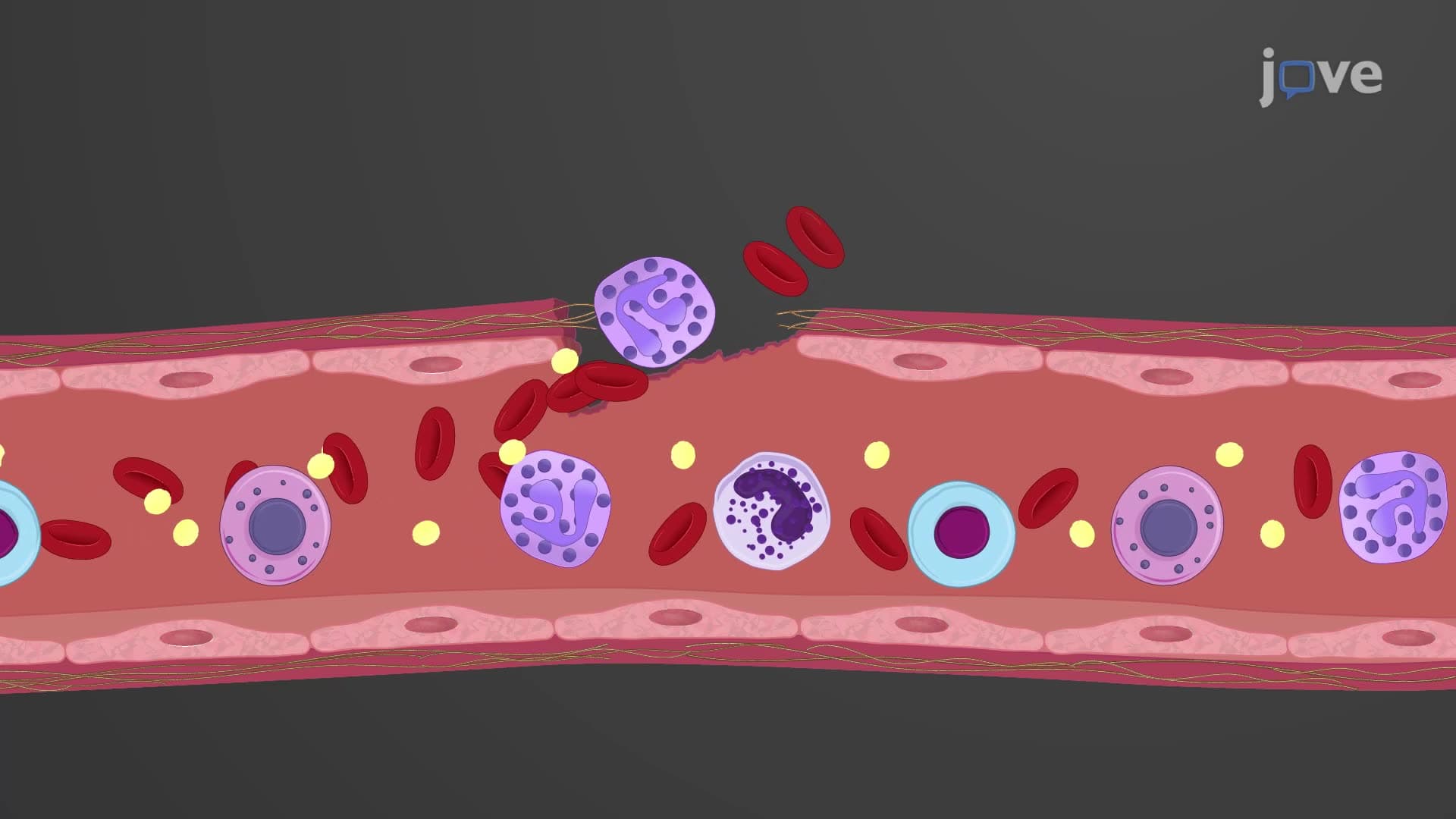
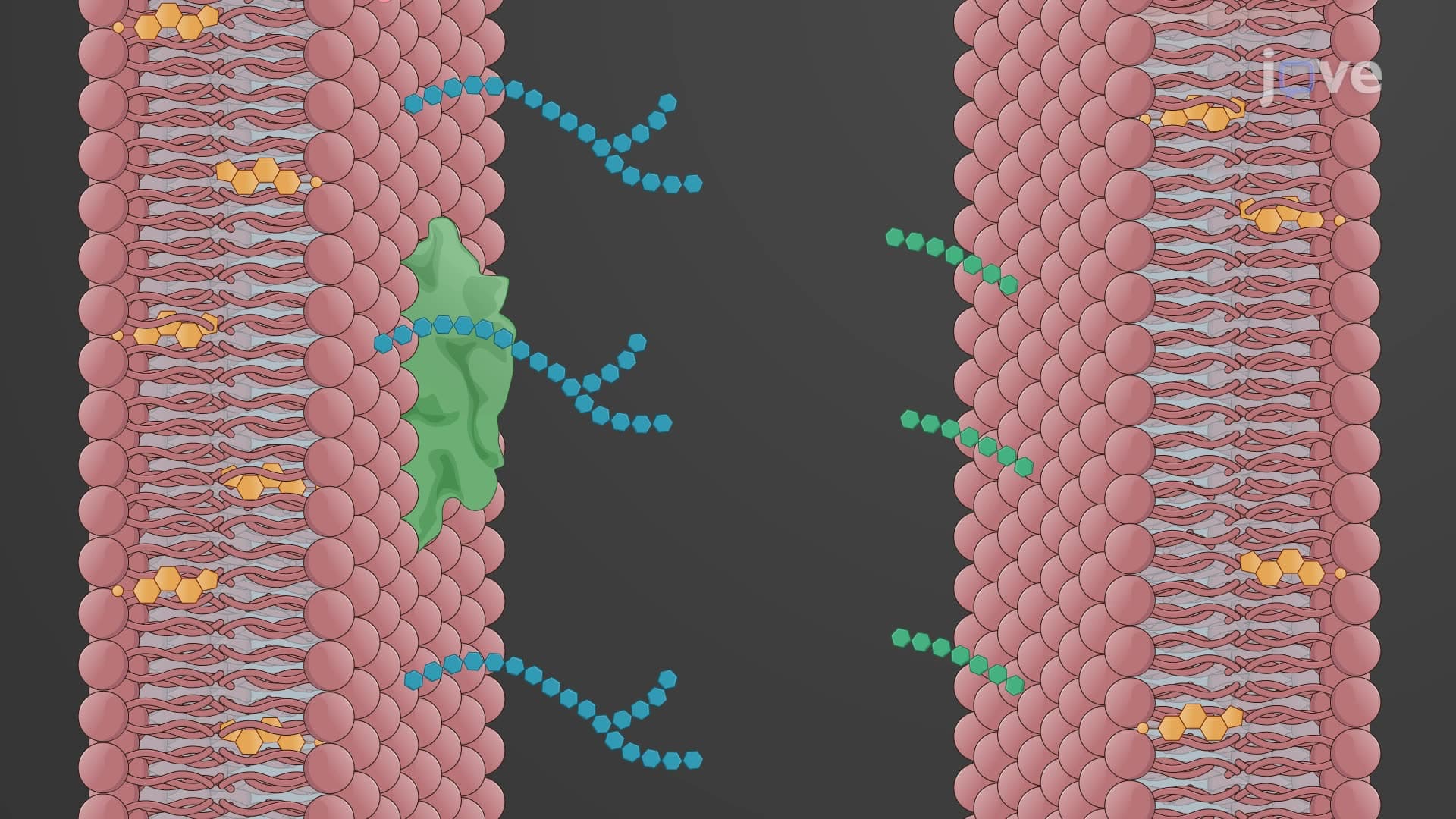
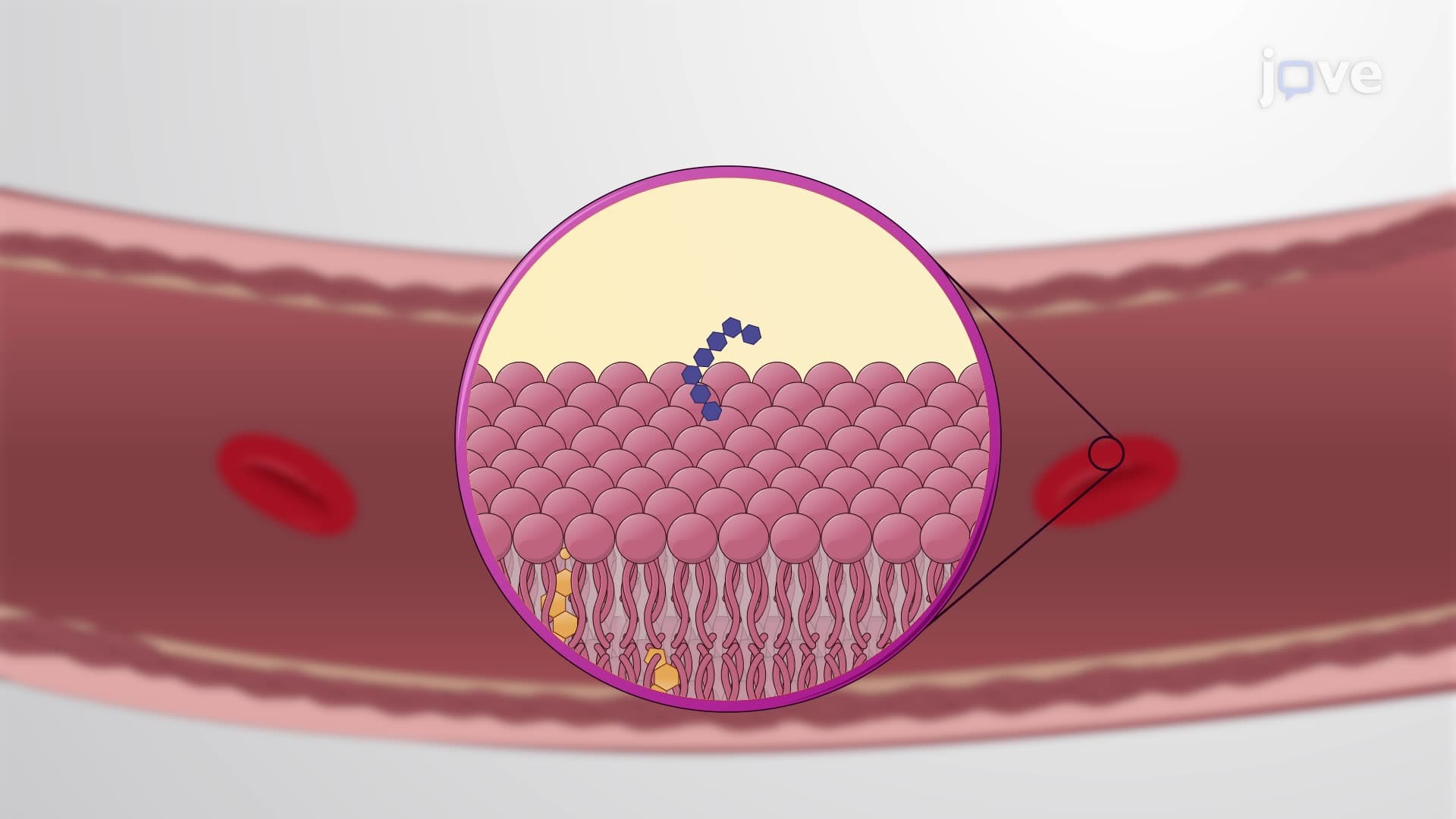
The process begins when vessel damage triggers a cascade of cellular responses. Injured smooth muscle cells initiate local myogenic spasms-essentially muscle cramps within the blood vessel wall. Simultaneously, endothelial cells lining the vessel's interior release a cocktail of vasoactive substances. These include endothelins (powerful constrictor peptides), adenosine diphosphate (ADP), and tissue factor, which work together to enhance and sustain the vascular injury spasm.
During major surgeries at institutions like the Mayo Clinic, surgeons rely on this natural mechanism while also using additional hemostatic agents. The endothelial cells become sticky and can temporarily seal small gaps, similar to how emergency tire sealant works-providing immediate but temporary protection while permanent repairs are prepared.
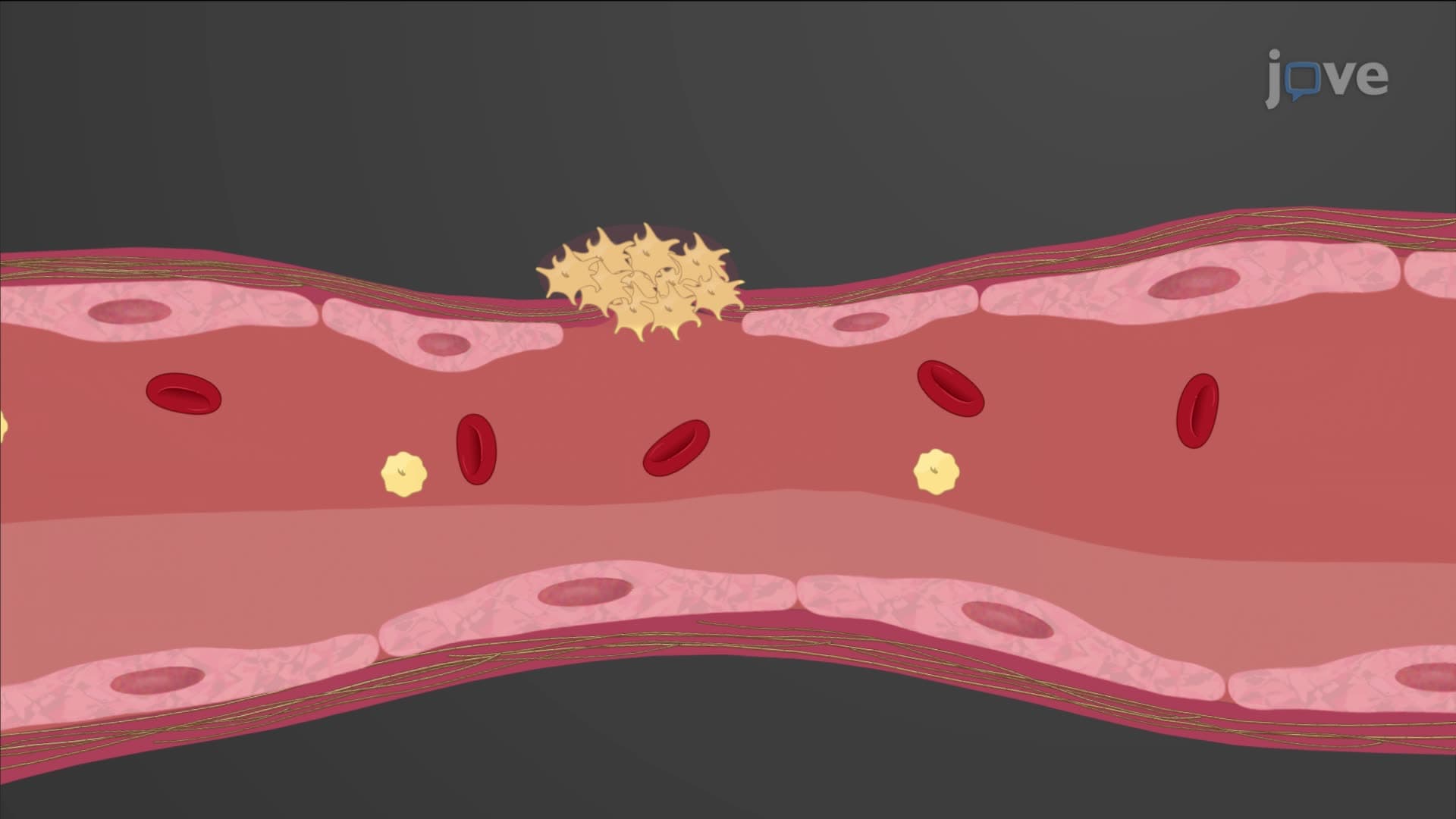
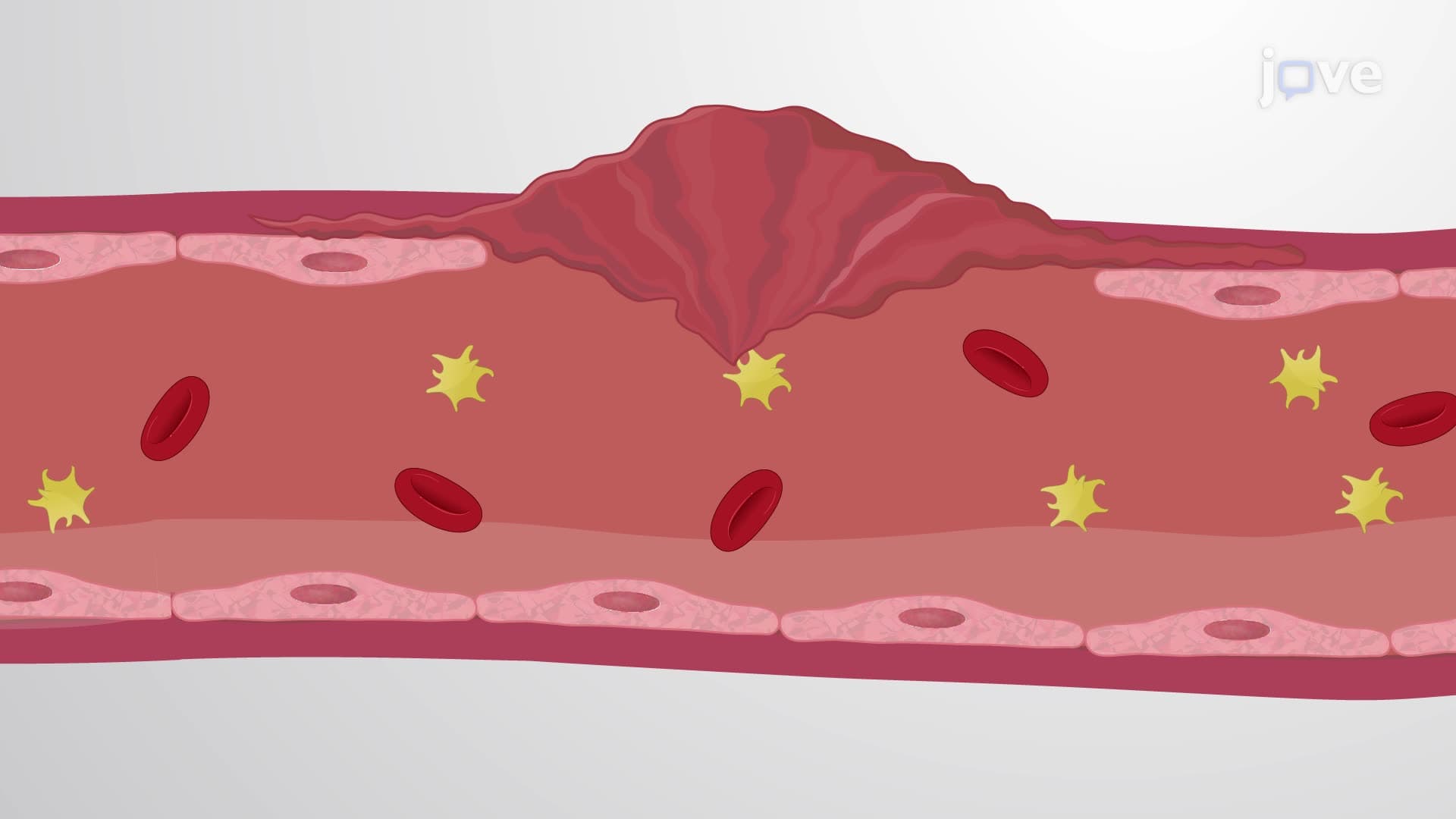
A typical blood vessel spasm explained in clinical terms lasts 20-30 minutes, providing crucial time for the next phases of hemostasis-platelet plugging and coagulation-to take effect. This timing is particularly important in emergency medicine. For instance, trauma surgeons at Massachusetts General Hospital understand that this initial vascular response buys precious time during the "golden hour" following severe injuries.
For AP Biology students, understanding vascular spasm mechanisms frequently appears in questions about homeostasis and body system interactions. MCAT test-takers encounter this concept when analyzing cardiovascular physiology passages. The interplay between serotonin thromboxane spasm and other chemical mediators often appears in college-level biochemistry exams, particularly when discussing prostaglandin pathways and their clinical inhibitors like aspirin.
Students should remember that vascular spasm isn't just a standalone process-it's intricately connected to platelet function, coagulation cascades, and eventual tissue repair, making it a cornerstone concept for understanding integrated physiological responses.
Related Micro-courses