Loading video…


 9 Concepts
 1.5M views

Video Summary: What are Proteins Structure Functions and Biological Roles
Did you know that your hair, muscles, and even the insulin managing your blood sugar are all made of proteins? Understanding proteins structure types functions reveals how these molecular machines power every process in your body, from the hemoglobin carrying oxygen in your blood to the antibodies fighting COVID-19. What Are Proteins? Structure, Types, and Biological Functions examines how amino acid building blocks create the diverse protein world around us. Watch the full video on JoVE Coach to master this concept with expert-led visuals and step-by-step explanations.
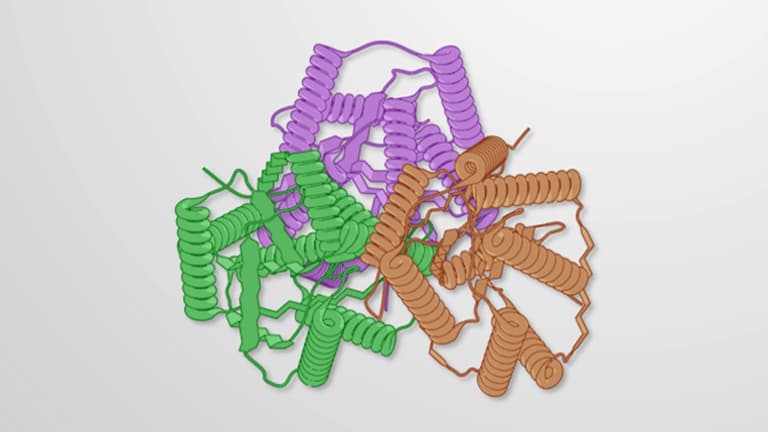
Proteins represent one of life's most versatile molecular tools, serving as enzymes, structural components, transport vehicles, and signaling molecules. These remarkable macromolecules consist of amino acid chains folded into precise three-dimensional shapes that determine their specific biological roles. From the keratin strengthening your fingernails to the myosin powering muscle contraction, proteins structure types functions govern virtually every cellular process.
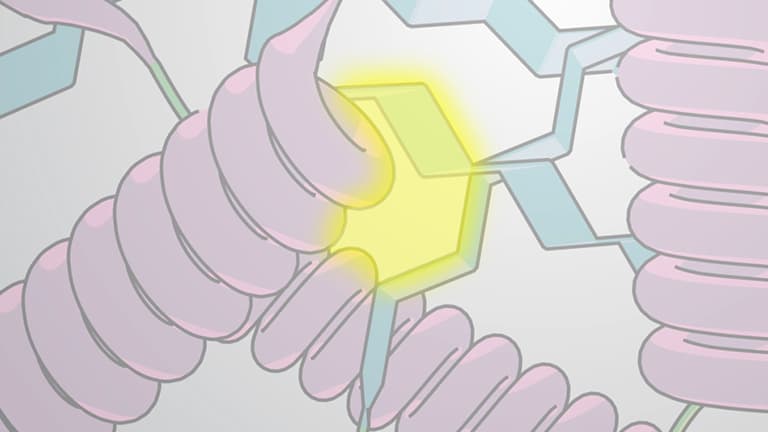
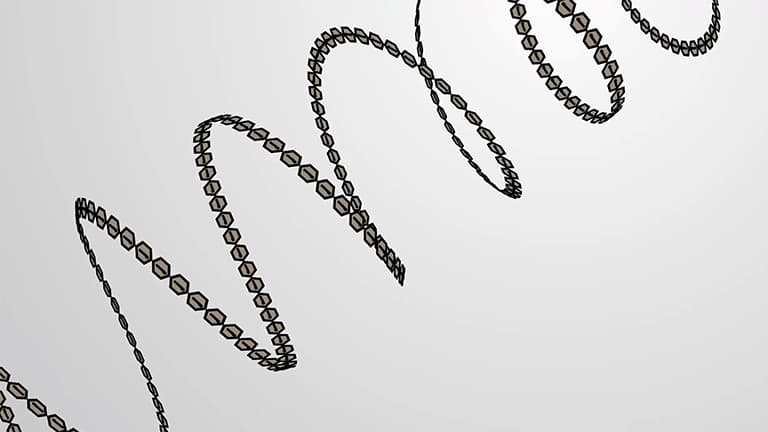
The foundation of protein diversity lies in the 20 standard amino acids, each containing a central carbon atom bonded to an amino group (NH3+), a carboxyl group (COO-), and a unique side chain (R group). These amino acids link through covalent peptide bonds, forming the polypeptide backbone that extends from the N-terminus to the C-terminus. This directional assembly is crucial for protein synthesis and function-ribosomes always build proteins from N-terminus to C-terminus, matching the 5' to 3' direction of mRNA translation.
The four major categories of amino acid side chains create protein diversity. Negatively charged polar amino acids like aspartic acid and glutamic acid contain carboxyl groups that release protons at physiological pH, making them ideal for enzyme active sites. Positively charged amino acids such as lysine and arginine contain amino groups that accept protons, often forming salt bridges that stabilize protein structure. Polar uncharged amino acids like serine and threonine interact favorably with water through hydrogen bonding, typically positioning themselves on protein surfaces. Nonpolar amino acids ranging from simple glycine to complex tryptophan create hydrophobic protein cores, driving the folding process that buries these water-avoiding residues internally.
Protein size varies dramatically across biological systems, reflecting functional specialization. Small proteins like insulin (51 amino acids) can rapidly diffuse through tissues to regulate blood glucose, while massive proteins like titin (over 34,000 amino acids) provide elastic properties to heart muscle. This size diversity appears frequently on standardized exams-the MCAT often tests understanding of how protein size relates to cellular transport and membrane permeability. College biochemistry courses emphasize how protein folding becomes increasingly complex with size, requiring molecular chaperones to achieve proper conformation.
Understanding these fundamental concepts prepares students for advanced topics in protein biochemistry and molecular biology, forming the foundation for careers in medicine, biotechnology, and pharmaceutical research.
Related Micro-courses