Loading subject page…


1,469,644 views

Video Summary: What Is Protein Organization
Ever wonder how a simple string of amino acids transforms into the complex enzymes that power your metabolism? Protein organization levels determine how raw amino acid chains fold into functional molecules like insulin, produced by pharmaceutical companies across the US. What is protein organization? It's the hierarchical process where linear peptide chains develop increasingly complex three-dimensional structures through primary, secondary, tertiary, and quaternary arrangements. Watch the full video on JoVE Coach to master this concept with expert-led visuals and step-by-step explanations.
Protein organization levels represent one of biochemistry's most elegant examples of biological hierarchy. From the moment amino acids emerge from ribosomes during translation, they embark on a sophisticated folding journey that determines their ultimate function. This process is crucial for understanding everything from enzyme catalysis to genetic diseases, making it a cornerstone topic in AP Biology, college biochemistry courses, and pre-medical studies.
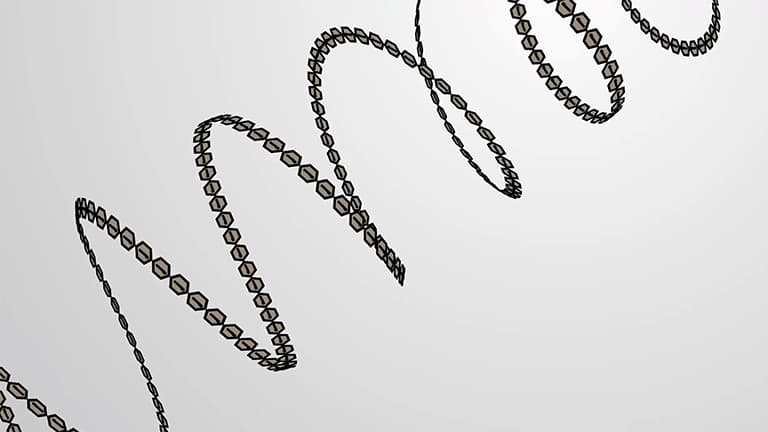
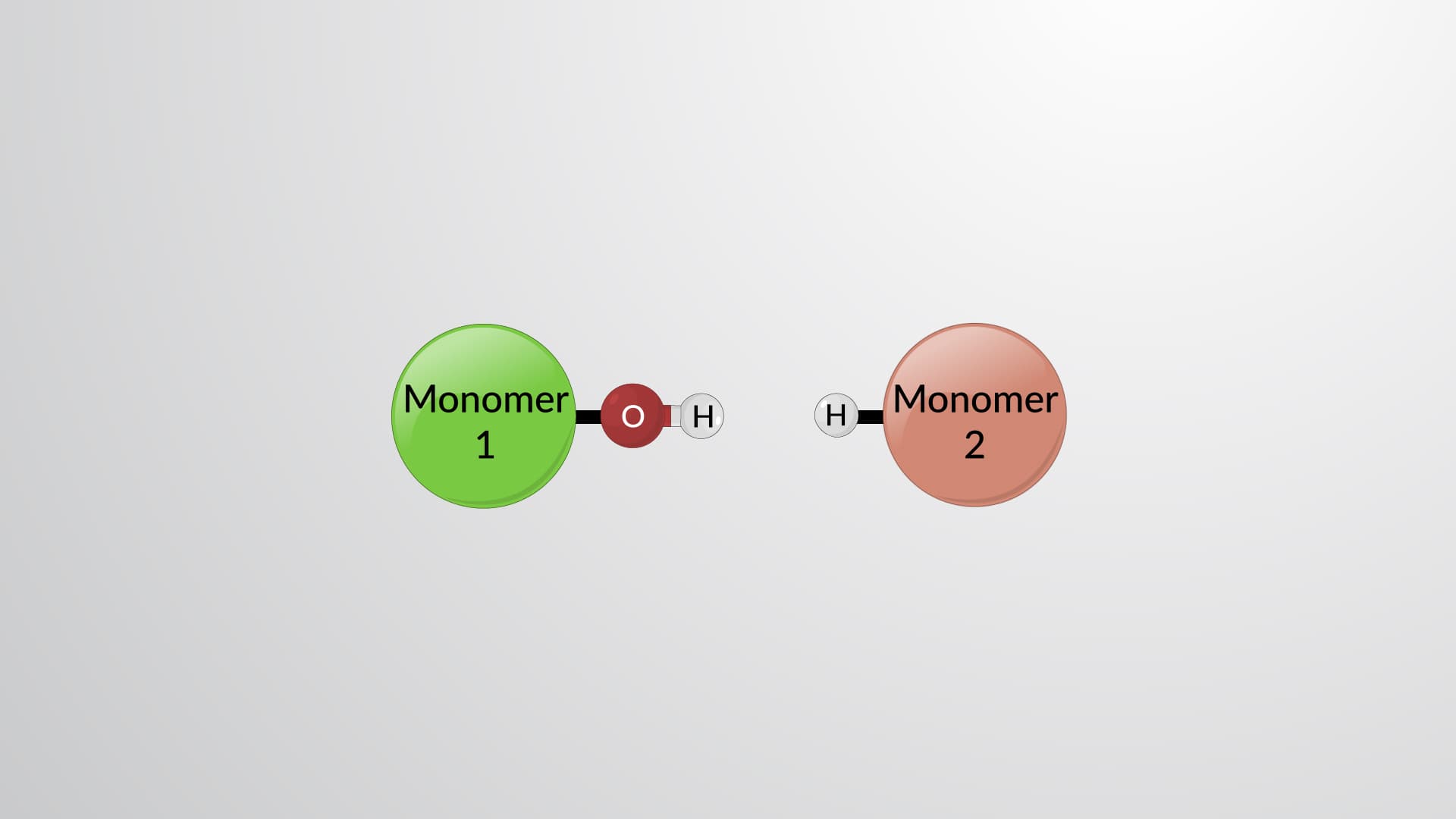
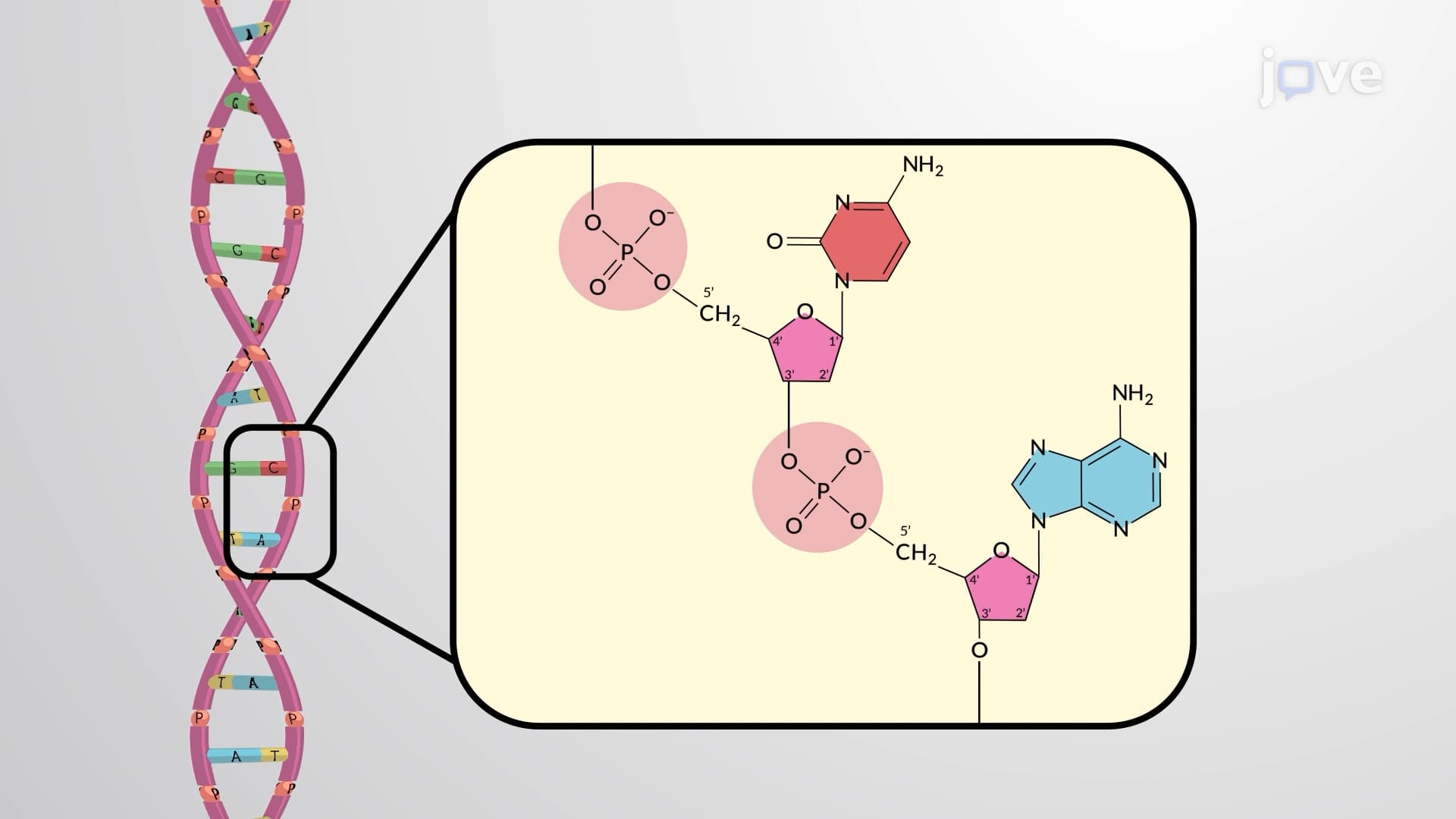
The primary structure forms the blueprint for all higher-level organization. Covalent peptide bonds link amino acids through dehydration synthesis reactions between carboxyl and amino groups. This linear sequence, determined by genetic code, can range from just a few amino acids in small peptides to thousands in complex proteins like titin, the largest known human protein. Students preparing for the MCAT should understand that primary structure alone determines all subsequent folding patterns-a concept frequently tested through protein sequence analysis questions.
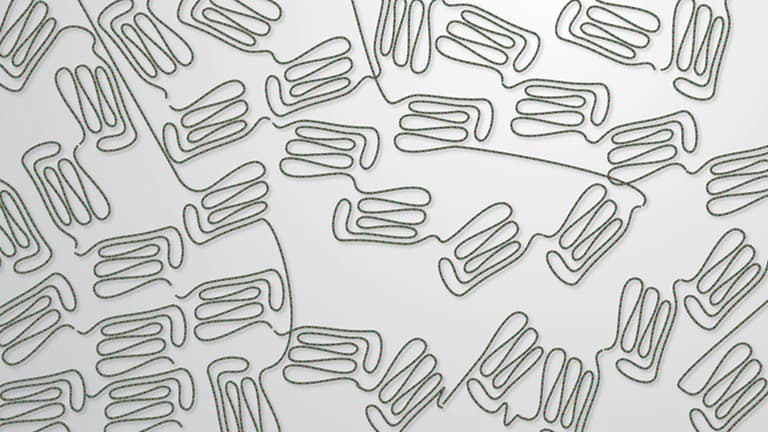
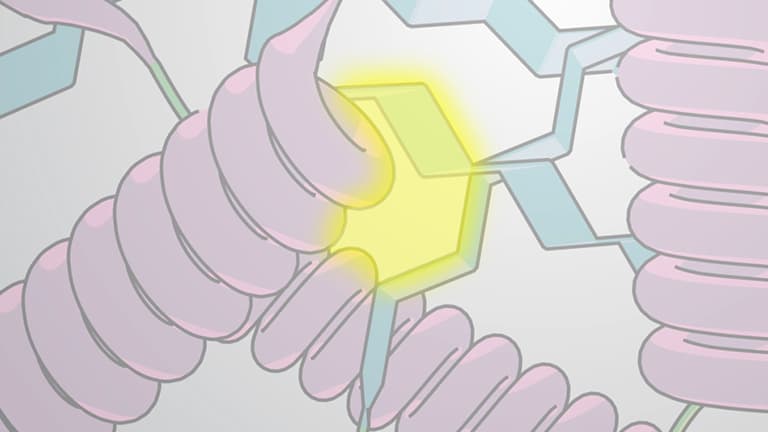
As polypeptide chains lengthen, hydrogen bonds between backbone atoms create predictable local structures. Alpha helices form when hydrogen bonds occur between amino acids separated by four positions, creating a right-handed spiral resembling a twisted ribbon. Beta sheets develop through lateral hydrogen bonding between different chain segments, forming extended structures that can be parallel or antiparallel. These patterns are essential for understanding protein stability and appear regularly on AP Biology exams and college biochemistry midterms.
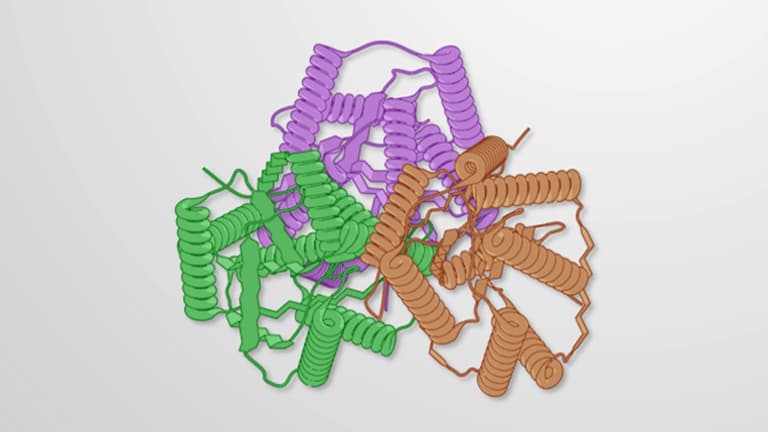
Tertiary structure emerges through interactions between amino acid side chains, including hydrophobic clustering, ionic salt bridges, and covalent disulfide bonds. This globular arrangement creates active sites in enzymes and binding pockets in transport proteins. Companies like Genentech and Amgen rely on understanding these principles for developing protein-based therapeutics. Quaternary structure involves multiple polypeptide subunits combining, as seen in hemoglobin's four-subunit complex that efficiently transports oxygen throughout the body.
Related Micro-courses