Loading video…


 9 Concepts
 1.5M views

Video Summary: What Is Protein Folding
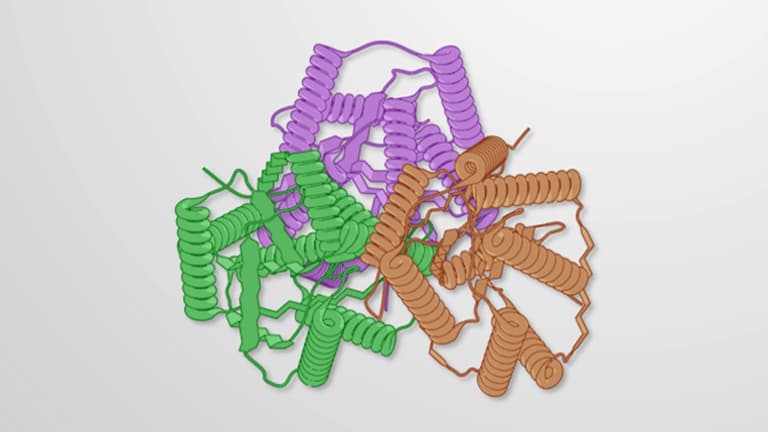
Did you know that a single misfolded protein can cause devastating diseases like Alzheimer's? Protein folding biology explained reveals how amino acid chains transform into precise 3D structures that determine their function. Consider insulin-without proper folding, this life-saving hormone produced by millions of Americans with diabetes wouldn't work. What is protein folding transforms linear protein chains into complex, functional molecules through hydrophobic interactions, hydrogen bonds, and disulfide bridges. Watch the full video on JoVE Coach to master this concept with expert-led visuals and step-by-step explanations.
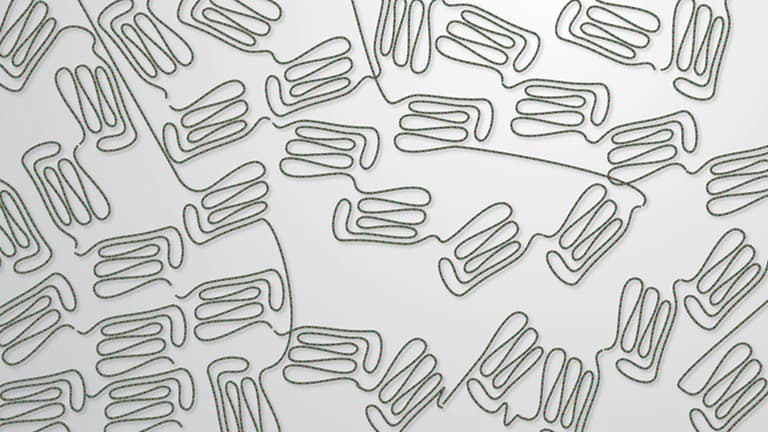
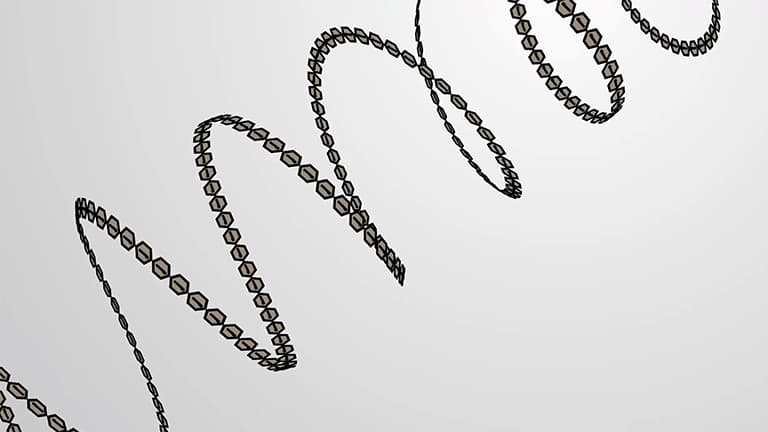
How proteins fold explained begins with understanding that newly synthesized proteins must undergo dramatic structural changes to become biologically active. After ribosomes complete translation, the linear amino acid chain-containing anywhere from 50 to thousands of residues-must spontaneously organize into a precise three-dimensional architecture. This process, fundamental to all life, occurs millions of times per second in every cell of your body.
The thermodynamic protein fold process relies on four key molecular interactions working in concert. Hydrophobic interactions serve as the primary organizing force-imagine oil droplets clustering in water. Non-polar amino acids like leucine, valine, and phenylalanine naturally avoid the aqueous cellular environment, driving inward to form a hydrophobic core. This phenomenon explains why membrane proteins from companies like Genentech must be carefully handled during drug development.
Surrounding this hydrophobic interior, polar and charged residues interact favorably with water molecules. Ionic bonds form between oppositely charged side chains-lysine's positive charge attracting glutamate's negative charge-while hydrogen bonds create additional stability between polar groups and water molecules.
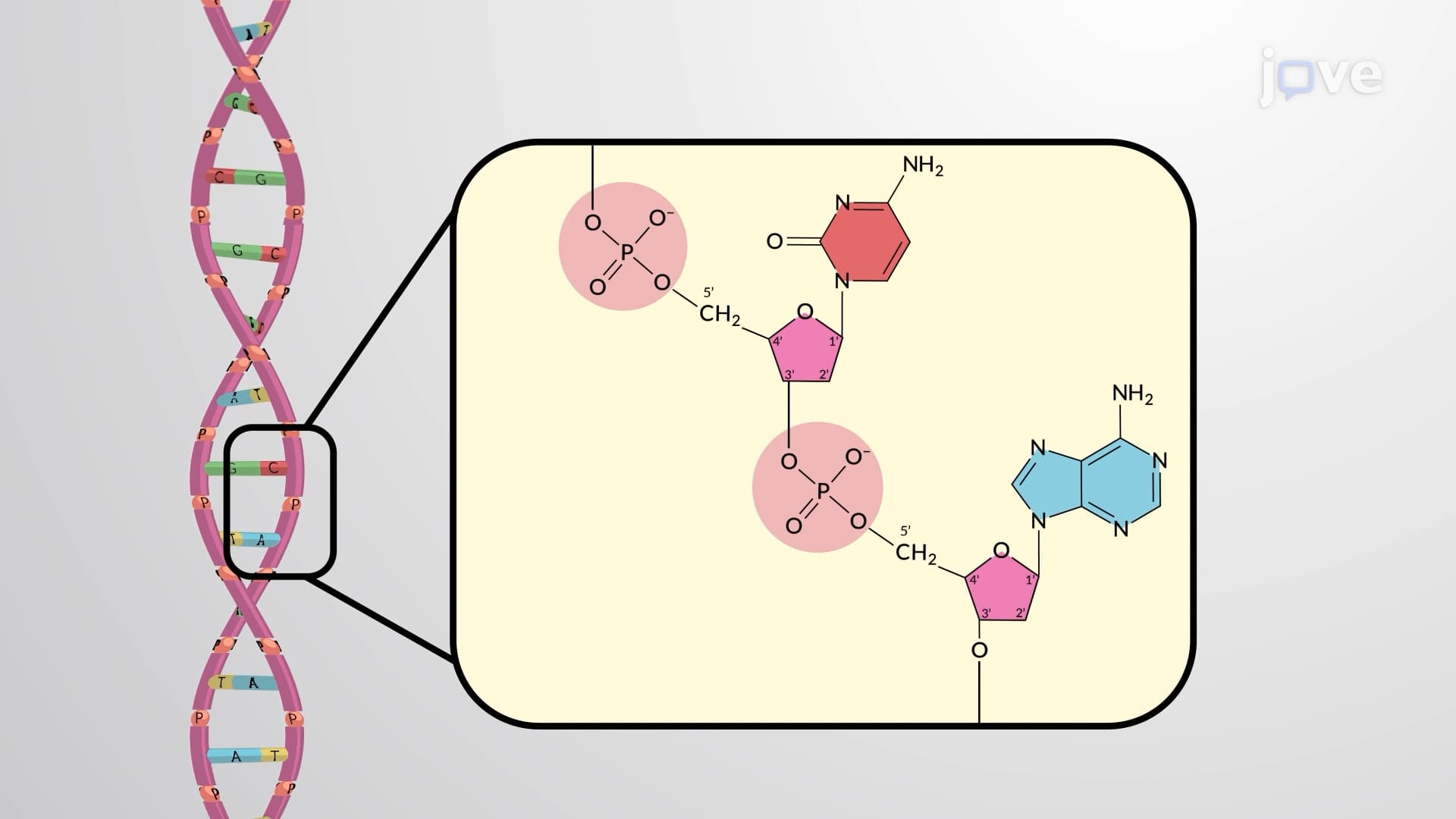
Native conformation folding often requires disulfide bridges for ultimate stability. These covalent bonds between cysteine residues act like molecular rivets, permanently linking distant protein regions. Consider insulin, discovered at the University of Toronto-its two protein chains are held together entirely by disulfide bridges. Without these bonds, diabetic patients couldn't rely on insulin injections for glucose regulation.
Understanding protein folding mechanism principles proves crucial for US medical students preparing for the MCAT and USMLE exams. Misfolding prion disease represents one extreme consequence when folding goes wrong. Diseases like Creutzfeldt-Jakob disease demonstrate how single conformational changes can convert normal cellular proteins into infectious agents.
Chaperone protein folding systems have evolved to assist this complex process, preventing aggregation and ensuring proper folding. Companies like Pfizer and Moderna leverage this knowledge in vaccine development, ensuring therapeutic proteins maintain their intended structure during manufacturing and storage.
For AP Biology students, protein folding connects directly to enzyme function, genetic diseases, and biotechnology applications-making it a high-yield topic for exam success.
Related Micro-courses