Loading video…


 9 Concepts
 1.5M views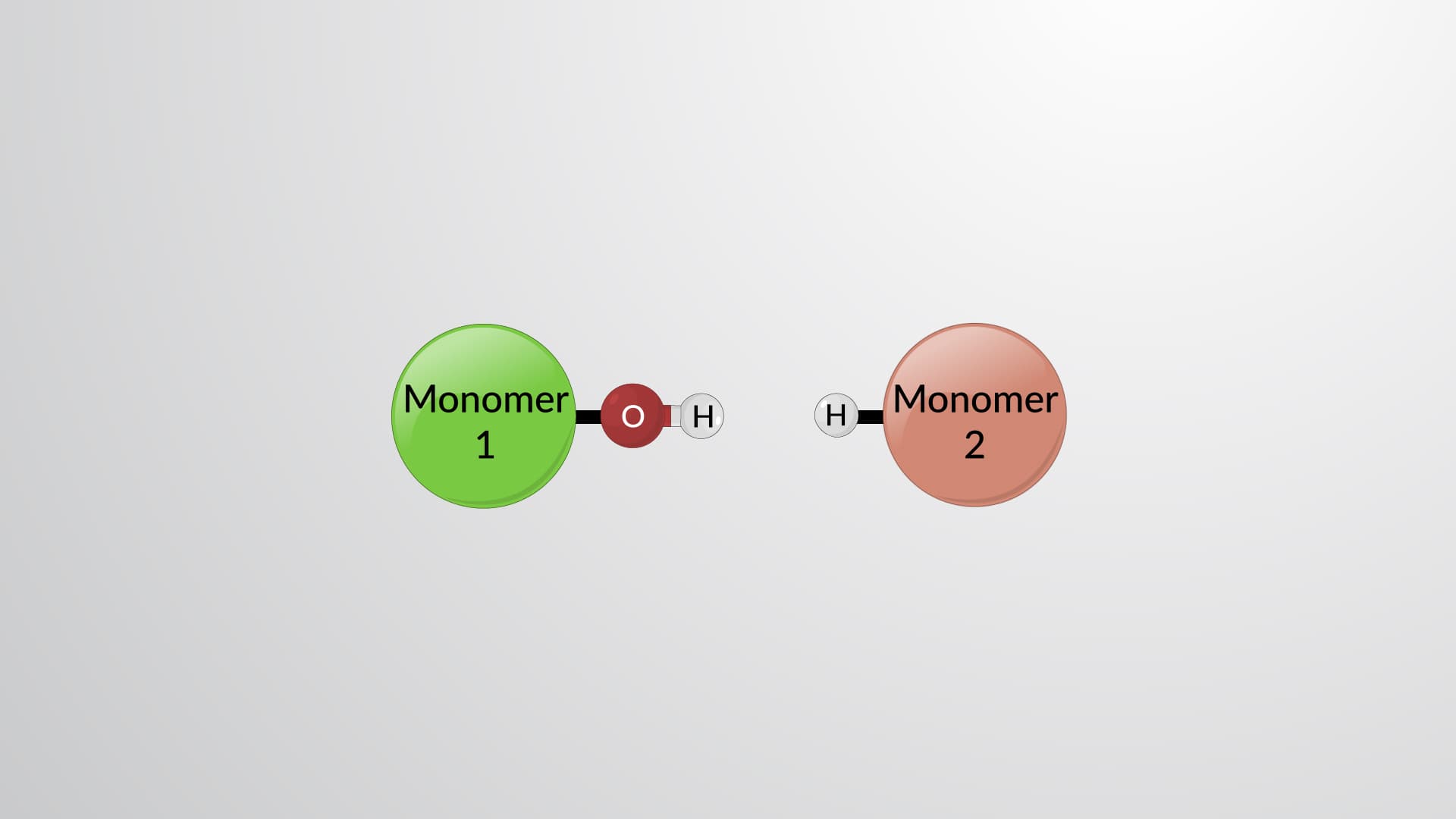

Video Summary: What Is Hydrolysis
Ever wonder how your body breaks down that slice of pizza into usable energy? Hydrolysis biology explained reveals the fundamental process where water molecules act like molecular scissors, splitting complex molecules into simpler components. This water breaking hydrolysis explained mechanism is essential for digestion in the human stomach, where enzymes use water to break down proteins and carbohydrates. Watch the full video on JoVE Coach to master this concept with expert-led visuals and step-by-step explanations.
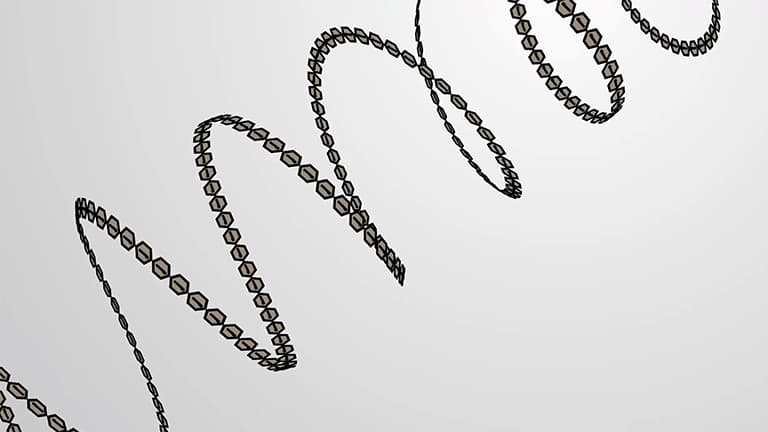
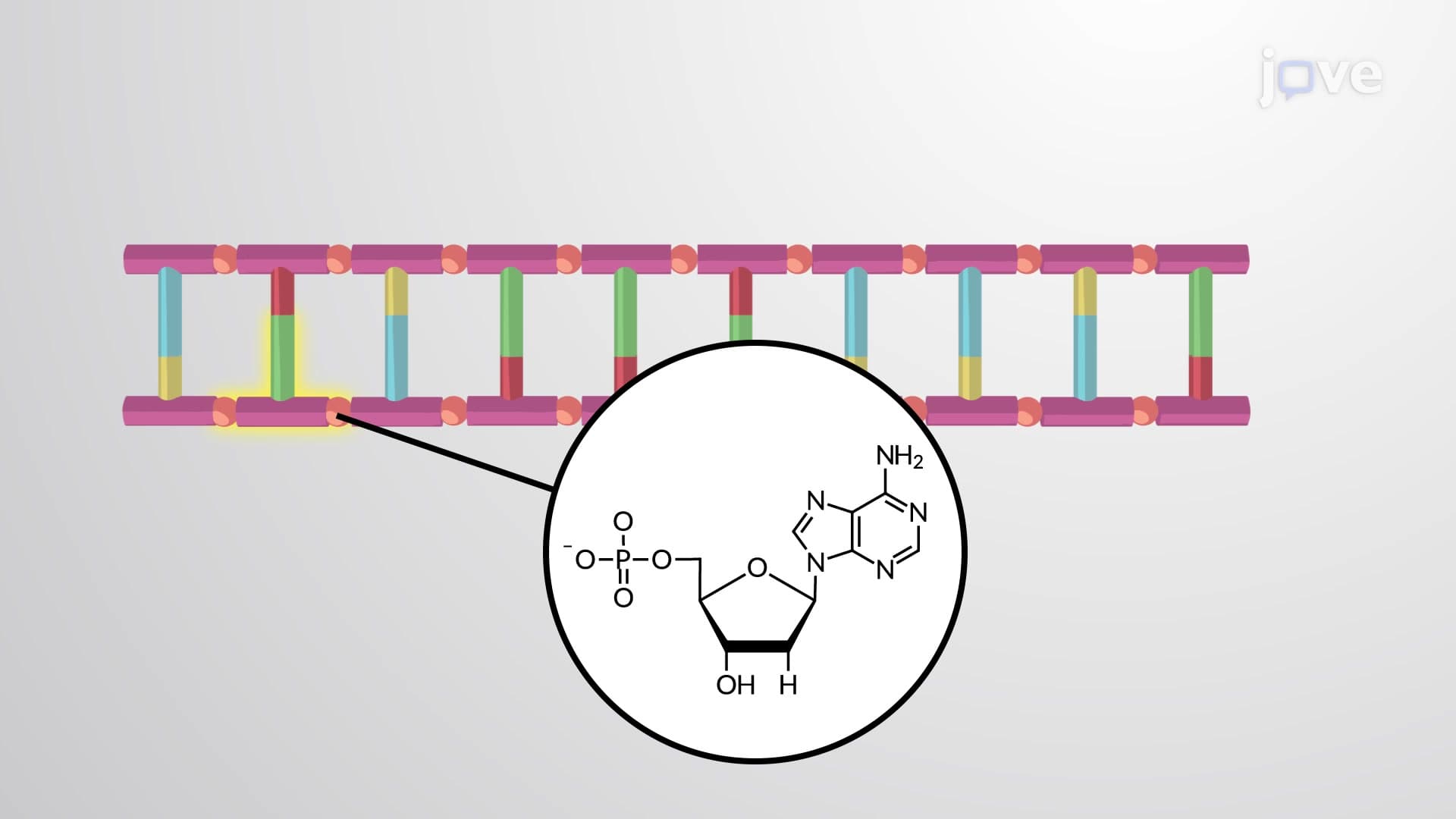
What is hydrolysis in biology represents one of nature's most elegant molecular processes. At its core, hydrolysis involves the strategic addition of water molecules to break chemical bonds, particularly the covalent bonds holding polymers together. This water addition hydrolysis mechanism serves as the cellular equivalent of molecular recycling, allowing organisms to dismantle large, complex molecules into smaller, reusable components.
The polymer breakdown hydrolysis process follows a predictable pattern that students encounter frequently in AP Biology and college biochemistry courses. When a water molecule approaches a polymer chain, it doesn't simply attach randomly. Instead, the water molecule strategically positions itself at specific bond sites. The oxygen atom, carrying a slight negative charge, attracts the slightly positive hydrogen atoms in the polymer backbone. Simultaneously, the hydrogen atoms from water form new bonds with electronegative atoms in the polymer structure.
This bond cleavage hydrolysis mechanism explains why enzymes are crucial catalysts. Without enzymatic assistance, hydrolysis reactions would occur too slowly to support life processes. For instance, the enzyme pepsin in your stomach creates an acidic environment that facilitates protein hydrolysis, breaking down the chicken in your sandwich into amino acids your body can absorb.
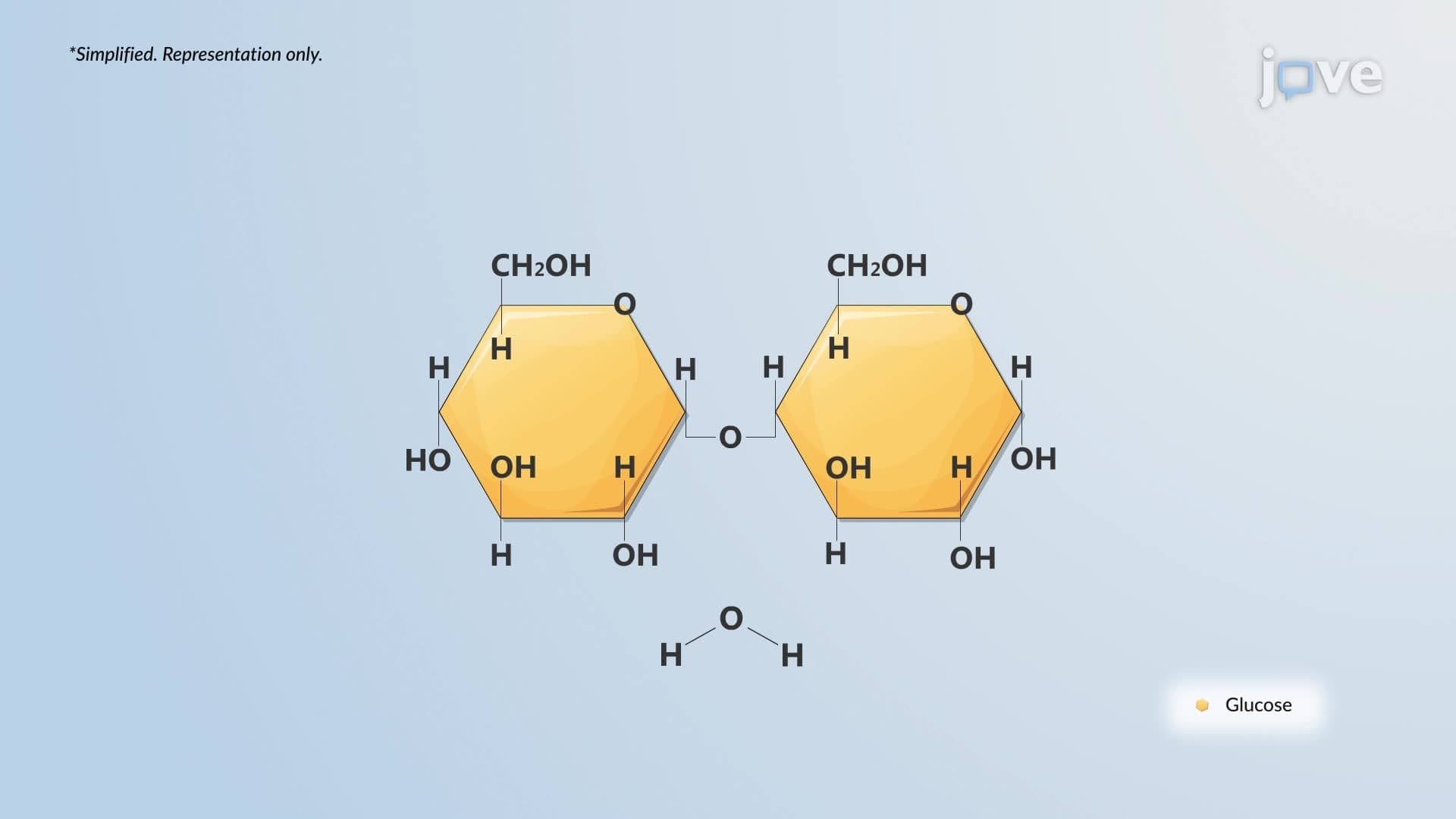
Enzymatic hydrolysis digestion exemplifies this process in action. Consider starch digestion, a topic commonly tested on the MCAT and in college physiology courses. Salivary amylase begins breaking down complex starches like those in bread or pasta while food is still in your mouth. This enzyme uses water molecules to cleave the glycosidic bonds between glucose units, producing smaller sugar chains called dextrins.
The process continues in your small intestine, where pancreatic enzymes complete the hydrolysis reaction biology sequence. Maltase enzymes target the remaining disaccharide bonds, ultimately producing individual glucose molecules that can enter your bloodstream. This step-by-step breakdown demonstrates how hydrolysis enables energy extraction from complex carbohydrates.
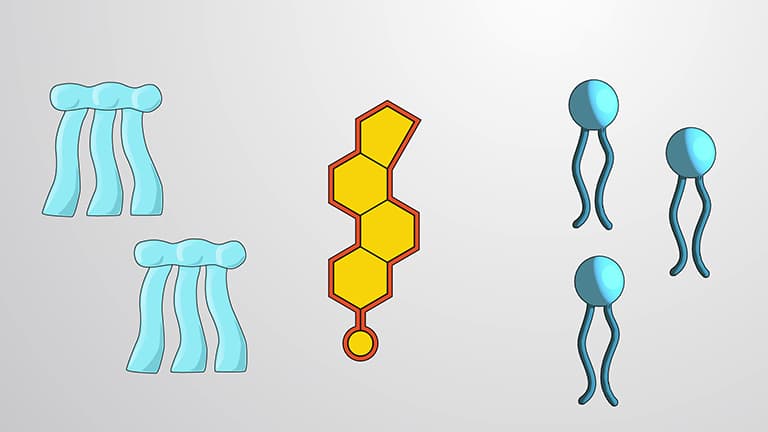
Understanding hydrolysis proves essential for pre-med students preparing for the MCAT, as this process underlies numerous physiological functions. Protein digestion relies on proteases that hydrolyze peptide bonds, while lipid metabolism depends on lipases that break down triglycerides. These concepts frequently appear in medical school biochemistry courses and clinical scenarios involving digestive disorders or enzyme deficiencies.
Related Micro-courses