Loading video…

 9 Concepts
 1.5M views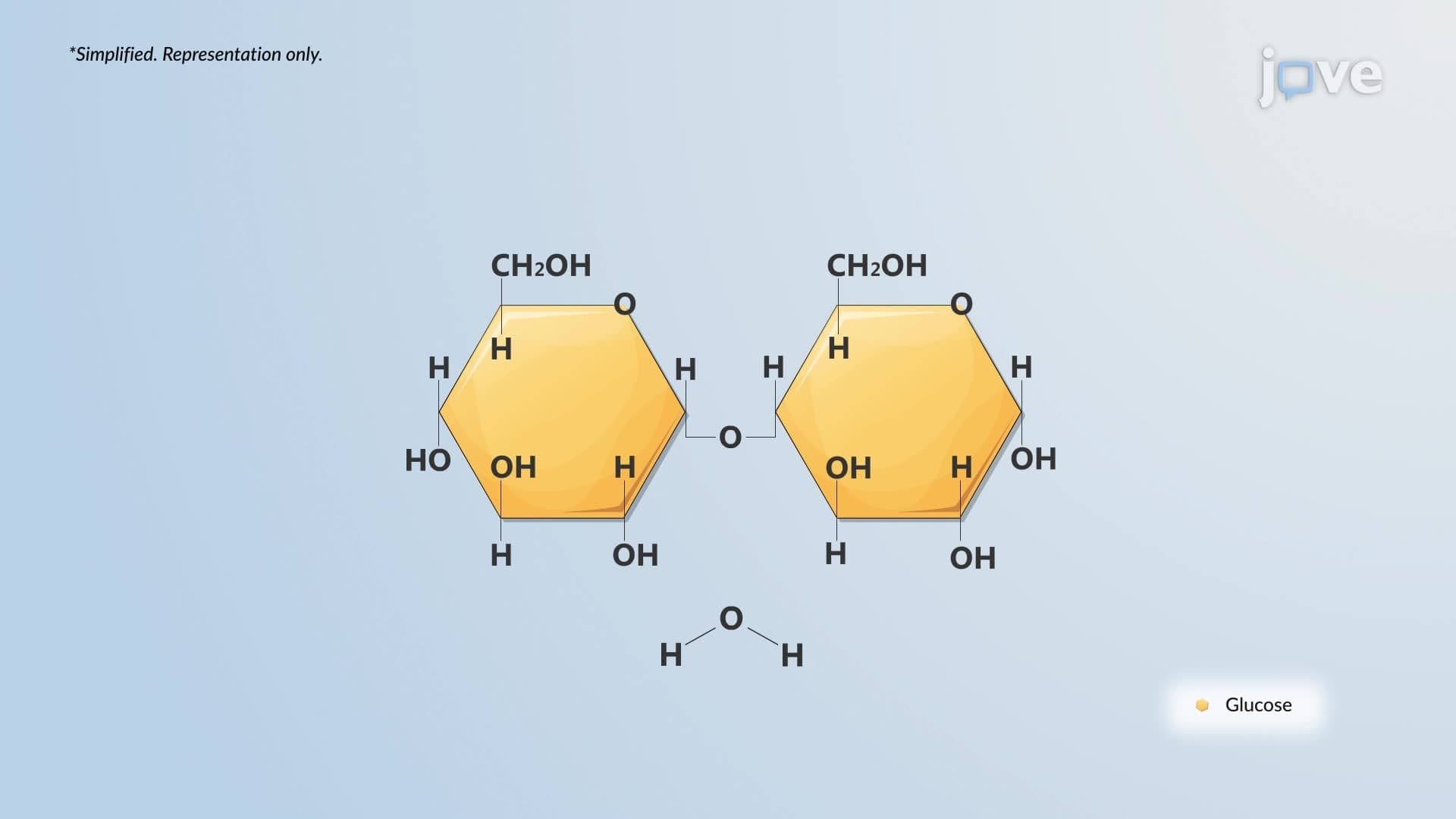

Video Summary: What Is Dehydration Synthesis
Ever wonder how your body builds the proteins in your muscles from simple amino acids? Dehydration synthesis biology reveals the fundamental process where cells create complex molecules by literally squeezing water out of smaller building blocks. This condensation reaction explained biology mechanism drives everything from starch formation in corn kernels to protein assembly in your pancreas. Understanding what is dehydration synthesis in biology unlocks the secret of how life builds its most essential macromolecules. Watch the full video on JoVE Coach to master this concept with expert-led visuals and step-by-step explanations.
What is dehydration synthesis represents one of biology's most elegant solutions to the challenge of building complexity from simplicity. This fundamental biochemical process drives the formation of every major macromolecule in living systems, from the cellulose in plant cell walls to the hemoglobin carrying oxygen through your bloodstream. The process gets its name from the literal removal (synthesis) of water (dehydration) that occurs when two smaller molecules bond together.
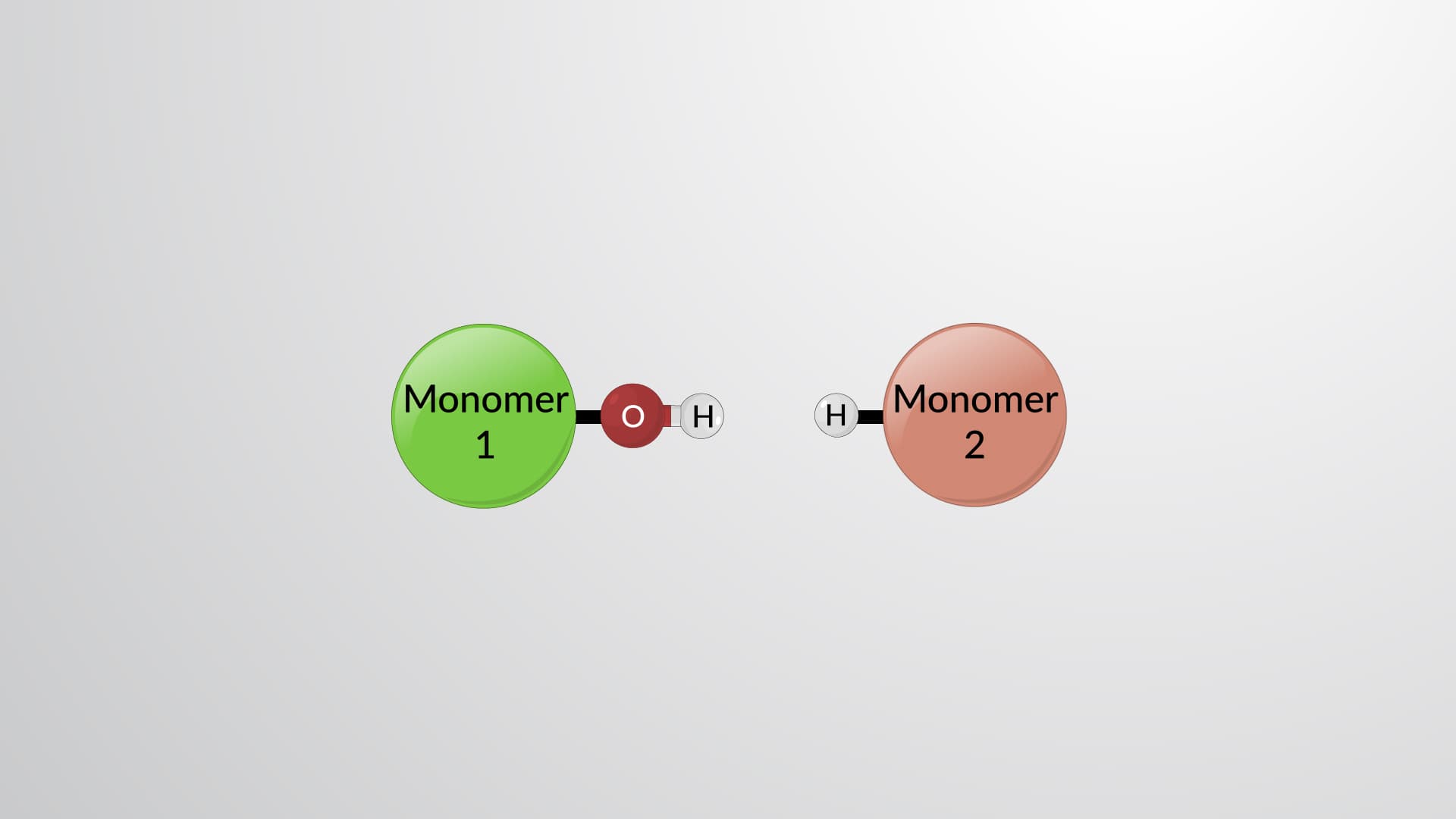
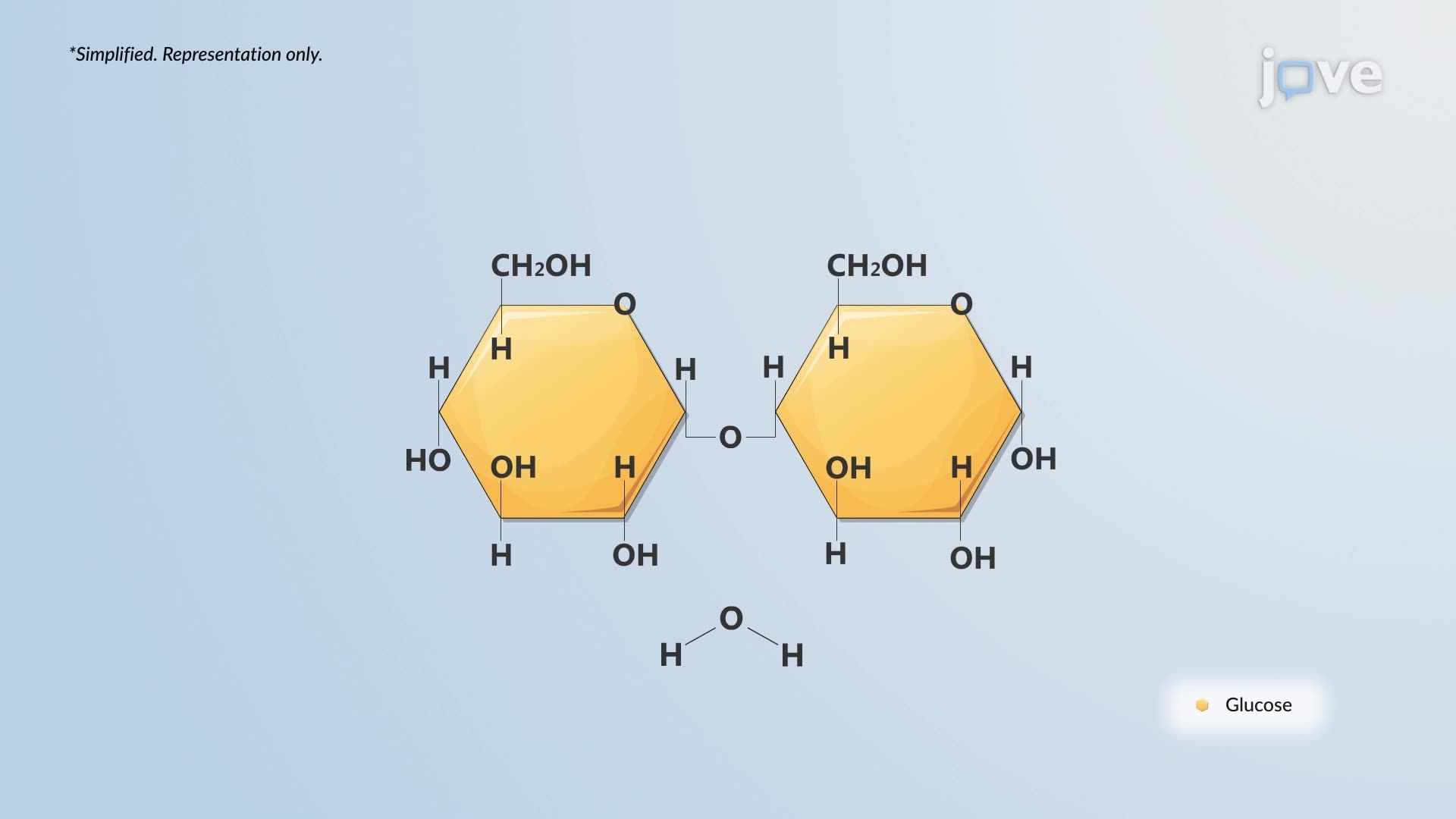
At its core, dehydration synthesis biology operates through a precise molecular dance. When two monomers approach each other, specific functional groups align-typically a hydroxyl group (-OH) from one molecule and a hydrogen atom (-H) from another. These components combine to form water (H2O), which is then eliminated from the reaction site. Simultaneously, the remaining portions of the original molecules form a new covalent bond, creating a larger, more complex structure.
This condensation reaction explained biology mechanism requires cellular energy, usually in the form of ATP, making it an anabolic process. In US college biochemistry courses and AP Biology exams, students frequently encounter this concept when studying cellular respiration and biosynthetic pathways.
The formation of glycosidic peptide bonds exemplifies dehydration synthesis in action. When glucose molecules undergo this process, they create various polysaccharides depending on the specific bonding pattern. For instance, the starch in Idaho potatoes forms through α-1,4-glycosidic bonds, while the cellulose in cotton fibers uses β-1,4-glycosidic bonds. This structural diversity from identical monomers demonstrates the remarkable versatility of dehydration synthesis.
US students preparing for the MCAT often study how glycogen, the body's primary glucose storage molecule, forms through both α-1,4 and α-1,6-glycosidic bonds. This branched structure allows for rapid glucose release during exercise, making it crucial for athletic performance.
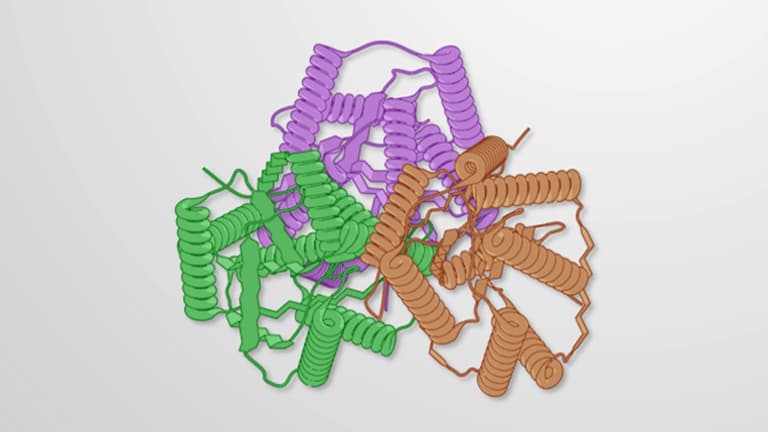
Macromolecule synthesis dehydration reaches perhaps its greatest complexity in protein formation. During translation at ribosomes, amino acids join through peptide bond formation-a specific type of dehydration synthesis. The carboxyl group of one amino acid combines with the amino group of another, releasing water and forming the peptide bond that links them.
This process repeats hundreds or thousands of times to create polypeptides, which then fold into functional proteins. The insulin produced by pancreatic cells, the enzymes breaking down food in your digestive system, and the antibodies protecting against infection all result from this fundamental dehydration synthesis process. Understanding this mechanism proves essential for students pursuing careers in medicine, biochemistry, or biotechnology.
Related Micro-courses