Loading video…


 9 Concepts
 1.5M views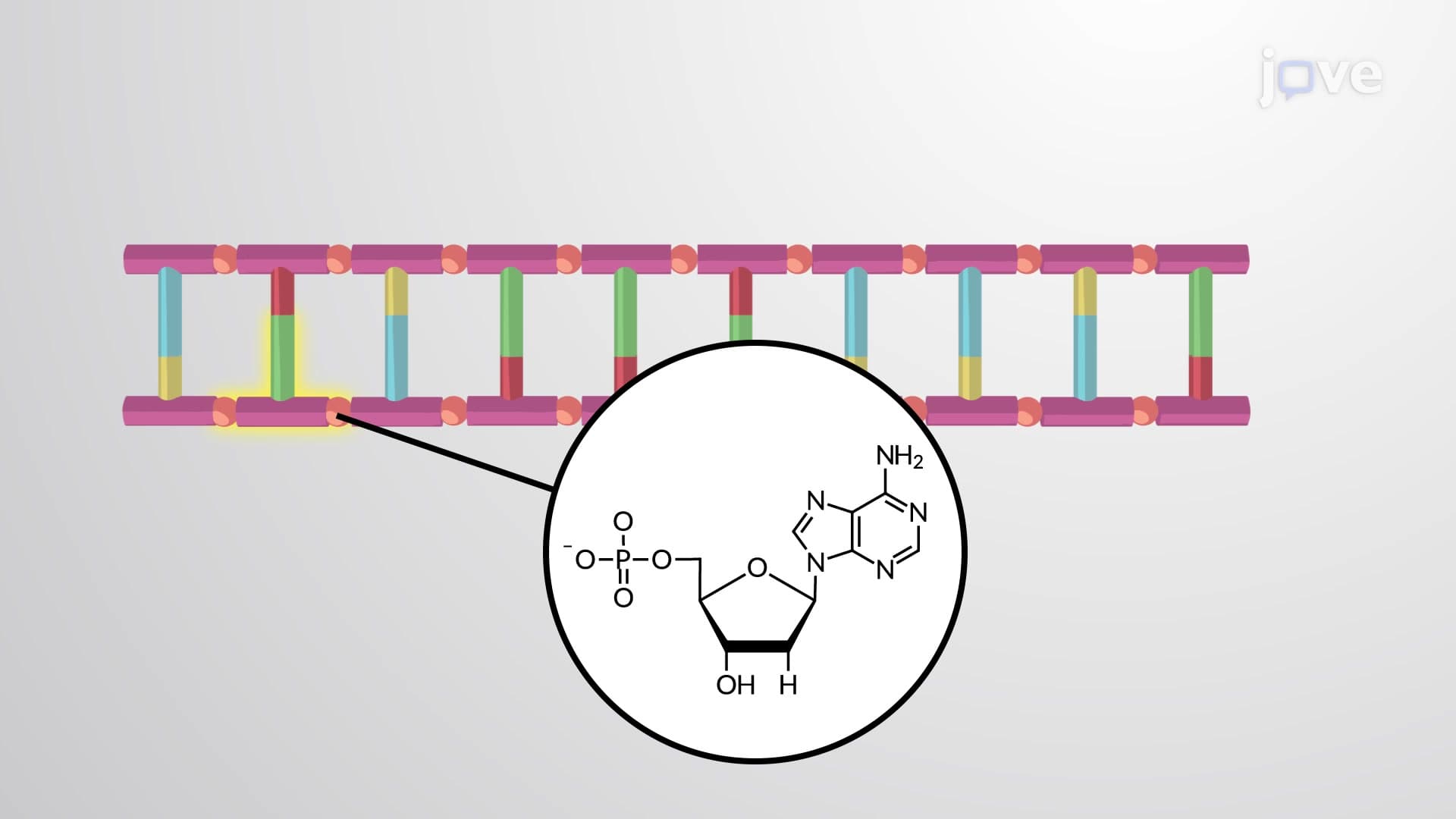

Video Summary: What are Nucleic Acids
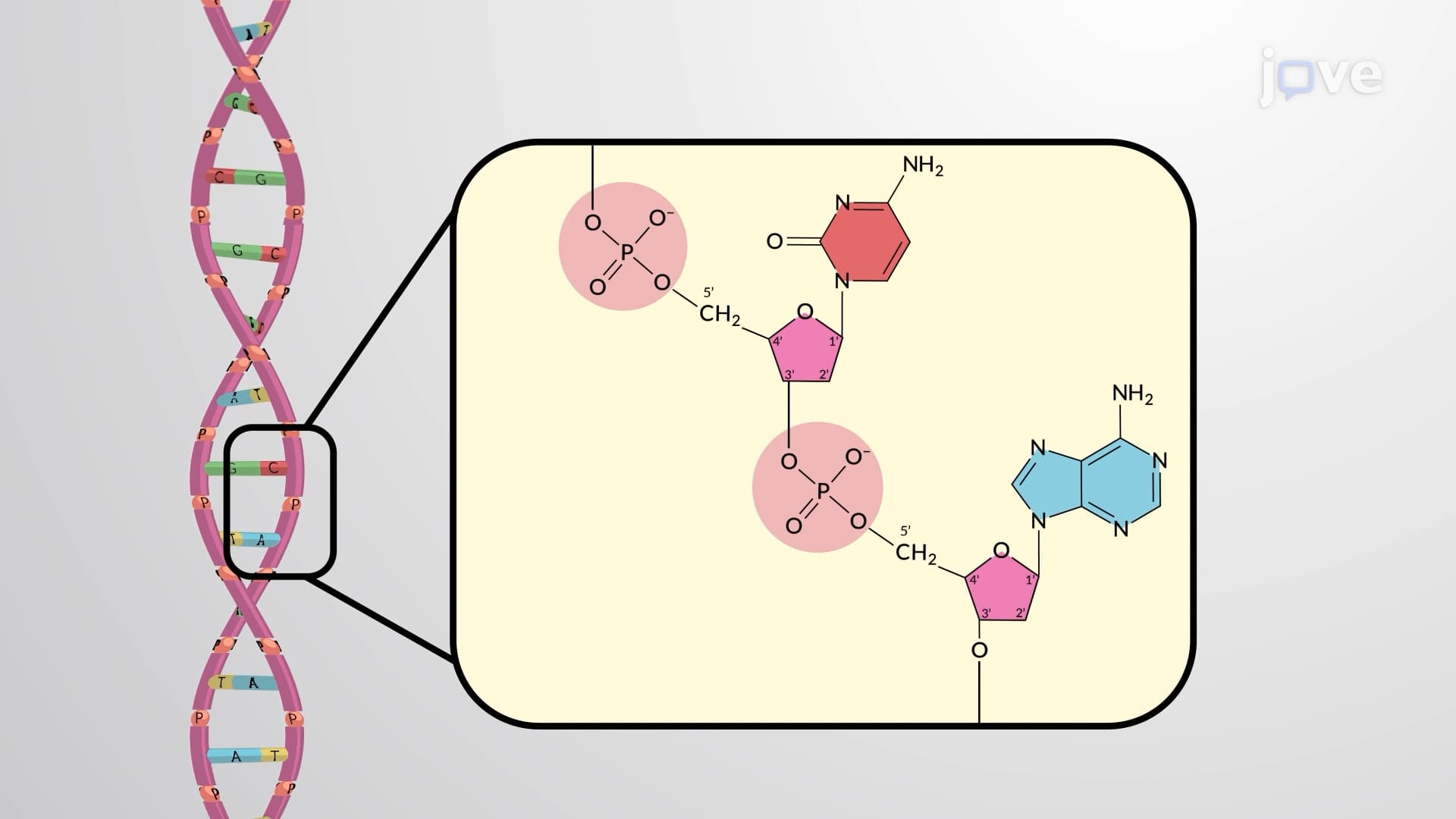
Ever wondered how your body stores the instructions to build every protein, from the hemoglobin in your blood to the enzymes that digest your food? Nucleic acids biology explained reveals that these remarkable molecules-DNA and RNA-serve as life's blueprint and messenger system. Consider that every cell in the human body contains about 6 billion base pairs of DNA, enough genetic information to fill thousands of books. What are nucleic acids becomes clear when we examine their structure: polymers built from nucleotides, each containing a sugar, phosphate, and nitrogenous base that work together to store and transmit genetic information. Watch the full video on JoVE Coach to master this concept with expert-led visuals and step-by-step explanations.
Nucleic acids represent one of biology's most crucial macromolecules, serving as the universal storage and transmission system for genetic information across all life forms. These complex polymers consist of repeating units called nucleotides, each containing three essential components: a five-carbon pentose sugar, a phosphate group, and a nitrogenous base. This DNA RNA nucleic acid overview reveals how subtle structural differences create molecules with vastly different cellular roles.
The nucleic acid information storage systems of DNA and RNA differ primarily in their sugar components and base compositions. DNA contains deoxyribose sugar, which lacks a hydroxyl group at the 2' carbon position, making it more chemically stable for long-term genetic storage. RNA contains ribose sugar with an additional hydroxyl group, creating a more reactive molecule suited for temporary cellular processes. While both contain adenine, guanine, and cytosine, DNA uses thymine as its fourth base, whereas RNA substitutes uracil. These differences explain why DNA serves as the permanent genetic archive in organisms like humans, while RNA functions as the working copy for protein synthesis and gene regulation.
Purine pyrimidine nucleic acid pairing follows strict rules that ensure genetic fidelity. Adenine (a purine) pairs with thymine in DNA or uracil in RNA through two hydrogen bonds, while guanine (a purine) pairs with cytosine (a pyrimidine) via three hydrogen bonds. This complementary base pairing enables accurate DNA replication during cell division and precise RNA transcription during gene expression. Students preparing for AP Biology or college biochemistry courses should understand that these base-pairing rules underlie molecular techniques used in forensic DNA analysis, such as those employed by the FBI's Combined DNA Index System (CODIS).
Genetic nucleic acid function extends beyond simple information storage to encompass diverse cellular roles. DNA's double-helix structure provides stability for housing genetic blueprints, while RNA's single-stranded flexibility allows it to adopt various conformations for different functions. Messenger RNA carries genetic codes from DNA to ribosomes, transfer RNA delivers amino acids during protein synthesis, and ribosomal RNA catalyzes peptide bond formation. Understanding these nucleotide building block nucleic assemblies proves essential for students tackling MCAT questions about molecular biology or pursuing careers in biotechnology fields like those found at companies such as Genentech or Moderna.
Related Micro-courses