Loading video…


 10 Concepts
 457.4K views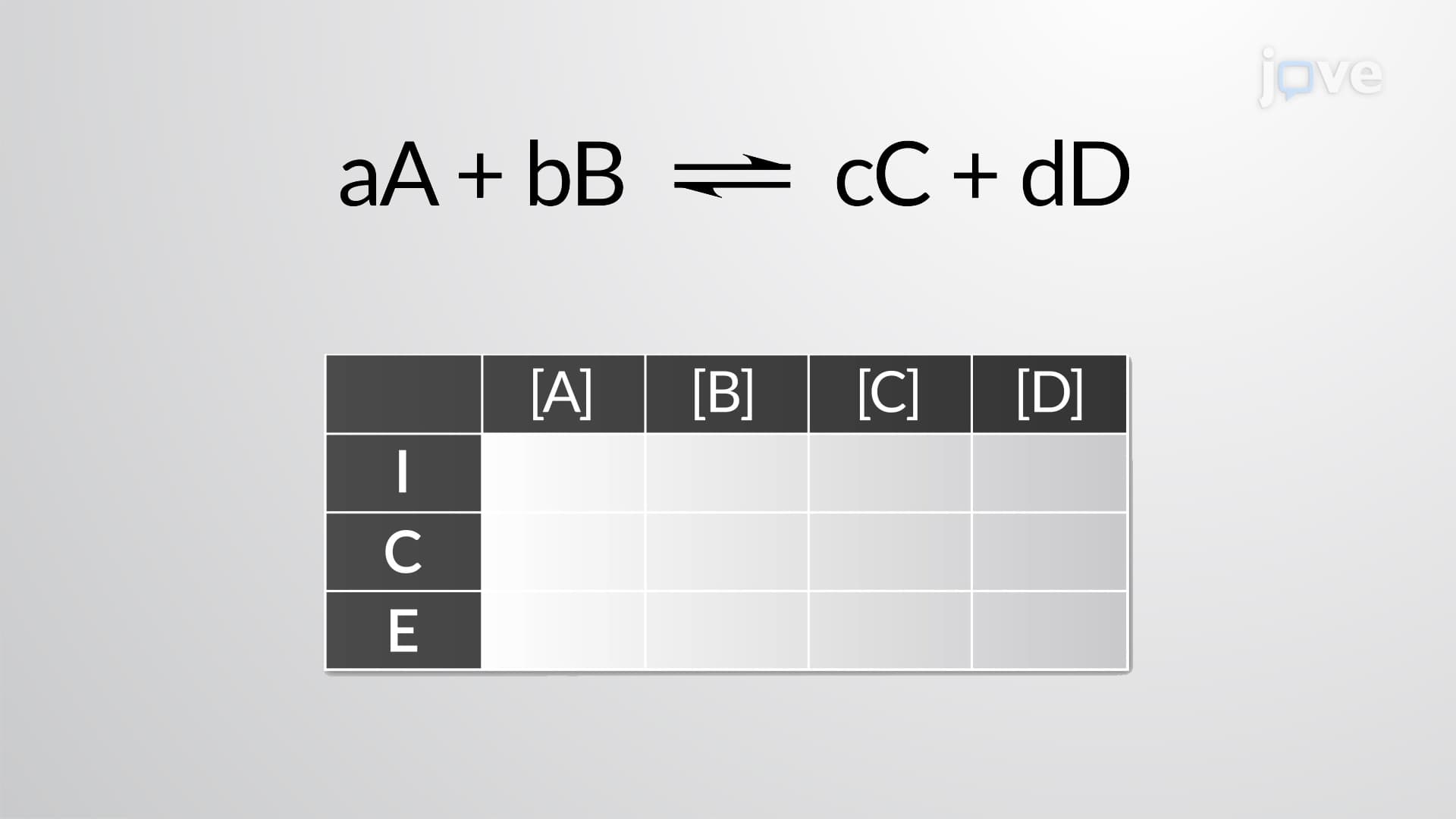

Video Summary: What Is Calculating the Equilibrium Constant
Ever wonder how chemical engineers at ExxonMobil predict optimal conditions for refining petroleum? Calculating the equilibrium constant provides the mathematical foundation for understanding chemical reaction balance points. This quantitative approach allows scientists to determine how far reactions proceed under specific conditions, whether analyzing sulfur dioxide emissions from coal plants or optimizing ammonia production for fertilizers. The equilibrium constant calculation reveals the precise relationship between reactant and product concentrations when chemical systems reach stability. Watch the full video on JoVE Coach to master this concept with expert-led visuals and step-by-step explanations.
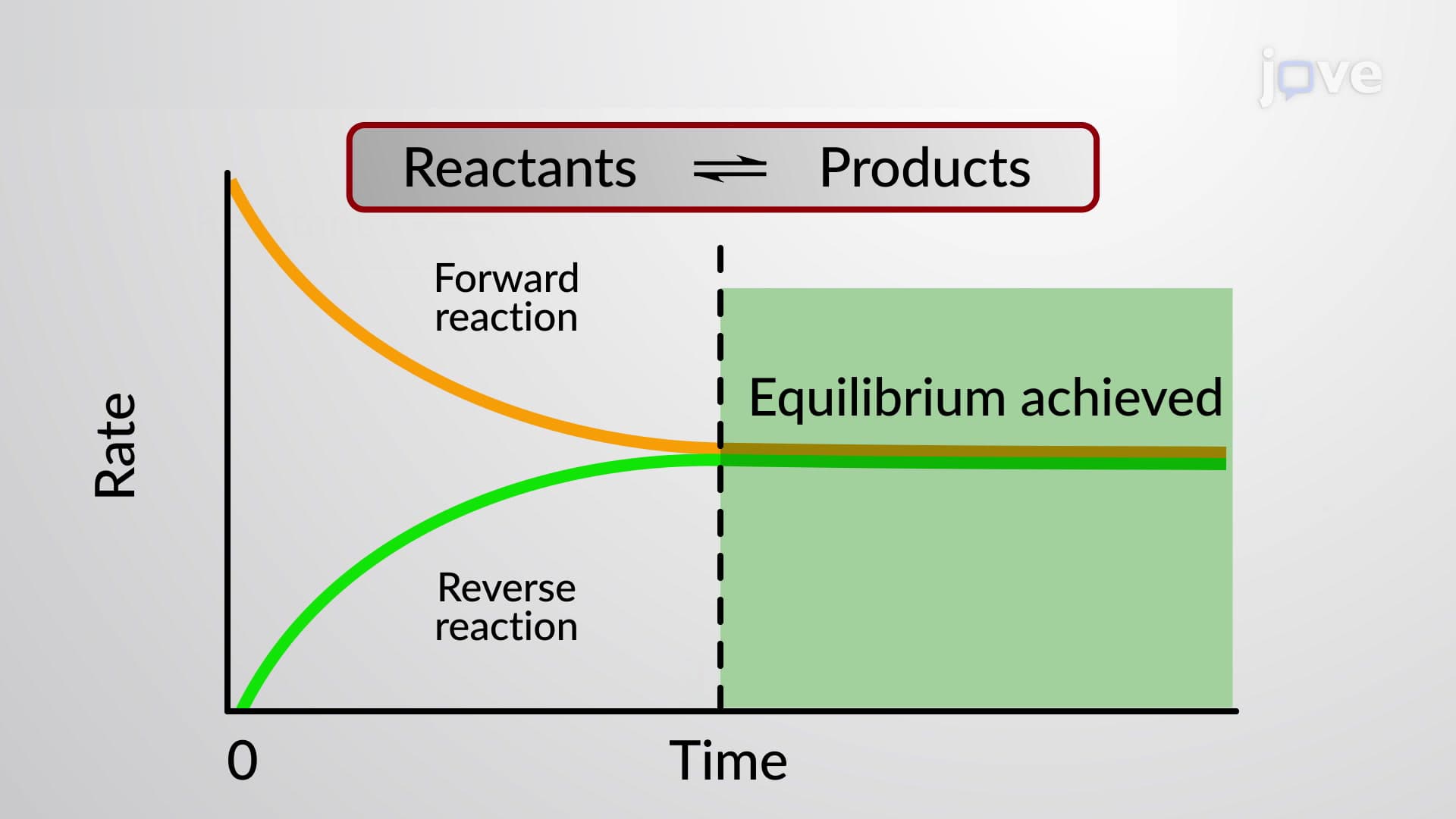
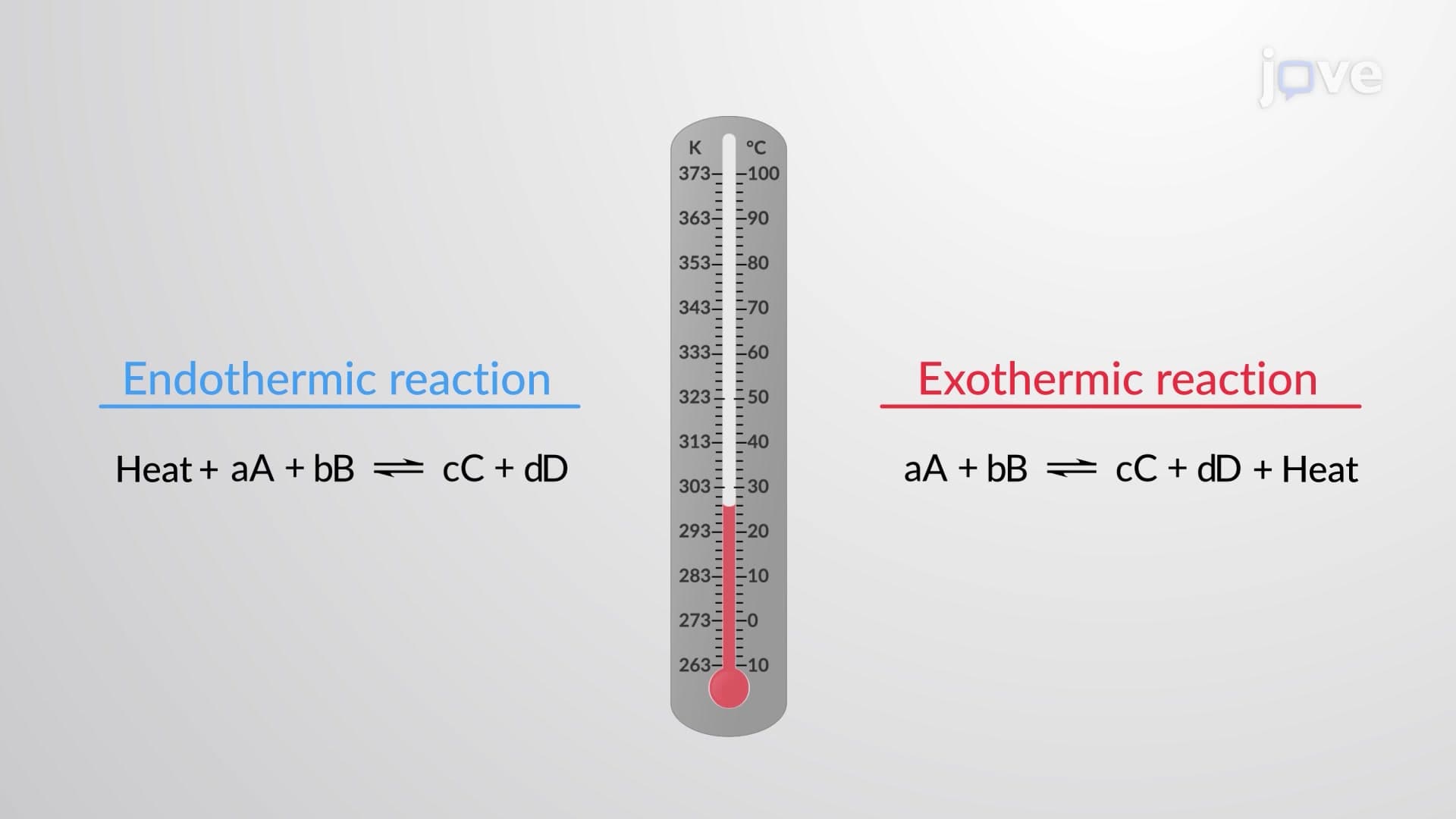
Calculating the equilibrium constant represents one of chemistry's most powerful quantitative tools for predicting reaction behavior. The equilibrium constant (K) provides a numerical snapshot of how far a reversible reaction proceeds toward completion under specific temperature conditions. This calculation becomes essential when chemical engineers design reactors for pharmaceutical manufacturing or environmental scientists model pollutant degradation in water treatment facilities.
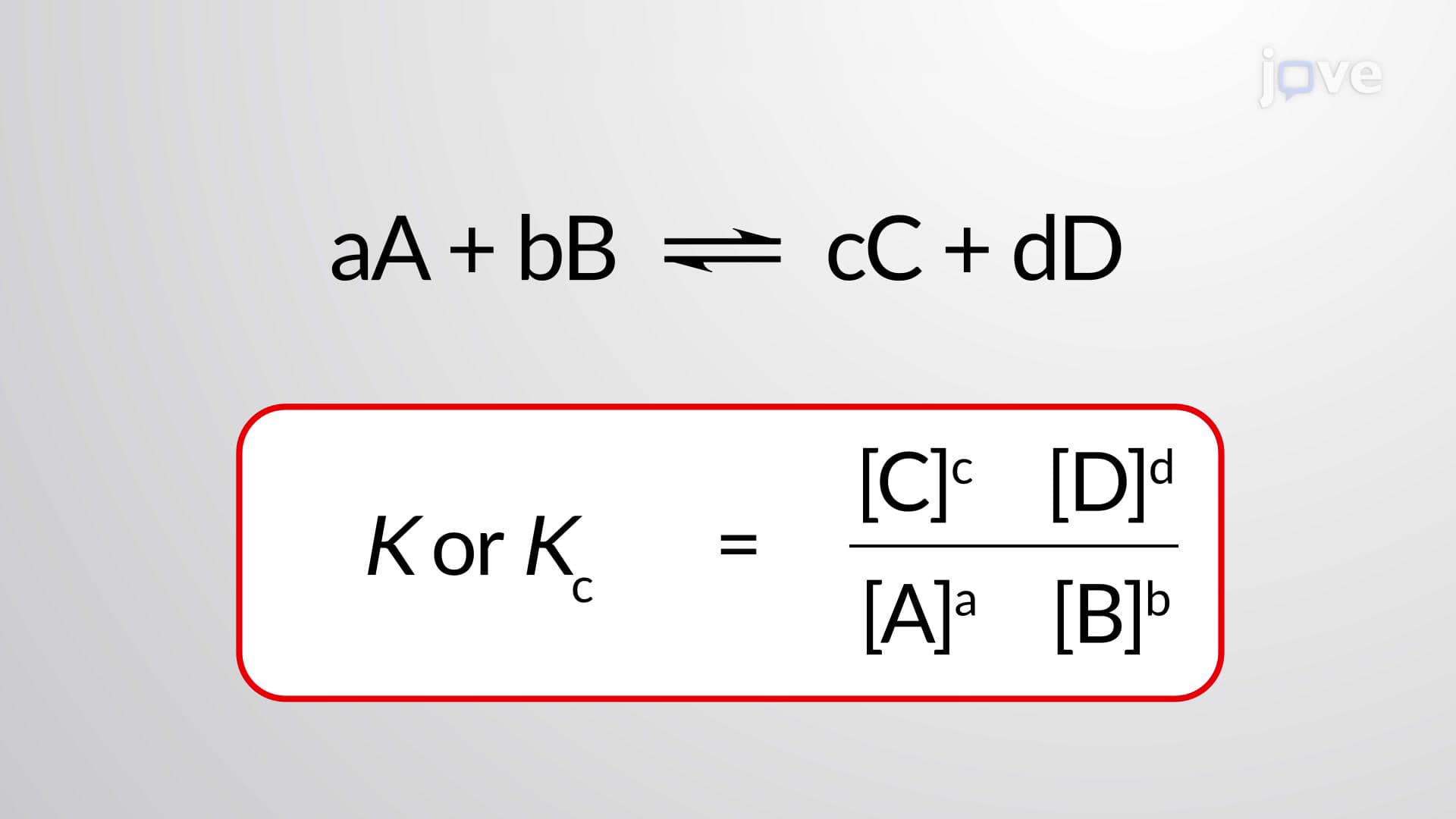
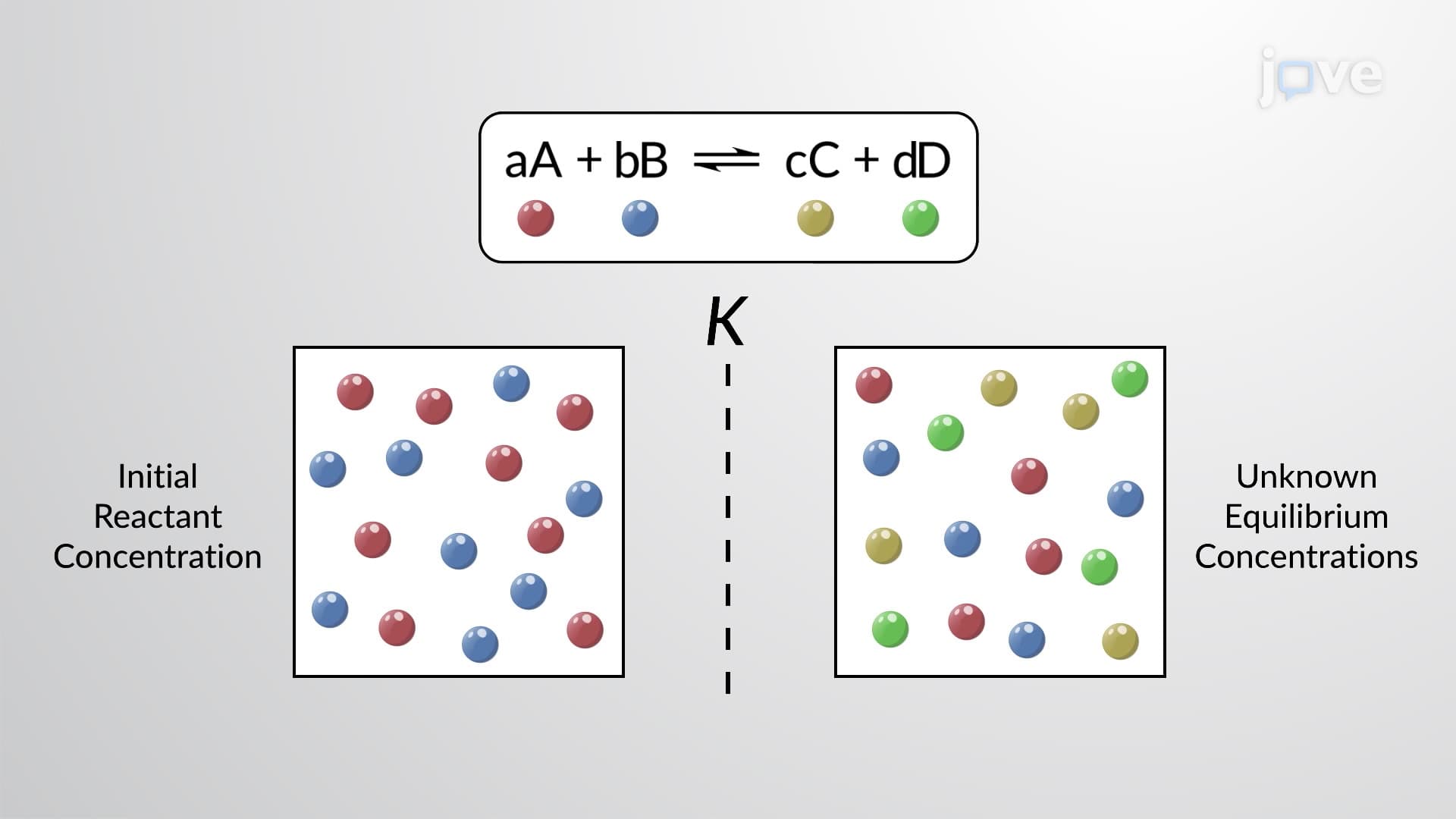
When equilibrium concentrations of all species are experimentally determined, calculating the equilibrium constant becomes straightforward. Consider the industrial Haber process for ammonia synthesis, where nitrogen and hydrogen combine at high pressure and temperature. If laboratory analysis reveals specific equilibrium concentrations, chemists simply substitute these values into the equilibrium expression: K = [products]^coefficients / [reactants]^coefficients. This method proves particularly valuable in quality control laboratories where precise measurements determine reaction efficiency.
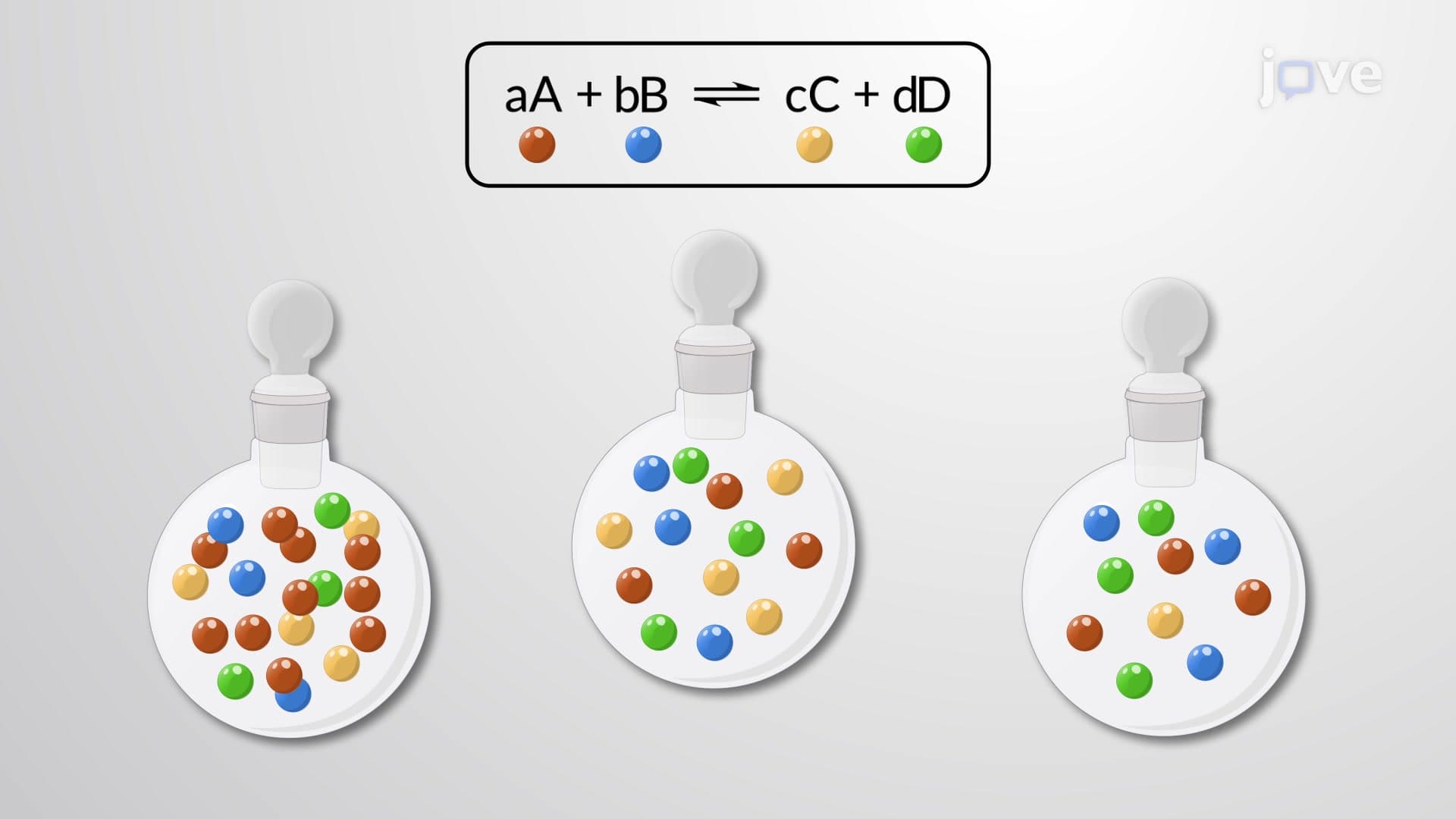
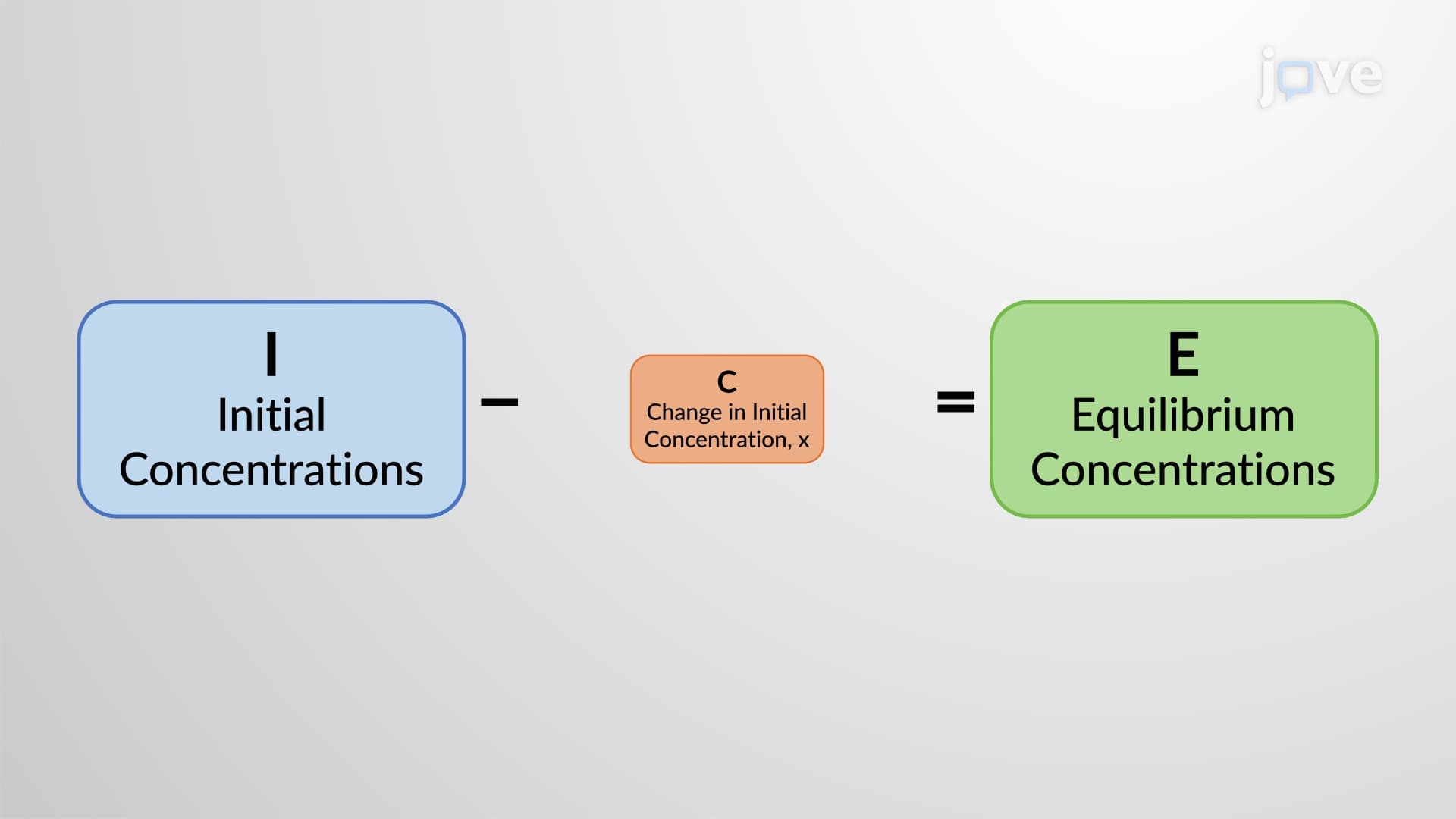
The Initial-Change-Equilibrium (ICE) table approach becomes indispensable when only partial equilibrium data exists. This systematic organization method helps students tackle AP Chemistry free-response questions and college exam problems involving multi-step calculations. By defining the change variable (x) and applying stoichiometric ratios, chemists can determine all unknown equilibrium concentrations from limited experimental data. This technique mirrors problem-solving approaches used by process engineers optimizing reactor conditions in chemical plants across Texas and Louisiana.
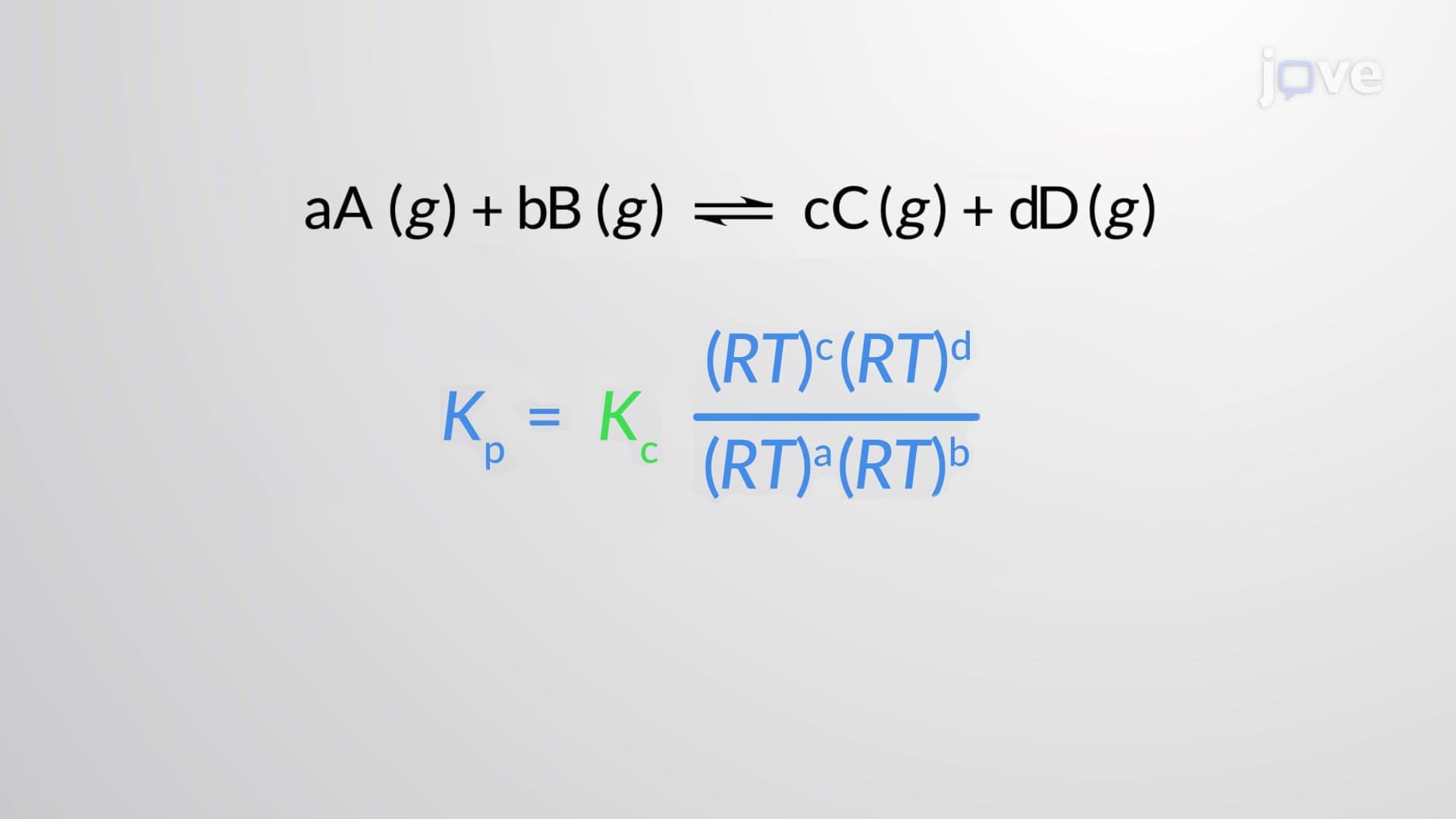
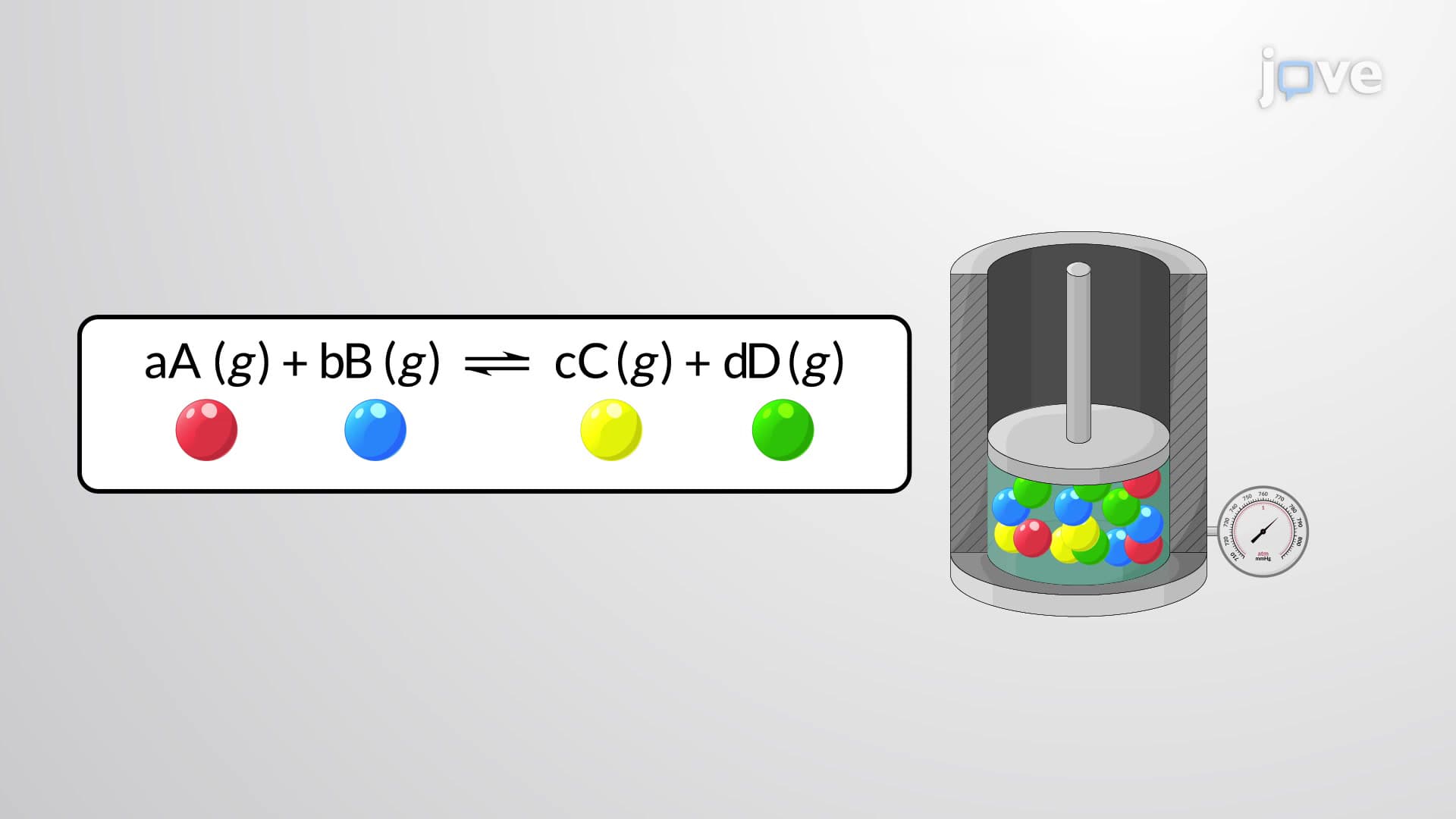
Gas-phase reactions require additional consideration of pressure relationships through Kp calculations. This concept becomes crucial for atmospheric chemistry studies and industrial gas processing applications. The relationship between Kc and Kp depends on the change in moles of gas during the reaction, connecting concentration and pressure-based equilibrium expressions. Students preparing for the MCAT or advanced chemistry courses must master both calculation types to succeed in quantitative analysis problems.
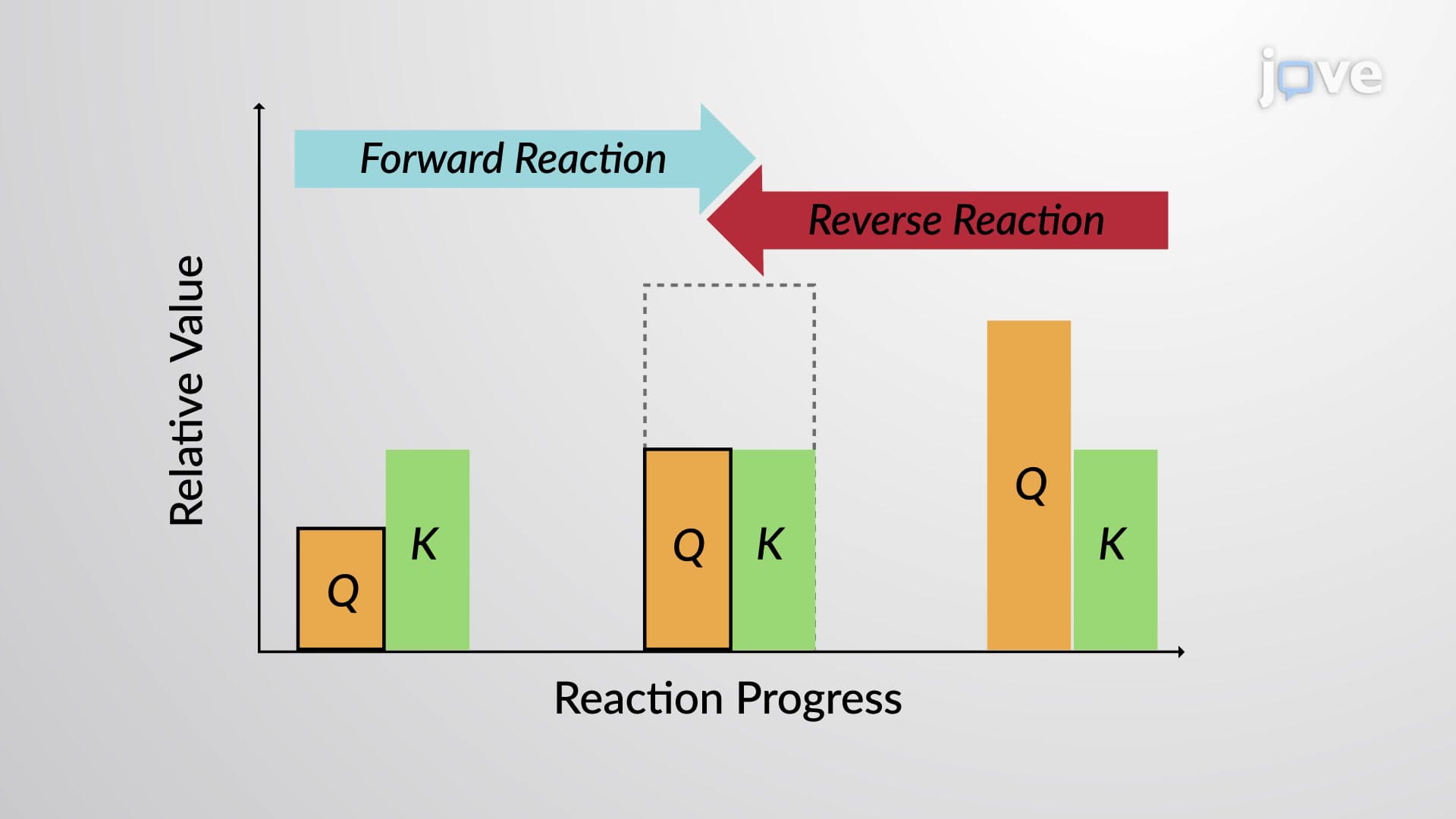
Understanding equilibrium constant calculations provides the foundation for predicting reaction spontaneity, optimizing industrial processes, and solving complex chemical equilibrium problems encountered in academic and professional settings.
Related Micro-courses