Loading video…


 10 Concepts
 457.4K views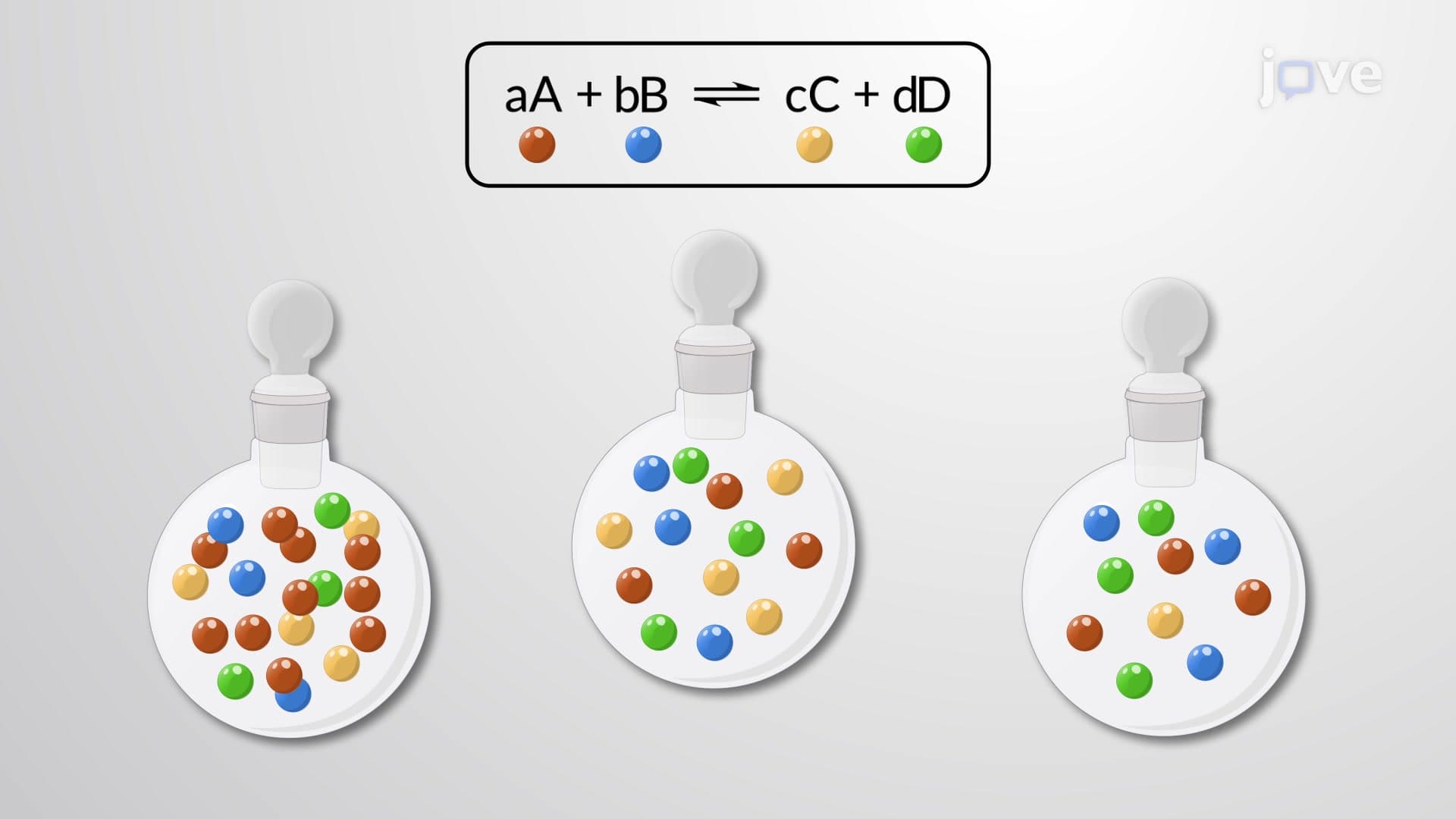

Video Summary: Le Chateliers Principle Changing Concentration Explained
Ever wonder why your body maintains a steady pH despite drinking acidic coffee? Le Chatelier's principle changing concentration explains how chemical systems automatically adjust when disturbed. When hospitals administer IV fluids to patients, they carefully control ion concentrations because adding or removing substances shifts chemical equilibria in predictable ways. This fundamental concept in Le Chatelier's Principle Changing Concentration Explained governs everything from industrial ammonia production to blood chemistry regulation. Watch the full video on JoVE Coach to master this concept with expert-led visuals and step-by-step explanations.
Le Chatelier's principle changing concentration represents one of chemistry's most practical concepts, predicting how chemical equilibria respond when we add or remove reactants and products. Named after French chemist Henri Le Chatelier, this principle states that systems at equilibrium will shift to counteract any imposed stress, including concentration changes.
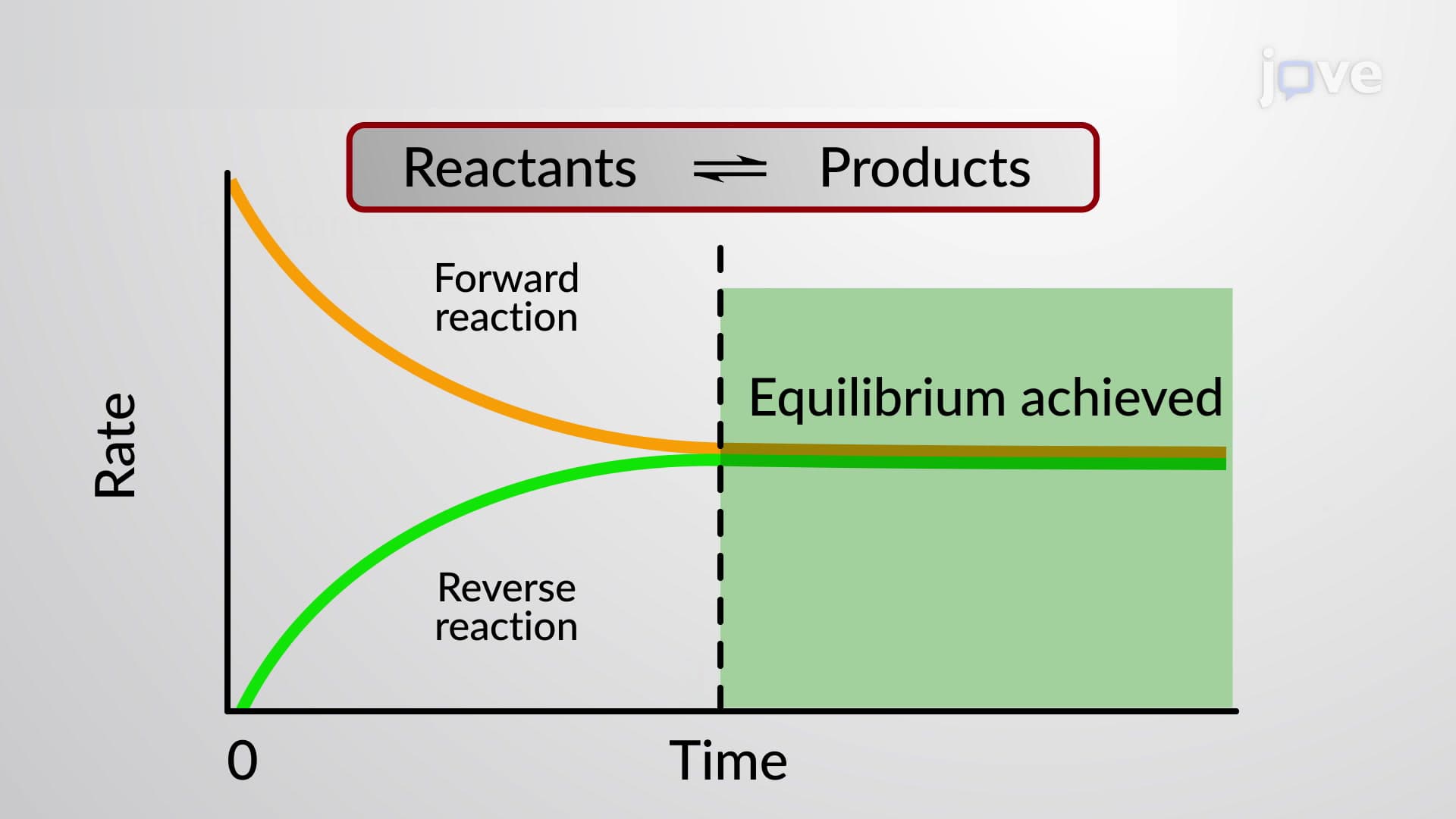
Chemical equilibrium isn't static-it's a dynamic balance where forward and reverse reactions occur at equal rates. When we disturb this balance by changing concentrations, the system responds predictably. Consider the Haber process used by American fertilizer companies like CF Industries. In this reaction (N₂ + 3H₂ ⇌ 2NH₃), adding more nitrogen gas shifts the equilibrium toward ammonia production, maximizing yield for agricultural applications.
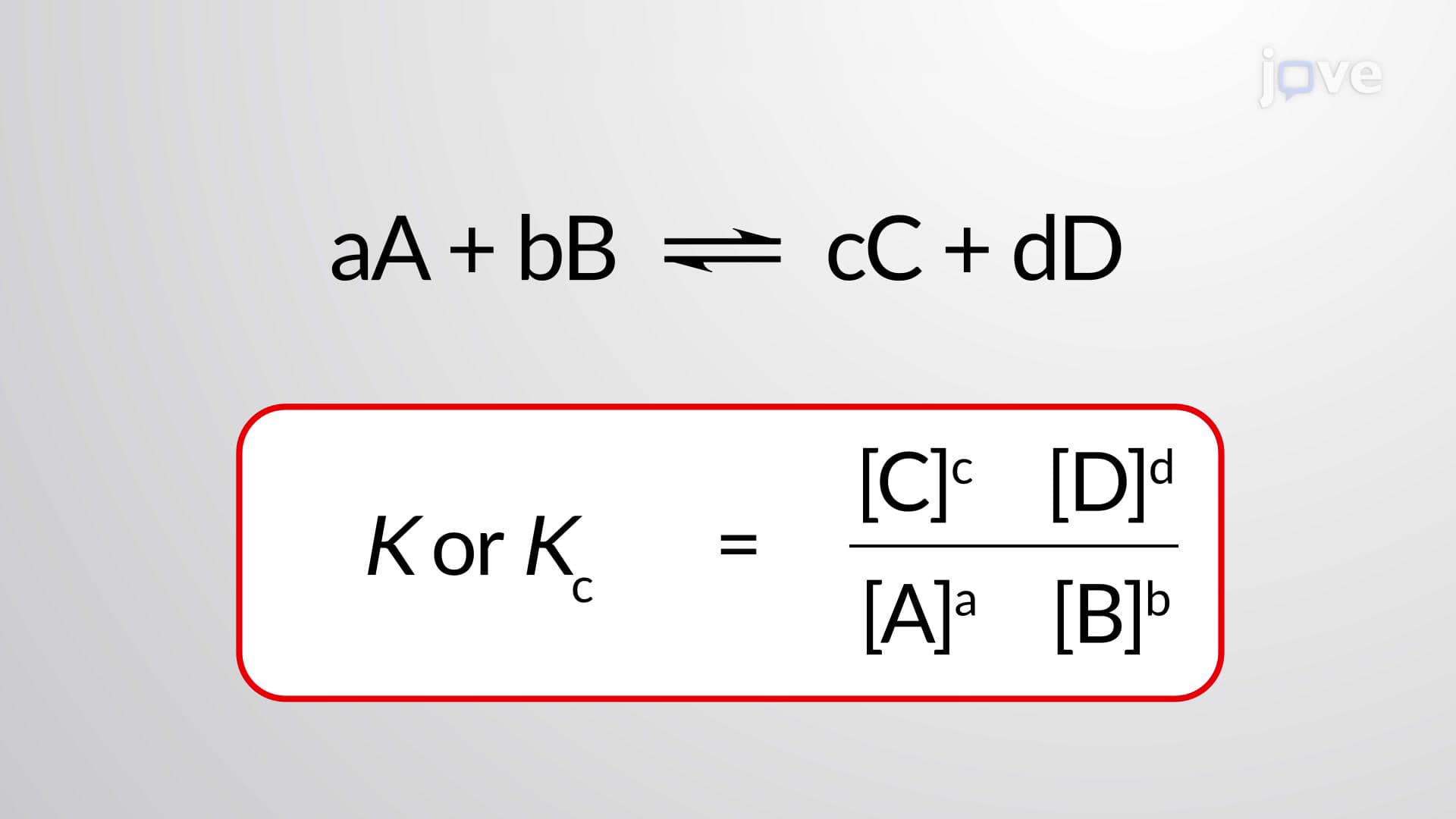
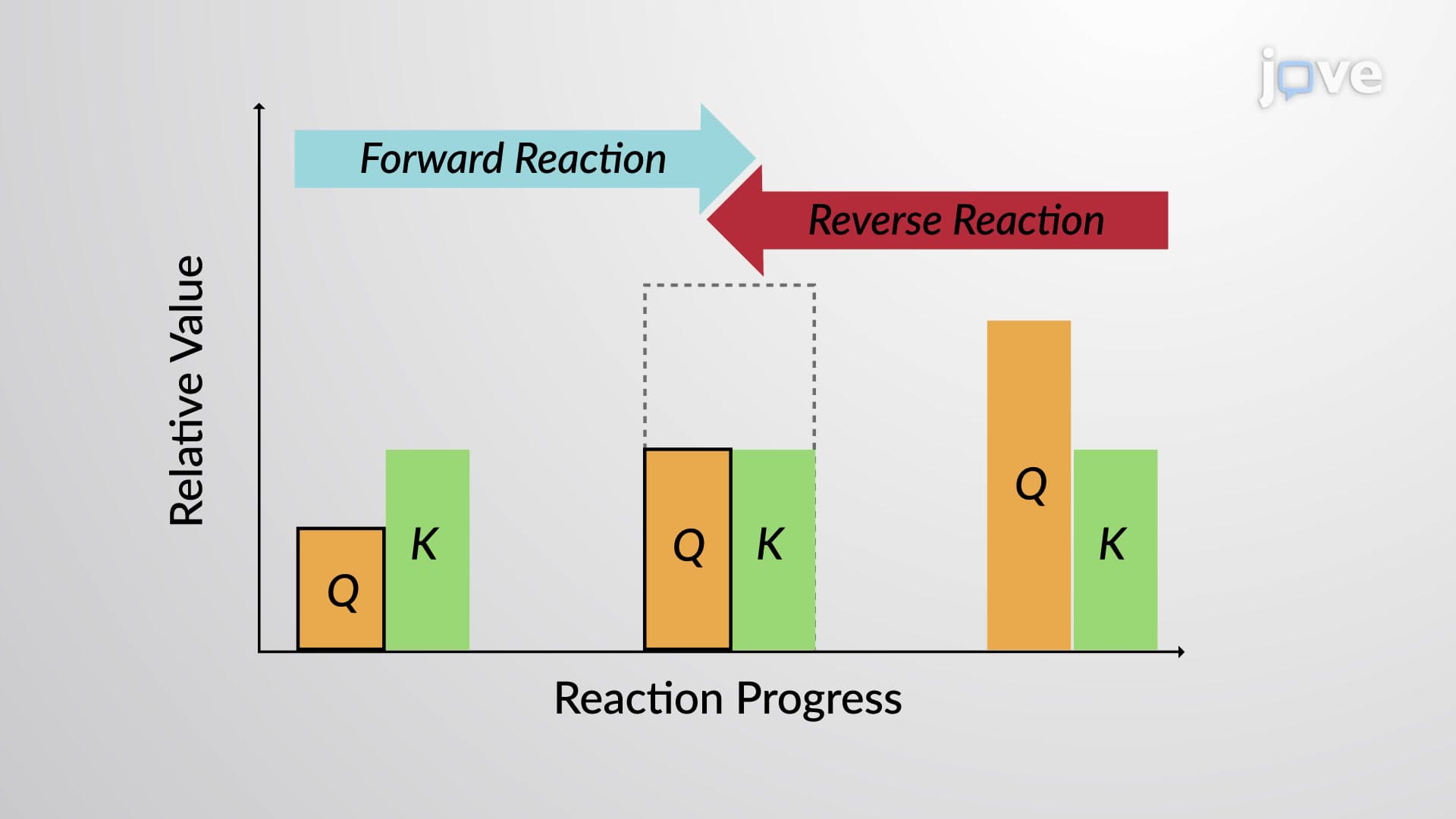
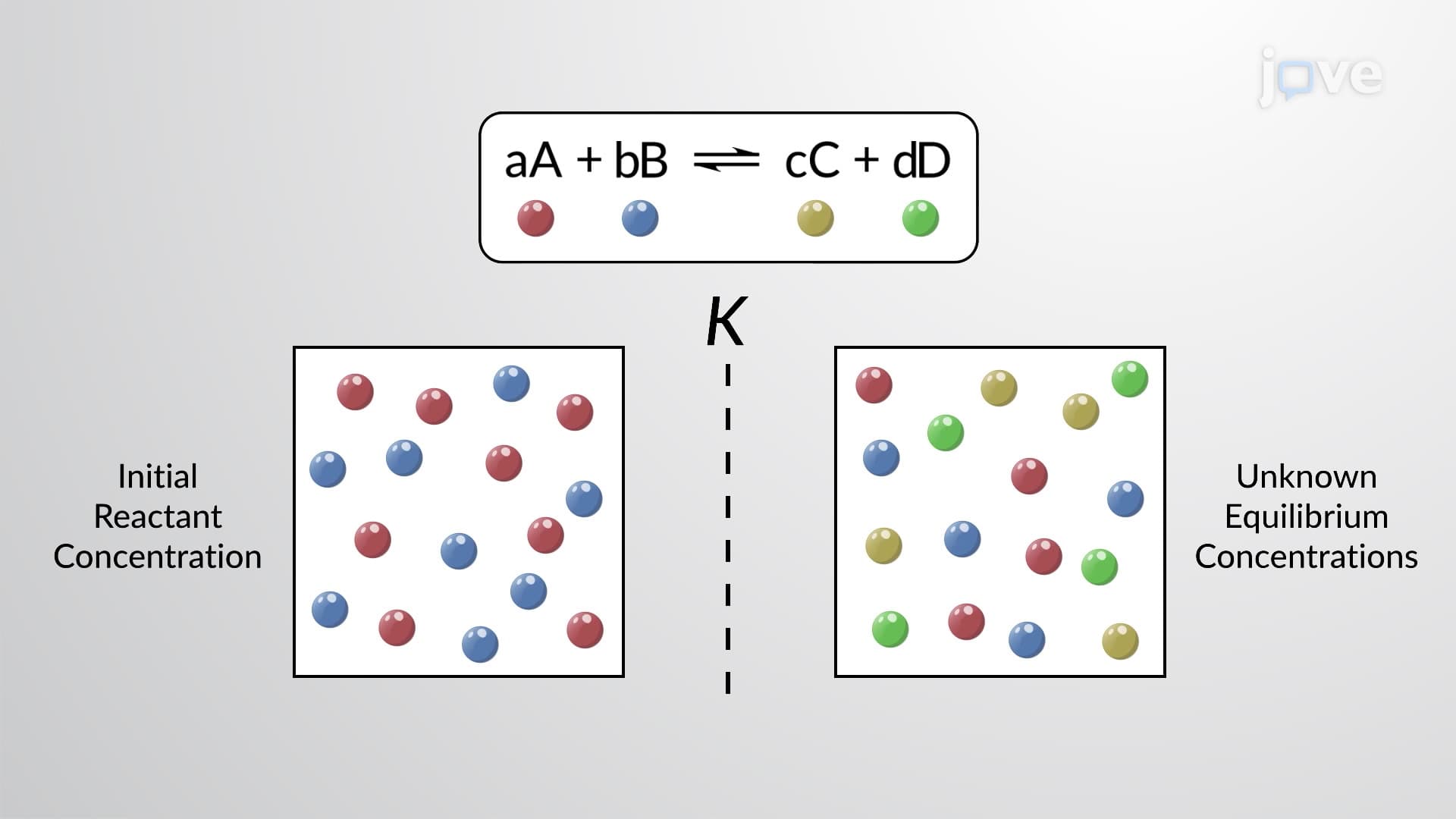
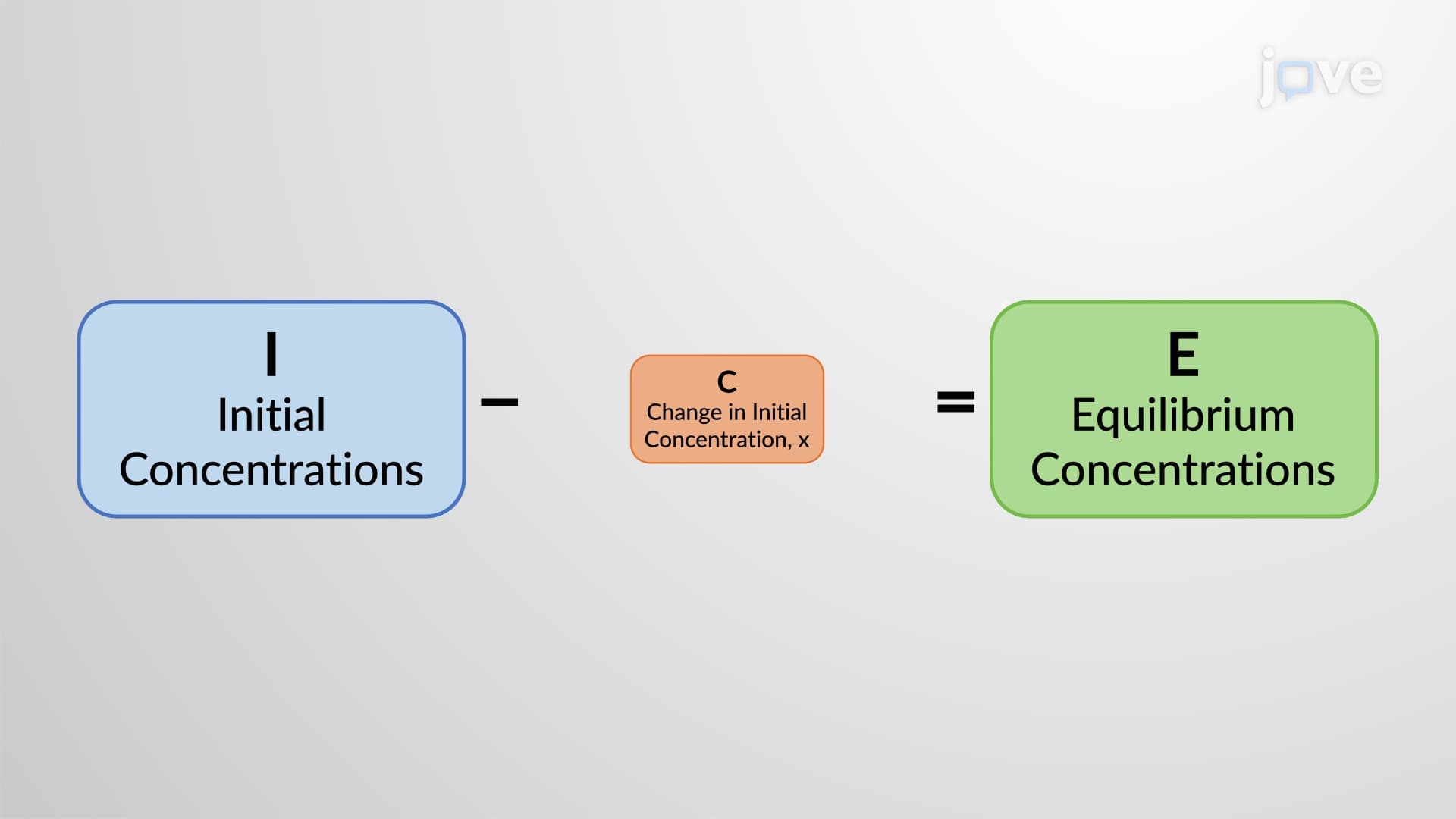
The mathematical foundation involves the reaction quotient (Q) and equilibrium constant (K). When Q < K (after adding reactants), the equilibrium shifts right toward products. When Q > K (after adding products), it shifts left toward reactants. This relationship helps students tackle AP Chemistry free-response questions and college exam problems.
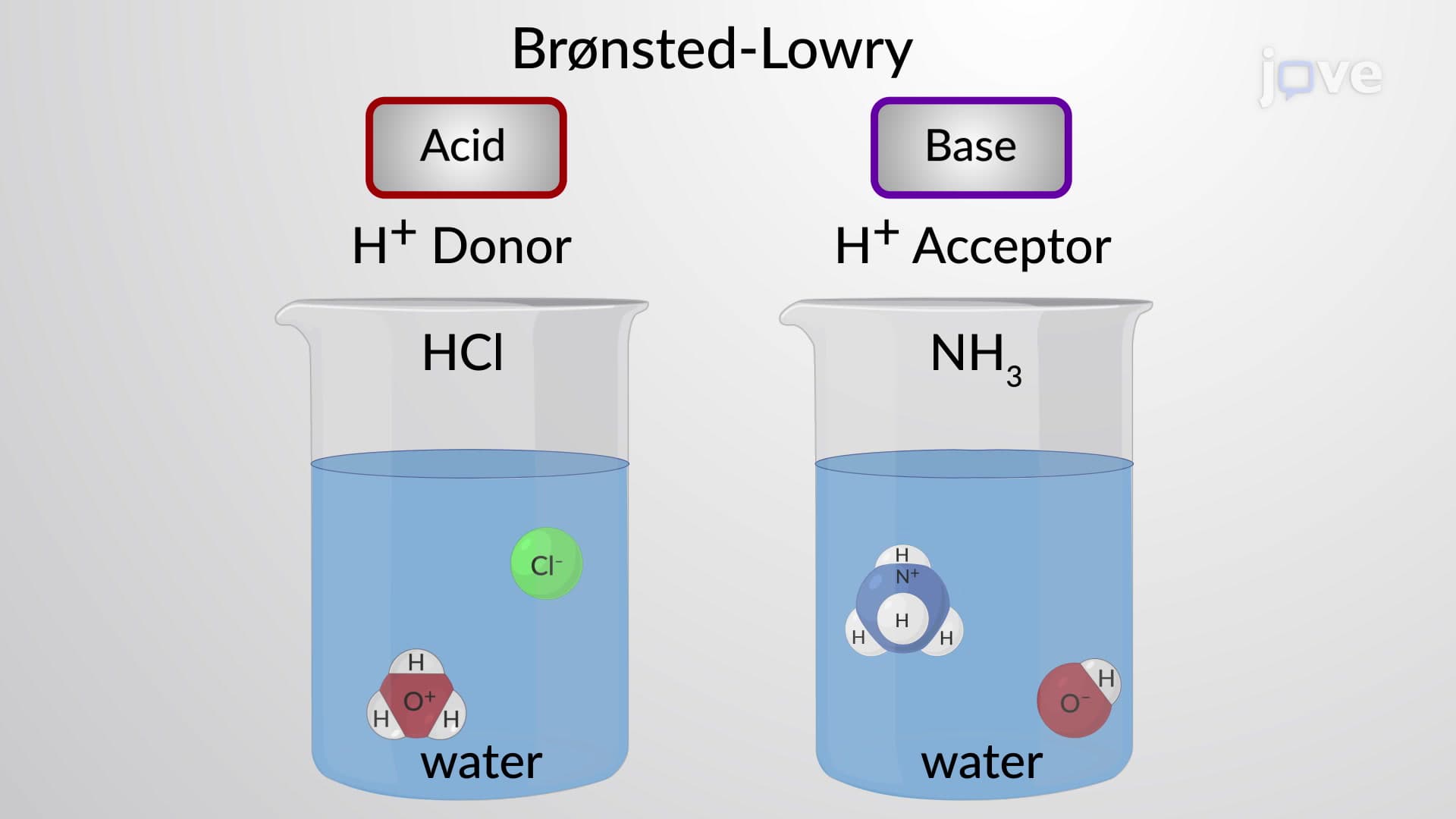
Pharmaceutical companies like Pfizer and Johnson & Johnson apply these principles in drug synthesis. During aspirin production, chemists control reactant concentrations to maximize yield and minimize unwanted side products. In medical settings, understanding concentration effects helps explain how antacids neutralize stomach acid-adding hydroxide ions shifts the equilibrium of acid-base reactions toward water formation.
Environmental applications include understanding ocean acidification. As atmospheric CO₂ dissolves in seawater, it forms carbonic acid, shifting equilibrium toward lower pH. This concept appears frequently on MCAT chemistry sections and college biochemistry exams.
For standardized test success, remember that le chatelier's principle changing concentration problems often involve:
Practice with real scenarios: blood pH regulation (bicarbonate buffer system), industrial ammonia synthesis, and atmospheric chemistry. These applications help cement theoretical understanding while preparing for advanced coursework in physical chemistry and biochemistry.
Related Micro-courses