Loading video…

 10 Concepts
 457.4K views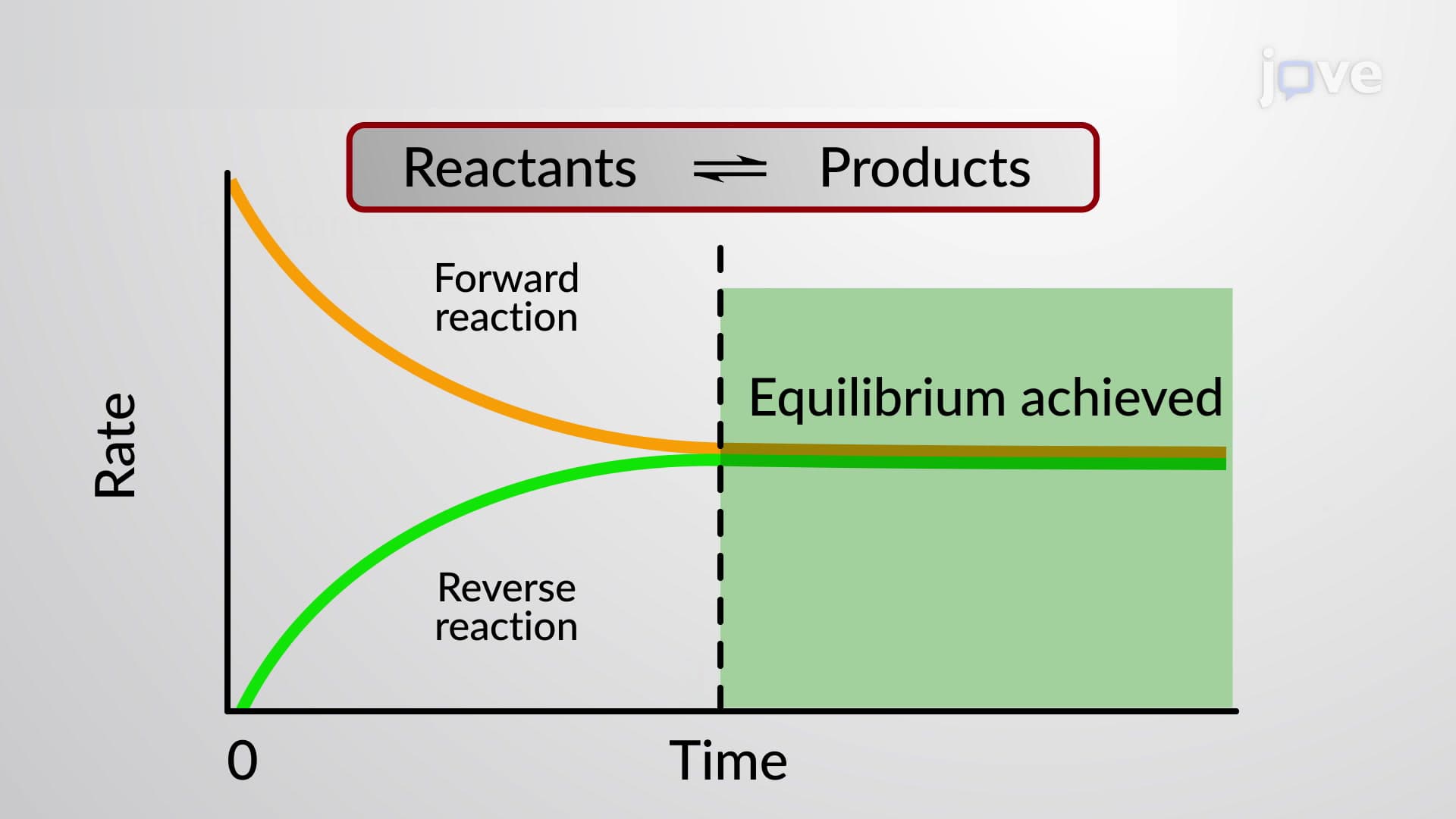

Video Summary: What Is Dynamic Equilibrium
Ever wonder why your morning coffee stops cooling down after a few minutes, even though heat transfer continues? This demonstrates dynamic equilibrium - a fascinating state where opposing processes occur at equal rates, creating apparent stability. In chemical reactions, dynamic equilibrium occurs when forward and reverse reaction rates become equal, like in the industrial production of ammonia at fertilizer plants across Iowa and Nebraska. The system appears static, but molecules constantly react in both directions. Watch the full video on JoVE Coach to master this concept with expert-led visuals and step-by-step explanations.
Dynamic equilibrium represents one of chemistry's most elegant concepts - a state where opposing processes occur simultaneously at identical rates. Unlike static equilibrium (think of a book resting on a table), dynamic equilibrium involves continuous molecular activity that maintains constant macroscopic properties. This concept appears throughout AP Chemistry, college general chemistry courses, and MCAT preparation, making it essential for academic success.
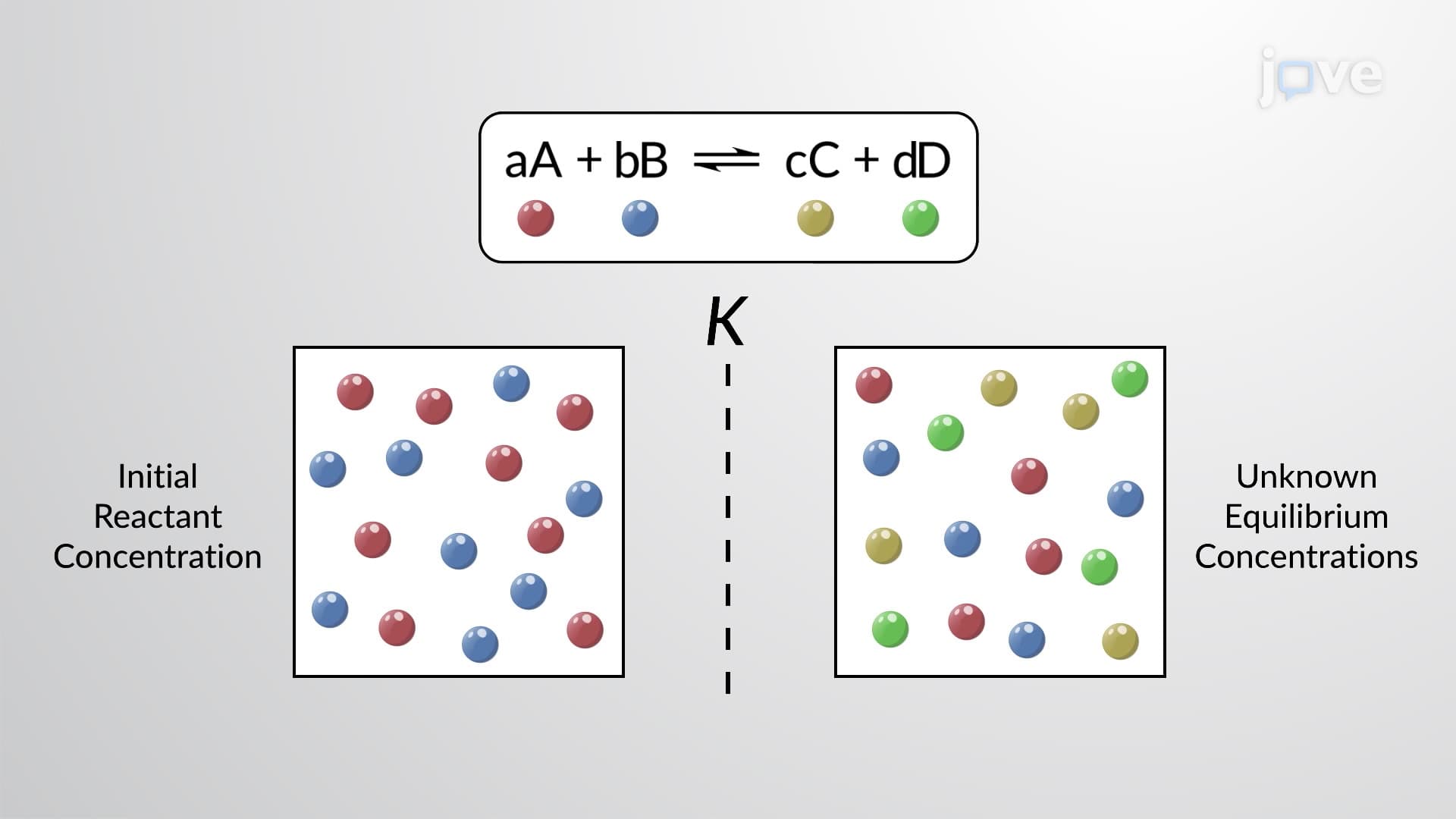
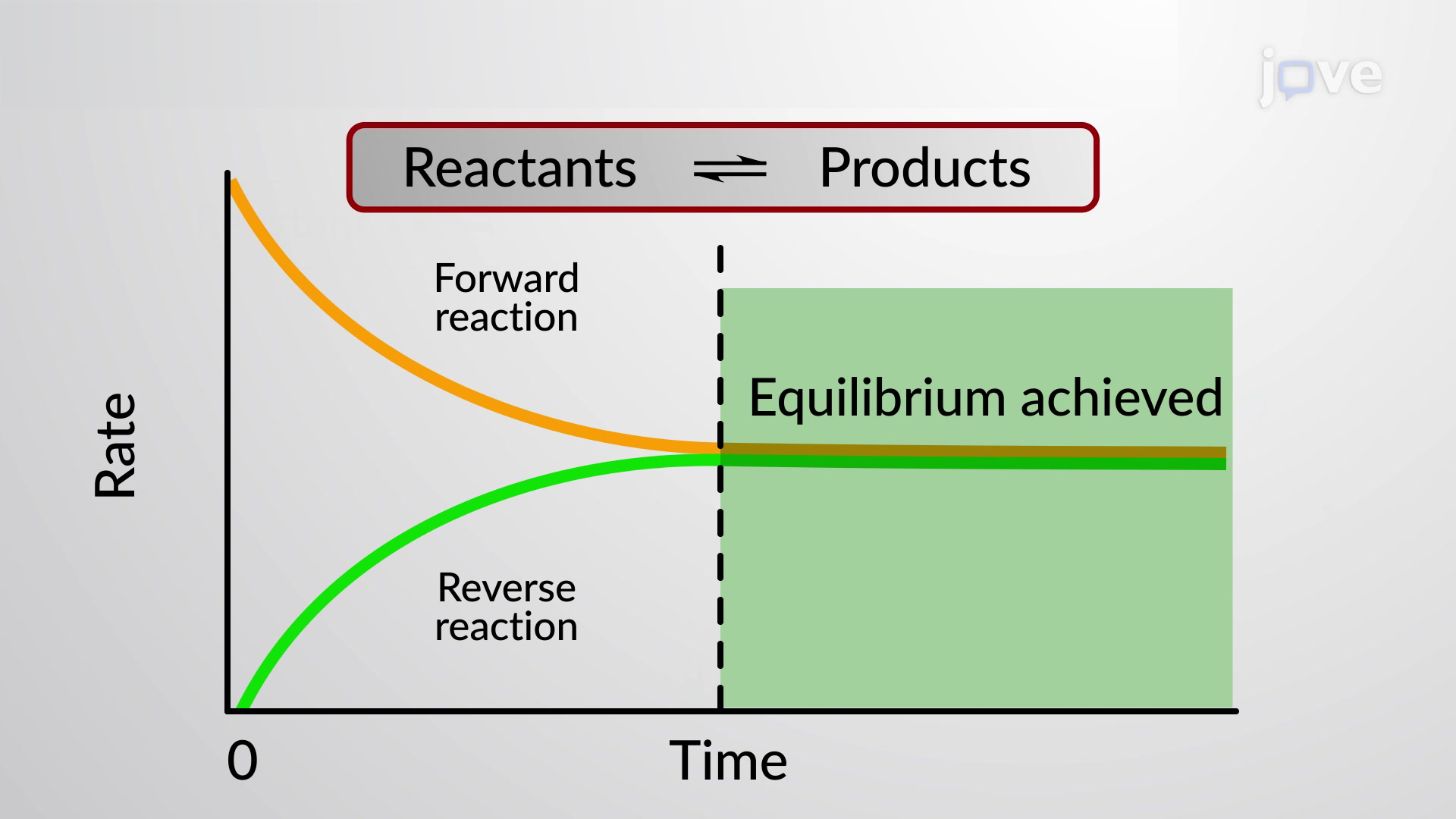
At the molecular level, dynamic equilibrium resembles a busy two-way street with equal traffic flow in both directions. Consider the decomposition of phosphorus pentachloride (PCl₅), commonly studied in undergraduate chemistry labs. When PCl₅ gas heats in a closed container, it breaks down into phosphorus trichloride (PCl₃) and chlorine gas (Cl₂). Initially, only the forward reaction occurs rapidly. However, as PCl₃ and Cl₂ accumulate, they begin recombining to form PCl₅.
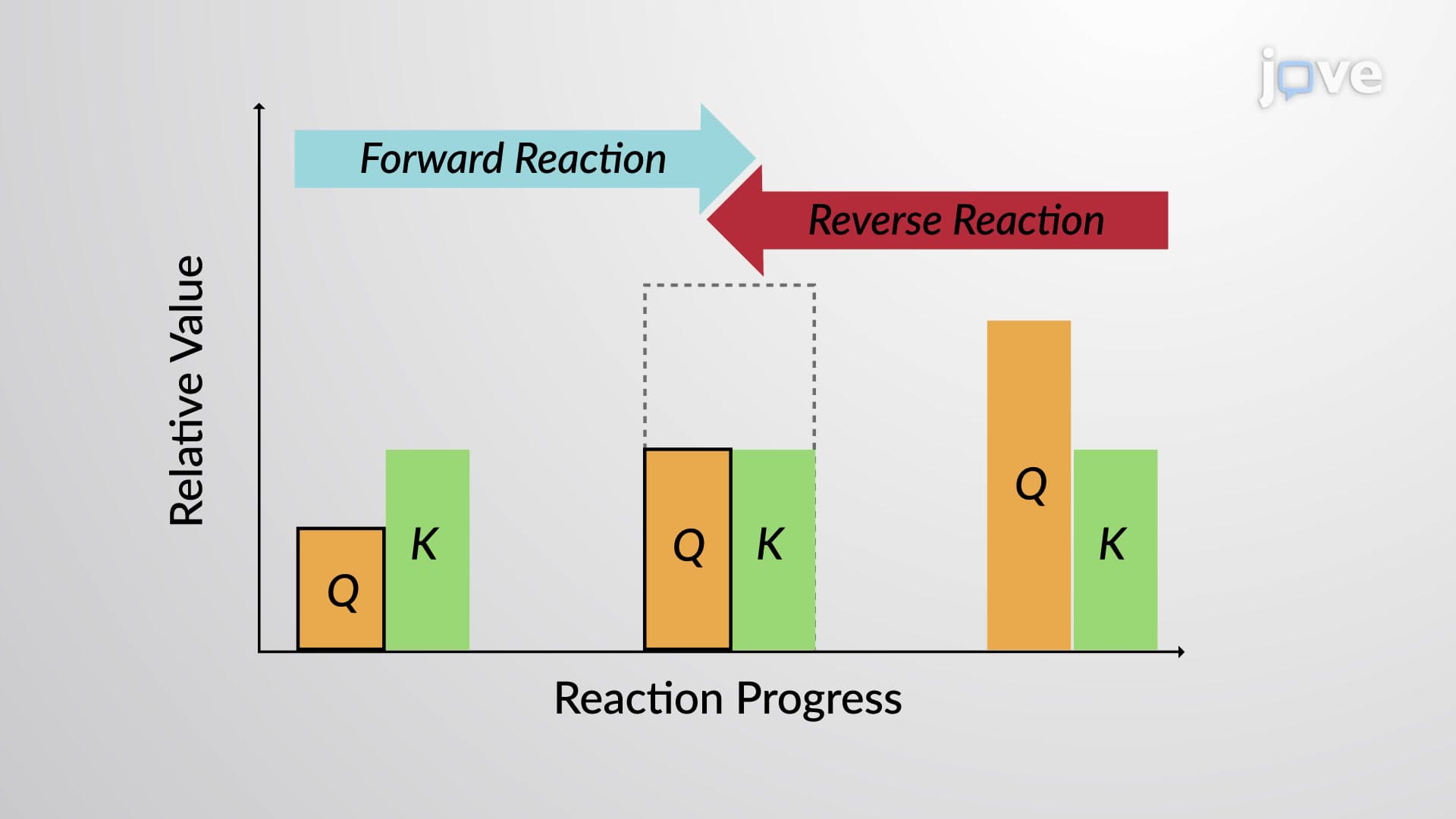
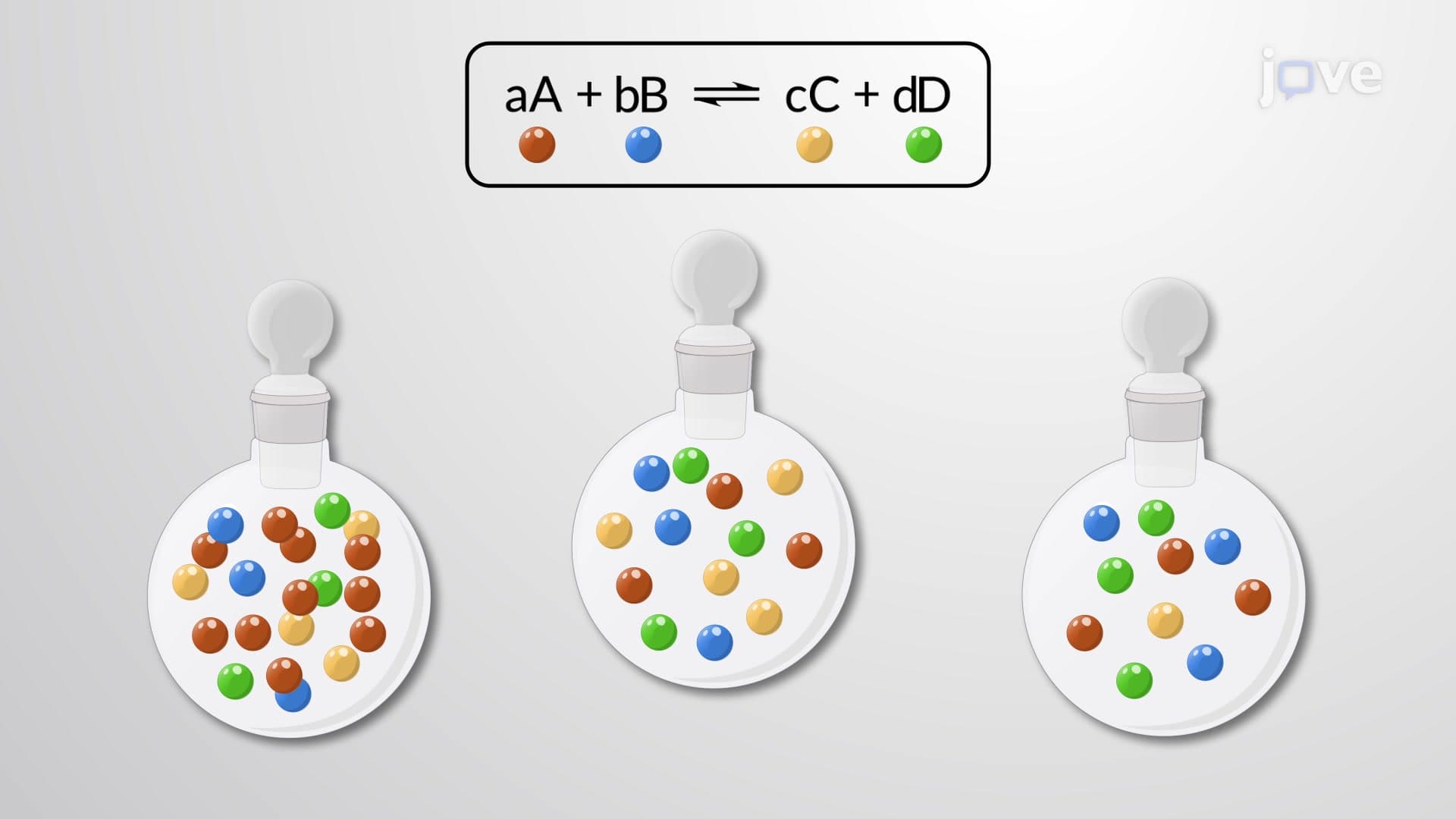
The forward reaction rate decreases as PCl₅ concentration drops, while the reverse reaction rate increases as products accumulate. Eventually, these rates equalize - dynamic equilibrium is achieved. The system appears unchanged externally, but billions of molecules continue breaking apart and reforming every second.
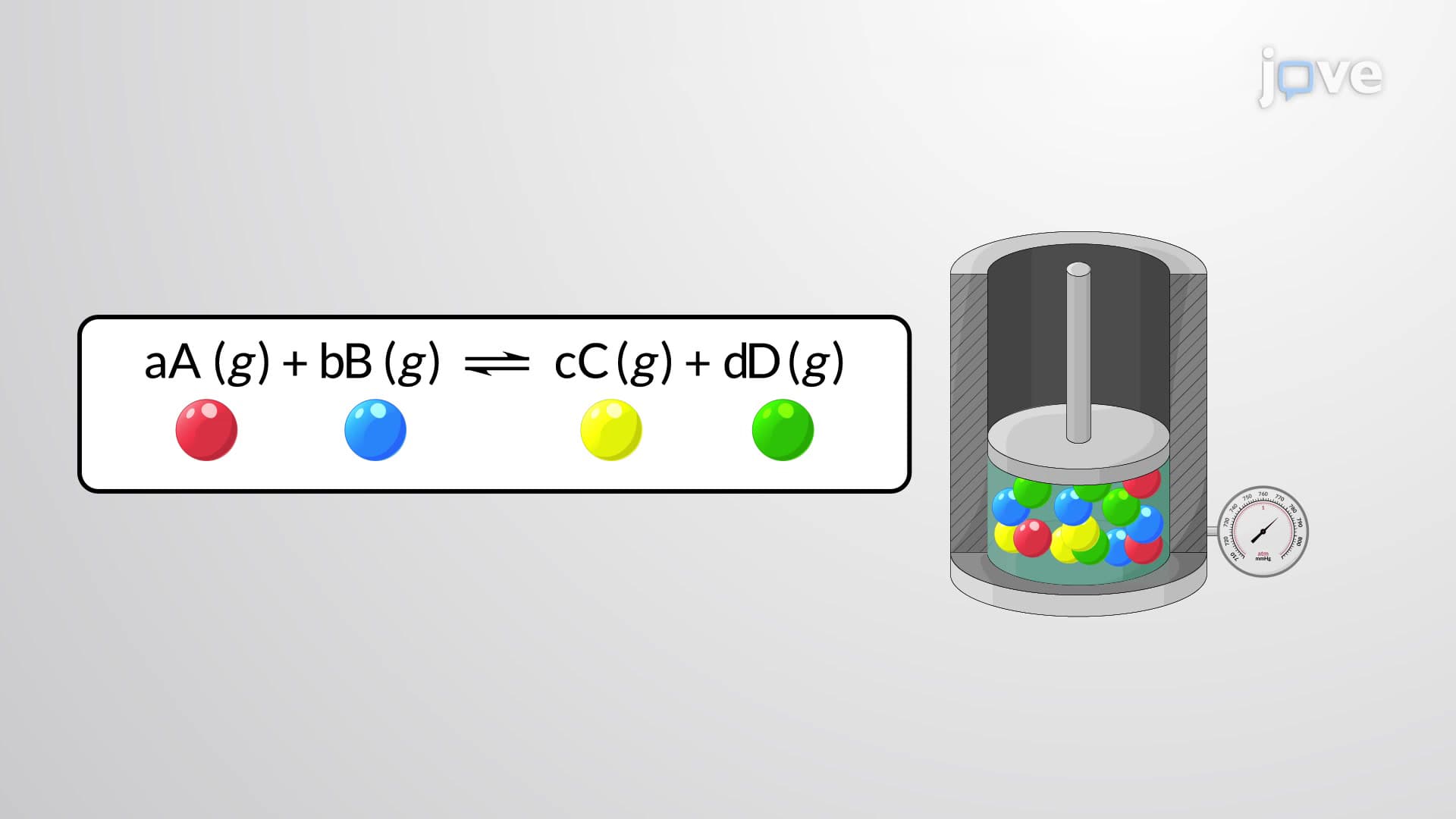
Dynamic equilibrium systems fall into two categories based on phase distribution. Homogeneous equilibrium involves all species in the same phase - like the nitrogen dioxide-dinitrogen tetroxide equilibrium studied in college chemistry courses: 2NO₂(g) ⇌ N₂O₄(g). Students often observe this colorful demonstration where brown NO₂ gas shifts to colorless N₂O₄ when cooled.
Heterogeneous equilibrium involves multiple phases, such as the calcium carbonate decomposition studied in AP Chemistry: CaCO₃(s) ⇌ CaO(s) + CO₂(g). This reaction occurs in cement production throughout the American Southwest, where limestone processing creates essential construction materials.
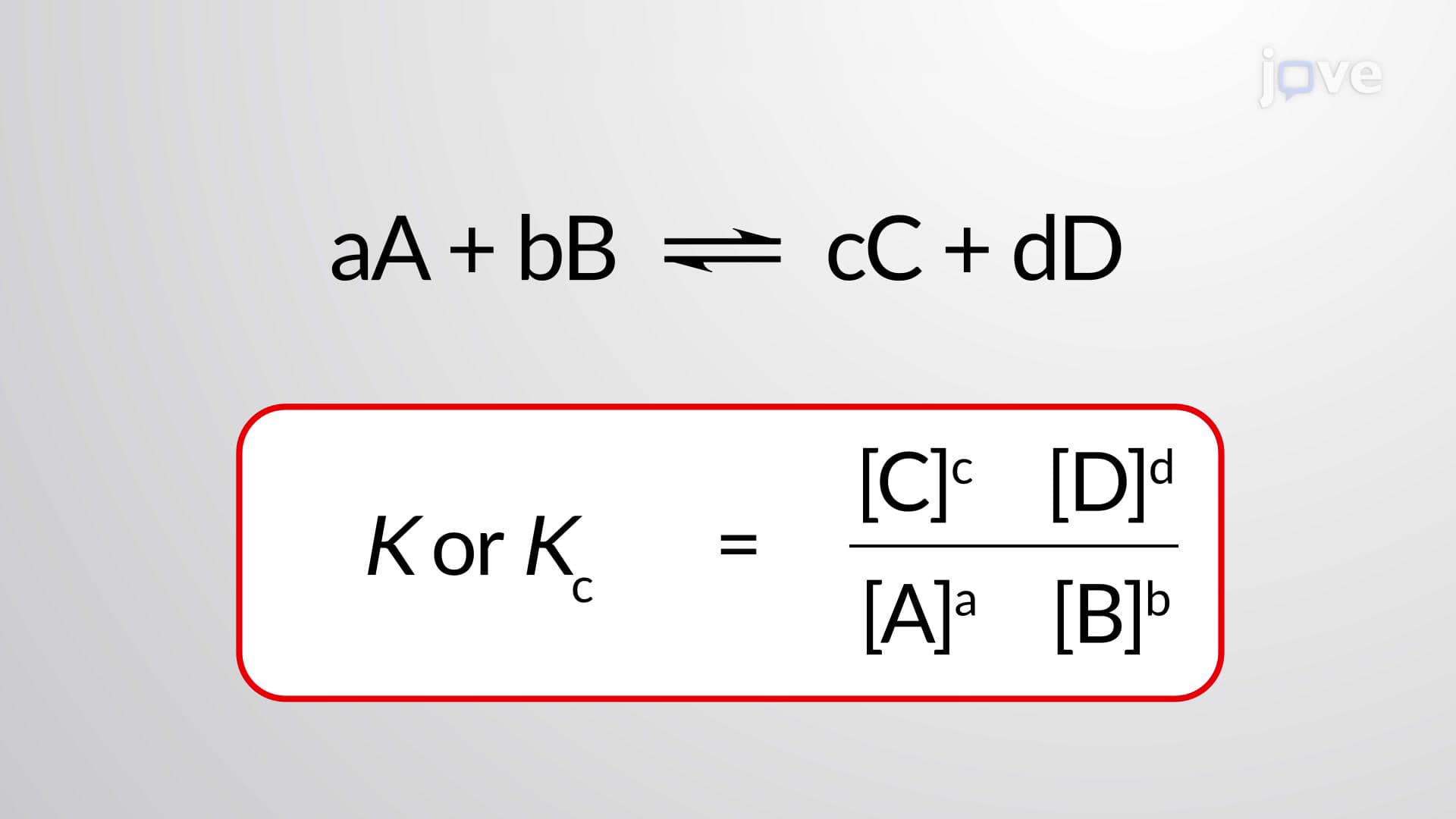
Dynamic equilibrium governs numerous industrial processes crucial to the US economy. The Haber process for ammonia synthesis (N₂ + 3H₂ ⇌ 2NH₃) operates at chemical plants from Louisiana to North Dakota, producing fertilizers that feed America's agricultural sector. Understanding this equilibrium helps explain why manufacturers use specific temperature and pressure conditions to maximize yield.
For exam success, focus on equilibrium constant expressions, Le Chatelier's principle applications, and rate-equilibrium relationships. These topics frequently appear on AP Chemistry exams, college midterms, and MCAT chemical foundations sections.
Related Micro-courses