Loading video…


 10 Concepts
 251.1K views

Video Summary: What Is Spontaneity
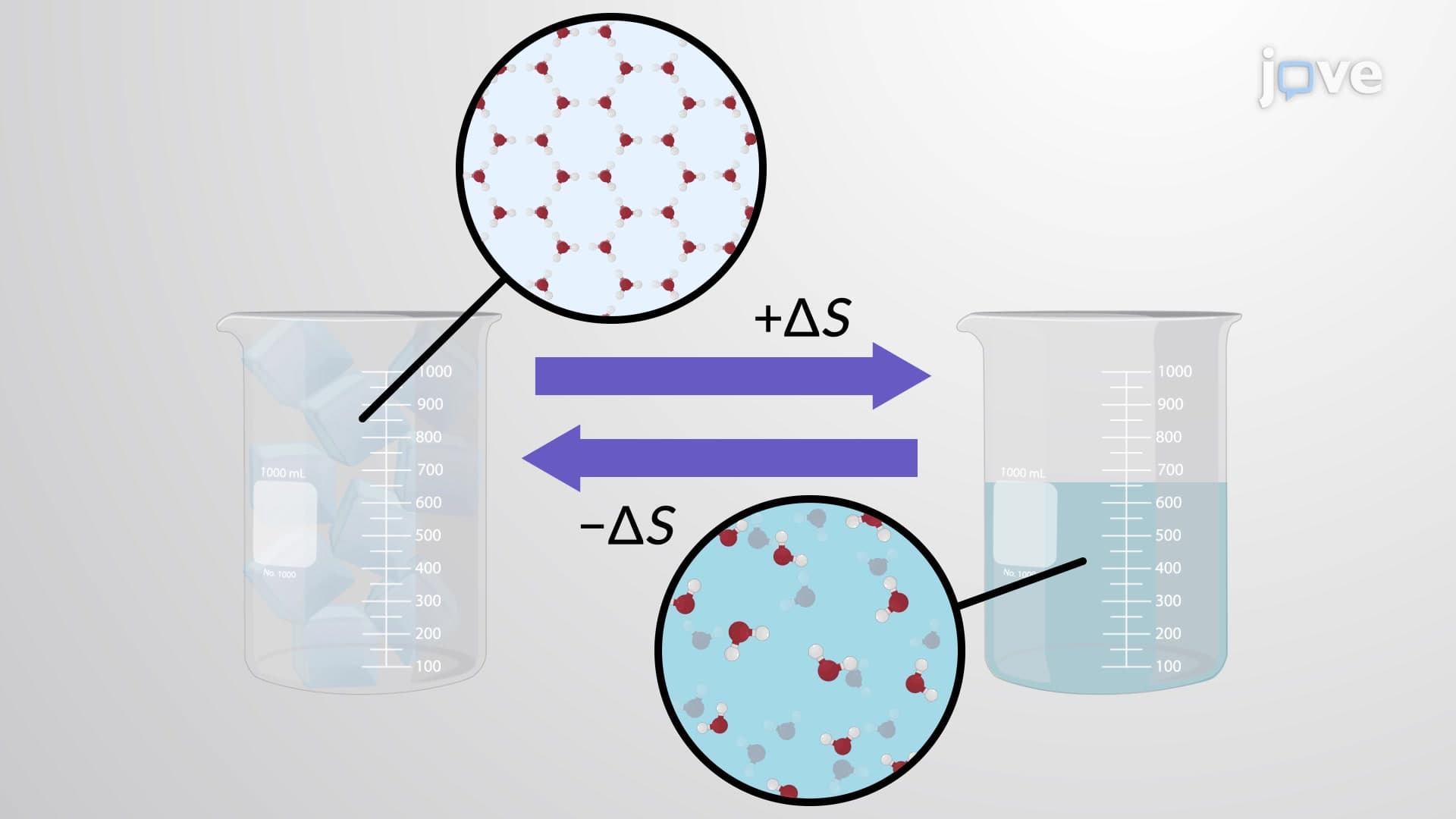
Have you ever wondered why ice cubes melt in your drink without any help, but they won't freeze back on their own? Spontaneity in chemistry explains why certain reactions and processes happen naturally while others require external energy input. Consider how gasoline burns readily in your car's engine, this spontaneous combustion releases energy that powers the vehicle. Understanding what is spontaneity helps explain everything from why hot coffee cools down to room temperature to how batteries generate electricity in your smartphone. Watch the full video on JoVE Coach to master this concept with expert-led visuals and step-by-step explanations.
Spontaneity refers to a process's natural tendency to occur without external intervention under specific conditions. In thermodynamics, a spontaneous process moves a system toward greater stability and lower energy states. This concept is fundamental to understanding chemical reactions, phase changes, and energy transfer phenomena that students encounter in AP Chemistry, college general chemistry, and MCAT preparation.
The spontaneity definition extends beyond simple "happening on its own", it involves the natural direction of energy and matter dispersal. When you open a bottle of perfume, the fragrance molecules spontaneously spread throughout the room because this distribution represents a more probable, lower-energy state than all molecules remaining concentrated in the bottle.
Temperature and pressure significantly impact whether a process occurs spontaneously. Water freezing at 32°F (0°C) demonstrates temperature-dependent spontaneity, below this temperature, liquid water spontaneously converts to ice, but above it, ice spontaneously melts. This temperature dependence appears frequently on standardized exams, where students must predict phase behavior under different conditions.
Pressure effects become apparent in gas-phase reactions. The Haber process for ammonia production (N₂ + 3H₂ → 2NH₃) becomes more spontaneous at higher pressures because the reaction produces fewer gas molecules, reducing system volume and energy.
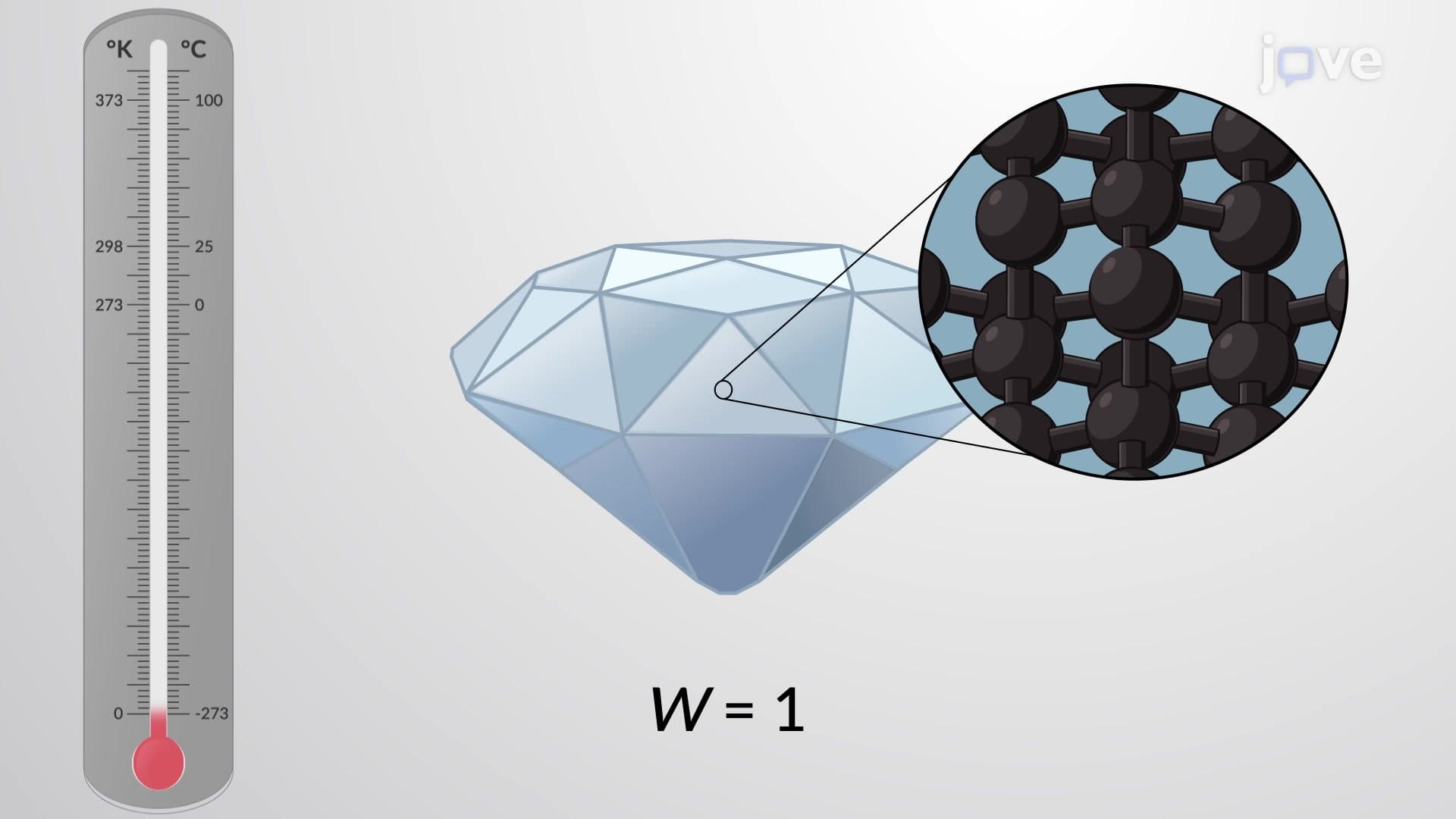
A crucial spontaneity concept that often confuses students is the independence of thermodynamic favorability and kinetic rate. Diamond conversion to graphite is thermodynamically spontaneous at room temperature but kinetically slow, requiring geological timescales. Conversely, the acid-base neutralization between hydrochloric acid and sodium hydroxide in laboratory titrations is both spontaneous and extremely fast.
This distinction proves essential for MCAT success, where students must differentiate between thermodynamic predictions (will it happen?) and kinetic considerations (how fast will it happen?). Catalysts, like the platinum in catalytic converters, accelerate spontaneous reactions without changing their fundamental spontaneity.
Understanding spontaneity helps explain everyday phenomena and industrial processes. Lithium-ion batteries in smartphones rely on spontaneous electron flow from anode to cathode. Cellular respiration represents a series of spontaneous reactions that release energy for biological processes. These applications frequently appear in college biochemistry courses and health profession entrance exams.
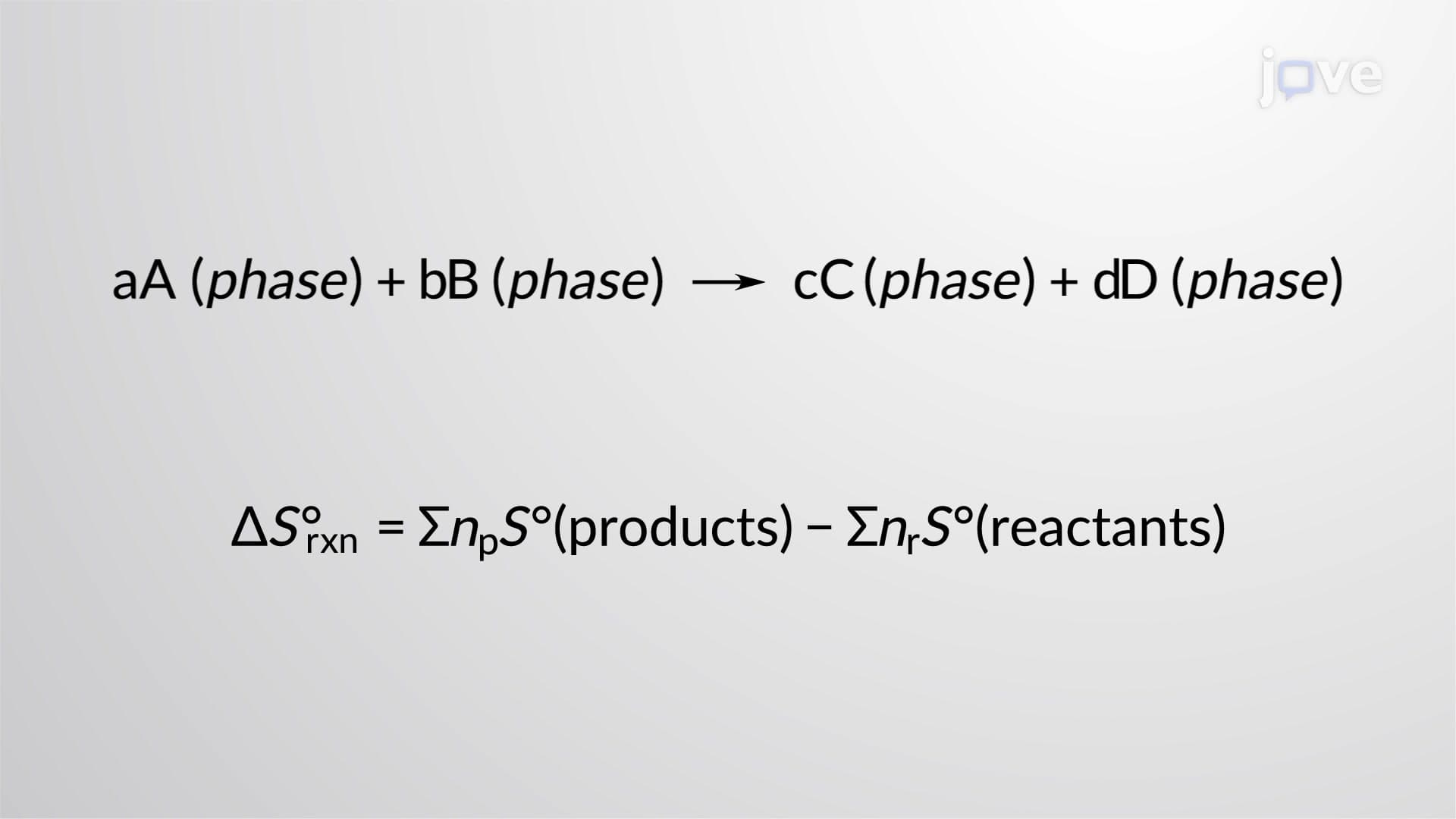
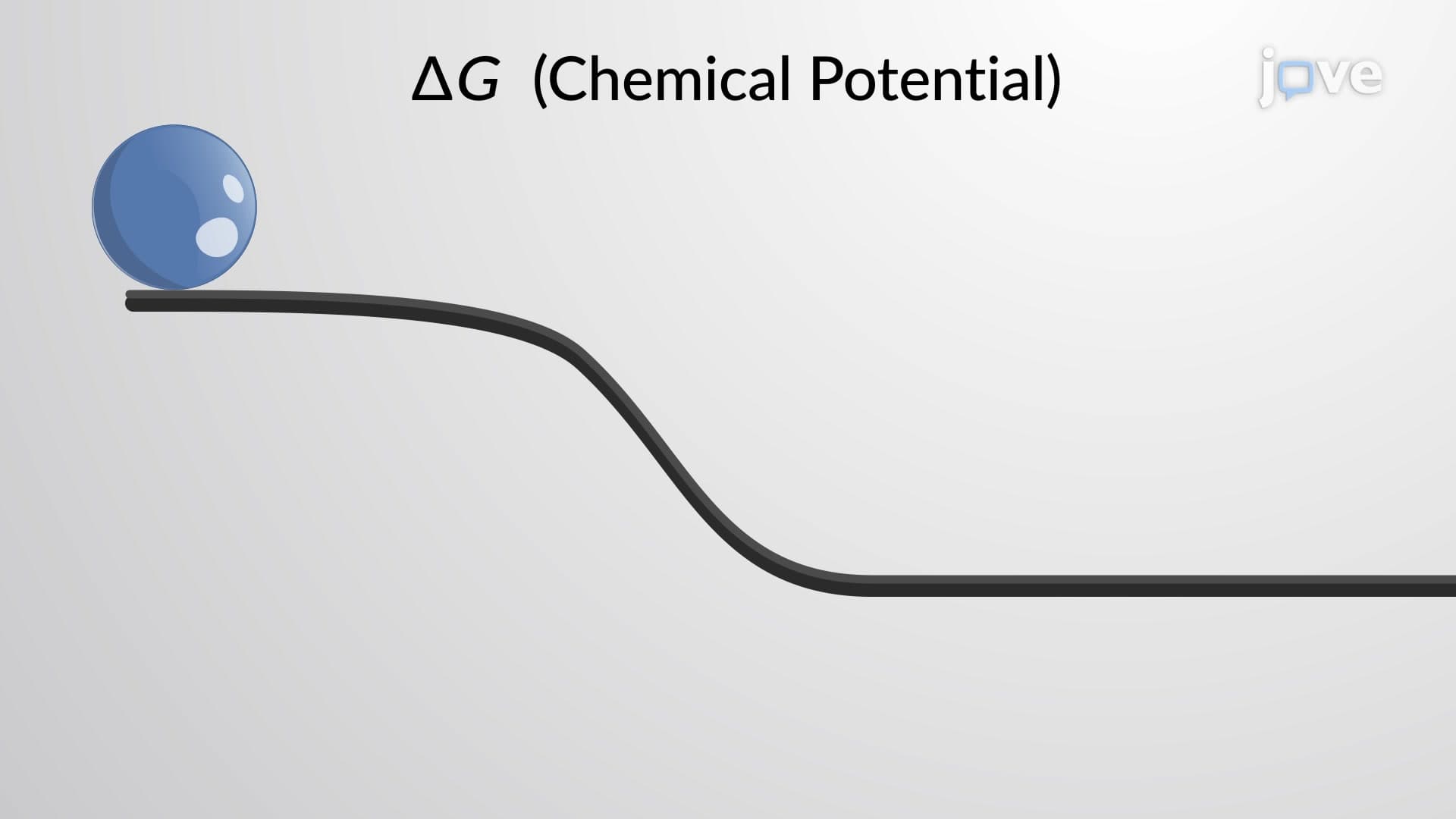
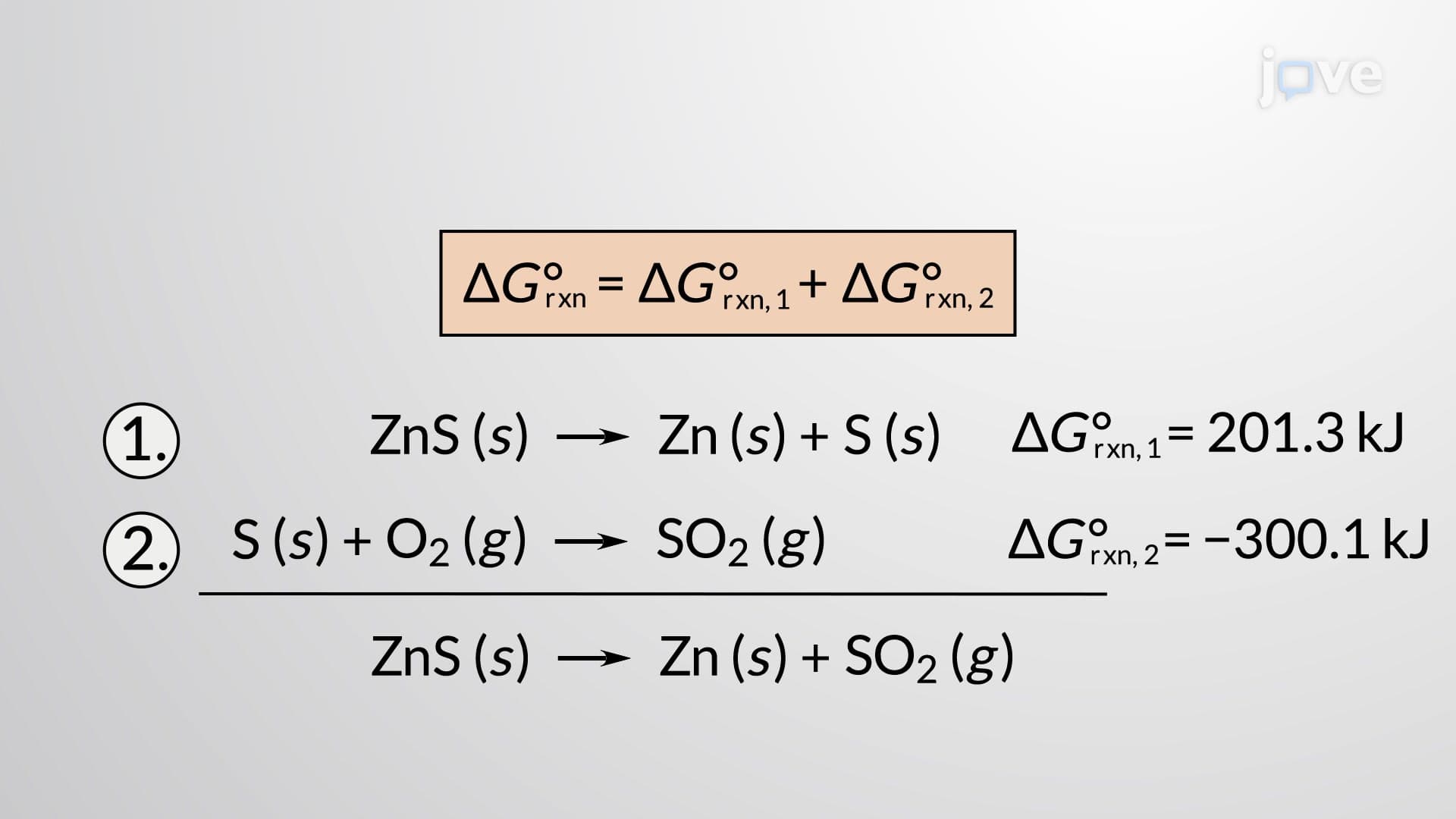
For AP Chemistry students, spontaneity connects to Gibbs free energy calculations, where negative ΔG values indicate spontaneous processes. College organic chemistry courses apply these principles to predict reaction feasibility and mechanism pathways.
Related Micro-courses