Loading video…


 10 Concepts
 251.1K views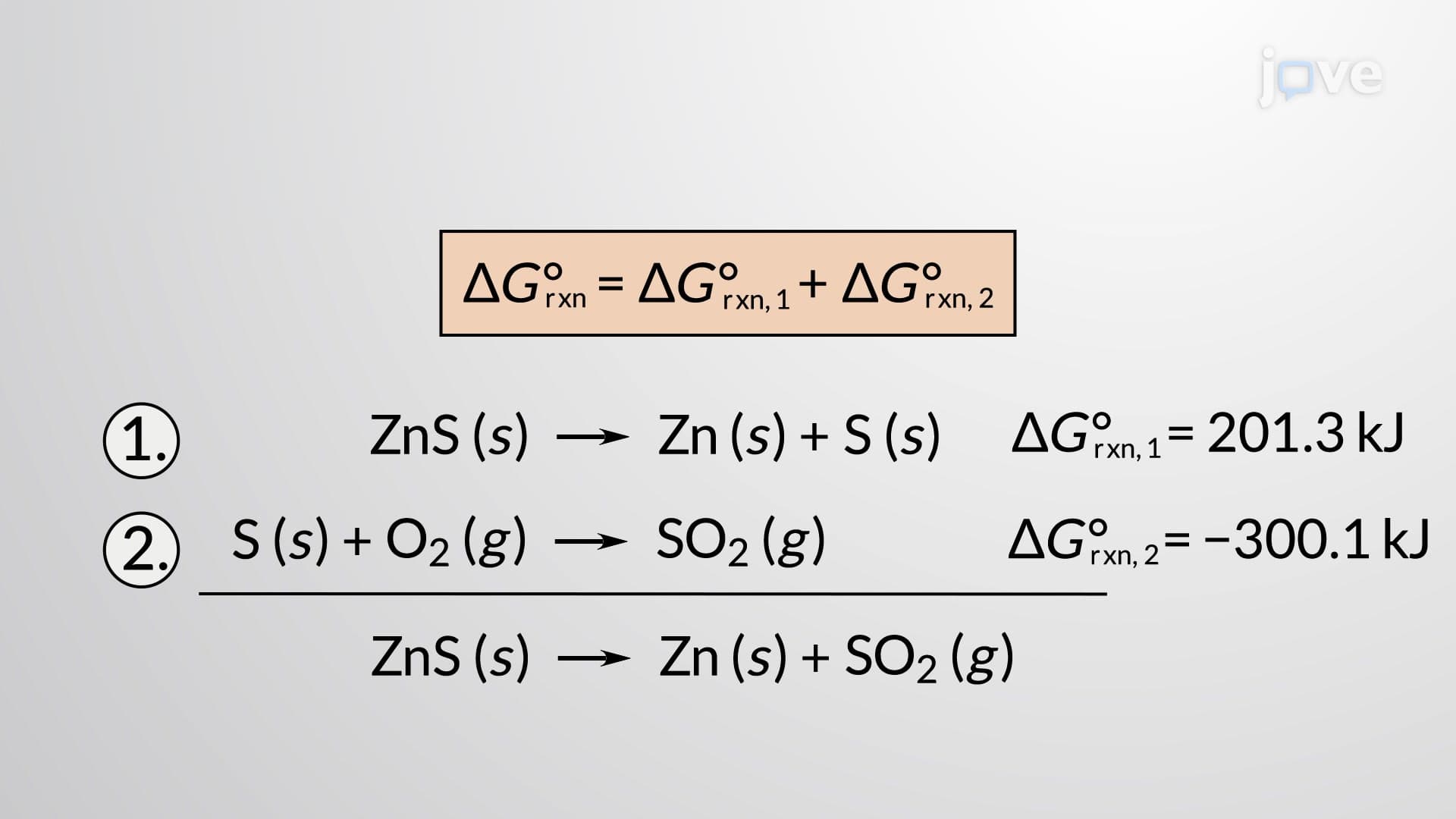

Video Summary: Calculating Standard Free Energy Changes Explained
Ever wondered why some chemical reactions happen instantly while others need a spark to get started? Calculating standard free energy changes reveals the thermodynamic driving force behind every reaction, from the rusting of steel bridges to the metabolism in your cells. This fundamental concept determines reaction spontaneity using three distinct calculation methods: the Gibbs-Helmholtz equation, formation energies, and Hess's law applications. Understanding these approaches helps predict whether industrial processes like ammonia synthesis will proceed favorably under standard conditions. Watch the full video on JoVE Coach to master this concept with expert-led visuals and step-by-step explanations.
Calculating standard free energy changes represents one of the most powerful tools in chemical thermodynamics, allowing scientists and engineers to predict whether reactions will occur spontaneously under standard conditions (25°C, 1 atm pressure, 1 M concentrations). This concept bridges the gap between molecular-level interactions and macroscopic observations, explaining everything from why certain pharmaceuticals are stable in storage to how petrochemical refineries optimize their processes.
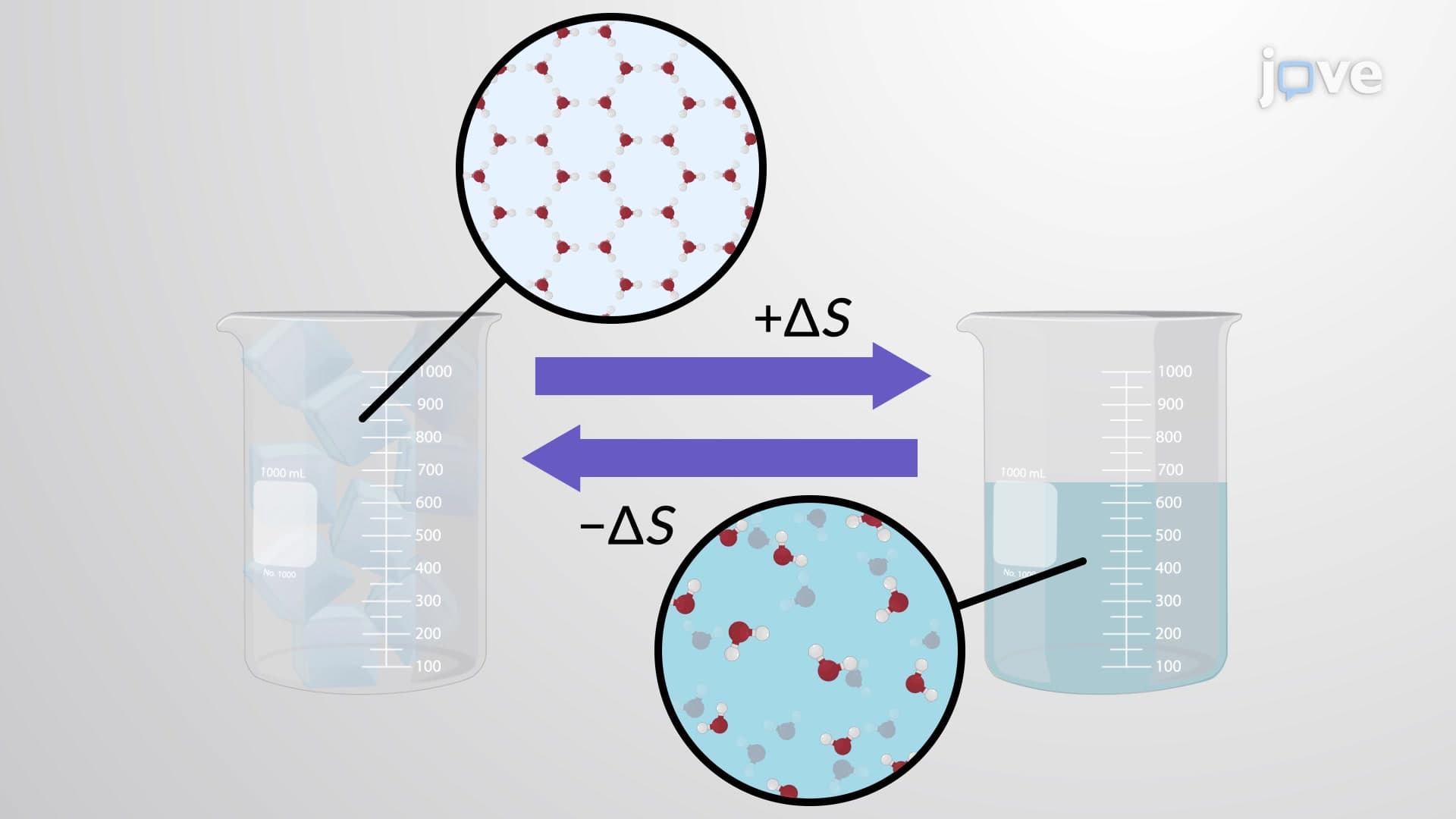
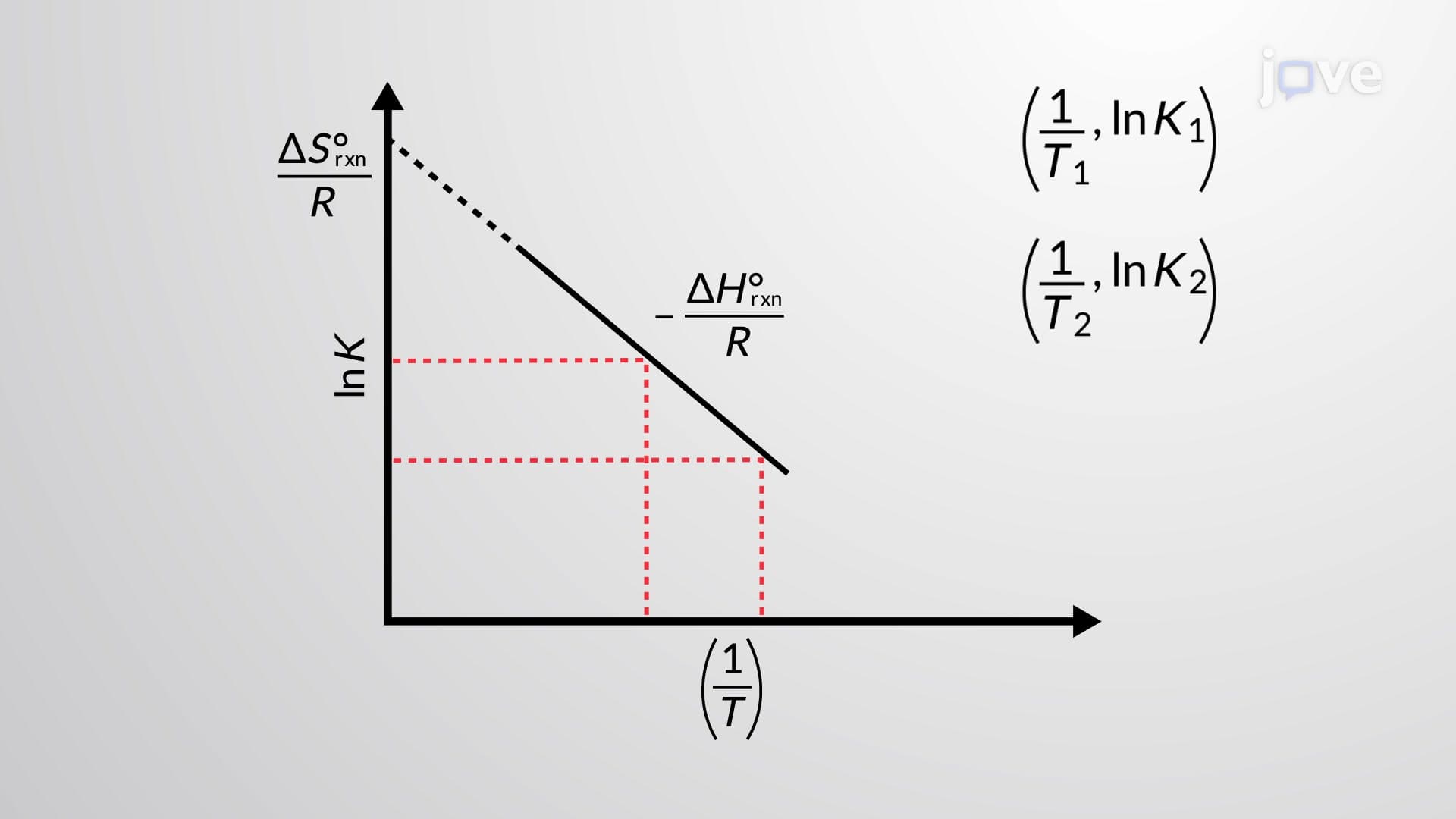
The fundamental equation ΔG° = ΔH° - TΔS° connects three critical thermodynamic quantities. Standard enthalpy changes (ΔH°) reflect the heat absorbed or released, while standard entropy changes (ΔS°) measure the disorder created or destroyed. Temperature (T) acts as the weighting factor that determines whether entropy or enthalpy dominates the process. For example, in steel production, the reduction of iron ore becomes more favorable at higher temperatures because the entropy term (-TΔS°) increasingly favors the reaction. This method proves essential for AP Chemistry students tackling thermodynamics problems and appears frequently on college general chemistry exams.
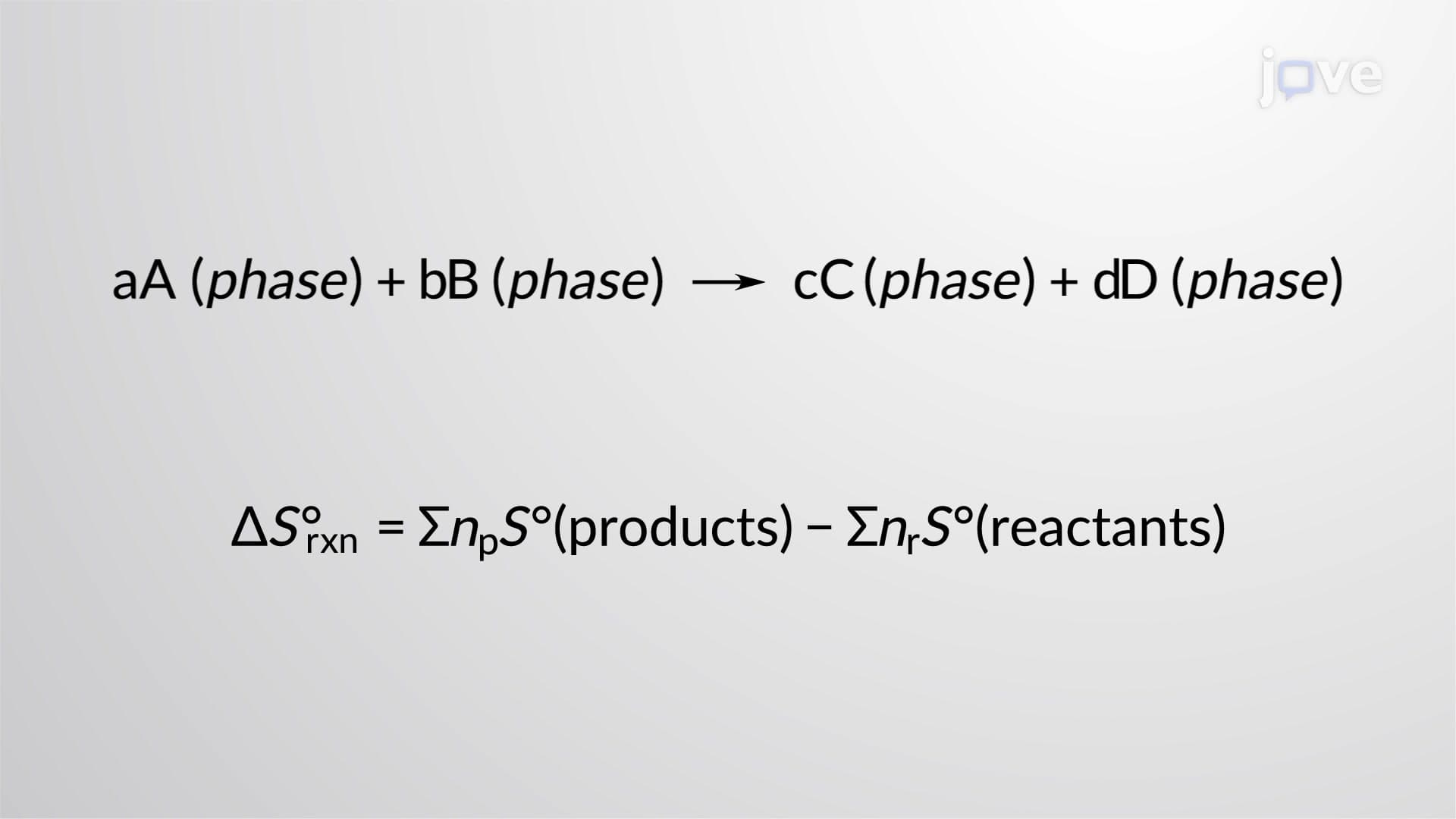
The formation energy approach uses tabulated ΔGf° values to calculate reaction free energies: ΔG°reaction = Σ(ΔGf° products) - Σ(ΔGf° reactants). This method mirrors Hess's law calculations but focuses on free energy rather than enthalpy. Consider the production of hydrogen chloride gas used in PVC manufacturing-the reaction between hydrogen and chlorine gases yields ΔG° = -190.6 kJ/mol, indicating strong spontaneity. This approach dominates MCAT physical chemistry sections and undergraduate quantitative analysis courses because it requires only table lookups and stoichiometric calculations.
Complex industrial processes often involve multiple steps, each with known free energy changes. The third method applies Hess's law principles to free energy, summing individual ΔG° values to determine overall feasibility. Metallurgical processes exemplify this approach-zinc sulfide roasting involves coupling a non-spontaneous oxidation with a highly spontaneous reduction, yielding a net favorable process. This concept frequently appears in chemical engineering thermodynamics courses and helps students understand how industrial chemists design economically viable processes by strategically combining favorable and unfavorable reactions.
Related Micro-courses