Loading video…


 10 Concepts
 251.1K views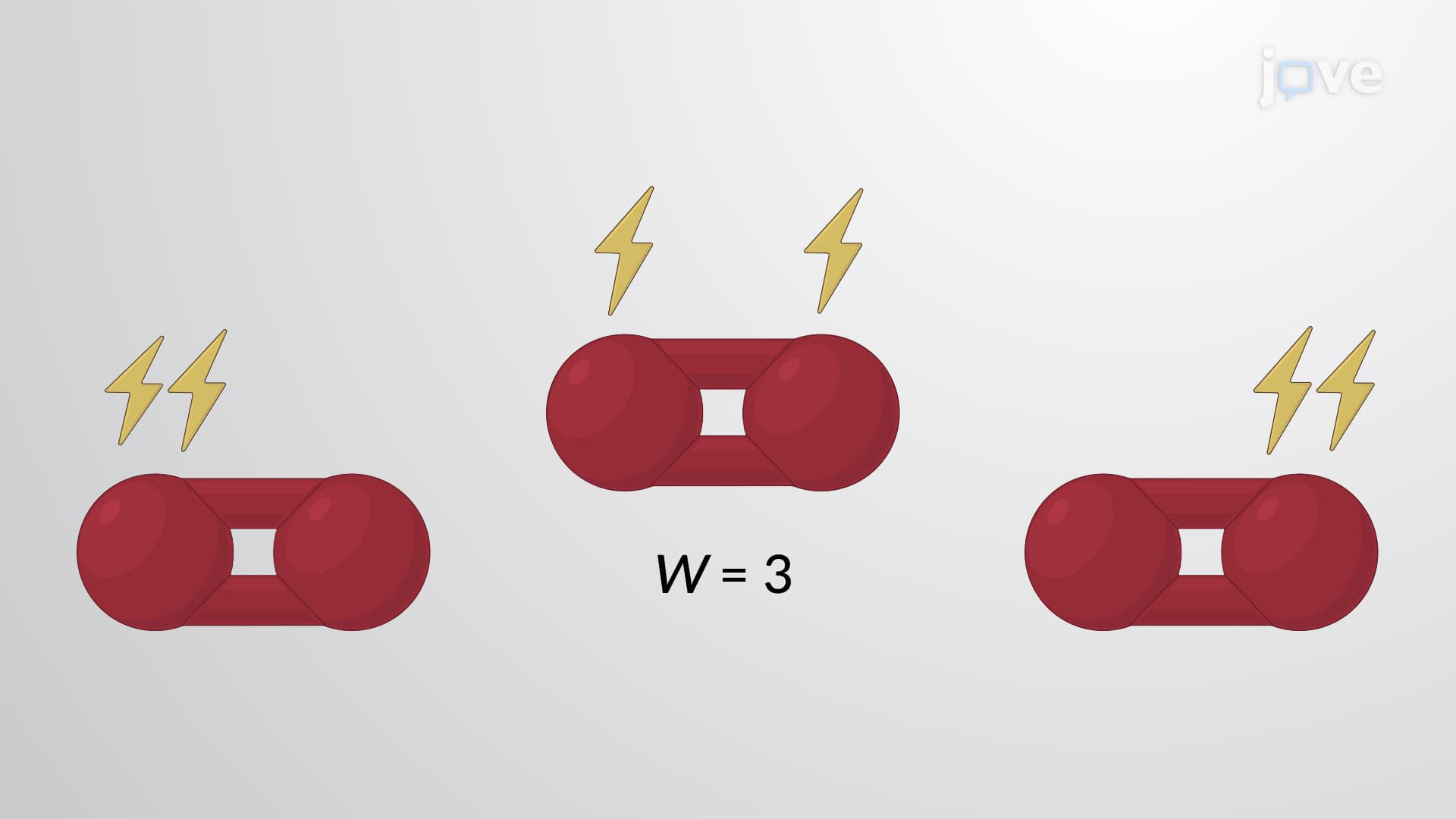

Video Summary: What Is Entropy
Ever wonder why your room naturally becomes messy but never spontaneously cleans itself? This everyday observation reveals a fundamental principle of thermodynamics: entropy, the measure of disorder in any system. From the random motion of gas molecules in car engines to the thermal efficiency of power plants across the United States, entropy governs how energy flows and transforms in our universe. Watch the full video on JoVE Coach to master this concept with expert-led visuals and step-by-step explanations.
Entropy represents one of the most profound concepts in physical science, quantifying the inherent randomness within any thermodynamic system. Unlike energy or mass, entropy measures something intangible yet fundamental: how dispersed or disorganized matter and energy become over time. This concept proves essential for students preparing for AP Chemistry exams, college-level physical chemistry courses, and pre-med requirements including the MCAT.
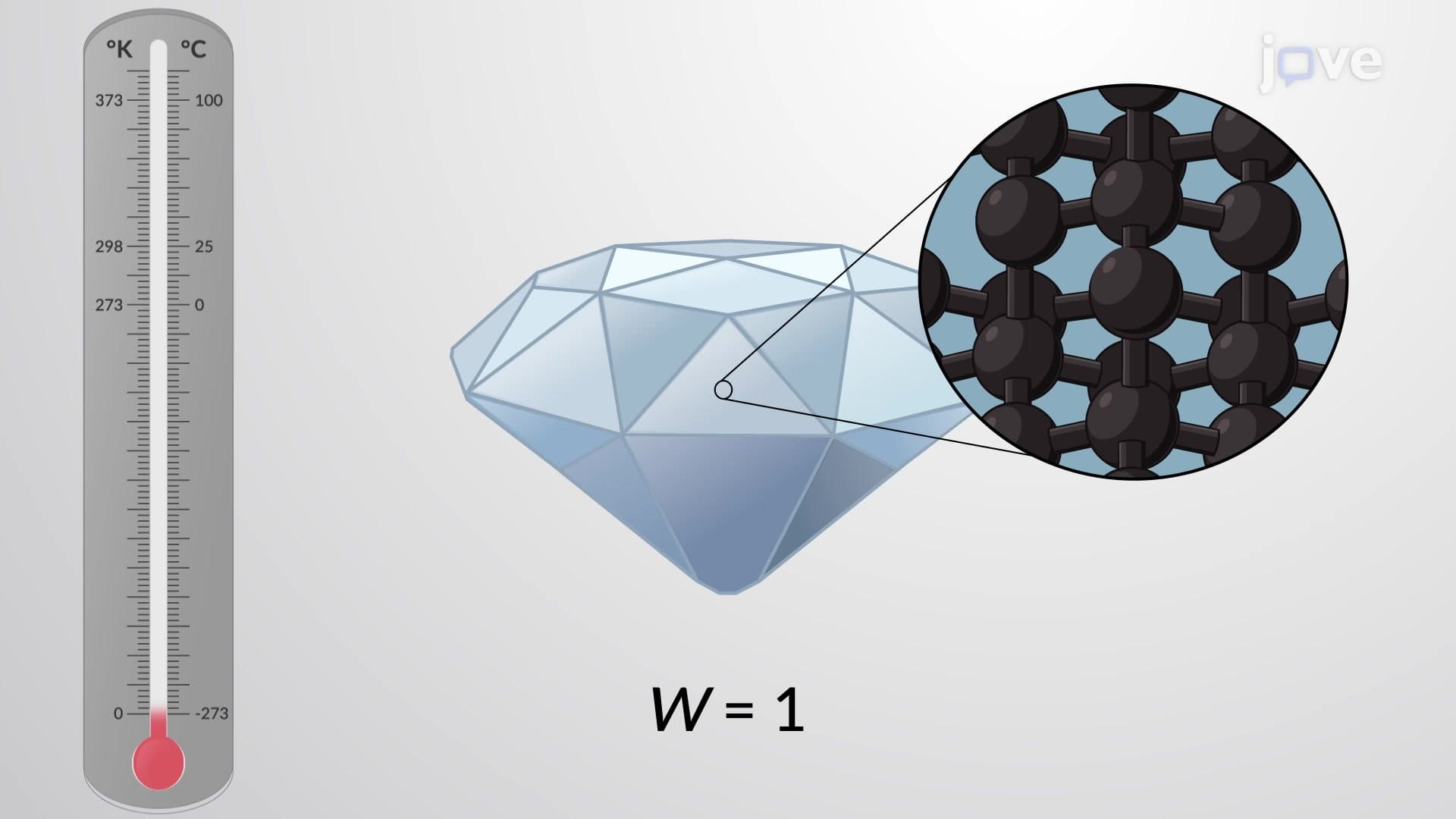
The mathematical foundation rests on Boltzmann's groundbreaking equation: S = k ln W, where S represents entropy, k equals Boltzmann's constant (1.38 × 10^-23 J/K), and W counts the number of energetically equivalent microstates. Each microstate represents a distinct arrangement of atoms, molecules, or energy that produces the same overall system properties. For instance, when examining gas molecules in a car's combustion chamber, countless arrangements of molecular positions and velocities create the same temperature and pressure-each arrangement constitutes a unique microstate.
The relationship between molecular structure and entropy becomes apparent when comparing substances under standard conditions. Consider the entropy difference between water (H₂O) at 70 J/(mol·K) and ethanol (C₂H₅OH) at 161 J/(mol·K) at 25°C. Ethanol's higher entropy reflects its greater molecular complexity, providing more ways for atoms to vibrate, rotate, and translate within the molecule.
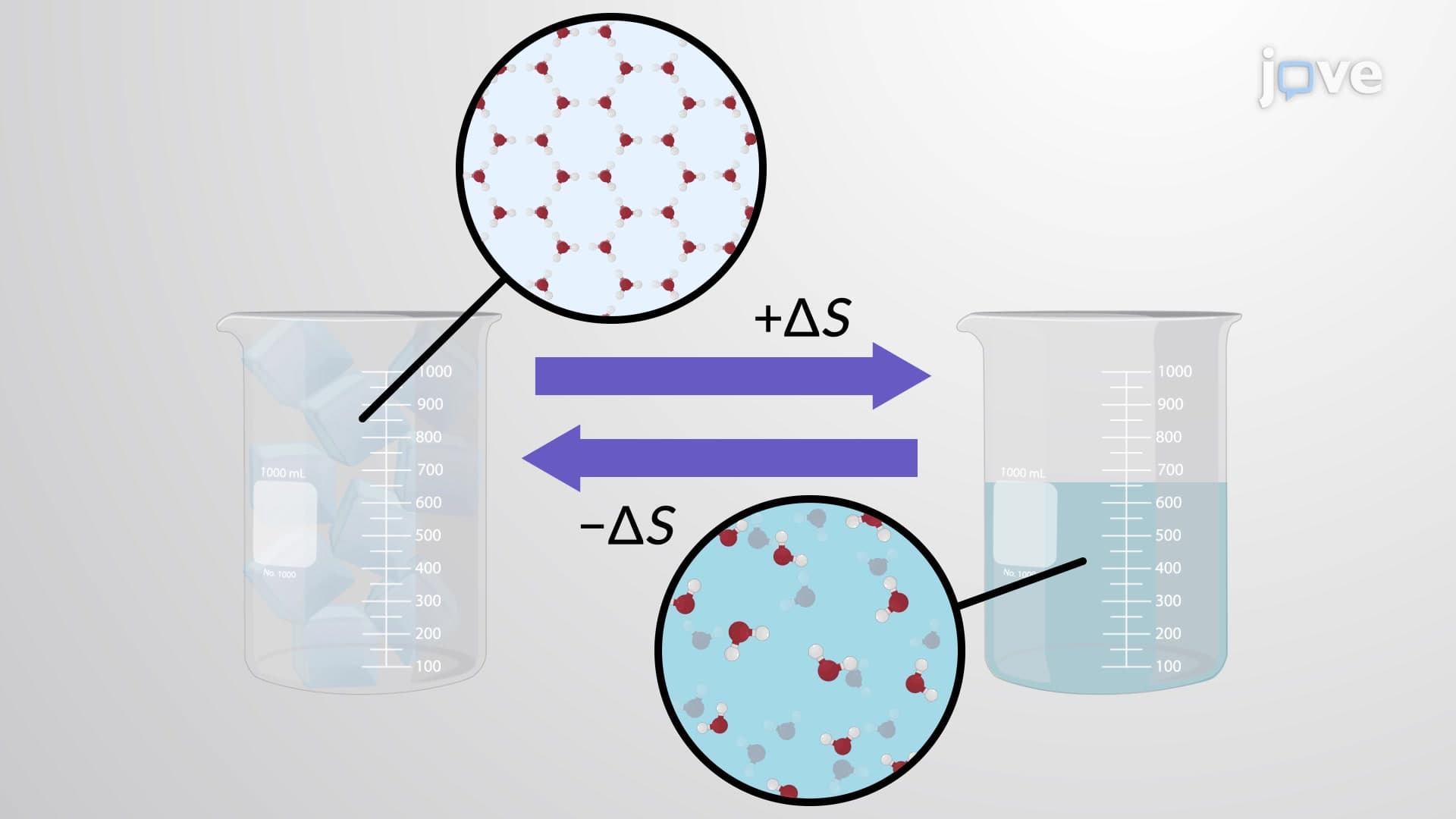
Phase transitions demonstrate entropy's dependence on molecular freedom. Ice crystals maintain rigid, ordered structures with limited molecular movement, resulting in low entropy. Liquid water allows greater molecular motion and positional flexibility, increasing entropy significantly. Water vapor exhibits maximum entropy as gas molecules move independently throughout available space. This progression-solid < liquid < gas-applies universally and frequently appears in thermodynamics problems on standardized exams.
Rising temperature directly increases entropy by enhancing molecular kinetic energy. Higher temperatures enable more vibrational modes in molecules, more rotational states, and greater translational motion-all contributing additional microstates to the system. This principle explains why steam turbines in power plants across the United States operate most efficiently with superheated steam, where high entropy drives maximum energy conversion.
Industrial processes leverage entropy concepts for optimization. Chemical engineers designing distillation columns for petroleum refineries must account for entropy changes during separation processes. The mixing of different hydrocarbon fractions increases entropy, while separation requires energy input to decrease entropy locally-though total universal entropy still increases, satisfying the Second Law of Thermodynamics.
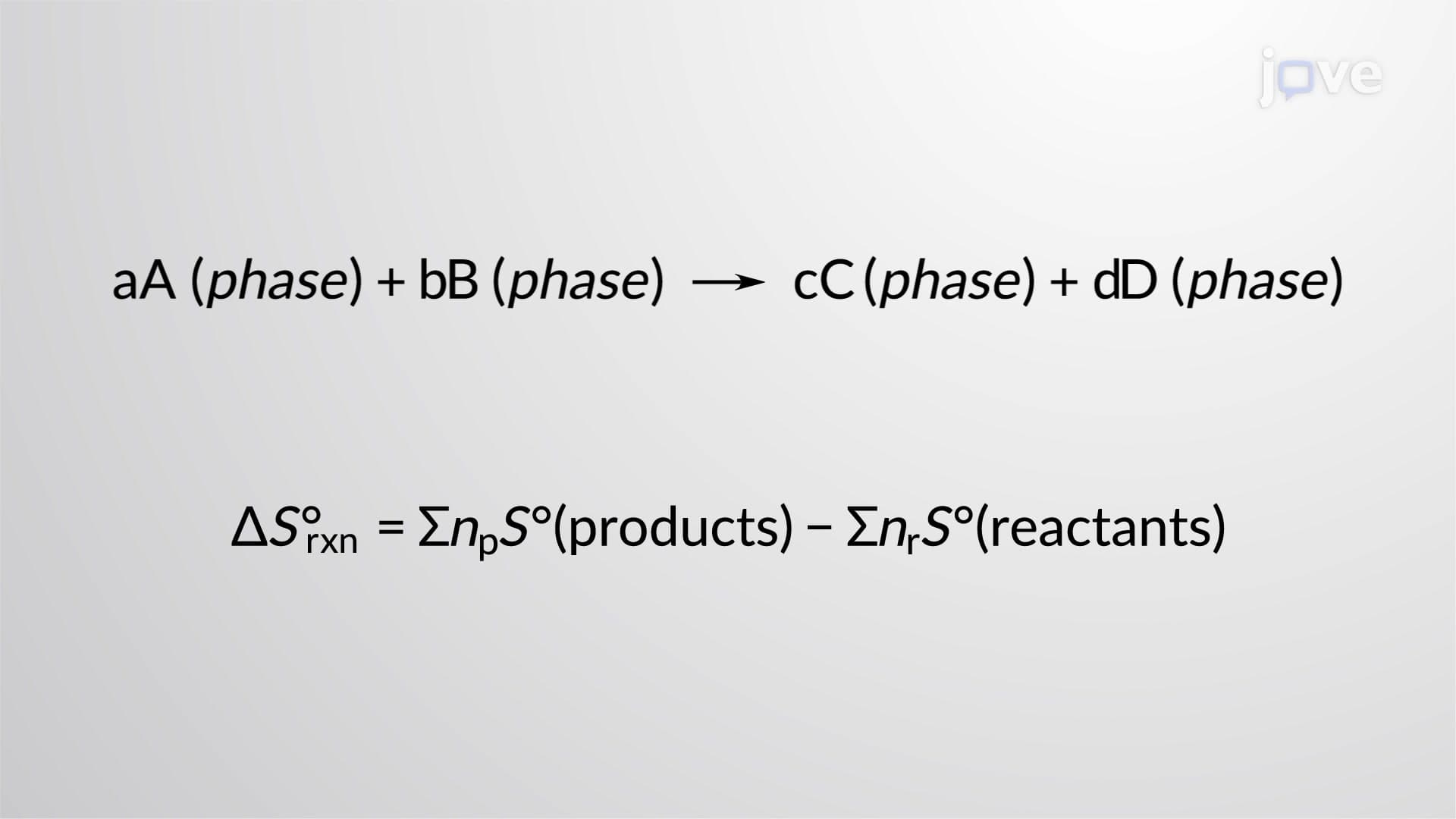
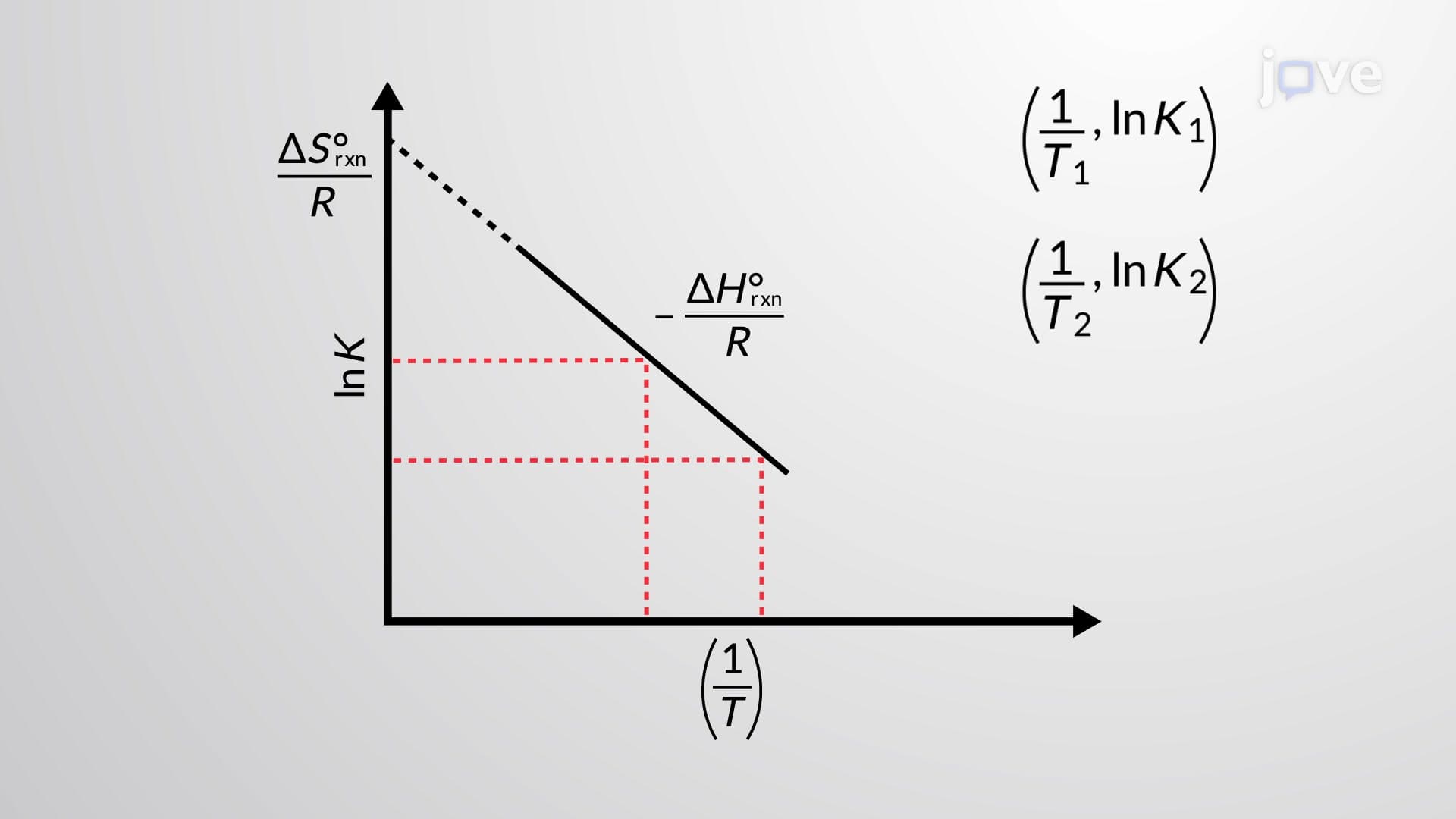
Understanding entropy proves crucial for predicting reaction spontaneity, calculating equilibrium constants, and designing energy-efficient processes-skills that directly support success in advanced chemistry courses and professional applications in engineering, medicine, and environmental science.
Related Micro-courses