Loading video…


 6 Concepts
 2.8K views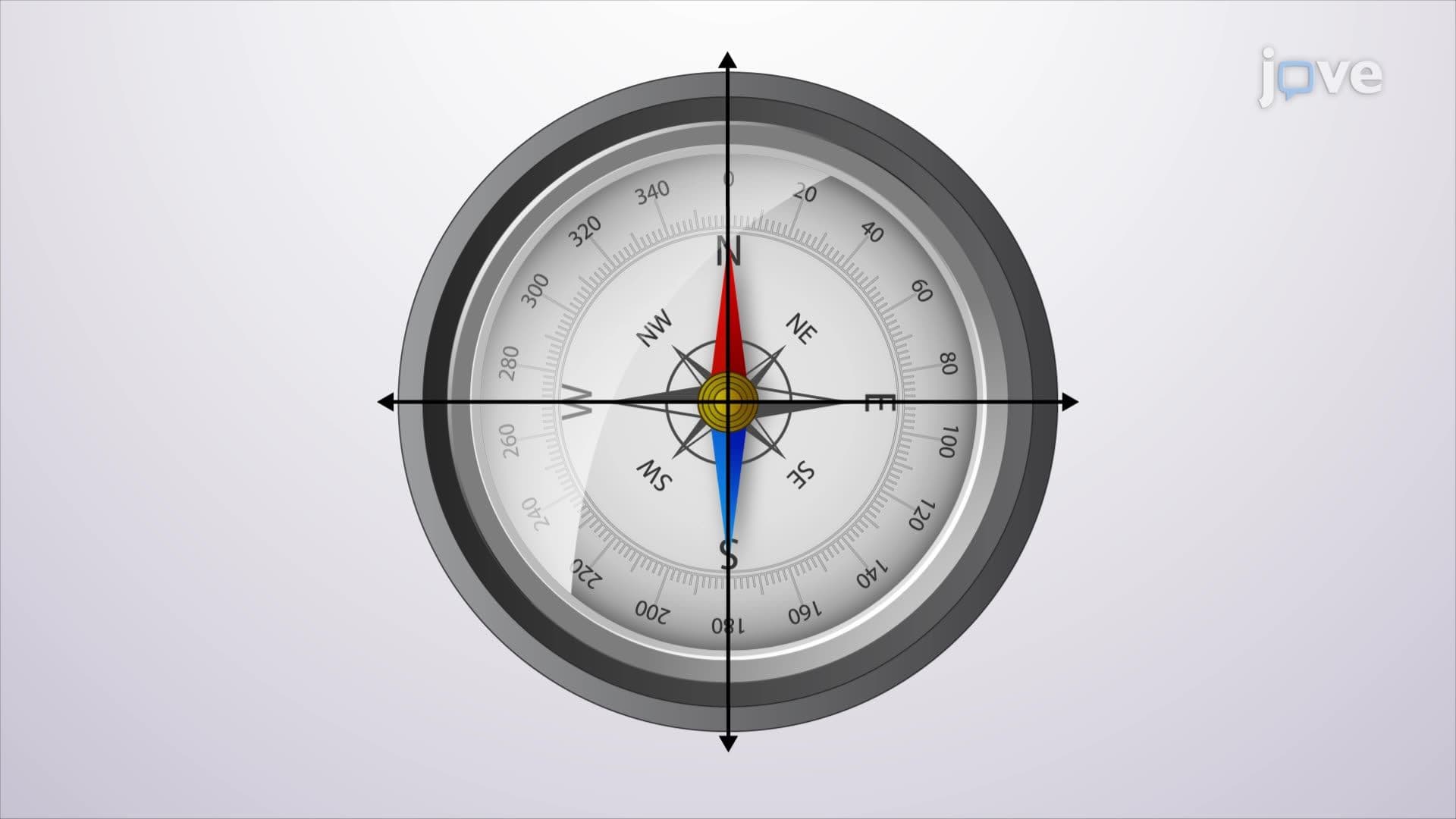

Video Summary: What Is Compass
Imagine trying to navigate the vast wilderness of Yellowstone National Park without GPS-early explorers relied entirely on compasses for survival. Magnetic declination represents the crucial angular difference between magnetic north (where a compass points) and true north (actual geographic north pole). In Seattle, Washington, this declination measures approximately 15 degrees east, meaning compass readings require significant correction for accurate navigation. What is Compass reveals how this fundamental surveying instrument shaped American exploration and development. Watch the full video on JoVE Coach to master this concept with expert-led visuals and step-by-step explanations.
A compass represents one of humanity's most ingenious navigation tools, functioning as a simple yet sophisticated magnetic instrument. The device operates on the fundamental principle that a magnetized needle aligns itself with Earth's magnetic field lines, consistently pointing toward magnetic north. This seemingly straightforward mechanism enabled centuries of exploration, territorial expansion, and scientific advancement across the American continent.
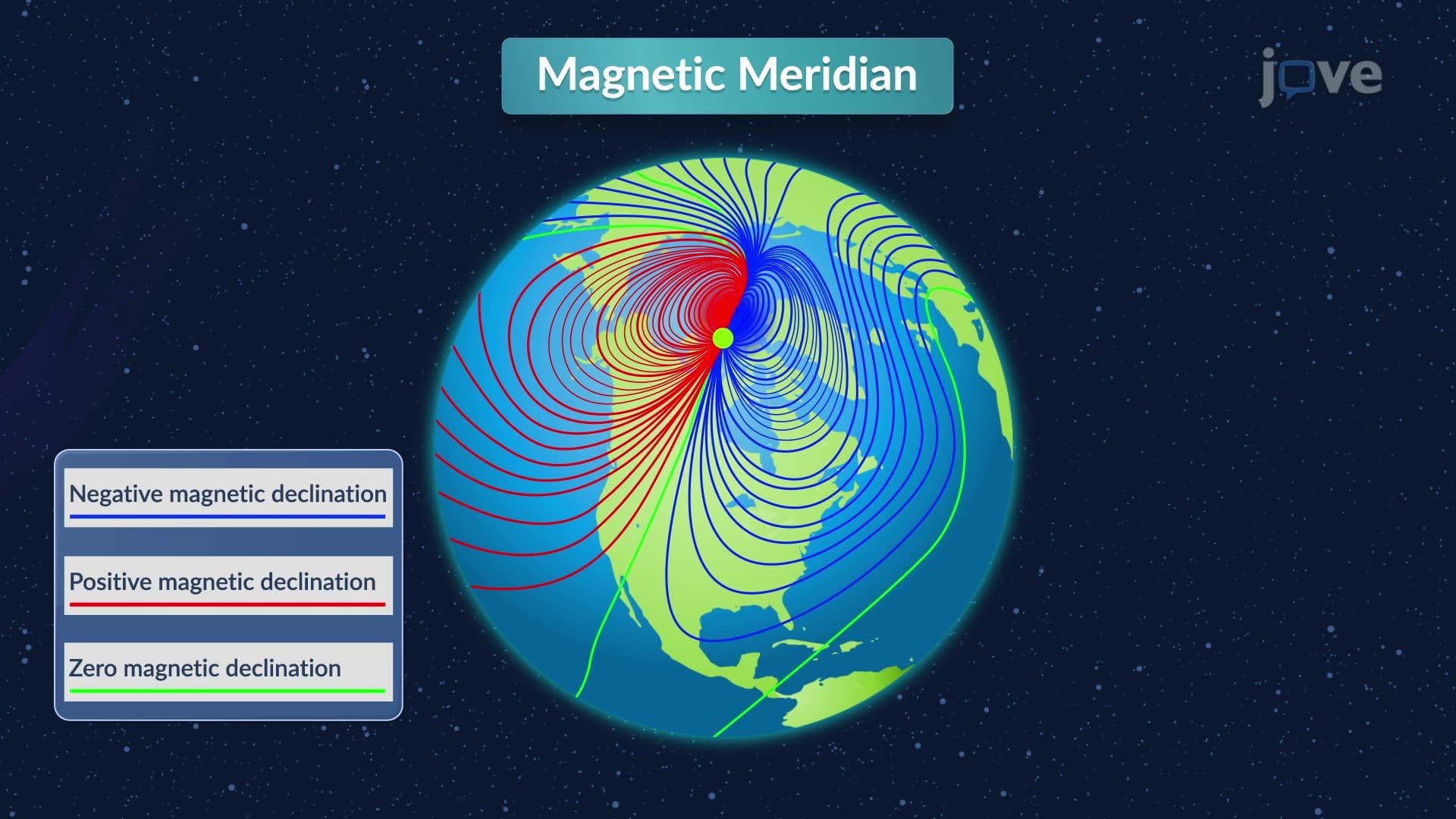
Magnetic declination forms the cornerstone of accurate compass navigation, representing the angular difference between magnetic north (where your compass needle points) and true north (the actual geographic North Pole). This declination varies significantly across the United States-ranging from approximately 20 degrees west in Maine to 15 degrees east in Washington State. Understanding this concept proves essential for AP Environmental Science students studying navigation systems and for college-level geography courses exploring spatial analysis.
The declination's variability stems from Earth's complex magnetic field geometry. Unlike a simple bar magnet, our planet's magnetic field originates from dynamic electrical currents flowing through the liquid iron outer core, approximately 1,800 miles beneath the surface. These currents create magnetic poles that don't align with geographic poles and shift position over time-a phenomenon called secular variation.
Professional surveyors, forest rangers, and military personnel across the United States rely on precise declination calculations daily. The U.S. Geological Survey maintains detailed declination maps updated every five years, providing location-specific values essential for accurate land surveying and property boundary determination. For instance, a surveyor working in Colorado must apply a declination correction of approximately 8 degrees east to convert magnetic compass readings into true bearings for legal property descriptions.
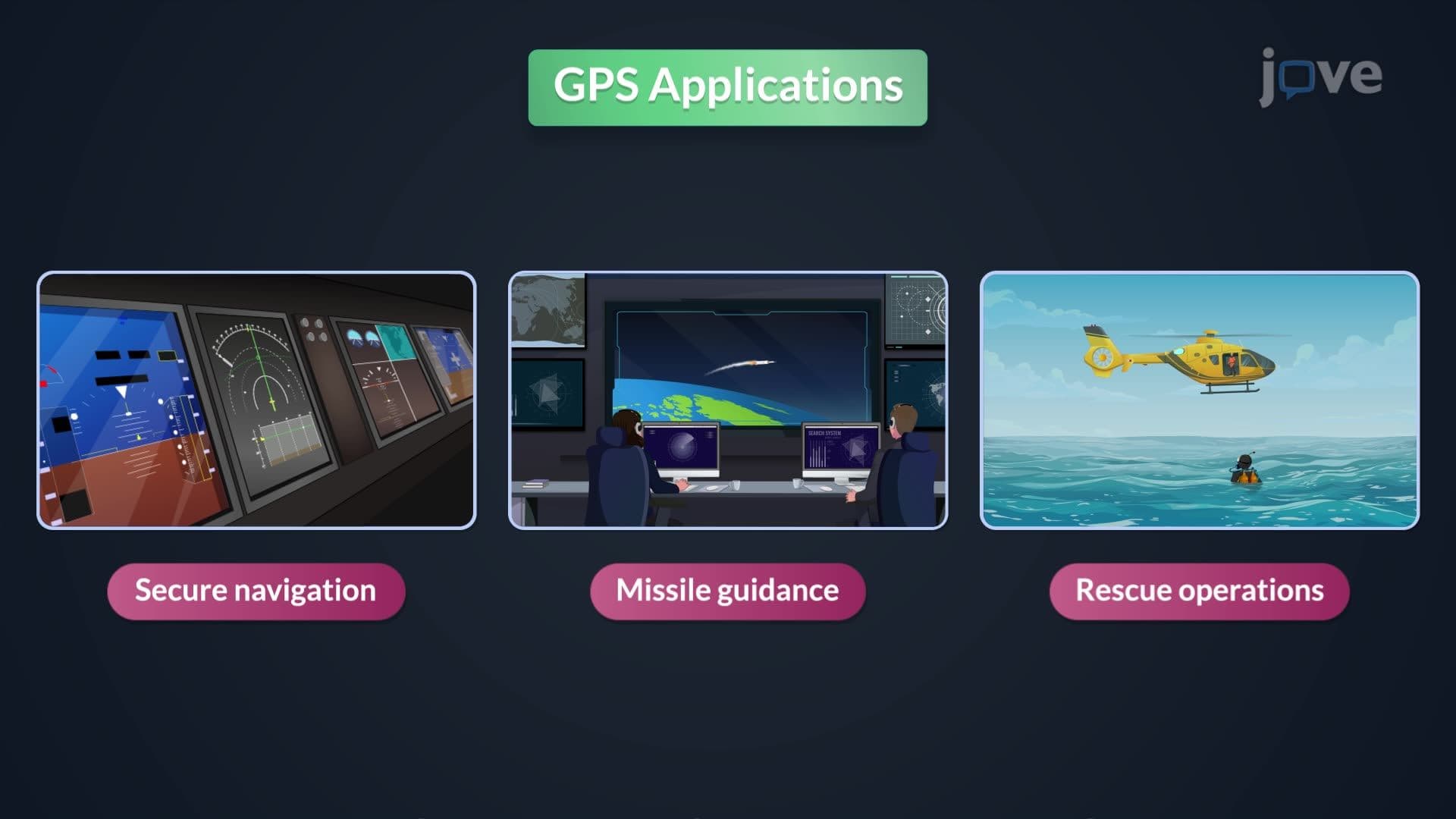
Modern compass applications extend beyond traditional navigation. Search and rescue operations in national parks like Glacier or Grand Canyon depend on compass skills when electronic devices fail. The Federal Aviation Administration requires student pilots to demonstrate compass navigation proficiency, incorporating magnetic declination calculations into flight planning procedures.
The compass revolutionized American westward expansion, enabling Lewis and Clark's expedition and countless pioneer journeys. Today's SAT Subject Tests and AP Physics courses often include compass-related problems, testing students' understanding of magnetic field interactions and practical navigation calculations. College-level surveying programs at institutions like Penn State and Virginia Tech continue emphasizing compass fundamentals alongside advanced GPS technology, recognizing that reliable navigation requires understanding both traditional and modern methods.
Related Micro-courses