Loading video…


 6 Concepts
 1.3K views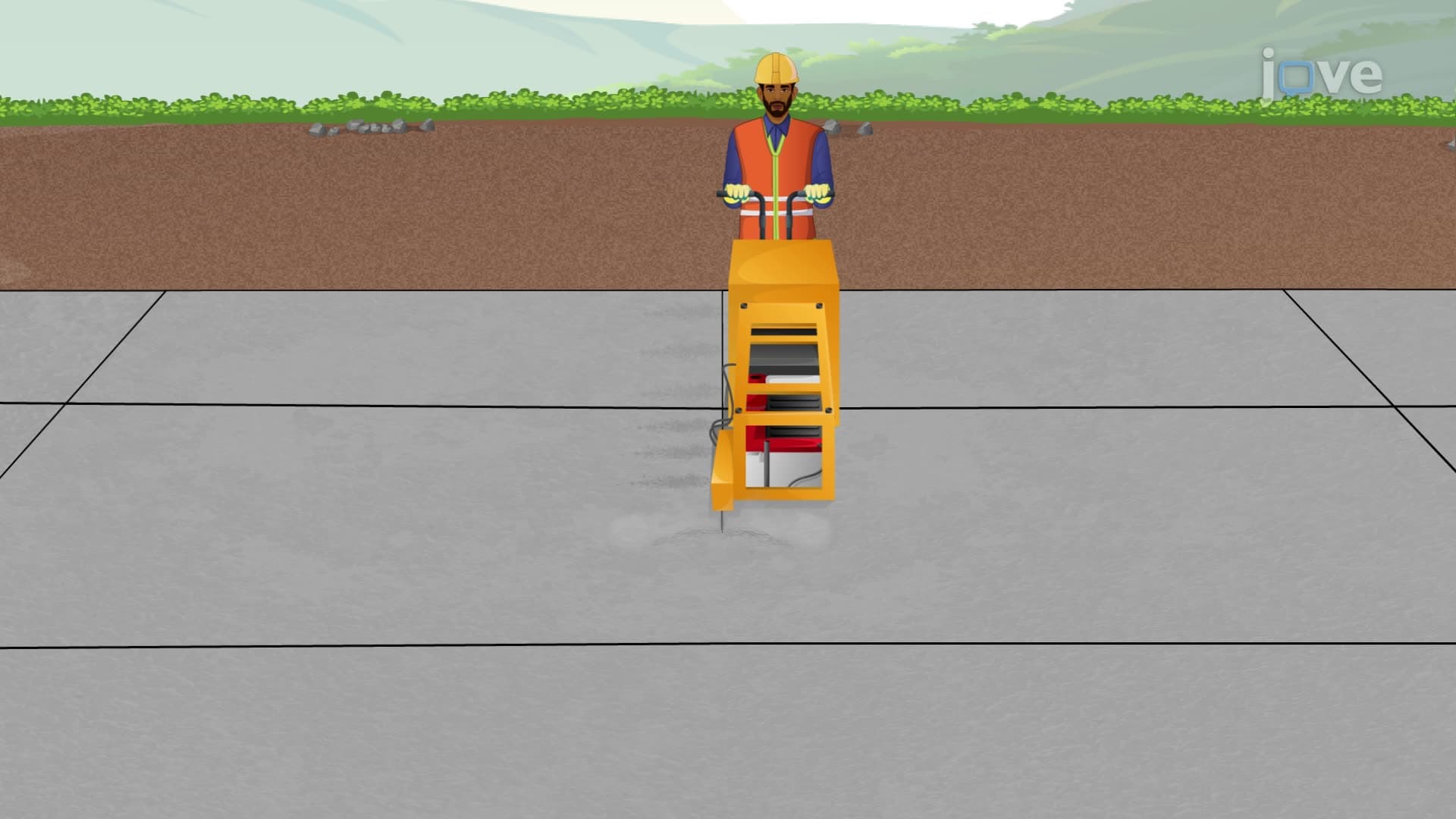

Video Summary: What Is Design Example Joints
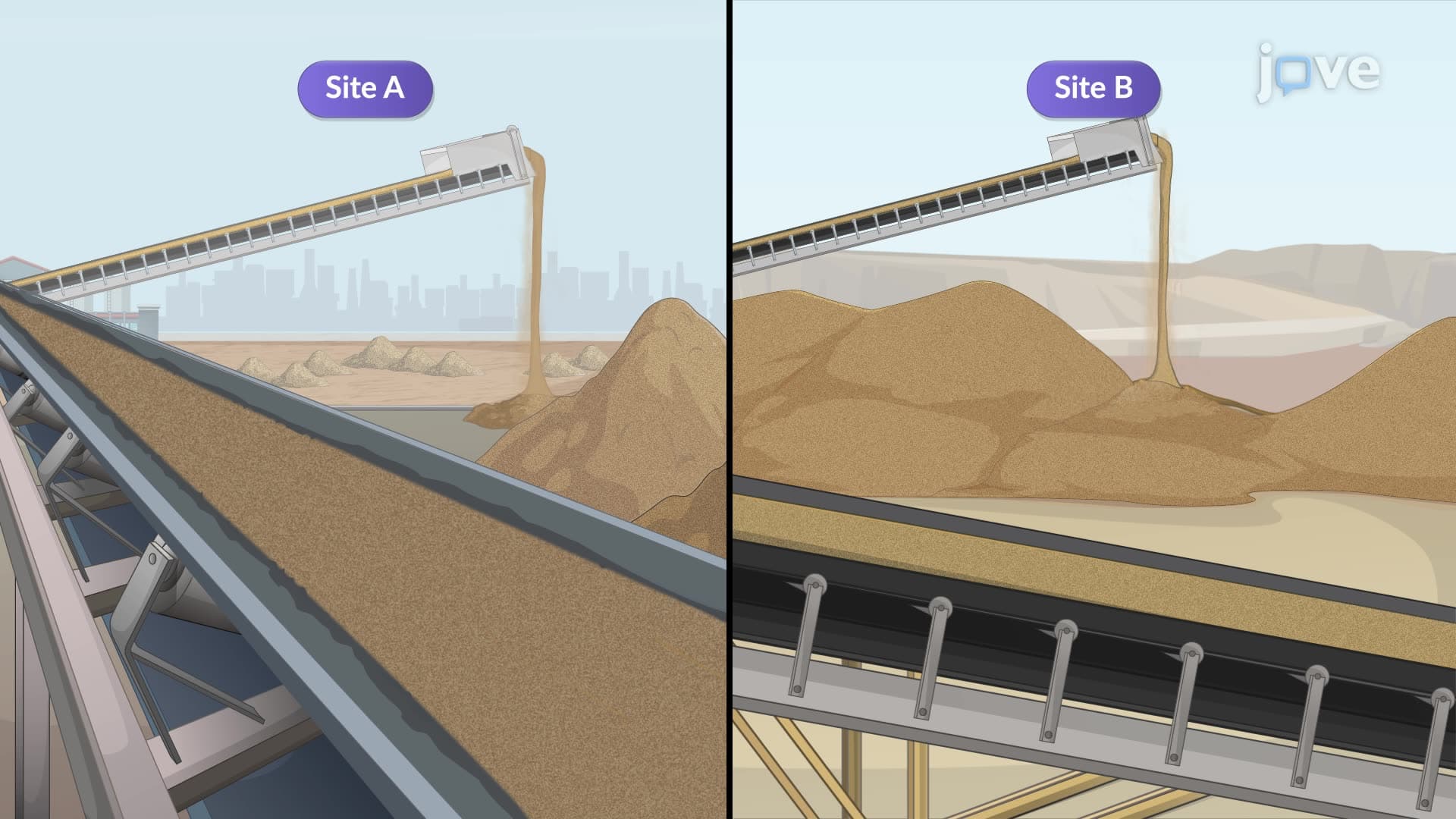
Did you know that major US highways like Interstate 95 require strategic gaps every 15-20 feet to prevent concrete from cracking? Design example joints are carefully engineered breaks in concrete pavements that control where and how cracks form, preventing random damage that could cost millions in repairs. For instance, when Florida's Department of Transportation extends concrete highways, engineers use four specific joint types-construction, expansion, isolation, and contraction joints-each serving a unique purpose in pavement longevity. Watch the full video on JoVE Coach to master this concept with expert-led visuals and step-by-step explanations.
Design example joints represent a fundamental engineering solution to one of concrete's biggest challenges: its tendency to crack unpredictably. These strategically placed discontinuities in concrete pavements serve as predetermined weak points, directing natural stresses to specific locations rather than allowing random crack formation throughout the structure.
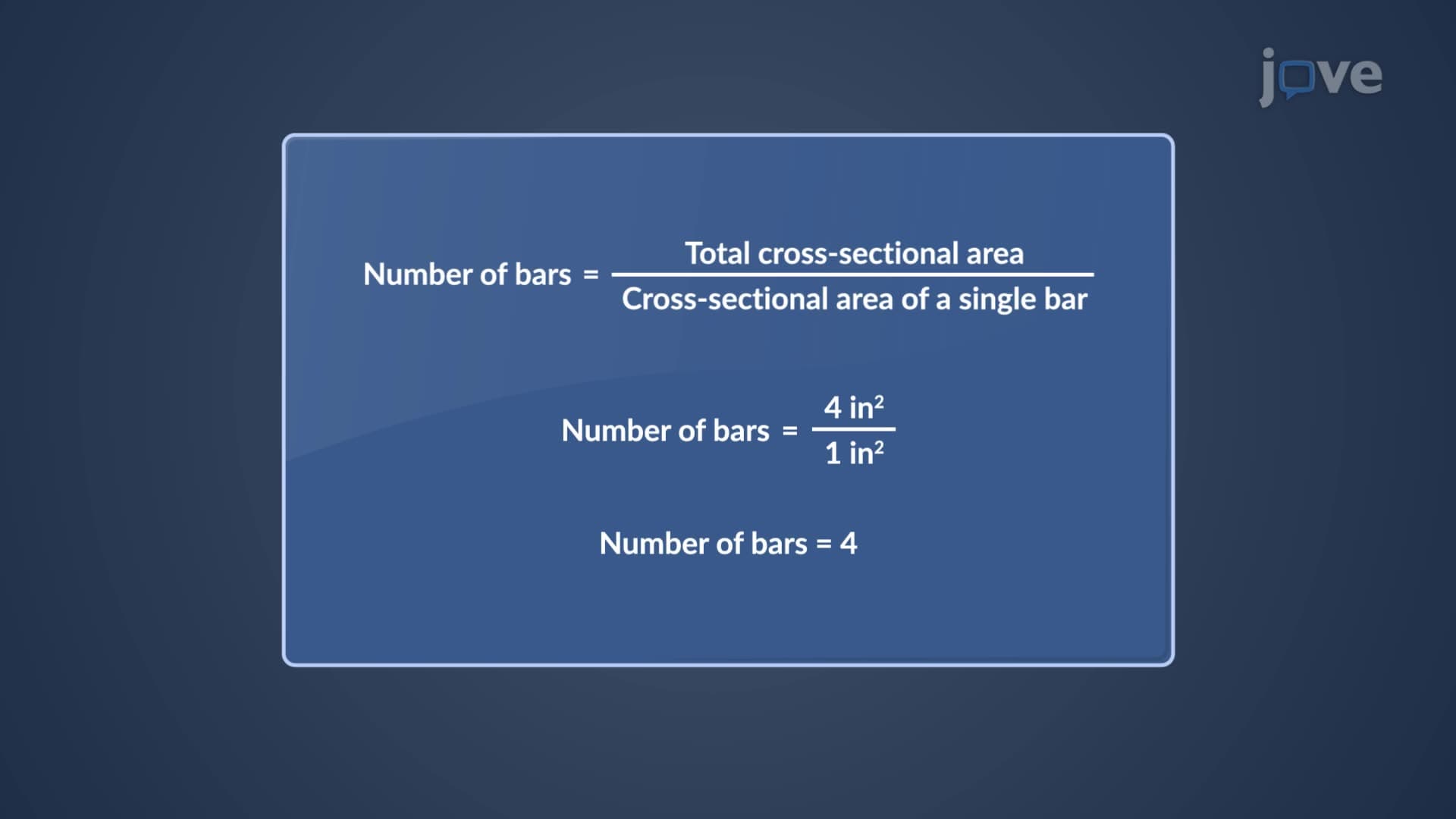
Construction joints address the practical challenge of extending existing pavements. When the Texas Department of Transportation adds new sections to Interstate 35, these joints create a controlled interface between old and new concrete. Dowel bars, typically 1.25-inch diameter steel rods, are embedded halfway into the existing slab and extend into the new pour. This creates mechanical continuity while allowing for slight differential movement. The spacing of these dowel bars-usually 12 inches on center-follows American Concrete Institute (ACI) specifications that ensure proper load distribution across the joint interface.
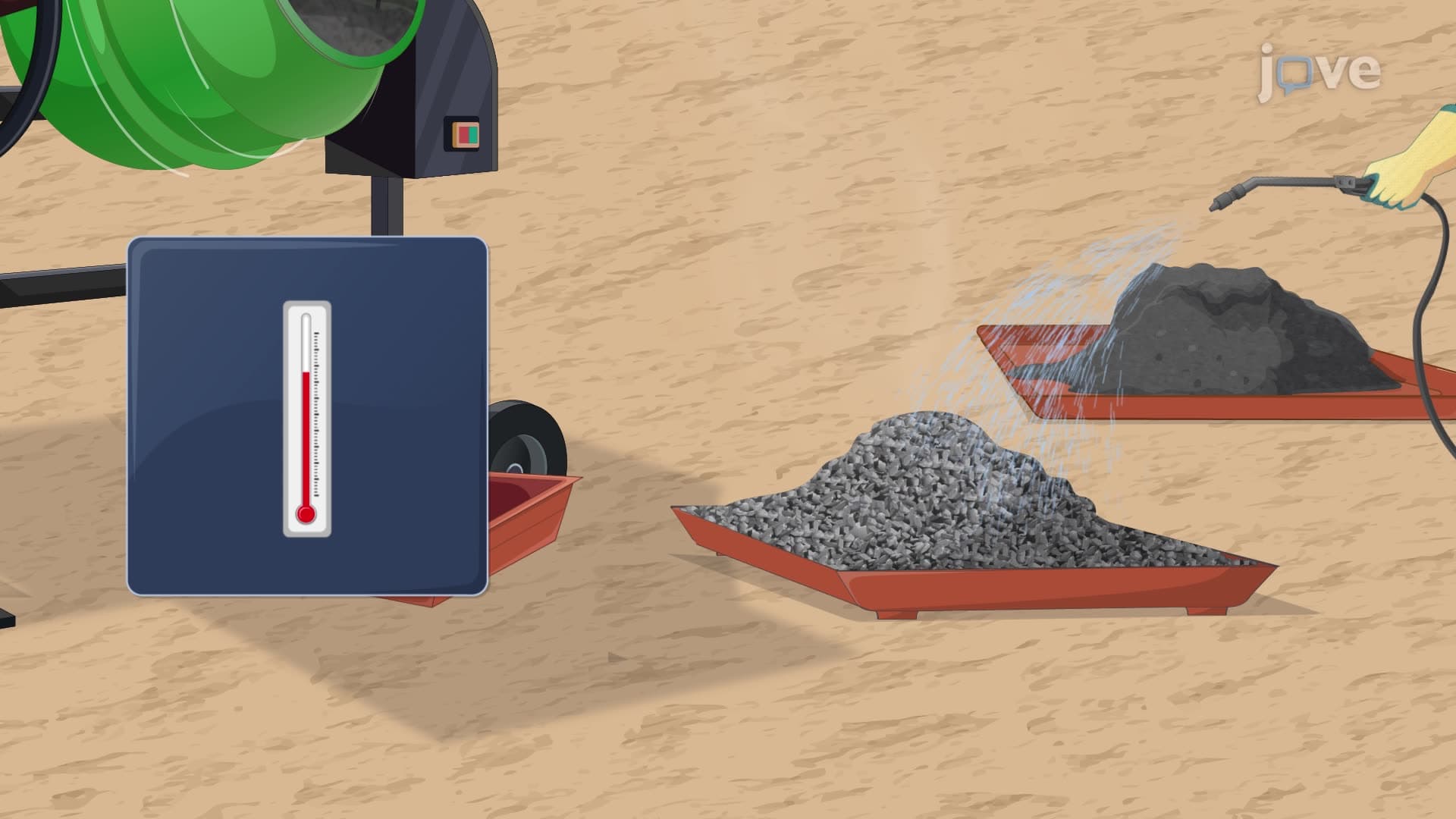
Concrete's thermal coefficient of expansion creates significant challenges in climates with extreme temperature variations. In Arizona, where summer pavement temperatures can exceed 160°F, expansion joints accommodate the substantial growth concrete experiences. These joints typically feature compressible filler materials like fibered asphalt or cork, sealed with elastomeric compounds that maintain flexibility across temperature ranges.
Contraction joints serve the opposite purpose, controlling shrinkage-induced cracking. These joints are typically sawed within 6-24 hours of concrete placement, when the material has gained sufficient strength to prevent raveling but remains soft enough for easy cutting. The timing is critical-too early and the concrete tears; too late and random cracks have already formed.
Isolation joints protect both the pavement and adjacent structures from damage caused by differential settlement or thermal movement. Around manholes, utility boxes, or building foundations, these joints-typically 0.5 inches wide-are filled with compressible materials that absorb movement without transmitting stress. This prevents the common cracking patterns seen around rigid obstacles in concrete pavements.
These concepts frequently appear in AP Physics courses when discussing thermal expansion, and civil engineering students encounter detailed joint design in materials science and structural design courses. Understanding joint mechanics also proves valuable for students planning careers in construction management or municipal engineering.
Related Micro-courses