Loading video…


 7 Concepts
 3.2K views

Video Summary: What Is Bandpass Sampling
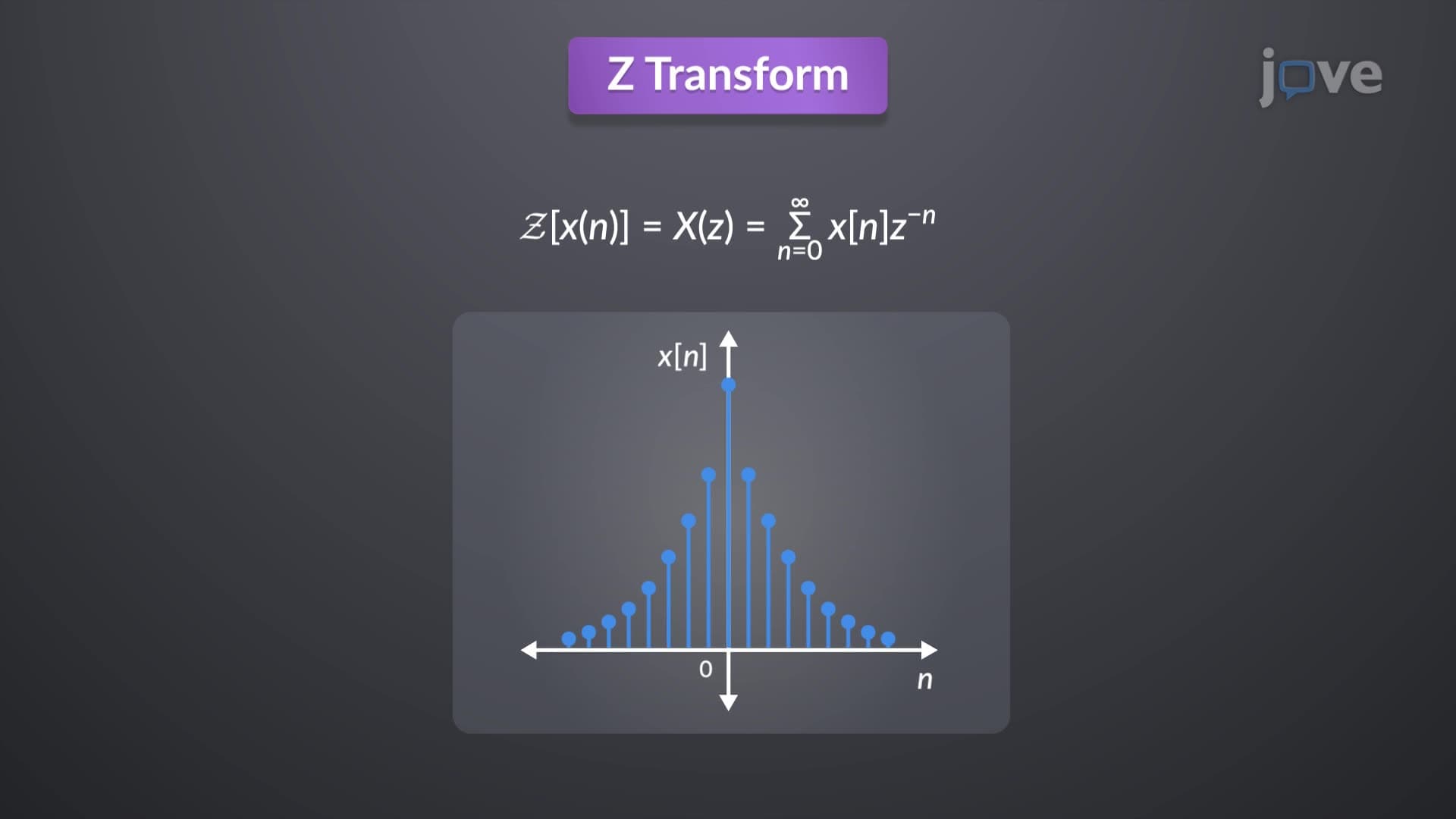
Did you know that your smartphone's GPS receiver uses specialized sampling techniques to filter out unwanted radio frequencies while preserving the satellite signals it needs? The definition of z transform principles underlie many digital signal processing concepts, including what is bandpass sampling - a technique that efficiently samples signals concentrated in narrow frequency bands rather than sampling the entire frequency spectrum. For example, AM radio receivers use bandpass sampling to isolate specific radio stations from the crowded airwaves. Watch the full video on JoVE Coach to master this concept with expert-led visuals and step-by-step explanations.
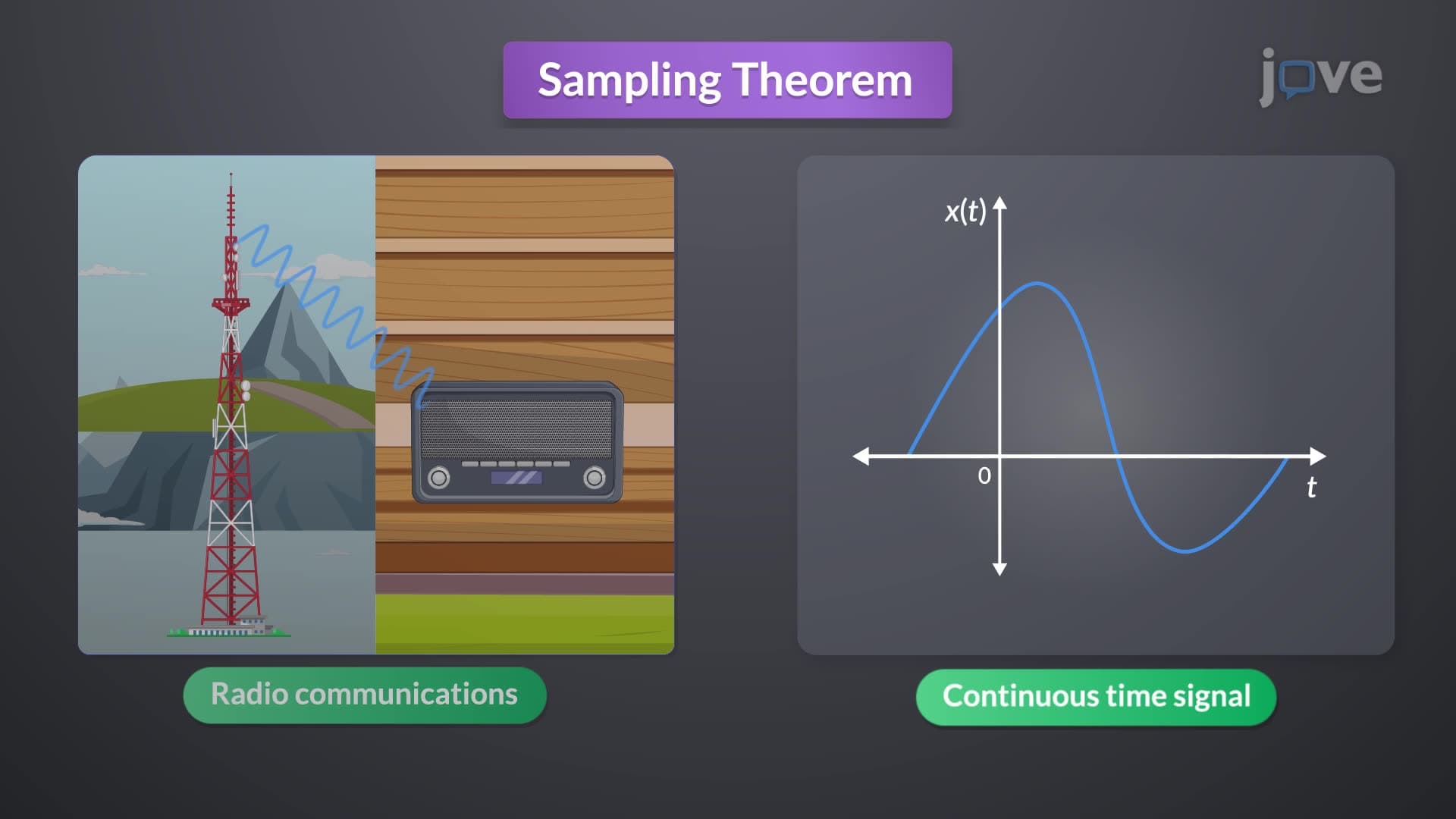
What is bandpass sampling represents a specialized digital signal processing technique that efficiently handles signals whose energy is concentrated within narrow frequency bands, rather than spread across the entire frequency spectrum. Unlike traditional sampling that follows the standard Nyquist criterion, bandpass sampling exploits the specific characteristics of narrowband signals to achieve more efficient data acquisition and processing.
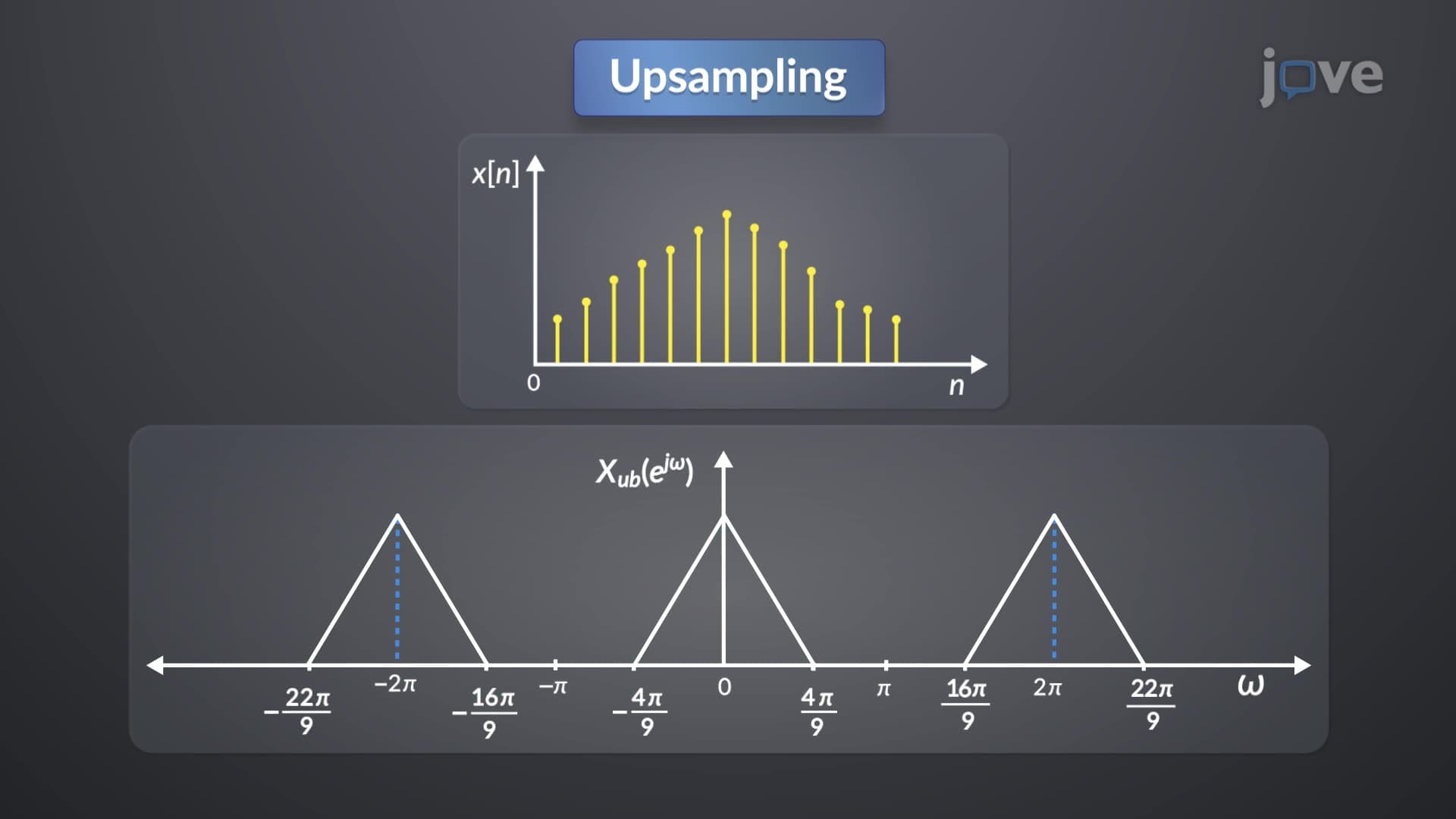
The definition of z transform concepts provide the mathematical framework for understanding how bandpass sampling manipulates frequency domain representations. When a bandpass signal undergoes sampling, the resulting spectrum exhibits periodic repetition with intervals determined by the sampling frequency. This repetition occurs because multiplying the time-domain signal by an impulse train creates spectral convolution effects that repeat the original signal's frequency content at regular intervals.
The critical insight lies in recognizing that bandpass signals have most of their energy concentrated between specific lower and upper frequency limits, with the lower frequency limit often exceeding the signal's total bandwidth. This characteristic allows engineers to use sampling rates lower than twice the highest frequency component, provided they carefully avoid spectral overlap that causes aliasing.
American telecommunications infrastructure extensively employs bandpass sampling in cellular networks, where base stations must efficiently process multiple narrowband channels simultaneously. For instance, 4G LTE systems use bandpass sampling to isolate individual user channels from the wider frequency spectrum, enabling efficient data transmission without interference. Similarly, radar systems used by the Federal Aviation Administration (FAA) for air traffic control implement bandpass sampling to detect aircraft while filtering out weather-related clutter.
Students preparing for AP Physics or college-level signals and systems courses frequently encounter bandpass sampling problems that test understanding of frequency domain analysis and aliasing prevention. The MCAT occasionally includes questions about medical imaging applications where bandpass sampling optimizes ultrasound or MRI signal processing. Engineering students studying for the Fundamentals of Engineering (FE) exam must understand how bandpass sampling applies to communication system design and digital filter implementation.
The concept also appears in advanced coursework covering software-defined radio (SDR) systems, where students learn to implement bandpass sampling algorithms for applications ranging from amateur radio to military communications systems used by US defense contractors.
Related Micro-courses