Loading video…


 8 Concepts
 4.6K views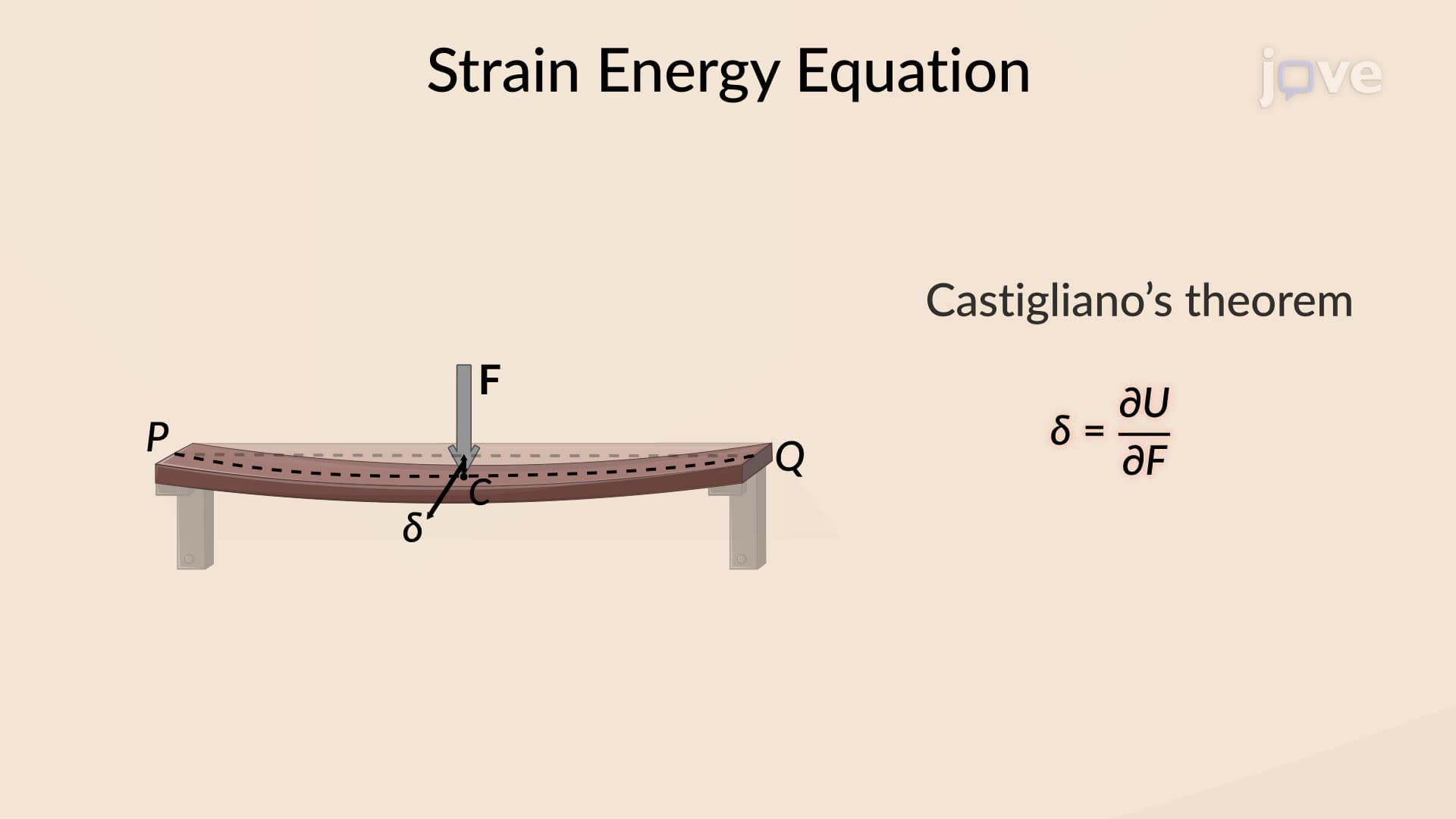

Video Summary: Castiglianos Theorem Problem Solving Explained
Did you know that engineers can predict exactly how much a bridge beam will sag under load without building expensive prototypes? Castigliano's theorem problem solving makes this possible by using calculus to determine structural deflections. For instance, when designing the Golden Gate Bridge's support beams, engineers used these principles to ensure the structure could handle traffic loads safely. This powerful method transforms complex beam analysis into manageable mathematical steps, helping students master structural mechanics fundamentals. Watch the full video on JoVE Coach to master this concept with expert-led visuals and step-by-step explanations.
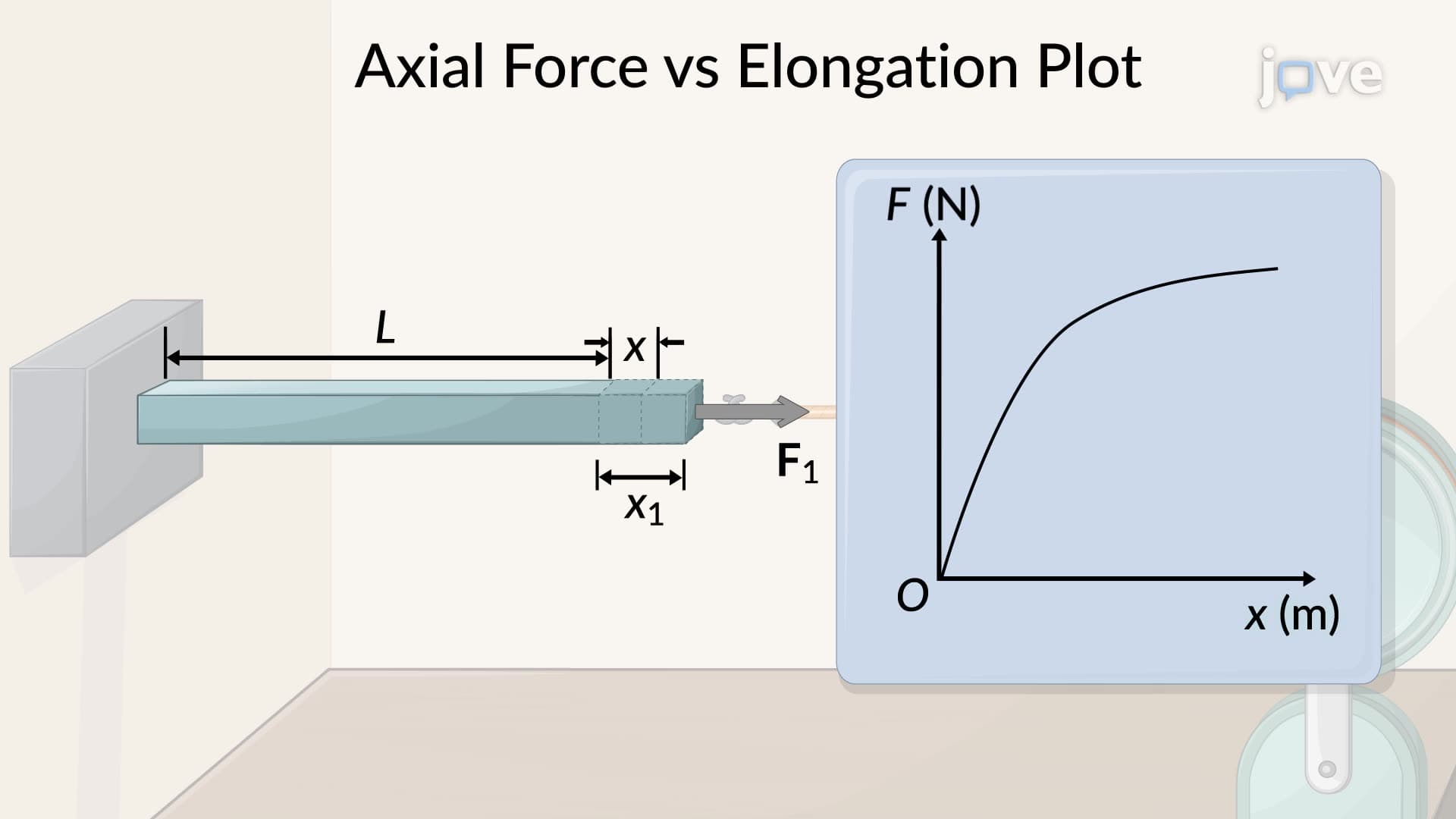
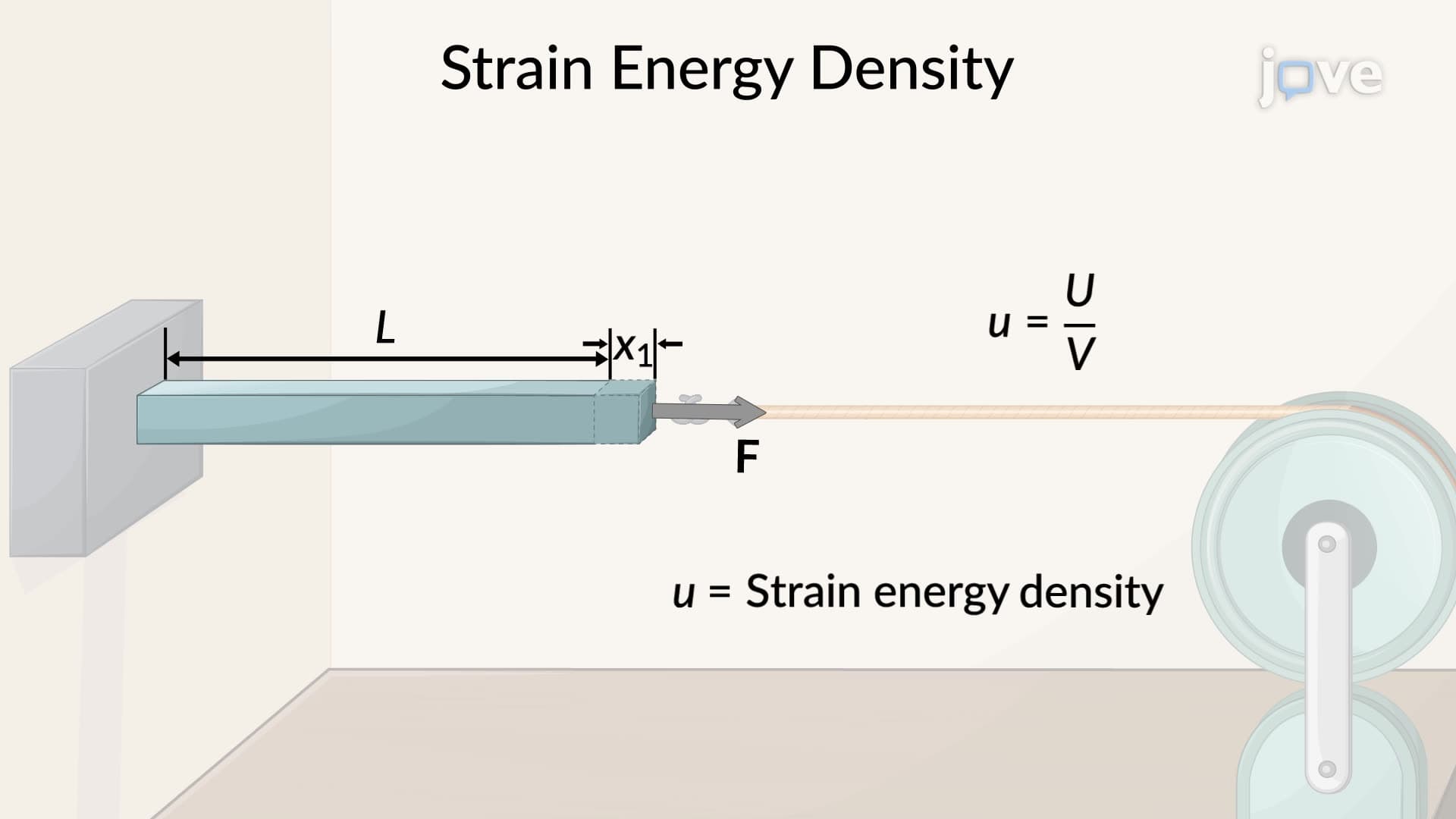
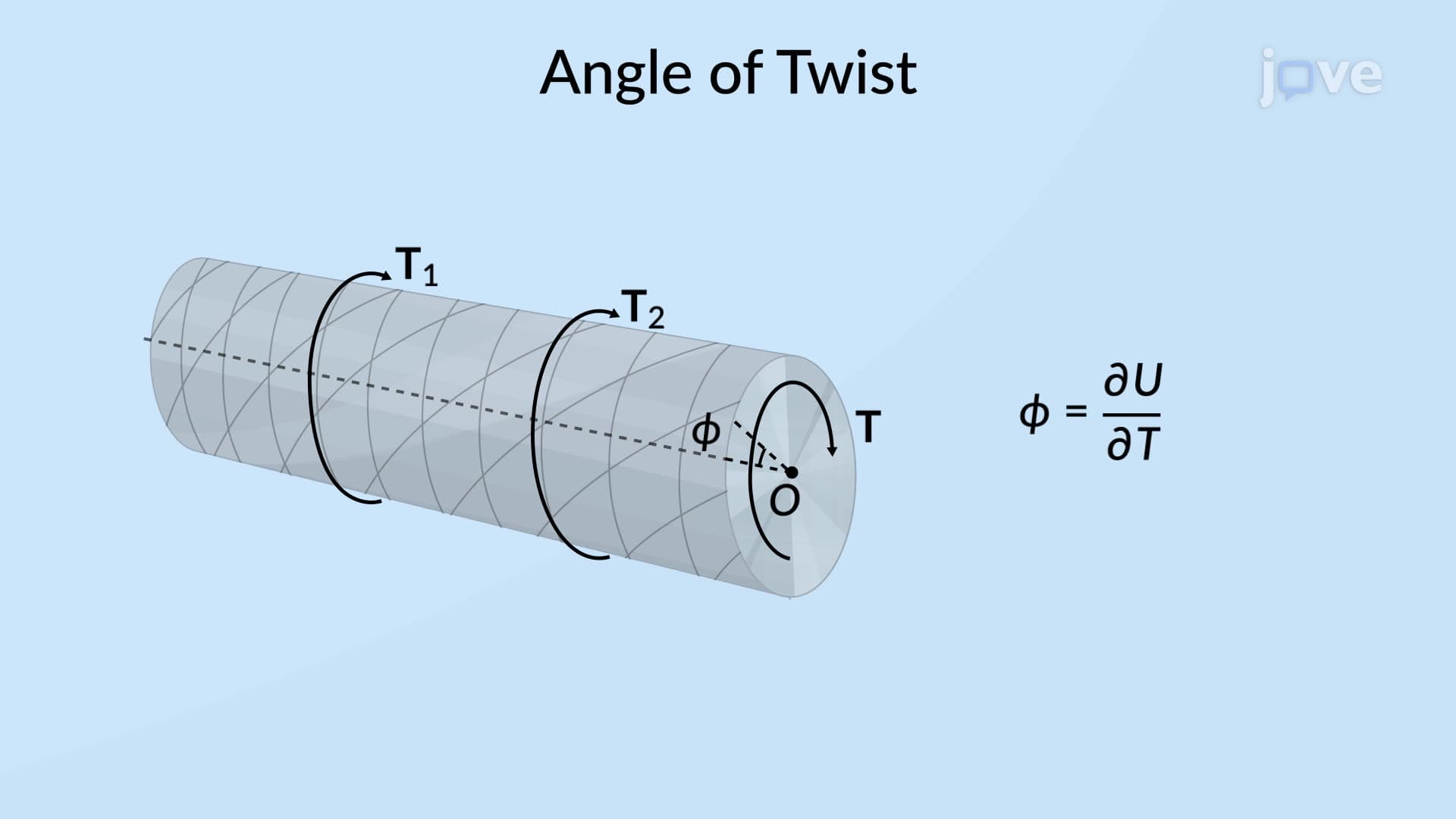
Castigliano's theorem problem solving represents one of the most elegant approaches to structural analysis, allowing engineers and students to determine deflections in beams, trusses, and frames through energy methods. Named after Italian engineer Carlo Alberto Castigliano, this theorem states that the partial derivative of strain energy with respect to a particular force equals the deflection at the point where that force is applied.
The beauty of this method lies in its systematic approach. Rather than relying on complex differential equations, students can solve deflection problems using calculus concepts they already understand from AP Calculus or college mathematics courses. This makes it particularly valuable for engineering students preparing for the Fundamentals of Engineering (FE) exam or advanced coursework in structural mechanics.
When analyzing a simply supported beam with a central point load, the process becomes remarkably straightforward. Consider a beam supporting a traffic signal over a US highway intersection. The beam experiences maximum bending moment at its center, where the load creates the greatest stress. By applying Castigliano's theorem problem solving techniques, engineers can predict exactly how much the signal will sag, ensuring it maintains proper clearance above traffic.
The mathematical process involves several key steps. First, determine the support reactions using equilibrium equations. For a centrally loaded beam, each reaction equals half the applied load due to symmetry. Next, establish moment equations for different beam segments, typically dividing the beam at the load application point. Finally, apply the theorem by taking partial derivatives of the strain energy expression with respect to the applied load.
This problem-solving approach proves invaluable in designing everything from highway overpasses to building floor joists. When the California Department of Transportation designs bridge girders, engineers use these principles to ensure deflections remain within acceptable limits. Similarly, structural engineers designing hospital floors must verify that medical equipment won't experience excessive vibrations due to floor deflections.
The integration process, while initially challenging for students, follows predictable patterns. By working through multiple practice problems-similar to those found on AP Physics C exams or college statics courses-students develop intuition for recognizing solution strategies. The key insight is that symmetrical loading conditions often allow analysis of just half the structure, doubling the result to account for the complete beam behavior.
Success with Castigliano's theorem problem solving requires solid understanding of calculus, particularly partial differentiation and integration techniques covered in AP Calculus BC or first-year college mathematics. Students should be comfortable manipulating algebraic expressions and performing definite integrals over specified beam segments.
The theorem's power becomes evident when comparing it to traditional deflection methods like the method of virtual work or moment-area theorems. While those approaches require extensive geometric calculations, Castigliano's method transforms the problem into systematic calculus operations, making it ideal for computer-aided analysis used throughout modern engineering practice.
Related Micro-courses