Loading video…


 8 Concepts
 4.6K views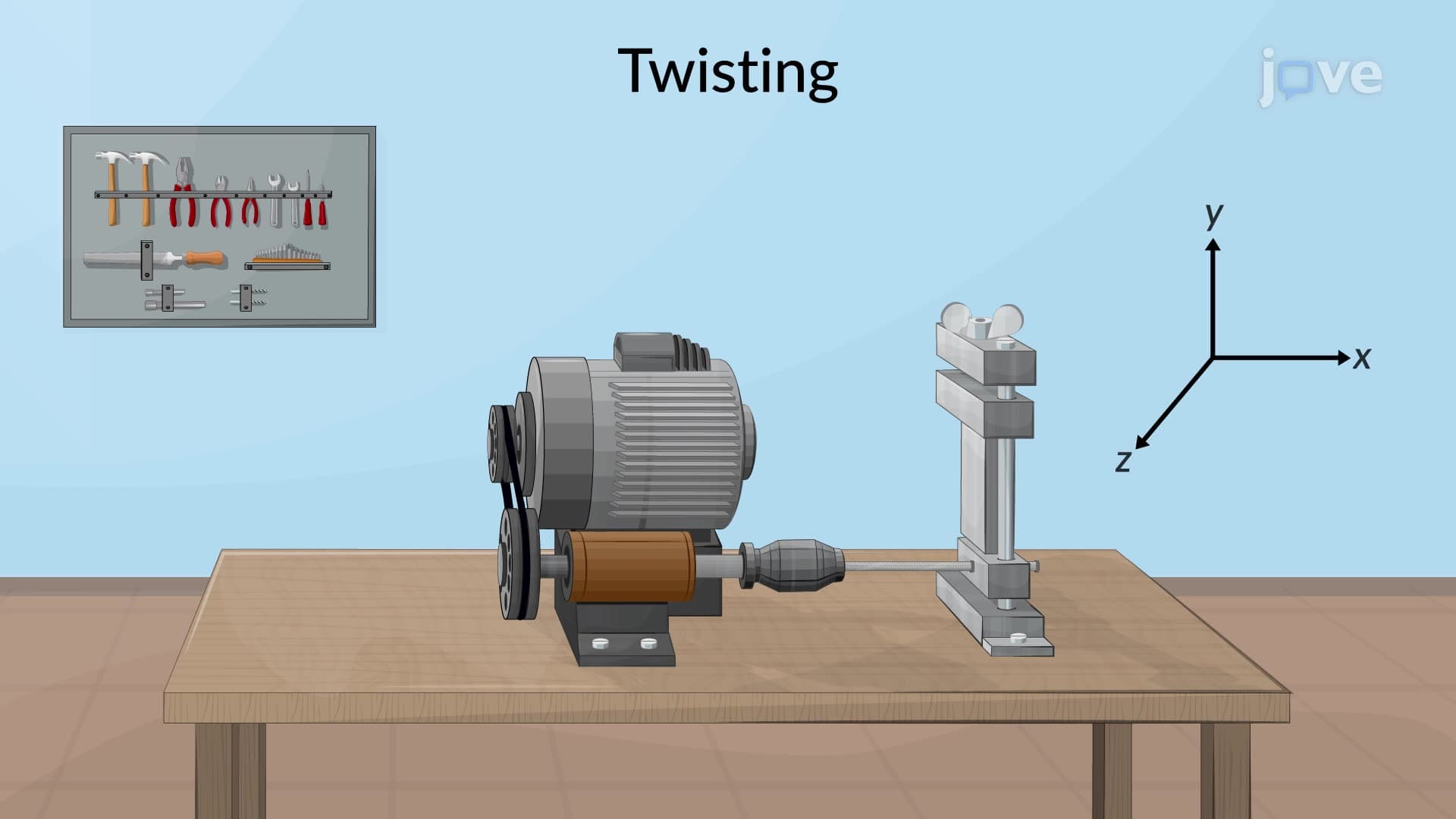

Video Summary: Elastic Strain Energy for Shearing Stresses Explained
Did you know that when you twist a steel drive shaft in a car's transmission, the metal stores energy like a spring being compressed? Elastic strain energy for shearing stresses occurs when materials deform under twisting forces, temporarily storing mechanical energy that can be recovered when the load is removed. In automotive engineering, understanding this phenomenon is crucial for designing safe transmission systems. Watch the full video on JoVE Coach to master this concept with expert-led visuals and step-by-step explanations.
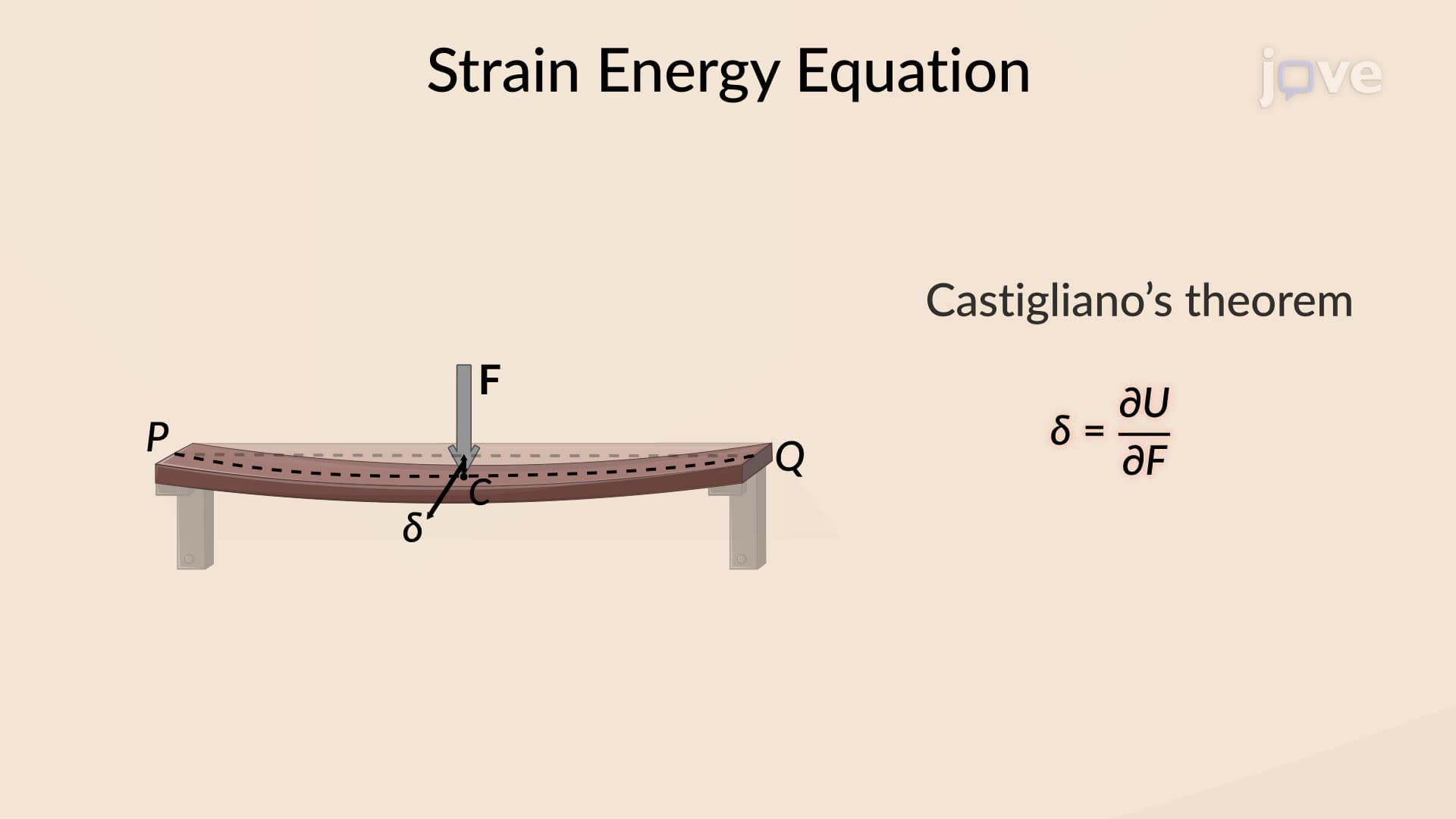
Elastic strain energy for shearing stresses represents the mechanical energy temporarily stored within a material when it undergoes shear deformation within its elastic limit. This fundamental concept bridges the gap between applied forces and material response, providing engineers with essential tools for designing safe and efficient mechanical systems.
When a material experiences shearing stress, the atoms within its crystalline structure are displaced from their equilibrium positions, creating internal strain. This deformation stores energy similar to how a compressed spring stores potential energy. The key difference lies in the deformation mode: instead of simple compression or tension, shear involves angular distortion of material elements.
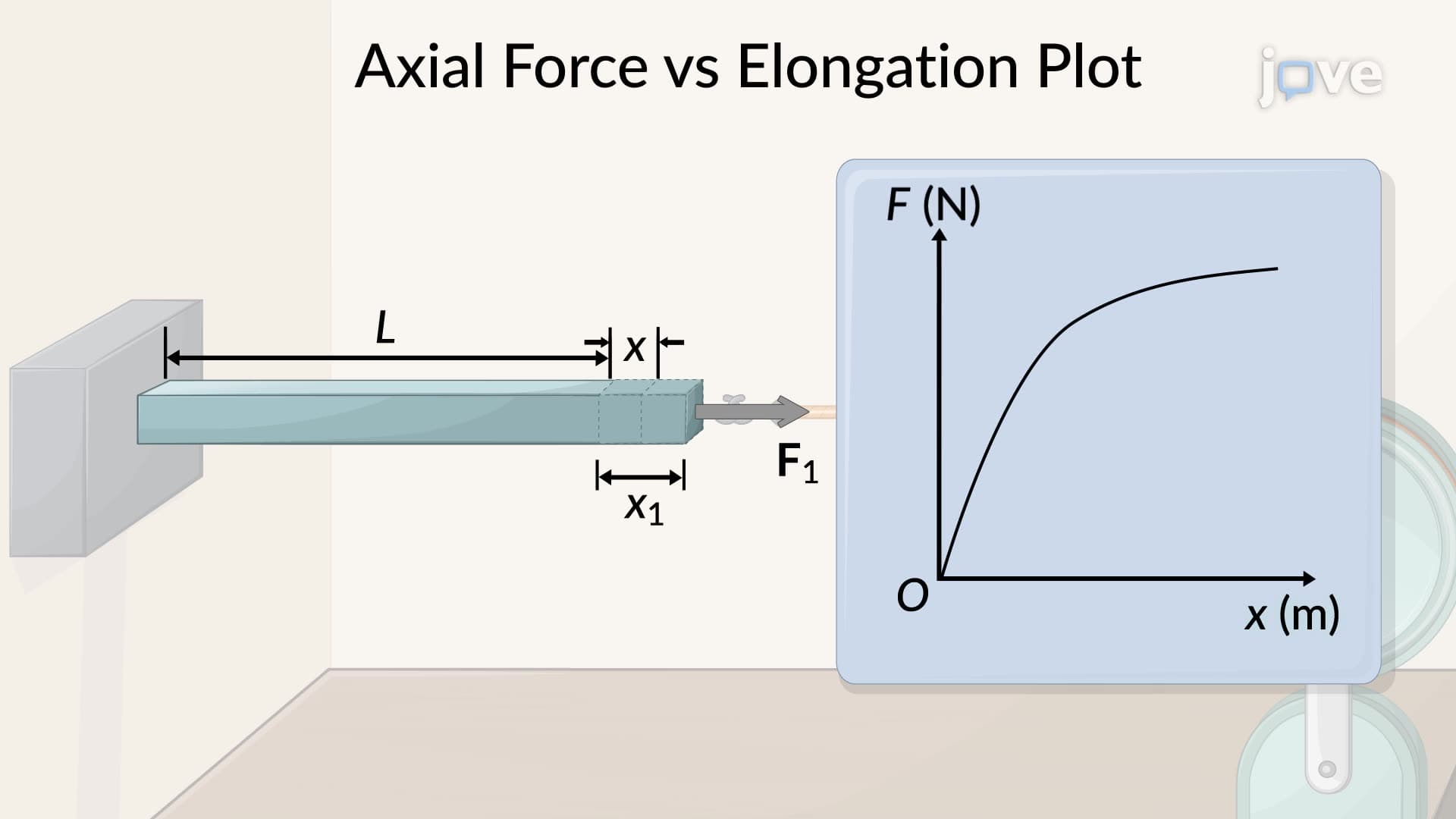
The strain energy density for shearing stresses follows a specific mathematical relationship. Within the elastic range, shearing stress (τ) remains proportional to shearing strain (γ) through the modulus of rigidity (G): τ = Gγ. This linear relationship, known as Hooke's law for shear, enables us to calculate the energy stored per unit volume.
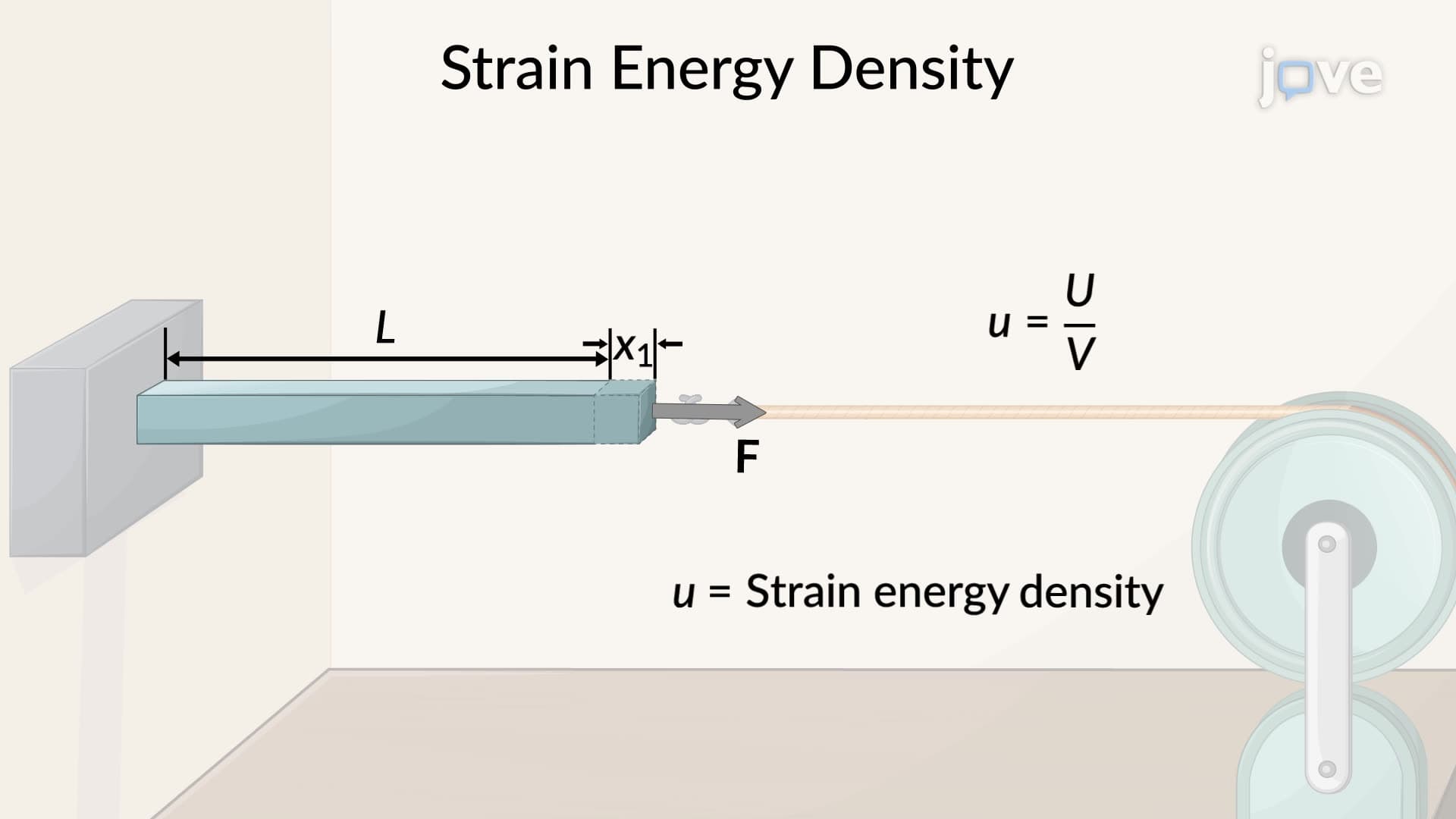
The strain energy density equals (1/2) × G × γ², demonstrating that energy storage increases quadratically with strain magnitude. This quadratic relationship has profound implications: doubling the shear strain increases stored energy by a factor of four, making accurate strain prediction crucial for safe design practices.
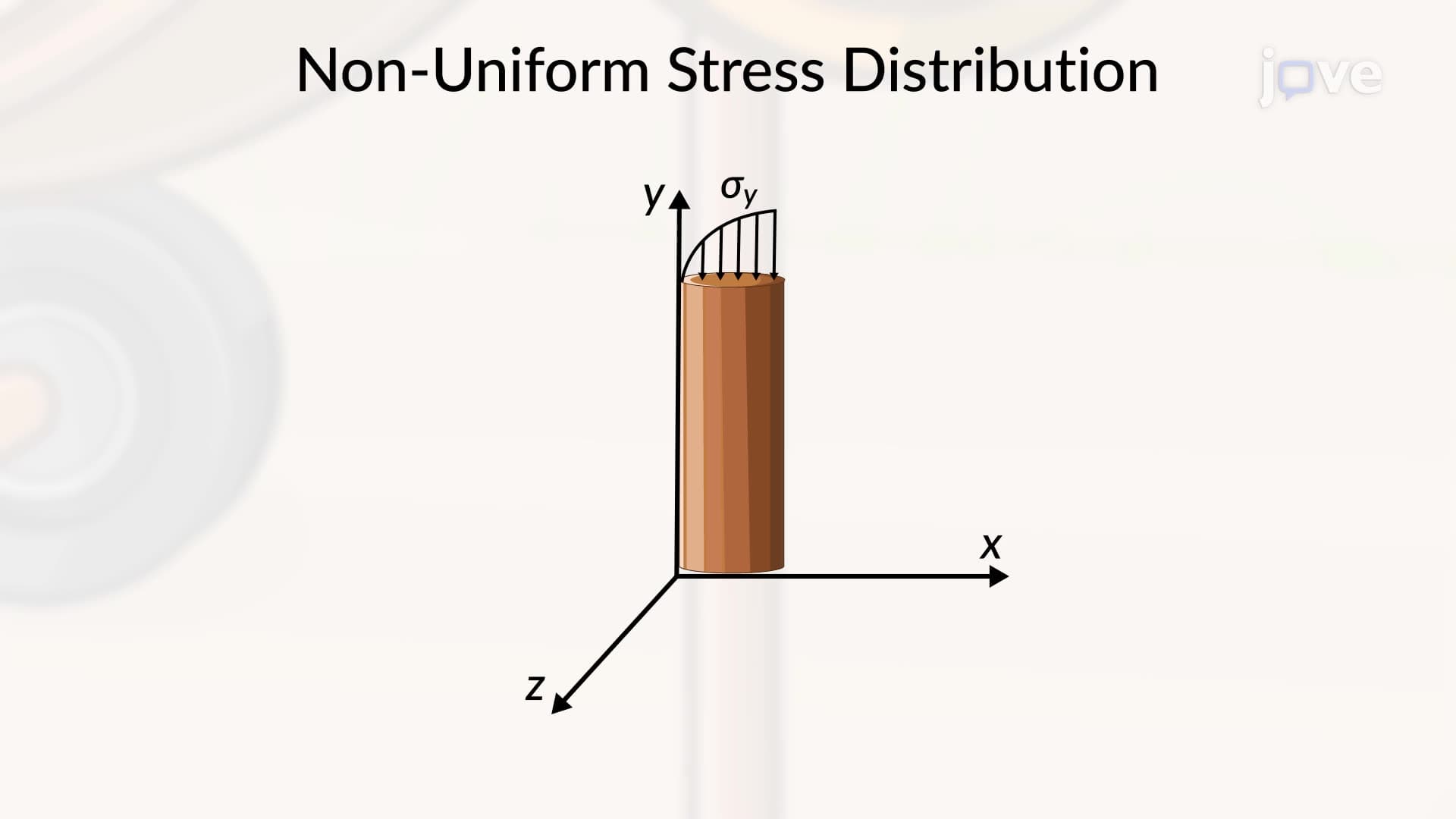
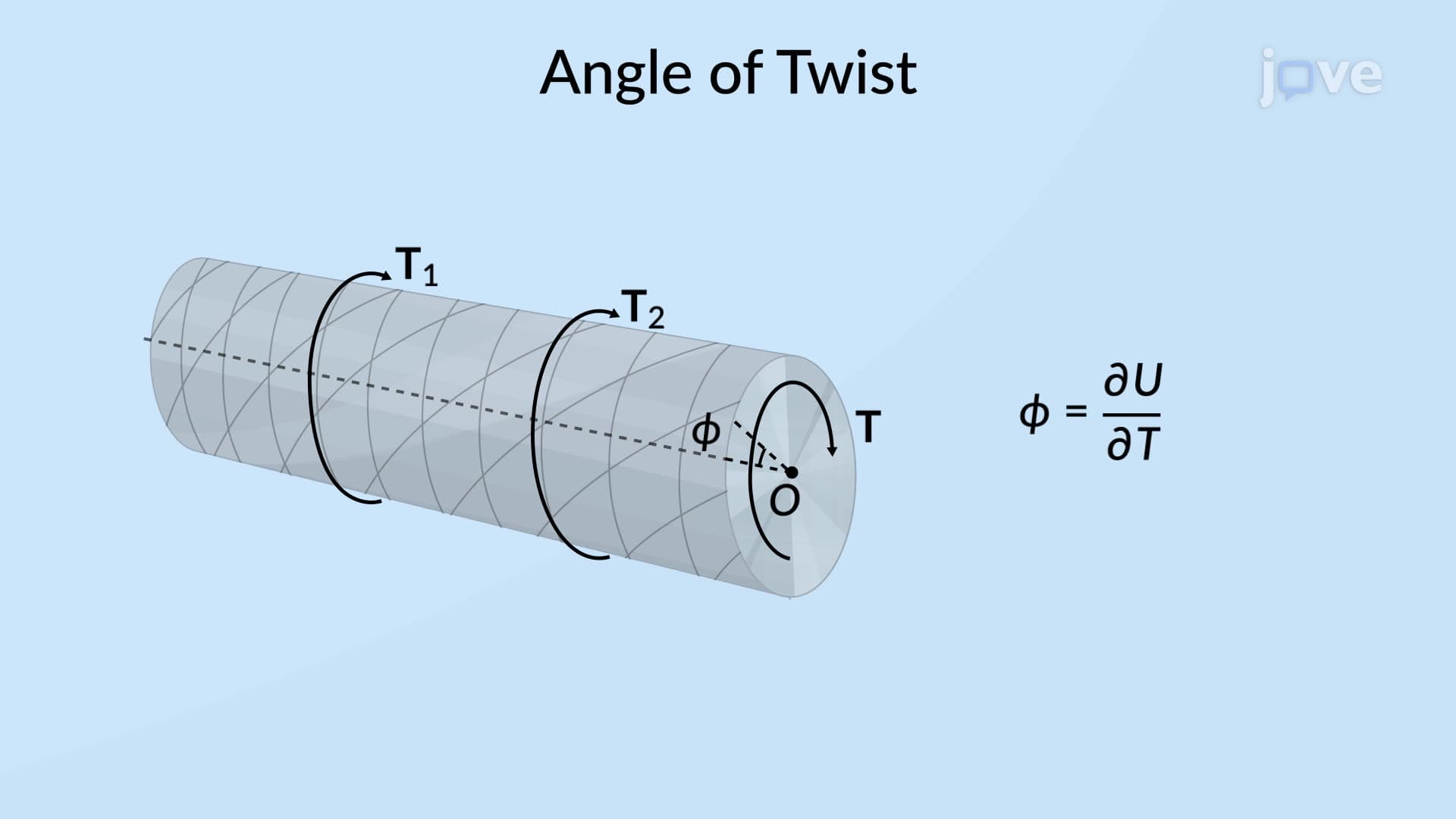
In rotating shafts-common in everything from automotive drivetrains to industrial machinery-torsional loading creates complex stress distributions. The shearing stress varies linearly from zero at the shaft's center to maximum values at the outer surface. For a circular shaft with radius r, the stress at any radial distance ρ equals: τ = (T × ρ) / J, where T represents the applied torque and J denotes the polar moment of inertia.
The total strain energy stored in such a shaft requires integration over the entire volume, yielding: U = (T²L) / (2GJ), where L represents the shaft length. This equation proves invaluable for analyzing power transmission systems, calculating critical speeds, and predicting torsional vibrations.
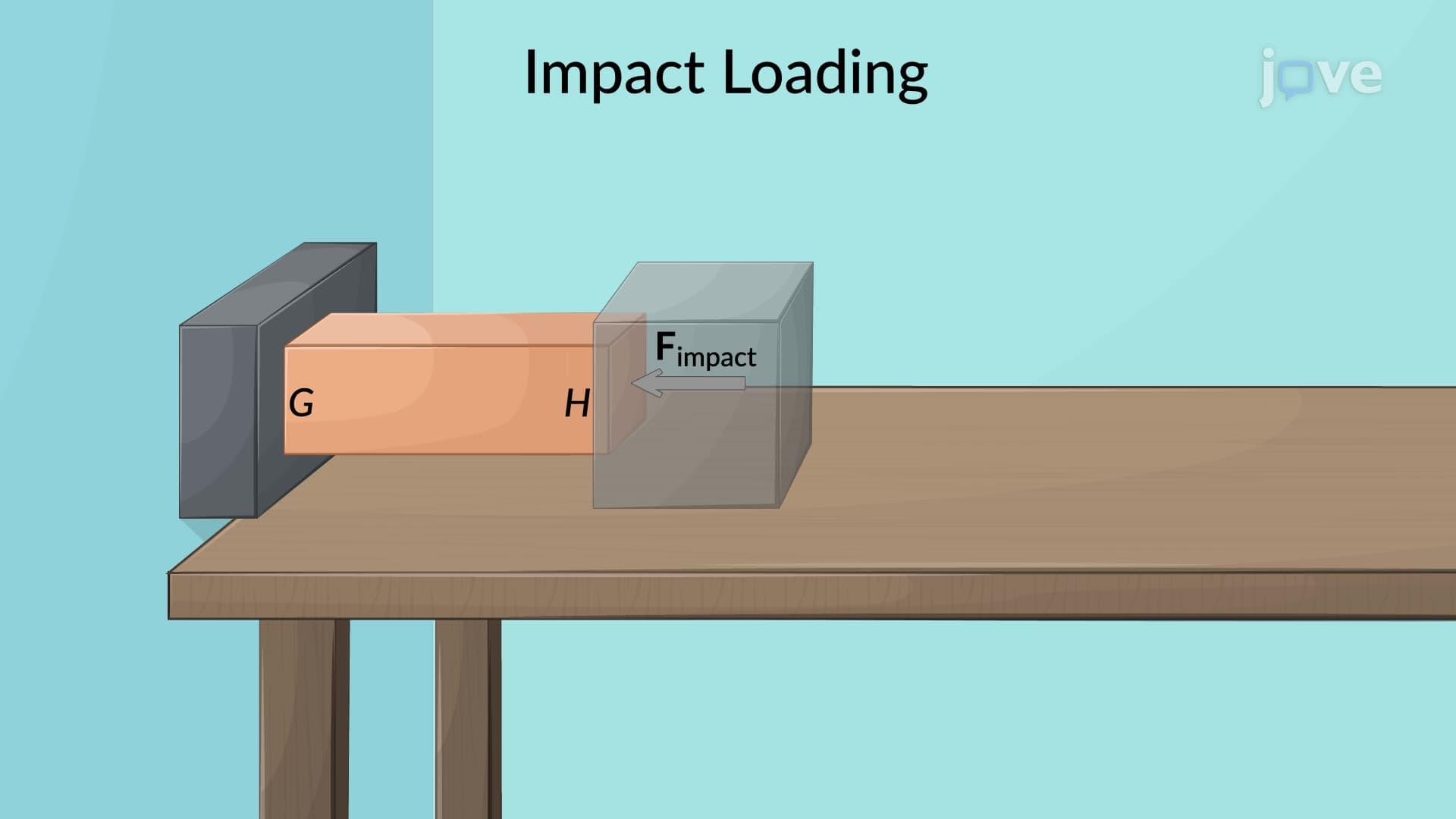
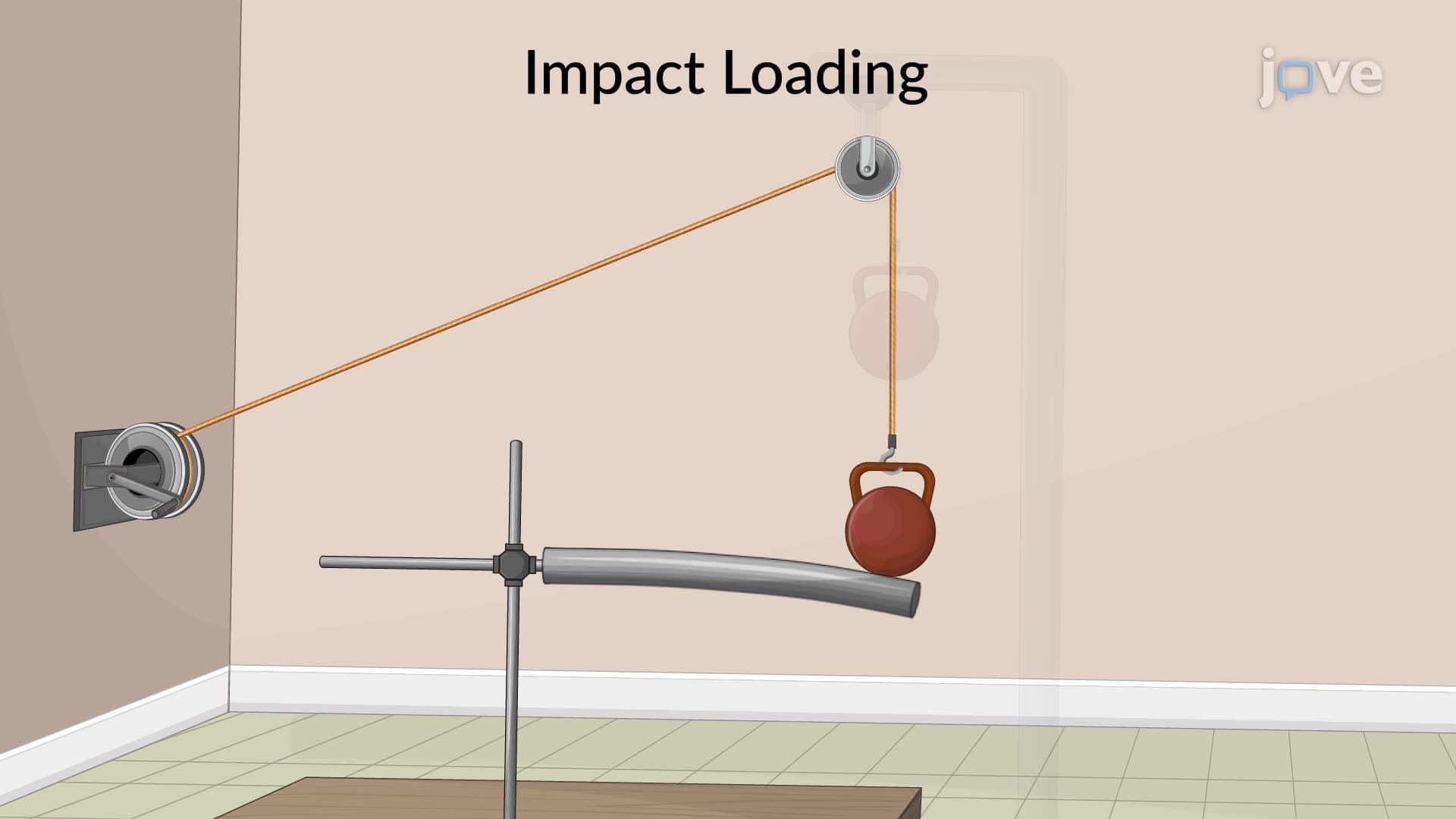
Understanding elastic strain energy proves essential for numerous engineering applications. In the automotive industry, engineers use these principles to design drive shafts that can handle peak torque loads without permanent deformation. The stored energy also influences dynamic behavior-when a torque load is suddenly removed, the stored strain energy converts back to kinetic energy, potentially causing harmful vibrations.
For students preparing for AP Physics or college-level mechanics courses, mastering this concept requires understanding both the theoretical foundation and practical applications. The MCAT often includes related questions about energy storage in biological systems, while engineering licensure exams frequently test torsional stress and energy calculations.
Related Micro-courses