Loading video…


 8 Concepts
 4.6K views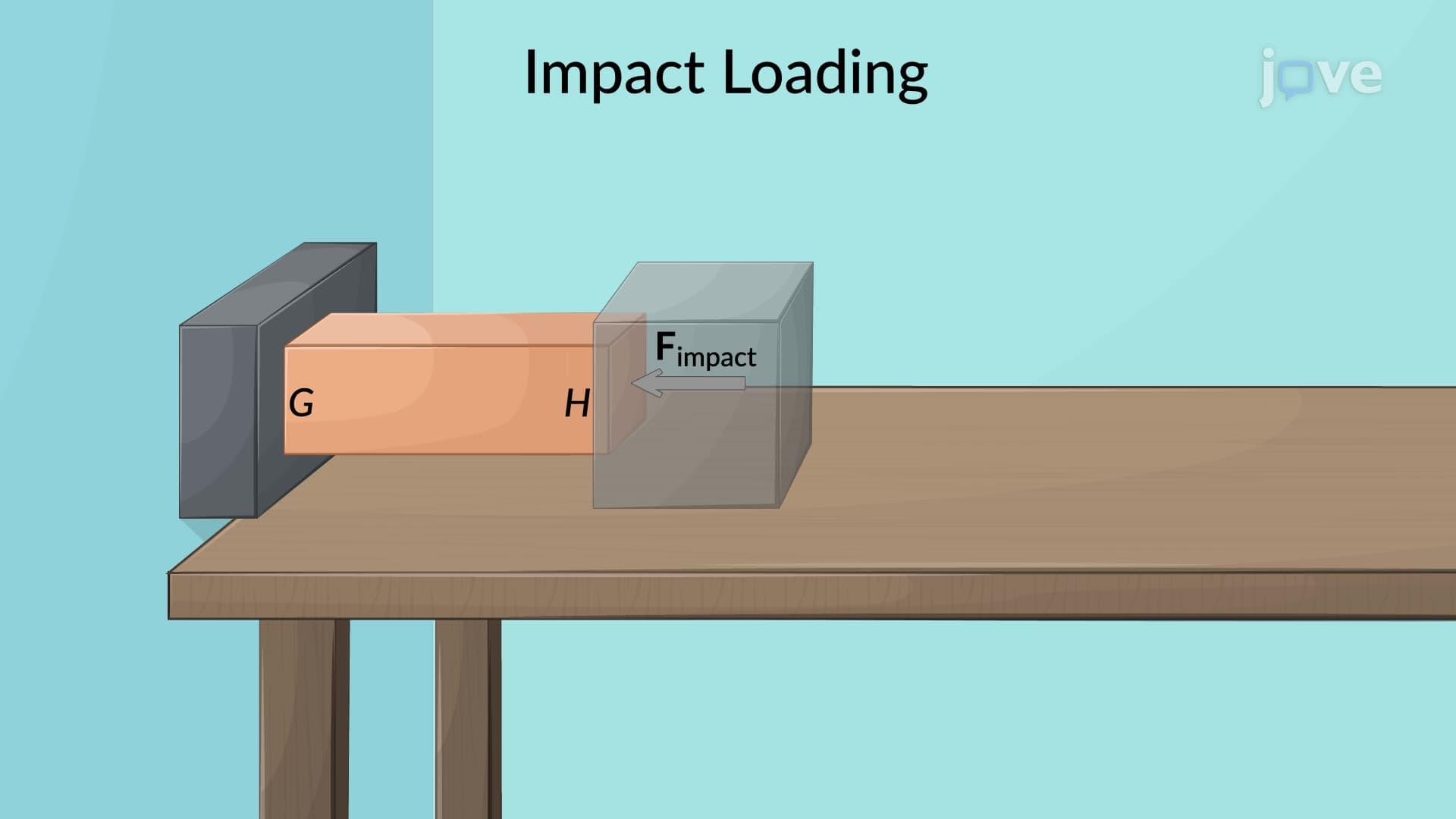

Video Summary: What Is Impact Loading
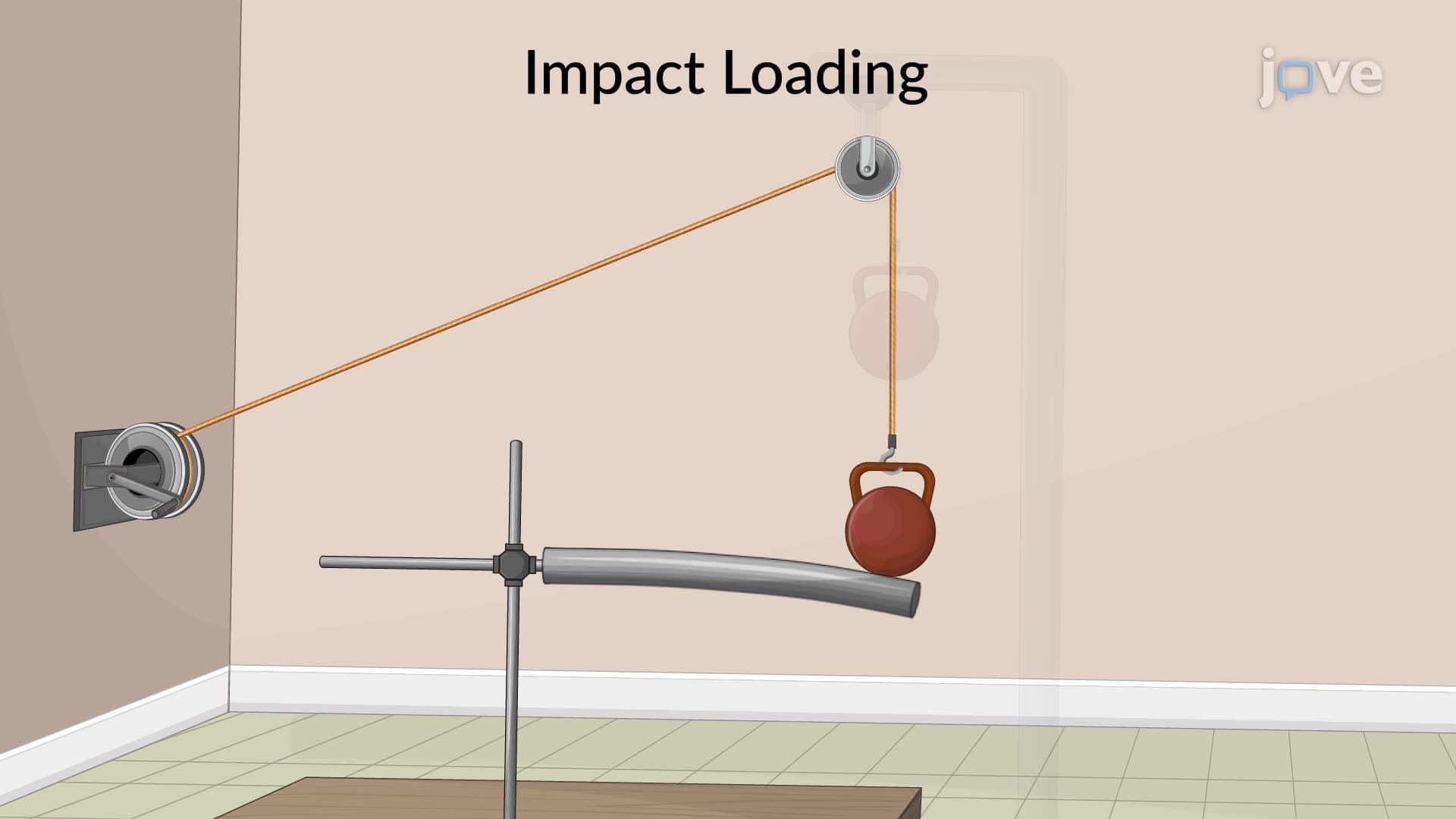
Ever wonder why car bumpers crumple during accidents instead of bouncing off? Impact loading occurs when a moving object strikes a stationary structure, transferring kinetic energy and creating internal stress that causes deformation and vibration. Consider a baseball bat hitting a ball-the bat experiences impact loading as it absorbs the collision energy, temporarily deforms, then vibrates before returning to rest. Watch the full video on JoVE Coach to master this concept with expert-led visuals and step-by-step explanations.
Impact loading represents a critical engineering concept where dynamic forces create sudden stress concentrations in materials. Unlike static loading where forces apply gradually, impact loading involves rapid energy transfer that can cause immediate structural changes. This phenomenon governs everything from vehicle crash safety to sports equipment design.
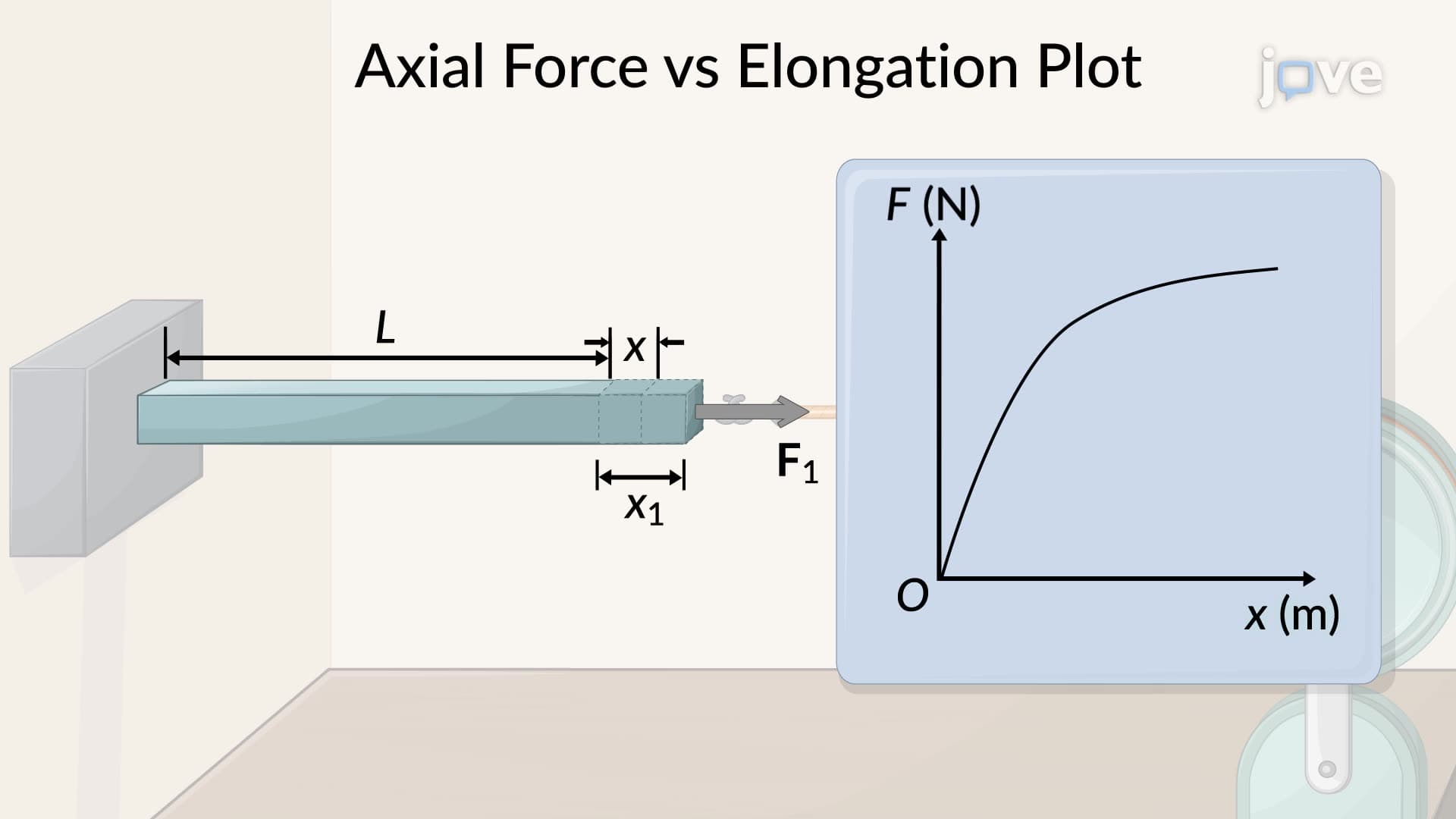
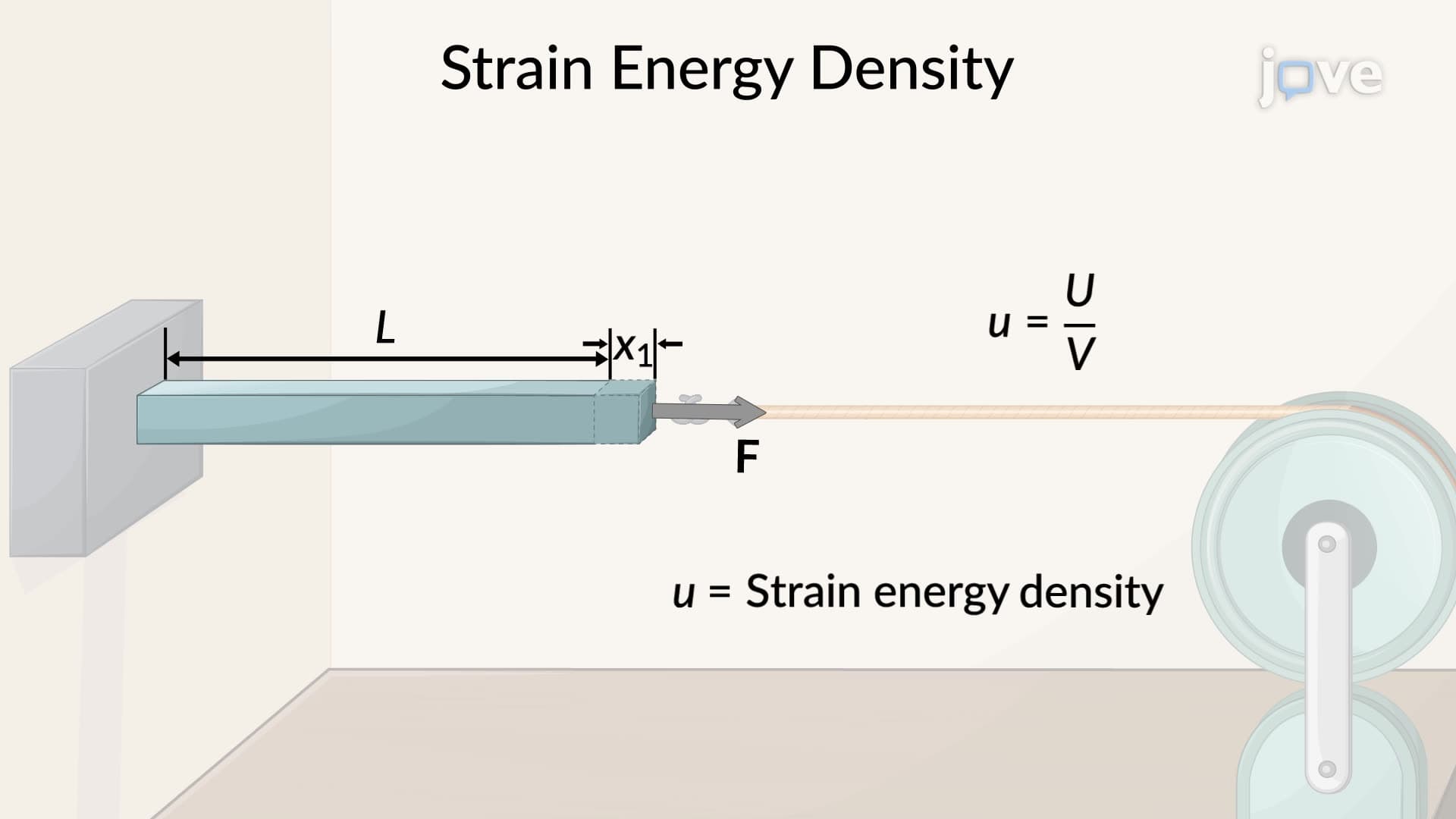
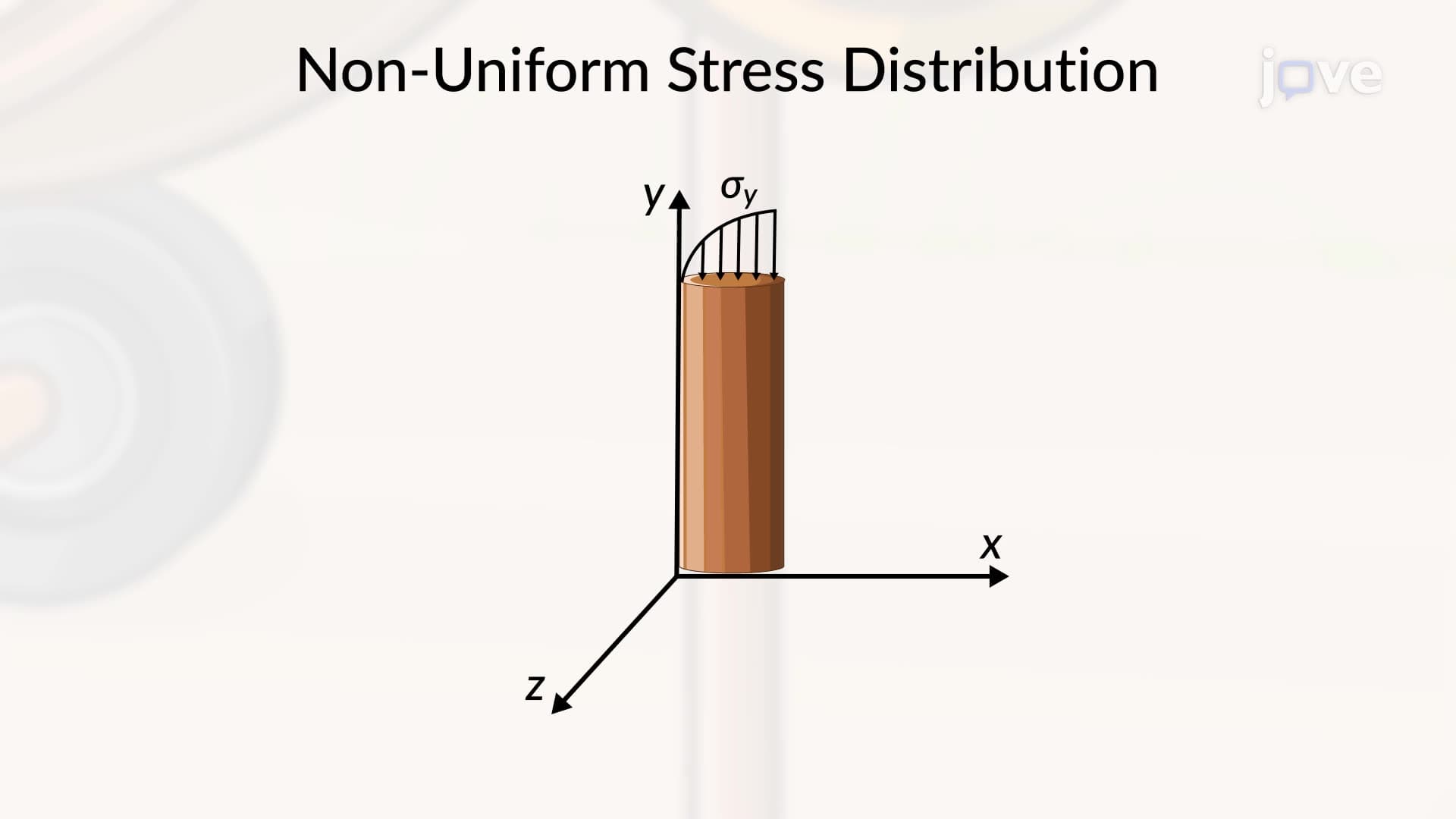
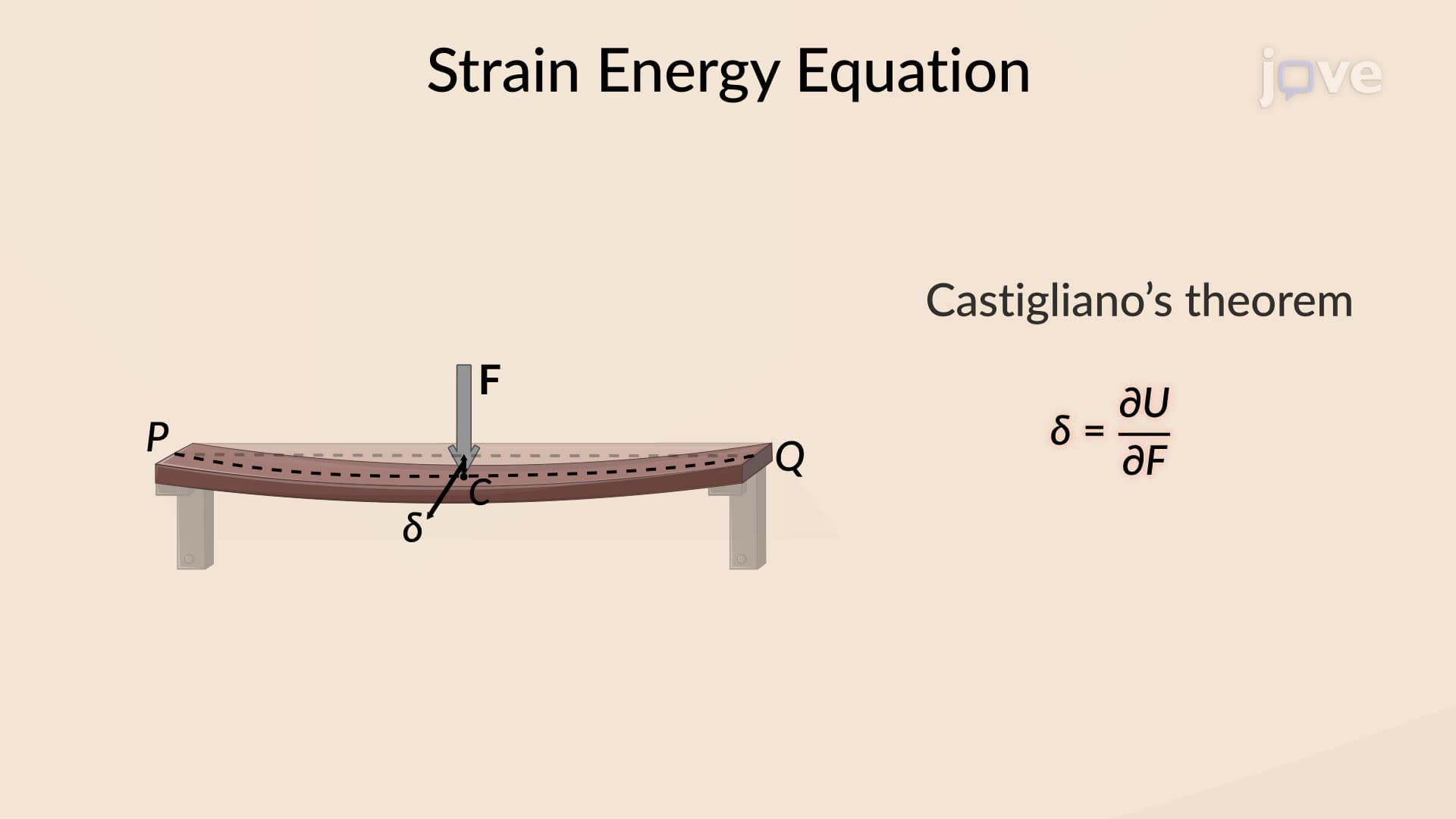
During impact loading, the striking object's kinetic energy (KE = 1/2 × mass × velocity²) converts entirely into strain energy within the impacted structure. This energy conversion follows conservation principles, assuming no energy loss through heat, sound, or bouncing. The maximum stress occurs precisely when all kinetic energy transforms into elastic strain energy, creating the relationship: Strain Energy = (σ²/2E) × Volume, where σ represents maximum stress and E denotes the material's elastic modulus.
Impact loading analysis proves essential in numerous US engineering applications. Automotive engineers design crumple zones using impact loading principles to protect passengers during collisions. The Federal Highway Administration applies these concepts when designing bridge pier protections against vehicle impacts. Sports equipment manufacturers, from Louisville Slugger baseball bats to football helmets, rely on impact loading analysis to optimize performance and safety.
Students encounter impact loading in AP Physics courses when studying momentum and energy conservation. College engineering programs, including those at MIT and Stanford, emphasize impact loading in mechanics of materials coursework. The concept frequently appears on the Fundamentals of Engineering (FE) exam, requiring students to calculate maximum stresses and deformations during dynamic loading scenarios.
The conservative design approach mentioned in impact analysis acknowledges real-world complexities like energy dissipation through heat, partial energy reflection, and material nonlinearity. Professional engineers must account for these factors when designing structures to withstand impact loading, often applying safety factors to ensure structural integrity under extreme conditions.
Related Micro-courses