Loading video…


 8 Concepts
 4.6K views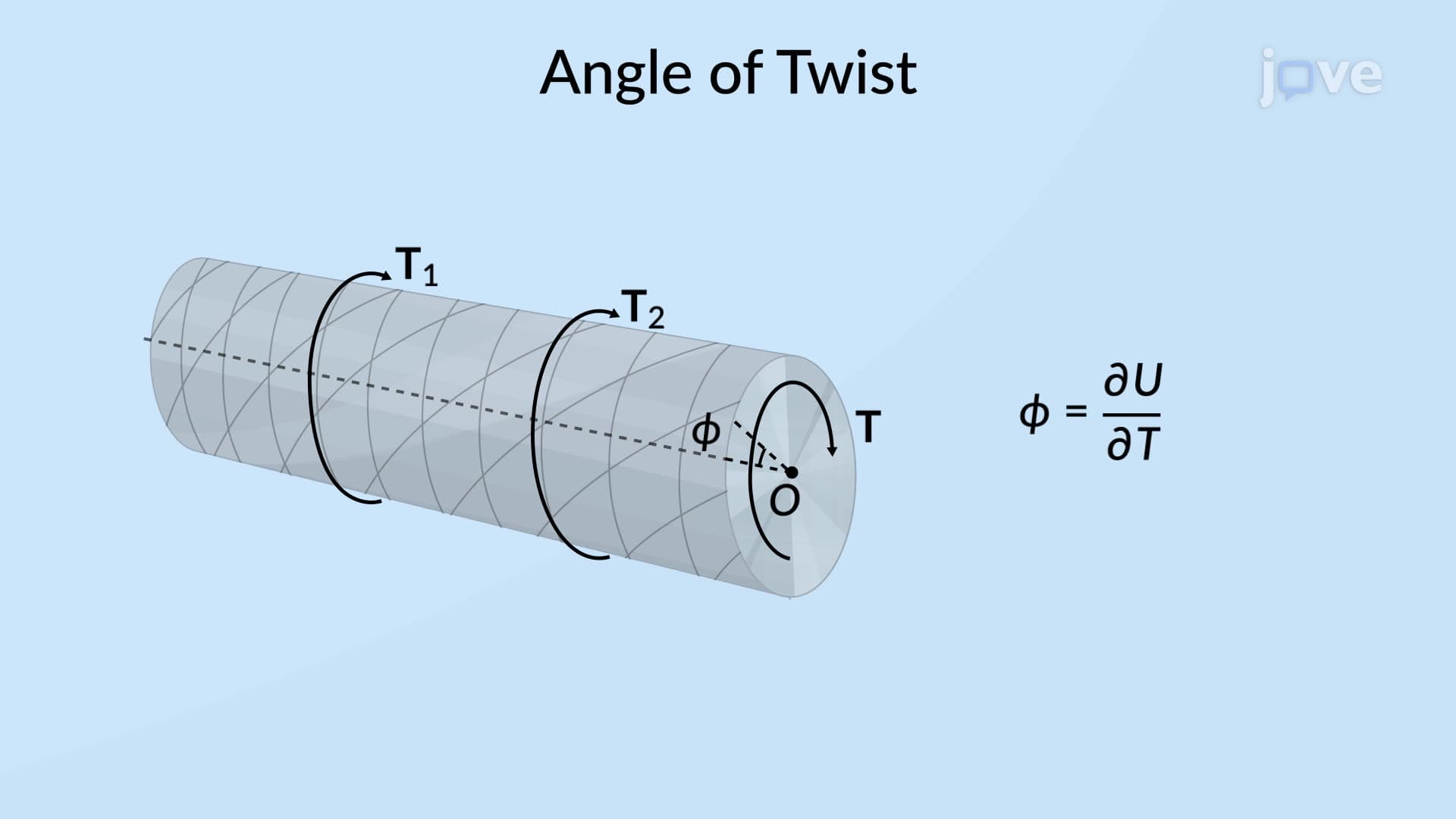

Video Summary: What Is Castiglianos Theorem
Ever wondered how engineers calculate exactly how much a skyscraper's steel beams will bend under wind loads? Castigliano's theorem provides the mathematical foundation for predicting structural displacements and rotations in elastic materials. This powerful principle states that the partial derivative of strain energy with respect to an applied load equals the displacement at that load's point of application. From analyzing bridge deflections on the Golden Gate Bridge to designing earthquake-resistant buildings in California, this theorem is essential for structural safety calculations. Watch the full video on JoVE Coach to master this concept with expert-led visuals and step-by-step explanations.
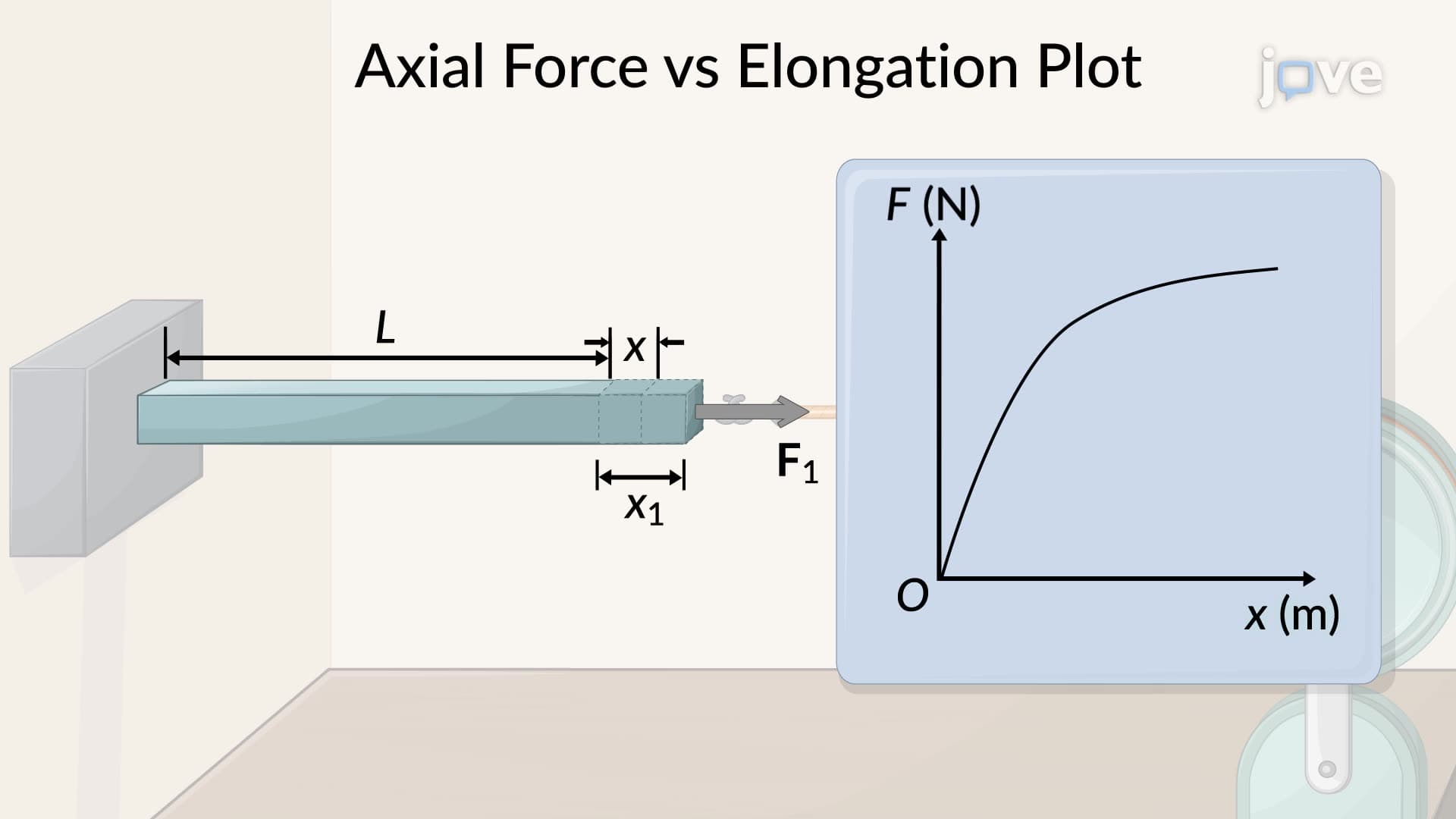
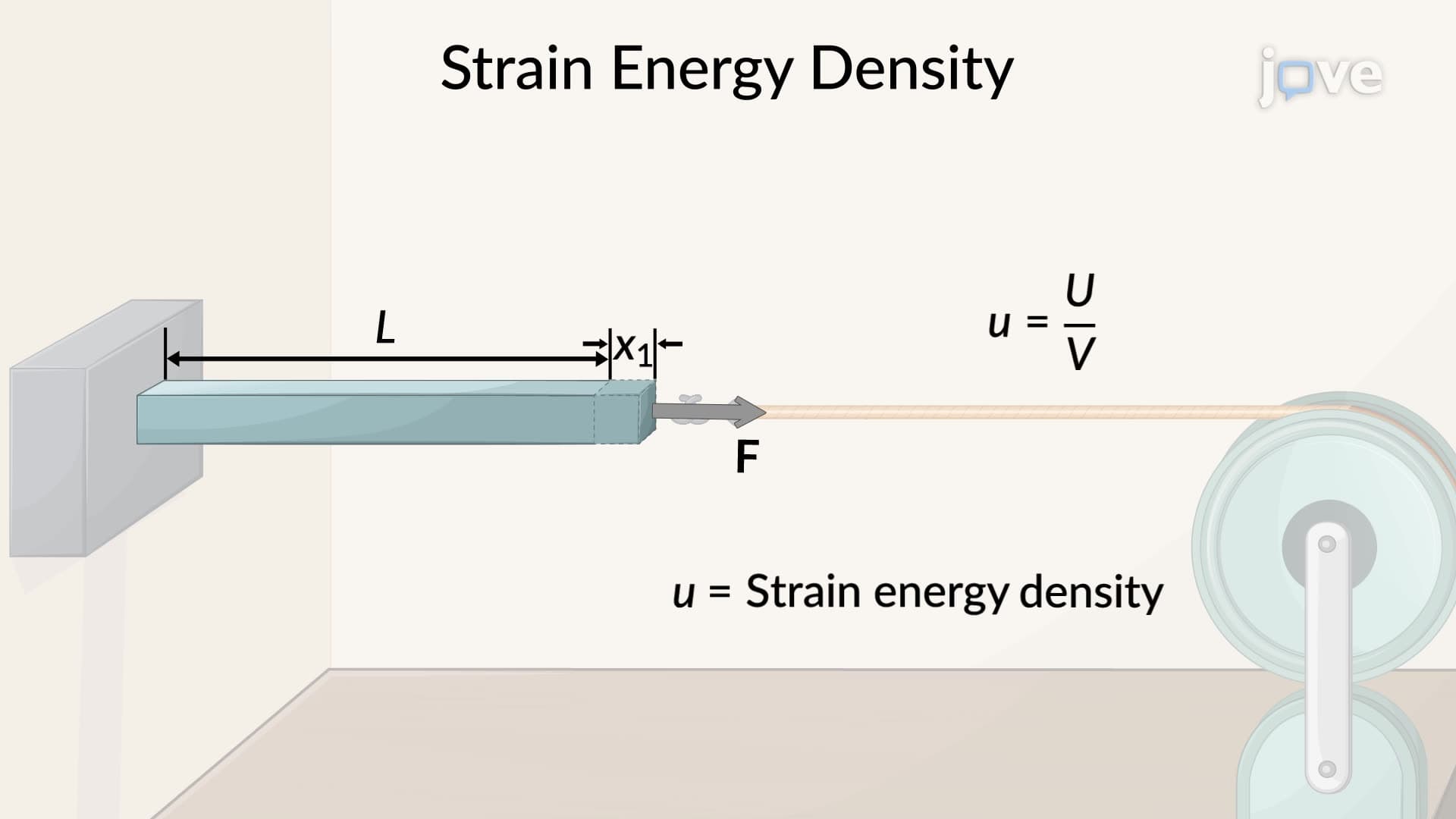
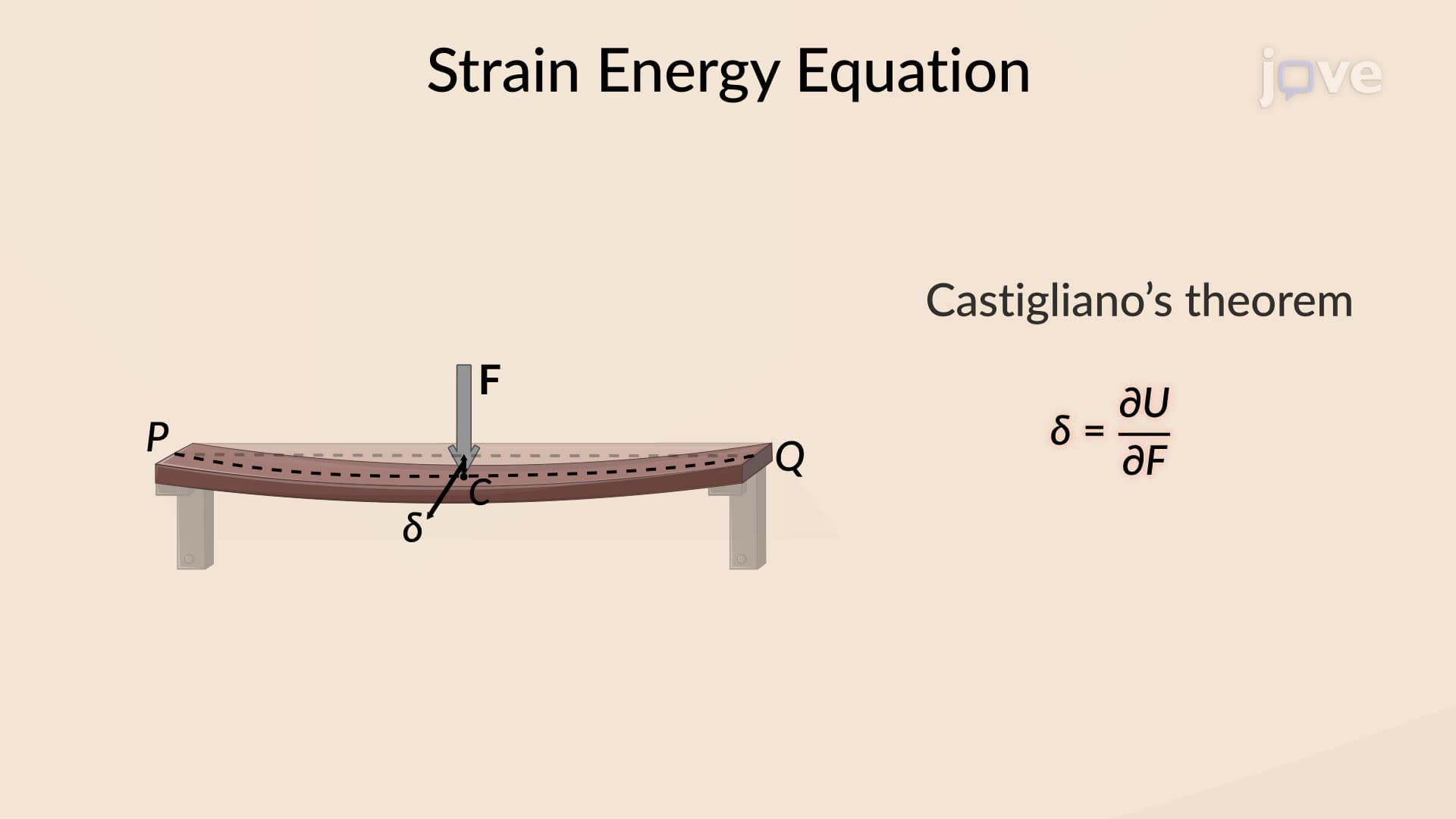
Castigliano's theorem represents one of structural engineering's most elegant mathematical relationships, connecting the abstract concept of strain energy to measurable physical displacements. Named after Italian engineer Alberto Castigliano, this theorem provides engineers with a systematic method for analyzing structural deformations without complex force analysis. The theorem's mathematical beauty lies in its simplicity: when you differentiate the total strain energy stored in a structure with respect to any applied load, you obtain the displacement at that load's application point.
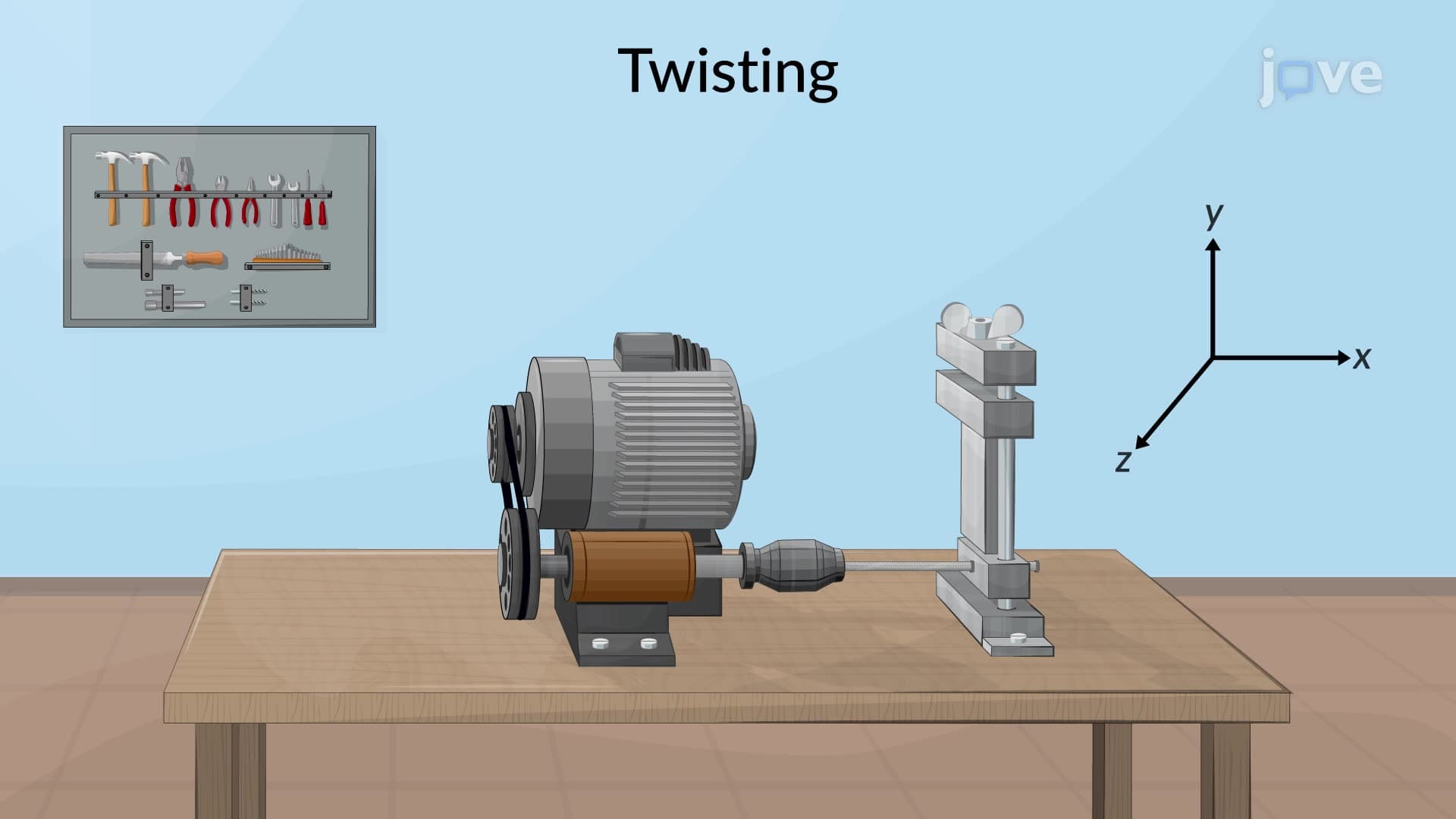
The theorem's mathematical expression takes the form: δ = ∂U/∂P, where δ represents displacement, U denotes total strain energy, and P signifies the applied load. This relationship extends beyond simple linear displacements. For rotational problems involving couples or moments, the angular rotation θ equals ∂U/∂M, where M represents the applied moment. Similarly, for torsional scenarios common in mechanical engineering, the angle of twist φ = ∂U/∂T, with T representing applied torque.
Students preparing for AP Physics C or college-level statics courses frequently encounter this theorem in beam analysis problems. Consider a cantilever beam supporting a concentrated load-a common scenario in structural engineering licensing exams (PE exam) and engineering coursework at institutions like MIT or Stanford. The theorem allows direct calculation of tip deflection without determining reaction forces or drawing complex moment diagrams.
Real-world applications span from California's seismic building codes to NASA's spacecraft structural analysis. When engineers designed the new eastern span of the San Francisco-Oakland Bay Bridge, they used Castigliano's theorem principles to predict cable deflections under varying traffic loads. Similarly, aerospace engineers at Boeing apply these concepts when analyzing wing deflections during flight conditions.
The theorem proves particularly valuable for indeterminate structures-those with more constraints than equilibrium equations can solve. In such cases, traditional force-based methods become cumbersome, but Castigliano's energy-based approach provides direct solutions. This makes it indispensable for analyzing complex truss systems, continuous beams, and frameworks commonly found in modern construction.
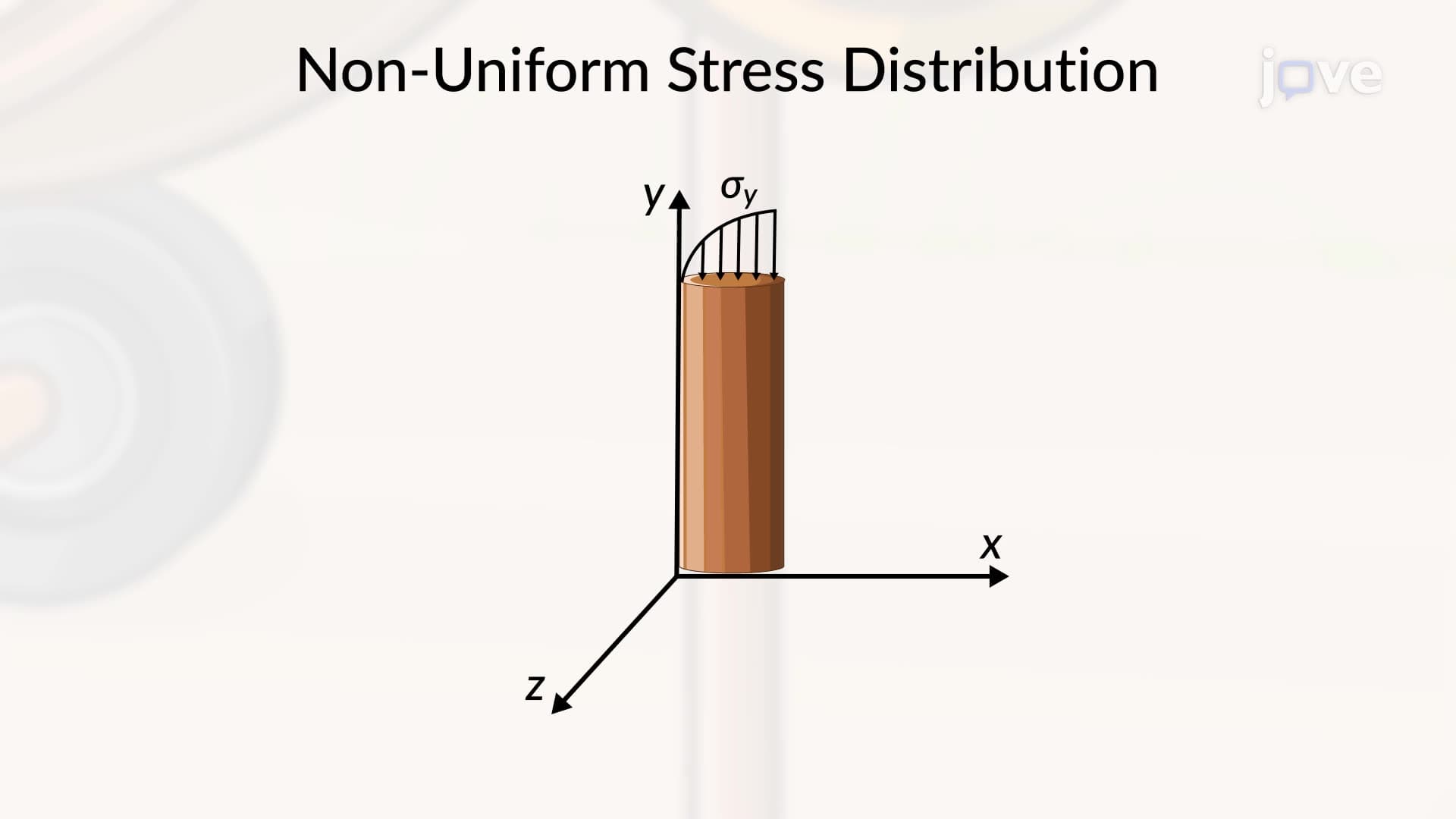
For structures with non-uniform cross-sections or varying material properties, the strain energy expression requires integration along the member length. In these cases, engineers must differentiate the strain energy expression before performing integration-a crucial sequence that students often confuse. This technique appears frequently in graduate-level structural analysis courses and professional engineering examinations, requiring solid calculus foundations alongside structural mechanics understanding.
Related Micro-courses