Loading subject page…


53,693 views


Video Summary: Strong Acid Titration of Polyprotic Bases Theory and Equivalence Points
Did you know that a single teaspoon of baking soda (sodium carbonate) can neutralize stomach acid in two distinct chemical steps? Polyprotic base titration involves compounds that can accept multiple protons, creating fascinating multi-step neutralization patterns. This process is crucial in water treatment plants across cities like Denver and Phoenix, where carbonate systems help control pH levels. Strong Acid Titration of Polyprotic Bases: Theory and Equivalence Points demonstrates how these bases create multiple buffer regions and distinct endpoints during acid-base reactions. Watch the full video on JoVE Coach to master this concept with expert-led visuals and step-by-step explanations.
Strong Acid Titration of Polyprotic Bases: Theory and Equivalence Points represents one of the most complex yet practical areas of analytical chemistry. Unlike simple monoprotic bases that accept only one proton, polyprotic bases like sodium carbonate (Na₂CO₃) can accept multiple protons in sequential steps, creating intricate titration curves with multiple equivalence points and buffer regions.
The titration polyprotic base strong acid process occurs through distinct phases. When sodium carbonate encounters hydrochloric acid, the first step converts carbonate ions (CO₃²⁻) to bicarbonate ions (HCO₃⁻). This first equivalence point typically occurs around pH 8.3, where phenolphthalein changes from pink to colorless. The second step transforms bicarbonate ions into carbonic acid (H₂CO₃), which immediately decomposes into carbon dioxide and water. This second equivalence point occurs around pH 3.7, detectable using methyl orange indicators.
Students preparing for AP Chemistry exams frequently encounter multiple equivalence points base problems. The key insight is recognizing that each proton-accepting site creates its own neutralization step. In college-level analytical chemistry courses, including those at institutions like UC Berkeley and MIT, students learn that the pH at each equivalence point depends on the relative strengths of the acid-base pairs formed.
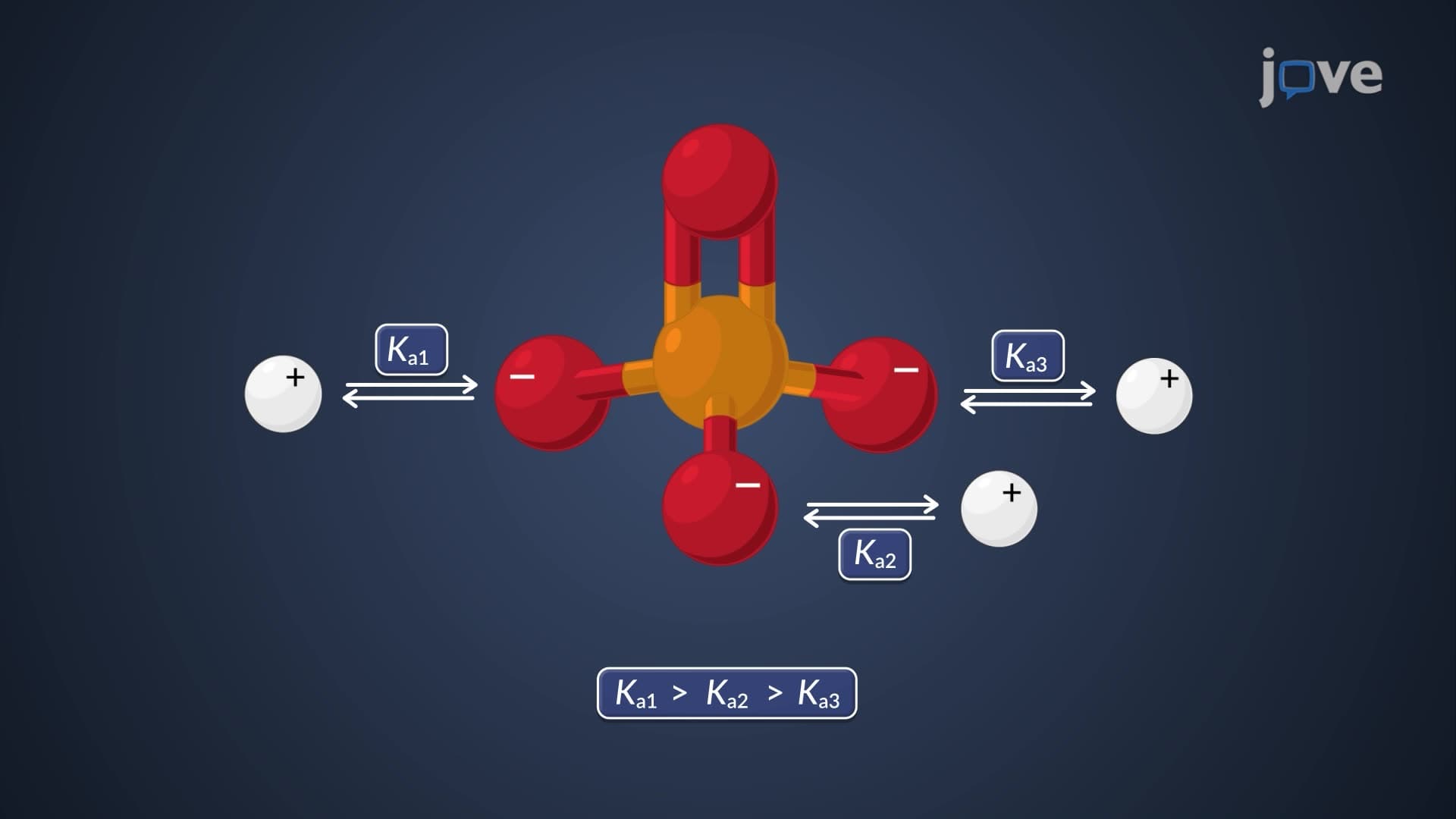
Learning how to calculate polyprotic base titration requires understanding both stoichiometry and equilibrium principles. The initial pH calculation uses the base dissociation constant (Kb₁) for the strongest basic site. For sodium carbonate, this yields an initial pH around 11.6. At the first equivalence point, the solution contains only bicarbonate ions, creating an amphoteric solution whose pH depends on both Ka₁ and Ka₂ of carbonic acid.
MCAT test-takers must master these calculations, as they appear frequently in the Chemical and Physical Foundations section. The volume of acid required for each equivalence point follows simple 1:1 and 2:1 stoichiometric ratios, respectively. For example, neutralizing 0.1 M sodium carbonate requires equal molar amounts of HCl for the first equivalence point and double that amount for the second.
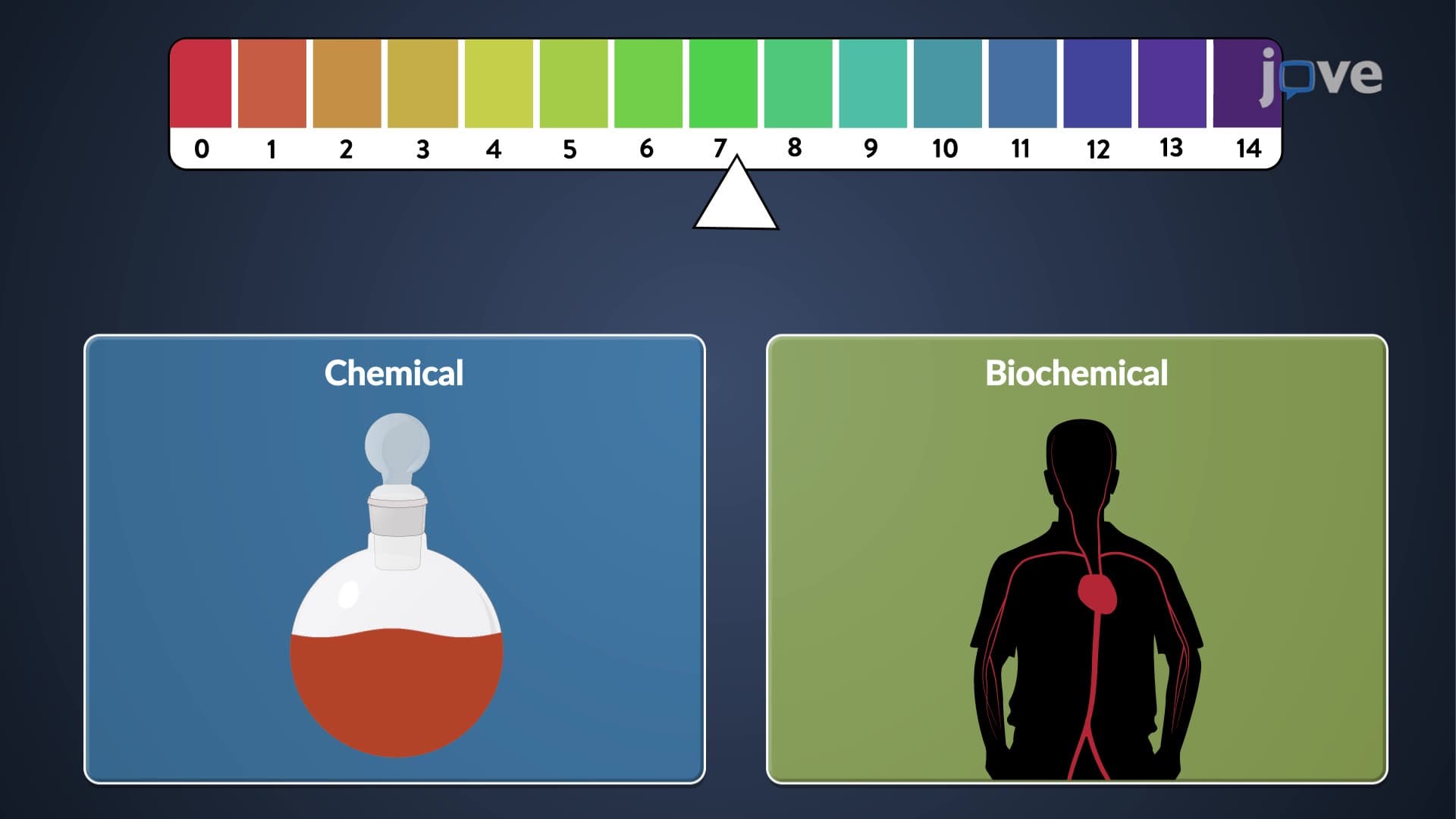
The polyprotic base pH curve concept extends far beyond academic exercises. Water treatment facilities in cities like Los Angeles and Chicago rely on carbonate buffer systems to maintain optimal pH levels. The bicarbonate/carbonate buffer system naturally occurs in blood, helping maintain physiological pH around 7.4. Environmental chemists use these principles when analyzing alkalinity in natural water systems, particularly in the Great Lakes region where carbonate minerals significantly influence water chemistry.
Pharmaceutical companies utilize polyprotic base titrations for quality control of antacid formulations. The sodium carbonate titration technique helps determine the neutralizing capacity of products like Alka-Seltzer and Tums, ensuring consistent therapeutic effectiveness for consumers across the United States.
Related Micro-courses