Loading subject page…


53,693 views

Video Summary: What are Mixtures of Acids
Ever wonder why adding vinegar to lemon juice doesn't double the sourness? Understanding mixtures of acids chemistry reveals fascinating interactions where stronger acids dominate weaker ones through Le Chatelier's principle. In industrial battery acid production, manufacturers carefully balance hydrochloric acid with weaker organic acids to achieve specific pH targets. What are mixtures of acids becomes crucial when predicting solution behavior in pharmaceutical formulations. Watch the full video on JoVE Coach to master this concept with expert-led visuals and step-by-step explanations.
What are mixtures of acids represents one of chemistry's most practical yet complex topics, where multiple acidic species coexist in solution, each contributing differently to the overall acidity. Unlike simple single-acid solutions, these mixtures demonstrate sophisticated equilibrium interactions that follow predictable patterns based on relative acid strengths and concentrations.
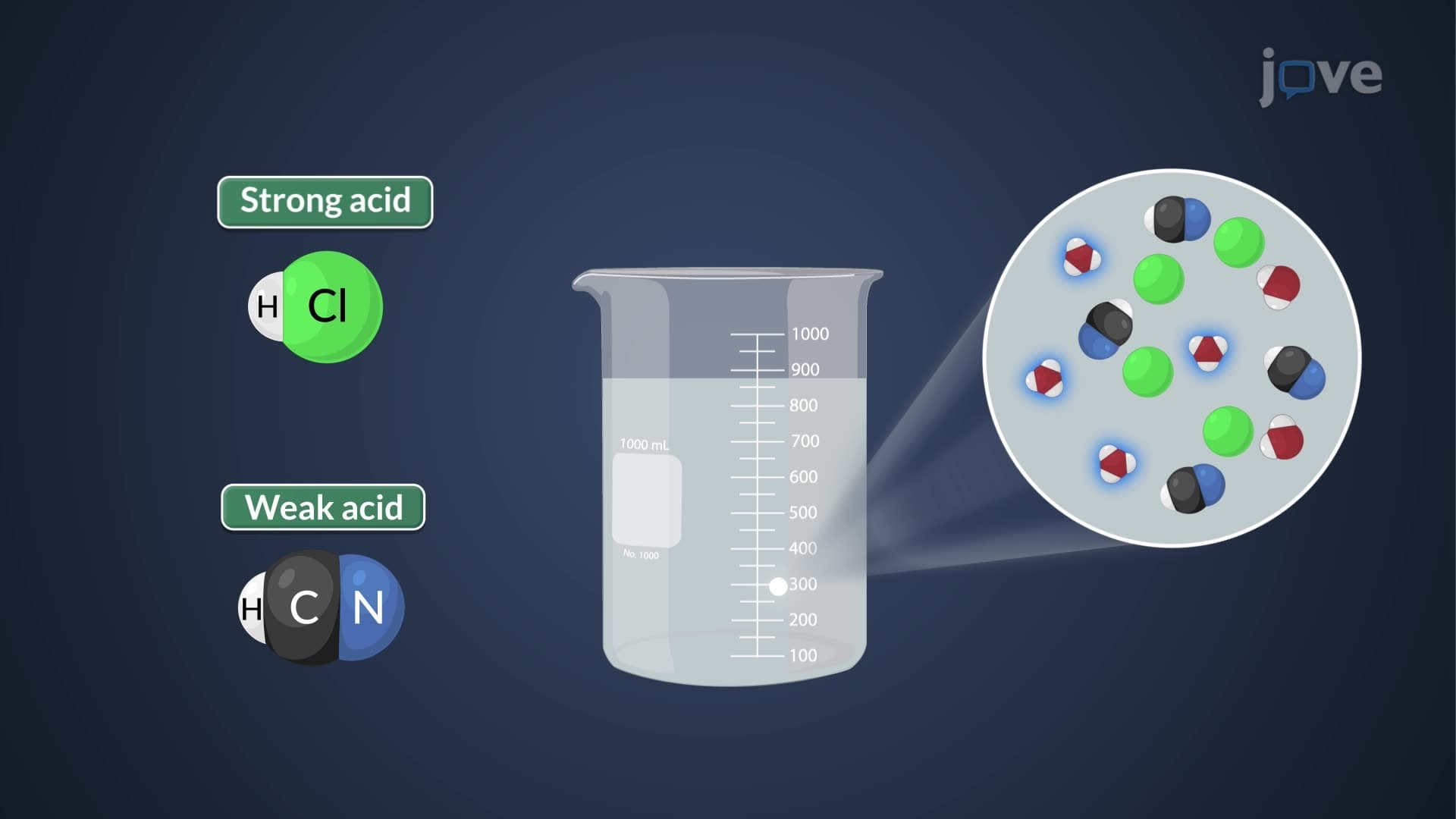
When strong and weak acids combine, the strong acid's complete dissociation creates an environment where the weak acid's contribution becomes virtually negligible. Consider mixing 0.15 M hydrochloric acid (HCl) with 0.30 M hydrogen cyanide (HCN), despite HCN's higher concentration, HCl completely ionizes to produce 0.15 M H3O+, while HCN's partial dissociation contributes less than 0.001 M additional H3O+. This phenomenon occurs because the elevated H3O+ concentration from the strong acid shifts the weak acid's equilibrium toward its molecular form, suppressing further dissociation through Le Chatelier's principle.
In acid mixture titration analysis, understanding how two weak acids compete becomes essential. When mixing equal concentrations of hydrofluoric acid (HF, Ka = 3.5 × 10^-4) with hydrogen cyanide (HCN, Ka = 4.9 × 10^-10), HF dominates despite both being weak acids. The million-fold difference in their Ka values means HF contributes nearly all the H3O+ ions, making HCN's contribution negligible for practical pH calculations.
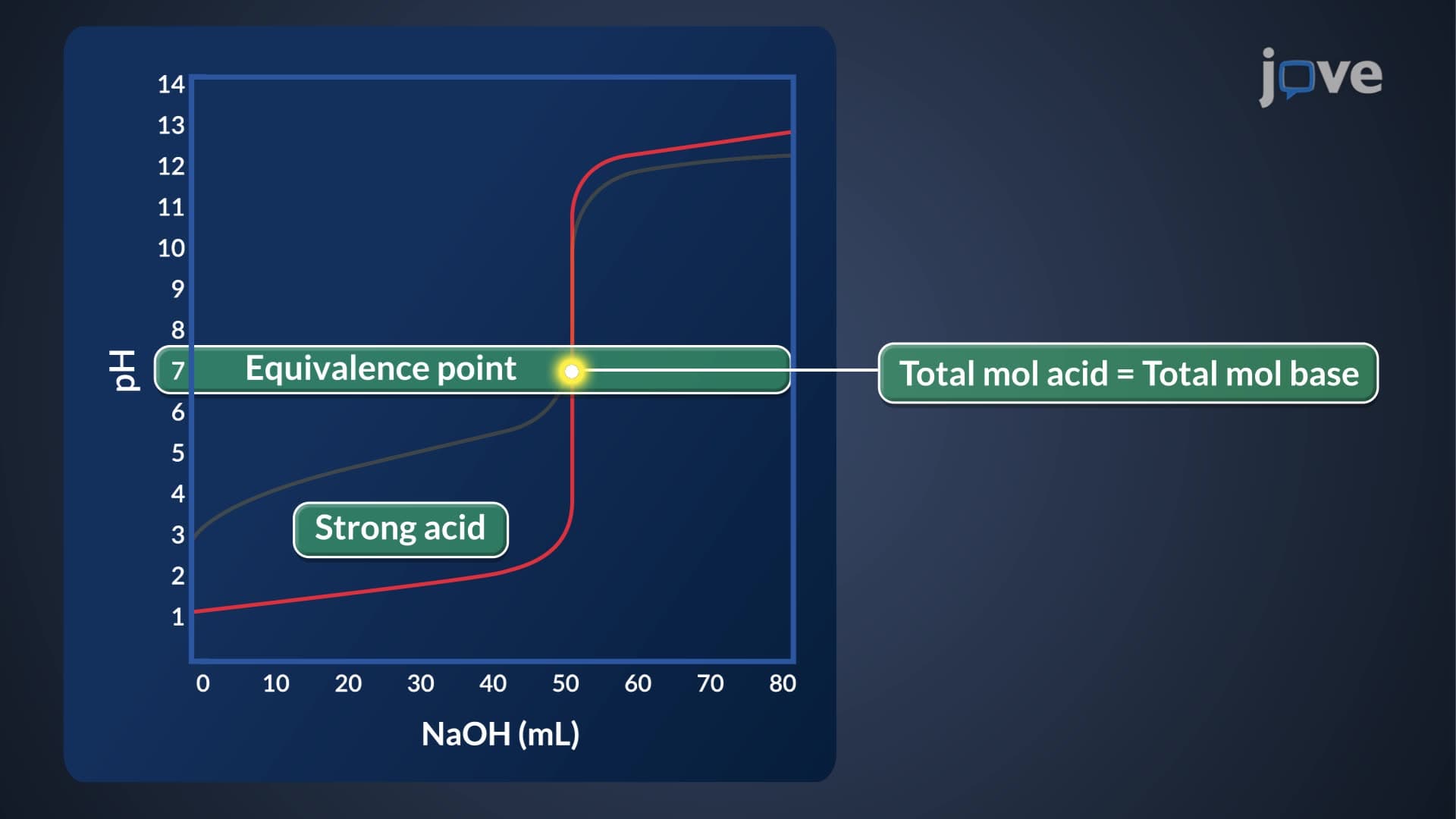
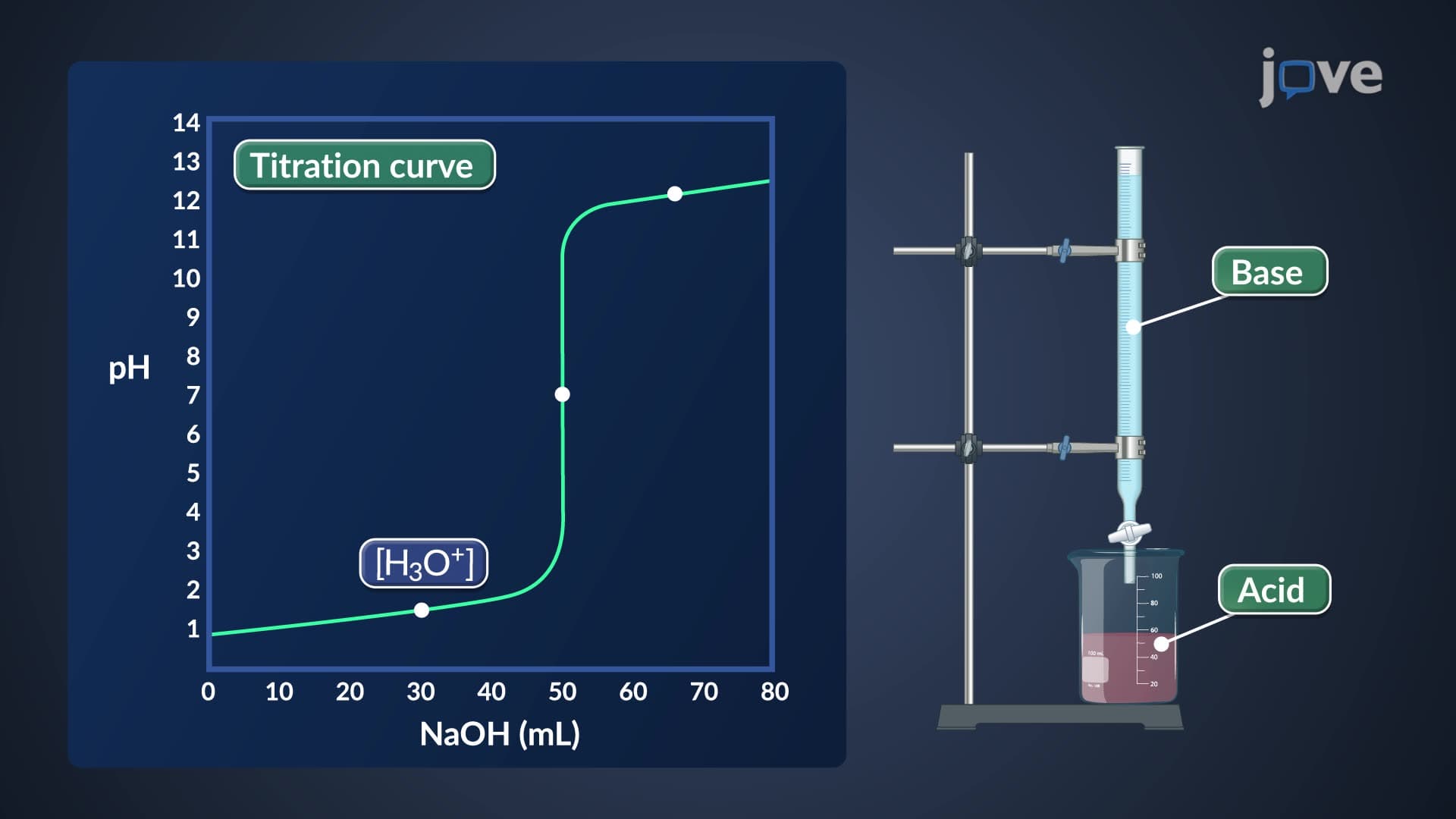
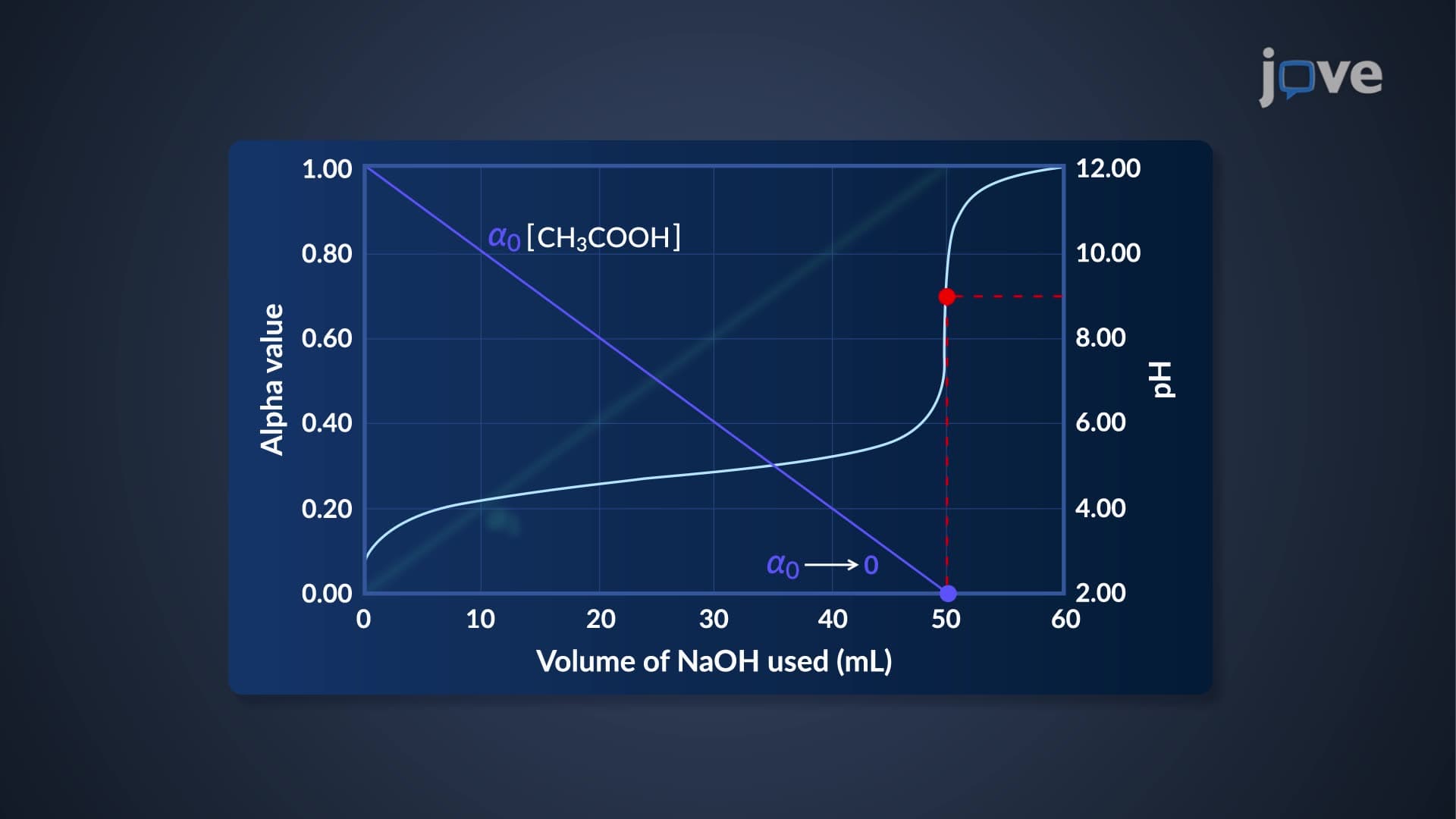
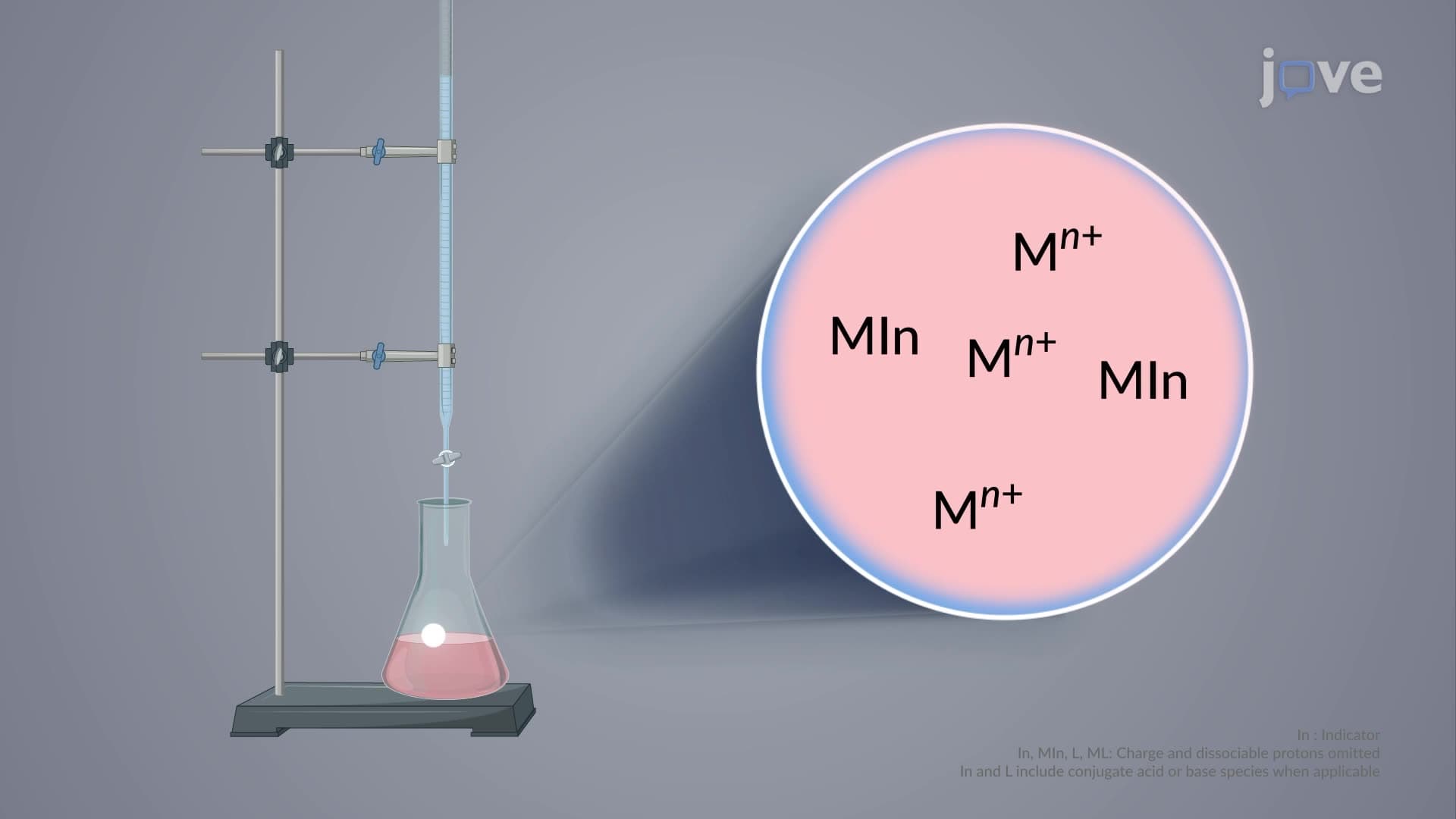
Understanding how to titrate a mixture of acids becomes crucial for pharmaceutical quality control and environmental analysis. The FDA requires precise acid content analysis in medications, where sequential neutralization acids occurs at distinct equivalence points. Polyprotic acid titration mixture scenarios, common in college chemistry labs, demonstrate how acids with multiple ionizable protons create complex titration curves with multiple inflection points, each representing different dissociation stages.
This knowledge proves essential for AP Chemistry students tackling free-response questions about buffer systems, while pre-med students encounter similar concepts on the MCAT's Chemical and Physical Foundations section.
Related Micro-courses