Loading subject page…

- Analytical Chemistry
- Acid–base Titration
- Solution Composition During Acid/Base Titrations
Micro-course: Acid–Base Titration
53,667 views
Learn key concepts and earn your certificate.




Solution Composition During Acid/Base Titrations

00:00
01:17
Video Summary: What Is Acid Base Titration Composition
Ever wonder how pharmaceutical companies ensure exact drug concentrations in medications like antacids sold at CVS? Acid base titration composition reveals the precise molecular makeup at every stage when acids and bases neutralize each other. During a typical acetic acid-sodium hydroxide titration used in US college chemistry labs, the solution transforms from 98.7% undissociated acid to nearly pure acetate ions, creating predictable buffer systems essential for drug manufacturing and environmental testing. Watch the full video on JoVE Coach to master this concept with expert-led visuals and step-by-step explanations.
- Understand what is acid base titration composition and how alpha values quantify species concentrations throughout the neutralization process
- Identify the relationship between pH, pKa, and molecular composition at critical titration points including half-equivalence and equivalence points
- Analyze how buffer formation occurs when weak acids react with strong bases, creating solutions with predictable ionic compositions
- Compare the relative concentrations of conjugate acid-base pairs using alpha notation and equilibrium calculations
- Evaluate titration curves to determine the predominant species at any given pH during the neutralization reaction
- Apply composition analysis principles to predict solution behavior in pharmaceutical quality control and environmental monitoring
- Recognize the significance of crossover points where alpha values intersect and buffer capacity reaches maximum effectiveness
- Explore how understanding titration mixture analysis enables precise formulation of medicines, cleaning products, and laboratory reagents
Understanding Acid Base Titration Composition Fundamentals
Acid base titration composition refers to the quantitative distribution of chemical species present in solution as acids and bases neutralize each other. This composition changes predictably throughout the titration process, governed by equilibrium principles that pharmaceutical companies, environmental labs, and food manufacturers rely on daily across the United States.
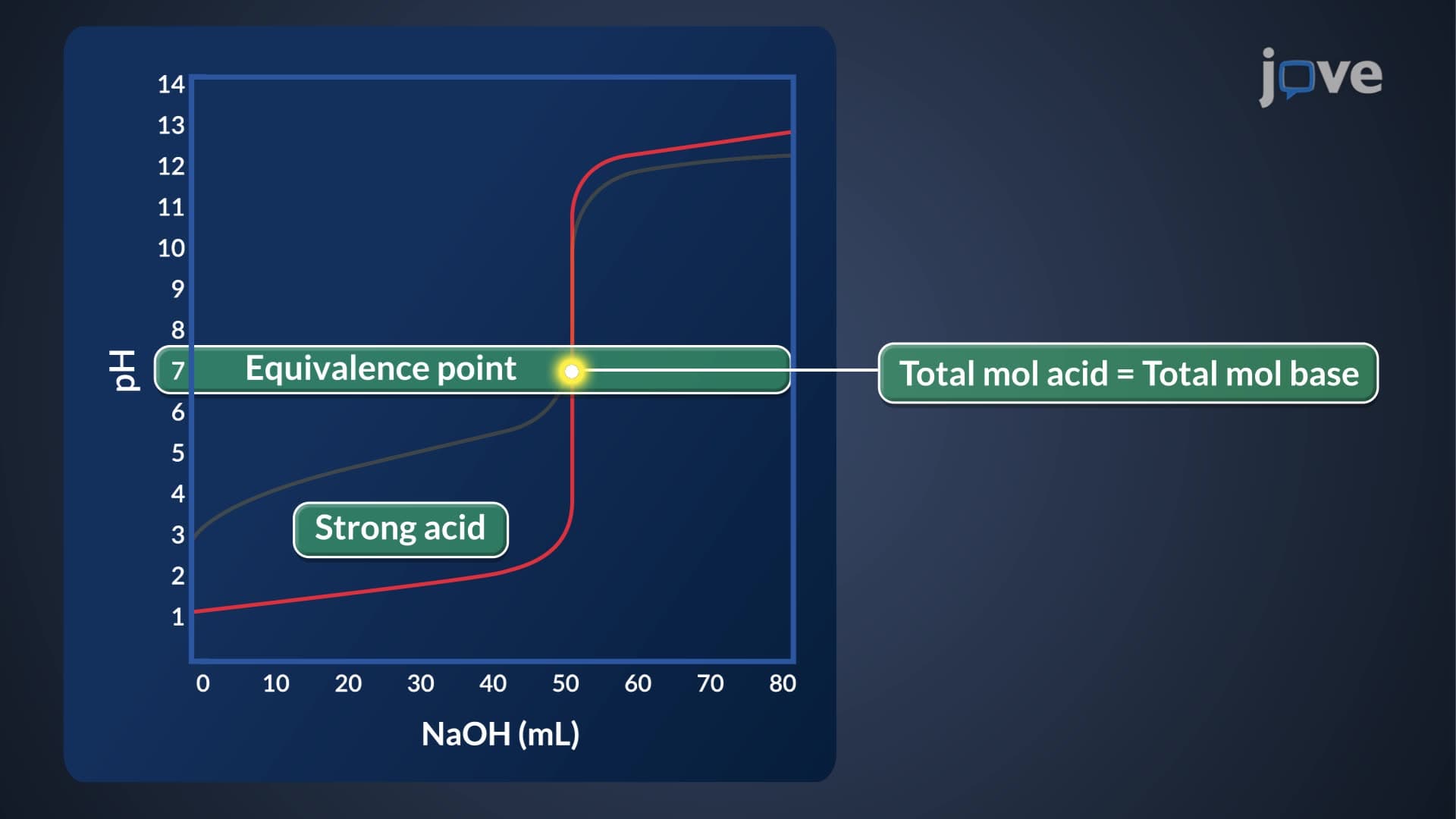
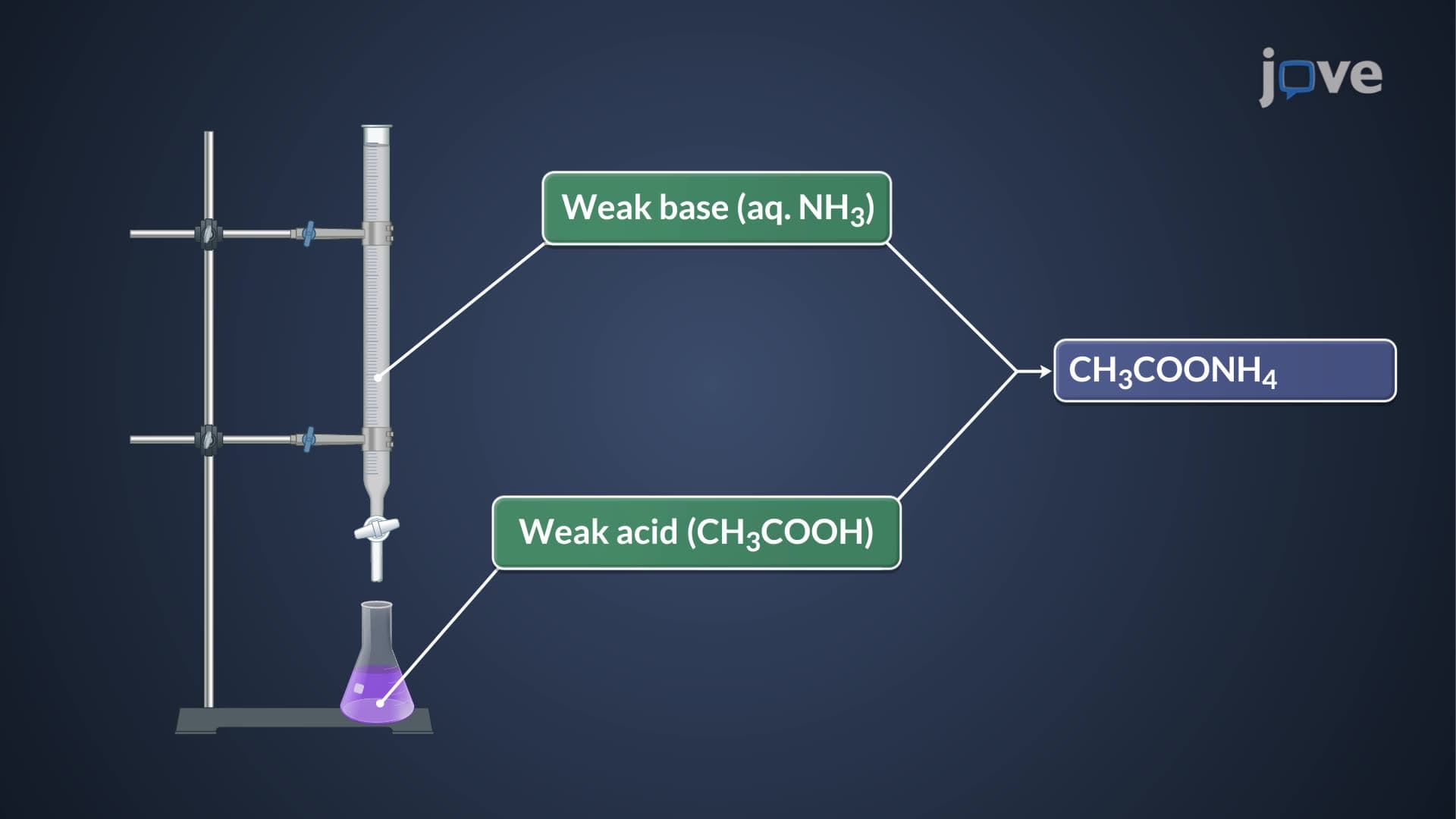
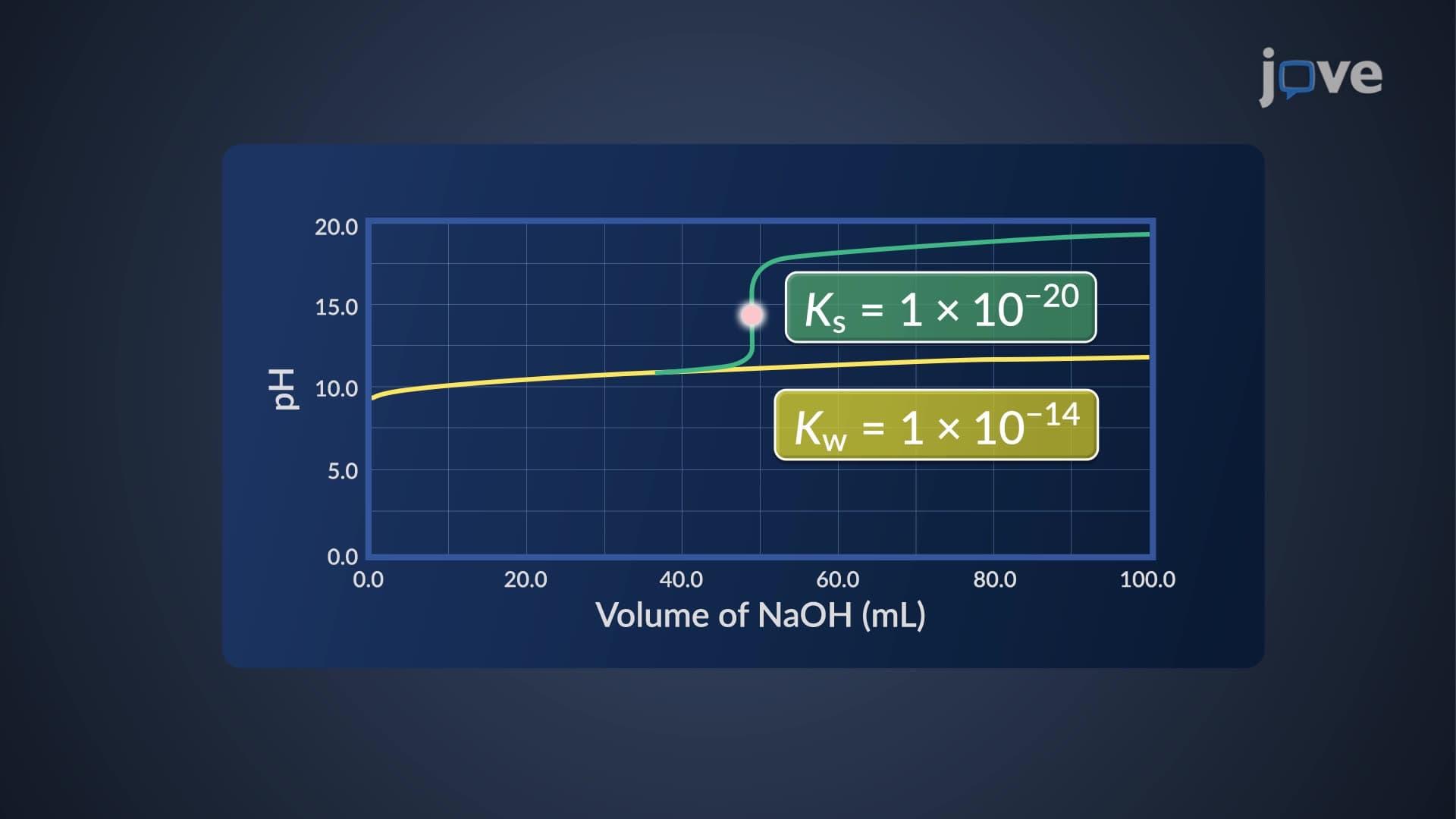
The composition analysis becomes particularly crucial when dealing with weak acid-strong base systems, like the acetic acid-sodium hydroxide reaction commonly studied in AP Chemistry and college general chemistry courses. Unlike strong acid-strong base titrations that show abrupt composition changes, weak acid systems create buffer regions where multiple species coexist in measurable concentrations.
Alpha Values: Quantifying Species Distribution
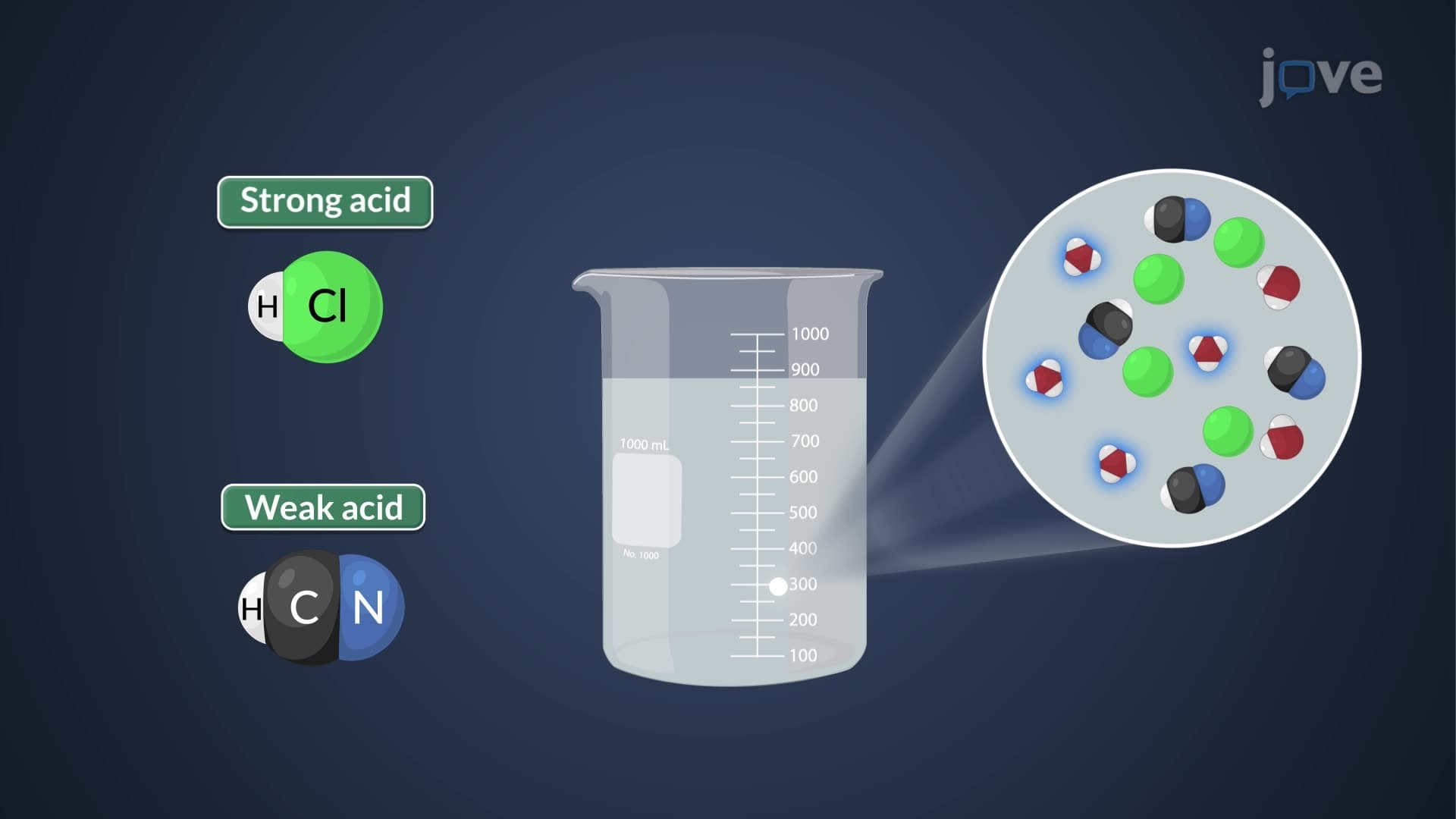
Alpha notation (α) provides the mathematical framework for describing composition of acid base titration solution at any point during neutralization. For a monoprotic weak acid system, α₀ represents the fraction existing as undissociated acid (HA), while α₁ represents the fraction present as conjugate base (A⁻).
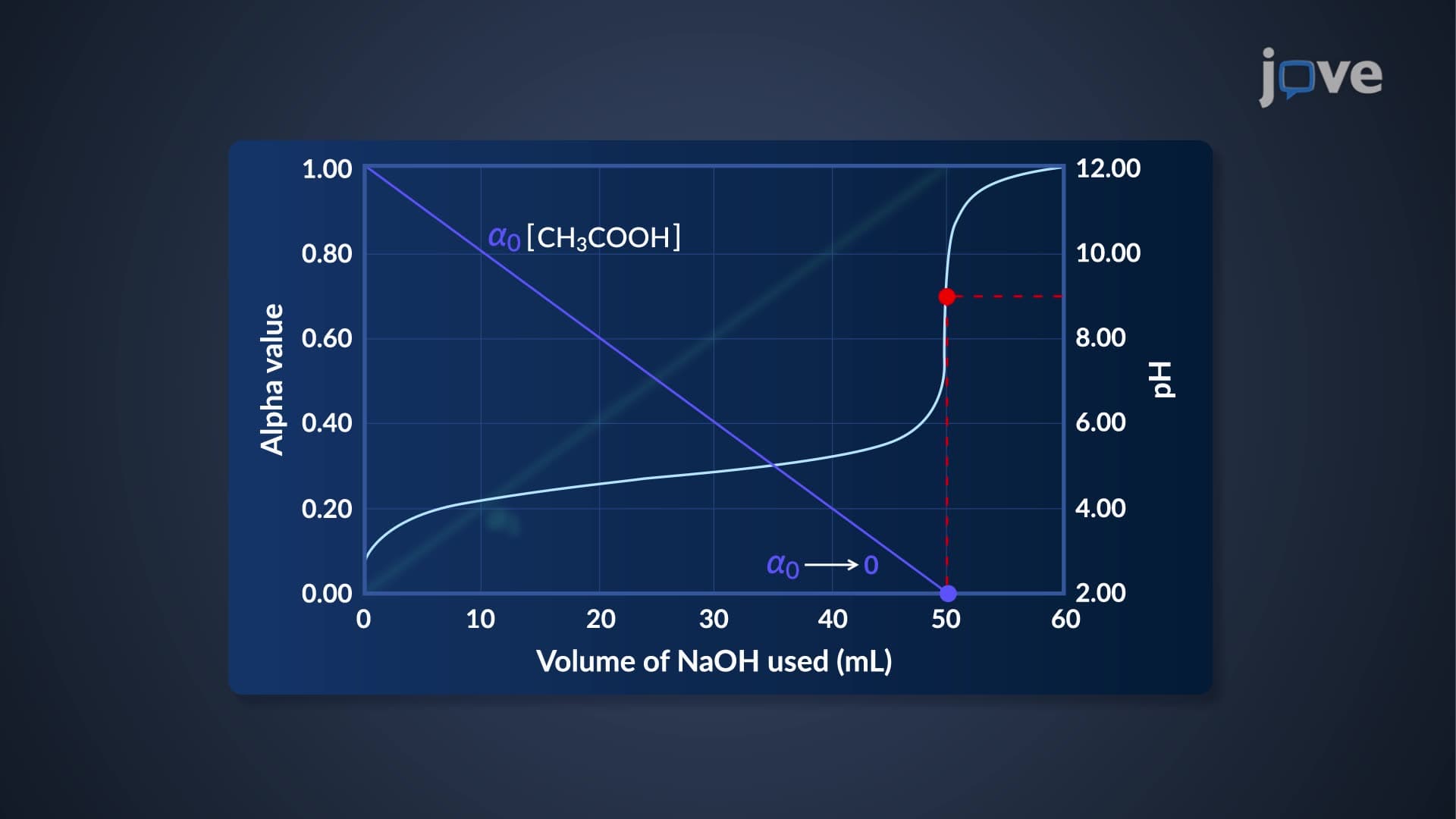
At the beginning of an acetic acid titration, α₀ = 0.987 indicates that 98.7% remains as molecular acetic acid, with only 1.3% dissociated into acetate ions. This composition directly impacts solution properties-undissociated acetic acid contributes to the characteristic vinegar smell, while acetate ions influence electrical conductivity measurements used in industrial quality control.
Critical Composition Points During Titration
The half-equivalence point represents a pivotal moment in what happens during acid base titration. Here, pH equals pKa (4.76 for acetic acid), and α₀ = α₁ = 0.5, meaning equal concentrations of acetic acid and acetate exist simultaneously. This 50:50 composition creates maximum buffer capacity, explaining why acetate buffers are extensively used in biochemical research labs at institutions like Johns Hopkins and MIT.
As titration progresses toward the equivalence point, α₀ approaches zero while α₁ approaches unity. This dramatic composition shift from predominantly molecular acid to ionic acetate explains the sharp pH increase characteristic of weak acid titrations. Understanding this transformation helps students excel on MCAT chemistry sections and college organic chemistry exams.
Real-World Applications of Composition Analysis
Pharmaceutical manufacturers utilize titration mixture analysis principles when formulating medications. Aspirin production requires precise control of salicylic acid composition during synthesis, while antacid effectiveness depends on understanding how aluminum hydroxide neutralizes stomach acid. Environmental testing labs across states like California and Texas employ these same principles when monitoring acid rain neutralization capacity in natural water systems.
The ionic composition titration concept extends beyond academic settings into everyday products. Food scientists optimize vinegar acidity for consistent flavor profiles, while swimming pool maintenance relies on understanding carbonate buffer compositions for pH stability.
Frequently Asked Questions
Acid base titration composition describes the exact percentages of different chemical species (molecules and ions) present in solution during neutralization reactions. It matters because understanding composition changes helps predict solution properties like pH, conductivity, and buffer capacity-concepts heavily tested on AP Chemistry exams, college midterms, and the MCAT. This knowledge also explains how everyday products from antacids to food preservatives function at the molecular level.
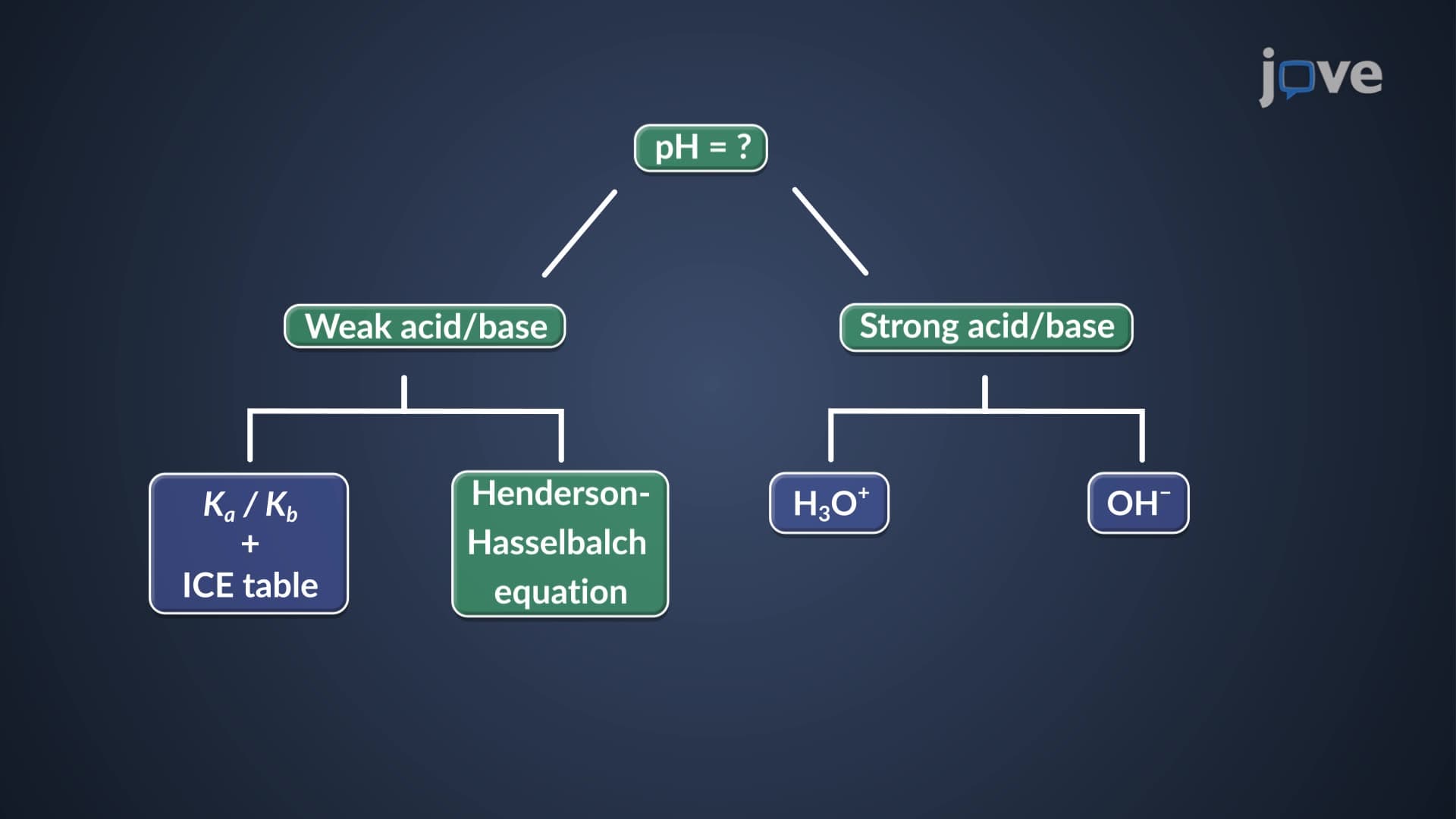
Alpha values (α₀, α₁) represent the fraction of total acid existing in each form-molecular or ionic. For example, if α₀ = 0.8 during an acetic acid titration, then 80% exists as undissociated CH₃COOH molecules while 20% exists as CH₃COO⁻ ions. Students can calculate these values using pH and pKa: α₀ = [H⁺]/([H⁺] + Ka) and α₁ = Ka/([H⁺] + Ka). These calculations frequently appear on college chemistry problem sets and standardized exams.
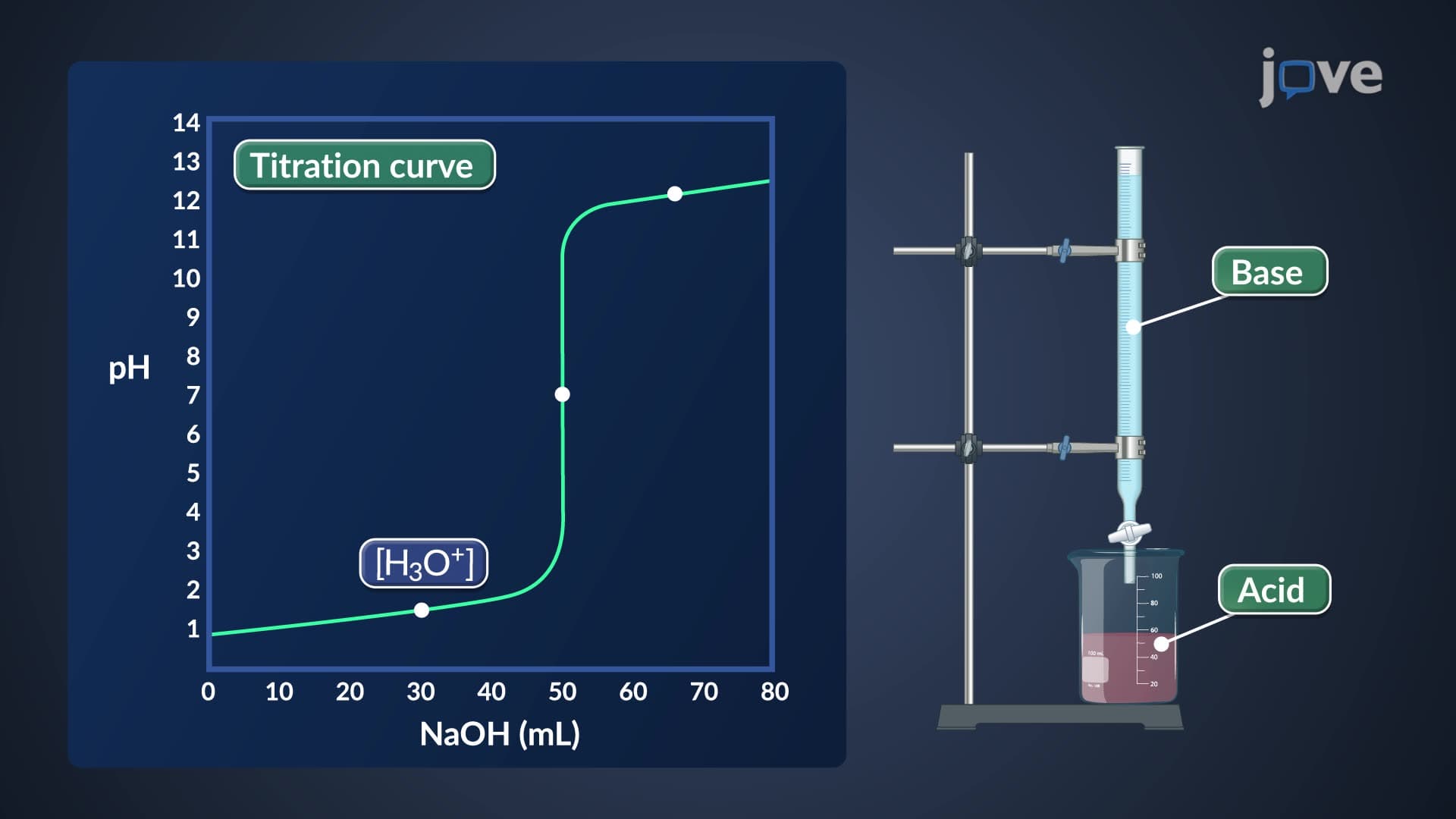
During titration, added base progressively converts acid molecules into their conjugate base ions through neutralization reactions. Initially, most acid remains molecular (high α₀), but as base is added, equilibrium shifts toward ionic forms (increasing α₁). At the half-equivalence point, composition reaches 50:50 molecular-to-ionic ratio, creating maximum buffer capacity. This composition evolution explains the characteristic S-shaped titration curve students analyze in AP Chemistry labs.
Absolutely! MCAT frequently tests buffer composition, Henderson-Hasselbalch applications, and pH calculations-all directly related to titration composition concepts. Questions often involve physiological buffers like bicarbonate systems in blood or amino acid titrations relevant to protein chemistry. Understanding alpha values and composition changes gives you the analytical tools to tackle complex acid-base scenarios that appear on 25-30% of MCAT chemistry passages.
Pharmaceutical companies rely on composition analysis to ensure drug potency and stability. For instance, when manufacturing acetaminophen, precise control of intermediate acid compositions prevents side reactions that create toxic impurities. Quality control labs at companies like Pfizer and Johnson & Johnson use titration composition data to verify active ingredient concentrations meet FDA standards. Many medications also contain buffer systems designed using these same alpha value calculations to maintain stability during storage.
Not at all! While the mathematical framework involves logarithms and equilibrium expressions, the core concepts build naturally from basic acid-base principles taught in introductory chemistry. Students who understand pH, pKa, and Le Chatelier's principle already possess the foundation needed. Starting with simple monoprotic examples like acetic acid helps build confidence before tackling more complex polyprotic systems. Many high school students successfully apply these concepts in AP Chemistry labs and science fair projects.
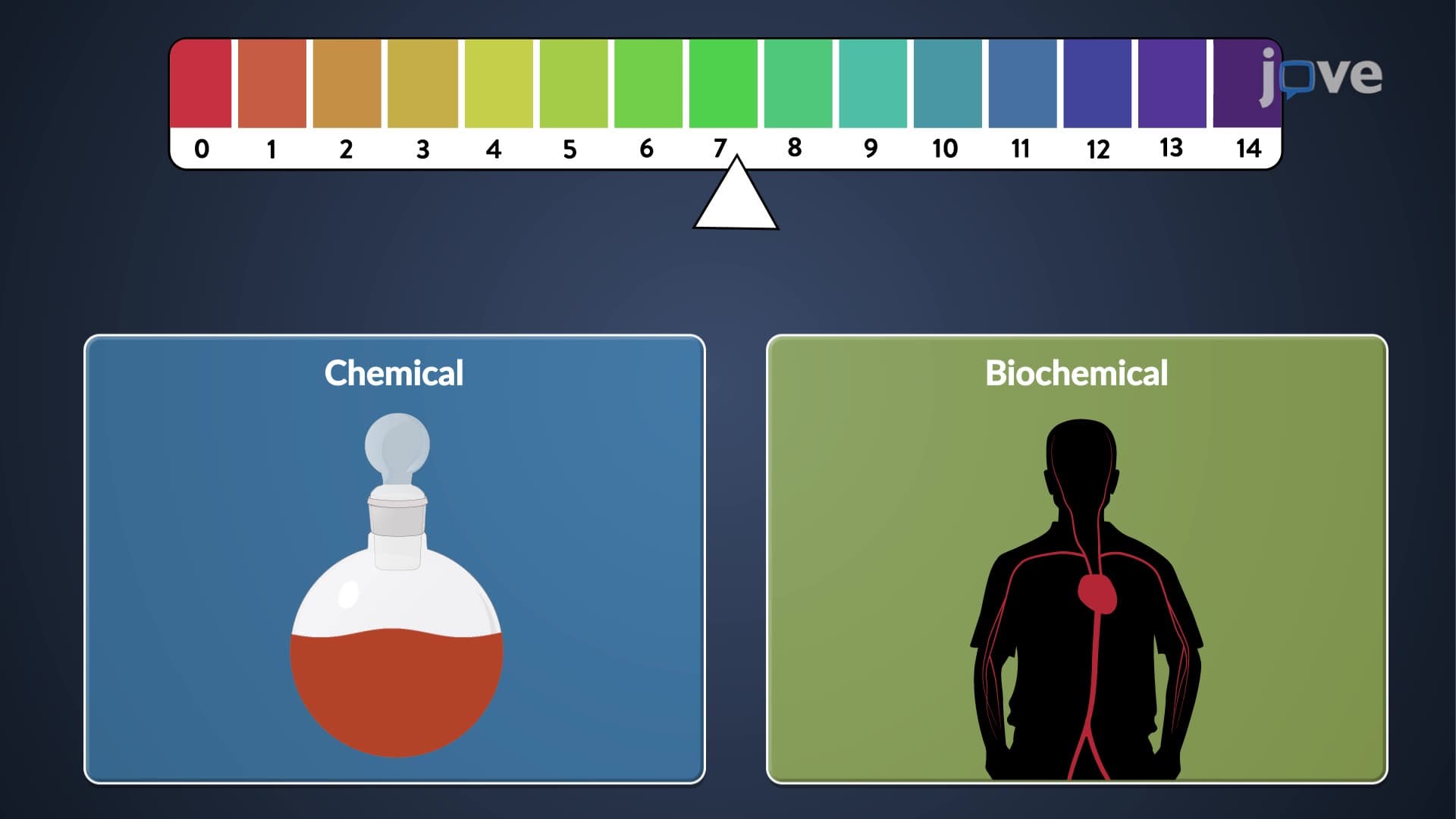
Focus on understanding the relationship between pH, pKa, and species distribution rather than memorizing formulas. Practice drawing alpha diagrams showing how composition changes with pH-this visual approach helps on both multiple-choice and free-response questions. Work through problems involving different weak acids (acetic, formic, benzoic) to recognize patterns. Create flashcards connecting composition concepts to real examples like blood buffers or environmental chemistry applications that commonly appear on standardized exams.
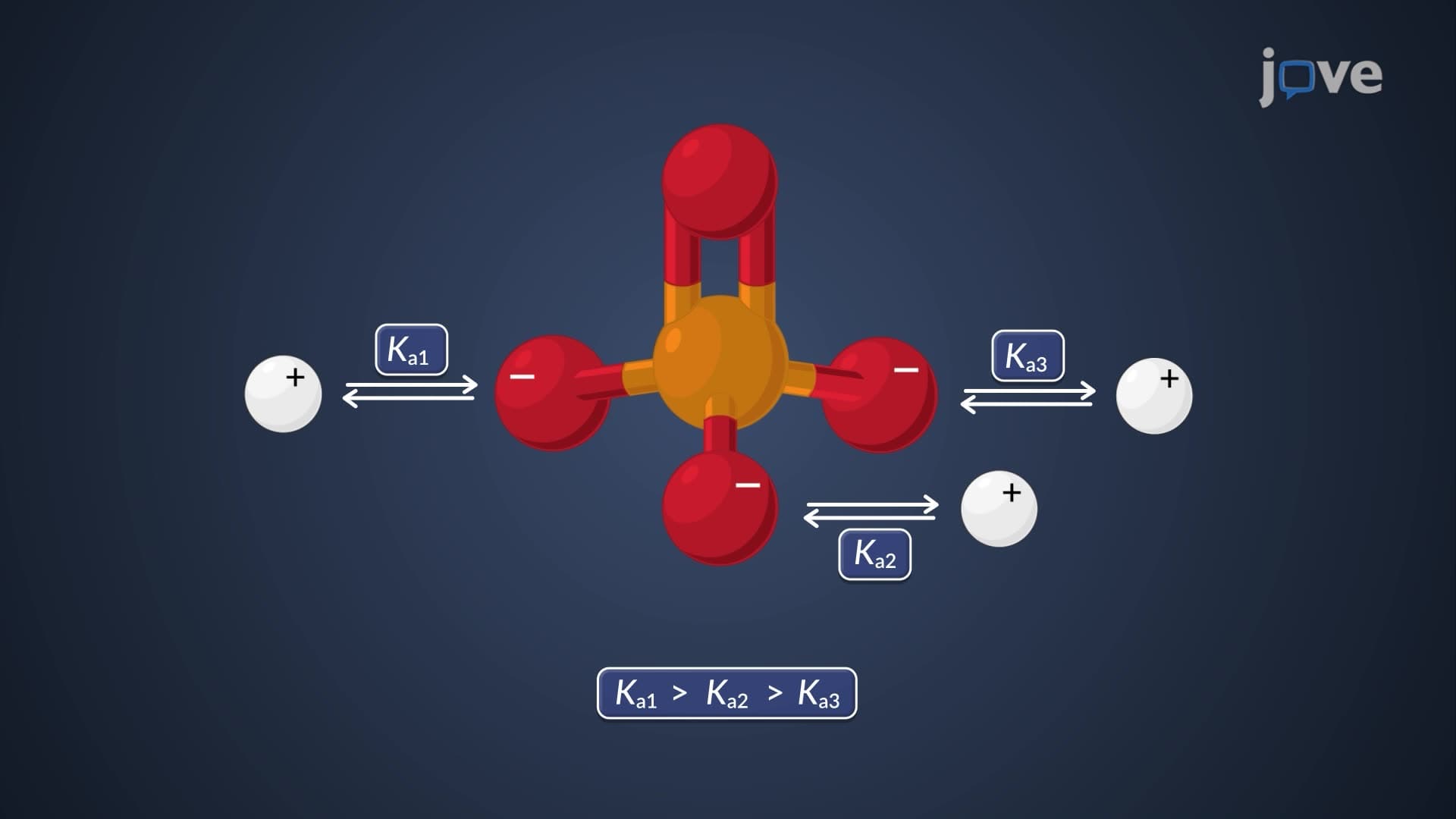
Progress to polyprotic acid systems like phosphoric acid, which involve multiple alpha values and more complex composition diagrams. Explore amino acid titrations relevant to biochemistry and protein structure. Study how temperature affects composition through thermodynamics, and investigate non-aqueous titrations used in pharmaceutical analysis. These advanced topics provide excellent preparation for upper-level courses in analytical chemistry, biochemistry, and medicinal chemistry programs at universities nationwide.
Related Micro-courses
17 Concepts

14 Concepts