Loading subject page…


53,692 views

Video Summary: What Is Titration in Nonaqueous Solvents
Why would a pharmaceutical company analyzing vitamin C supplements avoid using water in their acid-base analysis? Nonaqueous solvent titration offers superior precision when water interferes with weak acid or base measurements. This technique, essential in titration in non-aqueous media, enables accurate analysis of organic compounds like aspirin in acetone or acetic acid solutions. Understanding what is titration in nonaqueous solvents becomes crucial for quality control in US pharmaceutical manufacturing. Watch the full video on JoVE Coach to master this concept with expert-led visuals and step-by-step explanations.
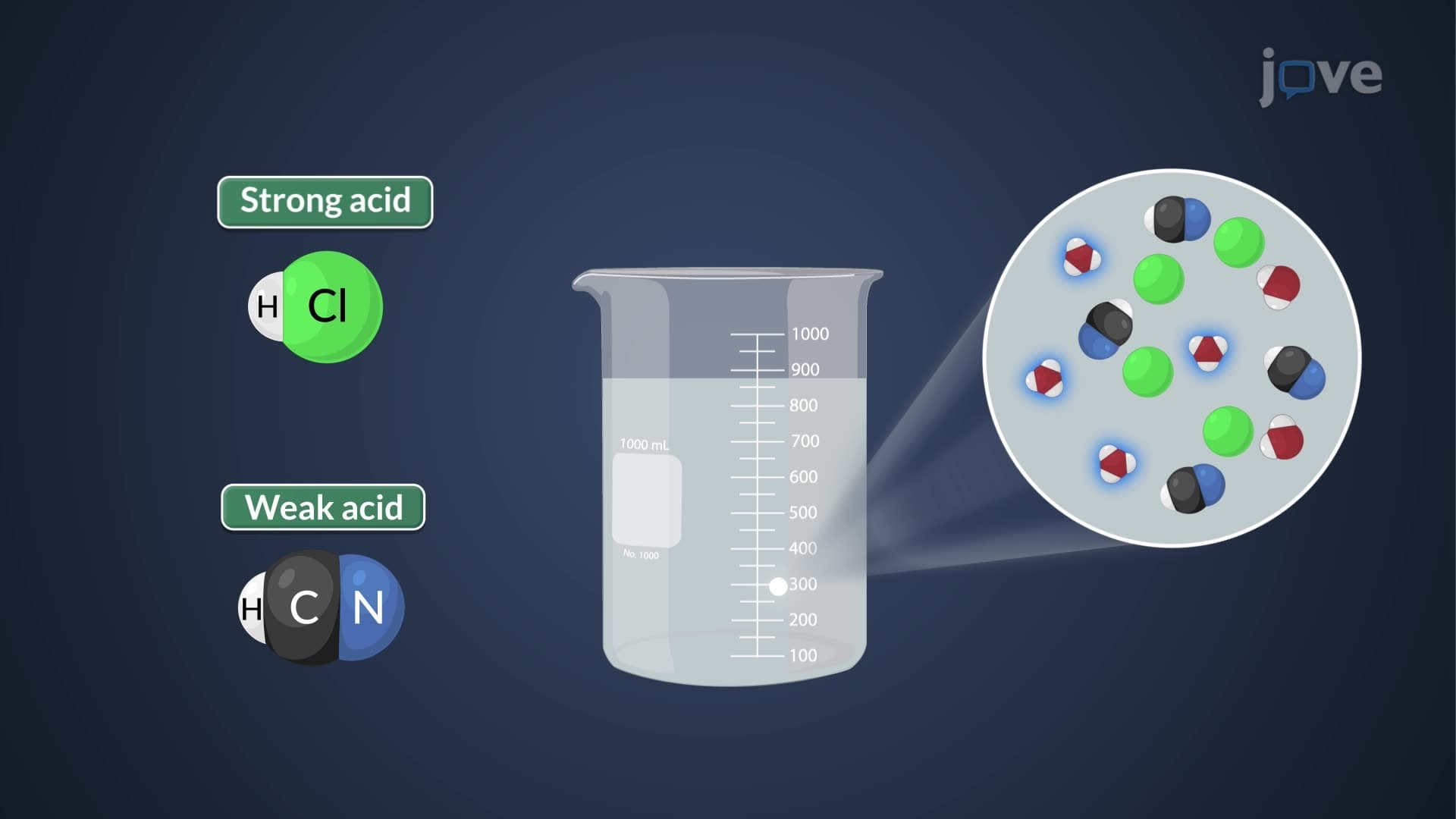
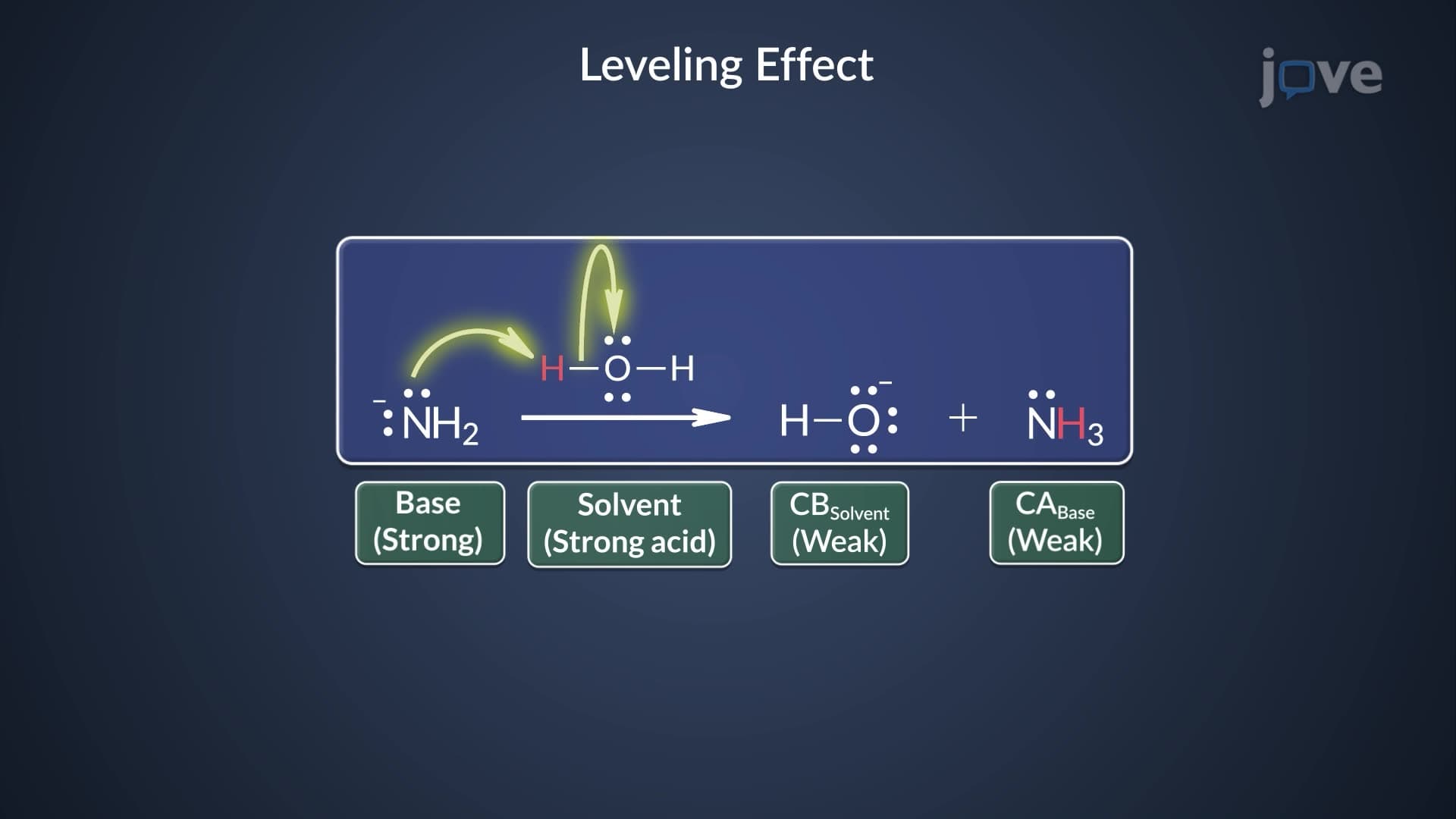
Titration in nonaqueous solvents represents a sophisticated analytical technique that overcomes water's inherent limitations in acid-base analysis. When pharmaceutical companies like Pfizer analyze drug compounds or when environmental laboratories test organic pollutants, water often creates more problems than solutions. The leveling effect of water-its tendency to make all strong acids appear equally strong-masks subtle differences crucial for precise analysis.
The primary advantage lies in eliminating water's competitive proton exchange. Consider acetic acid solvent titration: while acetic acid behaves as a weak acid in water, it becomes significantly stronger in liquid ammonia due to ammonia's superior proton-accepting ability. This dramatic shift enables sharper equivalence points and more accurate determinations.
US pharmaceutical quality control laboratories routinely employ nonaqueous acid base titration for analyzing compounds like acetylsalicylic acid (aspirin) in glacial acetic acid. The FDA requires precise potency measurements, and nonaqueous methods deliver the accuracy water-based titrations cannot achieve.
Aprotic solvent titration systems, such as acetonitrile or dimethylformamide, excel when analyzing basic drugs like antihistamines. These solvents neither donate nor accept protons readily, providing a neutral environment for accurate base strength determination.
Perchloric acid nonaqueous titrations represent the gold standard for pharmaceutical alkaloid analysis. Companies analyzing caffeine content in over-the-counter medications use perchloric acid in glacial acetic acid, achieving precision impossible in aqueous systems.
Protophilic solvents like liquid ammonia enhance weak acid ionization, while protogenic solvents such as glacial acetic acid strengthen weak bases. Amphoteric solvents like alcohols provide versatility for various analyte types.
Students preparing for AP Chemistry or college analytical chemistry courses should recognize that nonaqueous solvent titration questions frequently appear on exams. The MCAT includes nonaqueous titration concepts in its Chemical and Physical Foundations section, particularly regarding solvent effects on acid-base equilibria.
Laboratory courses at universities like MIT and Stanford incorporate nonaqueous titrations in advanced analytical chemistry curricula, preparing students for careers in pharmaceutical research and quality control.
Related Micro-courses