Loading…
Loading video…

11,665 views
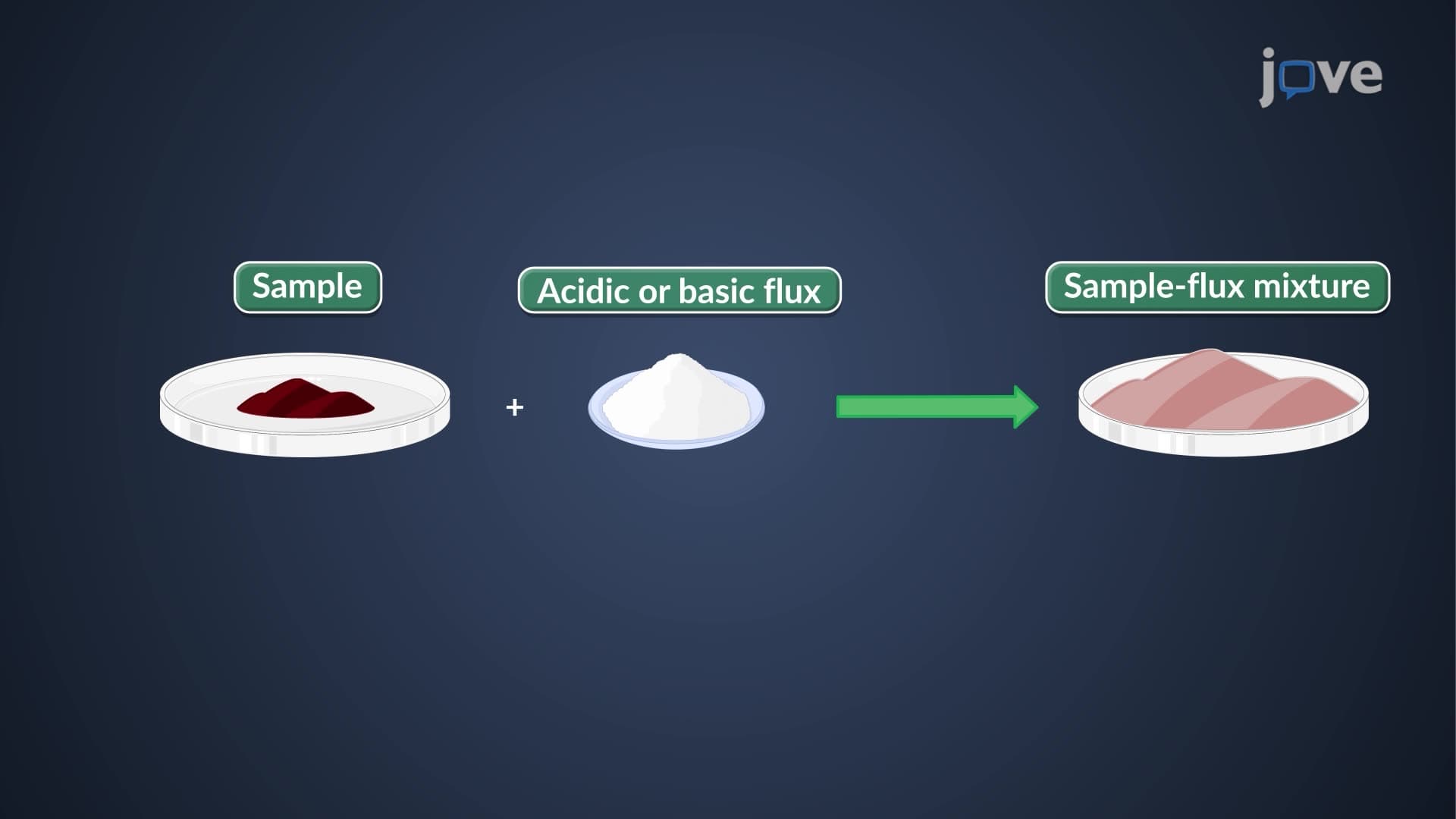
What if a single contaminated sample could invalidate months of pharmaceutical research? Advanced sample preparation techniques form the critical foundation of accurate chemical analysis, determining whether results from FDA drug testing or EPA environmental monitoring can be trusted. These sophisticated methods, covered in this Sample Preparation For Analysis Advanced Techniques Guide, include fusion techniques for stubborn inorganic materials and specialized digestion methods for organic compounds used by laboratories nationwide. Watch the full video on JoVE Coach to master this concept with expert-led visuals and step-by-step explanations.
Sample preparation represents the most critical yet challenging phase of analytical chemistry, often consuming 60-80% of total analysis time in professional laboratories. The choice between different preparation methods can make the difference between accurate results and costly analytical failures. Advanced sample preparation techniques have evolved to address increasingly complex analytical demands, from pharmaceutical quality control at companies like Pfizer to environmental monitoring by the EPA.
Inorganic materials present unique challenges due to their often-refractory nature. While many ionic compounds dissolve readily in water or dilute acids, materials like ceramics, minerals, and metal alloys require more aggressive treatment. The fusion technique represents the most powerful approach for these stubborn samples.
In fusion preparation, samples are mixed with flux materials (typically lithium metaborate or sodium carbonate) in carefully controlled ratios of 1:10 to 1:20. This mixture undergoes heating in platinum crucibles at temperatures exceeding 1000°C, creating a molten mass that incorporates even the most resistant sample components. Upon cooling, the resulting glass-like material dissolves completely in water or dilute acid, enabling subsequent analysis.
This technique proves essential for analyzing geological samples in mining operations across states like Colorado and Nevada, where accurate mineral composition data drives extraction decisions worth millions of dollars.
Organic materials require fundamentally different approaches since the goal often involves destroying the organic matrix to access trace inorganic components. Dry ashing utilizes controlled combustion in muffle furnaces with atmospheric oxygen, typically at 450-600°C. This process converts organic matter to carbon dioxide and water vapor, leaving behind an inorganic ash residue containing metals and other elements of interest.
Wet digestion offers more controlled decomposition using acid mixtures, commonly involving nitric acid, sulfuric acid, and hydrogen peroxide. This approach prevents volatile element losses that can occur during high-temperature ashing, making it preferred for trace metal analysis in food samples analyzed by the FDA.
Contemporary laboratories increasingly rely on microwave digestion preparation systems that combine the effectiveness of wet digestion with precise temperature and pressure control. These automated sample preparation systems ensure reproducible results while reducing analyst exposure to hazardous chemicals.
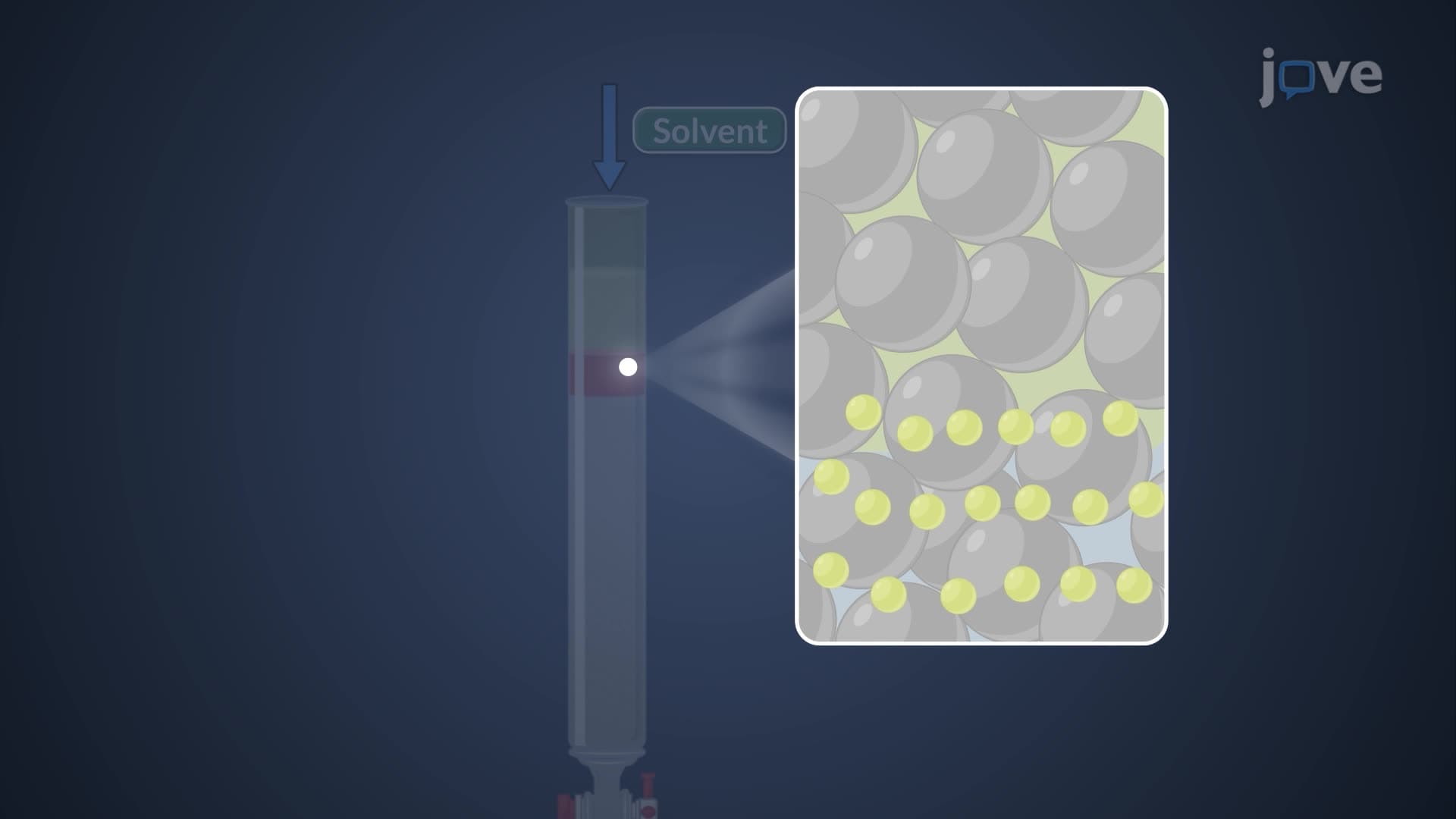
Solid phase extraction preparation and dispersive SPE techniques have revolutionized pharmaceutical and environmental analysis, enabling selective isolation of target compounds from complex matrices. The QuEChERS sample prep method (Quick, Easy, Cheap, Effective, Rugged, and Safe) exemplifies modern efficiency, allowing analysts to prepare dozens of samples simultaneously for pesticide analysis in food products.
Understanding these advanced sample preparation techniques proves essential for students preparing for AP Chemistry exams, college analytical chemistry courses, and professional laboratory careers. The principles learned here form the foundation for more specialized applications encountered in graduate studies and industrial practice.
Frequently Asked Questions
Advanced sample preparation techniques are sophisticated methods used to convert raw samples into forms suitable for analytical instruments. They're essential because improper preparation can introduce errors, contaminate samples, or make analytes undetectable. These techniques ensure reproducible, accurate results that meet regulatory standards set by agencies like the FDA and EPA.
These techniques commonly appear in AP Chemistry FRQs focusing on experimental design and error analysis. College exams often test understanding of method selection based on sample properties, calculation of dilution factors, and troubleshooting preparation procedures. Students should know when to apply fusion versus digestion methods and understand the principles behind each approach.
For MCAT questions, focus on understanding the underlying principles rather than memorizing specific procedures. Recognize that organic samples typically require gentler wet digestion to preserve biomolecules, while inorganic materials may need fusion techniques. The MCAT emphasizes critical thinking about method selection based on sample properties and analytical goals.
Pharmaceutical companies use these techniques for drug purity analysis, raw material testing, and stability studies required by FDA regulations. For example, microwave digestion prepares drug tablets for heavy metal analysis, while solid phase extraction isolates active pharmaceutical ingredients from complex formulations during quality control testing.
No advanced prerequisites are required! These techniques build on basic chemistry concepts like solubility, acid-base reactions, and phase changes that you learn in general chemistry. Start with understanding why different materials require different preparation approaches, then gradually learn specific procedures as you progress through your chemistry education.
Create concept maps linking sample types to appropriate preparation methods, then practice explaining your method choices. Focus on understanding the "why" behind each technique rather than memorizing procedures. Work through practice problems involving method selection and error analysis, which commonly appear on both AP and college exams.
Progress to instrumental analysis methods like atomic absorption spectroscopy, gas chromatography, and mass spectrometry that utilize prepared samples. Study quality assurance protocols, method validation procedures, and advanced separation techniques like HPLC. These topics build naturally on the sample preparation foundation you've established.
Related Micro-courses


Related Subjects
 Chemistry 21 micro-courses›
 Organic Chemistry 21 micro-courses›