- Analytical Chemistry
- Introduction to Molecular Spectroscopy
Micro-courses:16

Introduction to Molecular Spectroscopy
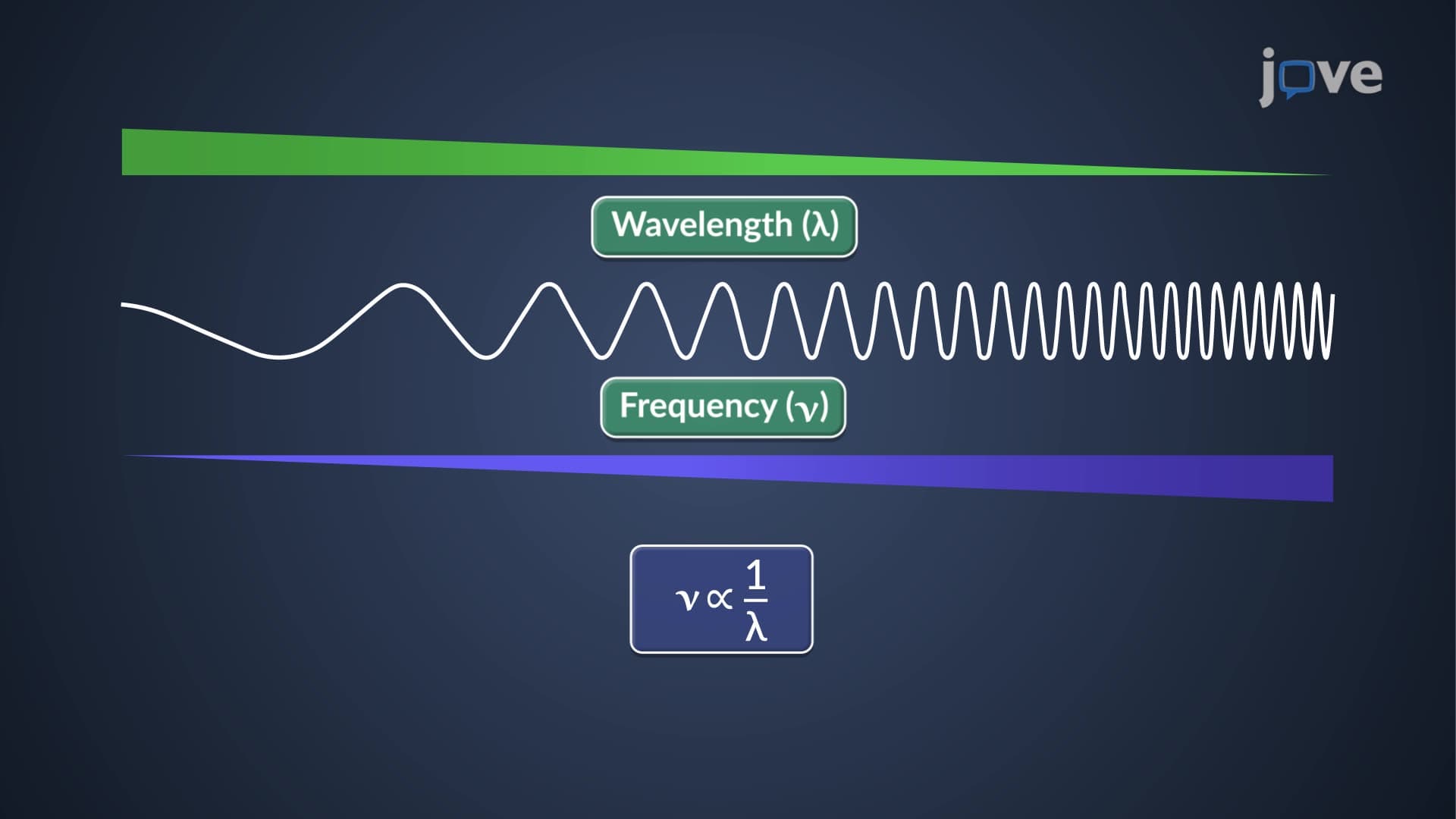
1. Dual Nature of Electromagnetic (EM) Radiation
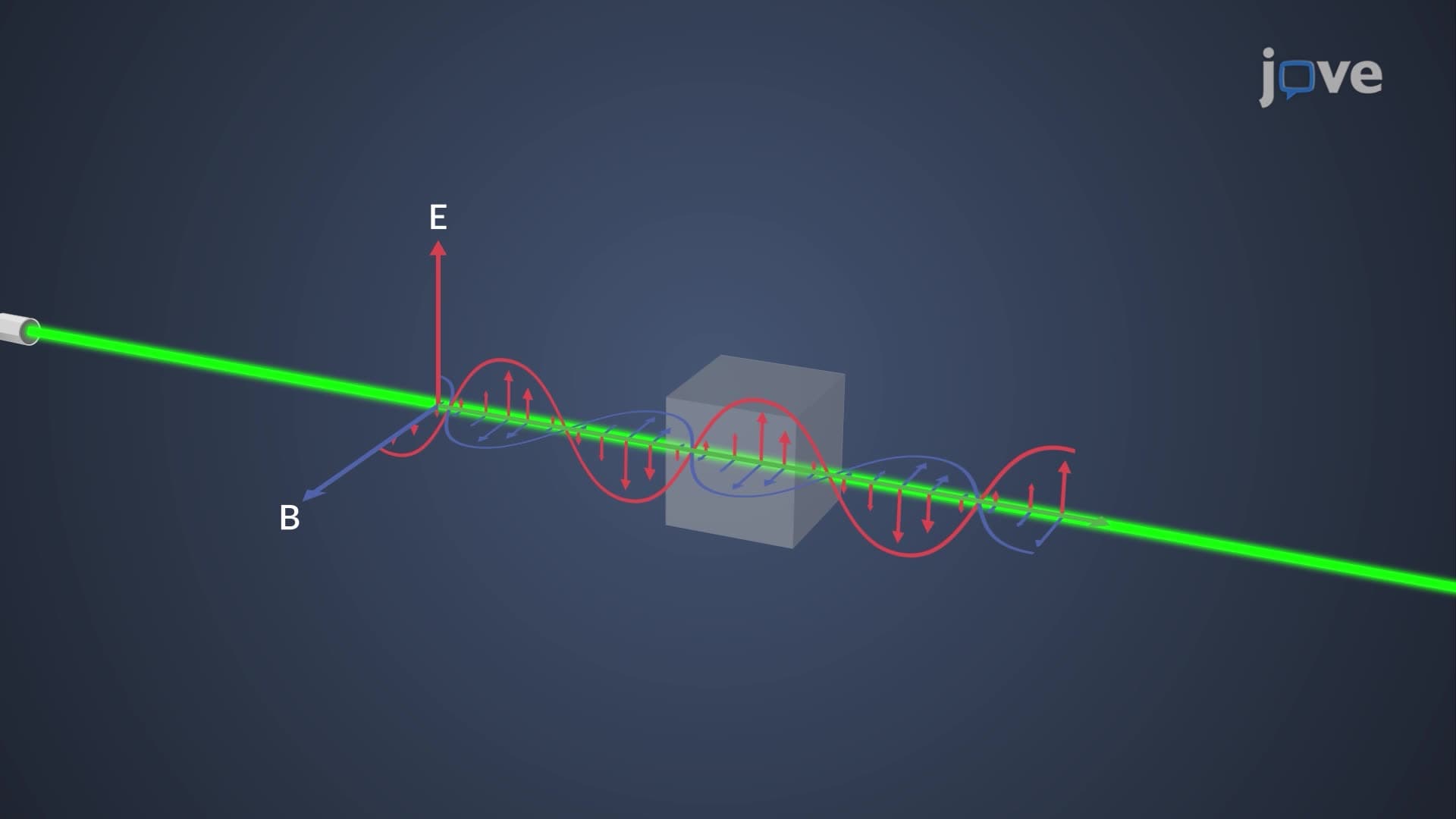
2. Interaction of EM Radiation with Matter: Spectroscopy
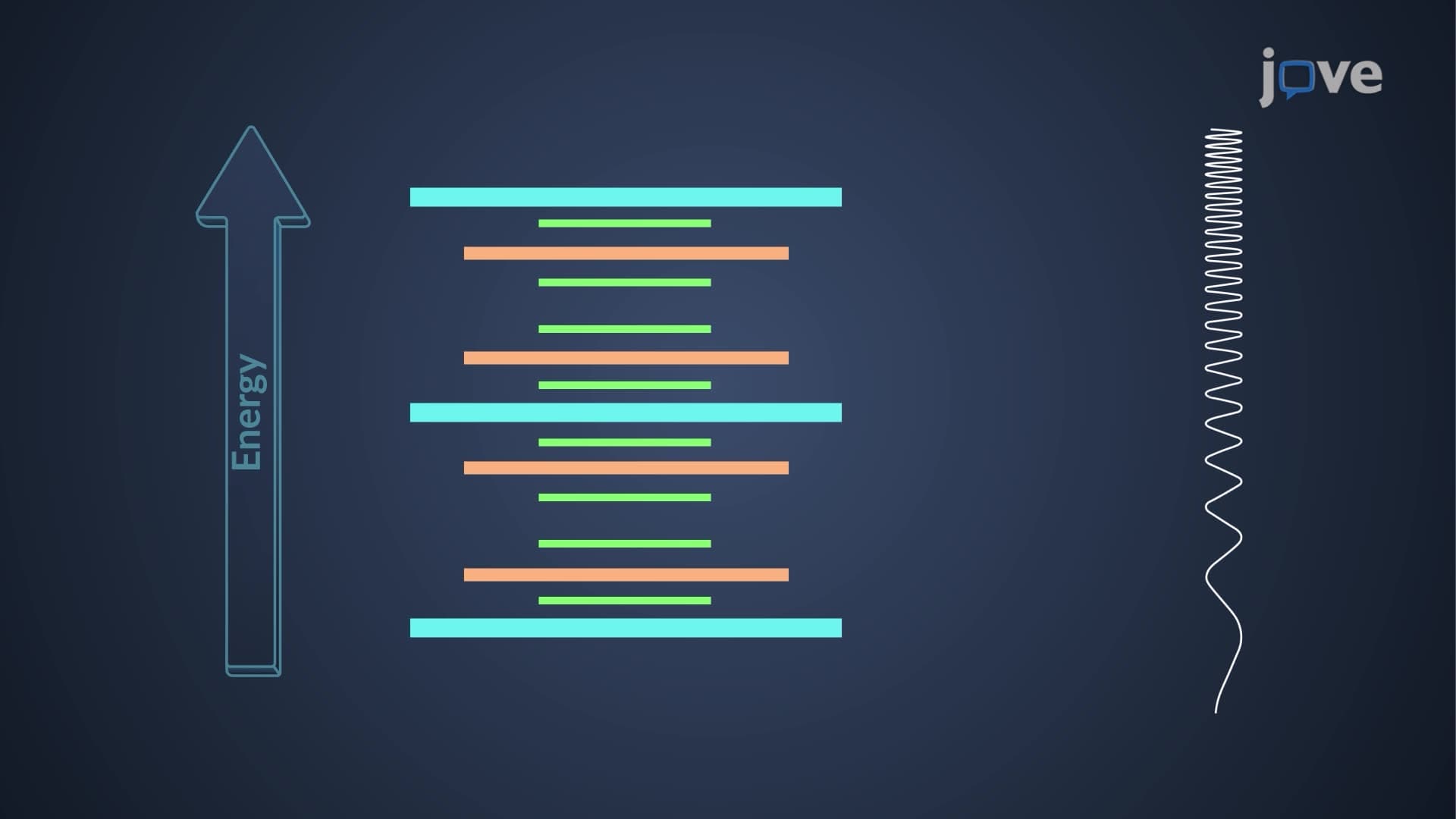

3. Molecular Spectroscopy: Absorption and Emission
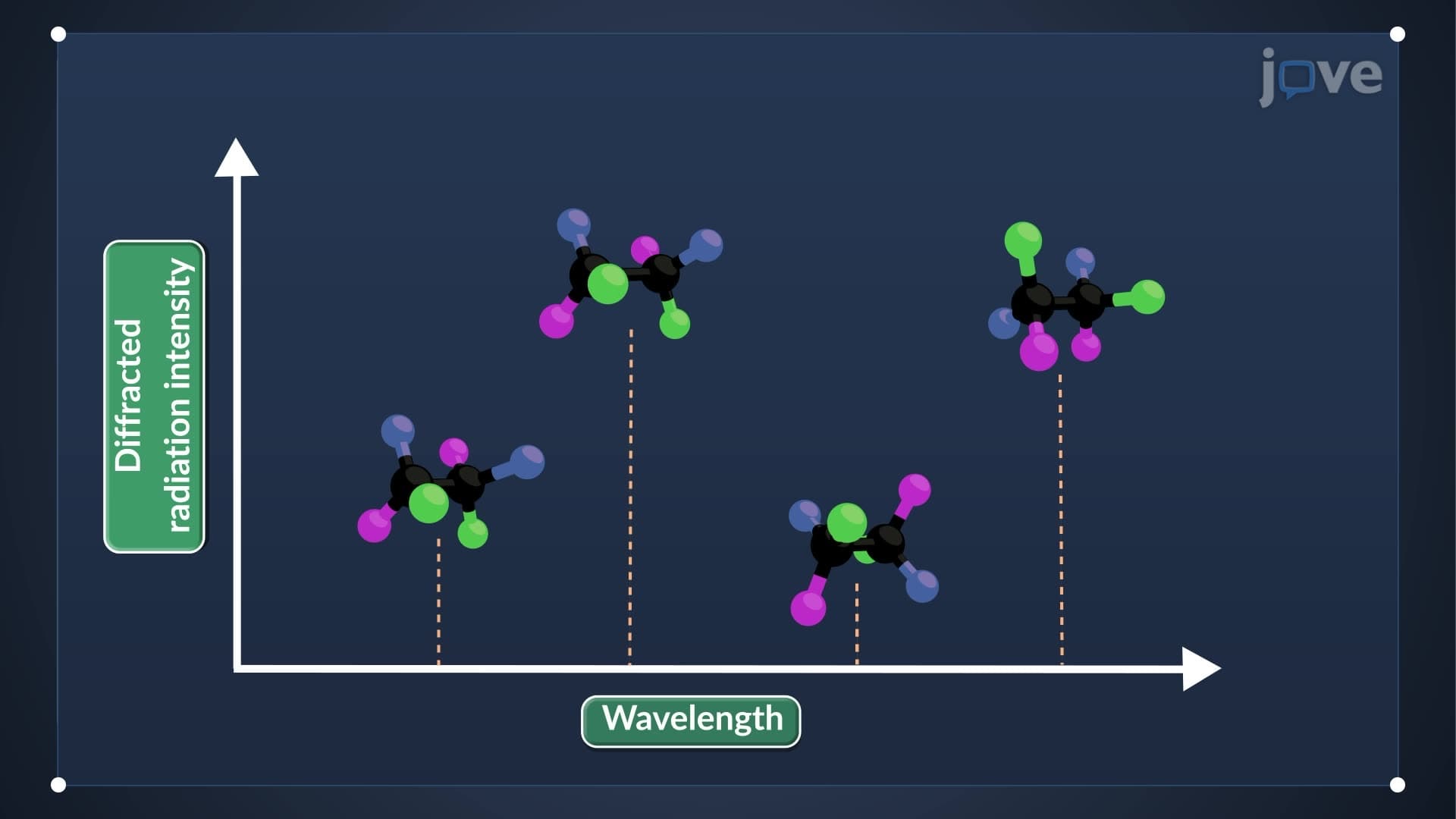
4. Spectrophotometry: Introduction
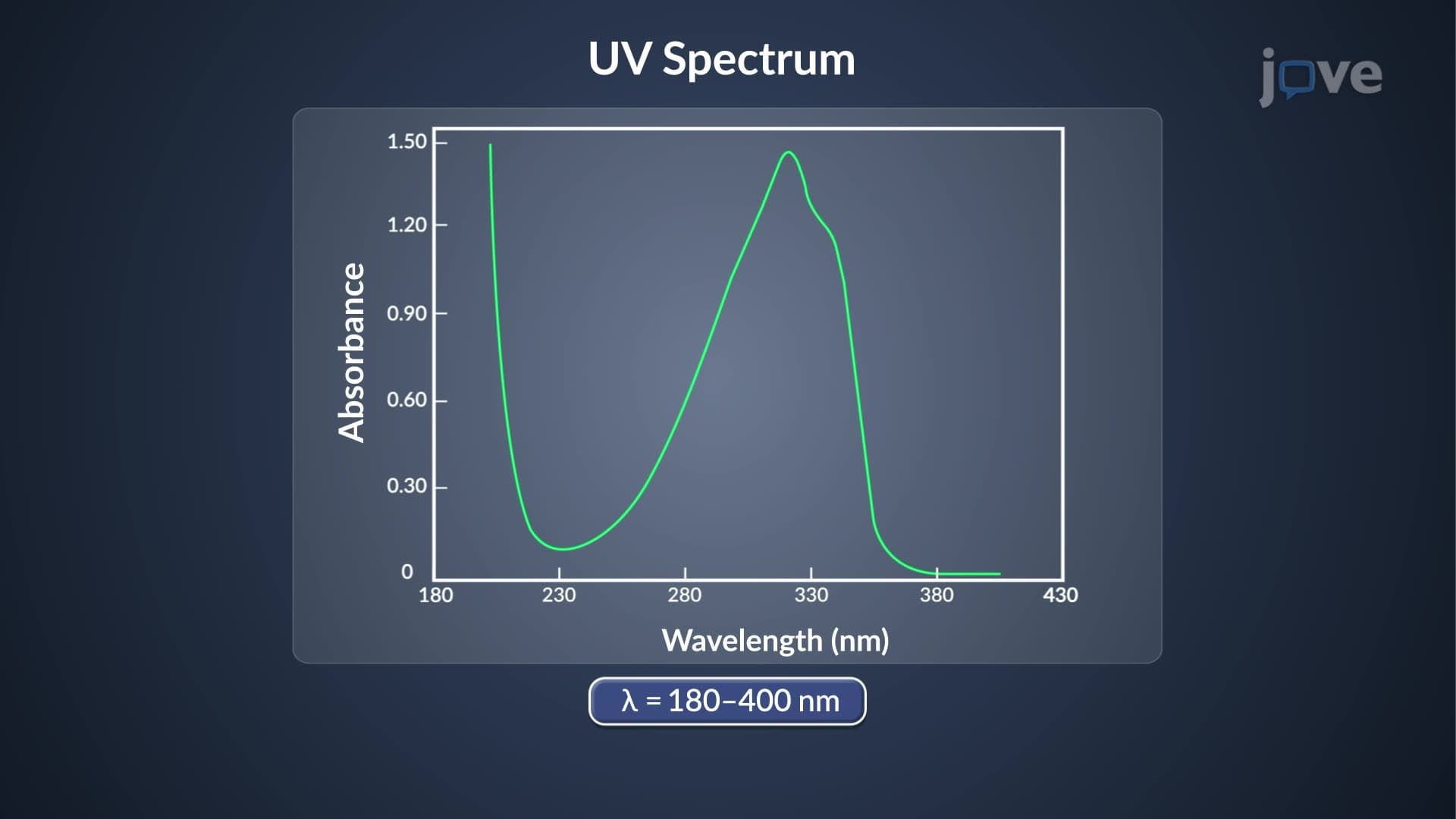
5. Ultraviolet and Visible (UV–Vis) Spectroscopy: Overview
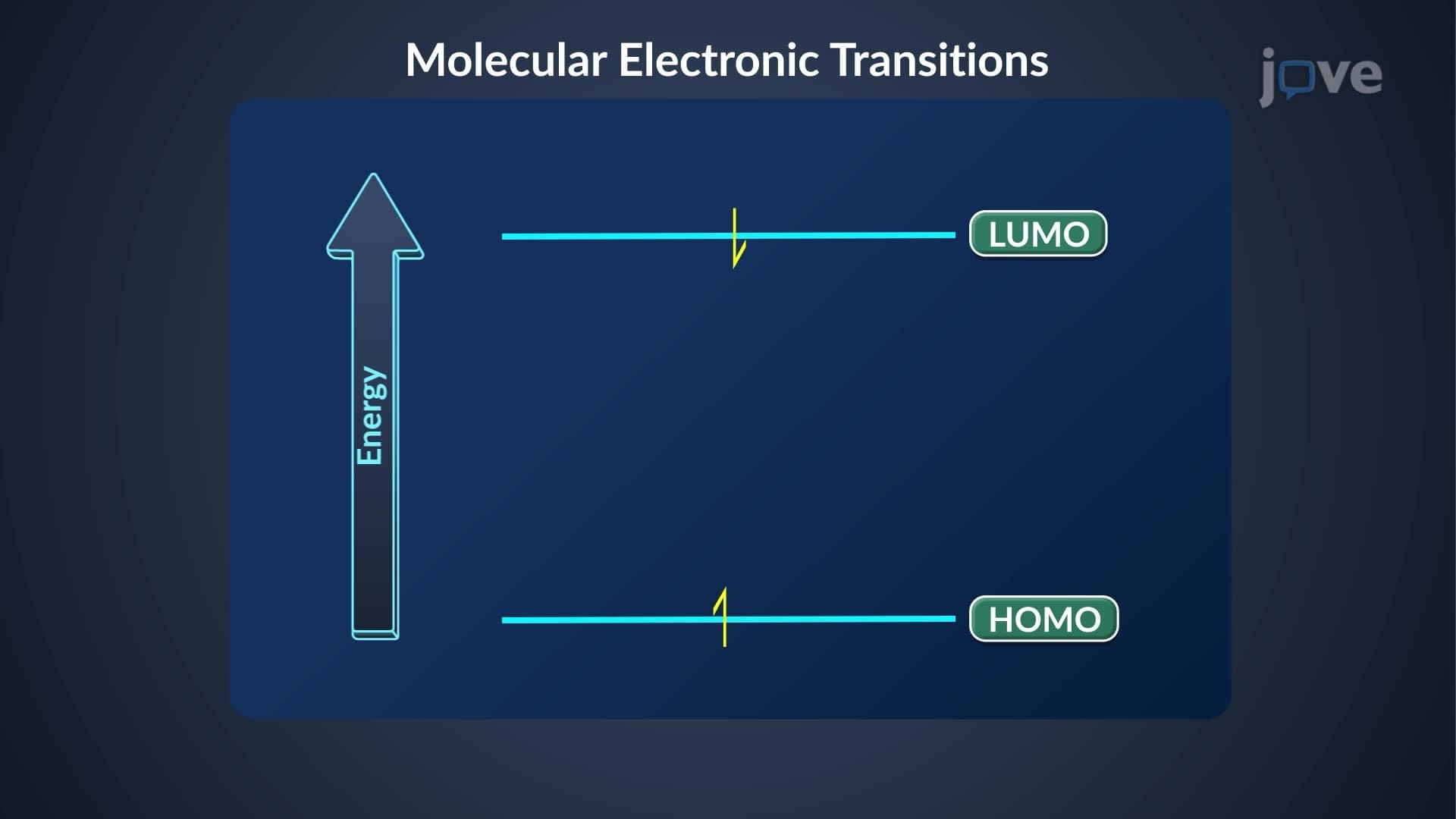
6. UV–Vis Spectroscopy: Molecular Electronic Transitions
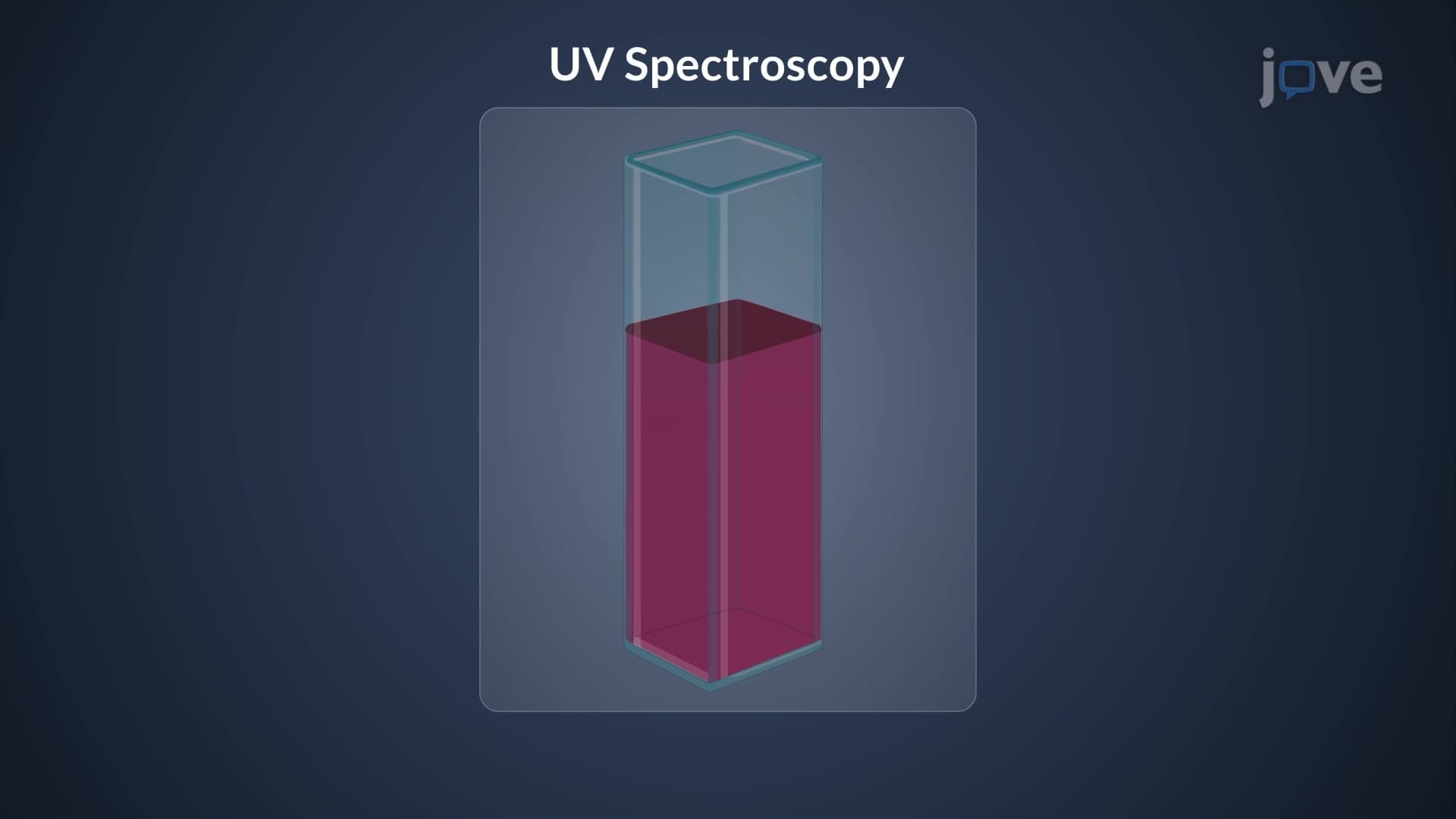
7. UV–Vis Spectrometers
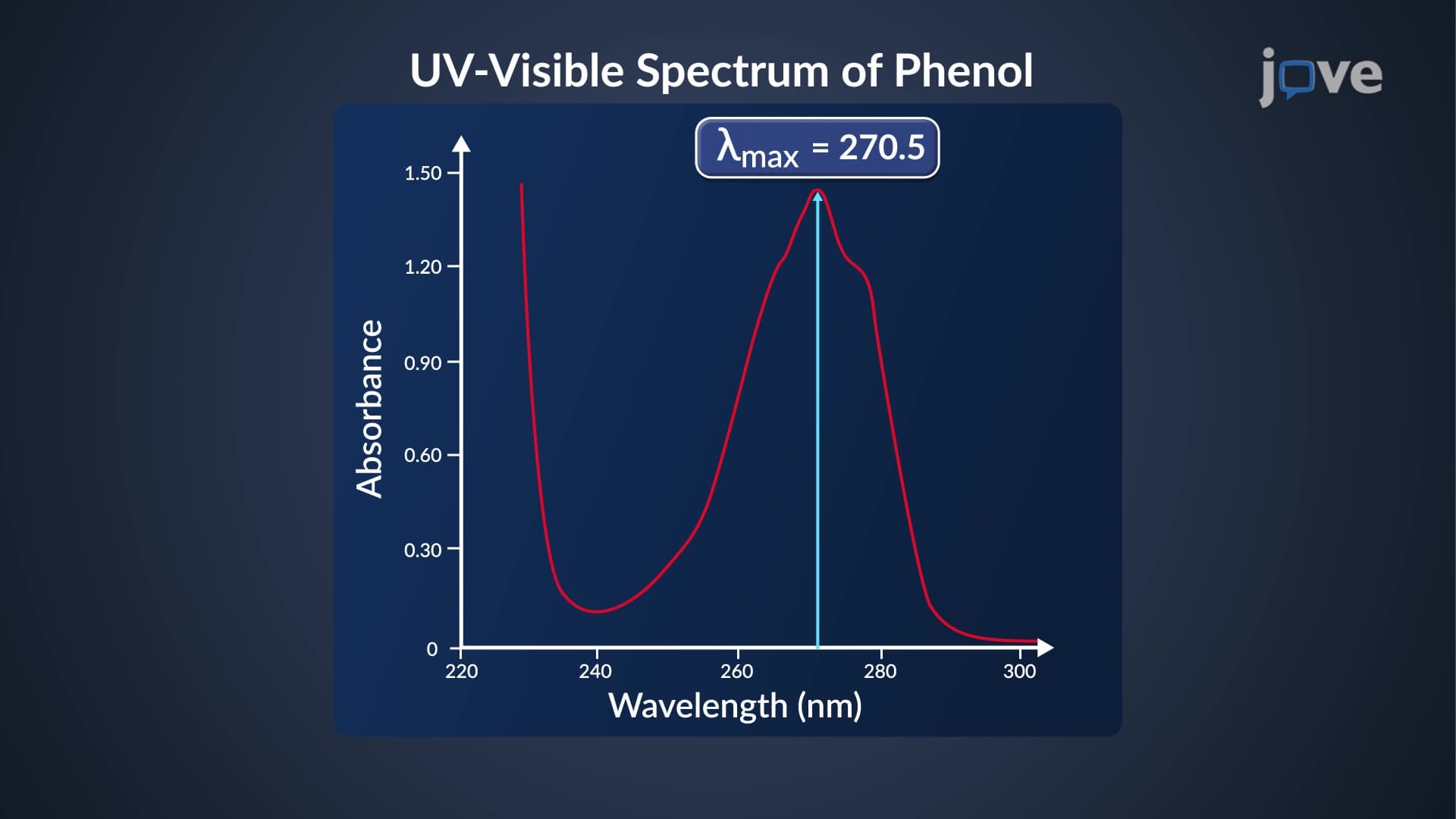
8. UV–Vis Spectrum
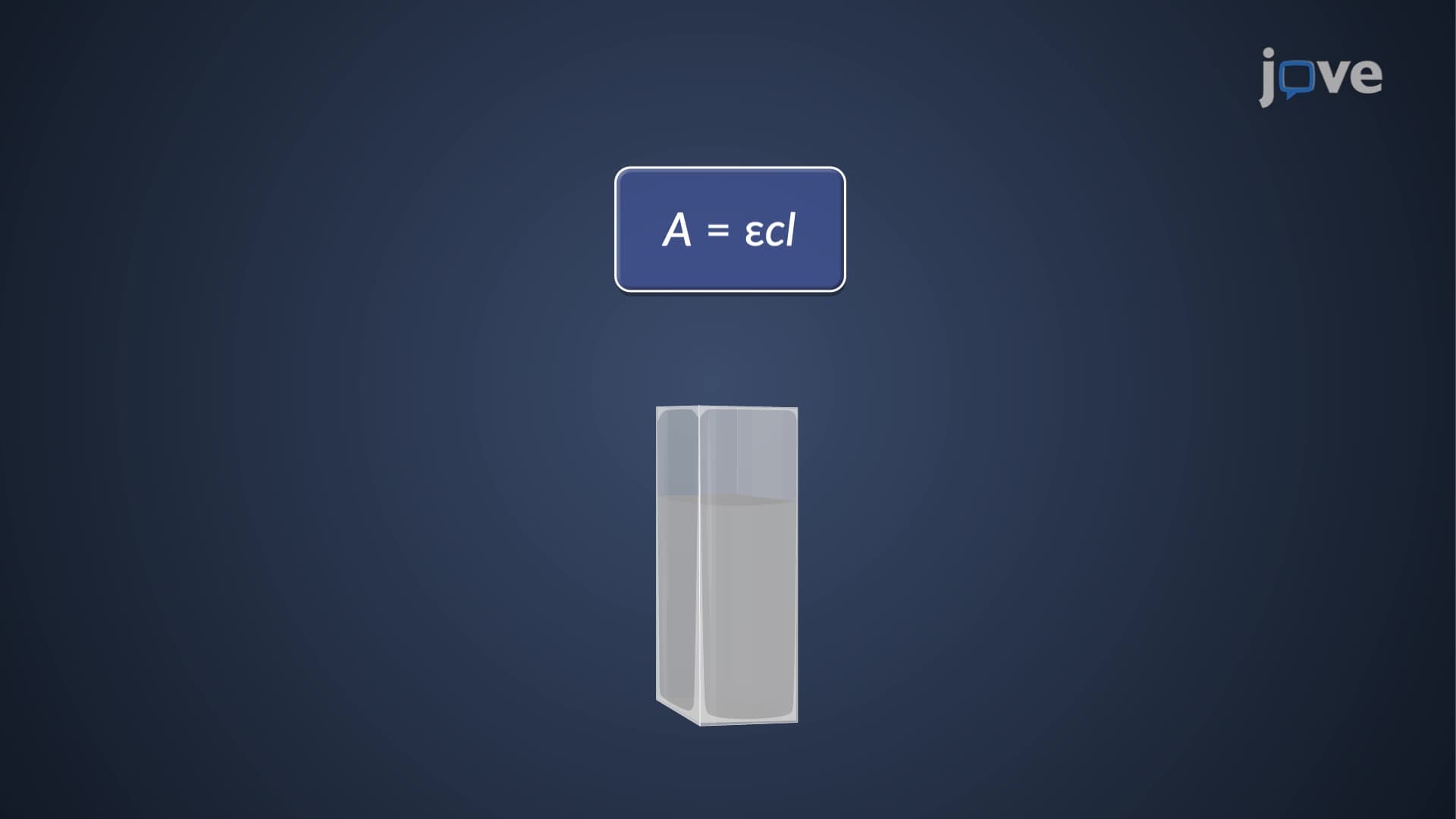
9. UV–Vis Spectroscopy: Beer–Lambert Law
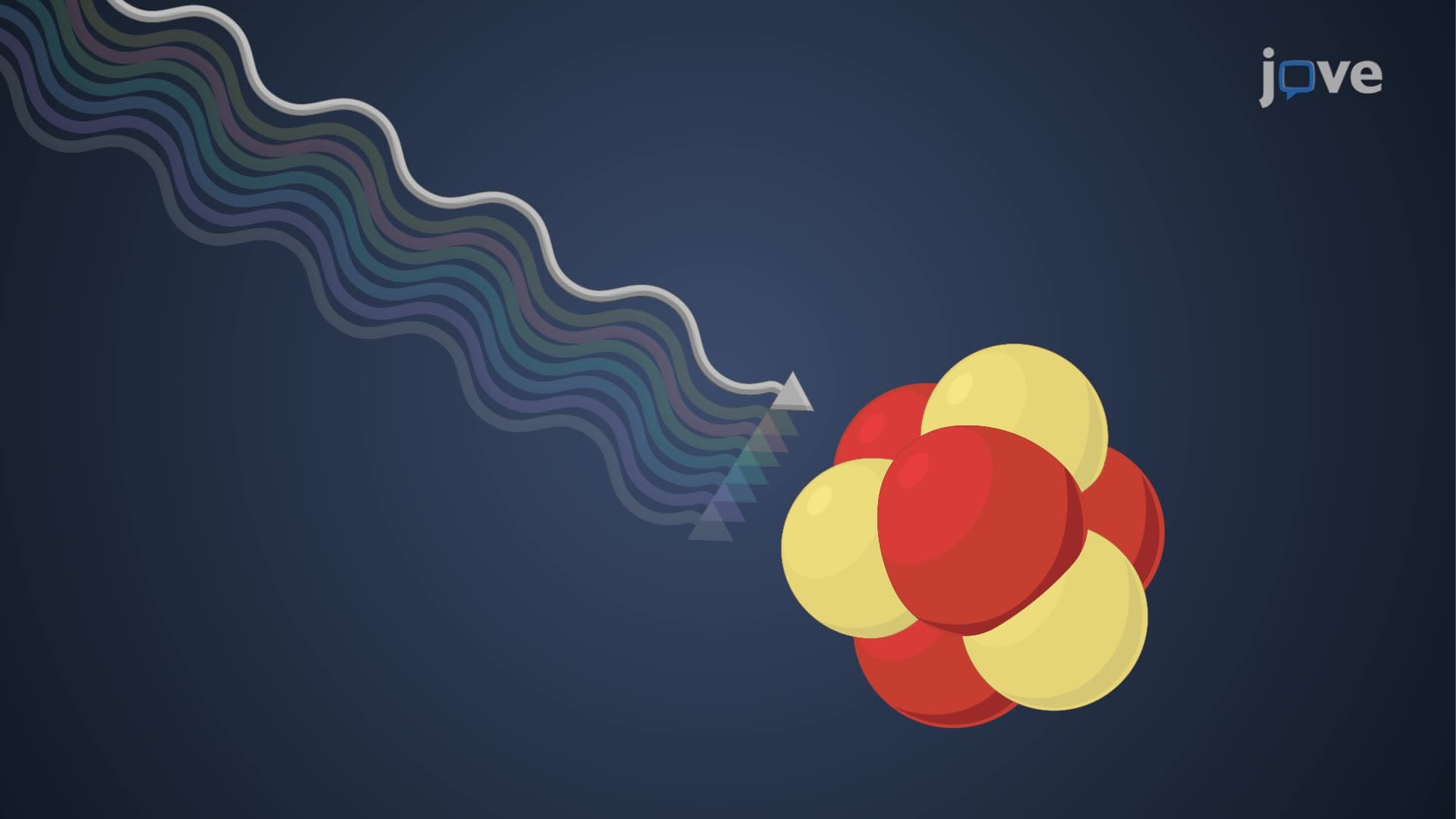
10. Photoluminescence: Fluorescence and Phosphorescence
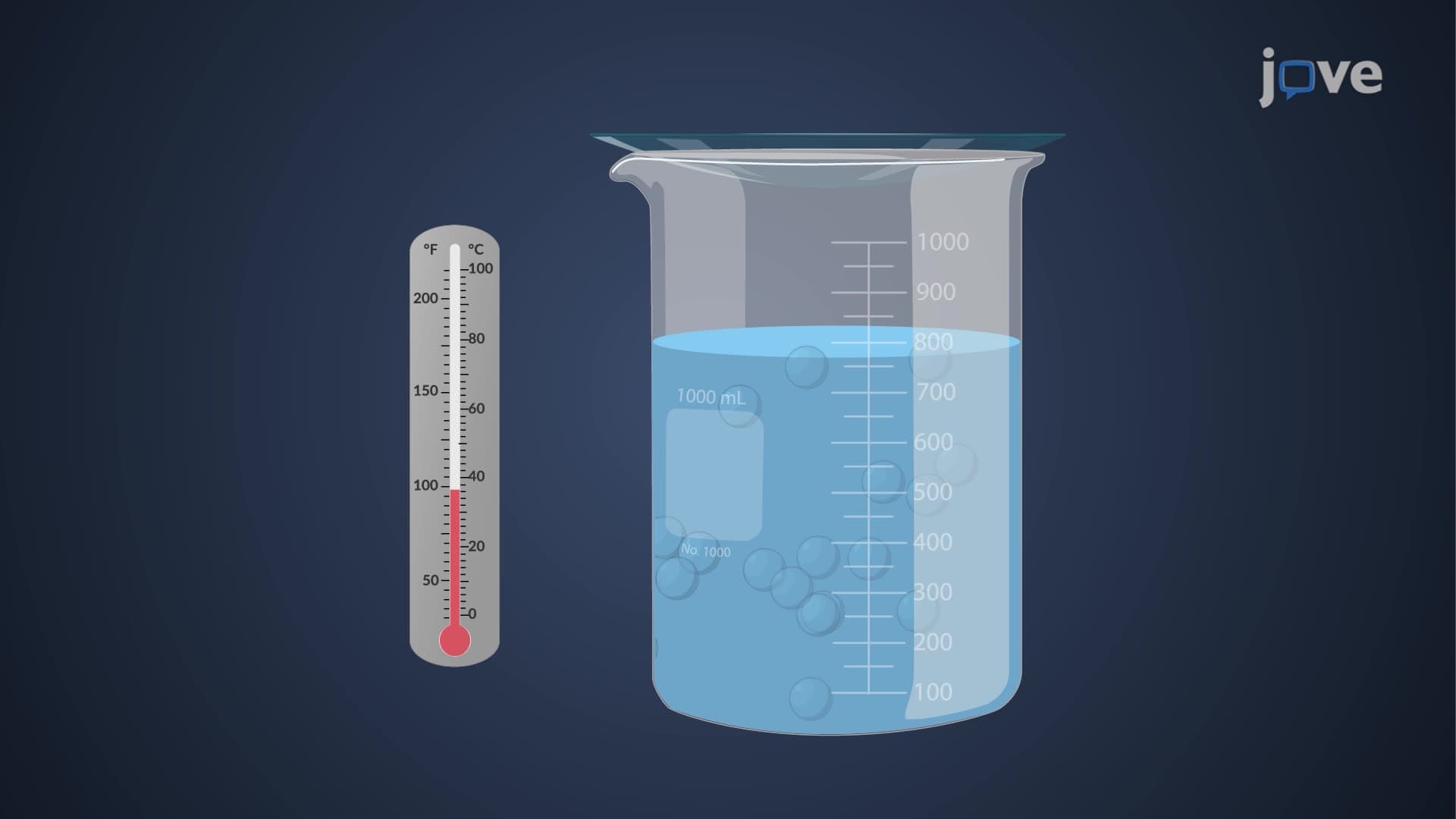
11. Variables Affecting Phosphorescence and Fluorescence
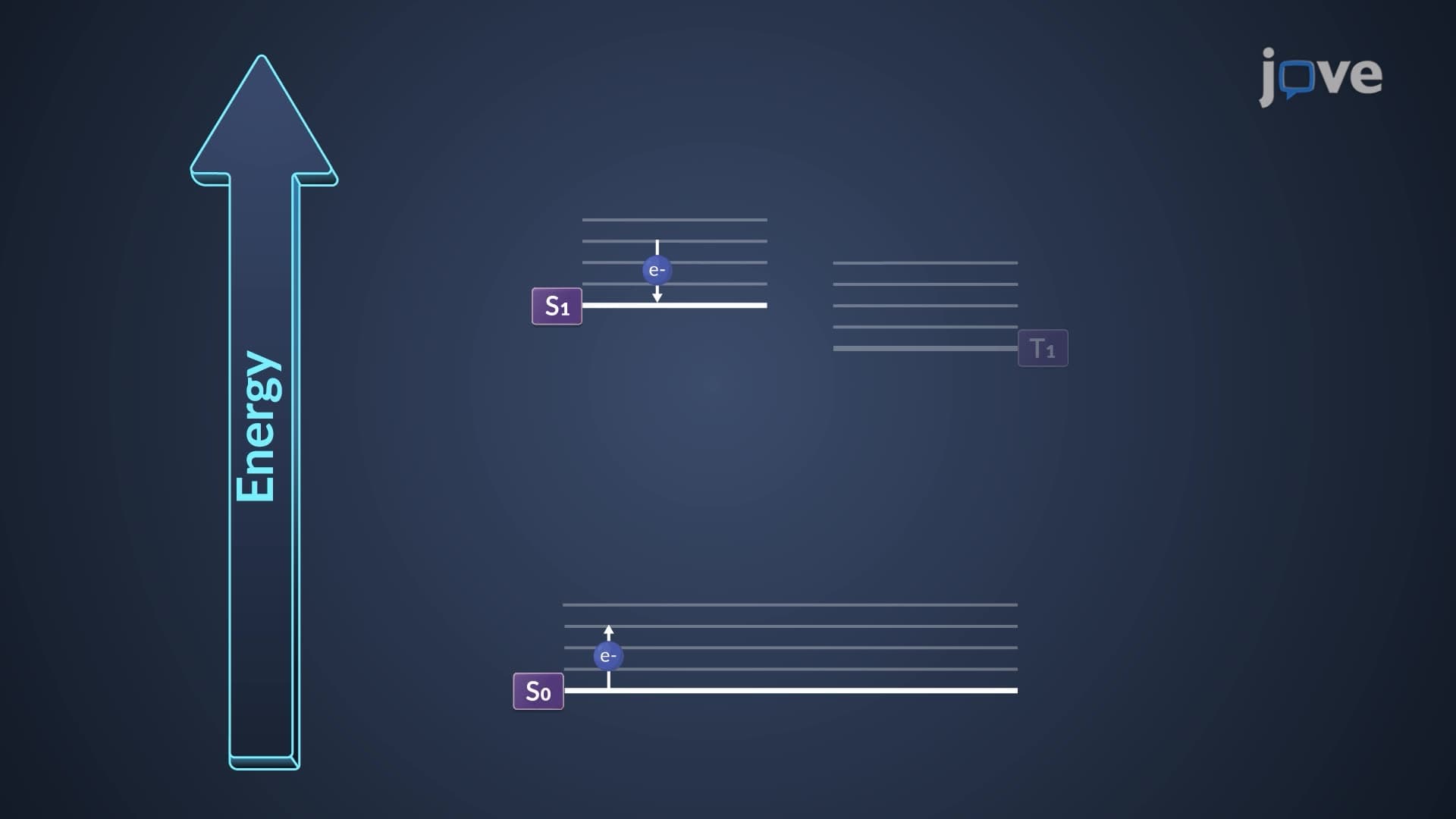

12. Deactivation Processes: Jablonski Diagram
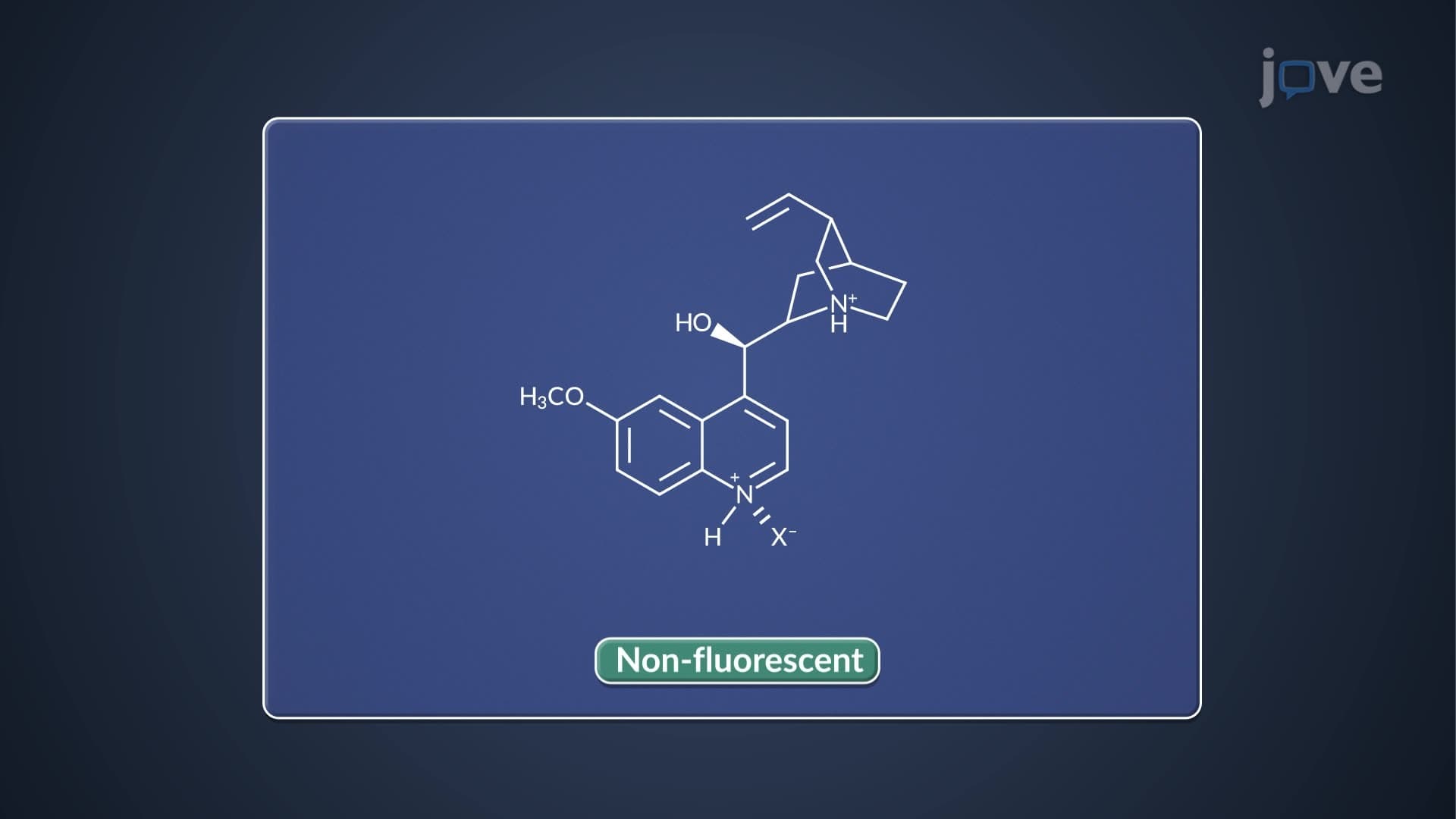
13. Photoluminescence: Applications
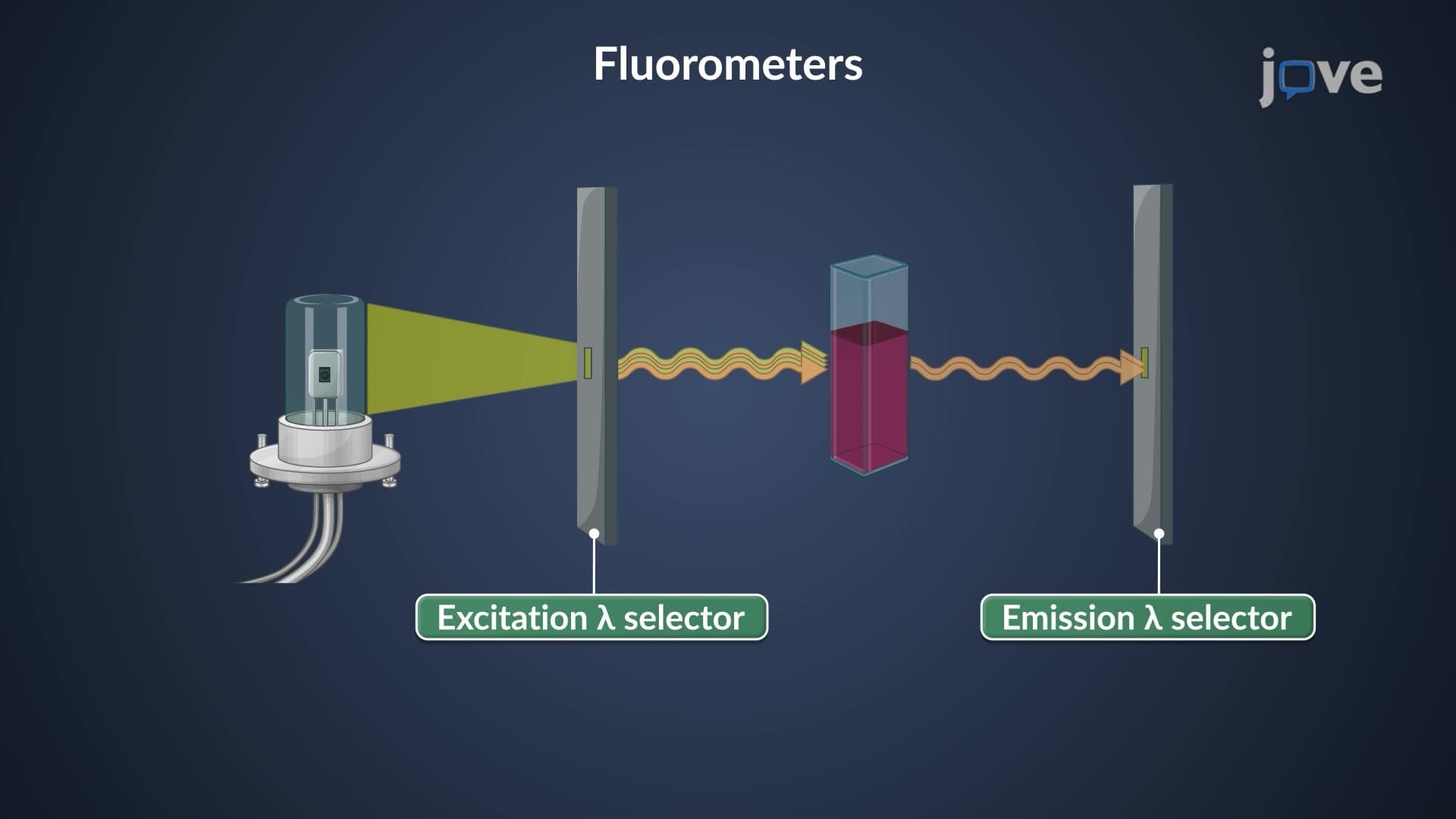
14. Fluorescence and Phosphorescence: Instrumentation
Molecular spectroscopy explores how electromagnetic radiation interacts with matter to reveal chemical structure and composition. This comprehensive introduction covers fundamental concepts from electromagnetic radiation properties through advanced techniques like UV-Vis spectroscopy, fluorescence, and phosphorescence. Students learn practical applications including quantitative analysis using the Beer-Lambert law and spectroscopic identification methods essential for chemistry coursework, laboratory work, and standardized exams. JoVE Coach provides clear explanations of complex spectroscopic principles for academic success.
- Understand the dual nature of electromagnetic radiation and its interaction with molecular systems
- Learn fundamental principles of absorption and emission spectroscopy techniques
- Identify molecular electronic transitions and energy state changes in spectroscopic processes
- Explore UV-Vis spectroscopy instrumentation and spectrum interpretation methods
- Analyze quantitative relationships using the Beer-Lambert law for concentration determinations
- Apply photoluminescence concepts including fluorescence and phosphorescence mechanisms
- Understand Jablonski diagrams and molecular deactivation pathways
- Examine real-world applications of spectroscopic methods in analytical chemistry
1. Electromagnetic Radiation Fundamentals - Electromagnetic radiation exhibits both wave and particle characteristics, with energy directly proportional to frequency according to Planck's equation. The electromagnetic spectrum spans from radio waves to gamma rays, with wavelength and frequency inversely related. Understanding these properties is crucial for interpreting how different radiation types interact with molecular systems. Students learn to calculate photon energies and relate radiation characteristics to molecular excitation processes, forming the foundation for all spectroscopic techniques used in analytical chemistry and research applications.
2. Molecular Energy States and Transitions - Molecules exist in discrete quantum states with specific energy levels for electronic, vibrational, and rotational motions. Energy gaps between these states determine which electromagnetic radiation wavelengths can be absorbed or emitted. Microwave radiation affects molecular rotation, infrared radiation changes vibrational frequencies, and UV-visible light promotes electronic transitions. These concepts explain why different molecules absorb specific wavelengths, enabling identification and structural analysis through spectroscopic fingerprints essential for pharmaceutical, environmental, and materials science applications.
3. UV-Visible Spectroscopy Principles - UV-Vis spectroscopy measures electronic transitions between highest occupied molecular orbitals (HOMO) and lowest unoccupied molecular orbitals (LUMO) in molecules with conjugated systems. Absorption occurs when photon energy matches the energy gap between these orbitals, typically 125-650 kJ/mol. Different molecular systems show characteristic transition types: sigma-to-sigma* in alkanes, n-to-sigma* in alcohols and amines, pi-to-pi* in alkenes, and n-to-pi* in carbonyl compounds. Understanding these transitions helps predict and interpret UV-Vis spectra for compound identification and quantitative analysis.
4. Beer-Lambert Law Applications - The Beer-Lambert law (A = εbc) relates absorbance to concentration, providing the foundation for quantitative spectroscopic analysis. Molar absorptivity (ε) is a compound-specific constant indicating absorption strength, with values above 10⁴ considered high-intensity and below 10³ low-intensity absorptions. This relationship enables determination of unknown concentrations in pharmaceutical quality control, environmental monitoring, and clinical diagnostics. Students learn to construct calibration curves, calculate detection limits, and apply this law in laboratory experiments and real-world analytical scenarios.
5. Photoluminescence Mechanisms - When molecules absorb electromagnetic radiation and emit light during relaxation, photoluminescence occurs through fluorescence or phosphorescence pathways. Fluorescence involves rapid emission (nanoseconds) without electron spin changes, favoring π-π* transitions in aromatic compounds. Phosphorescence requires spin changes, creating longer-lived excited states (seconds to minutes) and delayed emission at longer wavelengths. Molecular rigidity, temperature, pH, and heavy atom effects influence quantum efficiency. These sensitive techniques enable detection of trace amounts in environmental analysis, medical diagnostics, and forensic science applications.
6. Jablonski Diagrams and Deactivation Processes - Jablonski diagrams illustrate electronic energy states and deactivation pathways following photon absorption. Ground state S₀ and excited states S₁, S₂ (singlets) and T₁ (triplet) represent different electron spin configurations. Deactivation occurs through radiative processes (fluorescence, phosphorescence) or non-radiative pathways including vibrational relaxation, internal conversion, external conversion, and intersystem crossing. The Stokes shift explains why fluorescence appears at longer wavelengths than absorption. Understanding these processes helps predict luminescence behavior and optimize analytical conditions for maximum sensitivity in spectroscopic measurements.
Frequently Asked Questions
Absorption spectroscopy measures light absorbed by molecules as electrons move to higher energy states, while emission spectroscopy measures light emitted as excited electrons return to lower energy states. Absorption creates characteristic dark lines or bands in spectra, whereas emission produces bright lines or bands. Both provide complementary information about molecular structure and energy levels.
MCAT questions focus on interpreting UV-Vis spectra, applying Beer-Lambert law calculations, and understanding conjugation effects on absorption. AP Chemistry emphasizes electromagnetic spectrum regions, photon energy calculations, and basic spectroscopy principles. Both exams test practical applications like determining concentration from absorbance data and predicting which compounds absorb visible light.
Fluorescence efficiency depends on molecular structure and environment. Rigid aromatic compounds with extended π-systems typically fluoresce strongly because they resist non-radiative energy loss. Flexible molecules, heavy atoms, and carbonyl groups often inhibit fluorescence by promoting alternative deactivation pathways. Temperature, solvent viscosity, and pH also affect fluorescence intensity.
Laboratories use Beer-Lambert law for quantitative analysis in pharmaceutical quality control, environmental monitoring, and clinical diagnostics. Analysts create calibration curves using standards of known concentration, then determine unknown concentrations from measured absorbance values. This technique is essential for drug purity testing, pollutant monitoring, and medical laboratory analyses.
Students often struggle with connecting molecular orbital concepts to absorption spectra and understanding why different functional groups absorb at specific wavelengths. The mathematical relationship between energy, wavelength, and molecular transitions can be challenging. Regular practice with spectrum interpretation and molecular orbital diagrams helps build confidence and understanding.
Create concept maps linking electromagnetic radiation properties to molecular energy states and spectroscopic techniques. Practice interpreting real spectra and solving Beer-Lambert law problems with various units and concentrations. Use molecular models to visualize electronic transitions, and work through spectroscopy problems from multiple textbooks to see different question formats and applications.
Start with UV-Vis spectroscopy as it provides clear connections between molecular structure and light absorption while introducing fundamental concepts applicable to other techniques. Master the Beer-Lambert law through quantitative problems, then progress to fluorescence and phosphorescence concepts. This sequence builds from basic light-matter interactions to more complex photophysical processes.
This microcourse includes 14 concept videos that walk you through the building blocks of Analytical Chemistry. Each video is short, about 1 minute, so you can cover a full topic during a coffee break or between classes. The full sequence starts with Dual Nature of Electromagnetic (EM) Radiation and ends with Fluorescence and Phosphorescence: Instrumentation.
The playlist moves from big-picture ideas to the precise vocabulary used in Analytical Chemistry. Early videos introduce Dual Nature of Electromagnetic (EM) Radiation, Interaction of EM Radiation with Matter: Spectroscopy, and Molecular Spectroscopy: Absorption and Emission. The middle of the series focuses on Ultraviolet and Visible (UV–Vis) Spectroscopy: Overview, UV–Vis Spectroscopy: Molecular Electronic Transitions, and UV–Vis Spectrometers. The final stretch covers UV–Vis Spectrum, UV–Vis Spectroscopy: Beer–Lambert Law, Photoluminescence: Fluorescence and Phosphorescence, Variables Affecting Phosphorescence and Fluorescence, Deactivation Processes: Jablonski Diagram, Photoluminescence: Applications, and Fluorescence and Phosphorescence: Instrumentation.
The natural next step is Molecular Vibrational Spectroscopy. From there, you can move to Atomic Spectroscopy, Mass Spectrometry Fragmentation Methods, and Advanced Nuclear Magnetic Resonance Spectroscopy. Once you finish those, the full Analytical Chemistry curriculum of 16 microcourses on JoVE Coach opens up, taking you from foundational concepts to advanced systems.
Related Subjects
 Chemistry 21 micro-courses›
 Organic Chemistry 21 micro-courses›