- Analytical Chemistry
- Principles of Nuclear Magnetic Resonance
Micro-courses:16

Principles of Nuclear Magnetic Resonance
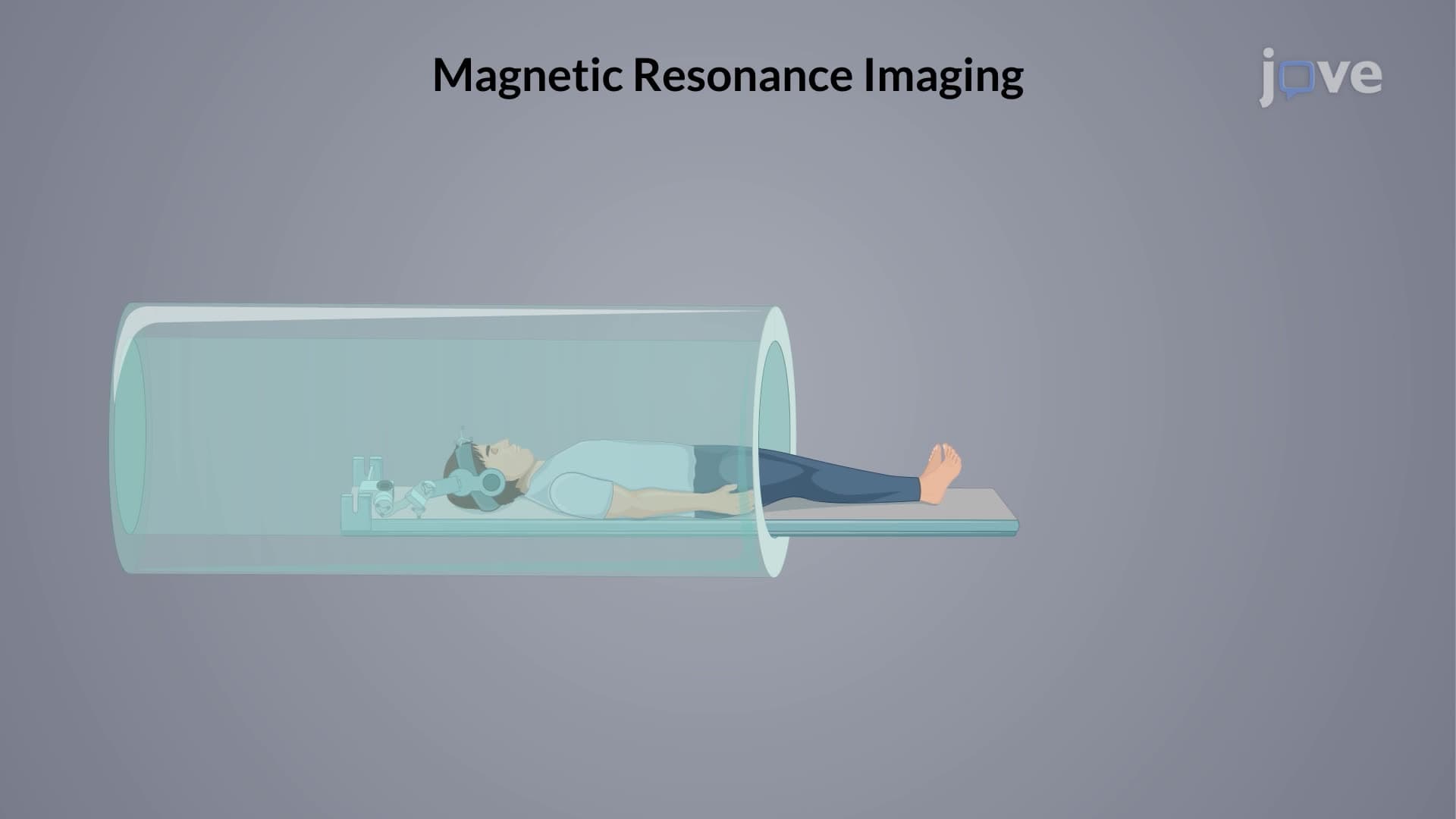
1. Nuclear Magnetic Resonance (NMR): Overview
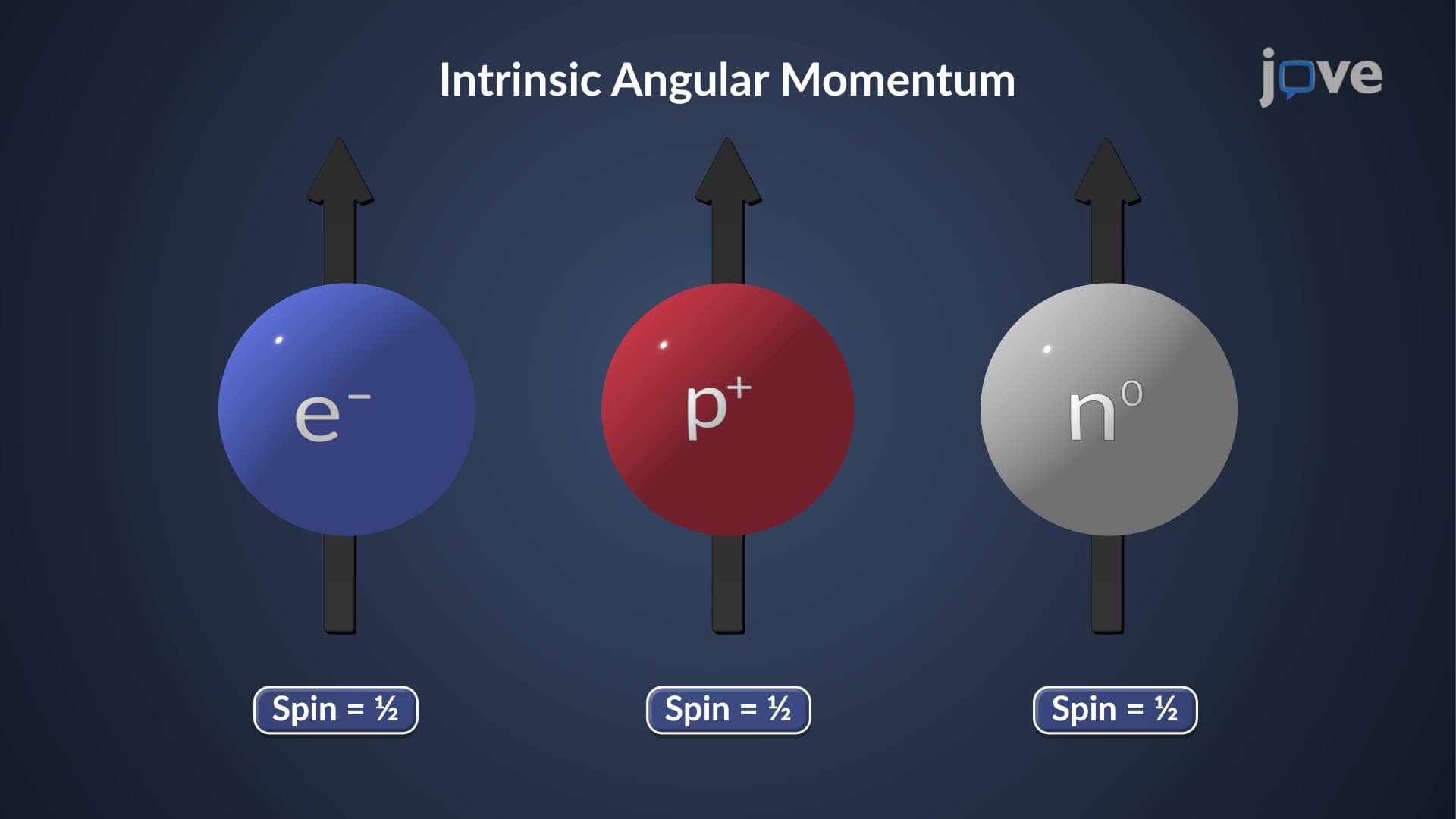
2. Atomic Nuclei: Nuclear Spin

3. Atomic Nuclei: Nuclear Magnetic Moment
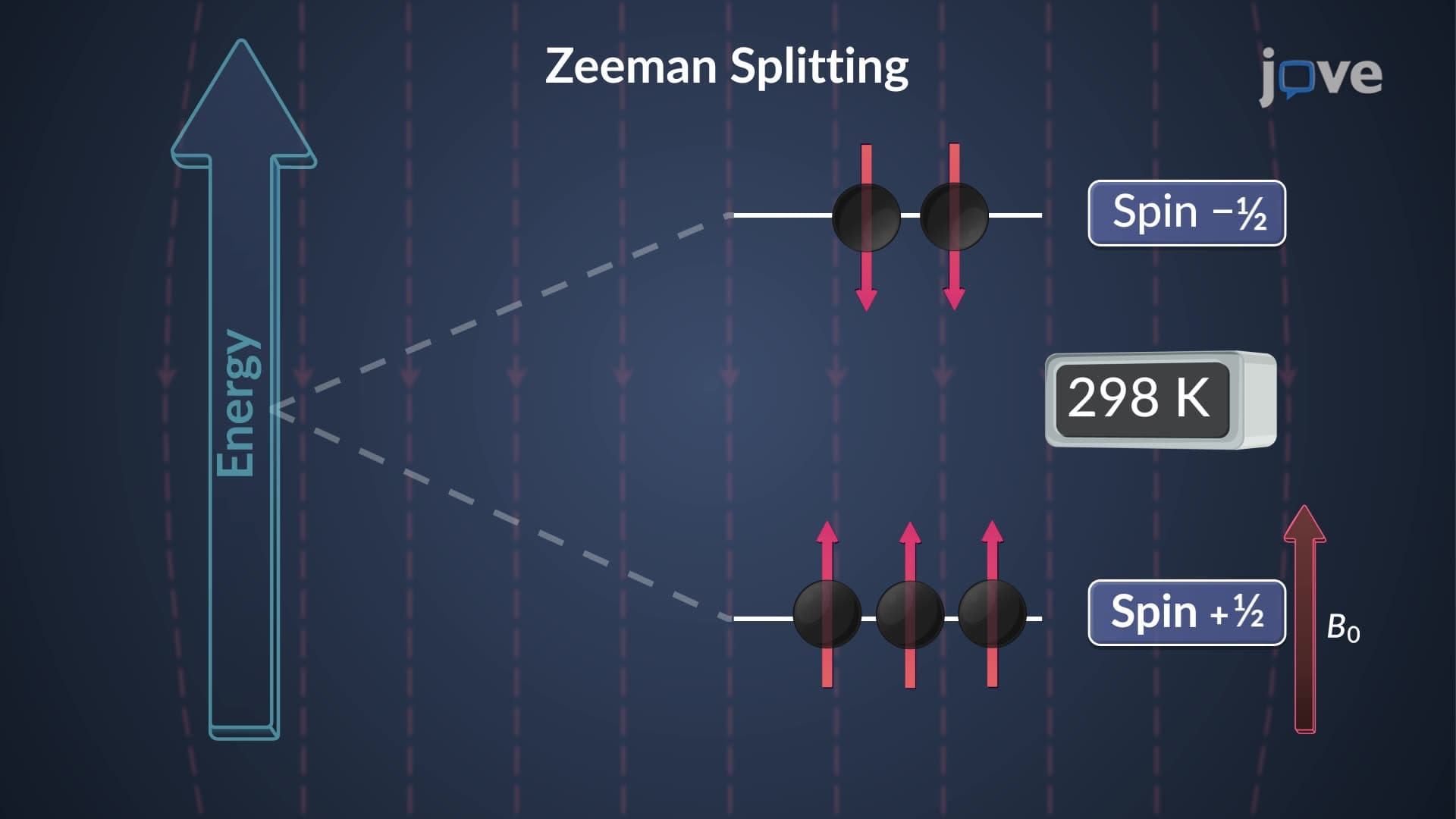
4. Atomic Nuclei: Nuclear Spin State Overview
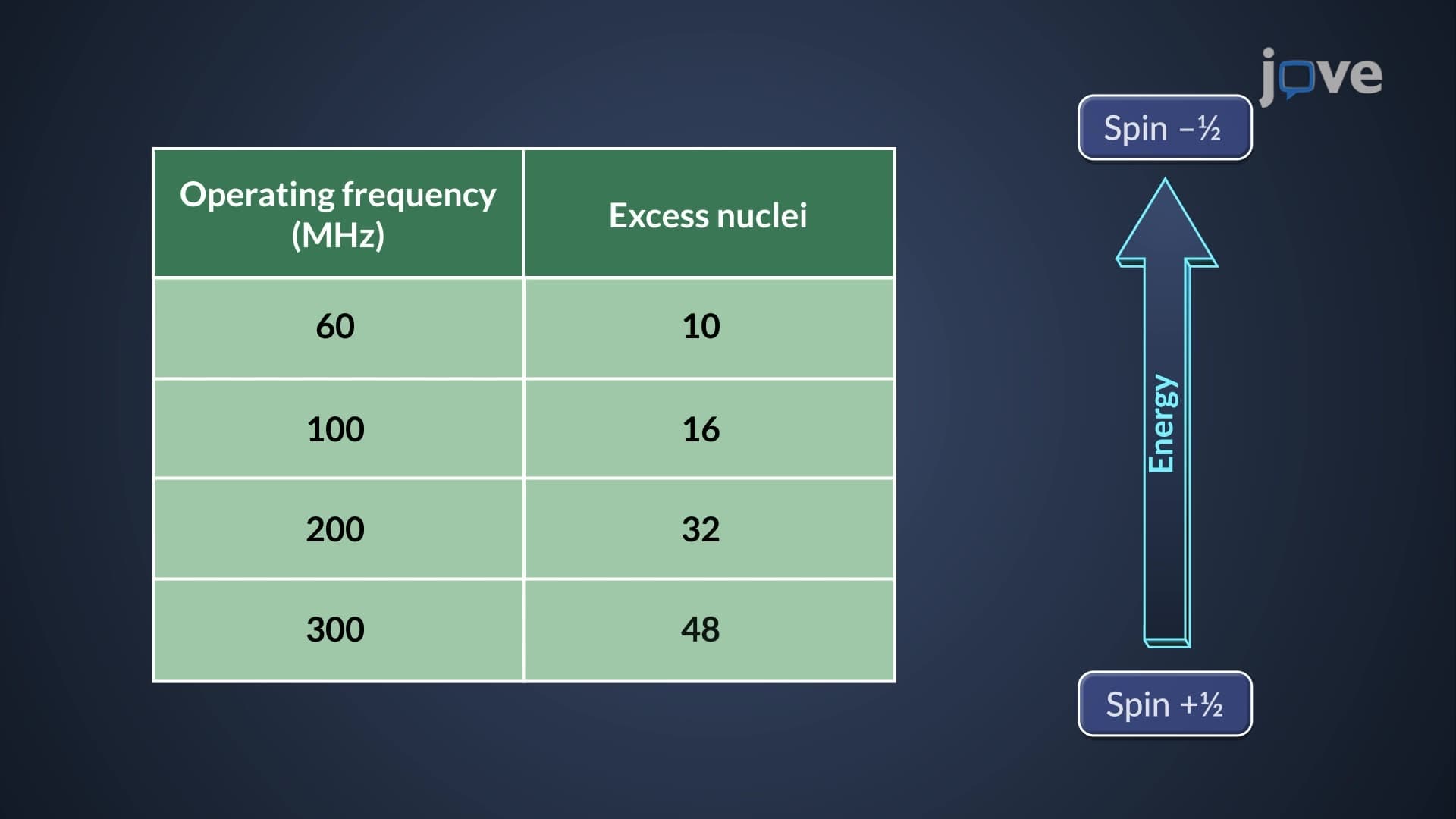
5. Atomic Nuclei: Nuclear Spin State Population Distribution
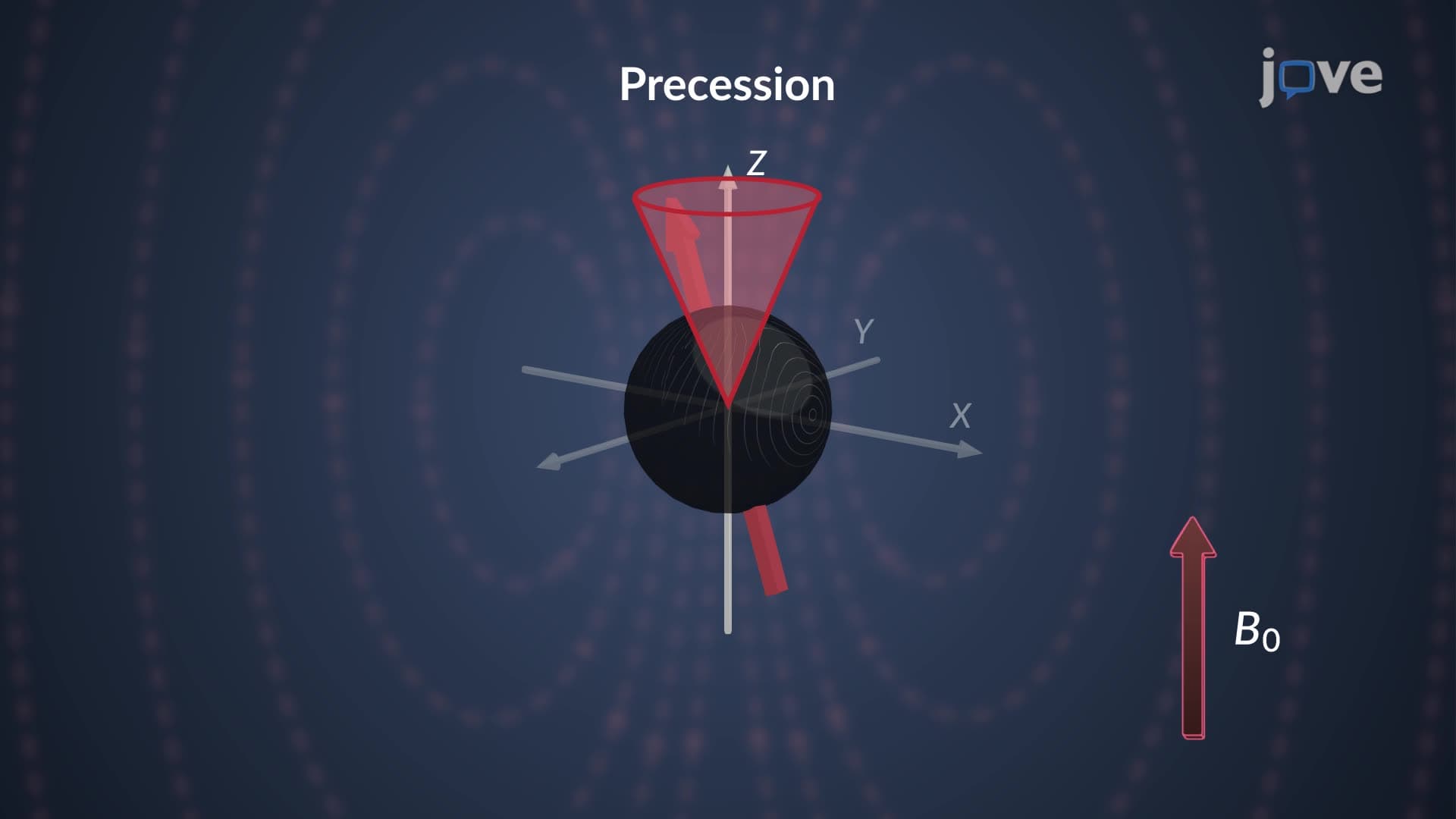
6. Atomic Nuclei: Larmor Precession Frequency
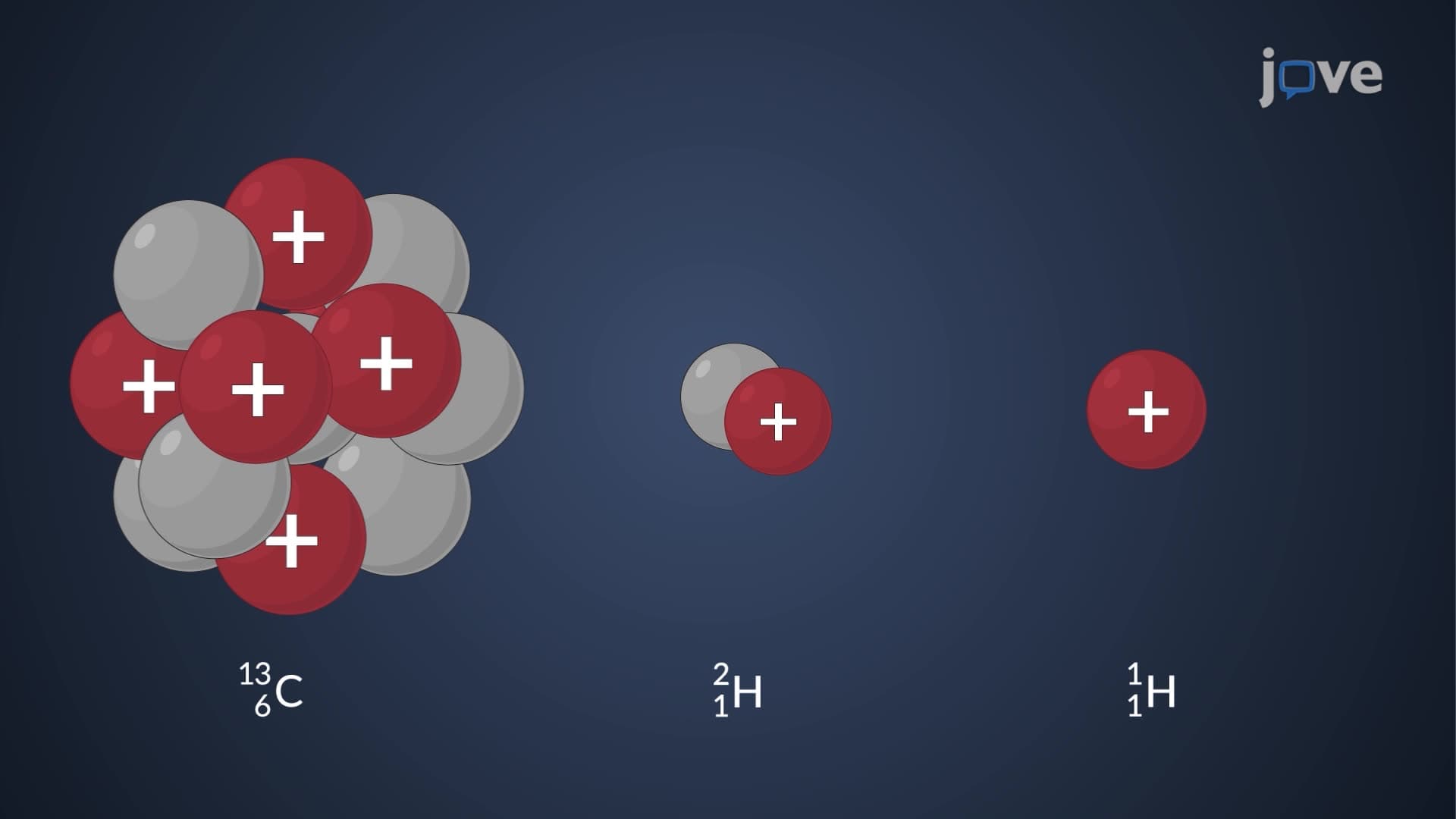
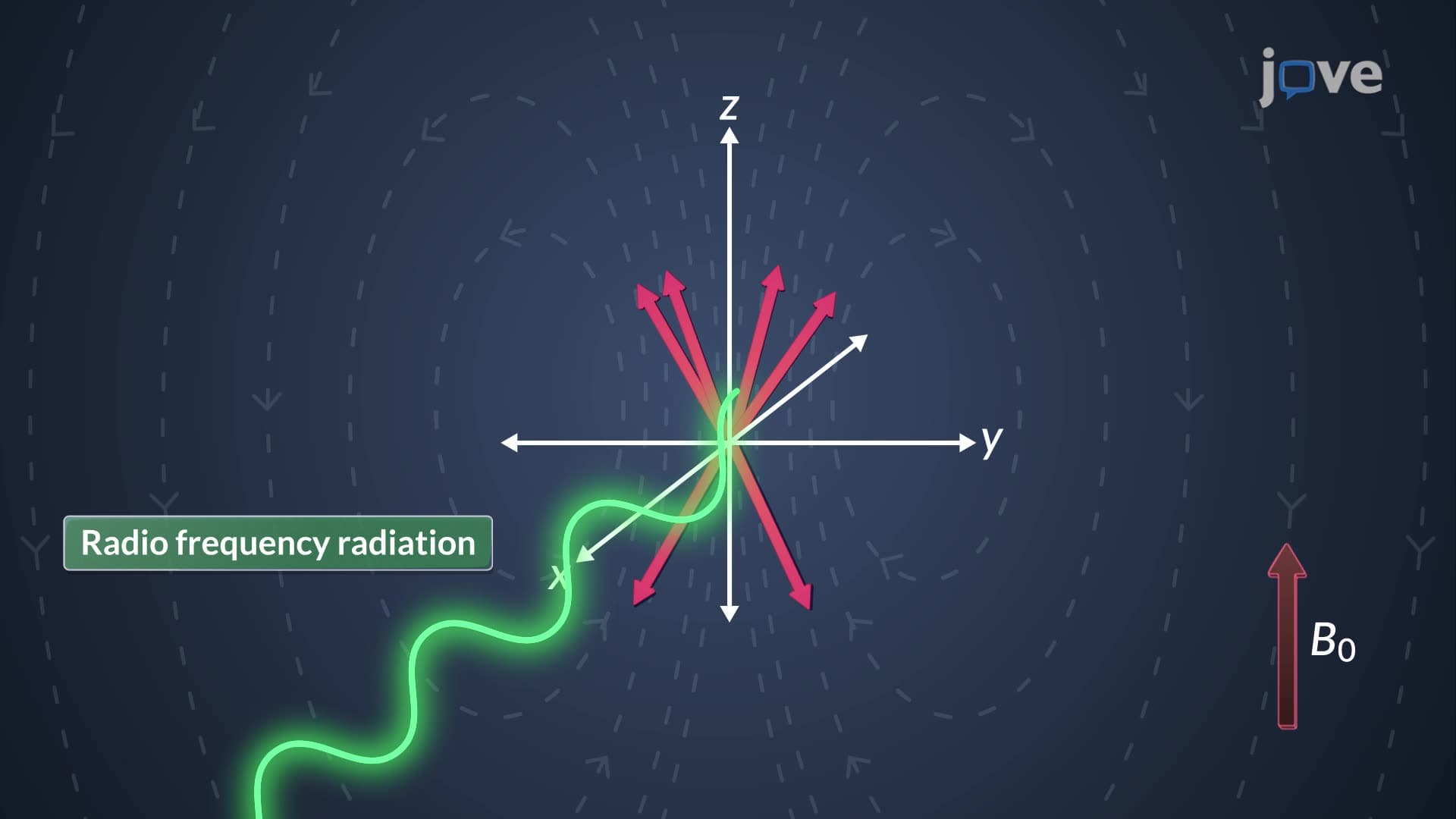
7. Atomic Nuclei: Magnetic Resonance
8. Atomic Nuclei: Nuclear Relaxation Processes
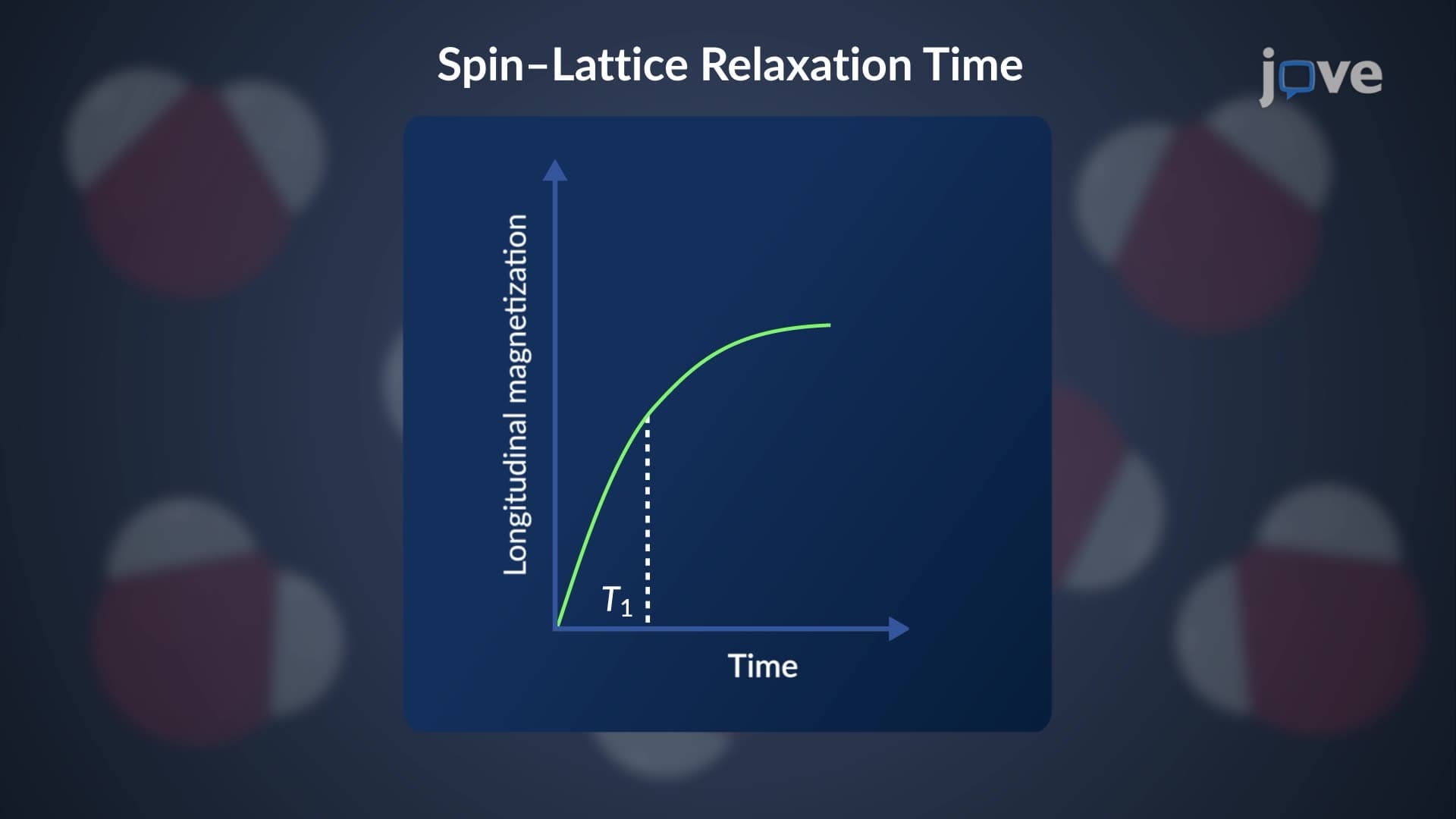
9. Atomic Nuclei: Types of Nuclear Relaxation
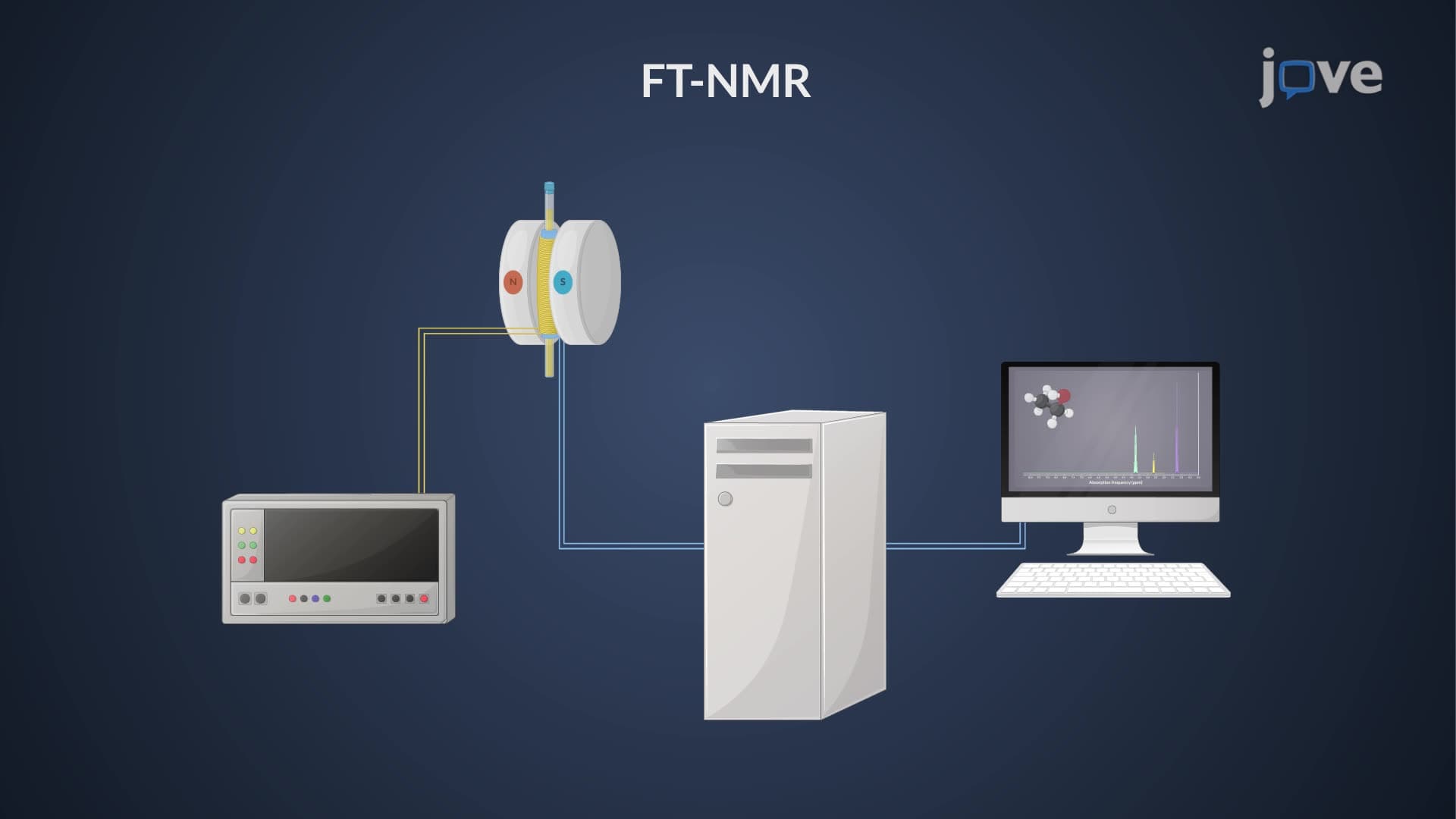
10. NMR Spectrometers: Overview
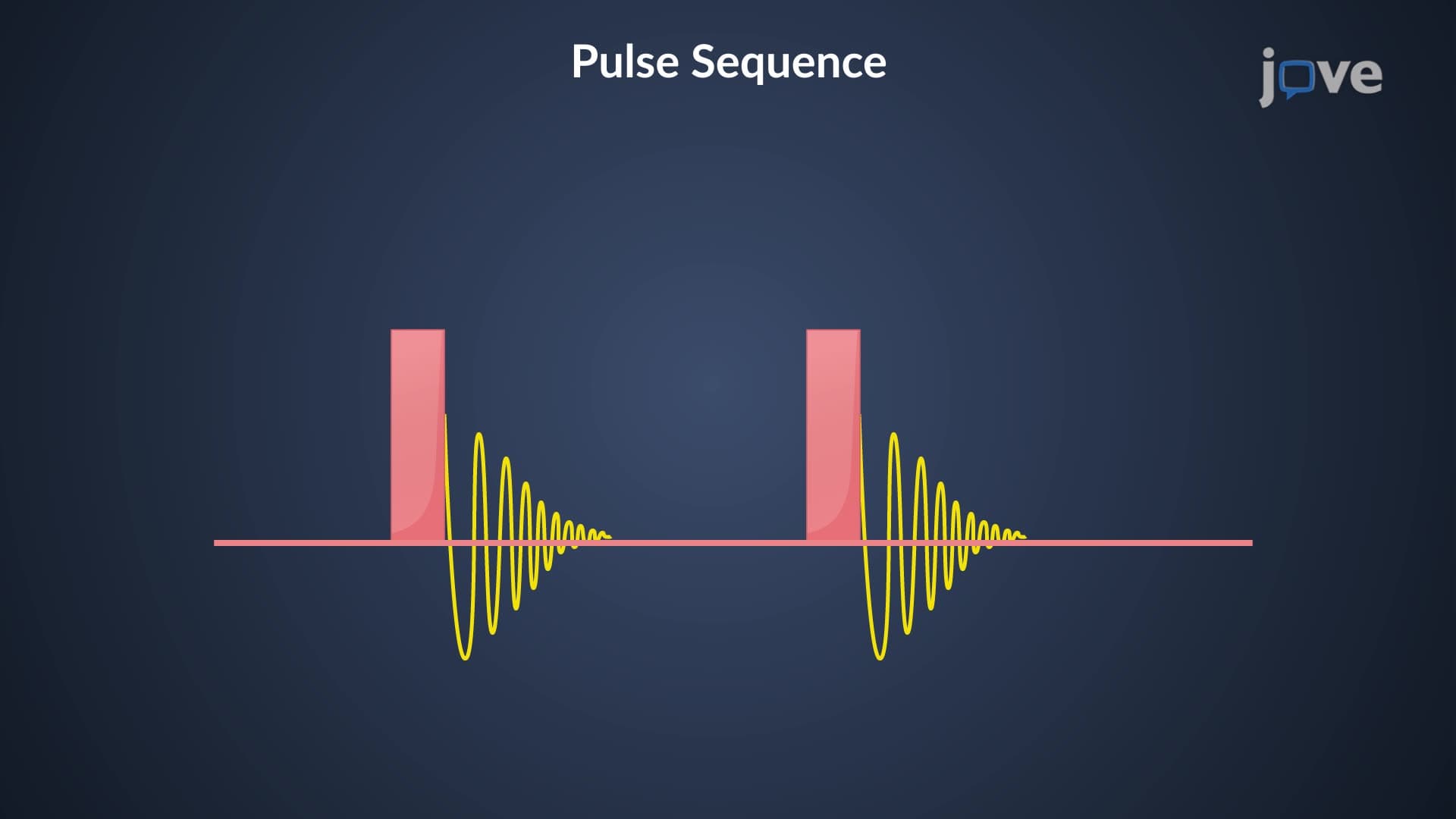
11. NMR Spectrometers: Radiofrequency Pulses and Pulse Sequences
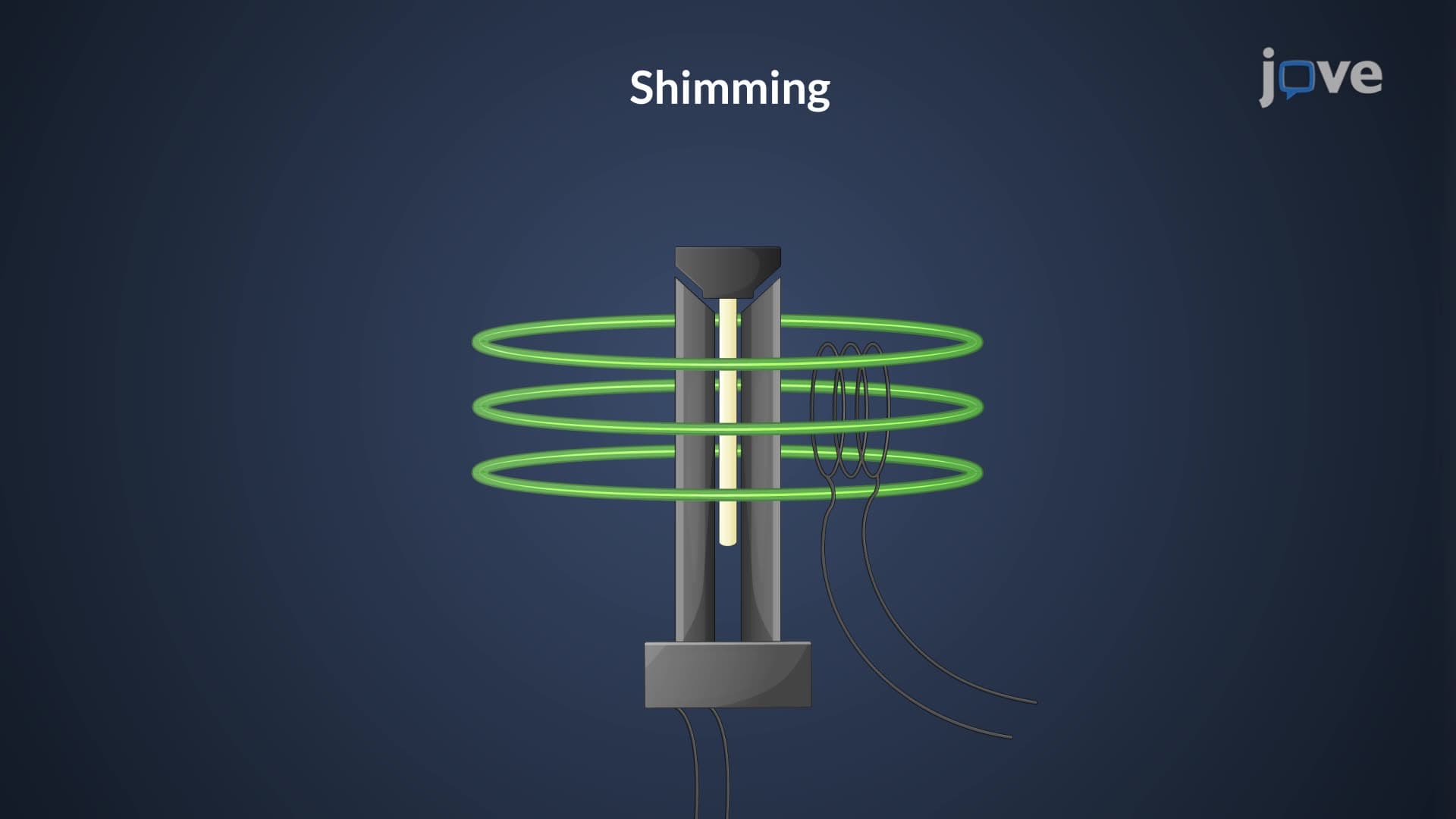
12. NMR Spectrometers: Resolution and Error Correction
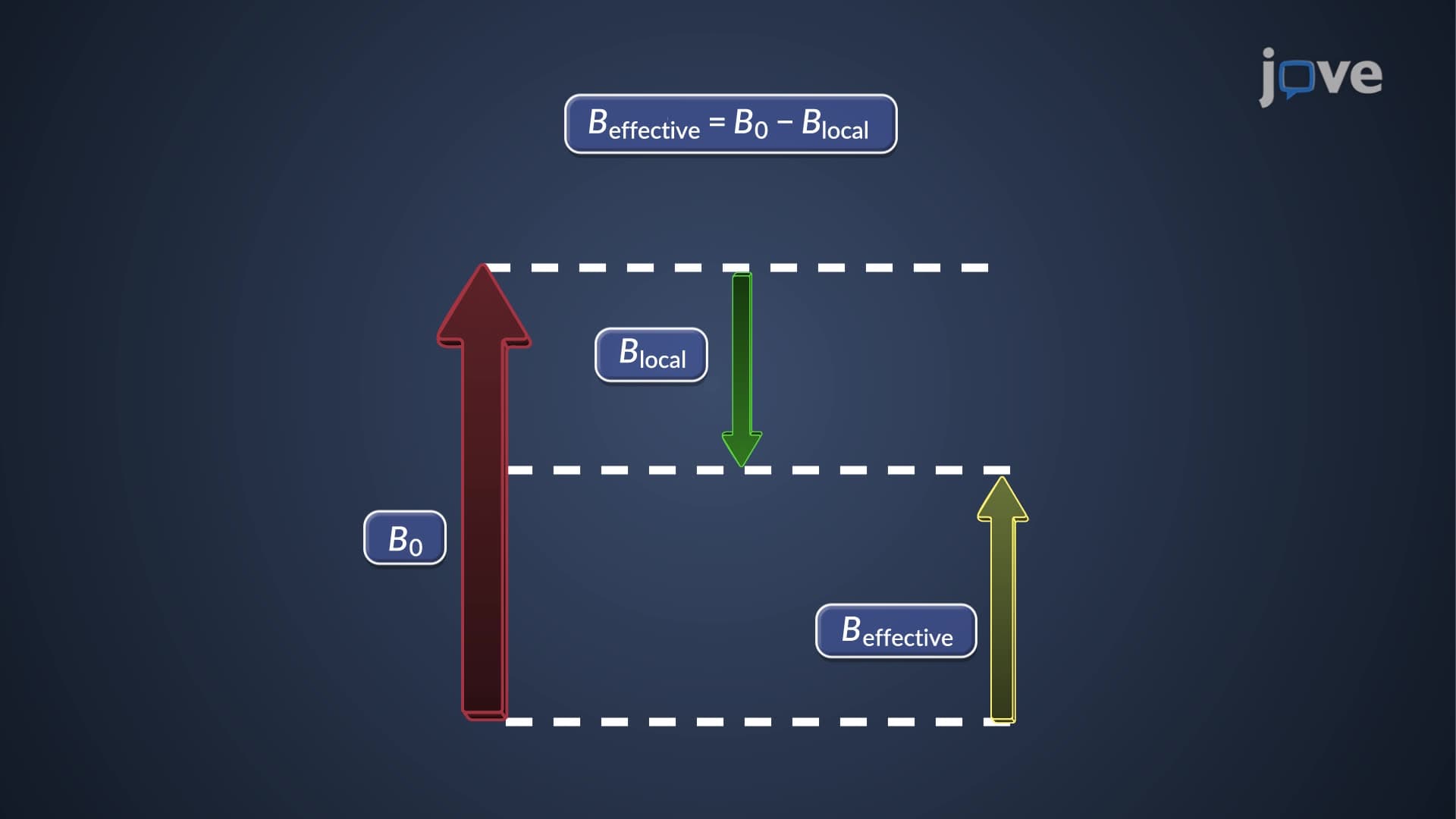
13. Diamagnetic Shielding of Nuclei: Local Diamagnetic Current
NMR principle forms the foundation of spectroscopy and medical imaging technologies used extensively across US research institutions and hospitals. This comprehensive course explores NMR fundamentals chemistry, from nuclear spin states to magnetic resonance phenomena, providing students with essential knowledge for understanding how atomic nuclei interact with magnetic fields and radiofrequency radiation. JoVE Coach guides you through complex concepts with clear explanations.
- Understand the basic principles of nuclear magnetic resonance and nuclear spin properties
- Learn how atomic nuclei generate magnetic moments and align in external magnetic fields
- Identify the relationship between nuclear spin states and energy level distributions
- Explore Larmor precession frequency and its connection to magnetic field strength
- Analyze nuclear relaxation processes including spin-lattice and spin-spin mechanisms
- Apply knowledge of NMR instrumentation and pulse sequences to spectroscopic analysis
- Understand diamagnetic shielding effects and their impact on chemical shift patterns
- Examine the principles behind modern Fourier-transform NMR spectroscopy
1. Nuclear Spin and Magnetic Moments: Atomic nuclei with unpaired protons or neutrons possess intrinsic angular momentum called nuclear spin, creating magnetic moments when the nucleus rotates. This fundamental property enables certain nuclei to interact with external magnetic fields, forming the basis for NMR activity. Understanding nuclear spin helps explain why hydrogen nuclei (protons) are commonly used in NMR studies, as they have a spin value of 1/2 and produce clear, interpretable signals in spectroscopic analysis.
2. Energy States and Population Distribution: When NMR-active nuclei are placed in external magnetic fields, their energy states become quantized through Zeeman splitting, creating distinct spin orientations. The Boltzmann distribution governs how nuclear populations distribute between these energy levels, with slightly more nuclei occupying lower-energy states aligned with the magnetic field. This small population excess, approximately 9-10 nuclei per two million at room temperature, generates the detectable NMR signal used in spectroscopic applications.
3. Larmor Precession and Resonance: Nuclear magnetic moments precess around applied magnetic fields at characteristic frequencies called Larmor frequencies, directly proportional to magnetic field strength through the magnetogyric ratio. When radiofrequency pulses matching these precession frequencies are applied, nuclei absorb energy and flip between spin states, creating the resonance condition essential for NMR spectroscopy. This frequency-dependent absorption allows scientists to identify different nuclear environments within molecular structures.
4. Nuclear Relaxation Mechanisms: After radiofrequency excitation, nuclei must return to equilibrium through relaxation processes characterized by time constants T1 and T2. Spin-lattice relaxation (T1) restores population distributions through energy transfer to surrounding molecular motion, while spin-spin relaxation (T2) causes signal decay through magnetic interactions between neighboring nuclei. Understanding these mechanisms helps optimize experimental conditions and interpret spectral line widths in analytical applications.
5. NMR Instrumentation and Detection: Modern NMR spectrometers use pulsed Fourier-transform methods, applying short, high-power radiofrequency pulses to simultaneously excite multiple nuclear resonances. The resulting free induction decay signals are mathematically converted into frequency-domain spectra showing characteristic absorption patterns. Magnetic field homogeneity through shimming procedures ensures high-resolution spectra suitable for detailed molecular structure determination in research laboratories across US universities.
6. Chemical Shift and Shielding Effects: Electrons surrounding atomic nuclei create local diamagnetic currents when exposed to magnetic fields, partially shielding nuclei from the applied field strength. This shielding varies with electron density, causing nuclei in different molecular environments to resonate at distinct frequencies called chemical shifts. These frequency differences provide crucial information about molecular structure, enabling chemists to distinguish between carbon atoms in different functional groups or identify specific hydrogen environments in organic compounds.
Frequently Asked Questions
Both NMR spectroscopy and MRI rely on the same basic principles of nuclear magnetic resonance, using magnetic fields and radiofrequency pulses to excite hydrogen nuclei in tissues. While NMR spectroscopy analyzes molecular structure through chemical shifts, MRI creates detailed anatomical images by detecting water content differences in various body tissues, making it invaluable for medical diagnosis across US healthcare systems.
NMR-active nuclei must have nonzero nuclear spin, which occurs when they contain unpaired protons or neutrons. Hydrogen-1, carbon-13, and phosphorus-31 are commonly studied because they have favorable magnetic properties and natural abundance levels. Nuclei with spin-1/2 values are preferred because they produce simpler spectra without complications from electric field interactions, making them ideal for routine analytical applications.
Yes, NMR fundamentals chemistry appears in MCAT physical sciences sections, particularly in questions about molecular structure determination and analytical techniques. Medical schools value students who understand the scientific principles behind diagnostic imaging technologies. Knowledge of magnetic resonance concepts demonstrates strong analytical chemistry foundations essential for biochemistry and pharmacology coursework in medical education.
AP Chemistry courses introduce NMR as an analytical tool for determining molecular structures, focusing on interpreting simple proton NMR spectra to identify functional groups and connectivity patterns. Students learn to correlate chemical shift values with molecular environments and use integration ratios to determine relative numbers of equivalent hydrogen atoms, skills directly applicable to organic chemistry problem-solving.
NMR expertise opens doors to pharmaceutical research, where drug development requires detailed molecular characterization, and clinical chemistry positions in hospital laboratories. Academic research careers in chemistry, biochemistry, and materials science heavily utilize NMR techniques. Additionally, medical physics positions supporting MRI operations in healthcare facilities require solid understanding of magnetic resonance principles and instrumentation.
Peak broadening occurs when nuclear relaxation happens too quickly (short T2 relaxation times) or when magnetic field inhomogeneities affect different parts of the sample. Rapid molecular motion, chemical exchange processes, or improper shimming can cause line broadening. High-quality spectra require optimized magnetic field homogeneity, appropriate temperature control, and careful sample preparation to minimize these effects.
Focus on understanding the physical basis of magnetic interactions before memorizing chemical shift tables or coupling patterns. Practice visualizing nuclear precession and energy level diagrams to build conceptual foundations. Work through progressive examples starting with simple molecules before advancing to complex spectra interpretation. Connect NMR principles to familiar concepts like electromagnetic radiation and quantum energy levels from general chemistry coursework.
Chemical shifts provide fingerprint-like information about nuclear environments within molecules, with electron-withdrawing groups causing downfield shifts (higher frequencies) and electron-donating groups causing upfield shifts (lower frequencies). Aromatic protons, for example, appear around 7-8 ppm due to deshielding from aromatic ring currents, while methyl groups appear around 1-2 ppm. These predictable patterns enable systematic structure determination in organic chemistry applications.
This microcourse includes 13 concept videos that walk you through the building blocks of Analytical Chemistry. Each video is short, about 1 minute, so you can cover a full topic during a coffee break or between classes. The full sequence starts with Nuclear Magnetic Resonance (NMR): Overview and ends with Diamagnetic Shielding of Nuclei: Local Diamagnetic Current.
The playlist moves from big-picture ideas to the precise vocabulary used in Analytical Chemistry. Early videos introduce Nuclear Magnetic Resonance (NMR): Overview, Atomic Nuclei: Nuclear Spin, and Atomic Nuclei: Nuclear Magnetic Moment. The middle of the series focuses on Atomic Nuclei: Nuclear Spin State Population Distribution, Atomic Nuclei: Larmor Precession Frequency, and Atomic Nuclei: Magnetic Resonance. The final stretch covers Atomic Nuclei: Nuclear Relaxation Processes, Atomic Nuclei: Types of Nuclear Relaxation, NMR Spectrometers: Overview, NMR Spectrometers: Radiofrequency Pulses and Pulse Sequences, NMR Spectrometers: Resolution and Error Correction, and Diamagnetic Shielding of Nuclei: Local Diamagnetic Current.
The natural next step is Interpreting Nuclear Magnetic Resonance Spectra. From there, you can move to Method Development and Sampling Techniques, Electrochemical Analyses and Redox Titration, and Principles of Chromatography. Once you finish those, the full Analytical Chemistry curriculum of 16 microcourses on JoVE Coach opens up, taking you from foundational concepts to advanced systems.
Related Subjects
 Chemistry 21 micro-courses›
 Organic Chemistry 21 micro-courses›