Loading subject page…
- Analytical Chemistry
- Electrochemical Analyses and Redox Titration
Analytical Chemistry
All Micro-courses:16

1.
Chemical Applications of Statistical Analyses
22 Concepts
2.
Chemical Equilibria
19 Concepts
3.
Acid–Base Titration
14 Concepts
4.
Introduction to Separation Methods
17 Concepts
5.
Complexometric Titration, Precipitation Titration, and Gravimetry
22 Concepts
6.
Principles of Mass Spectrometry
14 Concepts
7.
Principles of Nuclear Magnetic Resonance
13 Concepts
8.
Interpreting Nuclear Magnetic Resonance Spectra
24 Concepts
9.
Method Development and Sampling Techniques
17 Concepts
10.
Electrochemical Analyses and Redox Titration
24 Concepts
11.
Principles of Chromatography
27 Concepts
12.
Introduction to Molecular Spectroscopy
14 Concepts
13.
Molecular Vibrational Spectroscopy
19 Concepts
14.
Atomic Spectroscopy
17 Concepts
15.
Mass Spectrometry Fragmentation Methods
15 Concepts
16.
Advanced Nuclear Magnetic Resonance Spectroscopy
12 Concepts
Electrochemical Analyses and Redox Titration
 24 Concepts
 33K Views
 Popular topics
Concepts: 24
01:04
2.8K views

01:17
2.1K views

01:06
558 views
01:06
3.2K views
01:19
1.2K views
01:15
1.1K views
01:21
3.7K views
01:23
3.8K views
01:26
533 views

01:31
2.8K views
01:07
816 views

01:30
471 views
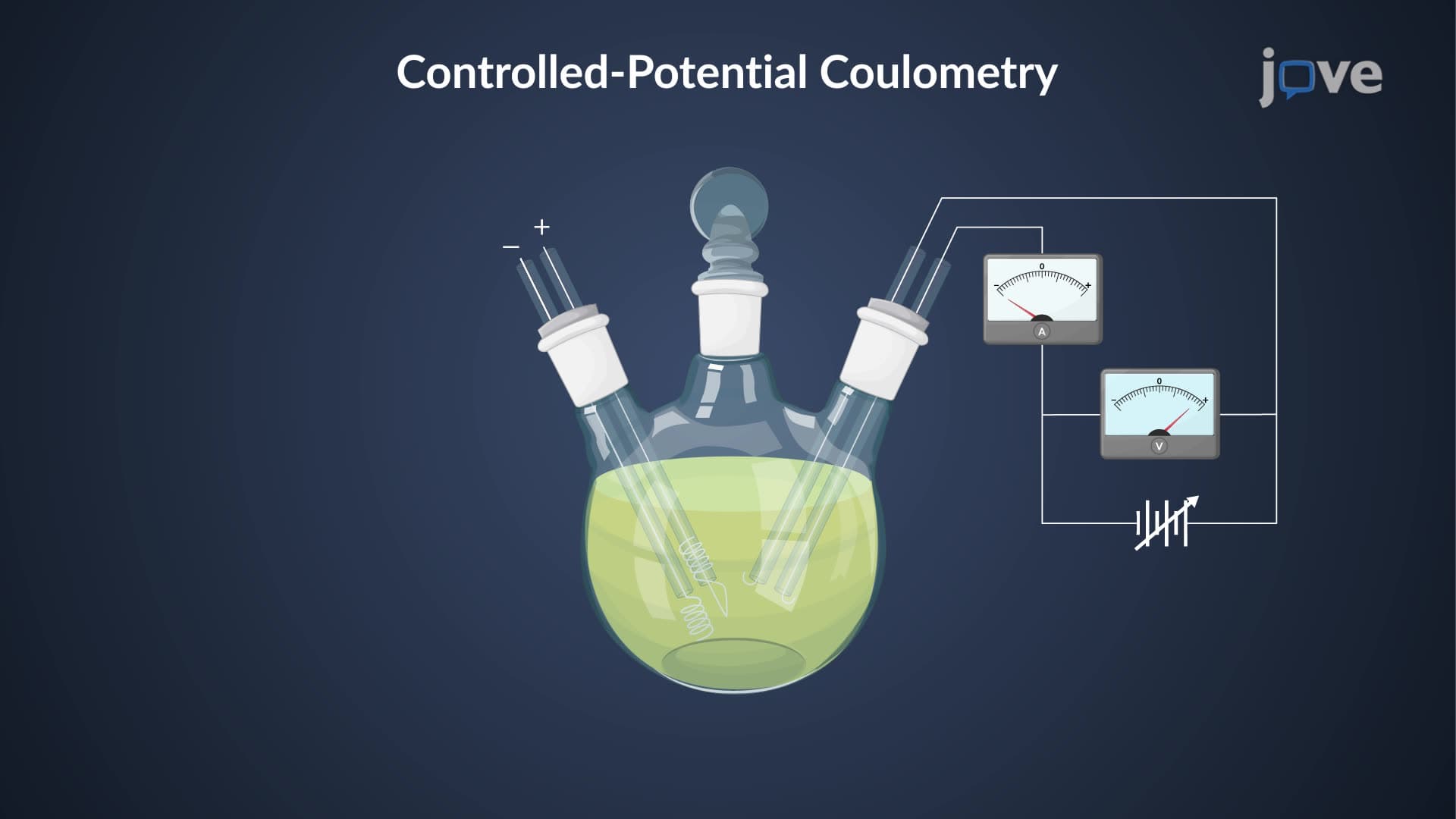
01:00
1.8K views
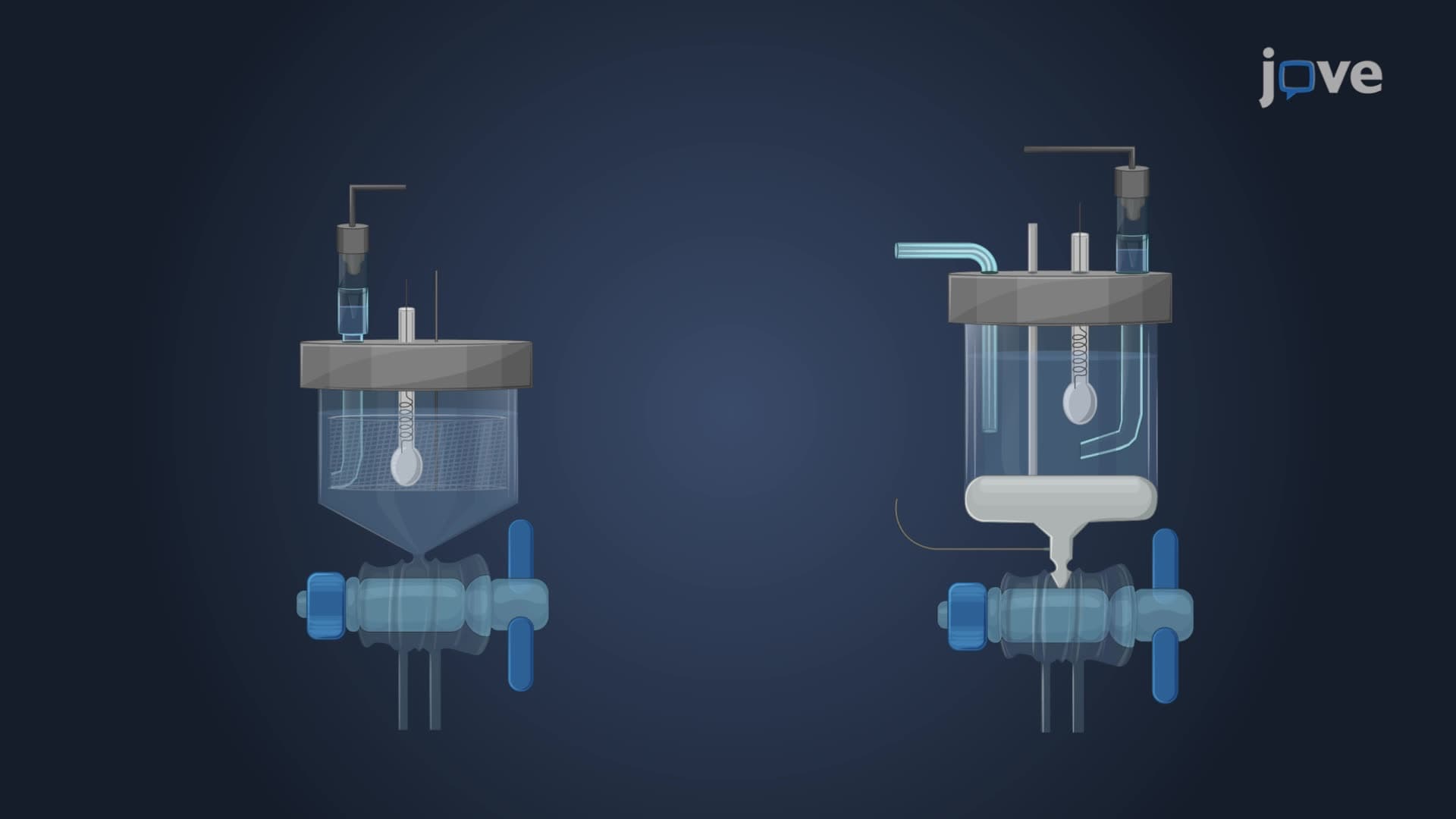
01:17
393 views

01:27
416 views

01:18
309 views
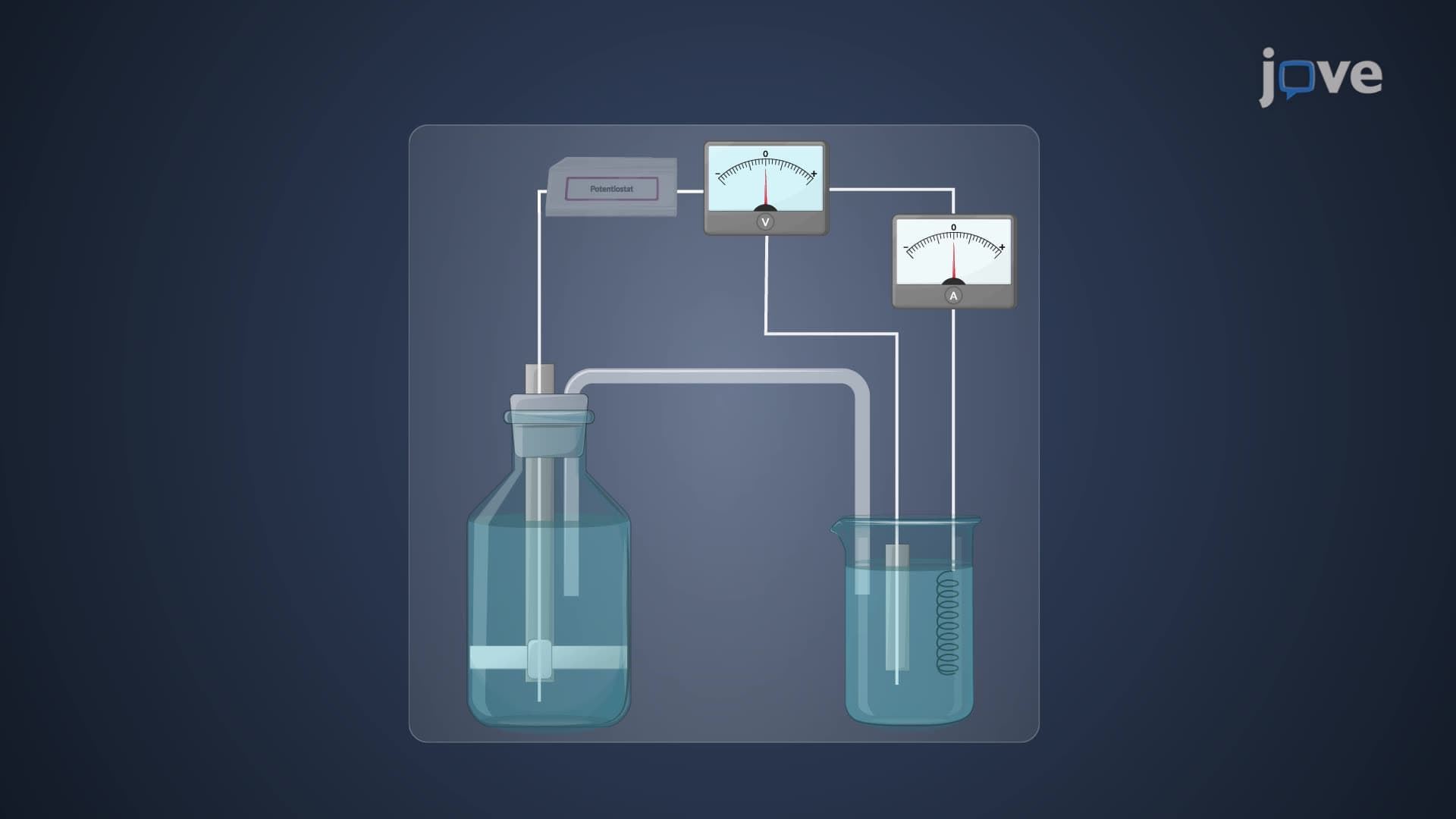
01:20
2.3K views
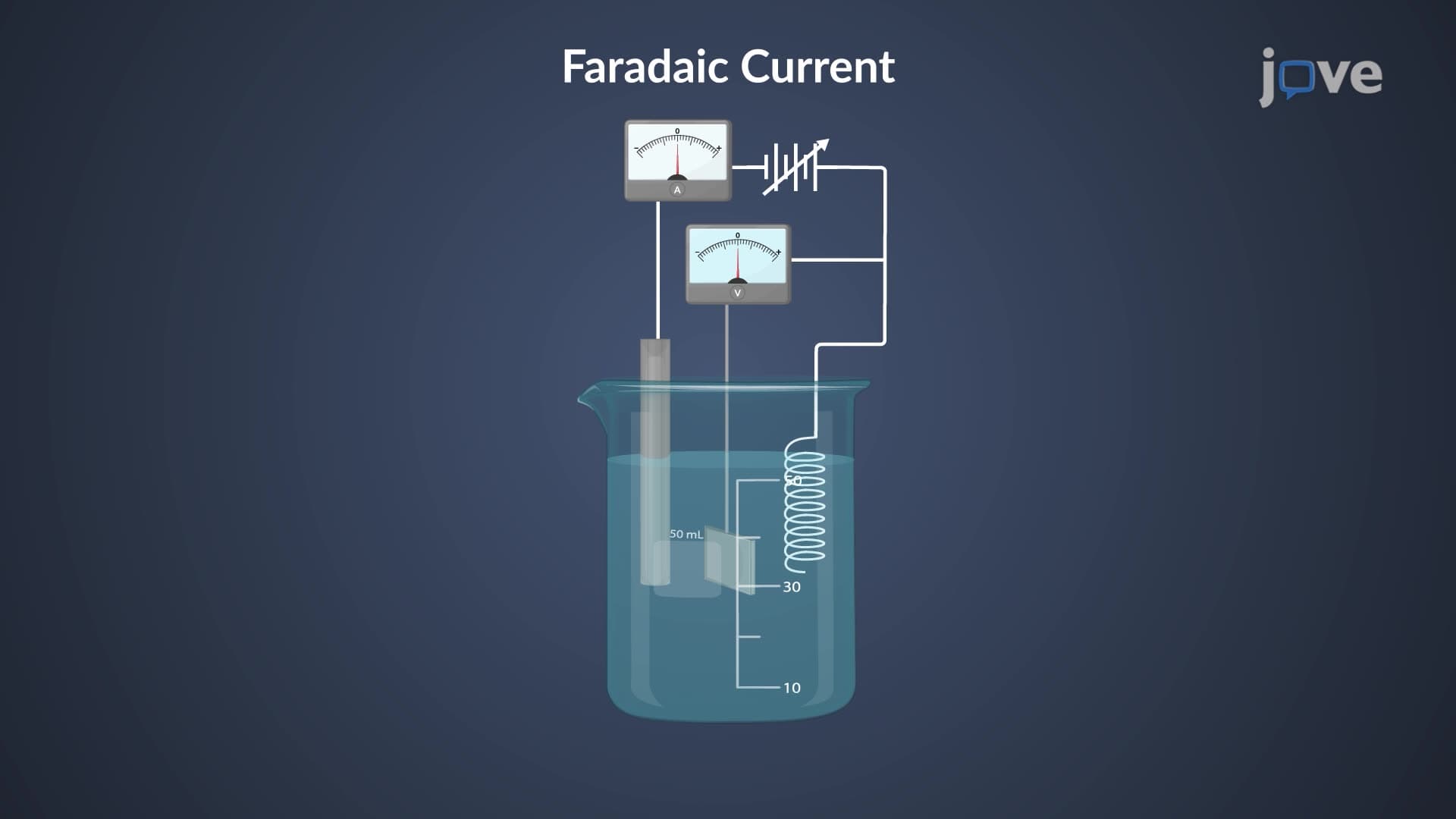
01:21
309 views

01:16
445 views

01:12
636 views

01:17
891 views
01:10
956 views

01:13
505 views

01:10
995 views
Redox titration and electrochemical analysis form the foundation of modern analytical chemistry, utilizing electrical measurements to determine chemical concentrations. This JoVE Coach micro-course explores potentiometry electroanalytical techniques, from basic redox indicators to advanced electrochemical methods in analytical chemistry including voltammetry and coulometry, essential for pharmaceutical quality control and environmental monitoring across US laboratories.
- Understand the fundamental principles of redox reactions and electron transfer in electrochemical cells
- Learn potentiometric measurements using reference and indicator electrodes for quantitative analysis
- Identify different types of redox titrations including permanganate, dichromate, and iodometric methods
- Explore membrane electrodes and ion-selective measurements in analytical applications
- Analyze voltammetric techniques including cyclic voltammetry and stripping methods
- Apply coulometric analysis for precise quantitative determinations without external standards
- Understand amperometry and controlled-potential methods for trace analysis
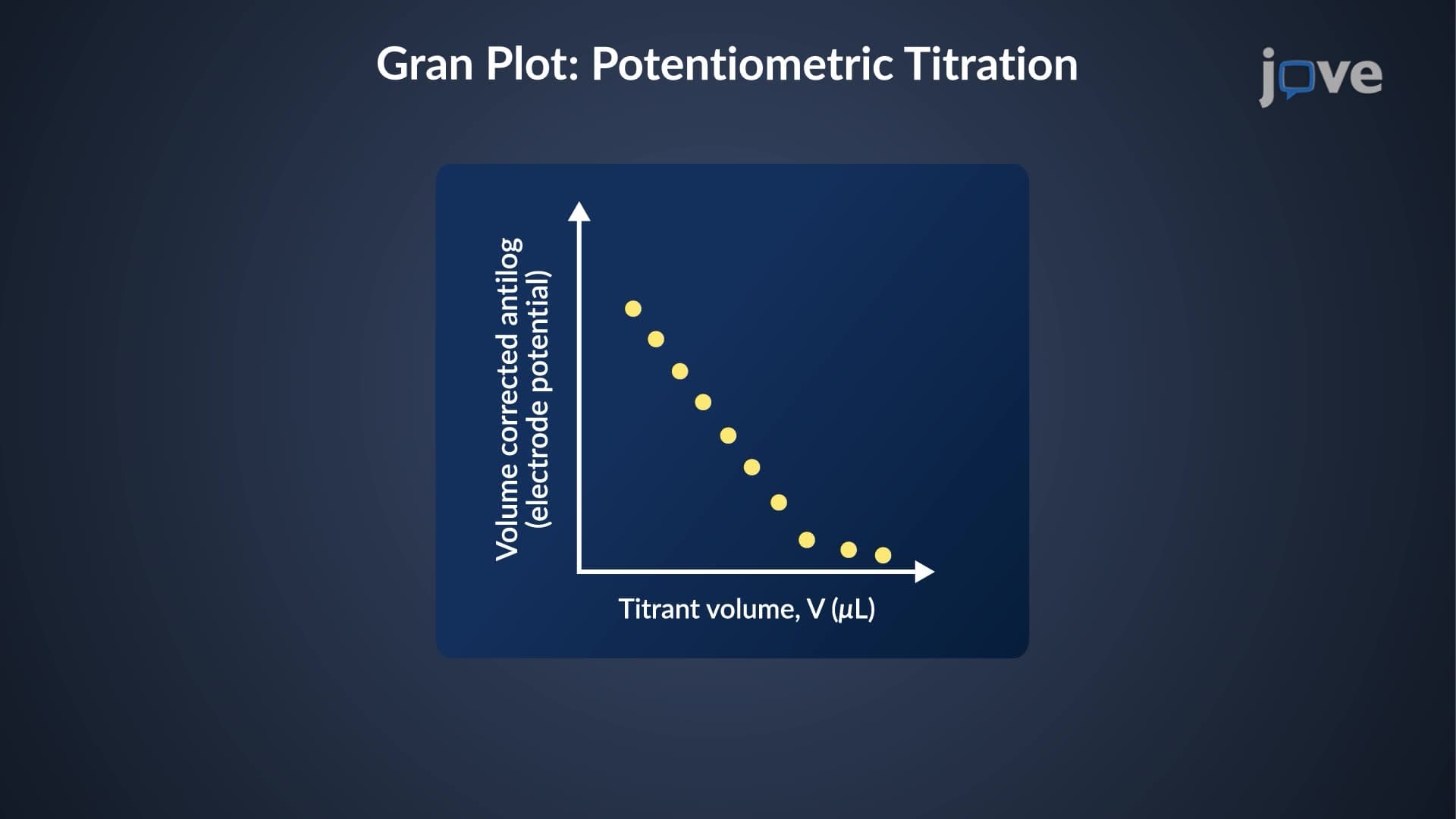
- Master endpoint detection methods including Gran plots and potentiometric indicators
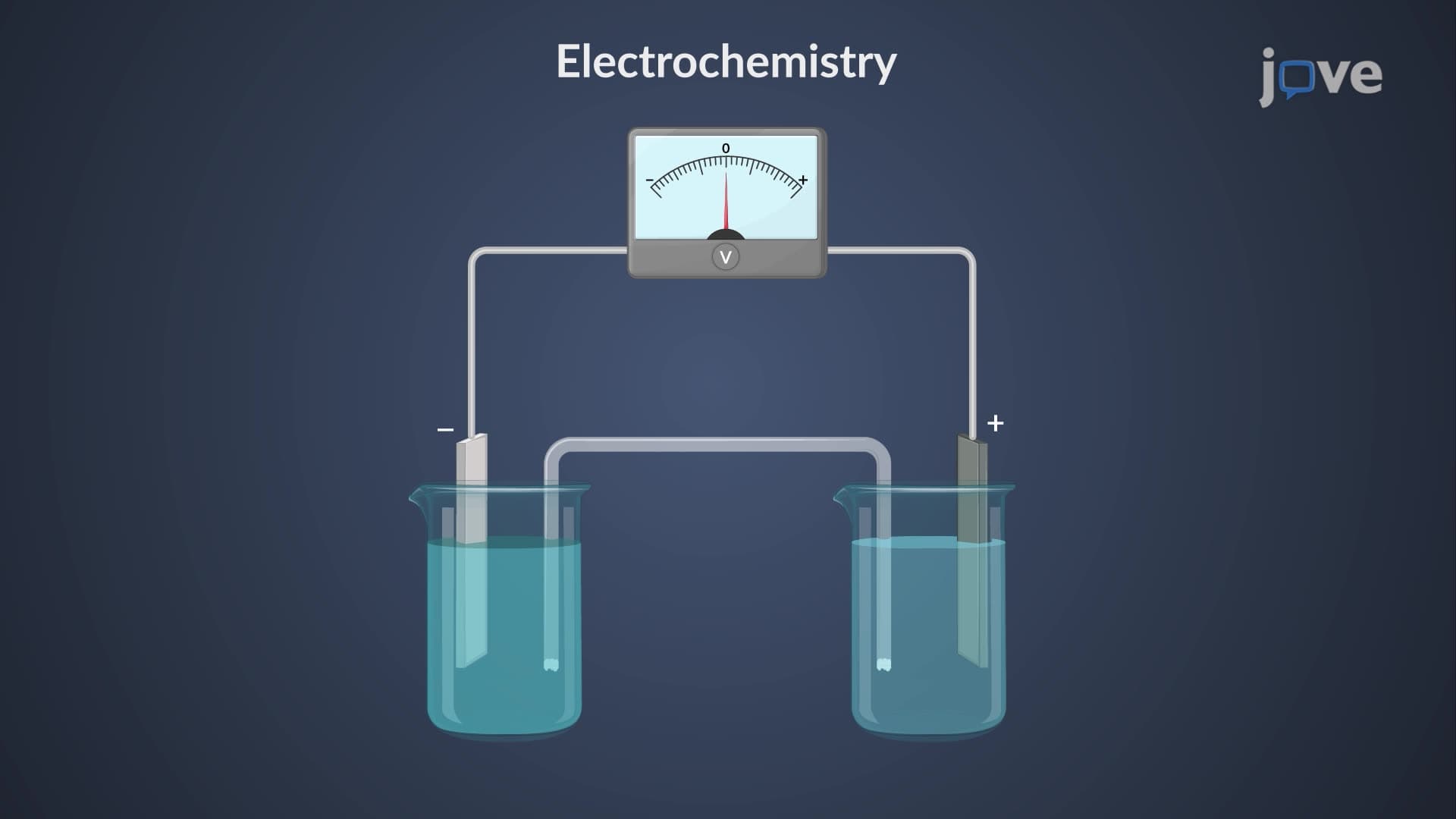
1. Fundamentals of Electrochemical Analysis Electrochemical analysis measures electrical quantities like current and potential to determine chemical concentrations. The relationship between electrical work and free energy change drives these measurements, following Ohm's law where current relates inversely to resistance and directly to potential. US pharmaceutical companies like Pfizer use these principles for drug purity testing, while environmental agencies employ electrochemical sensors to monitor water quality in systems like the Great Lakes. Two-electrode cells utilize reference electrodes (providing constant potential) and working electrodes (responding to analyte concentration) to generate quantitative data for regulatory compliance.
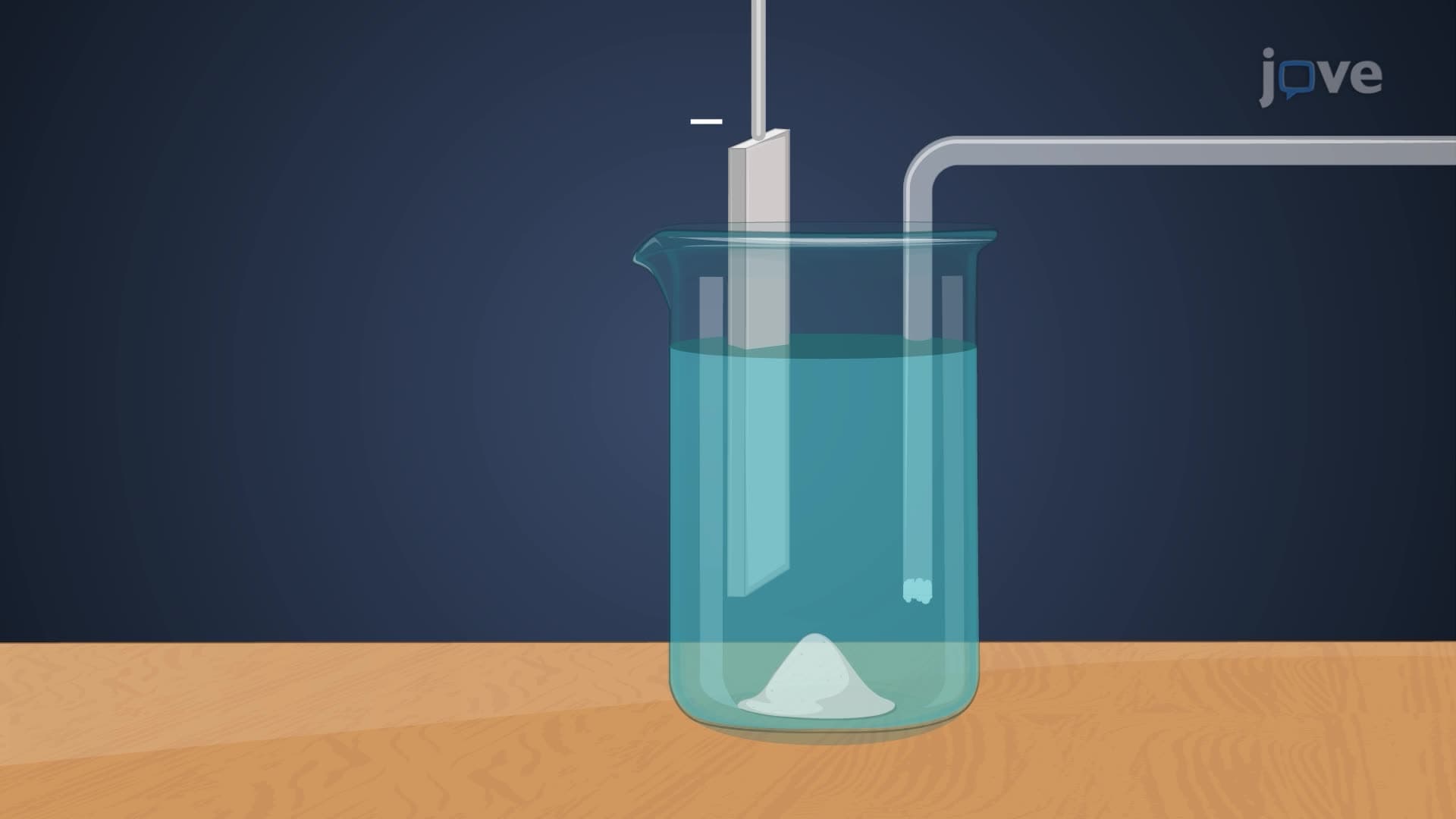
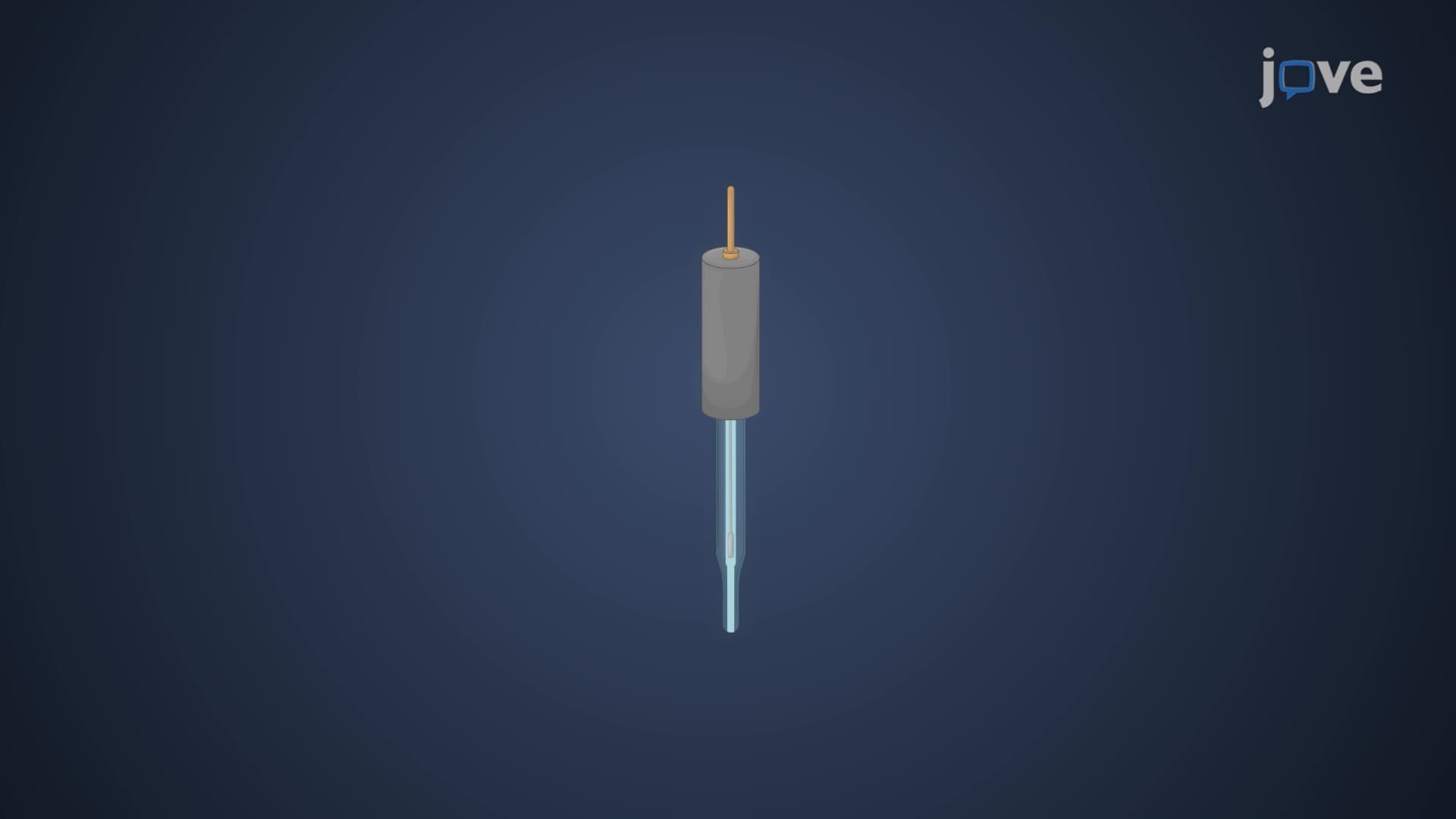
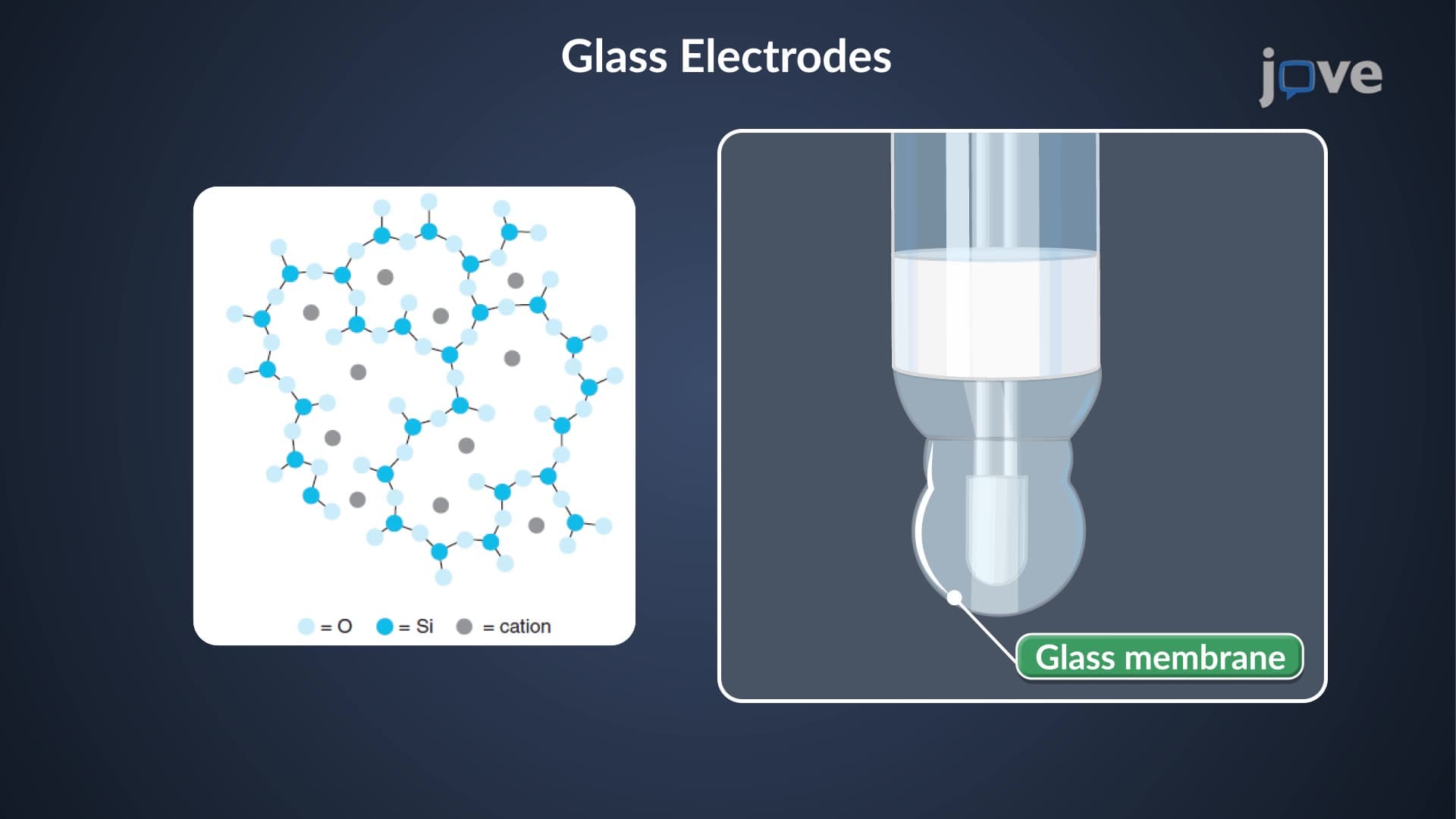
2. Potentiometry and Electrode Systems Potentiometry measures potential differences without significant current flow, preserving solution composition during analysis. The technique employs various electrode types: glass electrodes for pH measurement, ion-selective electrodes for specific ions, and reference electrodes like silver/silver chloride for stable potential reference. US clinical laboratories use potentiometric blood gas analyzers to measure pH, CO₂, and electrolytes in patient samples. The Nernst equation governs electrode response, enabling quantitative analysis. Membrane electrodes provide selectivity through charge-carrying components, essential for automated analyzers in hospitals nationwide.
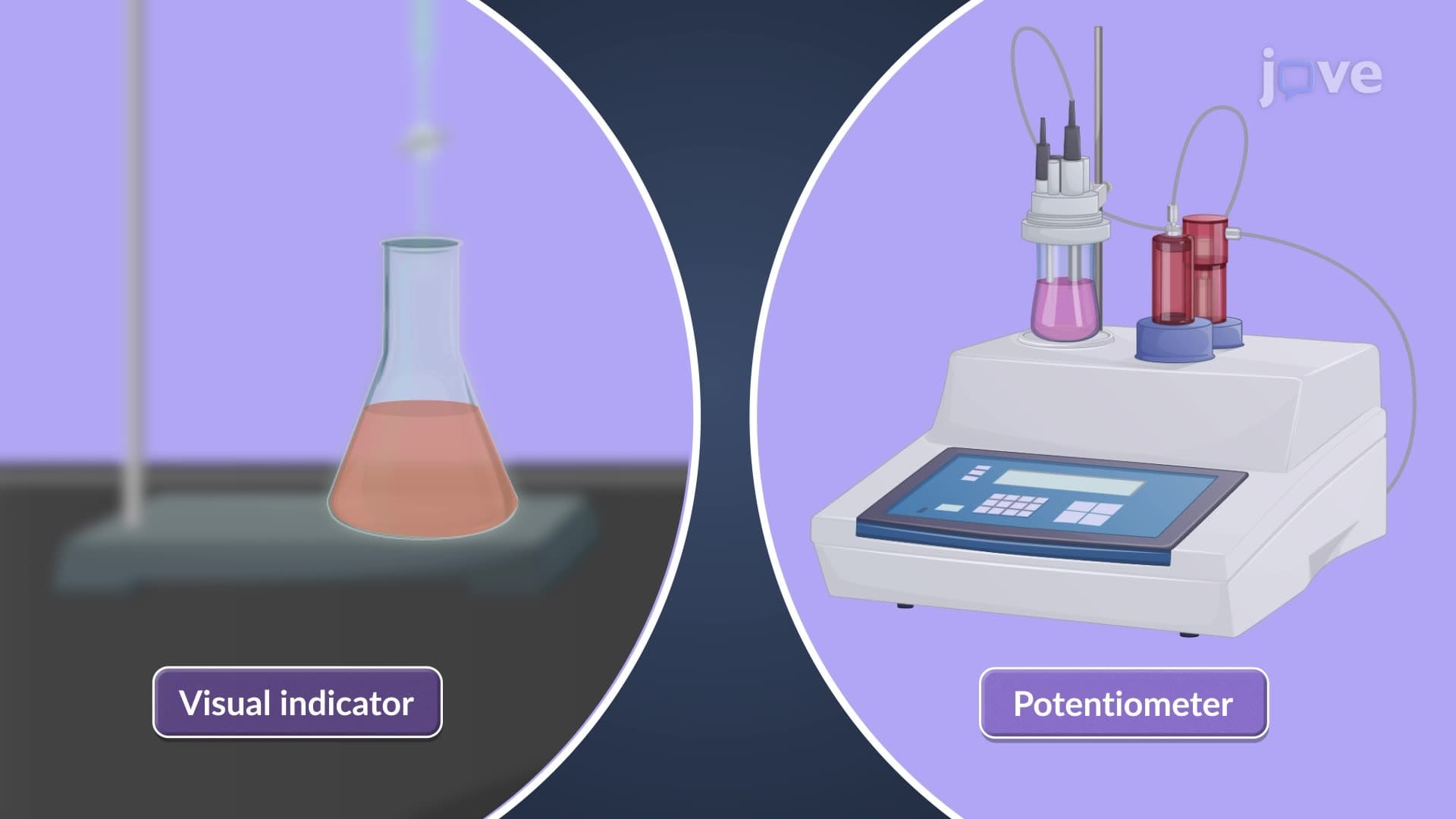
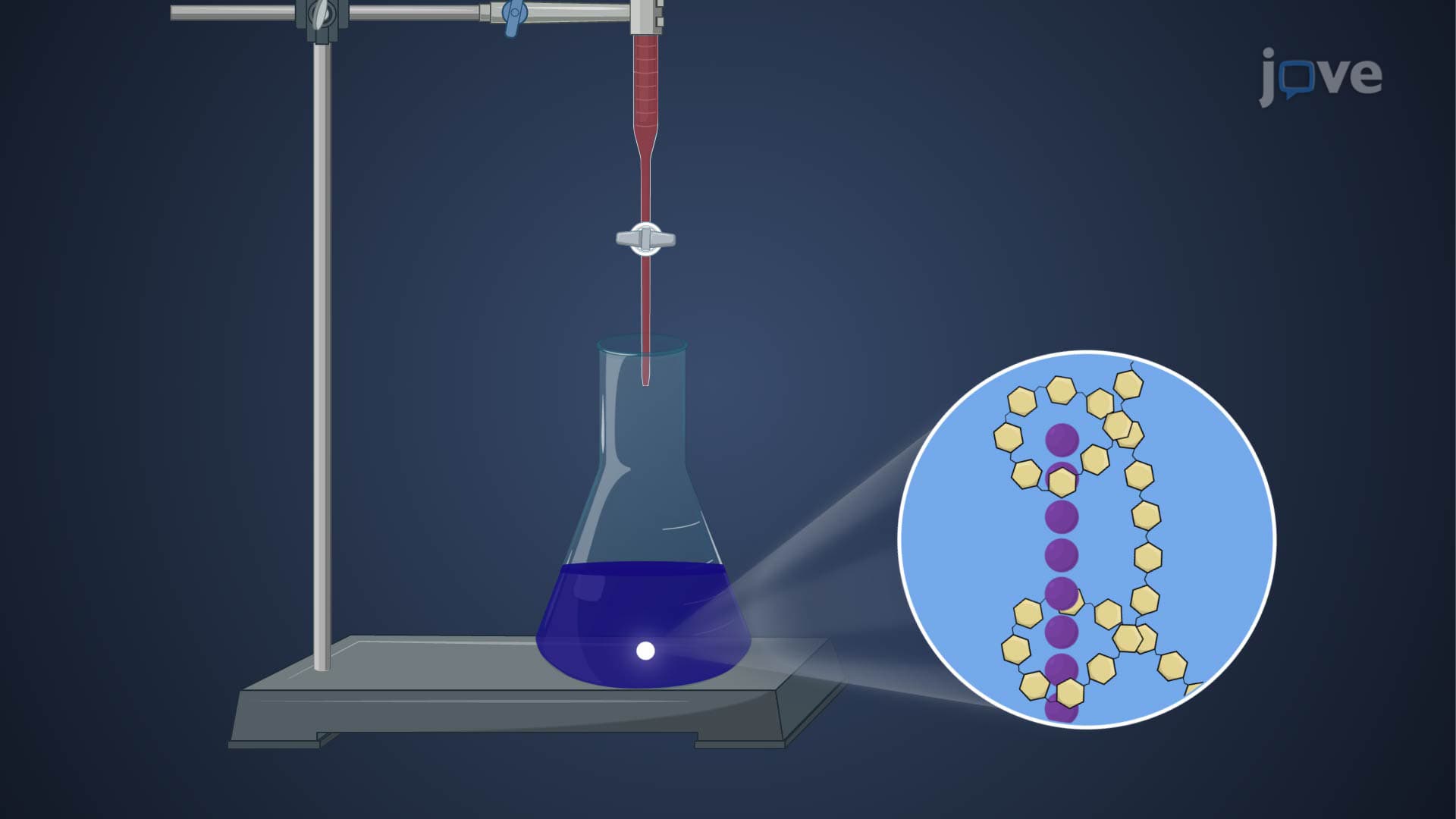
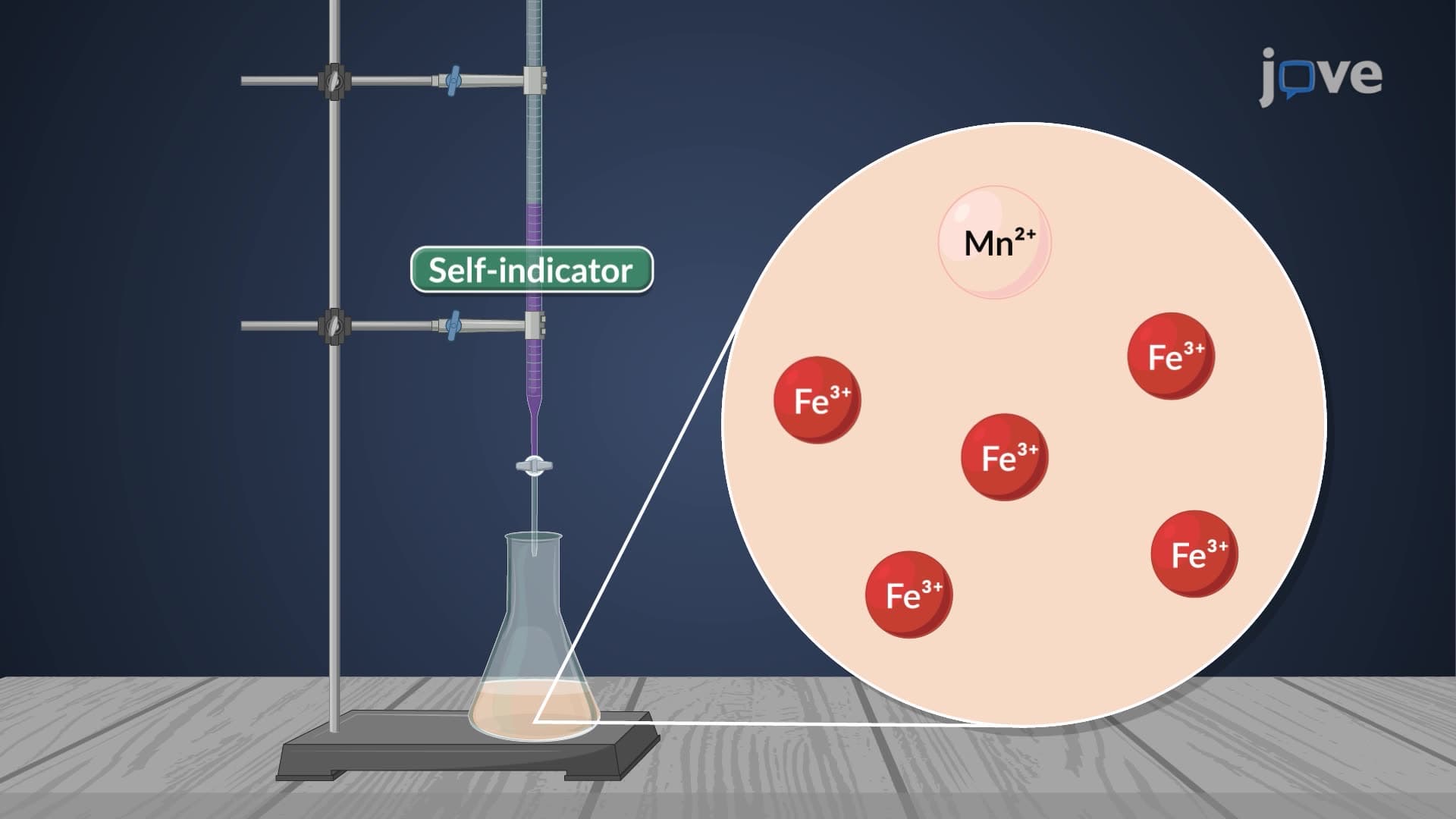
3. Redox Titration Methods and Indicators Redox titration involves controlled oxidation-reduction reactions between analytes and titrants, detected through visual indicators or potentiometric measurements. Common oxidizing agents include permanganate dichromate systems and iodine solutions, each offering specific advantages for different analytes. US water treatment facilities use permanganate titrations to determine organic contamination levels, while food laboratories employ iodometric methods for vitamin C analysis. Redox indicators change color at specific potentials, providing visual endpoints. Self-indicators like permanganate eliminate additional reagent needs, simplifying industrial quality control procedures.
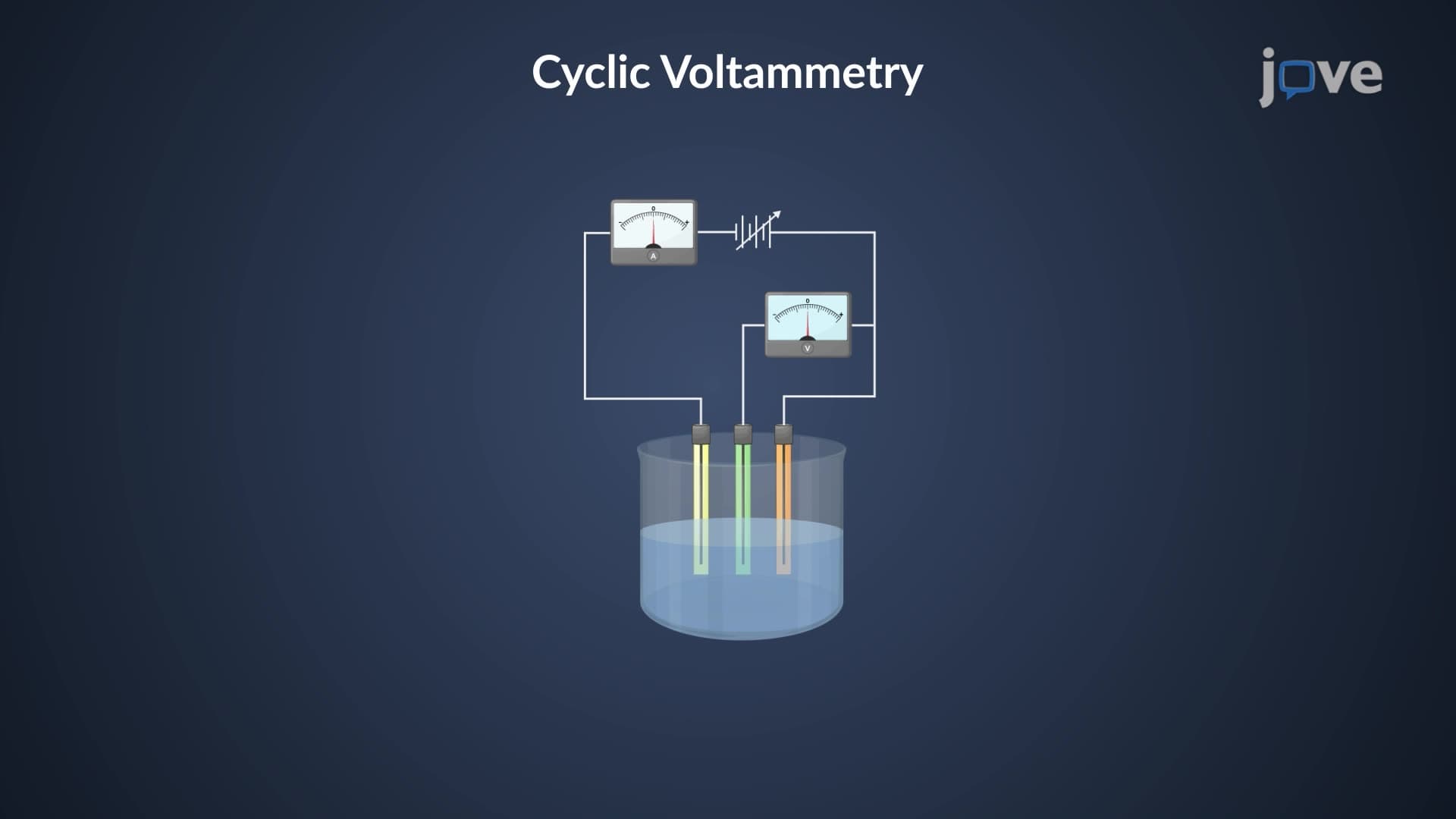
4. Advanced Electroanalytical Methods Electroanalytical methods encompass sophisticated techniques including coulometry, voltammetry, and amperometry for trace analysis and specialized applications. Controlled-potential coulometry provides absolute measurements without external standards, crucial for primary standard preparation in US National Institute of Standards and Technology protocols. Cyclic voltammetry characterizes redox behavior and reaction mechanisms, extensively used in battery research and corrosion studies. Stripping voltammetry achieves part-per-billion detection limits for toxic metals, essential for EPA compliance monitoring in drinking water systems across American municipalities.
5. Practical Applications and Modern Instrumentation Modern electrochemical instrumentation integrates computer control with sophisticated electrode systems for automated analysis. Amperometry monitors current at constant potential, enabling continuous monitoring systems like glucose sensors used by millions of diabetic Americans. Potentiometric titrators provide precise endpoint detection through derivative calculations and Gran plot extrapolations. US forensic laboratories employ electrochemical methods for drug analysis, while semiconductor manufacturers use ultra-pure reagent analysis. Quality control applications span from pharmaceutical manufacturing to food safety, supporting regulatory compliance with FDA and EPA standards.