- Analytical Chemistry
- Introduction to Separation Methods
Micro-courses:16

Introduction to Separation Methods
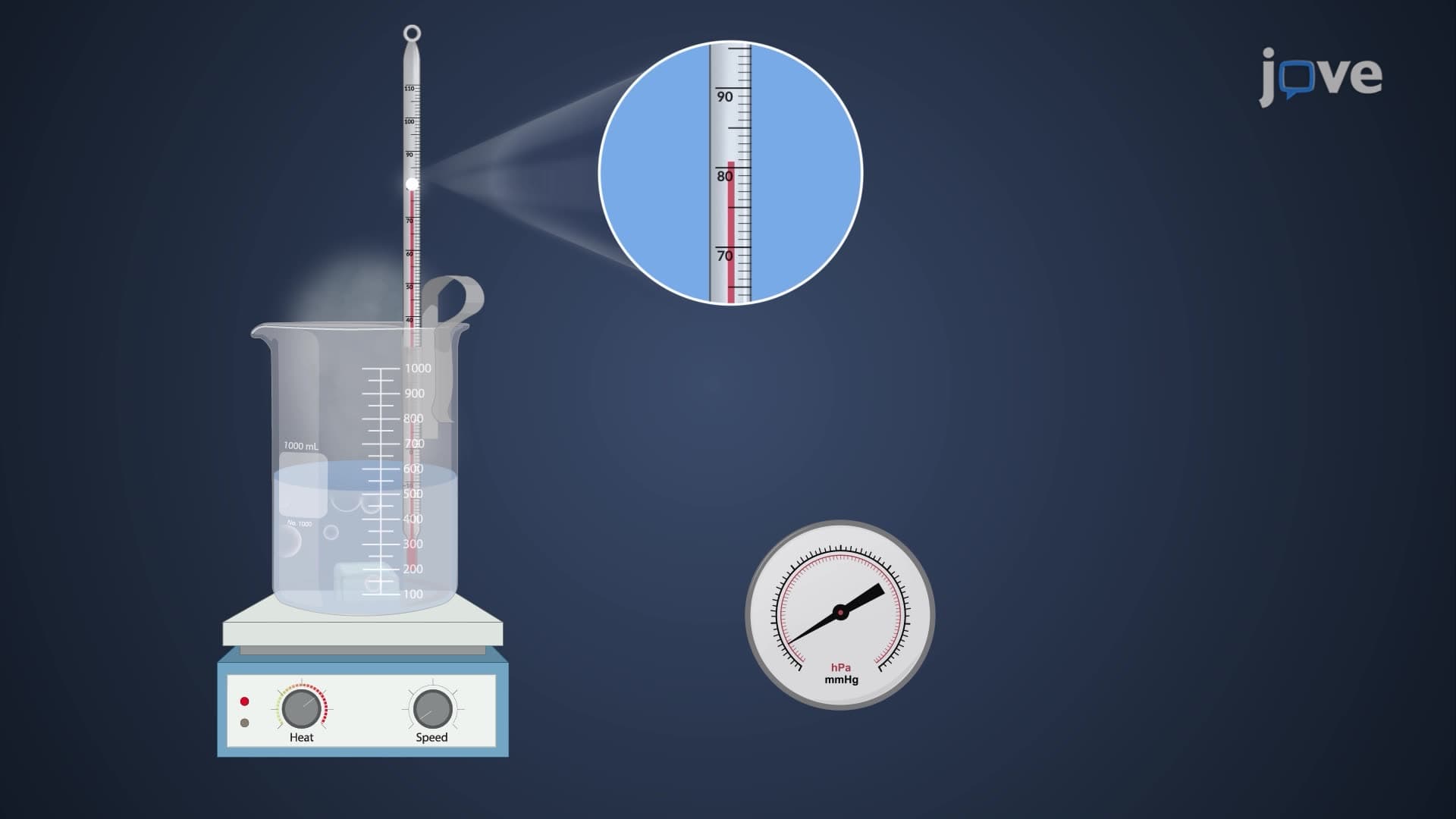
1. States of Matter and Phase Changes
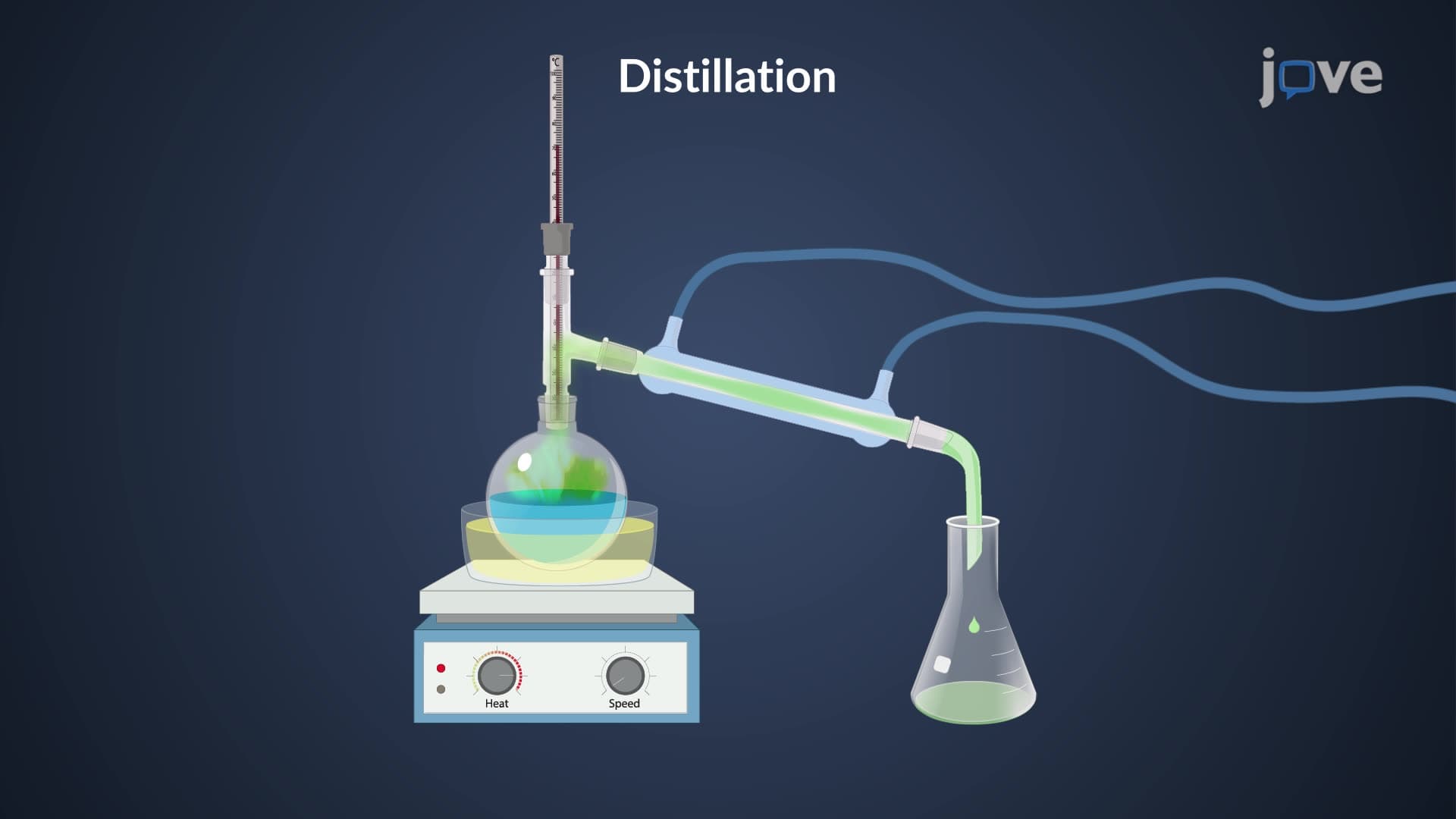
2. Distillation: Vapor–Liquid Equilibria
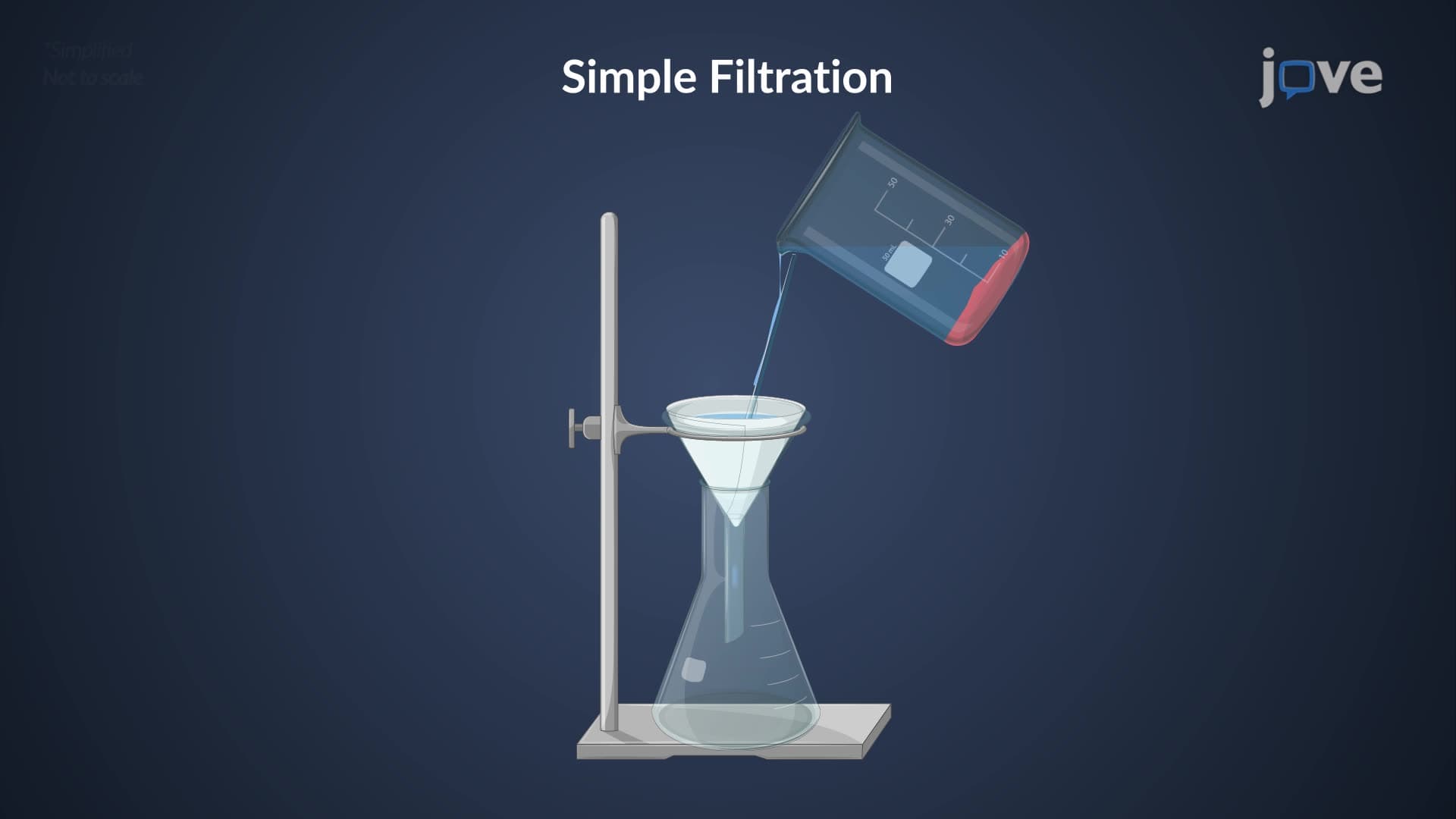
3. Filtration
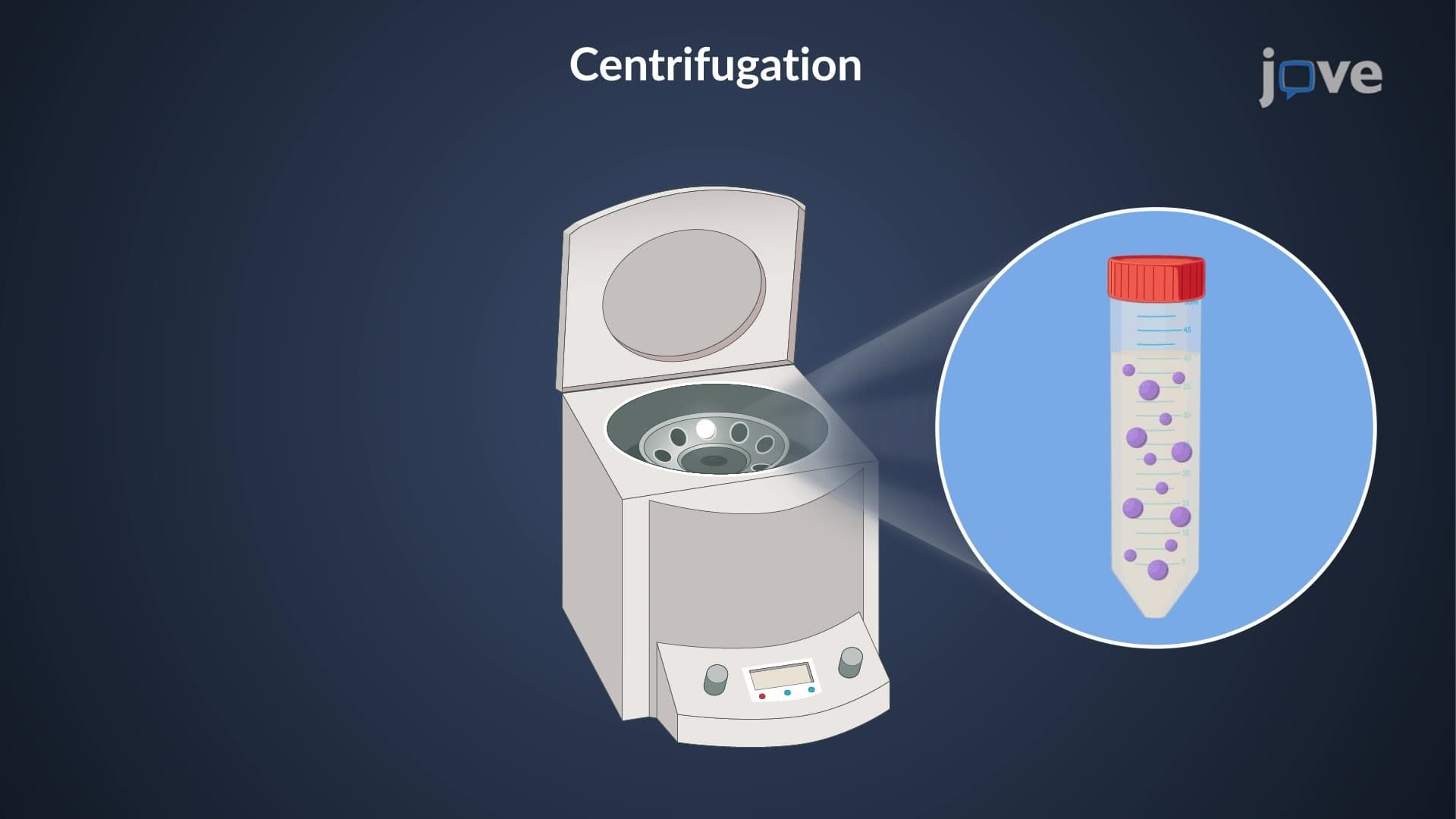
4. Centrifugation
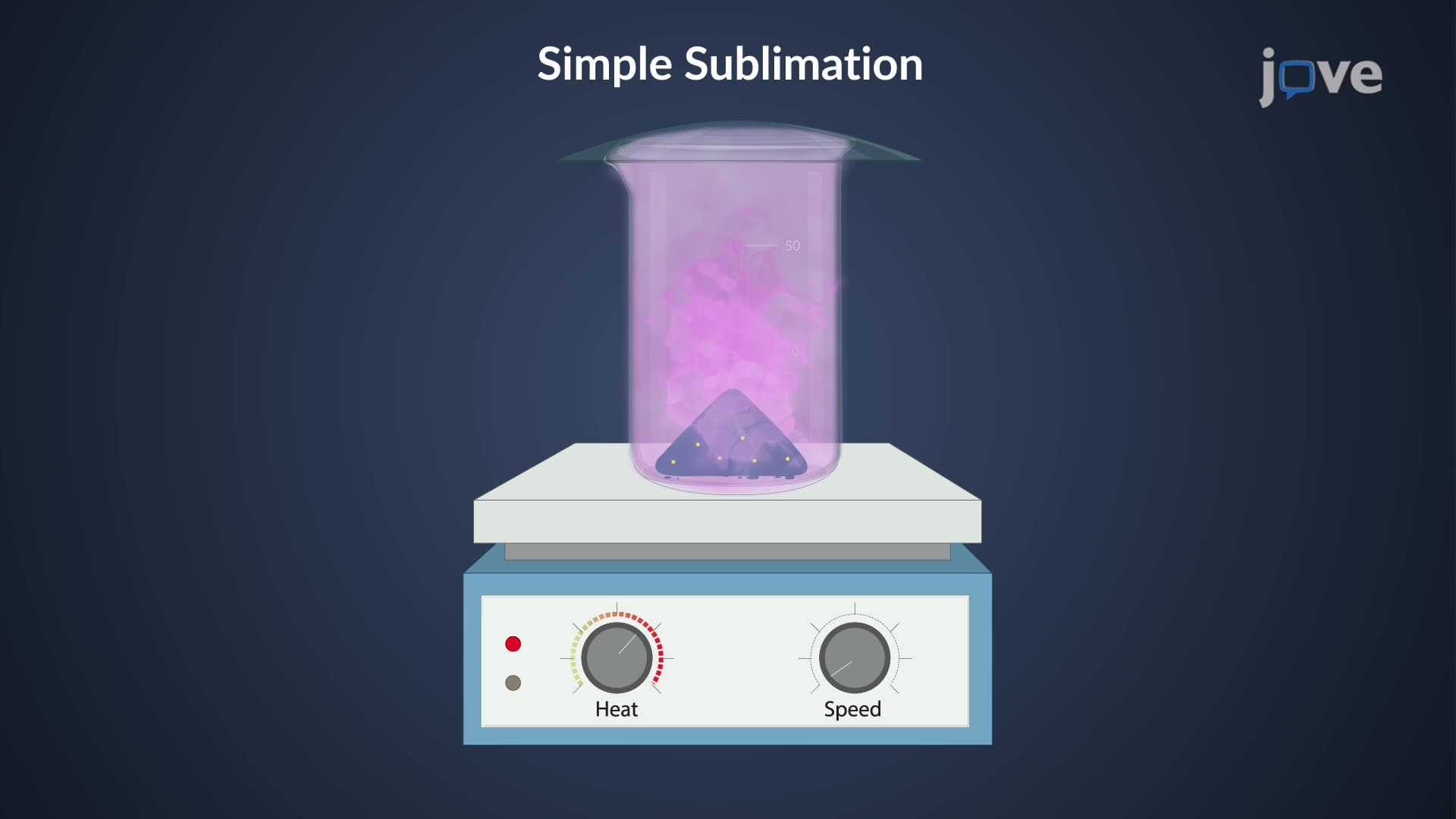
5. Sublimation

6. Recrystallization: Solid–Solution Equilibria
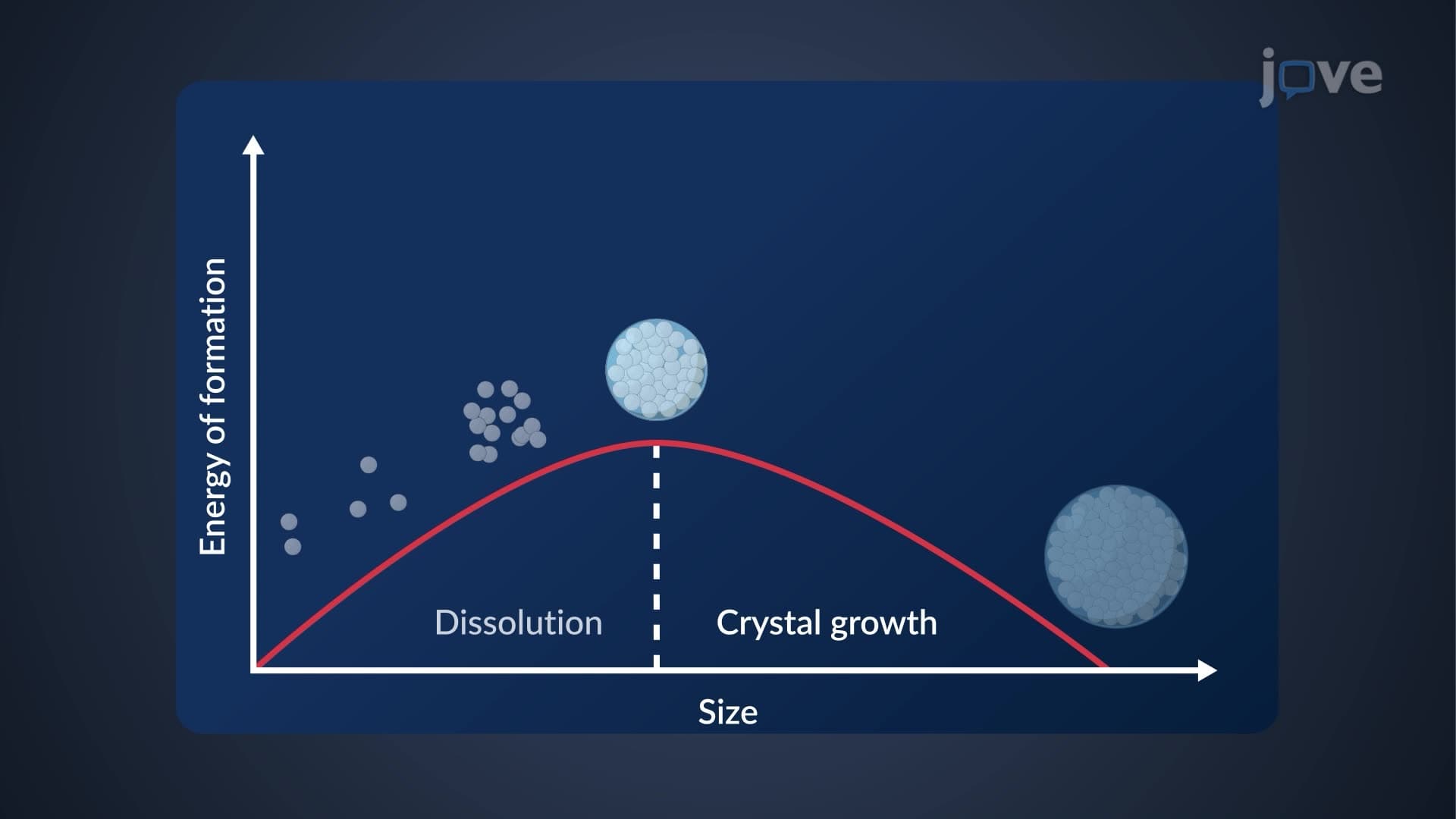
7. Crystal Growth: Principles of Crystallization
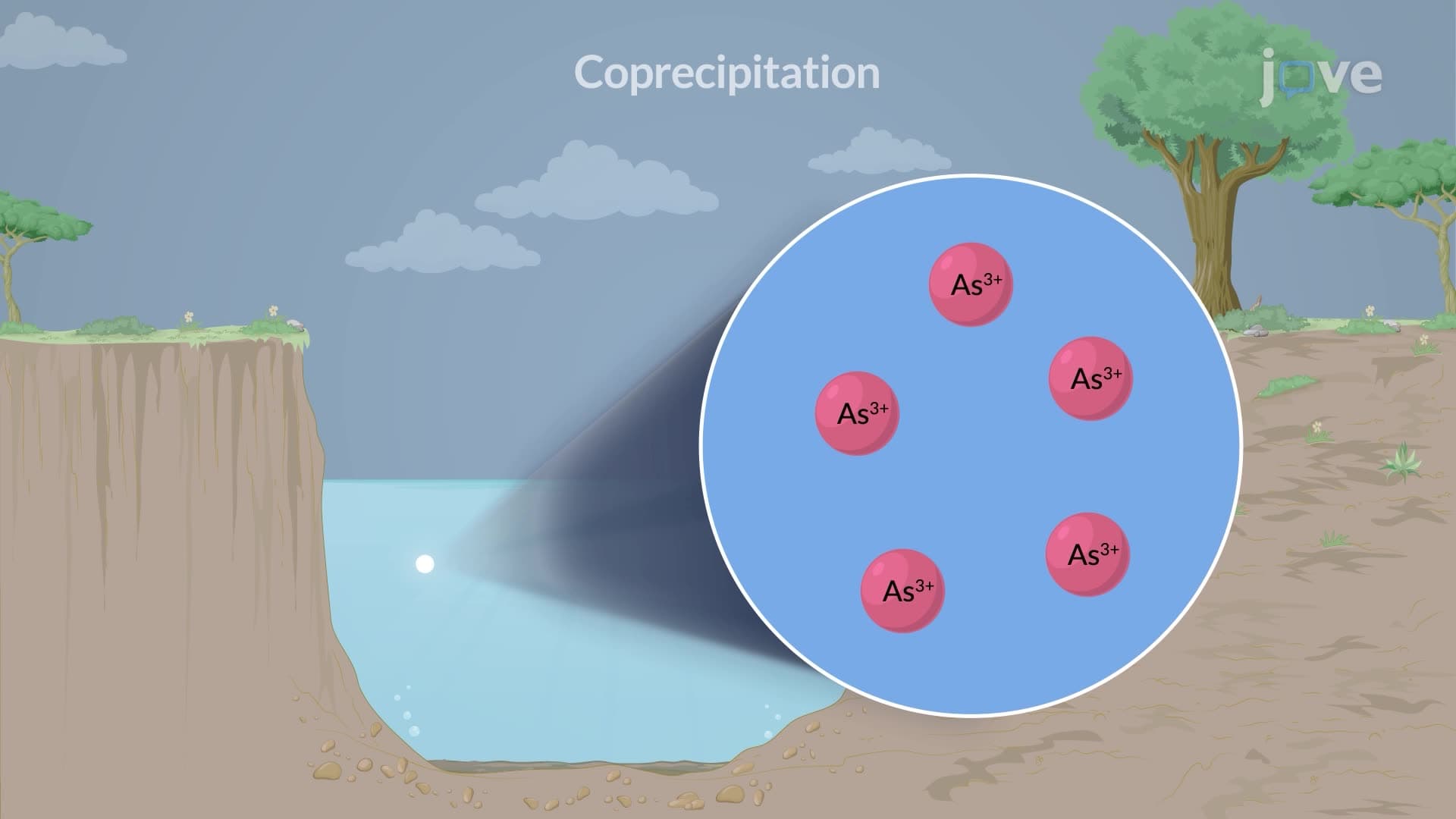
8. Precipitation and Co-precipitation
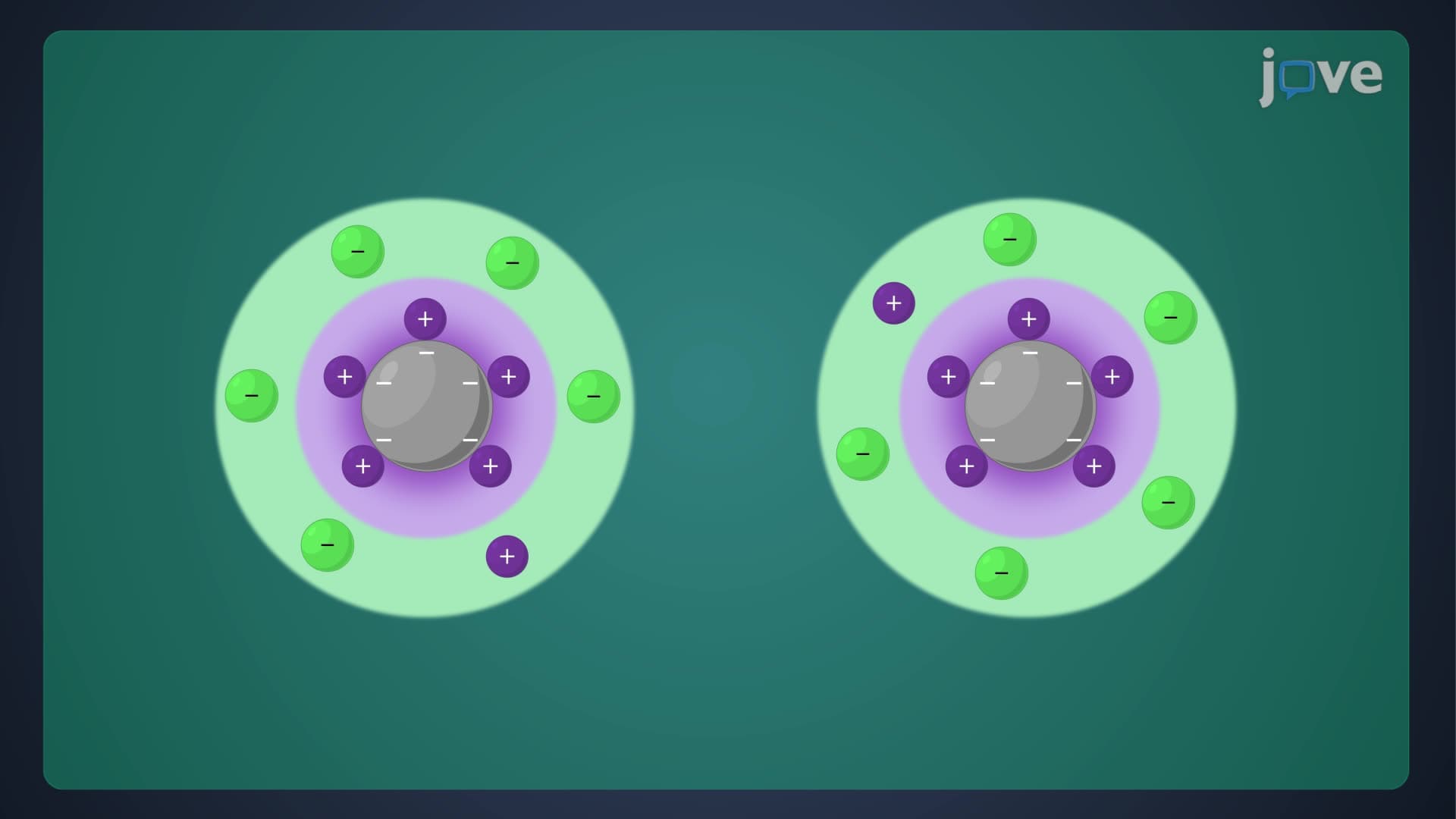
9. Coagulation
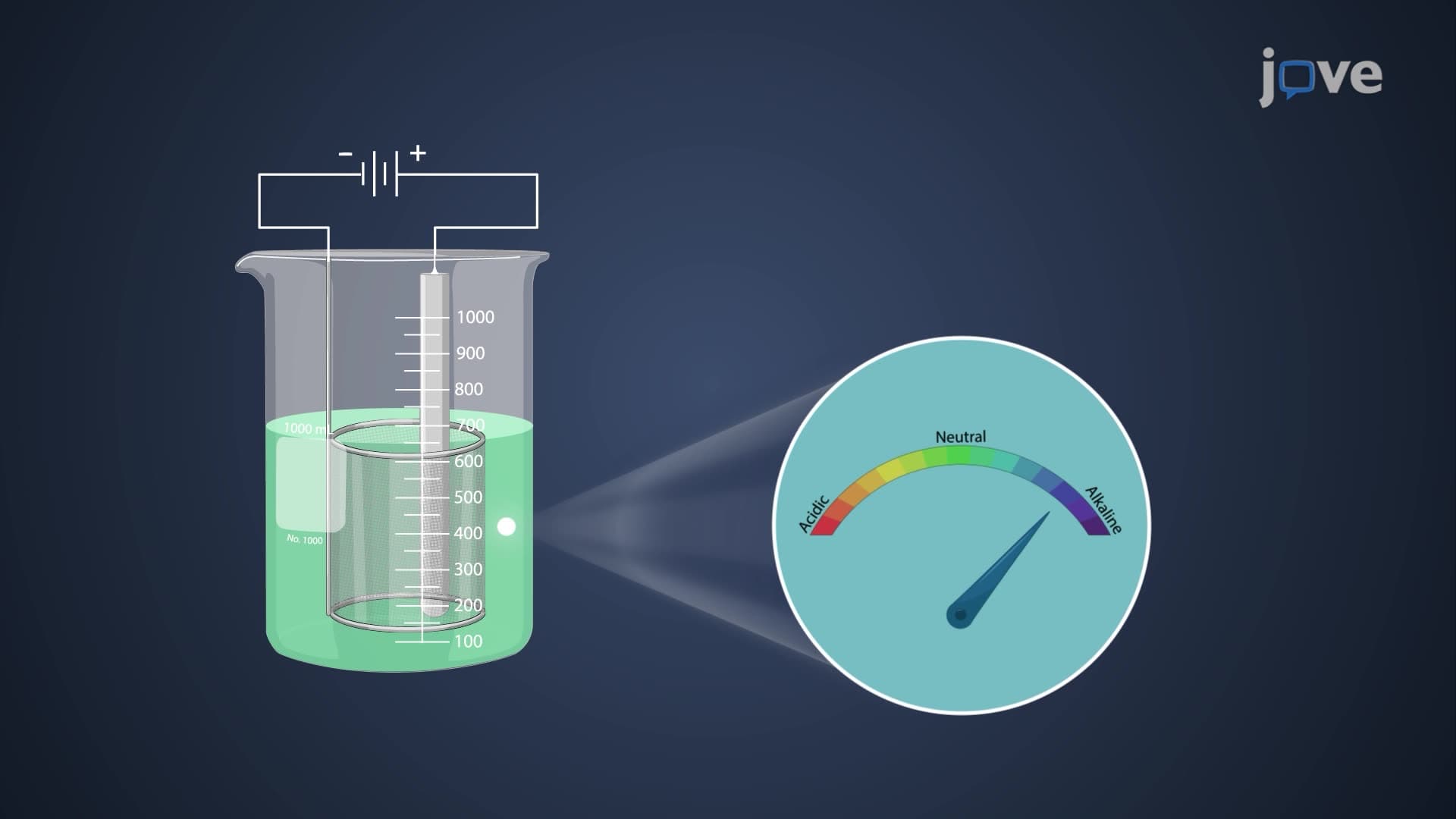
10. Electrodeposition
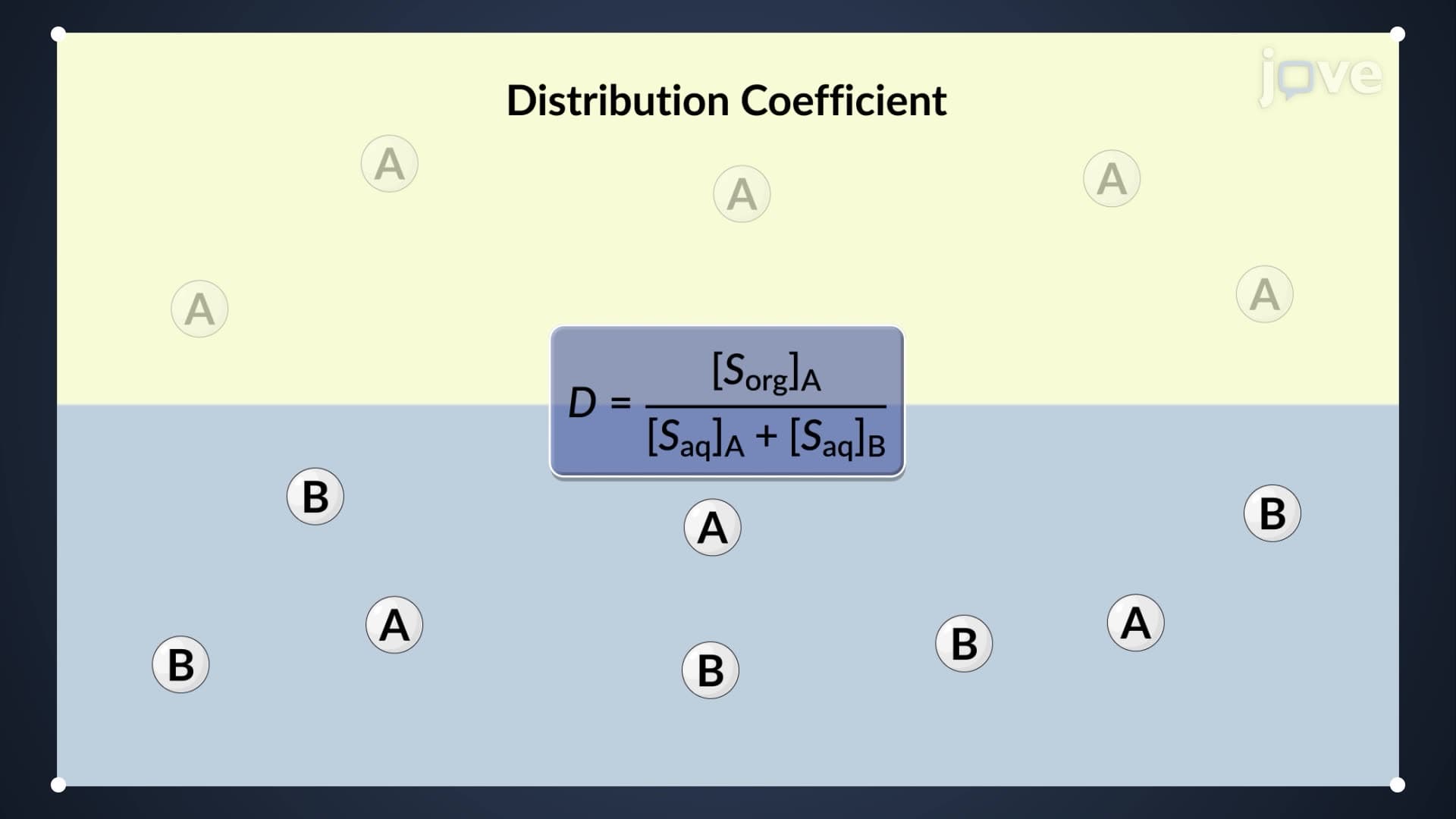
11. Extraction: Partition and Distribution Coefficients
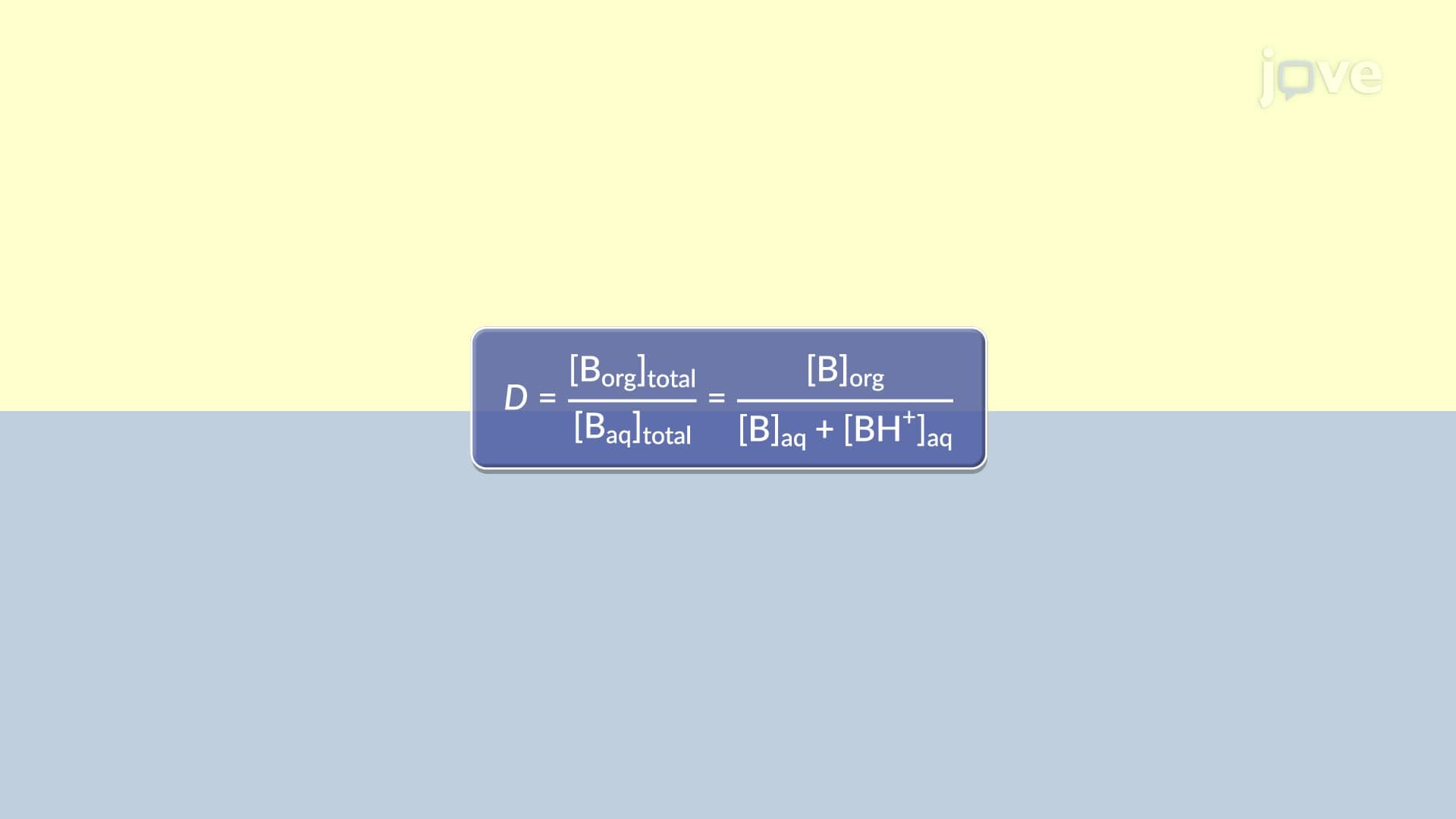
12. Extraction: Effects of pH
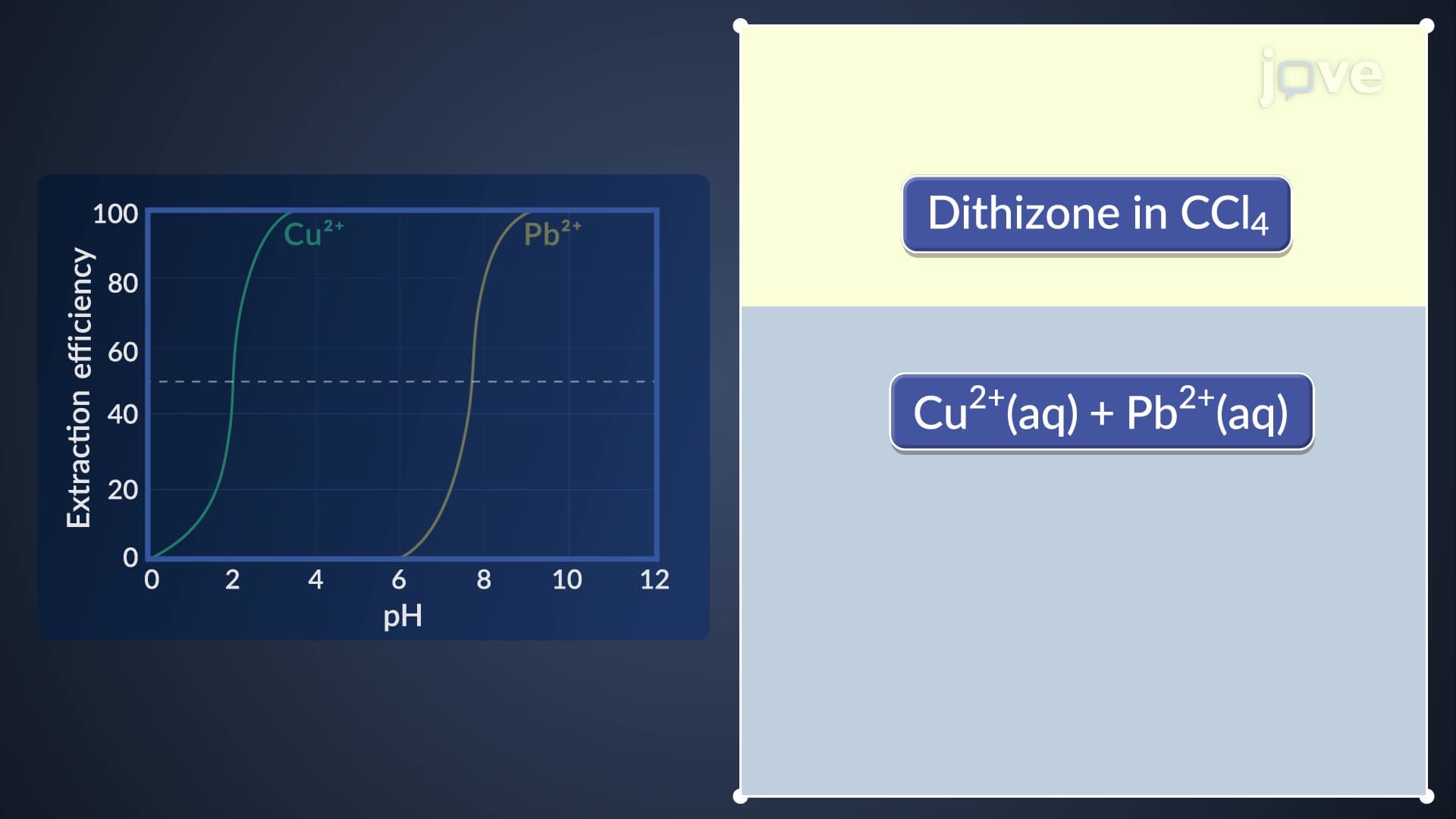
13. Extraction: Advanced Methods
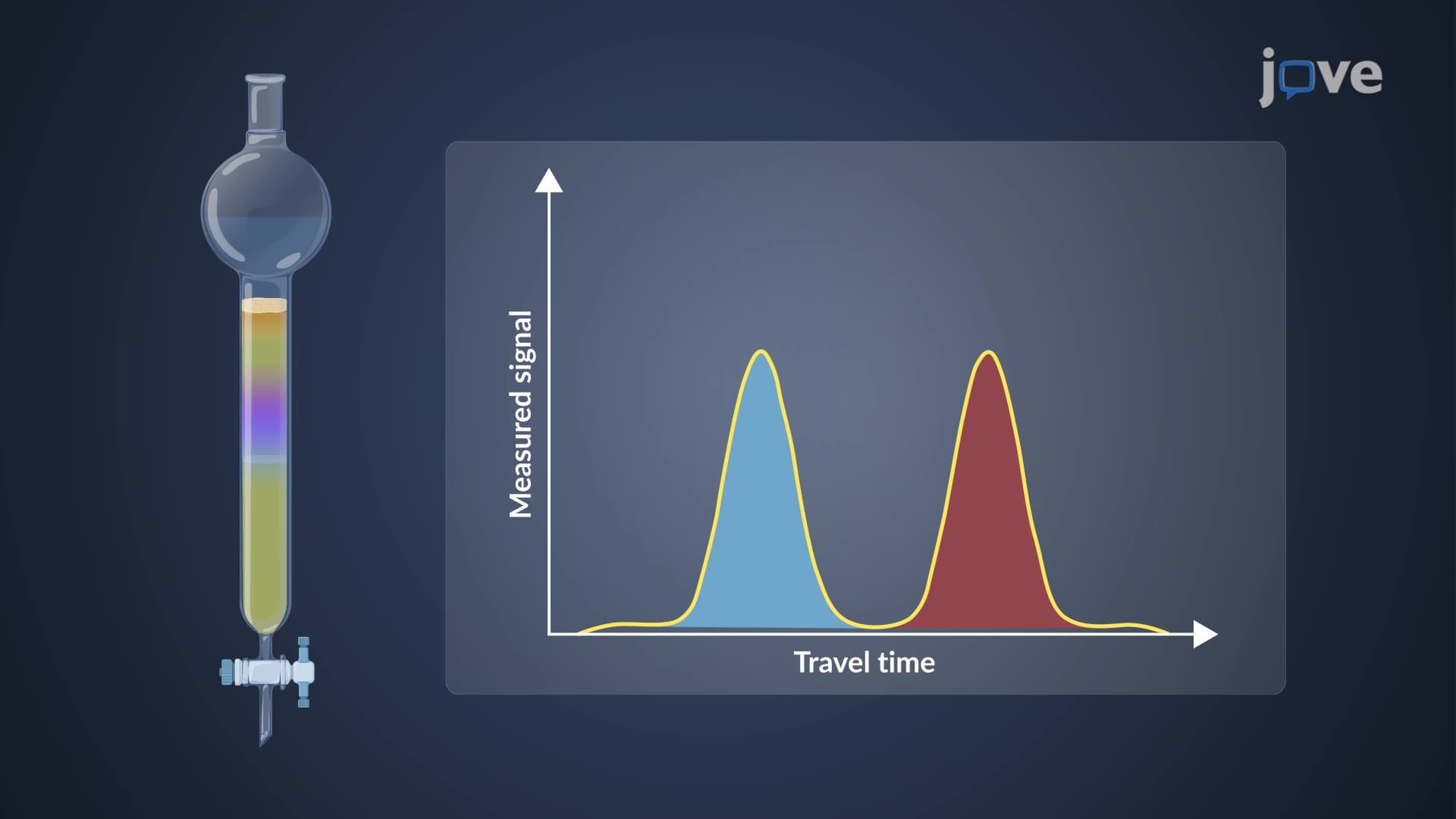
14. Chromatography: Introduction
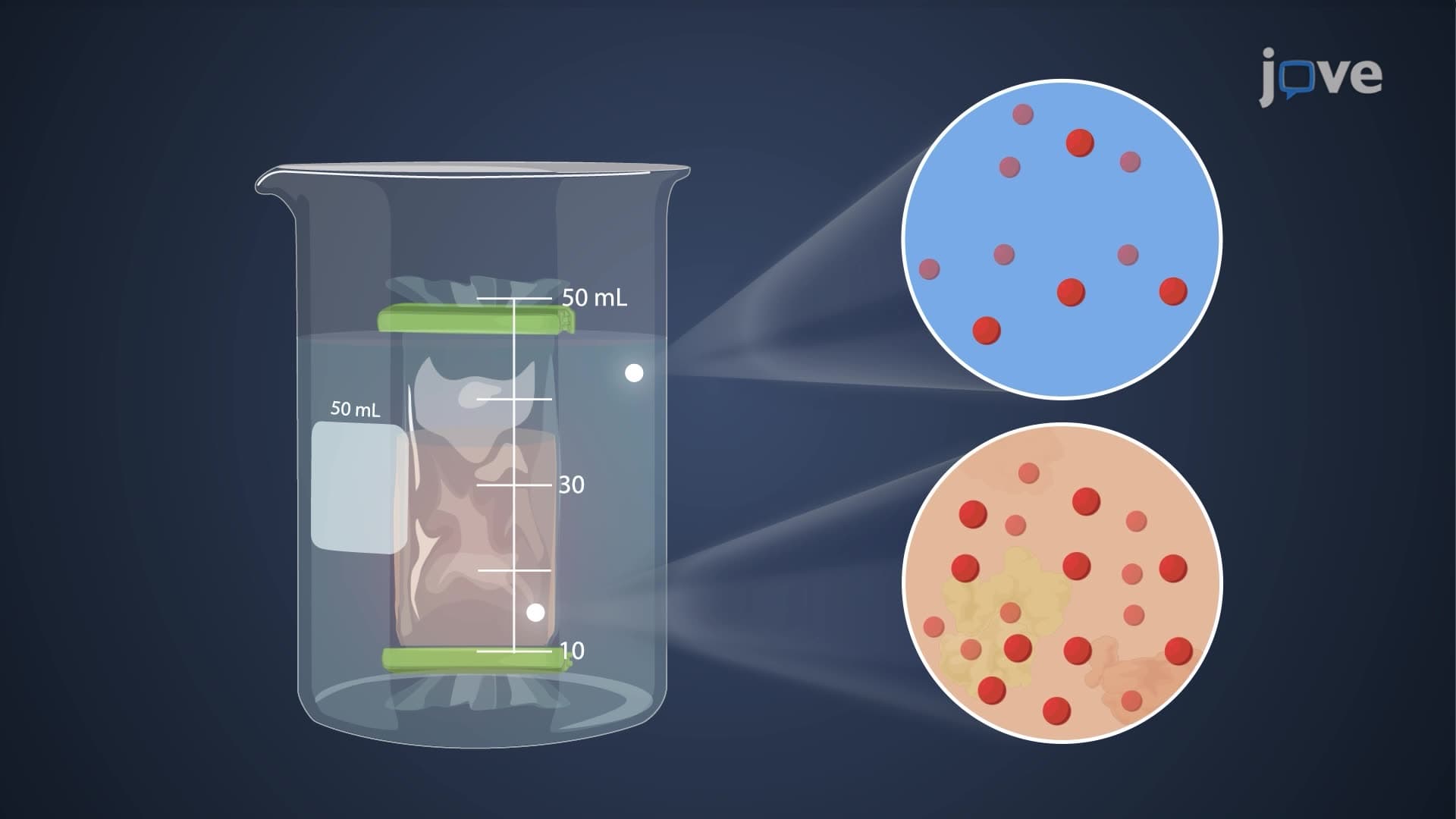
15. Dialysis
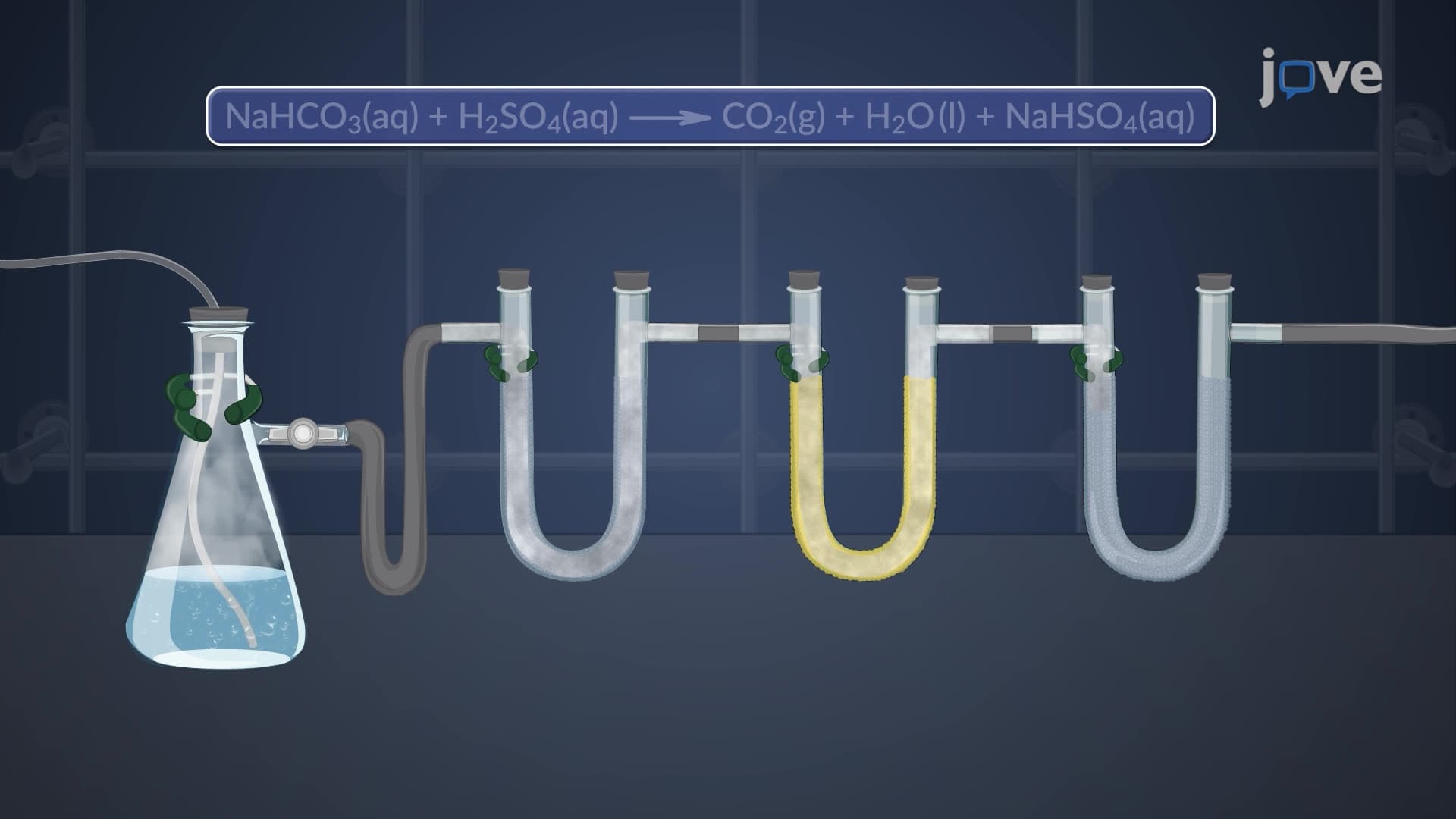
16. Volatilization
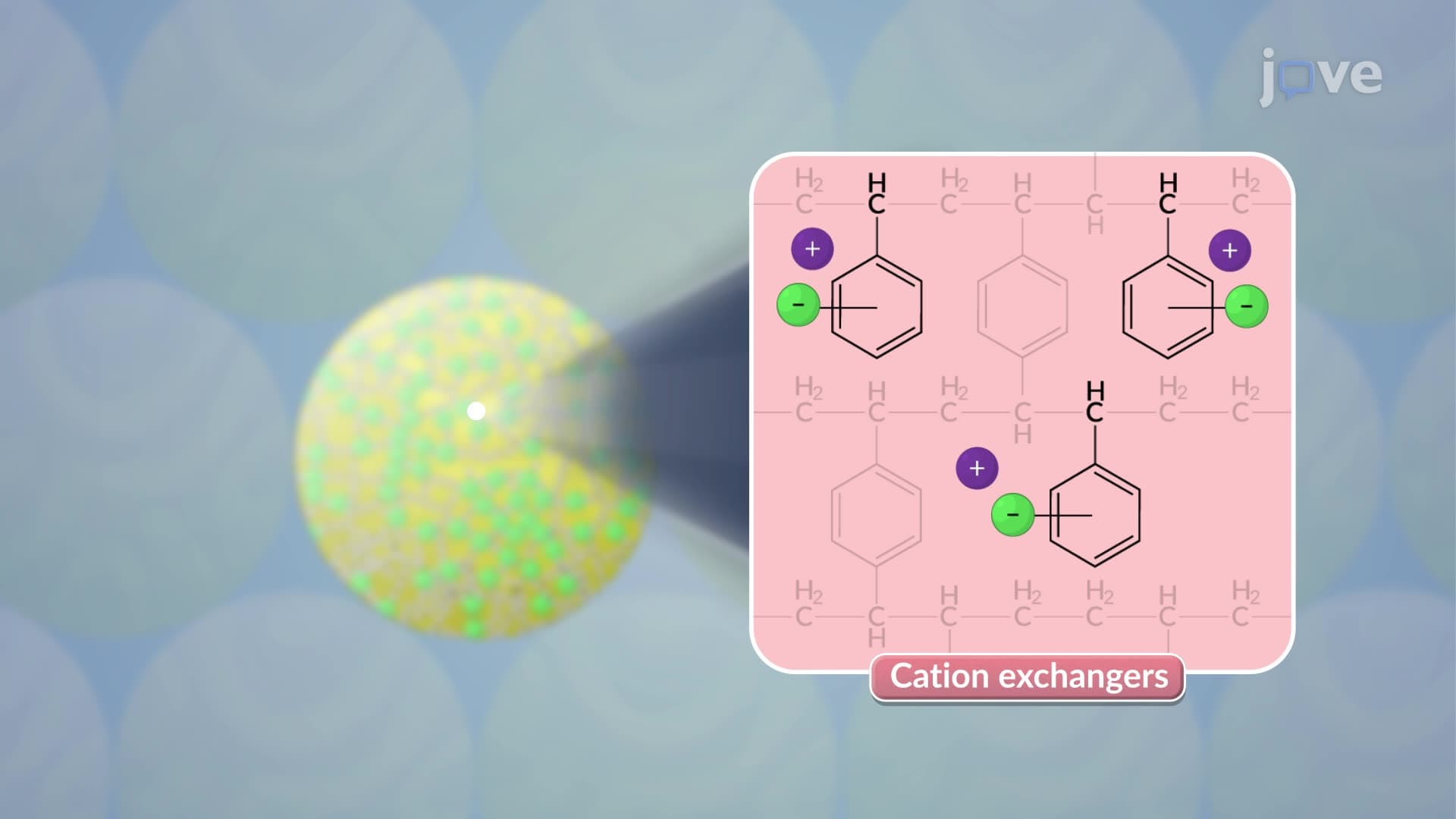
17. Ion Exchange
Separation methods form the foundation of analytical chemistry, enabling scientists to isolate and purify specific compounds from complex mixtures. These analytical separation techniques include distillation, chromatography, extraction, and filtration—essential tools used across pharmaceutical manufacturing, environmental testing, and clinical diagnostics in the United States. Master these fundamental separation principles with JoVE Coach.
- Understand the principles behind physical and chemical separation techniques used in analytical laboratories
- Learn how phase changes and intermolecular forces drive separation processes like distillation and sublimation
- Identify the optimal separation method for different types of mixtures based on component properties
- Explore chromatographic techniques including gas, liquid, and thin-layer chromatography applications
- Analyze how pH and solvent polarity affect extraction efficiency in liquid-liquid separations
- Apply filtration and centrifugation principles to separate solids from liquids effectively
- Understand crystallization and recrystallization processes for compound purification
- Learn specialized techniques like ion exchange, dialysis, and electrodeposition for targeted separations
1. States of Matter and Phase Transitions Understanding how matter exists in solid, liquid, and gaseous states provides the foundation for separation methods. Phase changes occur when temperature or pressure changes overcome intermolecular forces, requiring specific amounts of energy called molar enthalpies of transition. These principles explain why distillation separates liquids with different boiling points and why sublimation can purify compounds like caffeine from crude extracts. In pharmaceutical manufacturing, controlled phase transitions ensure drug purity and stability.
2. Distillation and Vapor-Liquid Equilibria Distillation separates miscible liquids by exploiting different boiling points and vapor-liquid equilibrium relationships. When heated, the more volatile component vaporizes first at its bubble point, creating distillate rich in that component. As distillation progresses, temperature increases and composition changes, allowing separation of complex mixtures. This technique purifies ethanol in beverage production and separates petroleum fractions in refineries across Texas and Louisiana.
3. Filtration and Centrifugation Filtration physically separates solids from fluids using appropriate filter media selected based on particle size and quantity. Simple gravity filtration works for large particles, while vacuum filtration with Buchner funnels handles fine precipitates. Centrifugation uses centrifugal force to separate particles by density and size, with differential and density gradient methods providing precise separations. Clinical laboratories use these techniques to analyze blood samples and isolate cellular components.
4. Crystallization and Recrystallization Crystallization forms pure crystals from supersaturated solutions through nucleation and crystal growth phases. Recrystallization purifies impure solids by dissolving them in hot solvent, then cooling to precipitate pure crystals while leaving impurities in solution. Cooling rate controls crystal size—slow cooling produces large, pure crystals while rapid cooling creates many small crystals. Pharmaceutical companies use recrystallization to purify active ingredients like aspirin and acetaminophen.
5. Extraction Techniques Extraction separates compounds between immiscible phases based on partition coefficients and distribution ratios. Liquid-liquid extraction uses solvent polarity differences, while pH manipulation converts acids and bases to water-soluble or organic-soluble forms. Metal ions form chelate complexes with organic ligands for selective extraction. Environmental laboratories use extraction to concentrate pesticides from water samples before analysis, while pharmaceutical research isolates natural products from plant materials.
6. Chromatographic Separations Chromatography separates compounds based on differential interactions between mobile and stationary phases. Gas chromatography separates volatile compounds using vapor pressure differences, while liquid chromatography relies on solubility variations. Adsorption chromatography, including thin-layer and column techniques, separates compounds by their affinity for solid stationary phases. Forensic laboratories use chromatography to identify drugs and toxins, while food safety labs detect contaminants and additives.
7. Specialized Separation Methods Advanced techniques address specific analytical challenges: ion exchange separates charged species using oppositely charged resins; dialysis removes small molecules through selective membranes for medical applications; electrodeposition separates metals using electrochemical reduction; volatilization isolates components by controlled heating or chemical conversion. These methods enable precise analytical measurements in clinical diagnostics, environmental monitoring, and quality control across American industries.
Frequently Asked Questions
Consider the physical and chemical properties of your components. For liquids with different boiling points (>25°C difference), use distillation. For solid-liquid mixtures, try filtration or centrifugation. For compounds with different polarities, use extraction or chromatography. Always match the separation principle to the property differences between your target compound and impurities.
Focus on distillation, filtration, extraction, and basic chromatography principles. The AP Chemistry exam emphasizes understanding why separations work based on intermolecular forces and phase behavior. The MCAT includes separation applications in biochemistry and analytical chemistry contexts. Master the relationship between molecular structure and separation behavior.
pH controls the ionization state of acids and bases, determining their solubility in aqueous versus organic phases. Acidic conditions (low pH) protonate basic compounds, making them water-soluble. Basic conditions (high pH) deprotonate acidic compounds, increasing their water solubility. Adjusting pH allows selective extraction by switching compounds between phases.
Clinical labs routinely use centrifugation for blood component separation, filtration for sample preparation, chromatography for drug analysis, and extraction for concentrating analytes. Dialysis principles underlie kidney function and hemodialysis treatments. These techniques ensure accurate diagnostic testing for American healthcare providers.
Single-step separations rarely achieve complete purity due to overlapping properties between compounds. Multiple extractions increase recovery efficiency, while repeated recrystallizations improve purity. Chromatographic techniques may require gradient elution or multiple columns for complex mixtures. Each step progressively improves separation quality.
Students often struggle with selecting appropriate methods and understanding the underlying molecular interactions. Success requires connecting molecular structure to physical properties, then matching those properties to separation principles. Practice with real examples and laboratory experience builds intuition for method selection and optimization.
Start by mastering intermolecular forces and phase behavior, then connect these concepts to separation principles. Practice identifying molecular properties from structures and predicting separation behavior. Work through problems involving method selection and optimization. Laboratory experience reinforces theoretical knowledge and develops practical skills essential for analytical chemistry success.
This microcourse includes 17 concept videos that walk you through the building blocks of Analytical Chemistry. Each video is short, about 1 minute, so you can cover a full topic during a coffee break or between classes. The full sequence starts with States of Matter and Phase Changes and ends with Ion Exchange.
The playlist moves from big-picture ideas to the precise vocabulary used in Analytical Chemistry. Early videos introduce States of Matter and Phase Changes, Distillation: Vapor–Liquid Equilibria, and Filtration. The middle of the series focuses on Sublimation, Recrystallization: Solid–Solution Equilibria, and Crystal Growth: Principles of Crystallization. The final stretch covers Precipitation and Co-precipitation, Coagulation, Electrodeposition, Extraction: Partition and Distribution Coefficients, Extraction: Effects of pH, Extraction: Advanced Methods, and Ion Exchange.
The natural next step is Complexometric Titration, Precipitation Titration, and Gravimetry. From there, you can move to Principles of Mass Spectrometry, Principles of Nuclear Magnetic Resonance, and Interpreting Nuclear Magnetic Resonance Spectra. Once you finish those, the full Analytical Chemistry curriculum of 16 microcourses on JoVE Coach opens up, taking you from foundational concepts to advanced systems.
Related Subjects
 Chemistry 21 micro-courses›
 Organic Chemistry 21 micro-courses›