Loading subject page…

Micro-course: Introduction to Separation Methods
36,660 views
Learn key concepts and earn your certificate.


Ion Exchange
00:00
01:17
- Understand what is Ion Exchange and how reversible ion substitution drives separation processes in analytical chemistry
- Identify the structural differences between cation exchange resin and anion exchange chromatography materials based on their functional groups
- Analyze the relationship between stationary phase charge and mobile ion selectivity in ion exchange separation methods
- Compare weak and strong ion exchangers by evaluating their functional group properties and pH dependencies
- Apply mass-action law principles to calculate selectivity coefficients for ion exchange equilibrium reactions
- Recognize regeneration protocols for exhausted exchangers using acidic and basic wash solutions
- Evaluate ion exchange capacity limitations and their impact on separation efficiency
- Explore real-world applications from water softening ion exchange to pharmaceutical purification processes
Understanding What is Ion Exchange at the Molecular Level
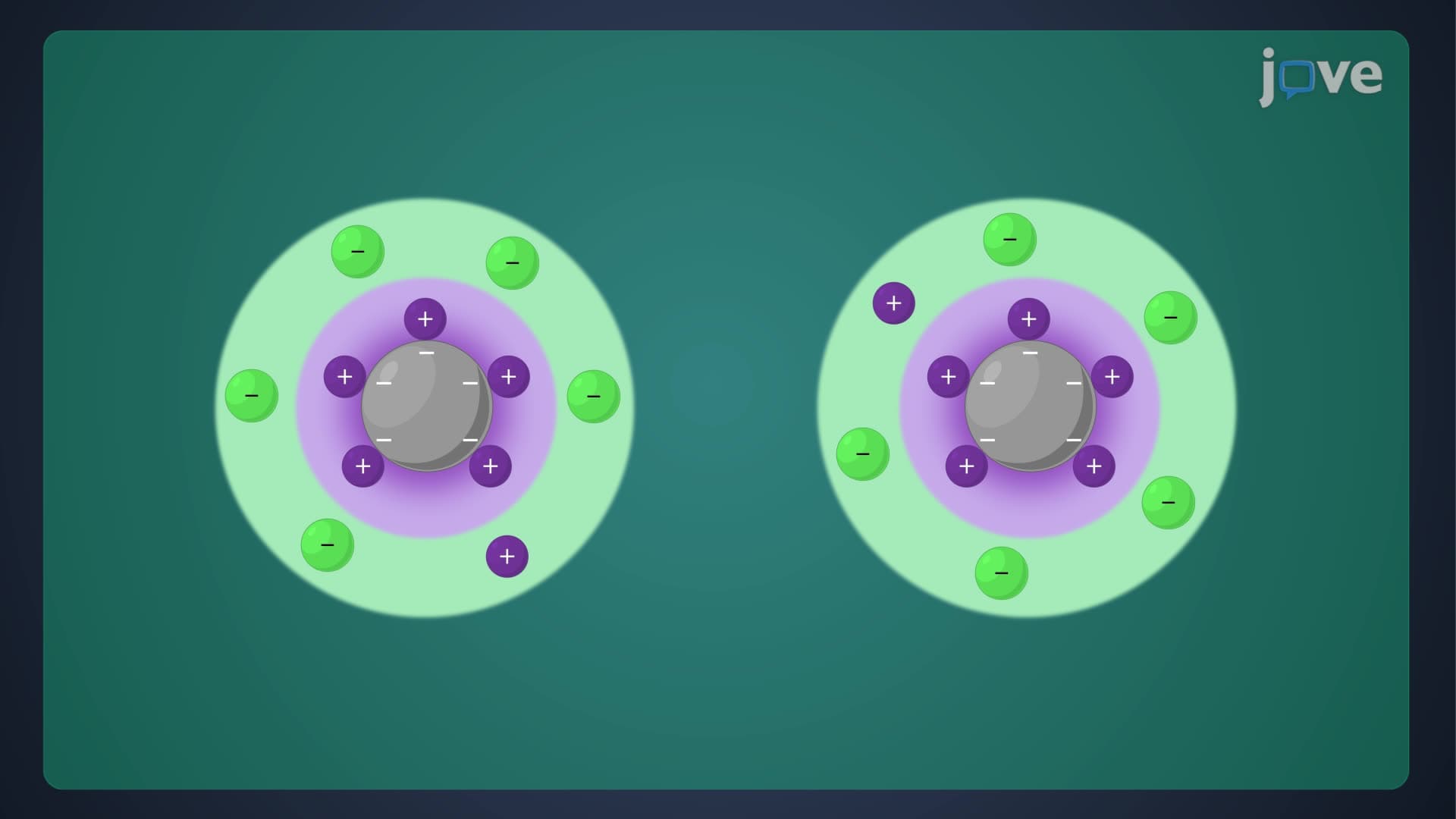
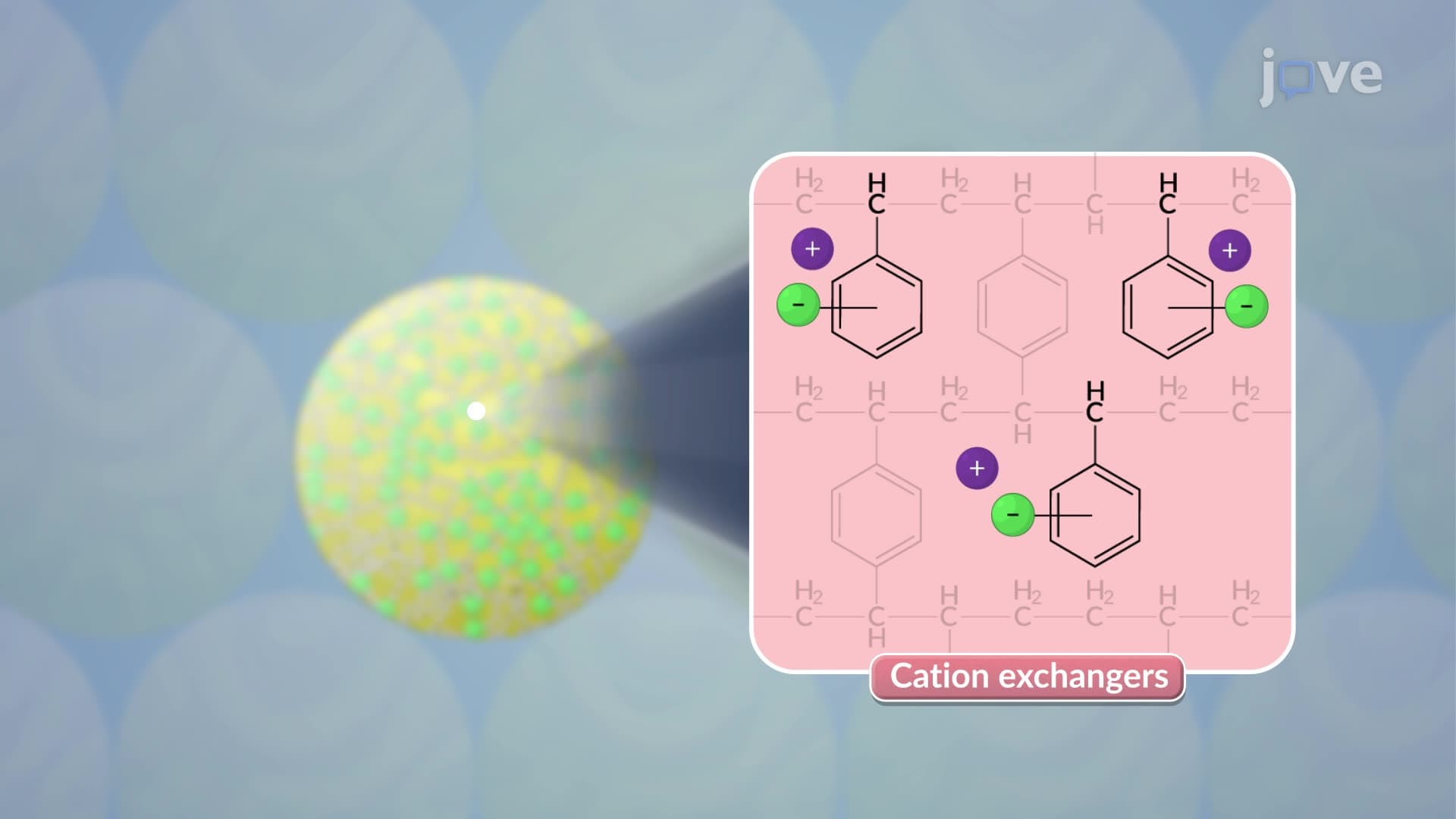
Ion exchange chemistry represents one of the most elegant separation techniques in analytical chemistry, where charged molecules are selectively removed from solution through reversible substitution reactions. This process relies on electrostatic interactions between target ions and oppositely charged functional groups anchored to an insoluble polymer matrix. The beauty of this method lies in its selectivity—the resin can distinguish between ions of similar charge based on size, hydration energy, and binding affinity.
The ion exchange resin process begins with a porous, crosslinked polymer backbone, typically polystyrene or polyacrylic acid, functionalized with ionizable groups. These synthetic resins offer superior mechanical stability and chemical resistance compared to natural materials like zeolites. The degree of crosslinking, usually controlled by divinylbenzene content, determines pore size and accessibility—critical factors for separation efficiency.
Cation vs Anion Exchange: Two Sides of the Same Coin
Cation exchange resin materials contain negatively charged functional groups such as sulfonate (-SO3-) or carboxylate (-COO-) groups, which attract and bind positively charged ions. Strong cation exchangers maintain their charge across a wide pH range, making them ideal for applications like water softening where calcium and magnesium ions are replaced by sodium ions. Weak cation exchangers, with carboxylic acid groups, show pH-dependent behavior and excel in metal recovery applications.
Anion exchange chromatography employs positively charged functional groups like quaternary ammonium (-N+(CH3)3) or tertiary amine groups to capture negatively charged species. Strong anion exchangers remain protonated across broad pH ranges, while weak versions require specific pH conditions for optimal performance. This distinction becomes crucial when separating biomolecules like proteins or nucleic acids, where pH affects both the resin and target molecule charges.
Thermodynamics and Regeneration in Practice
How ion exchange works in chemistry fundamentally depends on thermodynamic equilibrium and selectivity coefficients. When multiple ions compete for binding sites, the resin preferentially binds species with higher affinity—typically determined by charge density and hydration energy. This selectivity enables sophisticated separations impossible with other techniques.
Water softening ion exchange exemplifies practical applications where calcium and magnesium ions (causing hardness) exchange for sodium ions from the resin. The ion exchange capacity, measured in milliequivalents per gram of dry resin, determines system lifetime before regeneration becomes necessary. Understanding these concepts proves essential for AP Chemistry students and appears frequently on college analytical chemistry exams, where students must calculate exchange capacities and predict separation outcomes.
Industrial regeneration involves flooding exhausted resins with concentrated solutions—acids for cation exchangers, bases for anion exchangers—reversing the exchange process and restoring original capacity. This cyclical nature makes ion exchange both economically viable and environmentally sustainable compared to single-use separation methods.
Frequently Asked Questions
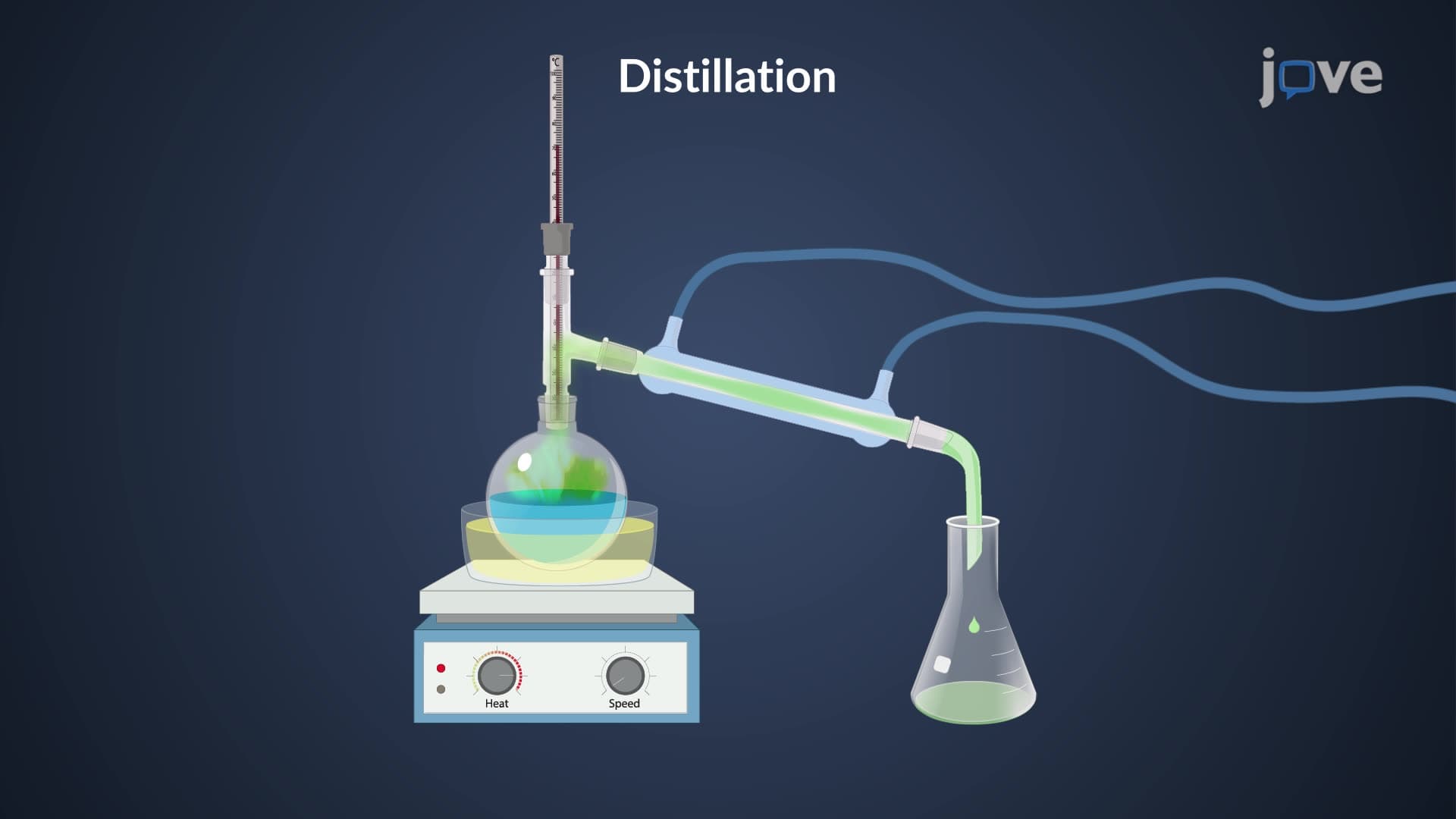
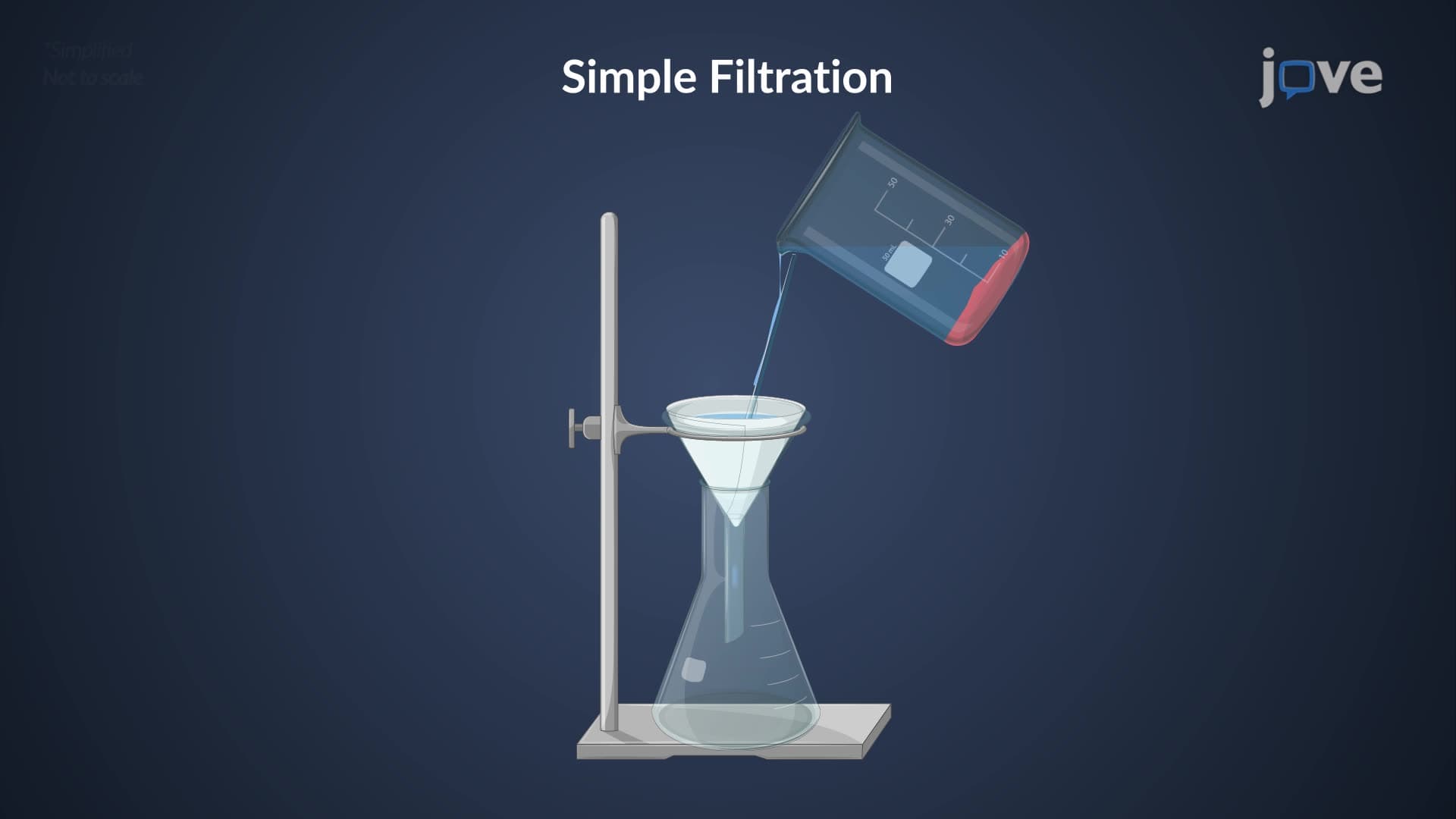
Ion exchange is a chemical separation process where charged ions in solution are reversibly replaced by different ions attached to an insoluble resin material. Unlike filtration or distillation, ion exchange operates at the molecular level through electrostatic interactions, allowing selective removal of specific ions while leaving uncharged molecules unaffected. This selectivity makes it superior for applications like water purification and pharmaceutical manufacturing.
AP Chemistry frequently includes ion exchange in equilibrium and thermodynamics sections, requiring students to write exchange reactions and calculate equilibrium constants. Expect problems involving water softening calculations, resin capacity determinations, and pH effects on weak exchangers. The College Board often pairs ion exchange with electrochemistry concepts, so review both topics together for comprehensive exam preparation.
MCAT General Chemistry sections test ion exchange within separation techniques and solution chemistry contexts. Common question formats include comparing cation vs anion exchange mechanisms, predicting selectivity based on ionic properties, and analyzing chromatography data from ion exchange experiments. Understanding pH effects on protein separation through anion exchange chromatography frequently appears in biochemistry passages.
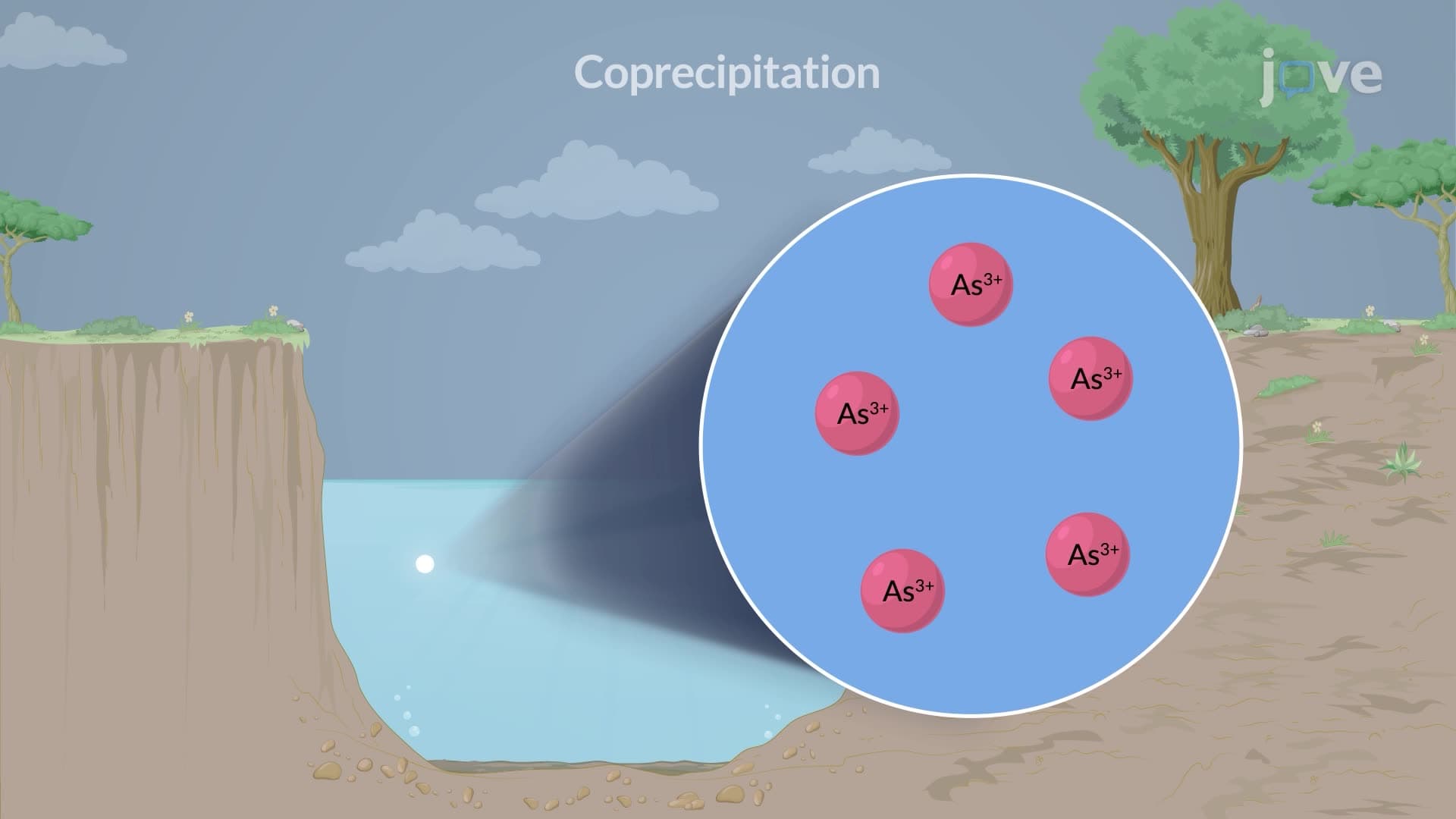
Municipal water treatment facilities across the United States use massive ion exchange columns to remove harmful contaminants like lead, arsenic, and excess minerals. The process involves pumping raw water through resin beds that selectively capture problematic ions while releasing harmless sodium or hydrogen ions. Cities like Flint, Michigan, have implemented ion exchange systems as part of comprehensive lead removal strategies.
Basic understanding of acids, bases, and chemical equilibrium provides sufficient foundation for grasping ion exchange concepts. High school students who've completed introductory chemistry can successfully learn this topic with proper guidance. The mathematical aspects involve simple ratio calculations and equilibrium expressions familiar from acid-base chemistry units.
Create comparison charts distinguishing strong vs weak exchangers and cation vs anion types, then practice calculating exchange capacities using dimensional analysis. Draw molecular-level diagrams showing ion substitution mechanisms, and work through real-world problems like water softening calculations. Focus on connecting equilibrium principles to practical applications for deeper understanding.
Consider studying ion chromatography instrumentation, mixed-bed deionization systems, and specialized resins for rare earth element separation. Graduate-level topics include modeling exchange kinetics, designing industrial-scale systems, and developing novel resin materials for emerging applications like lithium recovery from brines.
Related Micro-courses

14 Concepts
13 Concepts
Related Subjects

Chemistry21 micro-courses
›