Loading video…


 17 Concepts
 36.7K views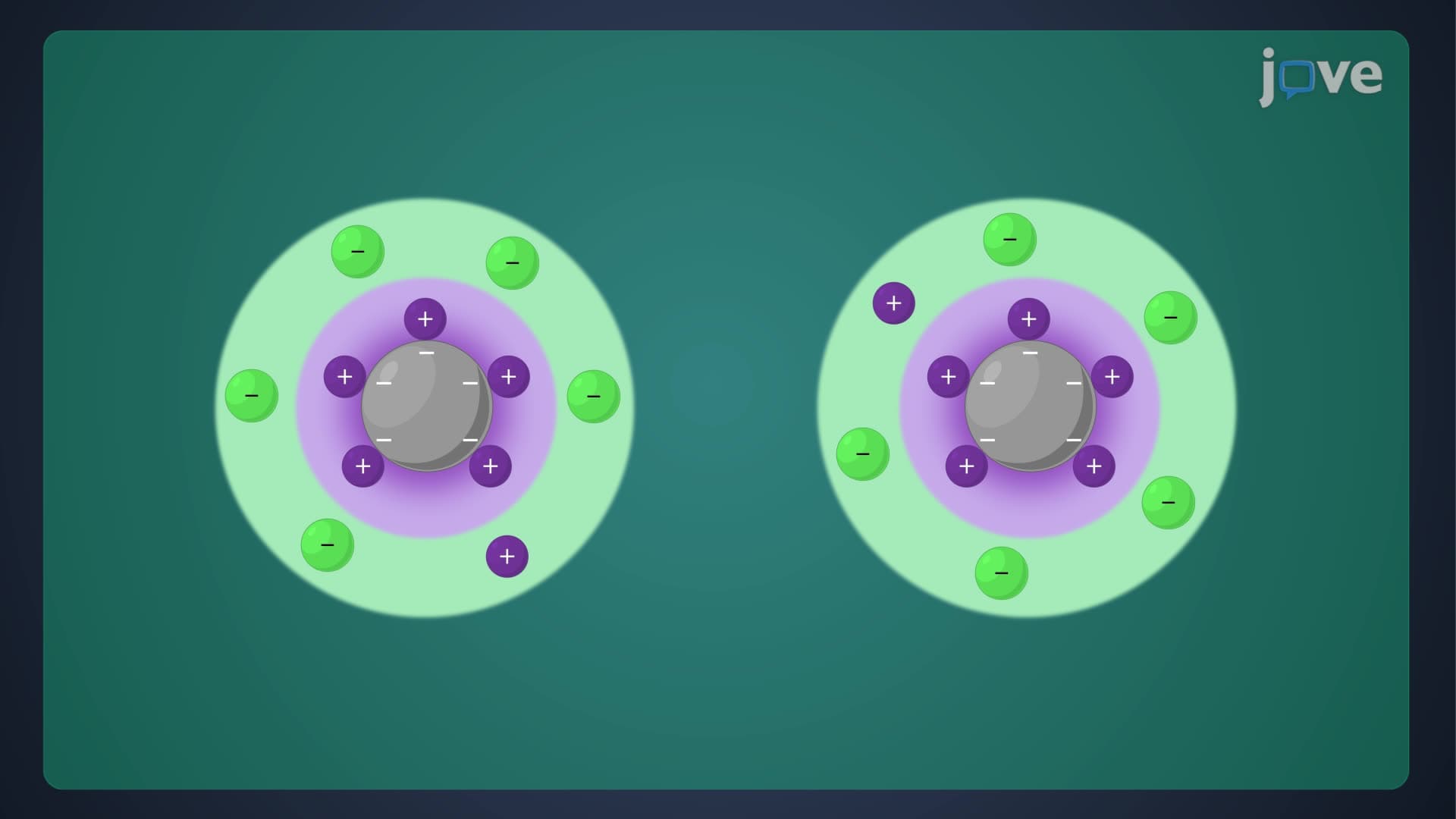

Video Summary: What Is Coagulation
Ever wonder how a water treatment plant transforms murky wastewater into crystal-clear drinking water? The answer lies in coagulation chemistry basics, where microscopic particles clump together like magnets attracting metal. This process removes harmful contaminants from millions of gallons processed daily at facilities like the Chicago Water Treatment Plant. Coagulation transforms suspended particles into larger clusters that can be easily filtered out, making our tap water safe to drink. Watch the full video on JoVE Coach to master this concept with expert-led visuals and step-by-step explanations.
Coagulation chemistry basics revolve around overcoming the natural stability of colloidal systems. In water treatment facilities across the United States, from Los Angeles to New York City, engineers exploit fundamental principles of surface chemistry to remove contaminants. Colloidal particles, typically 1-1000 nanometers in size, remain suspended due to electrostatic repulsion between similarly charged surfaces. This coagulation of colloidal particles process breaks down when we introduce chemical coagulants that neutralize surface charges.
The electrical double layer surrounding each colloidal particle creates a repulsive barrier preventing aggregation. When metal salts like aluminum sulfate (alum) or ferric chloride enter the system, they undergo hydrolysis reactions producing positively charged hydroxide complexes. These species adsorb onto negatively charged particle surfaces, reducing the zeta potential-a critical parameter measured in water quality laboratories nationwide. Students preparing for AP Chemistry exams should recognize this as an application of Le Chatelier's principle, where adding electrolytes shifts the equilibrium toward particle destabilization.
How coagulation works in chemistry involves multiple simultaneous mechanisms. Charge neutralization occurs first, followed by sweep flocculation where metal hydroxide precipitates physically entrap particles. The colloid coagulation process progresses through distinct stages: initial destabilization creates microflocs (10-100 micrometers), which then aggregate into macroflocs (100+ micrometers) suitable for removal. This two-step process explains why water treatment plants use separate rapid-mix and slow-mix basins, optimizing contact time and shear forces for maximum efficiency.
Municipal water treatment plants like those operated by the Metropolitan Water District of Southern California process billions of gallons daily using coagulation technology. The process removes not only turbidity-causing particles but also pathogens, heavy metals, and organic pollutants. Understanding electrolyte coagulation principles helps environmental engineers optimize chemical dosing, reducing treatment costs while meeting EPA drinking water standards. This knowledge proves essential for students pursuing careers in environmental engineering, public health, or water resources management.
Related Micro-courses