Loading subject page…


36,667 views
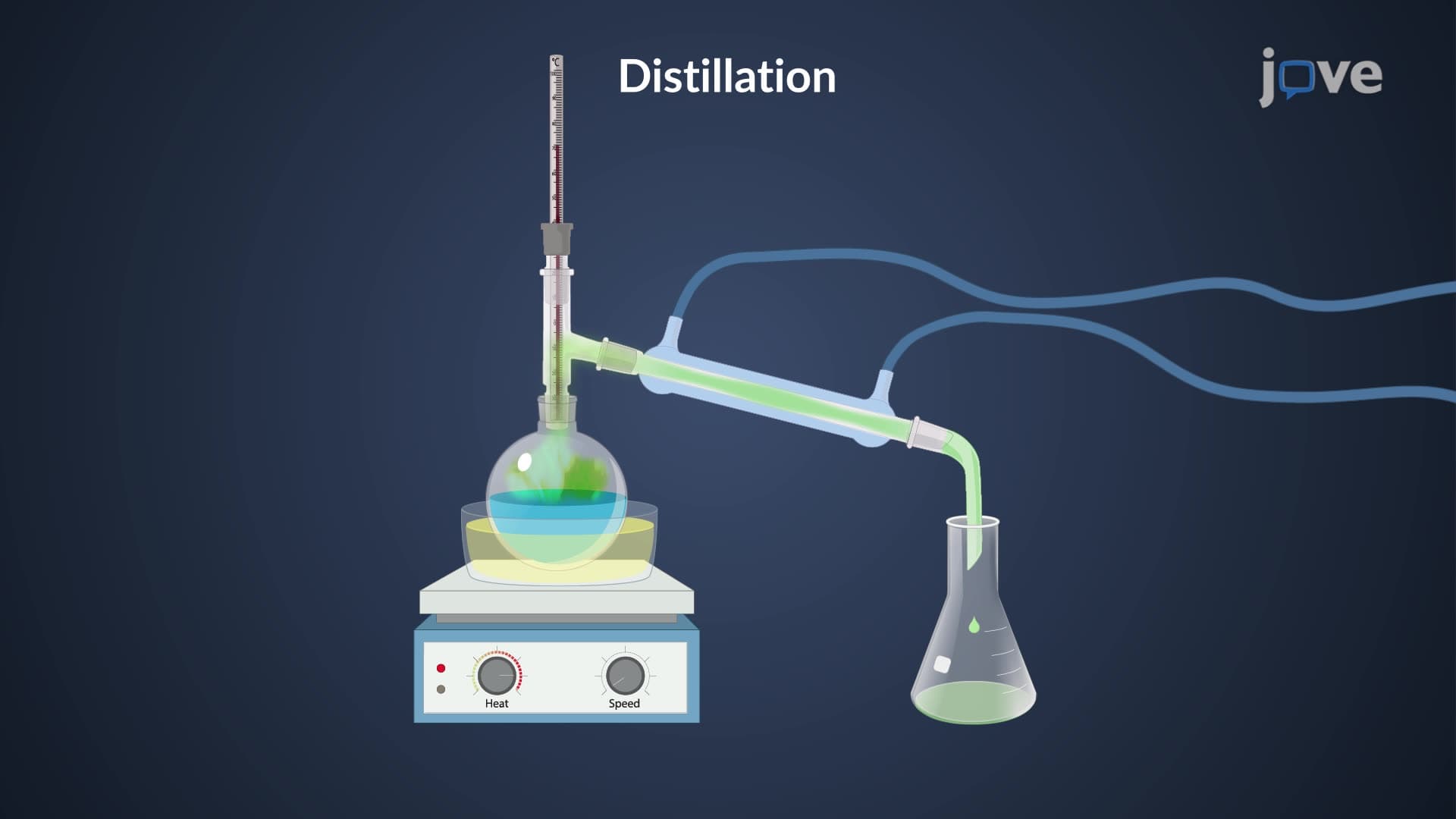

Video Summary: What Is Distillation Vapor Liquid Equilibria
Ever wonder why bourbon distillers can separate alcohol from water despite both being liquids? Distillation vapor liquid equilibria explains how different boiling points allow separation of miscible liquids through controlled heating and condensation. This fundamental principle drives everything from petroleum refining at ExxonMobil's Texas facilities to producing high-proof spirits in Kentucky distilleries. Understanding what is distillation vapor liquid equilibria reveals how components distribute between vapor and liquid phases during separation processes. Watch the full video on JoVE Coach to master this concept with expert-led visuals and step-by-step explanations.
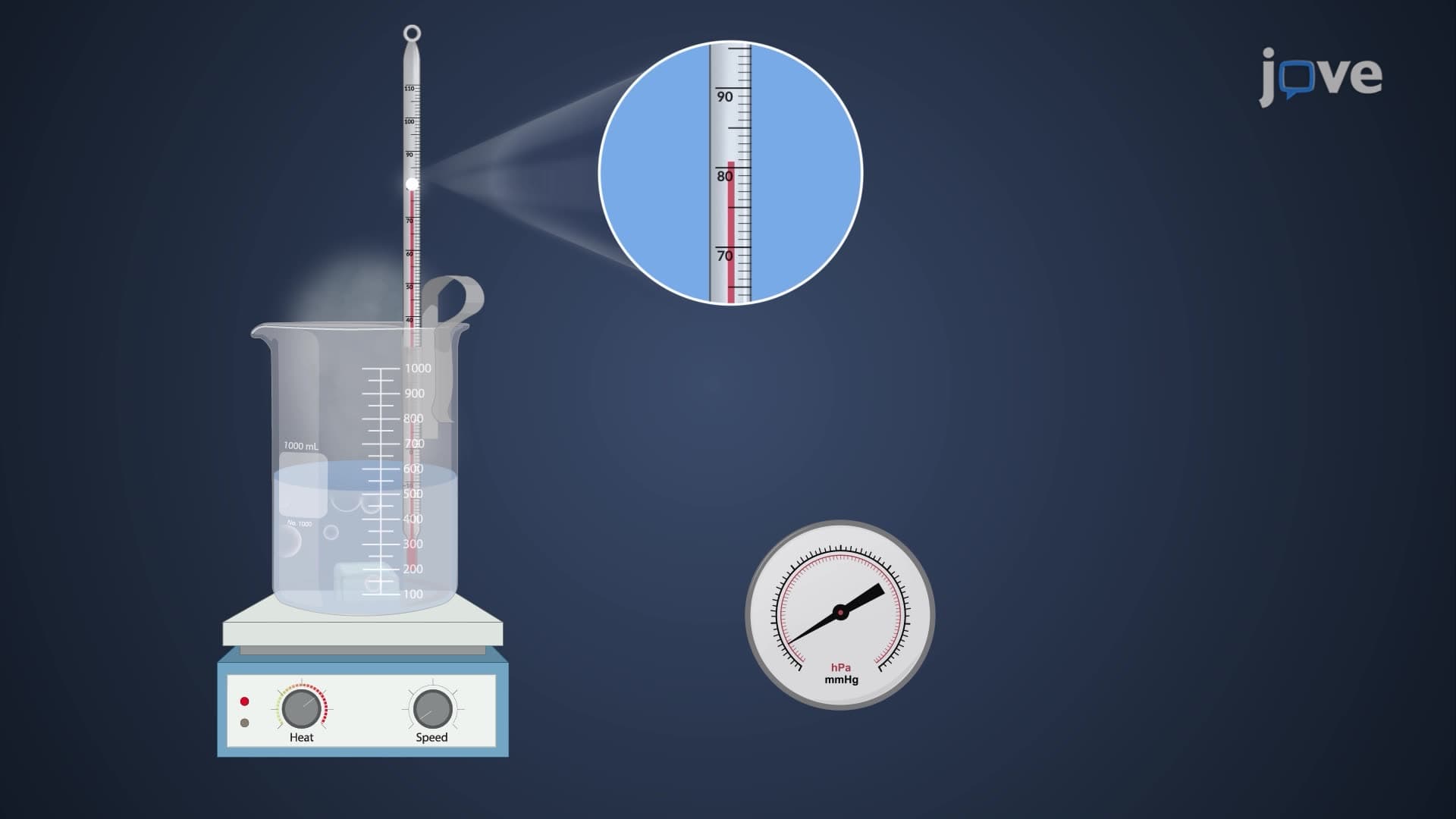
Distillation vapor liquid equilibria represents the thermodynamic balance between vapor and liquid phases during separation processes. This equilibrium determines how effectively we can separate components based on their different volatilities. When a liquid mixture reaches its bubble point temperature, the first vapor bubbles form containing a higher concentration of the more volatile component than exists in the original liquid mixture.
This selective vaporization occurs because molecules with lower boiling points require less energy to escape the liquid phase. The vapor liquid equilibrium distillation process exploits these energy differences, creating distinct composition profiles between phases that enable separation.
The distribution of components between vapor and liquid phases follows predictable patterns governed by each substance's vapor pressure. Initially, the more volatile component dominates the vapor phase while the less volatile component remains predominantly in the liquid. This creates the foundation for separation - the vapor can be condensed separately to produce a distillate enriched in the more volatile component.
As distillation progresses and more volatile material is removed, the system temperature must increase to maintain boiling. This temperature rise affects how vapor liquid equilibria affects distillation by gradually shifting the equilibrium toward increased vaporization of the less volatile component.
Petroleum refineries across Texas and Louisiana rely on these principles to separate crude oil into gasoline, diesel, and other products. Each fraction has distinct boiling point ranges that allow systematic separation through distillation towers. Similarly, pharmaceutical companies use vapor liquid equilibria to purify medications, while beverage alcohol producers depend on these principles to achieve desired proof levels.
Students encounter distillation vapor liquid equilibria concepts in AP Chemistry, college organic chemistry, and chemical engineering courses. MCAT questions frequently test understanding of phase diagrams and separation principles. Problems typically involve calculating vapor compositions, predicting distillate purity, or explaining why certain mixtures can be separated while others cannot.
Mastering these concepts requires understanding Raoult's law distillation applications, recognizing boiling point elevation distillation effects, and identifying when azeotrope vapor liquid behavior prevents complete separation.
Related Micro-courses