Loading video…


 17 Concepts
 36.7K views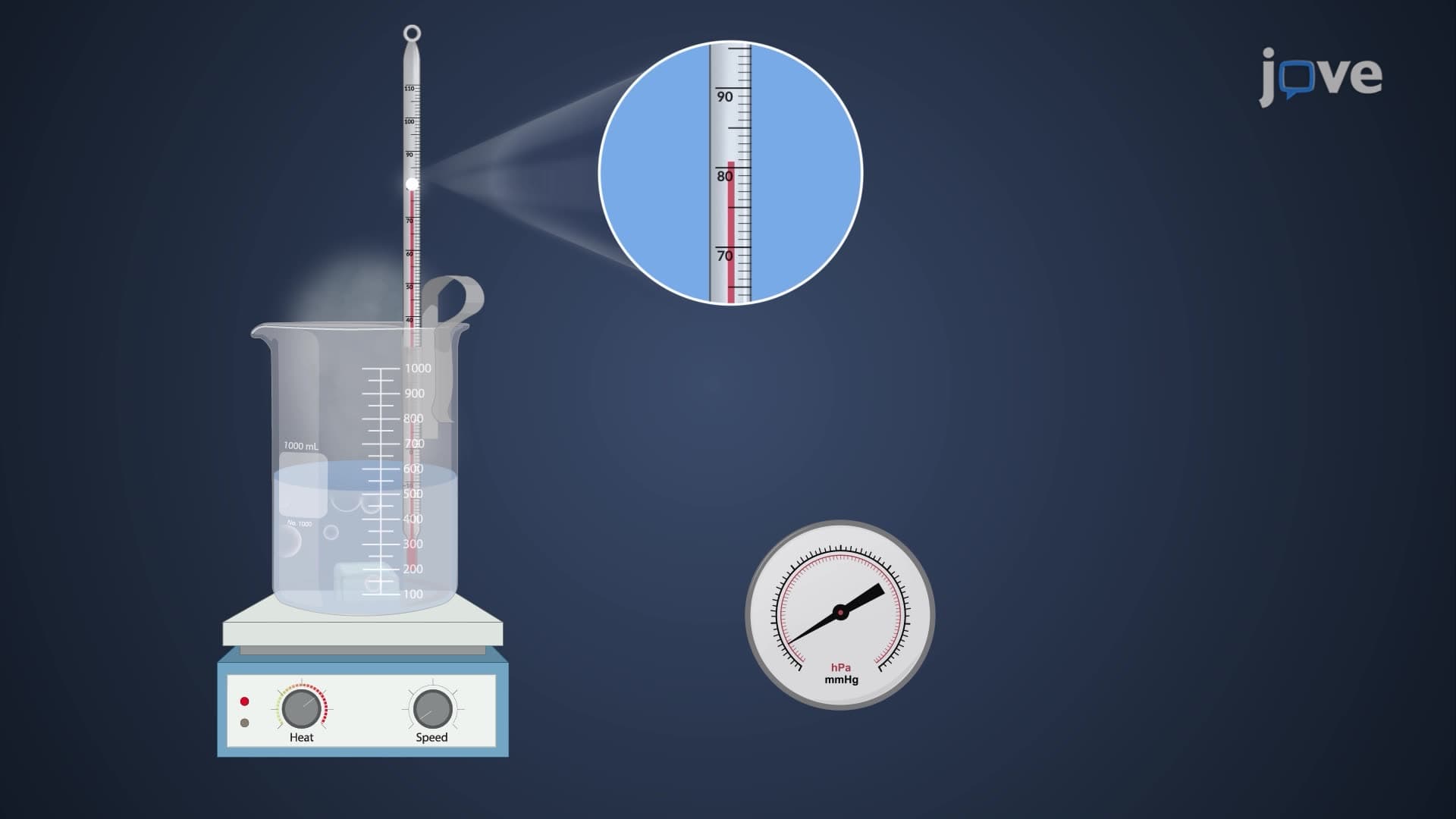

Video Summary: States of Matter and Phase Changes Explained
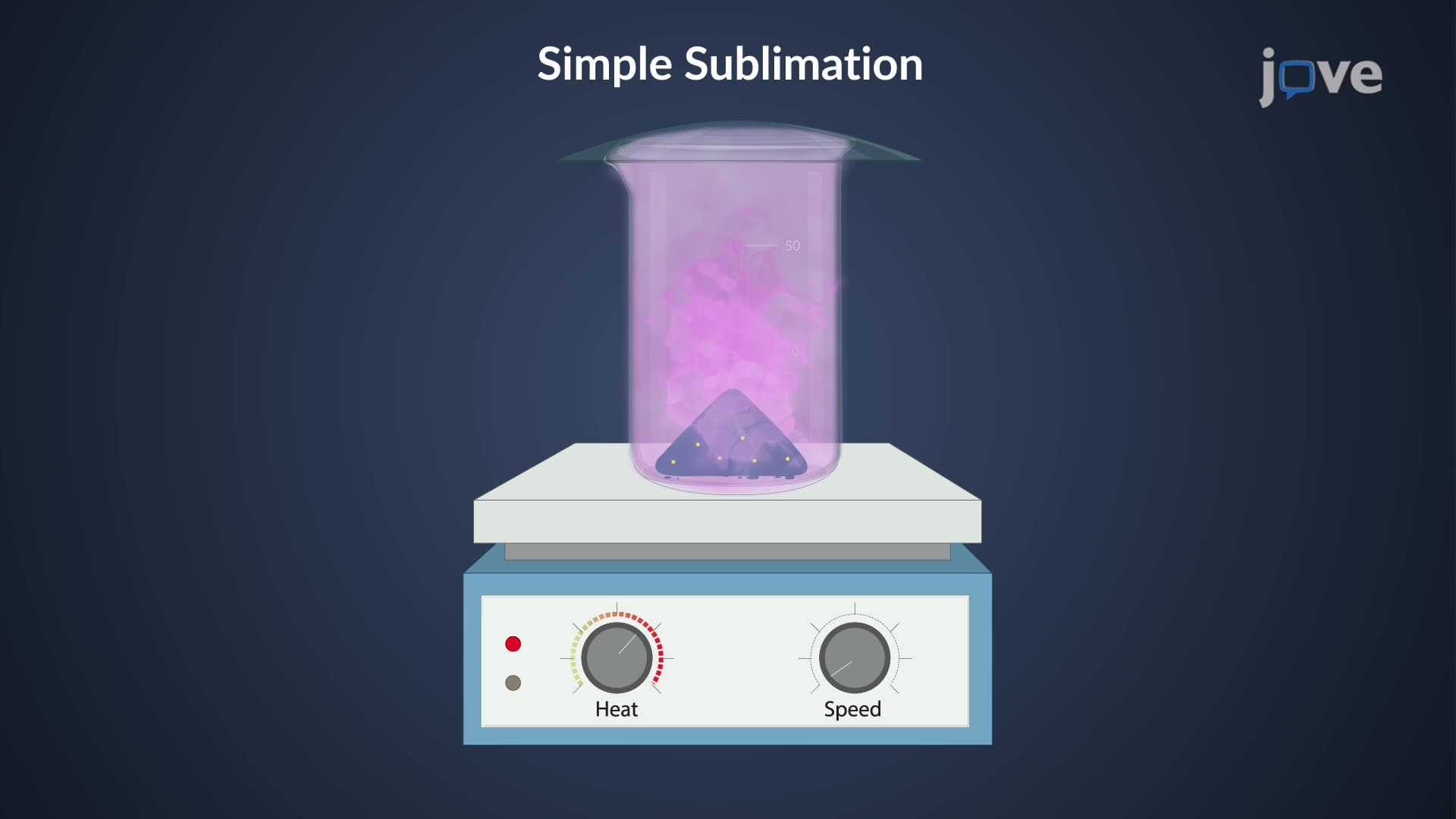
Did you know that the water in your morning coffee exists in three different states before reaching your cup? States of matter phases govern everything from the steam rising from hot beverages to the ice cubes that cool them down. Understanding states of matter phase transitions helps explain phenomena like why dry ice sublimates directly from solid to gas, skipping the liquid phase entirely at normal atmospheric pressure. Watch the full video on JoVE Coach to master this concept with expert-led visuals and step-by-step explanations.
The behavior of matter at the molecular level determines whether a substance exists as a solid, liquid, or gas under specific conditions. These states of matter phases represent distinct arrangements of molecules with varying degrees of kinetic energy and intermolecular attraction. The strength of these attractive forces relative to molecular motion dictates which phase predominates.
In gases, molecules possess high kinetic energy and move rapidly in random directions with minimal intermolecular attraction. The average distance between gas molecules far exceeds their molecular diameter, allowing for high compressibility. Liquids represent an intermediate state where molecules maintain closer proximity while retaining mobility, creating moderate density and slight compressibility. Solids exhibit tightly packed molecular arrangements with restricted movement, resulting in definite shape and virtual incompressibility.
States of matter phase transitions occur when energy input or removal disrupts the balance between kinetic energy and intermolecular forces. During melting, increased thermal energy overcomes the rigid structure of solids, while boiling provides sufficient energy for liquid molecules to escape intermolecular attractions entirely. The molar enthalpy of transition quantifies the energy required for complete phase changes, with values varying significantly between substances due to differences in intermolecular bonding strength.
These concepts appear frequently on AP Chemistry exams, particularly in thermodynamics and kinetic molecular theory sections. College-level physical chemistry courses extensively cover phase diagrams, which map temperature and pressure conditions for each phase. Understanding phase change energy proves essential for engineering applications, from designing efficient HVAC systems in buildings to developing pharmaceutical formulations that remain stable across temperature variations.
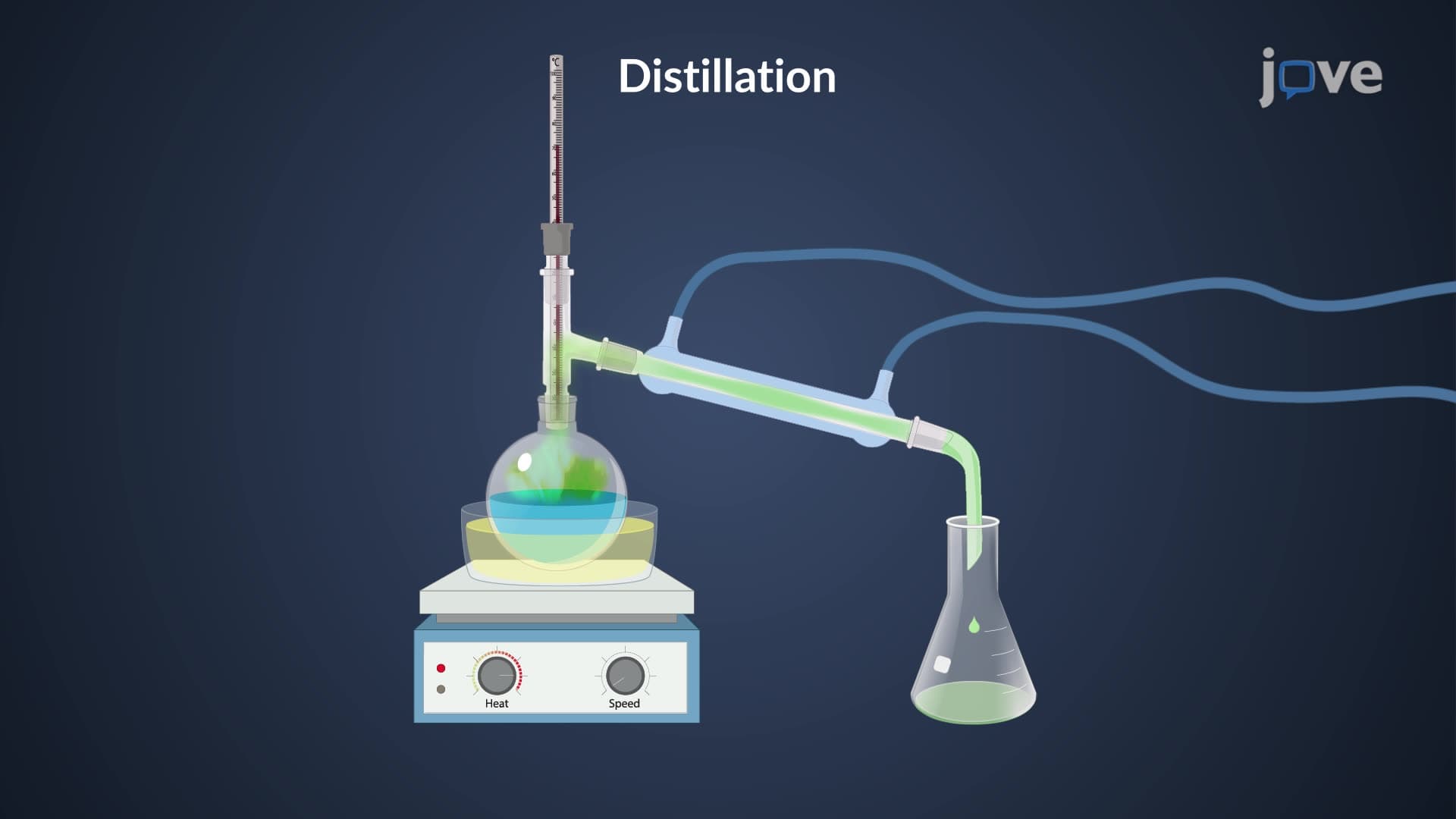
Industrial processes like petroleum refining rely heavily on controlled phase transitions to separate hydrocarbon mixtures. Similarly, food preservation techniques utilize phase change principles-freeze-drying removes water through sublimation, while pasteurization carefully controls heating to eliminate pathogens without unwanted chemical changes.
Related Micro-courses