Loading video…


 17 Concepts
 36.7K views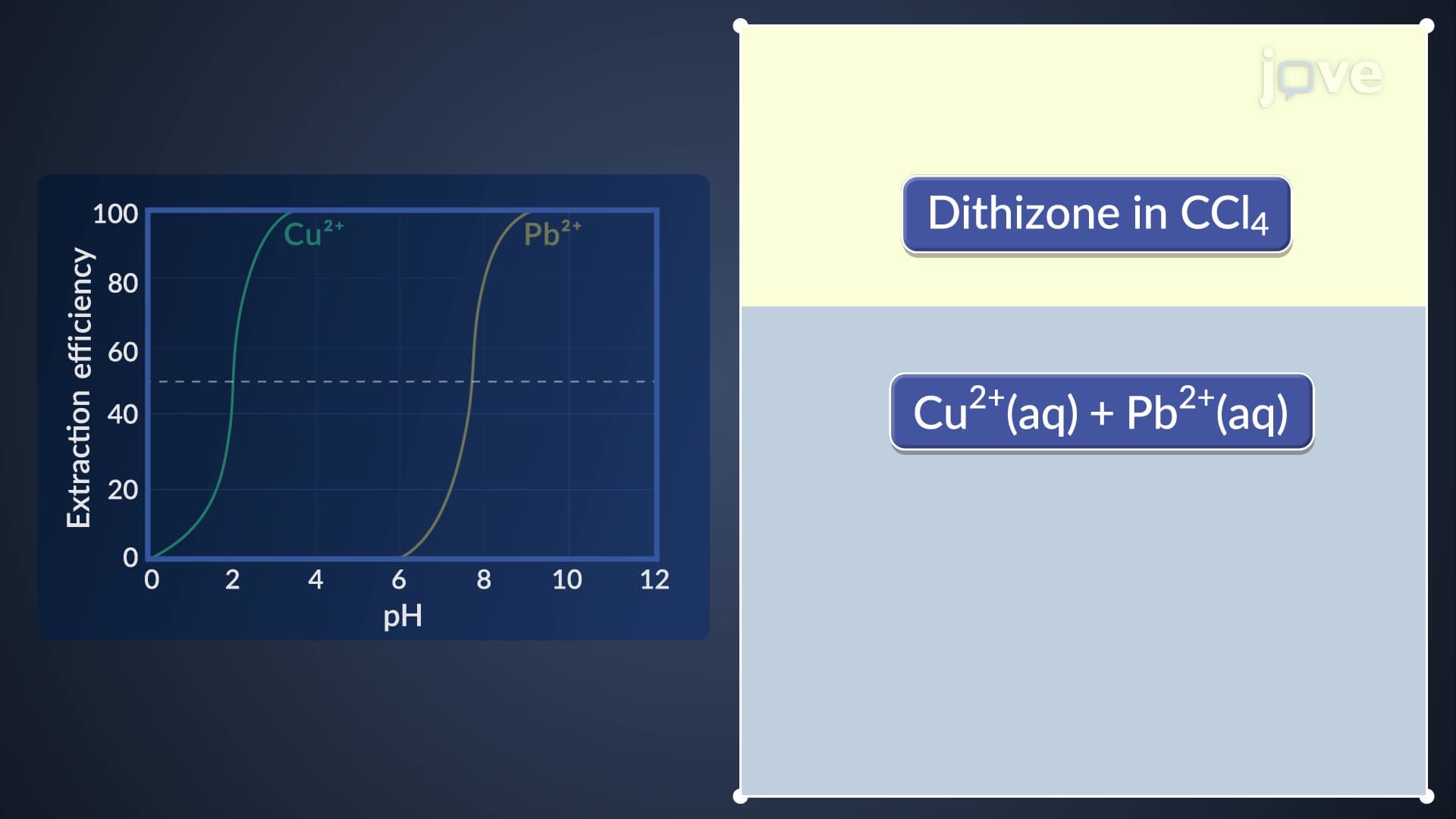

Video Summary: What Is Extraction Advanced Methods
Ever wondered how scientists separate microscopic amounts of copper from industrial wastewater or isolate life-saving pharmaceuticals from complex biological samples? Advanced extraction methods revolutionize how chemists selectively separate target compounds using sophisticated techniques like chelation and pH manipulation. For example, the EPA uses these methods to detect heavy metal contamination in drinking water across American cities. What is Extraction Advanced Methods encompasses these cutting-edge separation technologies that far exceed traditional liquid-liquid extraction capabilities. Watch the full video on JoVE Coach to master this concept with expert-led visuals and step-by-step explanations.
Advanced extraction methods represent a sophisticated evolution beyond traditional separation techniques, incorporating principles of coordination chemistry, thermodynamics, and selective binding to achieve unprecedented separation efficiency. These methods are fundamental to modern analytical chemistry, environmental monitoring, and pharmaceutical manufacturing across the United States.
The cornerstone of many advanced solvent extraction techniques lies in chelation chemistry. Chelating agents-organic molecules containing multiple binding sites-form stable, ring-like structures with metal ions. For effective extraction, these ligands must possess both hydrophobic characteristics and weak acid properties. When the chelating agent loses a proton (H+), it creates negatively charged binding sites that attract positively charged metal ions.
This process occurs in the aqueous phase, where metal-ligand complexes form as electrically neutral chelates. These uncharged complexes then readily transfer into the organic phase, following the fundamental principle that "like dissolves like." The American Chemical Society emphasizes this concept in undergraduate curricula because it explains why charged species remain in polar (aqueous) phases while neutral complexes prefer nonpolar (organic) environments.
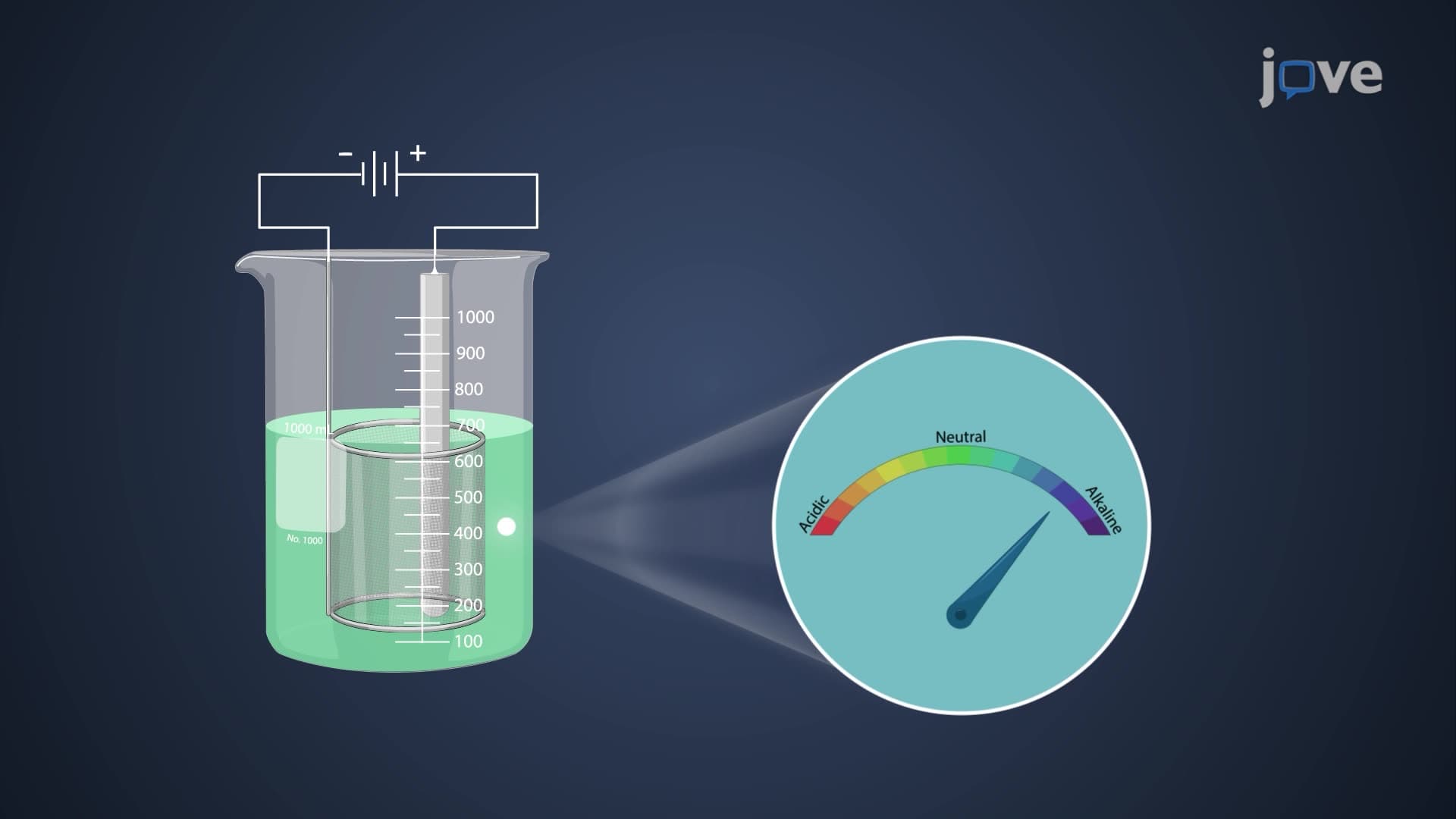
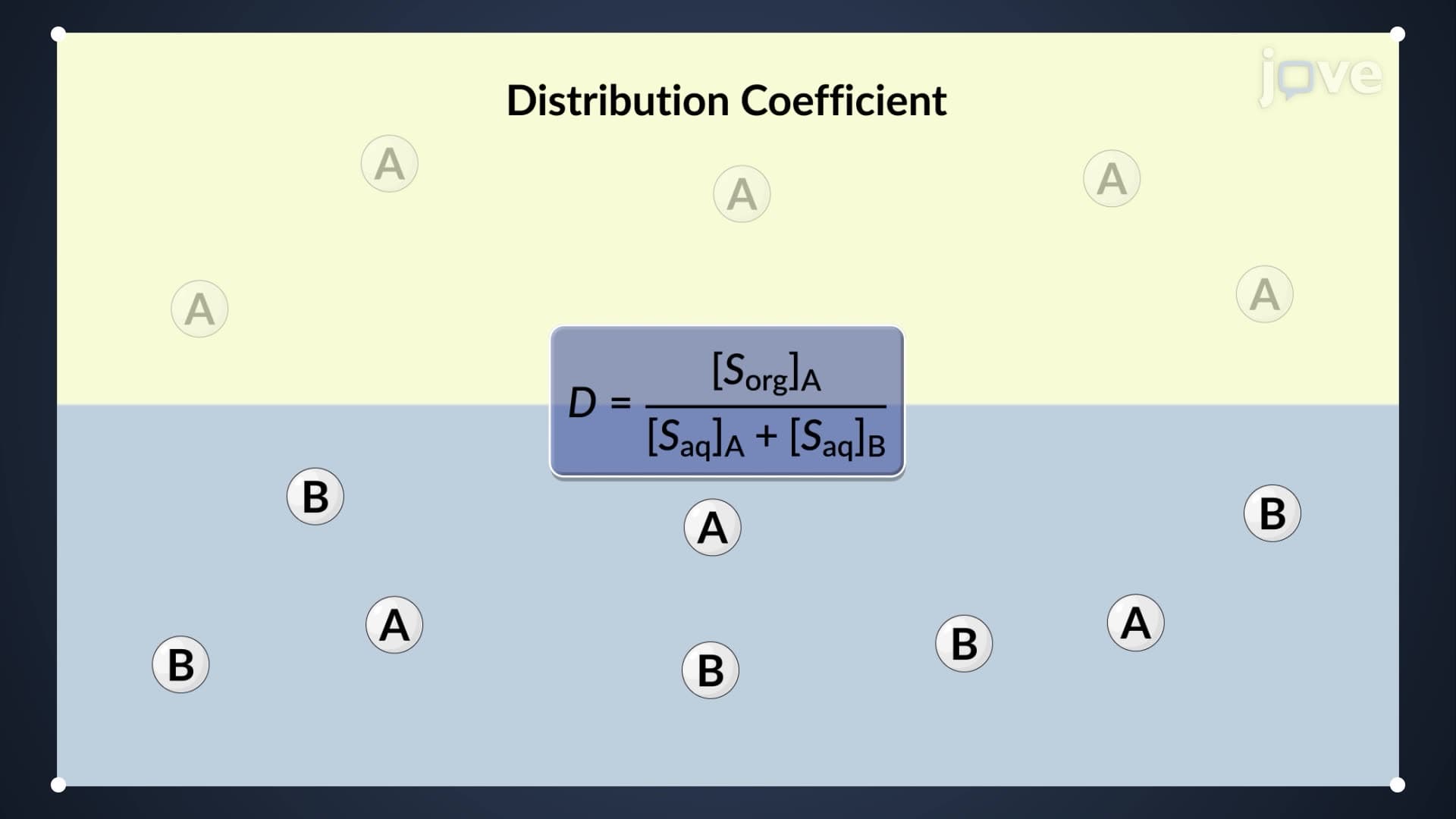
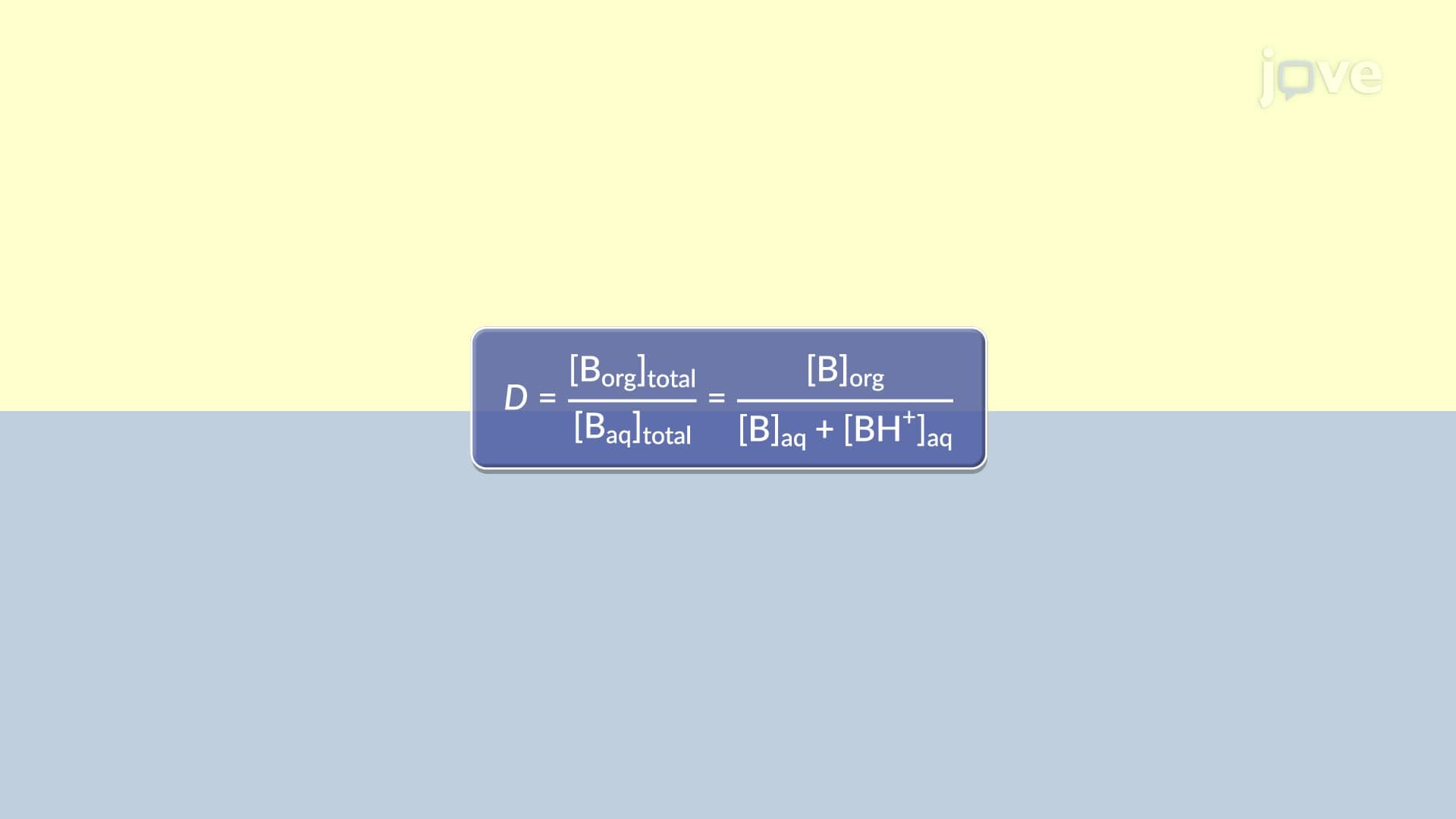
Modern extraction methods in chemistry exploit pH dependence to achieve remarkable selectivity. The distribution coefficient-the ratio of metal complex concentration between organic and aqueous phases-becomes solely dependent on aqueous pH when excess chelating agent is present. This relationship enables chemists to extract different metals sequentially by adjusting pH conditions.
Consider copper(II) and lead(II) separation, commonly encountered in AP Chemistry and college-level analytical courses. At pH below 5, copper forms stable chelates that extract quantitatively into the organic phase, while lead remains predominantly in the aqueous phase. By subsequently buffering the aqueous phase to pH 9.5, lead can be selectively extracted, leaving copper behind in the organic phase from the first extraction.
These principles extend to cutting-edge techniques including solid phase extraction SPE, microextraction techniques, supercritical fluid extraction, pressurized liquid extraction, and the QuEChERS extraction method. Environmental laboratories across the US employ these methods for EPA compliance testing, while pharmaceutical companies use them for drug purification and quality control. Students preparing for the MCAT or advanced placement exams frequently encounter these concepts in both theoretical and practical contexts.
Related Micro-courses