Loading…
Loading video…

36,660 views
Why do oil and vinegar separate in salad dressing, yet certain molecules can move between both layers? Extraction distribution coefficients reveal the fundamental principles behind this molecular behavior. In pharmaceutical manufacturing across the United States, companies like Pfizer use partition coefficient solvent extraction to purify drug compounds by predicting exactly how molecules will distribute between water and organic solvents. Understanding Extraction Partition And Distribution Coefficients Explained unlocks the science behind liquid-liquid extraction processes. Watch the full video on JoVE Coach to master this concept with expert-led visuals and step-by-step explanations.
The foundation of liquid-liquid extraction rests on a simple yet powerful principle: molecules naturally distribute themselves between two immiscible phases according to their chemical affinities. This behavior, governed by extraction distribution coefficients, determines the success of countless separation processes from pharmaceutical manufacturing to environmental remediation across the United States.
The partition coefficient solvent extraction parameter, Kd, represents a true thermodynamic equilibrium constant. When a solute exists in identical chemical forms in both aqueous and organic phases, Kd equals the ratio of concentrations in organic to aqueous phases. This coefficient remains constant at fixed temperature, making it invaluable for predicting extraction behavior.
Consider caffeine extraction from coffee beans—a process used by major US companies like Folgers. Caffeine's Kd value between water and methylene chloride remains constant regardless of initial concentration, allowing precise control of decaffeination processes. Students preparing for AP Chemistry exams frequently encounter Kd calculations, as these problems test understanding of equilibrium principles and mathematical applications.
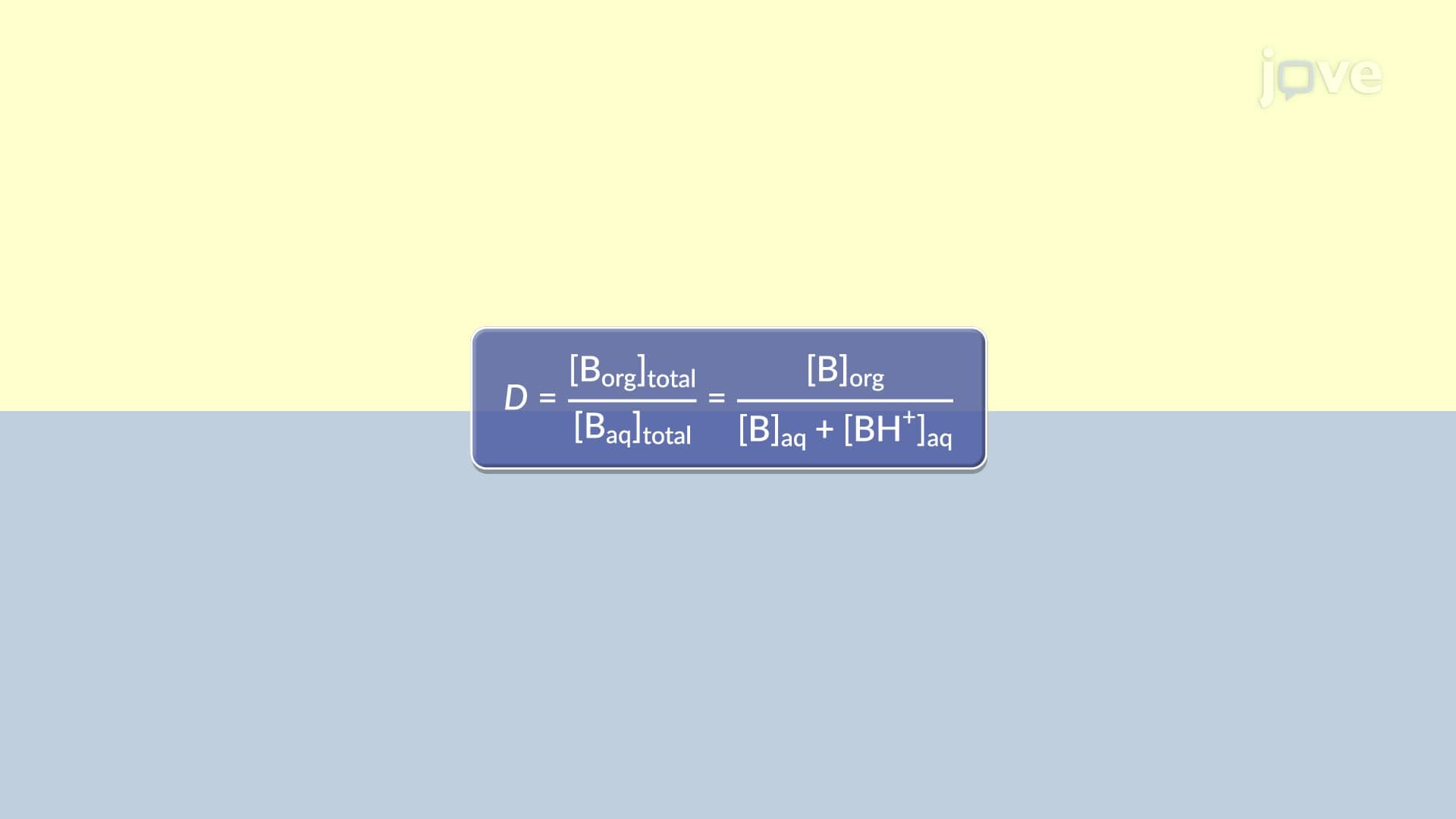
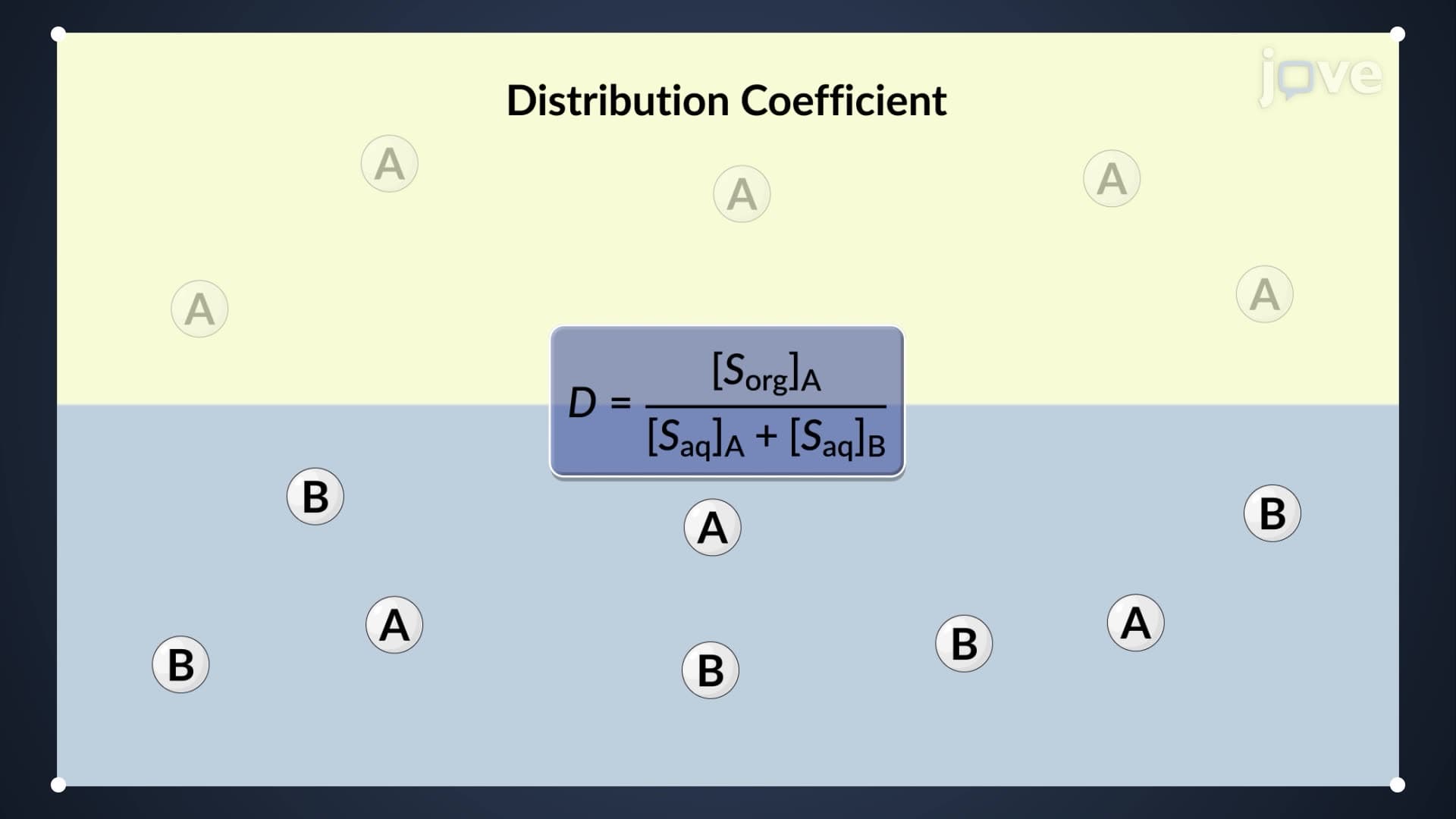
Real-world extraction scenarios rarely involve solutes existing in single chemical forms. The distribution coefficient D accounts for this complexity by incorporating all chemical species present. When calculating how to calculate distribution coefficient extraction problems, D represents the total concentration of all forms in the organic phase divided by total concentration in the aqueous phase.
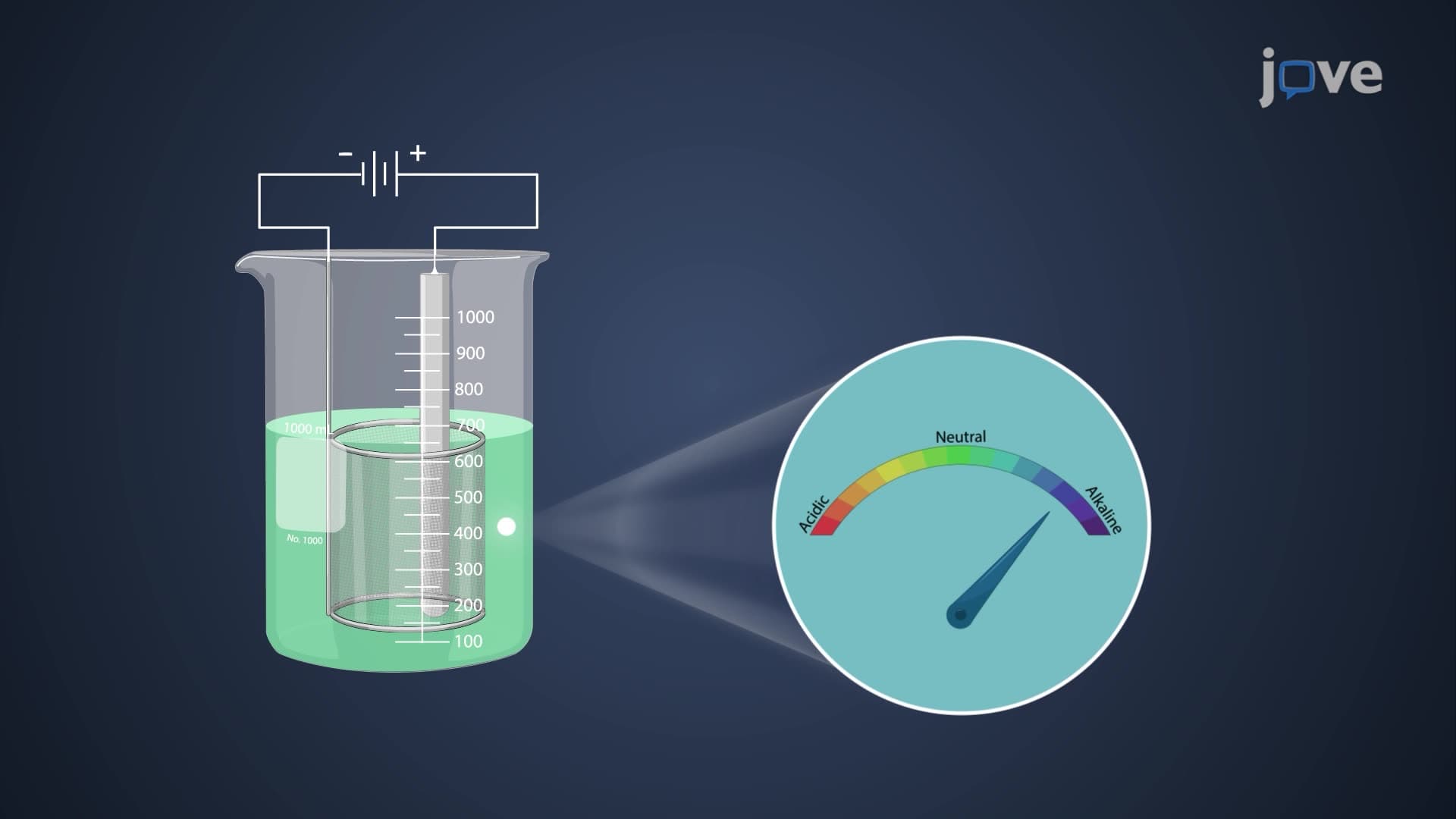
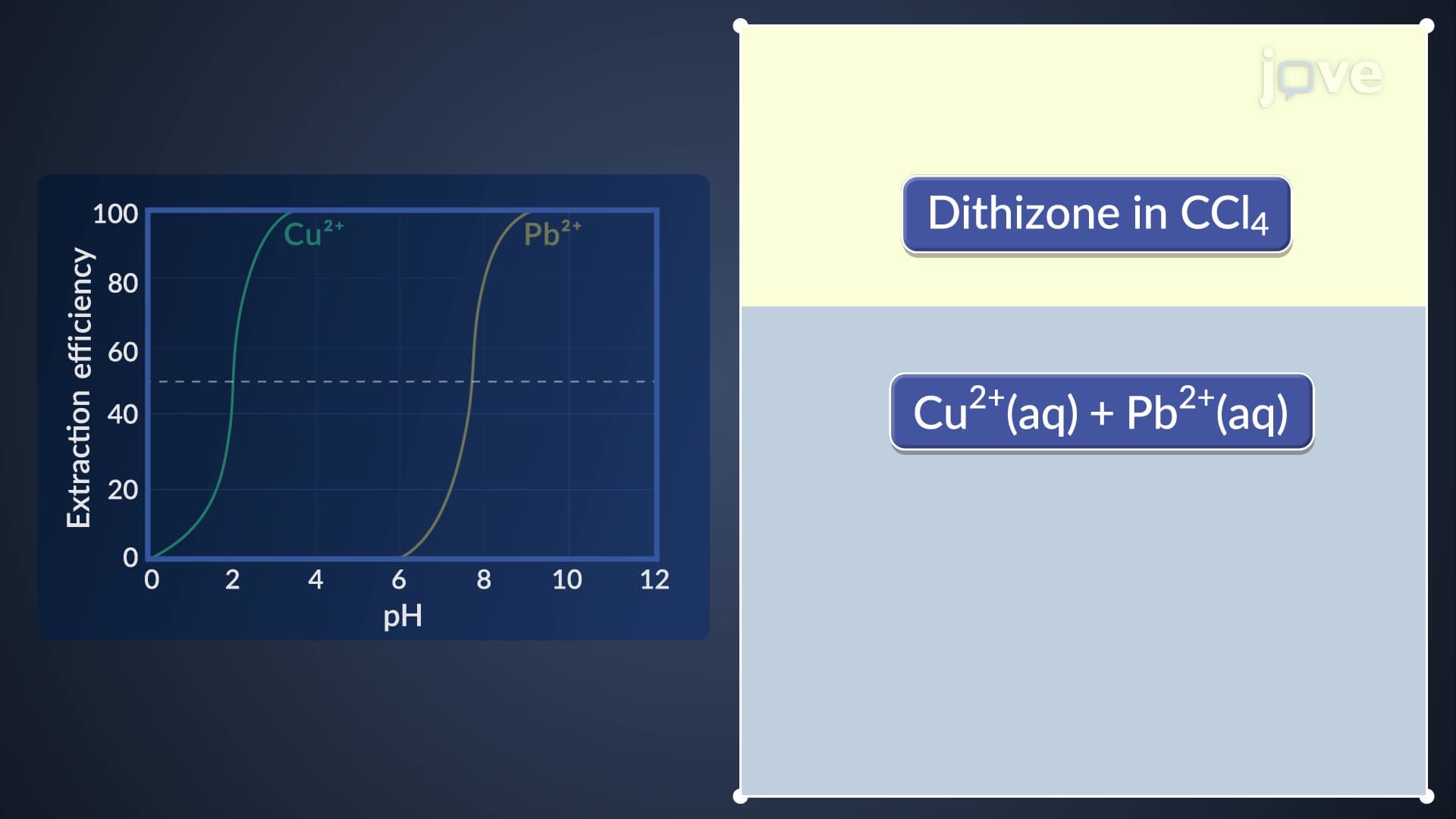
pH dramatically influences D values, particularly for ionizable compounds. Aspirin extraction from aqueous solution demonstrates this principle—at low pH, aspirin exists primarily in its molecular form, favoring organic phase distribution. At high pH, ionic forms dominate, preferring the aqueous phase. This pH dependence makes D values essential for optimizing pharmaceutical purification processes.
Understanding these coefficients proves crucial for success in advanced chemistry courses and standardized exams. MCAT questions frequently test extraction principles, requiring students to predict optimal pH conditions for maximum extraction efficiency. College organic chemistry midterms often include multi-step extraction problems where students must apply both Kd and D concepts.
Environmental applications showcase these principles' importance. EPA-approved methods for analyzing pollutants in water samples rely heavily on liquid liquid extraction coefficient calculations. Students pursuing environmental science careers will encounter these concepts throughout their academic and professional journeys.
Frequently Asked Questions
Partition coefficient (Kd) applies when solutes exist in identical chemical forms in both phases, representing a true equilibrium constant. Distribution coefficient (D) accounts for multiple chemical species, incorporating all forms present in each phase, making it pH-dependent and more practical for real-world applications.
These coefficients commonly appear in equilibrium and thermodynamics sections of AP Chemistry exams, often combined with acid-base chemistry problems. College organic chemistry courses frequently test extraction optimization, requiring students to calculate optimal pH conditions and predict separation efficiency using both Kd and D values.
Focus on understanding pH effects on ionizable compounds and practice multi-step extraction problems. MCAT questions often combine extraction principles with biochemistry concepts, so master both mathematical calculations and conceptual understanding of how molecular structure affects distribution behavior.
Major pharmaceutical companies like Johnson & Johnson and Merck use these coefficients to design purification processes for drug compounds. They optimize extraction conditions by predicting how active ingredients will partition between solvents, ensuring high purity while minimizing waste and production costs.
Not at all—the mathematical concepts require only basic algebra and logarithms typically covered in high school chemistry. The key is understanding the underlying chemical principles rather than complex calculations. Most problems involve straightforward ratio calculations and pH-related exponential relationships.
Extraction efficiency depends on the distribution coefficient and phase volume ratio. Use the formula: Efficiency = (D × Vorg) / (D × Vorg + Vaq), where D is the distribution coefficient, Vorg is organic phase volume, and Vaq is aqueous phase volume. Higher D values and larger organic volumes increase extraction efficiency.
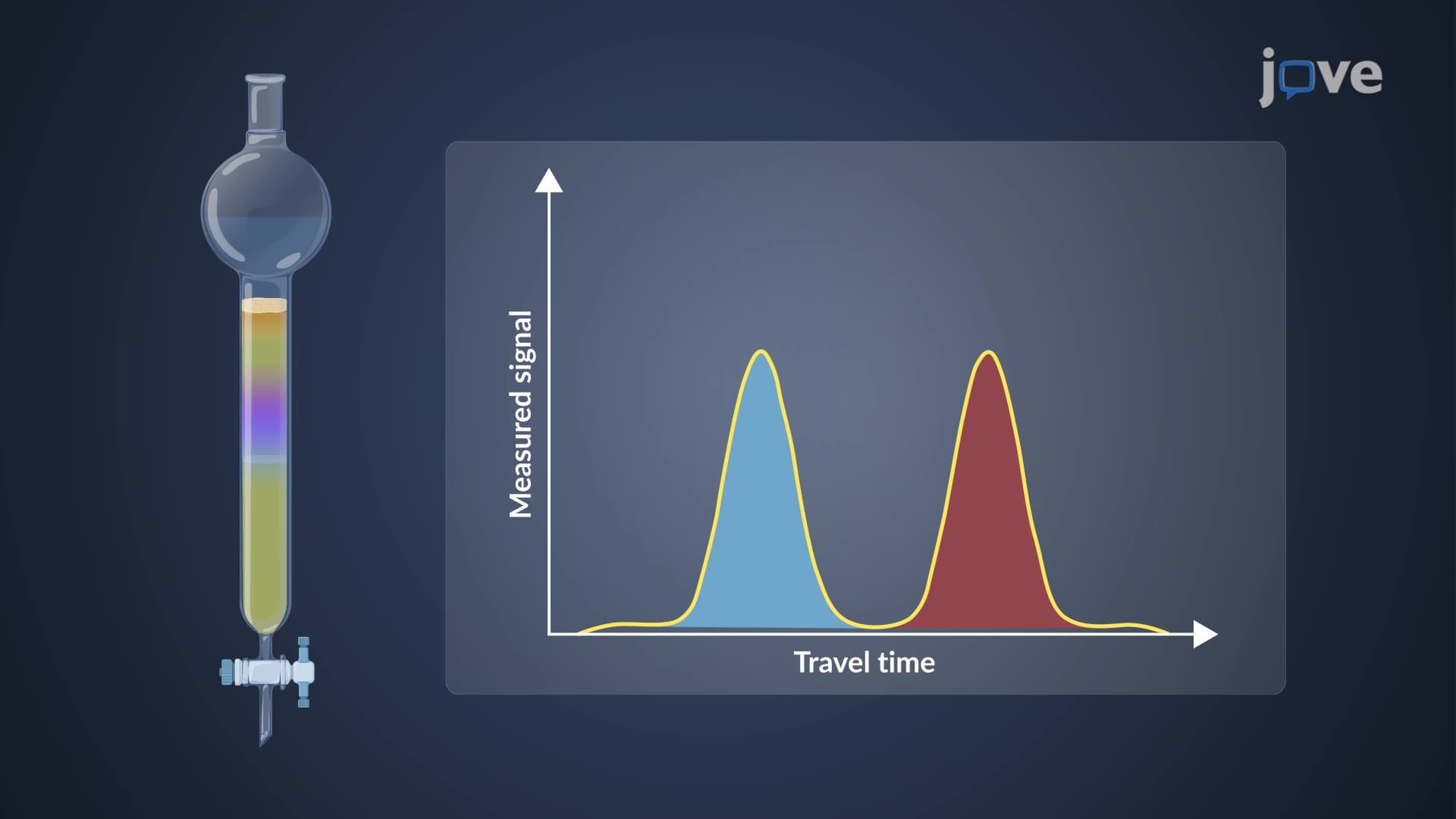
Explore liquid chromatography principles, where these concepts extend to multiple equilibria between mobile and stationary phases. Advanced topics include countercurrent extraction, Craig distribution, and computer modeling of complex extraction systems used in industrial separations.
Temperature significantly influences partition coefficients since they represent equilibrium constants. Most organic compounds show decreased water solubility at higher temperatures, increasing their preference for organic phases. Industrial processes carefully control temperature to maintain consistent extraction performance and product quality.
Absolutely—environmental scientists regularly use these principles for pollutant analysis and remediation design. EPA methods for analyzing pesticides, pharmaceuticals, and industrial chemicals in water samples rely heavily on extraction coefficient data to optimize analytical procedures and predict contaminant behavior in natural systems.
Related Micro-courses
Related Subjects
 Chemistry 21 micro-courses›
 Organic Chemistry 21 micro-courses›