Loading subject page…

- Analytical Chemistry
- Introduction to Separation Methods
- Chromatography: Introduction
Micro-course: Introduction to Separation Methods
36,660 views
Learn key concepts and earn your certificate.


Chromatography: Introduction
00:00
01:10
- Understand the core principles of chromatography introduction, including the roles of stationary phase, mobile phase, and analytes in separation processes
- Identify the three essential components that make every chromatographic system function effectively for chemical analysis
- Compare partition chromatography (liquid-liquid and gas-liquid) with adsorption chromatography based on their separation mechanisms
- Analyze how solubility differences drive separation in liquid-liquid partition chromatography versus vapor pressure effects in gas chromatography
- Evaluate the relationship between molecular affinity for stationary phases and separation efficiency in adsorption methods
- Apply chromatography separation principles to predict which compounds will elute first in different chromatographic systems
- Recognize practical applications of thin-layer and column chromatography techniques in laboratory and industrial settings
- Explore how chromatographic separation basics form the foundation for advanced analytical chemistry methods
Understanding Chromatography Introduction Fundamentals
Introduction to chromatography chemistry begins with recognizing it as a separation science that has revolutionized analytical chemistry since its discovery by Russian botanist Mikhail Tsvet in 1900. At its core, chromatography exploits the differential migration of compounds through a system containing two distinct phases. This principle underlies everything from quality control at Pfizer's manufacturing facilities to environmental monitoring by the EPA.
The Three-Component System: Stationary Phase, Mobile Phase, and Analytes
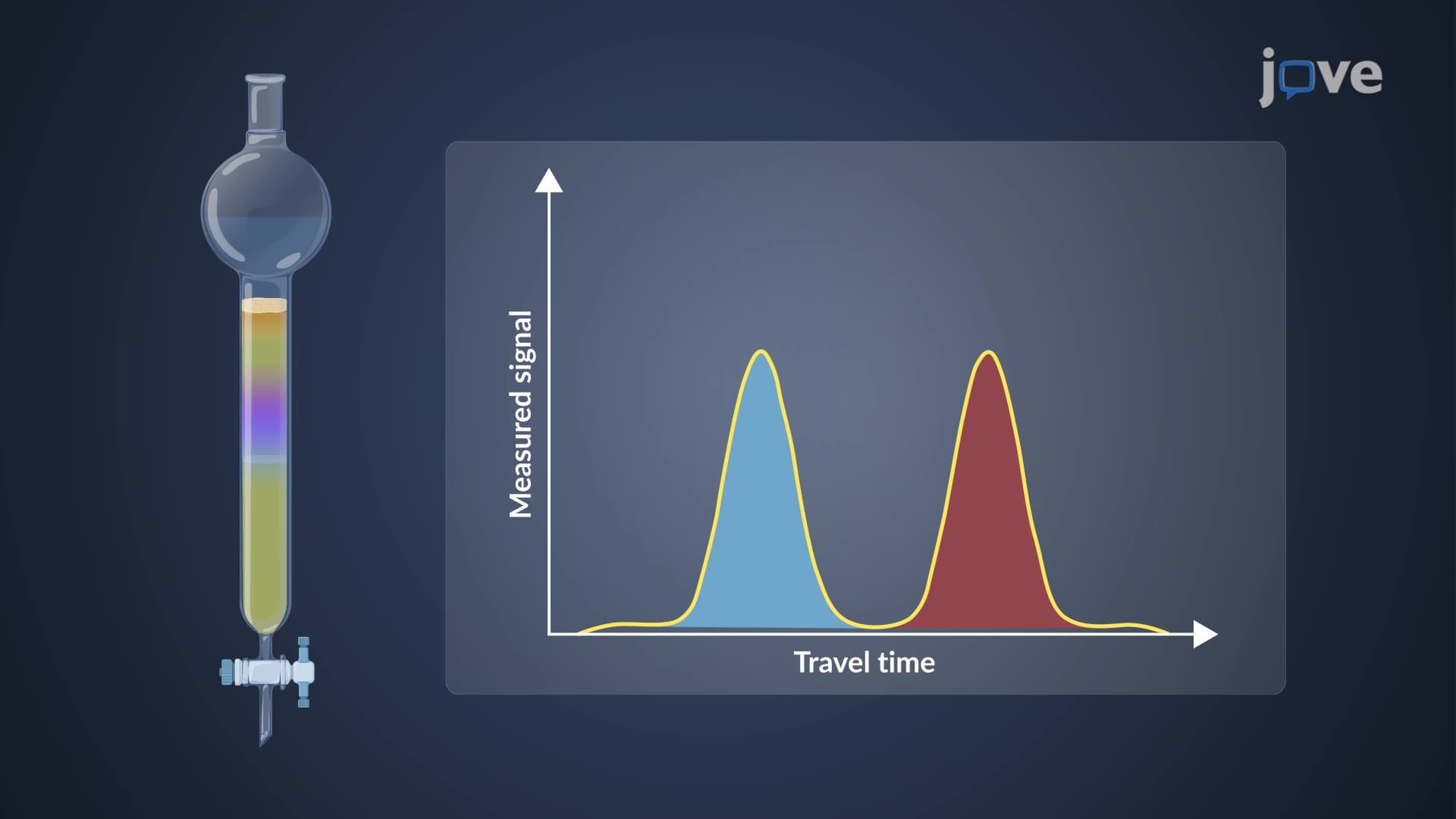
The chromatography separation principle relies on three fundamental components working in harmony. The stationary phase serves as the separation medium - imagine it as a selective filter that interacts differently with each compound in your mixture. The mobile phase acts as the carrier, transporting analytes through the system like a river carrying different types of debris at varying speeds. The analytes themselves are the compounds you want to separate and analyze.
This three-component relationship explains what is chromatography and how does it work at the molecular level. Different analytes spend varying amounts of time interacting with the stationary phase versus traveling with the mobile phase, creating the separation we observe.
Types of Chromatography: Partition vs. Adsorption Mechanisms
Types of chromatography fall into two major categories based on their separation mechanisms. Partition chromatography separates compounds based on their relative solubilities between two liquid phases. In liquid-liquid partition chromatography, think of oil and water - compounds prefer one phase over another based on their chemical properties. Gas-liquid partition chromatography (gas chromatography) operates similarly but uses vapor pressure differences, making it invaluable for analyzing volatile compounds in forensic laboratories and pharmaceutical quality control.
Adsorption chromatography uses a solid stationary phase where separation occurs through differential binding affinities. Chromatographic separation basics in this method rely on how strongly different molecules "stick" to the solid surface. Thin-layer chromatography (TLC) and chromatography column technique methods exemplify this approach, commonly used in undergraduate organic chemistry labs across US universities.
Real-World Applications and Exam Relevance
Understanding these principles proves essential for AP Chemistry students tackling separation technique questions and pre-med students preparing for MCAT passages about analytical methods. The concepts appear frequently in college general chemistry and analytical chemistry courses, where students must predict elution orders and explain separation mechanisms. From pharmaceutical drug testing to environmental pollutant analysis, chromatography introduction basics provide the foundation for countless analytical applications in American laboratories and industries.
Frequently Asked Questions
Chromatography introduction covers the fundamental separation science that allows chemists to separate, identify, and purify chemical mixtures using stationary and mobile phases. It's crucial because it forms the backbone of analytical chemistry, appearing on AP Chemistry exams, college chemistry courses, and pre-professional exams like the MCAT. Understanding these basics prepares students for advanced laboratory techniques and real-world applications in pharmaceuticals, forensics, and environmental science.
AP Chemistry frequently tests chromatography through free-response questions about separation mechanisms, predicting elution orders, and interpreting chromatograms. College general chemistry and analytical chemistry courses include chromatography in laboratory practicals and theoretical exam questions. The MCAT often features chromatography in passages about drug purification or biochemical analysis, requiring students to understand how molecular properties affect separation.
Focus on understanding how polarity, molecular size, and intermolecular forces affect separation in different chromatographic methods. MCAT passages often connect chromatography to biochemistry topics like protein purification or drug metabolism analysis. Master the relationship between retention time and molecular properties, as these concepts frequently appear in physical sciences sections testing analytical reasoning.
The FDA uses chromatography to verify pharmaceutical drug purity and identify contaminants in food products. Crime labs employ gas chromatography to analyze drug evidence and identify accelerants in arson investigations. Environmental agencies like the EPA use chromatographic methods to monitor water quality and detect pollutants. Pharmaceutical companies rely on these techniques for quality control throughout drug development and manufacturing processes.
No advanced prerequisites are required - chromatography introduction builds on fundamental concepts like polarity, solubility, and intermolecular forces from general chemistry. High school chemistry students can grasp the core principles by understanding how "like dissolves like" and basic molecular interactions. The mathematical calculations come later in advanced courses, but the conceptual foundation is accessible with solid general chemistry fundamentals.
Create visual diagrams showing how different compounds move through chromatographic systems, focusing on molecular properties that affect separation. Practice predicting elution orders based on polarity and molecular size. Use active recall by explaining separation mechanisms without looking at notes. Connect chromatography principles to real-world examples like drug testing or forensic analysis to make concepts memorable for exam questions.
Start with thin-layer chromatography (TLC) concepts since they're visual and easier to understand, then progress to column chromatography principles. These foundational methods teach core separation concepts that apply to more advanced techniques like high-performance liquid chromatography (HPLC) and gas chromatography (GC). Focus on understanding stationary and mobile phase interactions before tackling specific instrumental methods.
Chromatography principles underpin analytical chemistry, biochemistry, and organic chemistry laboratory work throughout undergraduate studies. Advanced courses build on these fundamentals to cover instrumental analysis, protein purification techniques, and pharmaceutical analysis methods. Many graduate programs and chemistry careers require chromatographic expertise, making early mastery of these concepts essential for future success in chemical sciences.
Related Micro-courses

14 Concepts
13 Concepts
Related Subjects

Chemistry21 micro-courses
›